TechShelf Guide

TechShelf Guide

Consumer Electronics Reviews & Buying Guides

Compare consumer electronics by use case, features, trade-offs, price, returns, and seller terms before you buy.

Buying guides

Buying guide image
Drones & Consumer Robotics

DJI Mini 2 Drone

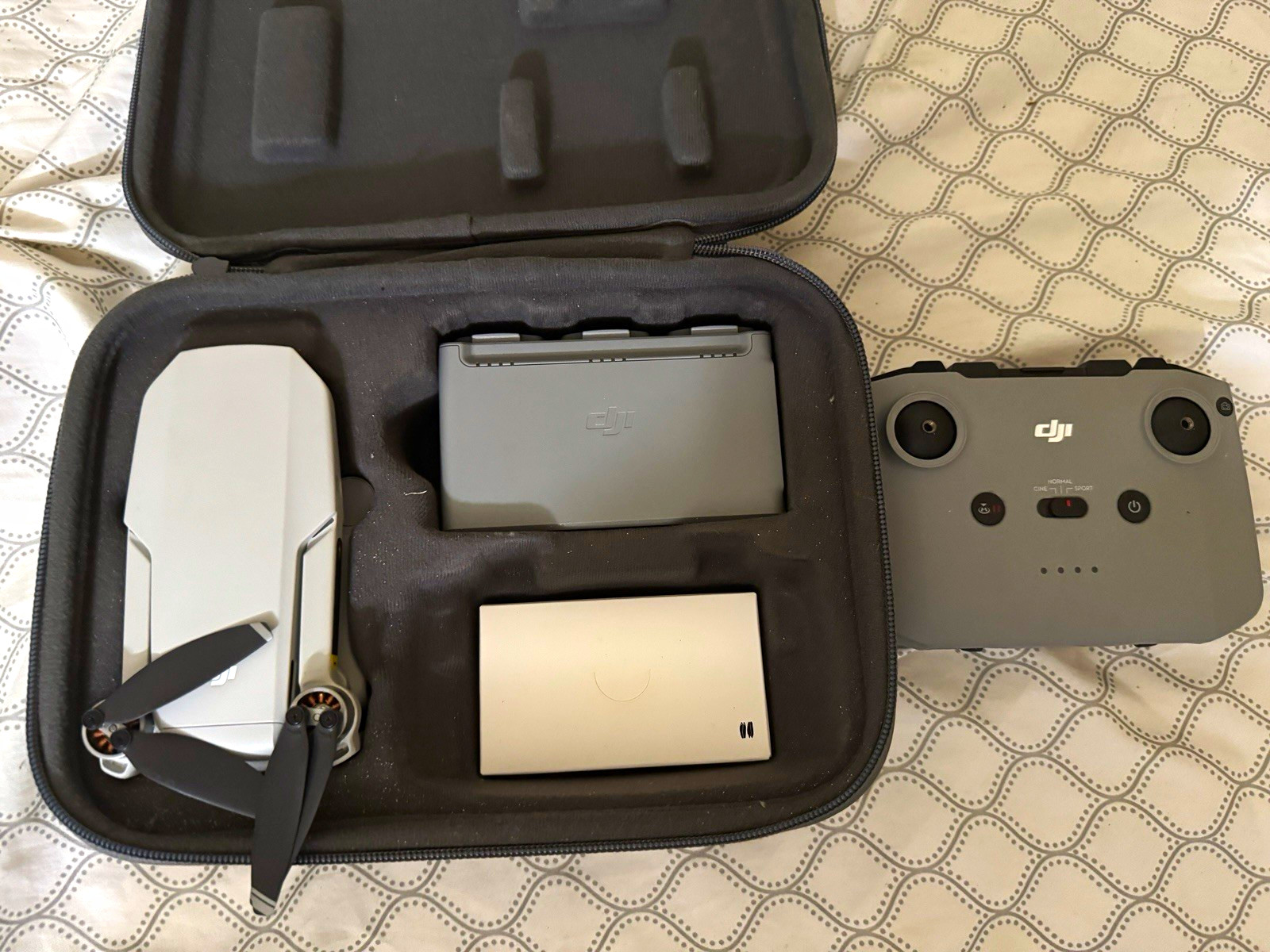
The DJI Mini 2 is an ultra-light folding camera drone built to stay under the 249 g registration threshold while delivering 4K video and reliable OcuSync 2.0 transmission. The core trade-off is between the sub-250 g class's wind resistance and camera sensor size versus the larger, heavier Mini 3/Mini 4 tiers that add obstacle sensing and vertical shooting. Buy the Mini 2 only if sub-250 g legality, proven OcuSync range, and 4K/30 fps are your priorities; step up to a Mini 3/4 if you need longer flight time, larger sensors, or collision avoidance.
Buying guide image
Keycaps & Artisan Keycaps

60 Keyboard Keycap

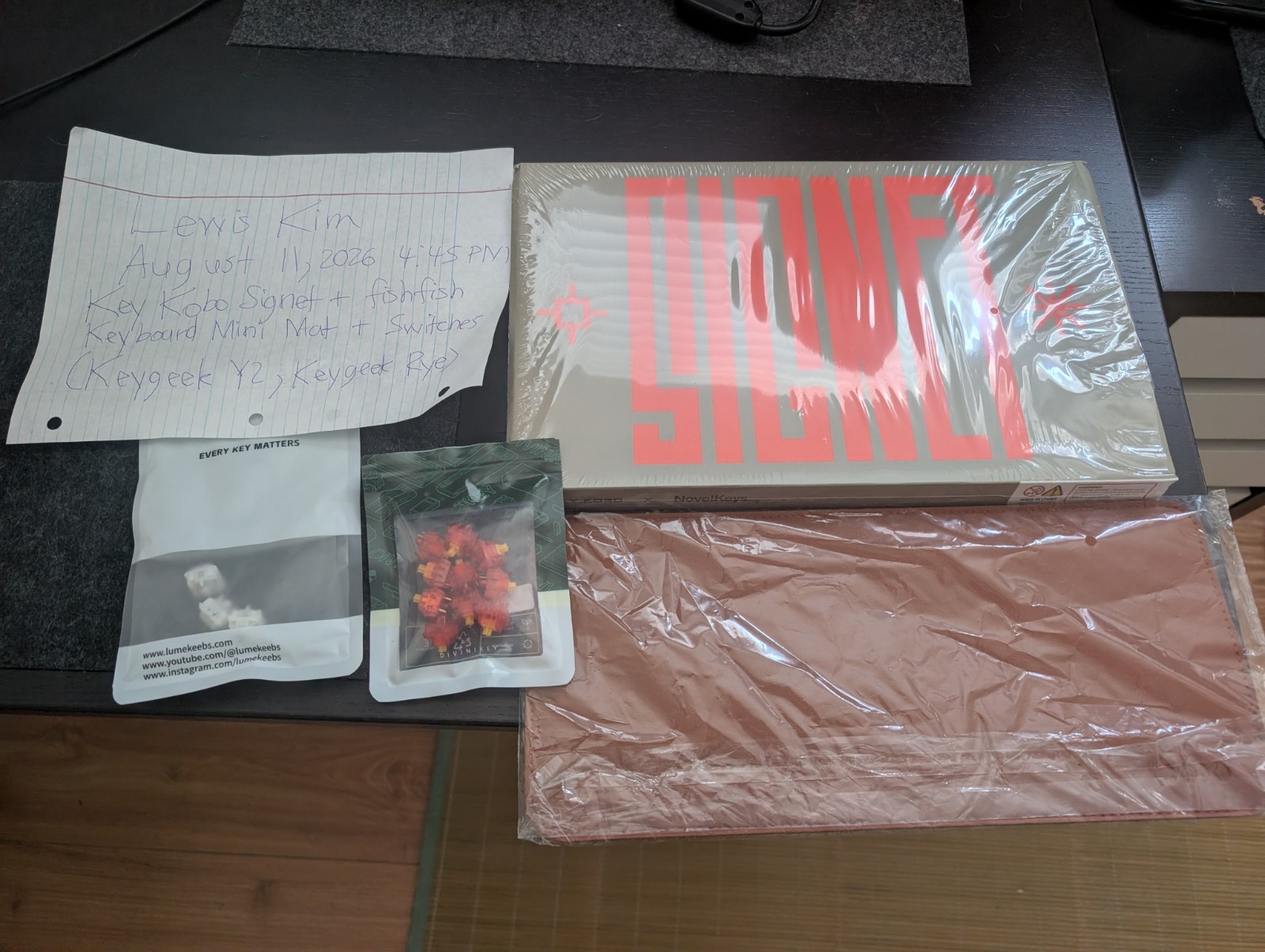
A 60% keyboard keycap set is a replacement keycap collection sized for compact 60%-layout boards, where the core trade-off is between universal compatibility (extra 1u/1.5u/1.75u modifiers to cover varied bottom rows) and build quality (ABS vs PBT plastic and doubleshot vs dye-sublimated legends). The decisive rule: buy a set that explicitly lists a 60% base kit with 1u bottom-row keys and 1.75u right shift, and choose PBT doubleshot for long-term shine resistance unless you deliberately want ABS sound and feel.

Buying guide image
Keycaps & Artisan Keycaps

75 Keyboard Keycap

A 75% keyboard keycap set is a sculpted or flat profile set that must cover a compact 75% layout — usually 82–84 keys with arrow cluster, function row, and often a right-hand column — without the full numpad of a TKL. The core trade-off is profile and material: sculpted doubleshot ABS/PBT in Cherry, OEM, MT3, or SA gives better feel and durability but requires exact layout coverage, while cheap flat or thin PBT sets cause shine, warping, and missing modifier keys. The decision rule: buy a set that explicitly lists 75% coverage with 1.75u right Shift, 1.25u bottom-row mods, and the correct stabilizer spacing, and skip any set that only promises 60%/65% support.

Buying guide image
Console & Handheld Hardware

HDMI Retro Game Console

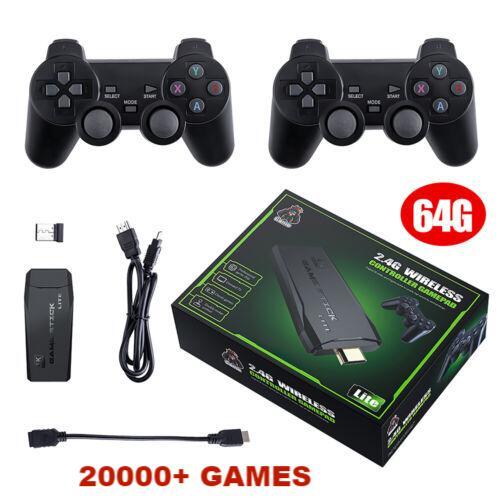
HDMI retro game consoles split into two architectures: TV-stick/plug-and-play boxes with preloaded ROM libraries, and cartridge/SD-based systems that run original hardware or FPGA cores. Buy based on whether you want instant access to a curated library or accurate playback of physical media, because the advertised '4K HDMI' almost always means upscaled 720p/1080p output, not native 4K rendering.

Buying guide image
Computers & Peripherals

Webcam

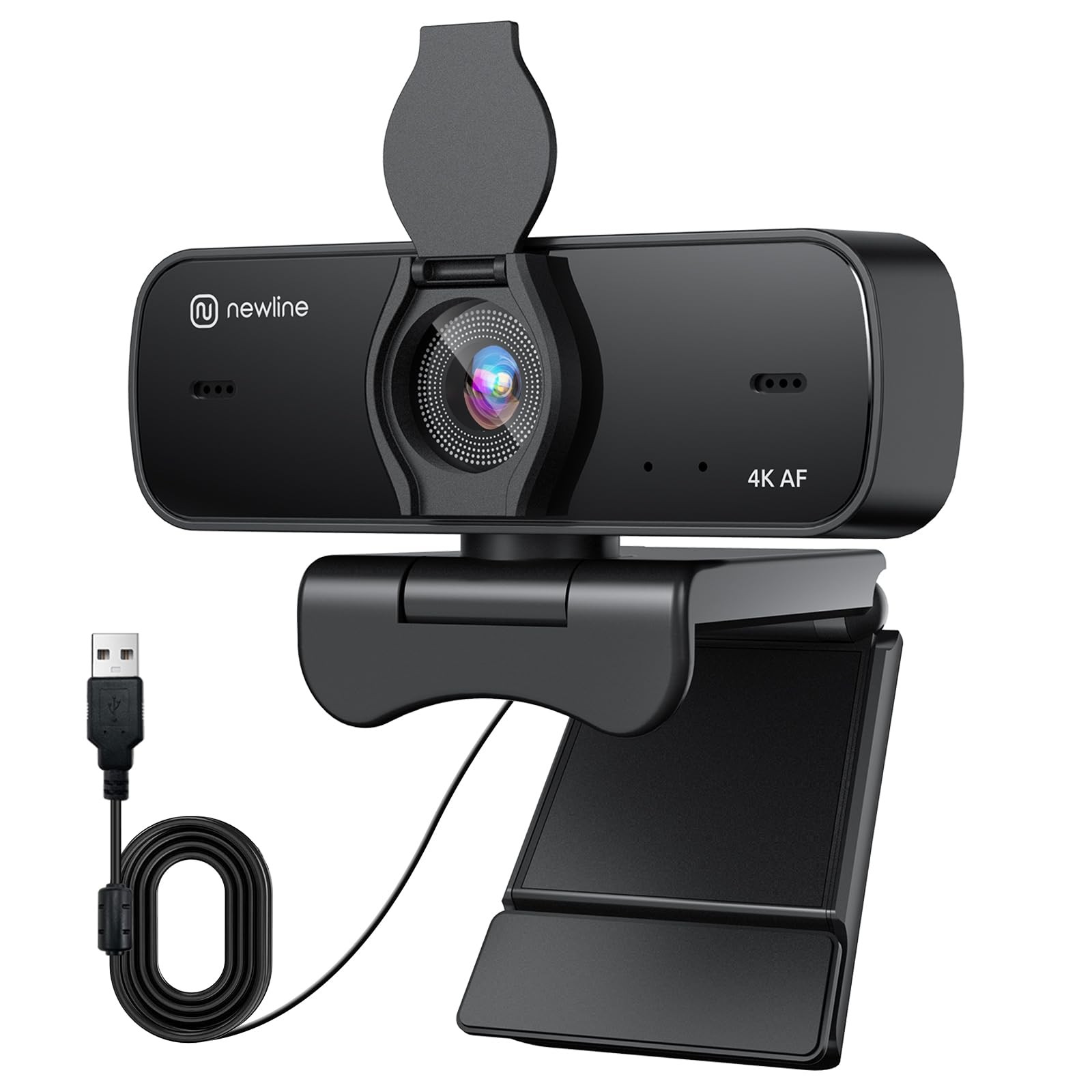
A webcam is a USB or wireless camera module that captures video for calls, streaming, and conferencing. The core trade-off is sensor resolution and low-light performance versus autofocus, field-of-view, and microphone quality. Buy a 1080p autofocus unit with a privacy shutter for daily calls; upgrade to 4K only if you have controlled lighting and need detail capture.

Buying guide image
3D Printing Filament & Resin

PLA Resin

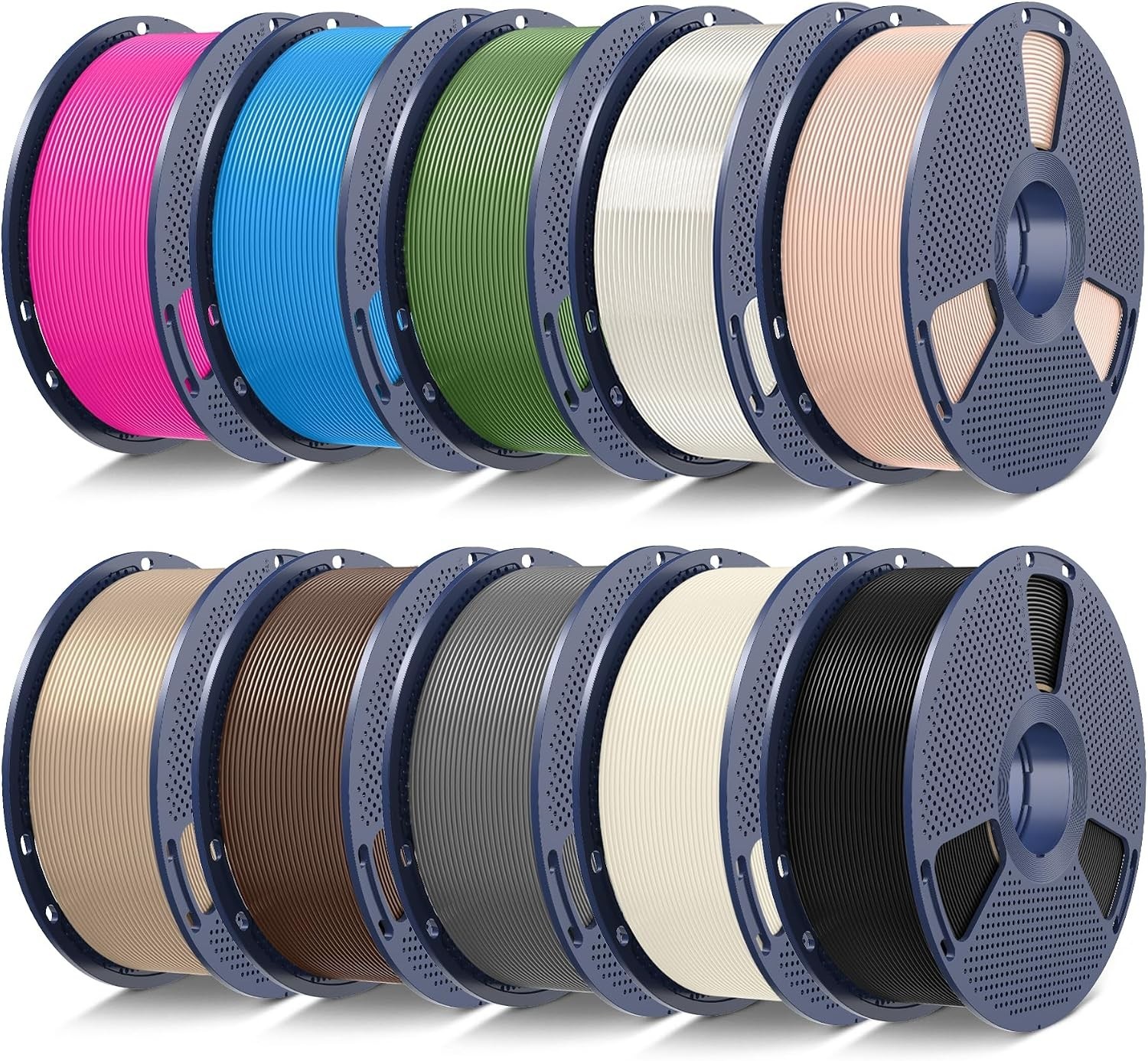
PLA is the most user-friendly FDM 3D printing filament, prized for low warping, minimal odor, and high detail on open-frame printers. The primary trade-off is between standard PLA's ease and brittleness versus PLA+ and Silk variants that trade some stiffness or interlayer strength for toughness or gloss. Buy standard PLA for visual models and drafts, PLA+ for functional parts needing impact resistance, and Silk only for decorative pieces where layer adhesion is secondary.

Buying guide image
Ham Radio Transceivers

Mobile Transceiver

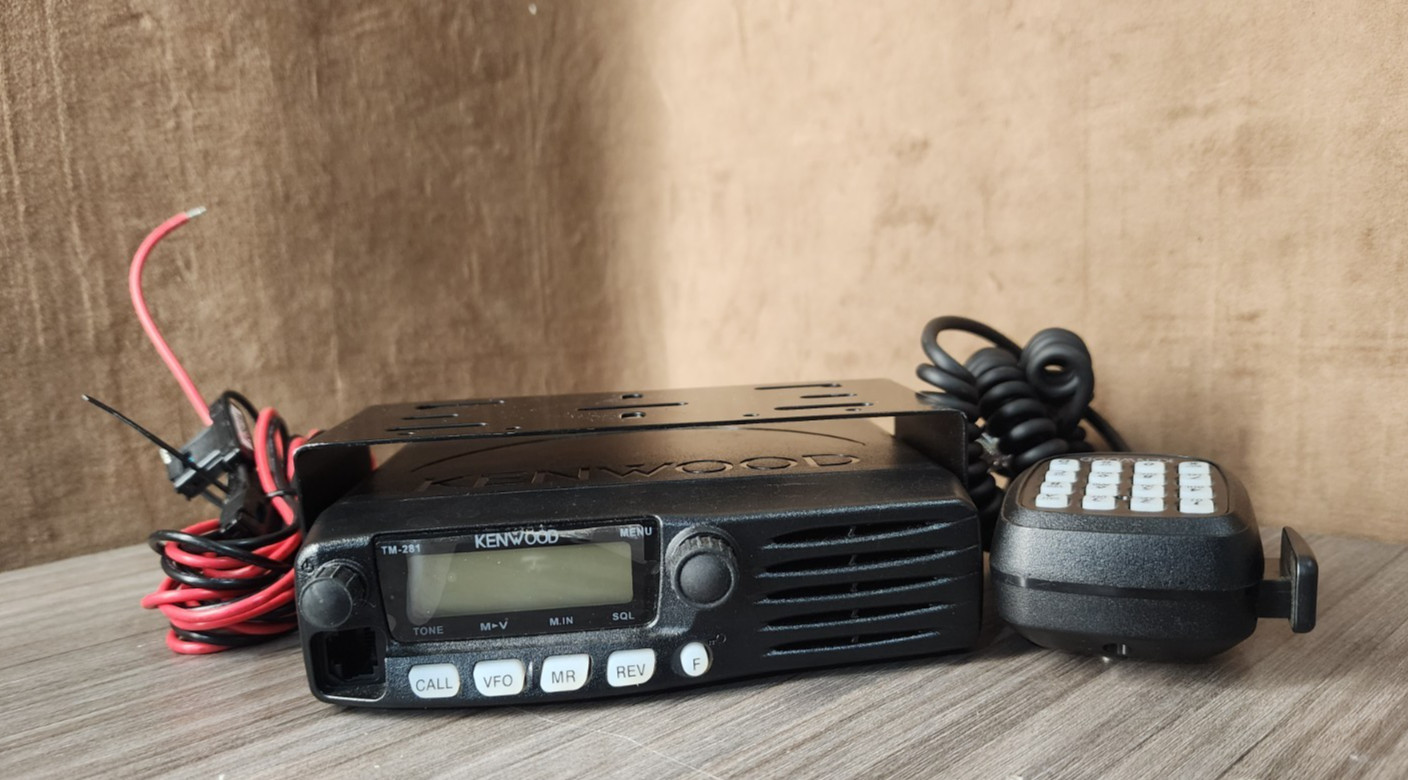
A mobile transceiver turns your vehicle into a dependable VHF/UHF or HF station, but the wrong band or power tier leaves you unable to hit the repeaters or simplex channels you actually use. Decide first between single-band 2m workhorses, dual-band VHF/UHF rigs, and 10m SSB/CW units, then size the power and mounting to your vehicle's electrical and antenna constraints.

Buying guide image
Keycaps & Artisan Keycaps

65 Keyboard Keycap

65% keyboard keycaps are replacement sets sized for compact layouts with arrow keys and a right-side column, where compatibility is determined by bottom-row width (6.25u vs 7u), modifier row profiles, and included key count rather than visual style. The core trade-off is sculpted, thick-walled doubleshot ABS/PBT with complete 65% coverage versus thin, uniform-profile sets that force blank or mismatched keys. Buy only sets that explicitly list 65% support with a 1.75u right Shift and 1u/1.25u bottom-row extras; skip anything sold as a generic 60% kit.

Buying guide image
3D Printing Filament & Resin

3D Printer PLA Filament

PLA filament is the go-to FDM material for beginners and detailed prototypes, prized for low warping and ease of printing but limited by low heat resistance and brittleness. The core trade-off is between standard PLA (easy, inexpensive, but frail) and toughened variants like PLA+ or high-speed PLA that improve impact strength or flow rates at higher cost. Choose standard PLA for visual models and low-stress parts, and step up to PLA+ or high-speed formulations when you need durability or faster print times.

Buying guide image
Flight Sim Yokes & Throttles

Flight Sim Throttle

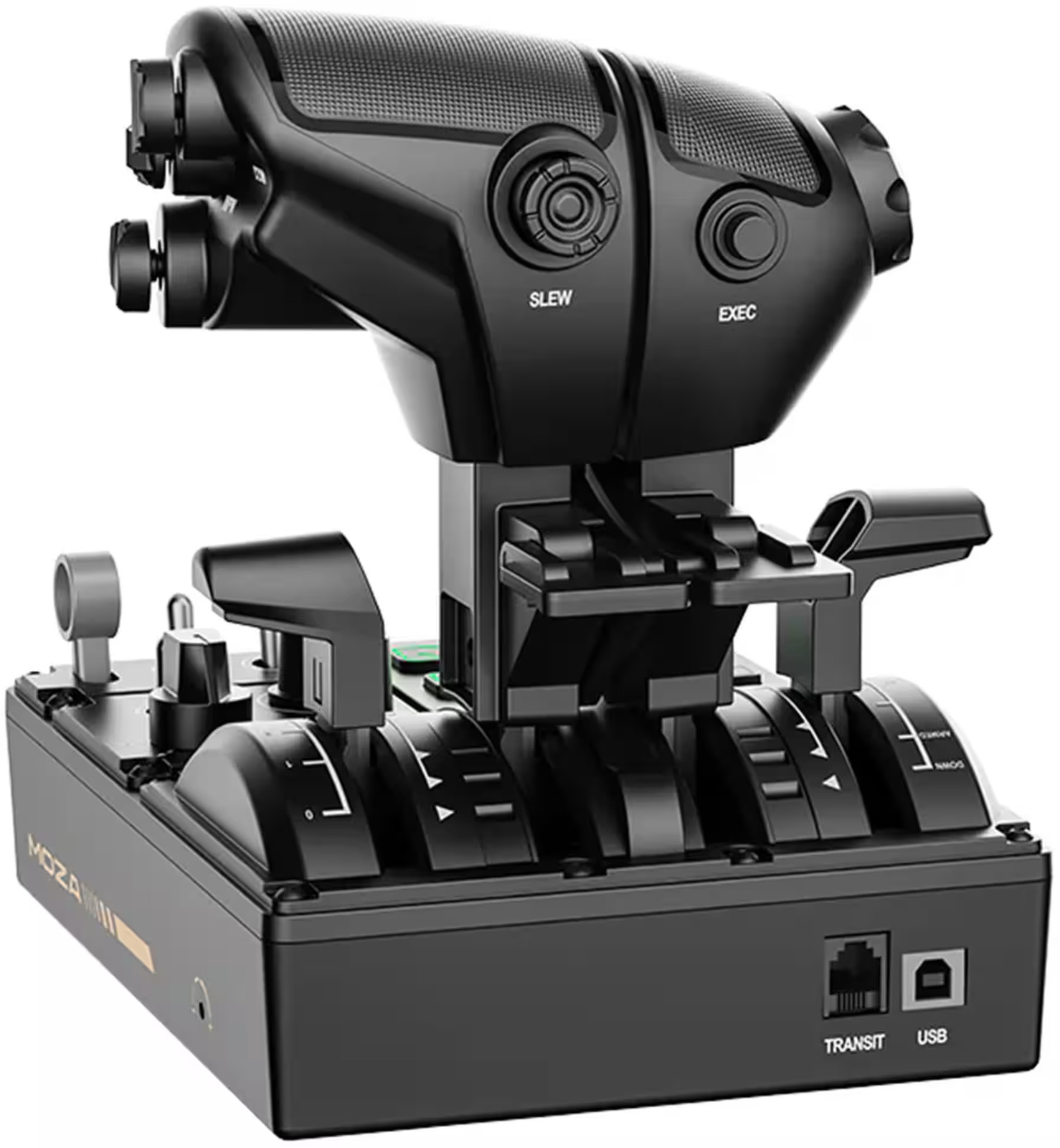
A flight sim throttle is a dedicated lever assembly that replaces keyboard/mouse input for engine power, propeller pitch, mixture, and auxiliary axes in PC flight simulation. The core trade-off is between a simple 1-axis sliding or rotating throttle and a multi-lever quadrant with hall-effect or potentiometer sensors, swappable detents, and button/encoder density. Buy a multi-lever quadrant with contactless sensors if you fly multi-engine or complex aircraft; a single-lever throttle with a twist or rocker axis is sufficient for casual single-engine flying and saves desk space.

Buying guide image
3D Printing Filament & Resin

Quality PLA Filament

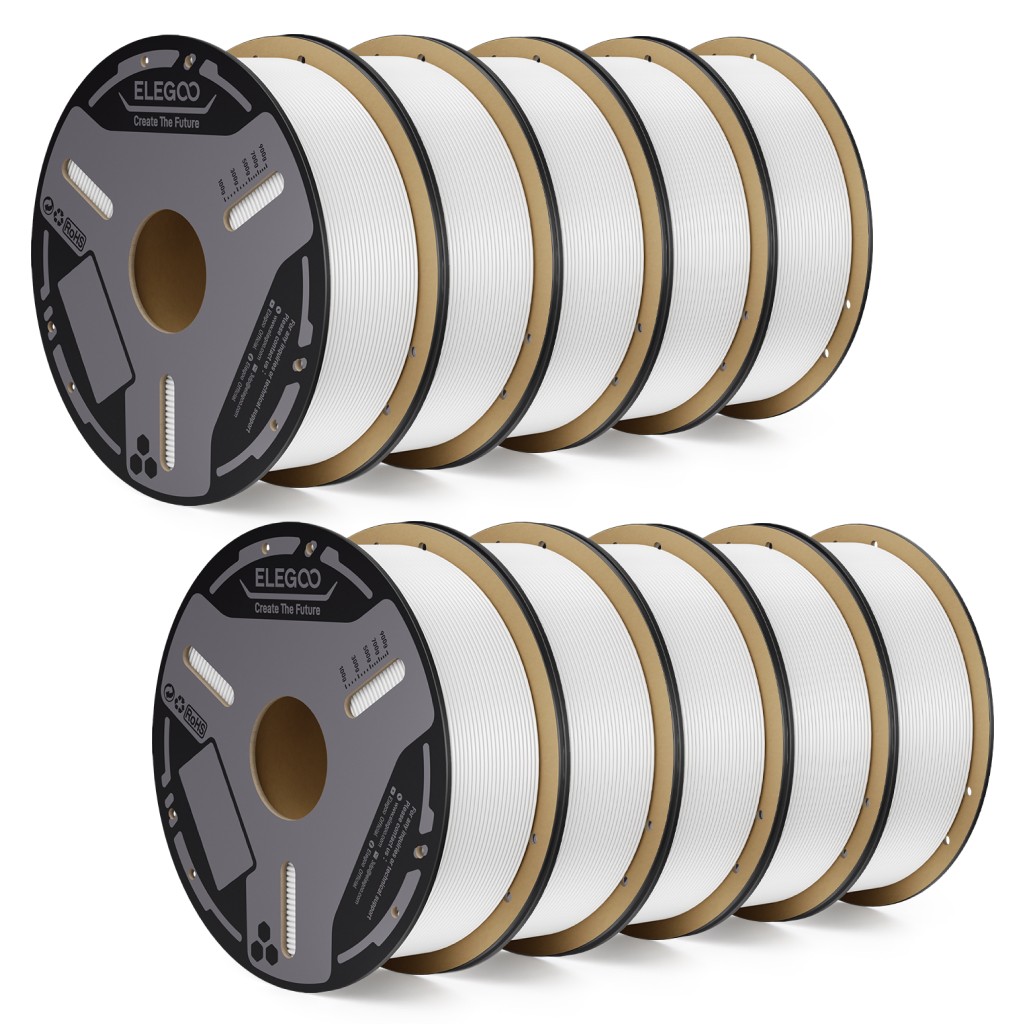
Quality PLA filament is a thermoplastic 3D-printing material where dimensional tolerance, moisture content, and pigment/additive grade separate reliable prints from brittle, stringy failures. The primary trade-off is between tightly toleranced virgin resin (consistent extrusion, strong layer adhesion) and cheaper regrind or loosely wound spools (variable diameter, clogging risk). The decision rule: buy PLA rated at ±0.02 mm diameter tolerance with vacuum-sealed desiccant packaging and a known resin grade; skip any spool without a tolerance spec or moisture barrier.

Buying guide image
FDM 3D Printers

3D Printer FDM Type

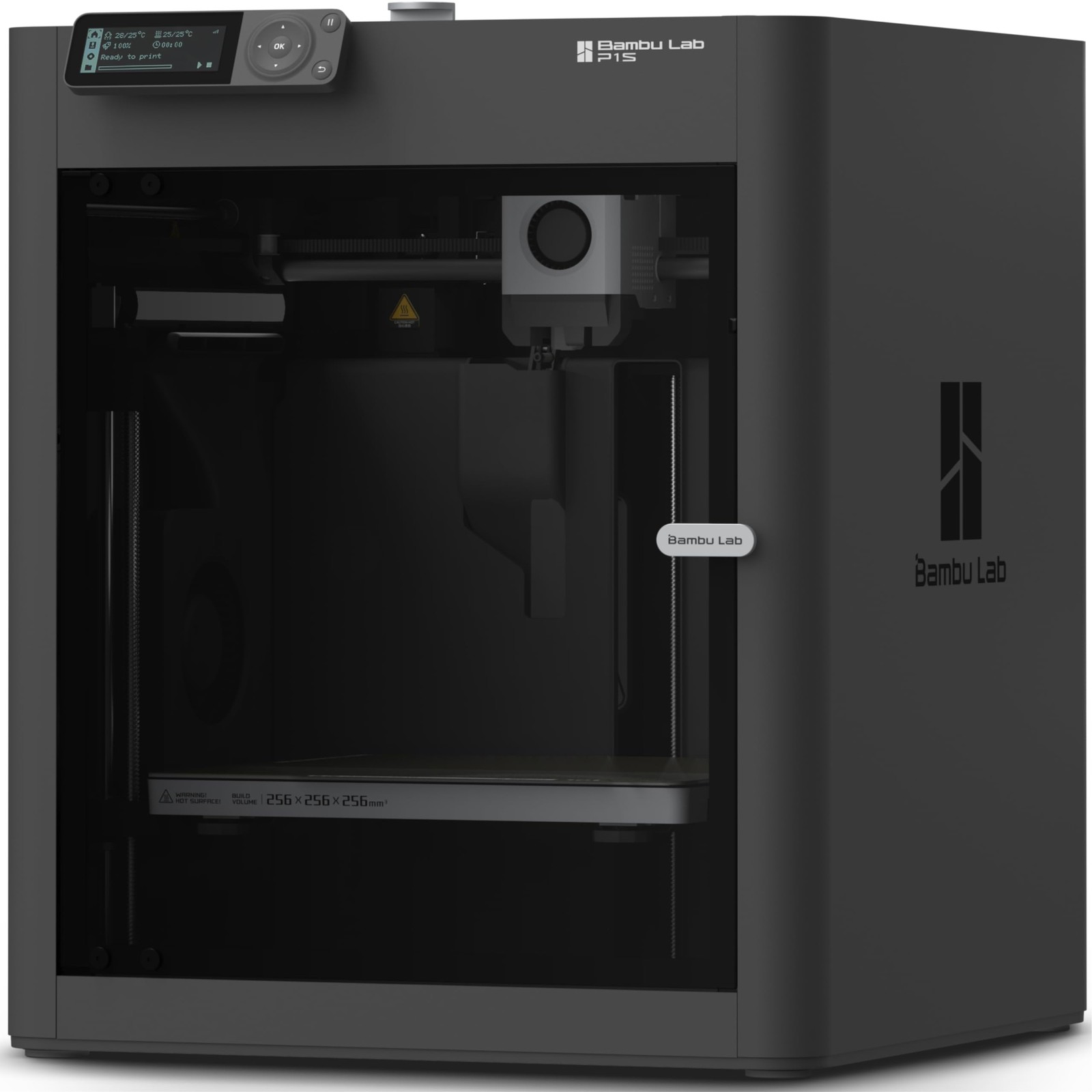
FDM (Fused Deposition Modeling) printers build parts by extruding melted thermoplastic filament layer by layer, and the segment splits into bed-slinger, CoreXY, and enclosed-chamber architectures. The core trade-off is frame rigidity and motion-system speed versus open-frame simplicity and cost; enclosed CoreXY machines dominate dimensional accuracy and engineering materials, while open bed-slingers handle PLA/PETG hobby work. Buy a printer with a rigid frame (2020 or 3030 aluminum extrusion, dual Z or CoreXY XY) and a heated bed with a known thermistor standard if you need dimensional parts; skip cantilever or acrylic-frame kits if you want repeatable output.

Buying guide image
FDM 3D Printers

3D Printer Type FDM

FDM (Fused Deposition Modeling) is the dominant desktop 3D printing architecture: a heated nozzle lays down melted thermoplastic filament layer by layer to build parts from a CAD file. The core trade-off is between open-frame bedslingers (cheap, easy to maintain, but dimensionally limited and draft-prone) and enclosed CoreXY or Cartesian machines (stiffer frames, higher speed, heated chambers, but larger footprint and cost). The decision rule: buy an enclosed all-metal hotend machine with a rigid gantry if you need engineering materials or repeatable dimensional accuracy; buy an open-frame bedslinger only for PLA/PETG hobby work and small-to-medium parts.

Buying guide image
FDM 3D Printers

FDM Type 3D Printer

FDM (Fused Deposition Modeling) printers build parts by extruding melted filament layer by layer, and the core trade-off is between open-frame budget machines and enclosed, high-temperature, multi-material systems. The decision rule is simple: buy an open-frame printer only for PLA/PETG hobby work in a stable room, and step up to a fully enclosed, all-metal hotend, geared-extruder machine the moment you need ABS, ASA, nylon, or repeatable dimensional accuracy.

Buying guide image
Keycaps & Artisan Keycaps

96 Keyboard Keycap

A 96-keyboard keycap set is a complete aftermarket cap kit engineered for 96% (1800/CP) compact layouts, where the core trade-off is between a fully covered sculpted profile with correct bottom-row widths versus a generic 104-key set that leaves rare 1.5U/1.75U modifiers and a 2.75U right Shift unaccounted for. The decision rule is simple: buy only sets whose layout chart explicitly names 96/1800 compatibility and whose modifier rows match your exact bottom-row widths — everything else is a compromise.

Buying guide image
Keycaps & Artisan Keycaps

100 Keyboard Keycap

100% keyboard keycaps are the full-size ANSI/ISO sets that cover all 104 keys plus the four navigation/num-pad extras, and the primary trade-off is uniform-row ABS versus sculpted PBT—uniform sets fit any layout but wear faster, while sculpted PBT sets demand correct row labeling and full-size compatibility. The decision rule is simple: buy a labeled 104-key PBT set with the correct bottom-row widths for your board, and reject any set that cannot name its plastic grade, row profile, and stabilizer compatibility.

Buying guide image
Keycaps & Artisan Keycaps

80 Keyboard Keycap

An 80-key keyboard keycap set is the replacement or upgrade cap kit for TKL (tenkeyless) layouts, typically 87 keys on ANSI boards and 88 on ISO, where the extra caps cover navigation and function rows. The core trade-off is legend durability and material thickness versus fit: thin ABS pad-printed caps shine and fade fast, while thick PBT doubleshot or dye-sub caps hold texture and legends for years but demand correct row profiles and stabilizer spacing. The decision rule is simple: buy only sets explicitly labeled TKL/80% with the correct row sculpt and bottom-row widths for your board, and skip any '104-key universal' kit unless it includes the extra 80% keys.

Buying guide image
Resin 3D Printers

Resin Printer Large

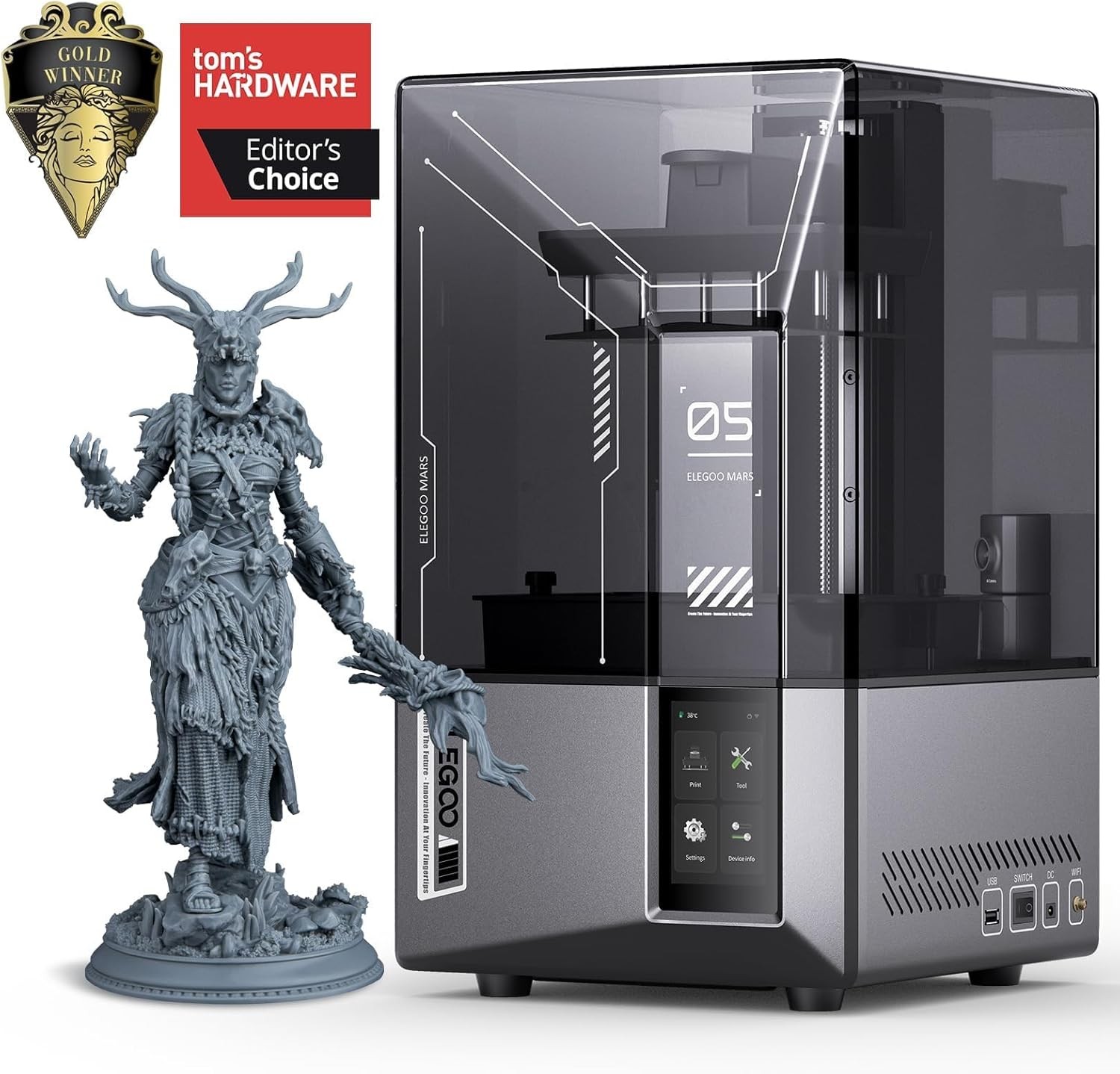
Large-format resin 3D printers are MSLA/LCD machines with build volumes typically spanning 10–13 inches diagonally or 8–10 inches on the X/Y axis, trading bench footprint and resin volume for single-piece large prints. The core trade-off is between panel resolution/size (8K–12K mono LCD or newer 10.1-inch+ panels) and the mechanical rigidity, vat capacity, and light-source uniformity needed to keep tolerances across a big build plate. Choose a true large-format mono-LCD machine with a rigid Z-axis and high-resolution panel if you print helmets, masters, or batch parts; skip oversized RGB or older 2K panels that sacrifice XY pixel density for raw area.

Buying guide image
Filament Drying & Post-Processing

Printer Filament Dryer

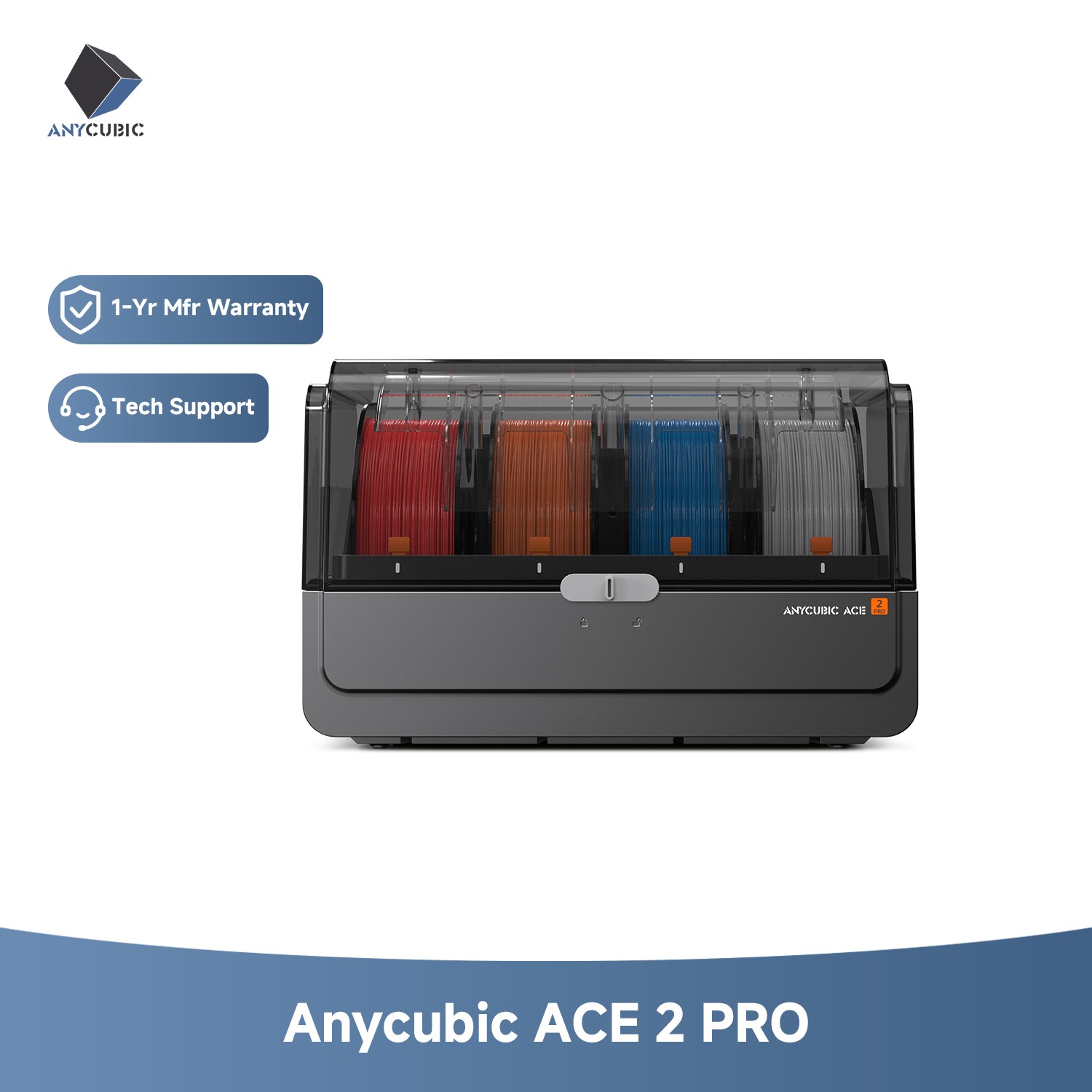
A printer filament dryer is a heated, humidity-controlled chamber that removes absorbed moisture from FDM feedstock before printing, and its performance hinges on reaching and holding 50-70°C uniformly without hot spots. The core trade-off is single-spool desktop boxes with basic thermostats versus multi-spool cabinets with PID control and feed-through ports. Buy a dryer only if it specifies a temperature range covering your polymer (PLA 45-55°C, PETG 60-65°C, TPU 50-60°C, Nylon/PC 70-90°C) and a sealed lid; skip any unit that lacks a thermometer or vents freely, because it cannot dry, only warm.

Buying guide image
Flight Sim Rudder Pedals

Sim Rudder Pedal

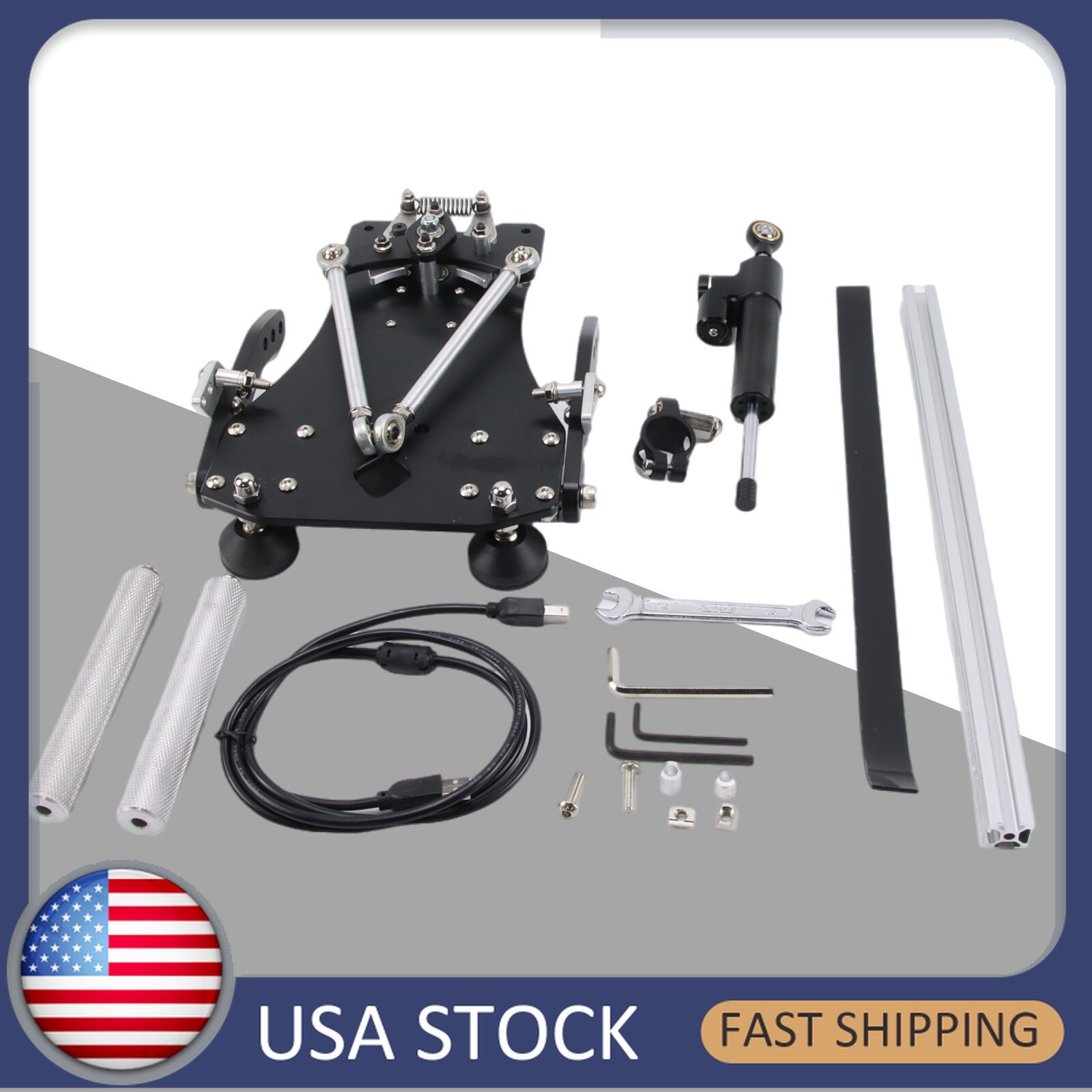
Sim rudder pedals are the yaw-axis controller that separates serious flight simulation from arcade flying, translating foot pressure into rudder and toe-brake inputs. The core trade-off is sensor and frame construction: entry plastic potentiometer pedals wear and drift, while hall-effect or load-cell sensors on metal frames hold calibration for years. Buy hall-effect sensing on a metal chassis if you fly weekly; buy a plastic potentiometer set only for casual, occasional use.

You may also like

Finding more guides for you…