
Photos from current listings. Actual item, color, and included accessories may vary.
PLA Resin Buying Guide
PLA is the most user-friendly FDM 3D printing filament, prized for low warping, minimal odor, and high detail on open-frame printers. The primary trade-off is between standard PLA's ease and brittleness versus PLA+ and Silk variants that trade some stiffness or interlayer strength for toughness or gloss. Buy standard PLA for visual models and drafts, PLA+ for functional parts needing impact resistance, and Silk only for decorative pieces where layer adhesion is secondary.
Median $225.89 · New listings
Key takeaways
- Standard PLA prints at 190–220°C with a 60°C bed and needs no enclosure, but has low heat deflection (~55°C) and is brittle under impact.
- PLA+ (toughened PLA) raises elongation and impact strength via additives while keeping near-standard print temps; interlayer adhesion improves but not to PETG levels.
- Silk PLA uses elastomer modifiers for gloss, which reduces layer bonding and impact strength—print slower and hotter to compensate.
At a glance
- Category
- 3D Printing Filament & Resin
- Last updated
- Nov 24, 2026
Current offers
 【Buy 5 Get 5 Free!Add 10】GEEETECH 1KG PLA ABS+ PETG TPU ASA 3D Printer Filament$27.99View on eBay
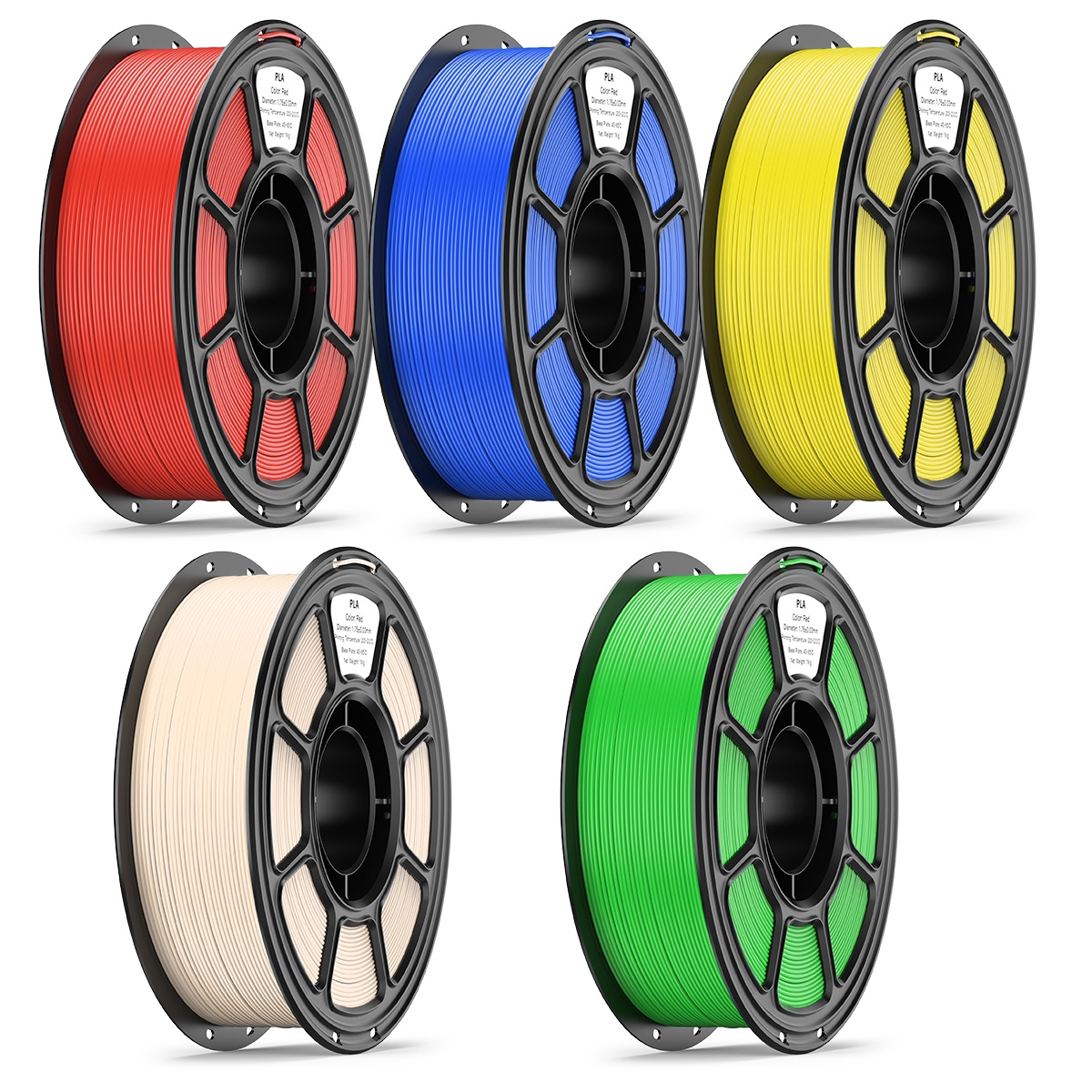 PLA 5 Pack 3D Printer Filament, 1.75mm PLA Bundle, 5 Rolls Set For FDM 3D Printers, Smooth Printing, Low Warping, Easy To Print, Multi Color For DIY, Prototyping, Model Making & Crea$78.99View on Mallflare
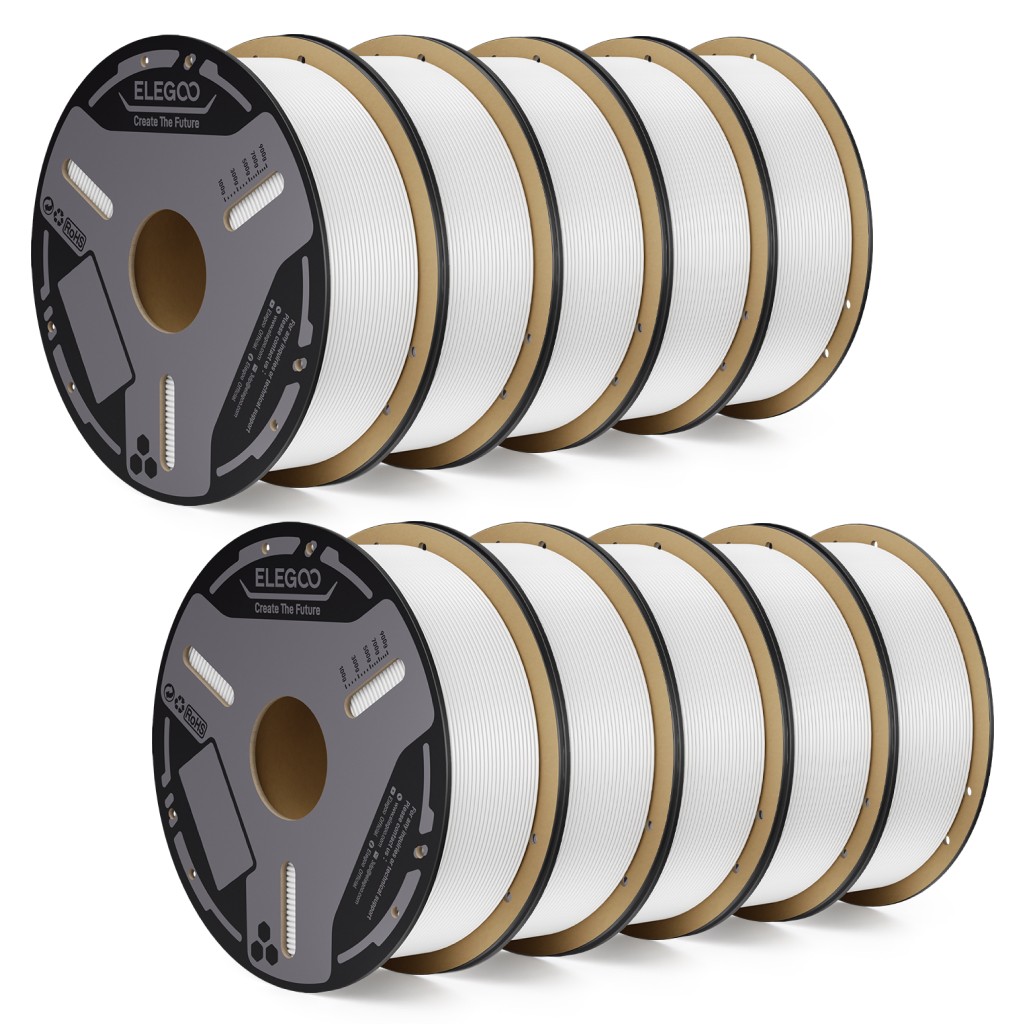 ELEGOO 10KG 3D Printer Filament PLA PETG Matte 1.75 mm FDM Bundle 1KG/Spool$209.00New · Last checked Nov 21, 2026View on eBay
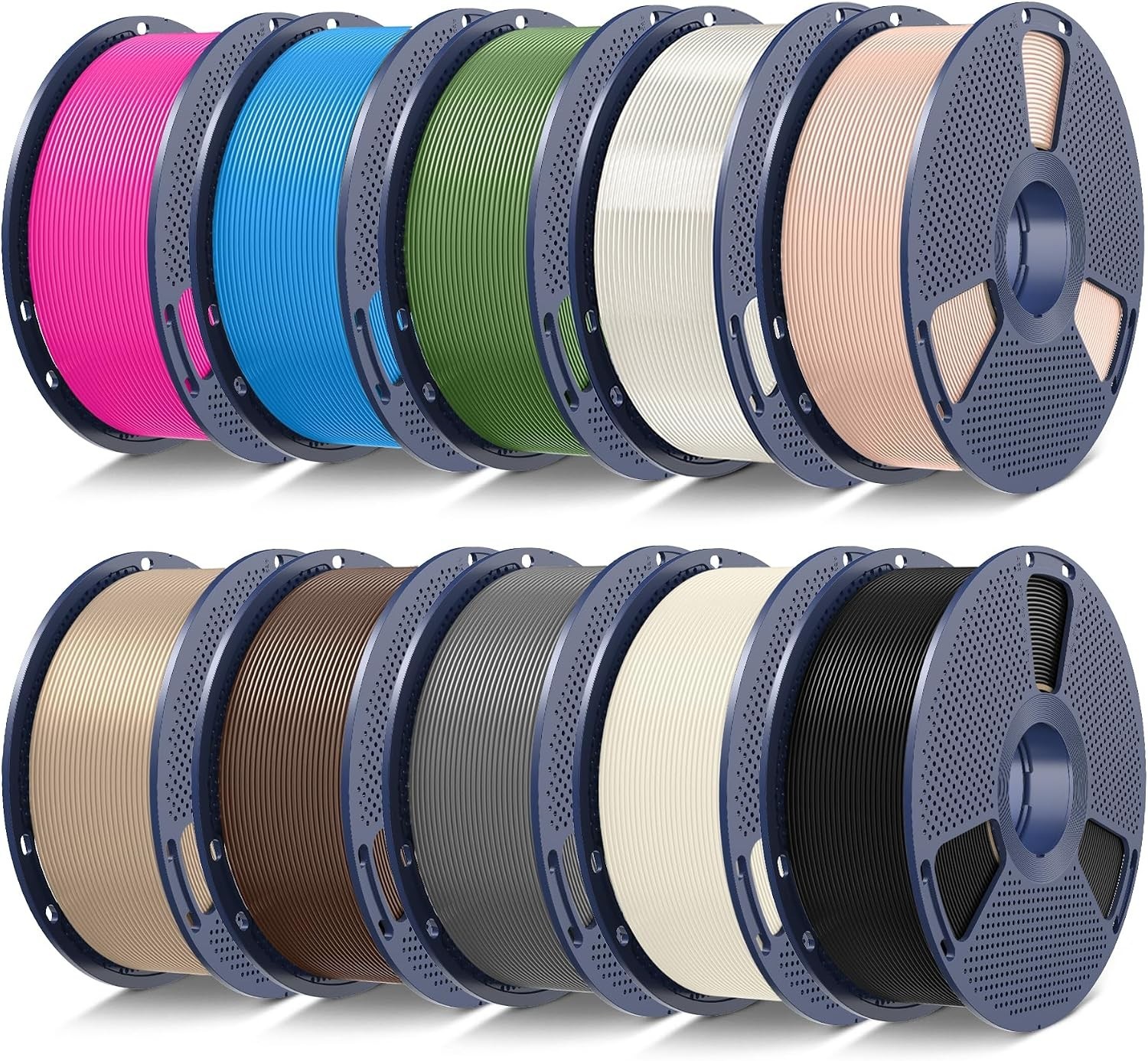 PLA 3D Printer Filament, Multicolor, 10-Pack, 10KG Total Black+Bone White+Grey+$219.95New · Last checked Nov 21, 2026View on eBay
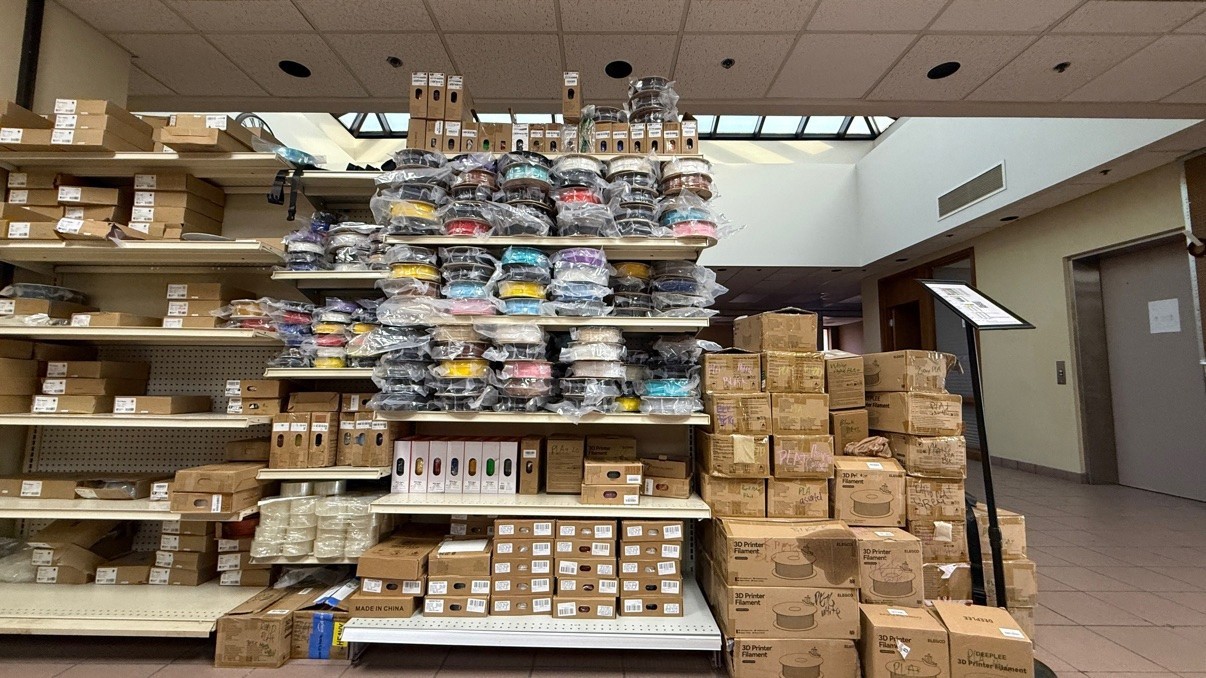 【Bulk Lot Deal】 Elegoo Filament 1.75mm 3D Printing PLA PETG ASA Filament Spools$231.84New · Last checked Nov 21, 2026View on eBay
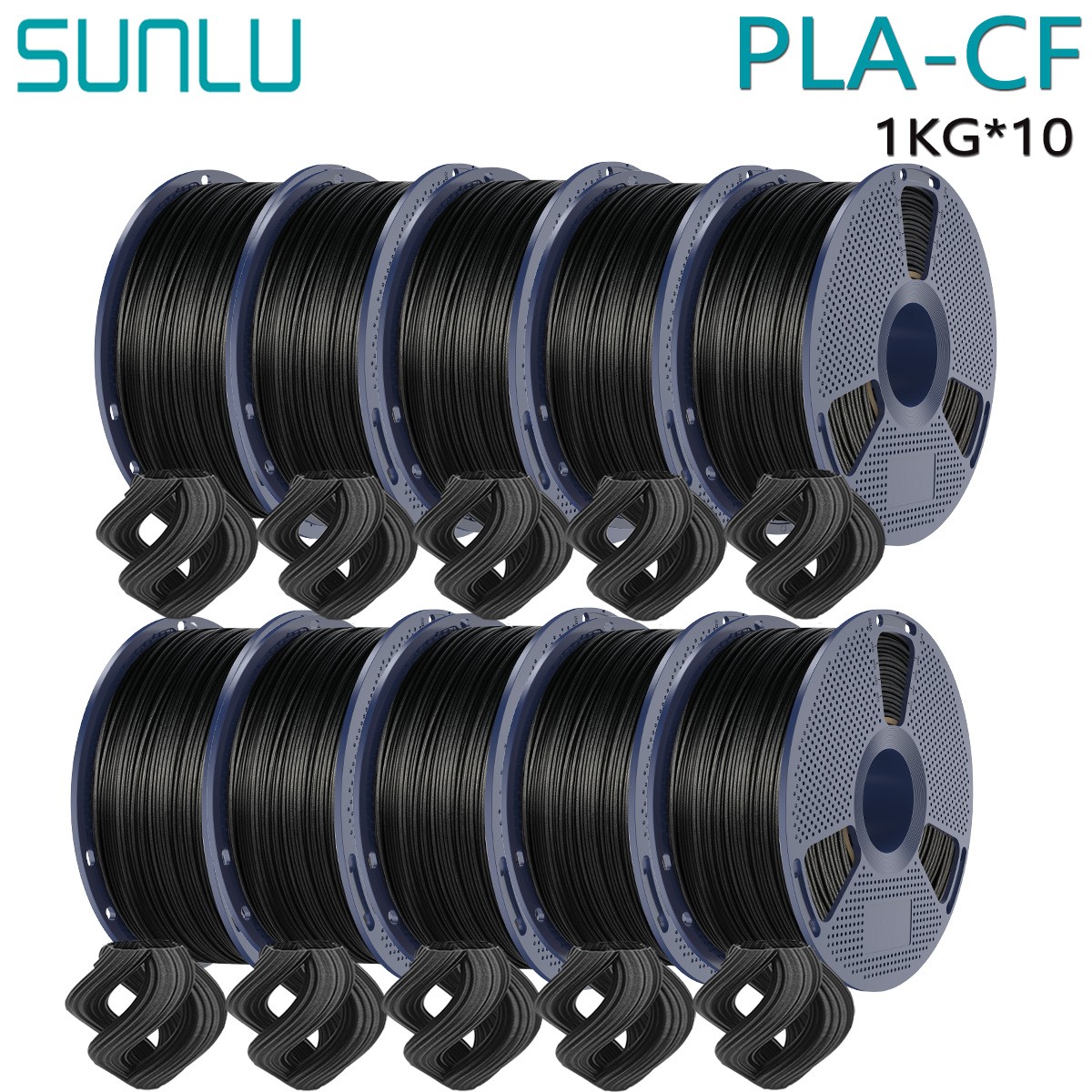 SUNLU 10KG PLA PLA+ ASA SILK PETG2.0 ABS 3D Printer Filament 1.75mm 1KG/Spool$232.69New · Last checked Nov 21, 2026View on eBay
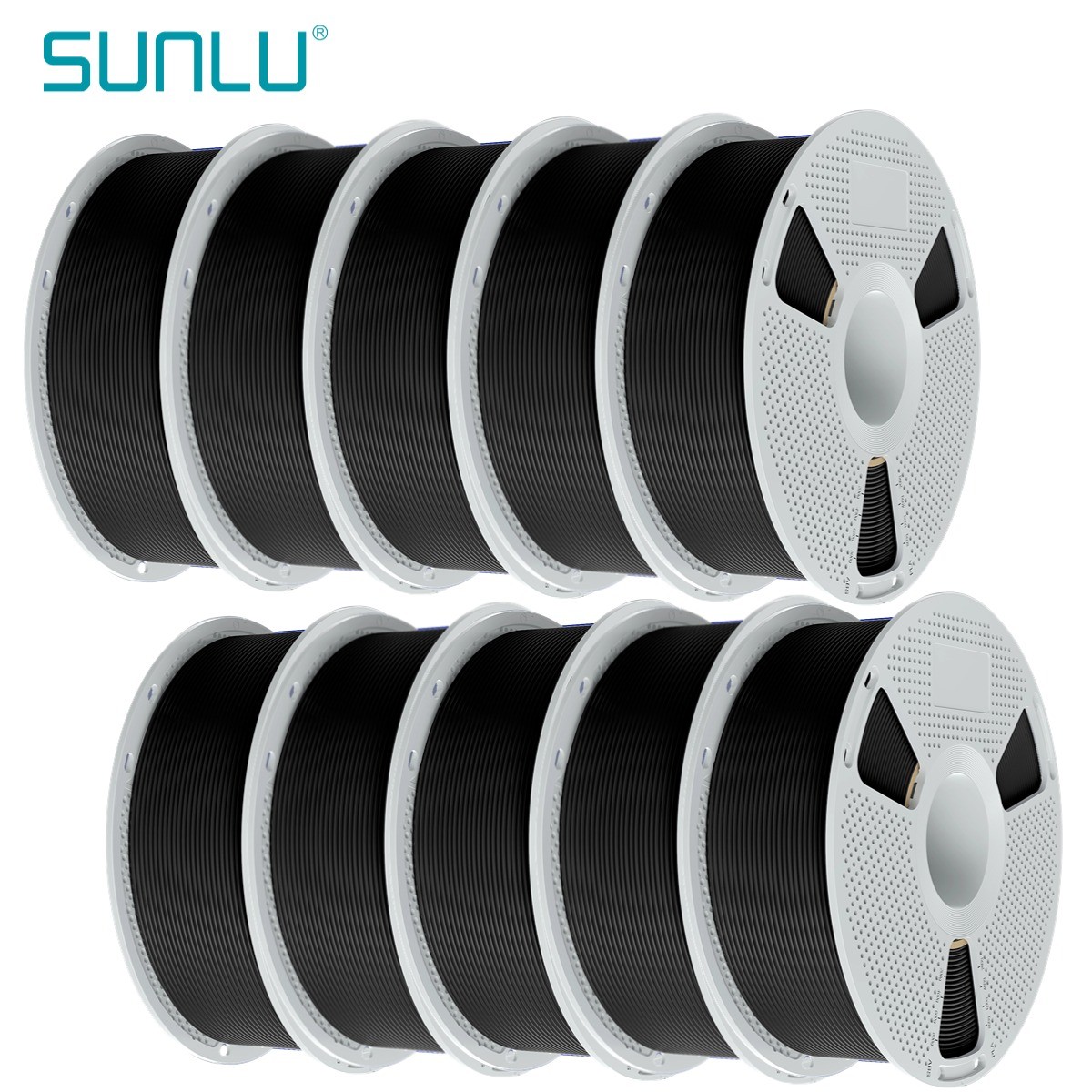 10×1KG SUNLU PLA Matte Meta PLA+ PETG SILK ABS TPU95A 1KG 3D Printer Filament$278.94New · Last checked Nov 21, 2026View on eBay
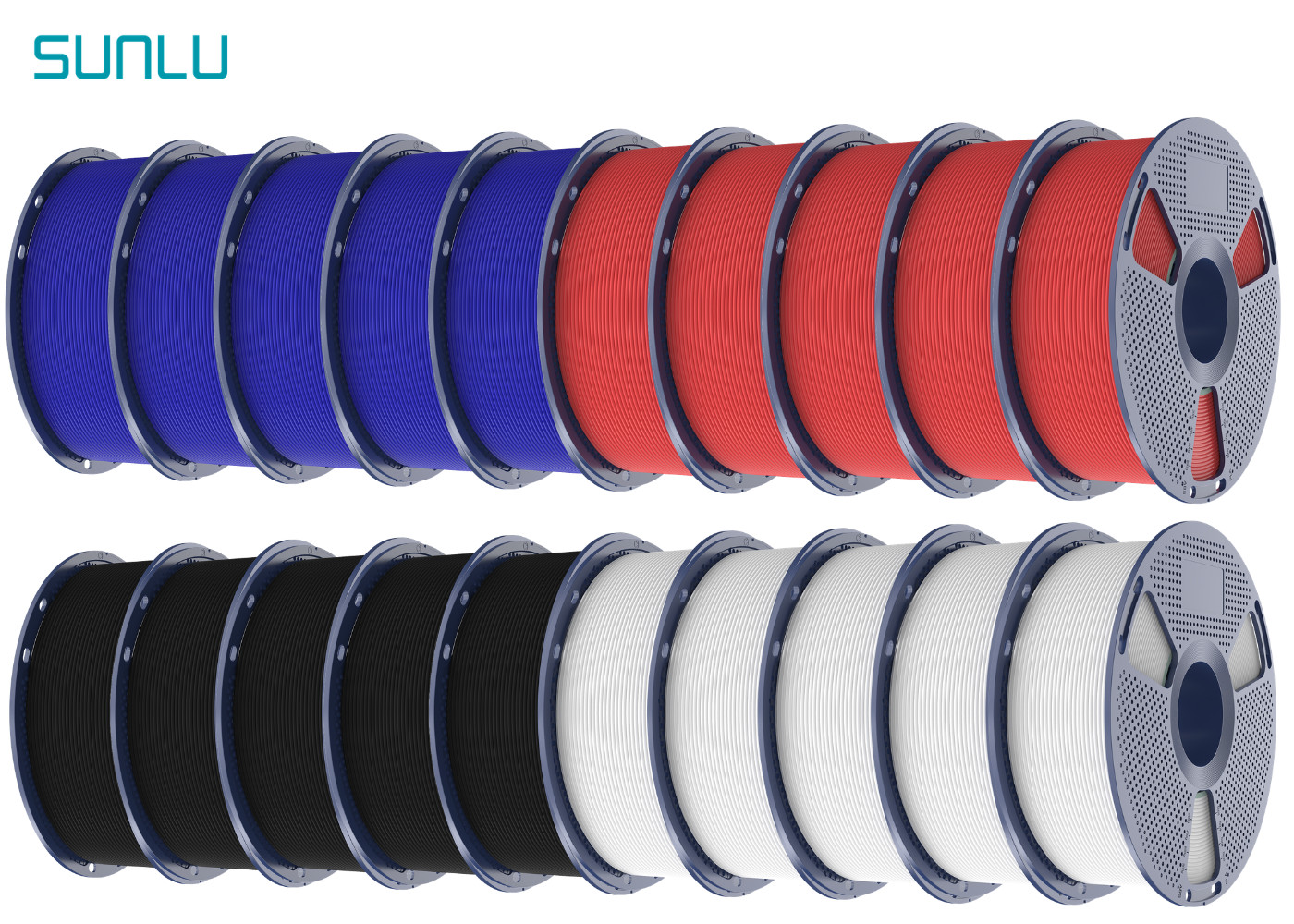 10KG/20KG SUNLU ASA PETG PLA PLA+2.0 PLA-Matte PLA-Meta SILK ABS Filament$348.21New · Last checked Nov 21, 2026View on eBay
Highlights
- Standard PLA prints at 190–220°C with a 60°C bed and needs no enclosure, but has low heat deflection (~55°C) and is brittle under impact.
- PLA+ (toughened PLA) raises elongation and impact strength via additives while keeping near-standard print temps; interlayer adhesion improves but not to PETG levels.
- Silk PLA uses elastomer modifiers for gloss, which reduces layer bonding and impact strength—print slower and hotter to compensate.
- All PLAs are hygroscopic; filament absorbs moisture that causes popping and weak layers, so dry boxes or sealed spools with desiccant are mandatory for consistent results.
Best use cases
- Best fit: Standard PLA 1.75mm for miniatures, terrain, prototypes, and classroom printers—skip PLA+ for anything purely decorative to save cost.
- Best fit: PLA+ for brackets, jigs, toys, and parts that see drops or bending; skip Silk PLA for these because its gloss additives weaken layer bonds.
- Best fit: Silk PLA for vase-mode prints, display models, and cosplay props where surface finish matters more than strength; skip it for load-bearing or snap-fit parts.
- Wrong fit: Any PLA for outdoor or hot-car use (above ~55°C) or for parts needing chemical resistance—switch to PETG or ASA rather than buying a tougher PLA tier.
Buying tips
- Buy 1.75mm ±0.03mm tolerance spools; tighter diameter tolerance reduces flow inconsistency and nozzle clogs on direct-drive and Bowden setups alike.
- For functional parts choose PLA+ over standard PLA; standard PLA's elongation at break is typically under 10%, while PLA+ formulations push higher impact resistance.
- Silk and matte PLAs hide layer lines but have lower interlayer strength—print at the upper temp range (215–225°C) and reduce part-cooling fan to 50–80% for better bonding.
- Prefer spools with resealable bags and desiccant; PLA left in humid air for weeks prints with popping and weak walls, and drying at 40–45°C for 4–6 hours restores it.
Specs
| Filament Diameter | 1.75mm standard / 2.85mm legacy |
|---|---|
| Print Temp Range | 190–220°C PLA / 200–225°C PLA+ |
| Bed Temp | 50–60°C, no enclosure required |
| Spool Net Weight | 1kg typical / 1.1kg Silk spools |
Related searches
What to check before buying
- Confirm your printer's filament diameter: 1.75mm for virtually all current FDM machines; 2.85mm only for legacy Ultimaker/Ultimaker-clone hotends.
- Check spool outer diameter and hub bore fit your holder—many 1kg spools are 200mm OD with a 52–55mm hub, while some 1.1kg Silk spools run wider.
- Verify your hotend reaches at least 220°C and your bed reaches 60°C; PLA needs no enclosure, but an part-cooling fan is required for overhangs.
- Plan dry storage: a sealed box with fresh desiccant or a filament dryer prevents moisture-induced stringing and weak layer adhesion.
FAQ
Data sources: eBay / Amazon listings and product attribute feeds. Updated Nov 24, 2026.
Some links on this page are affiliate links. If you buy after clicking one, we may earn a commission at no extra cost to you. This does not change which products appear here or their order. Affiliate disclosure.