
Photos from current listings. Actual item, color, and included accessories may vary.
FDM Type 3D Printer Buying Guide
FDM (Fused Deposition Modeling) printers build parts by extruding melted filament layer by layer, and the core trade-off is between open-frame budget machines and enclosed, high-temperature, multi-material systems. The decision rule is simple: buy an open-frame printer only for PLA/PETG hobby work in a stable room, and step up to a fully enclosed, all-metal hotend, geared-extruder machine the moment you need ABS, ASA, nylon, or repeatable dimensional accuracy.
Median $299.00 · New & pre-owned listings
Key takeaways
- Bed motion architecture splits the market: bed-slinger (moving Y bed) is cheapest but slower and less stable on tall parts; CoreXY moves the toolhead in XY over a fixed bed for higher speed and accuracy.
- Hotend temperature ceiling determines material range: all-metal hotends rated to 300°C handle PETG, ABS, ASA, and nylon; PTFE-lined hotends above 240°C degrade and release fumes.
- Extruder type governs reliability: dual-gear direct-drive extruders give better grip and shorter retraction for flexible filaments; Bowden setups reduce moving mass but struggle with TPU.
At a glance
- Category
- FDM 3D Printers
- Last updated
- Nov 28, 2026
Current offers
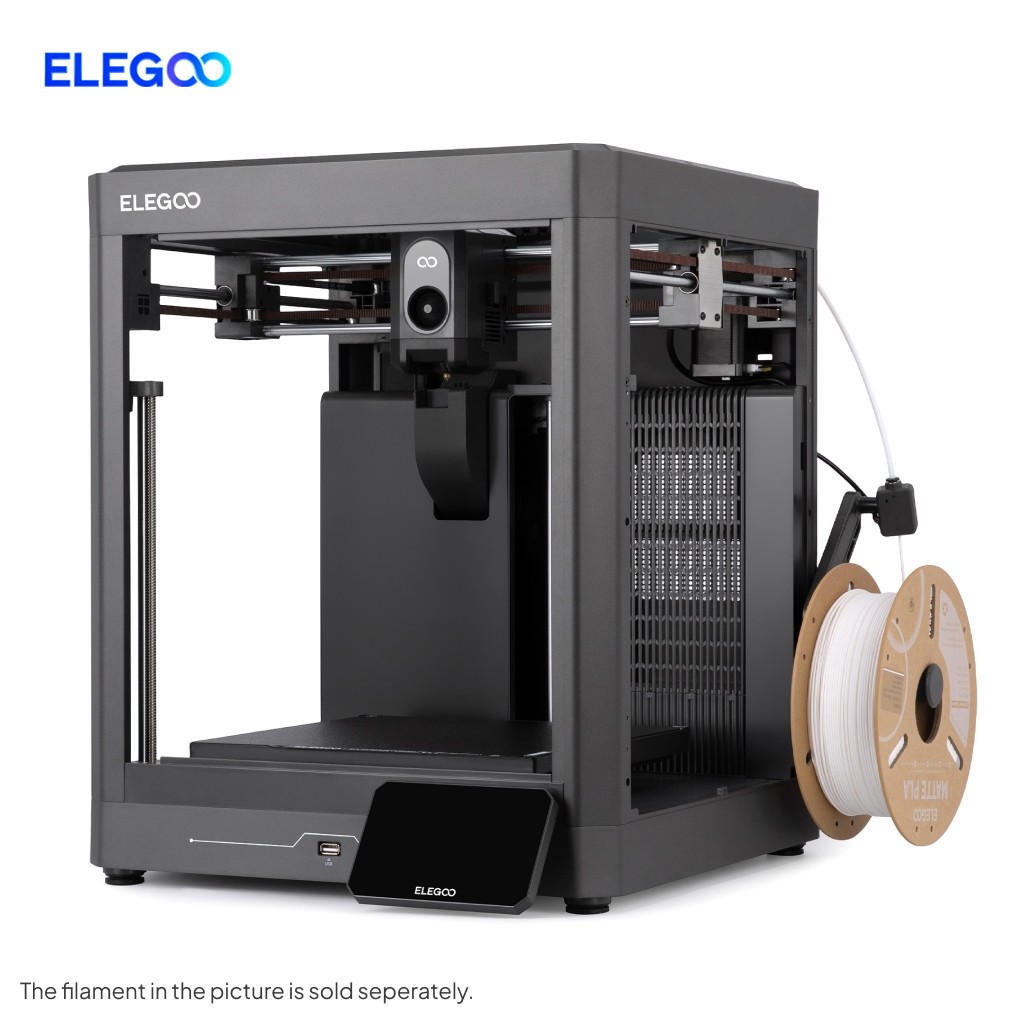 ELEGOO Centauri 2 FDM 3D Printer$207.20New · Last checked Nov 17, 2026View on eBay
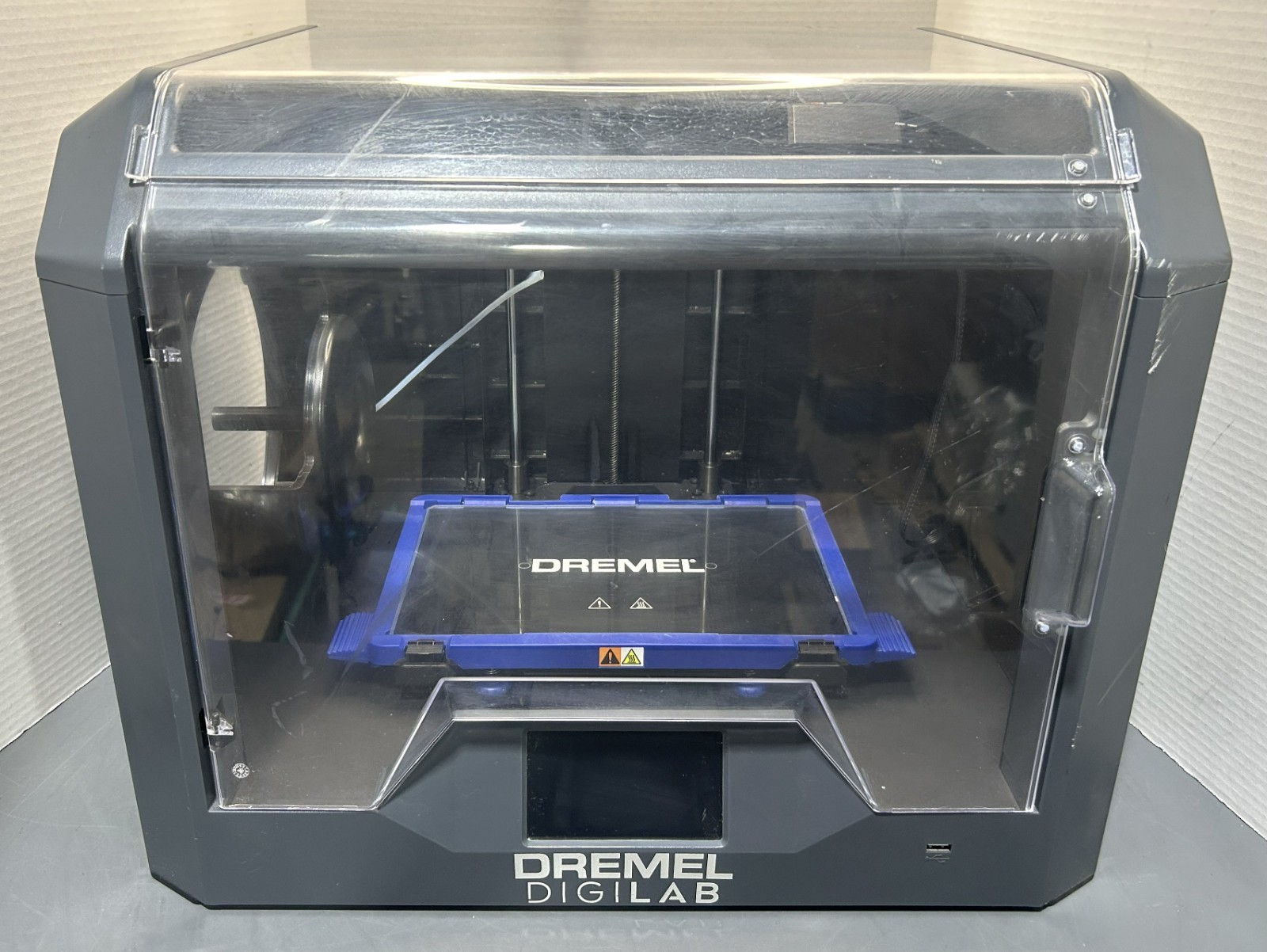 Dremel DigiLab 3D45 Fully Enclosed FDM 3D Printer 100-240Vac No Filament Tested$224.99Used · Last checked Nov 27, 2026View on eBay
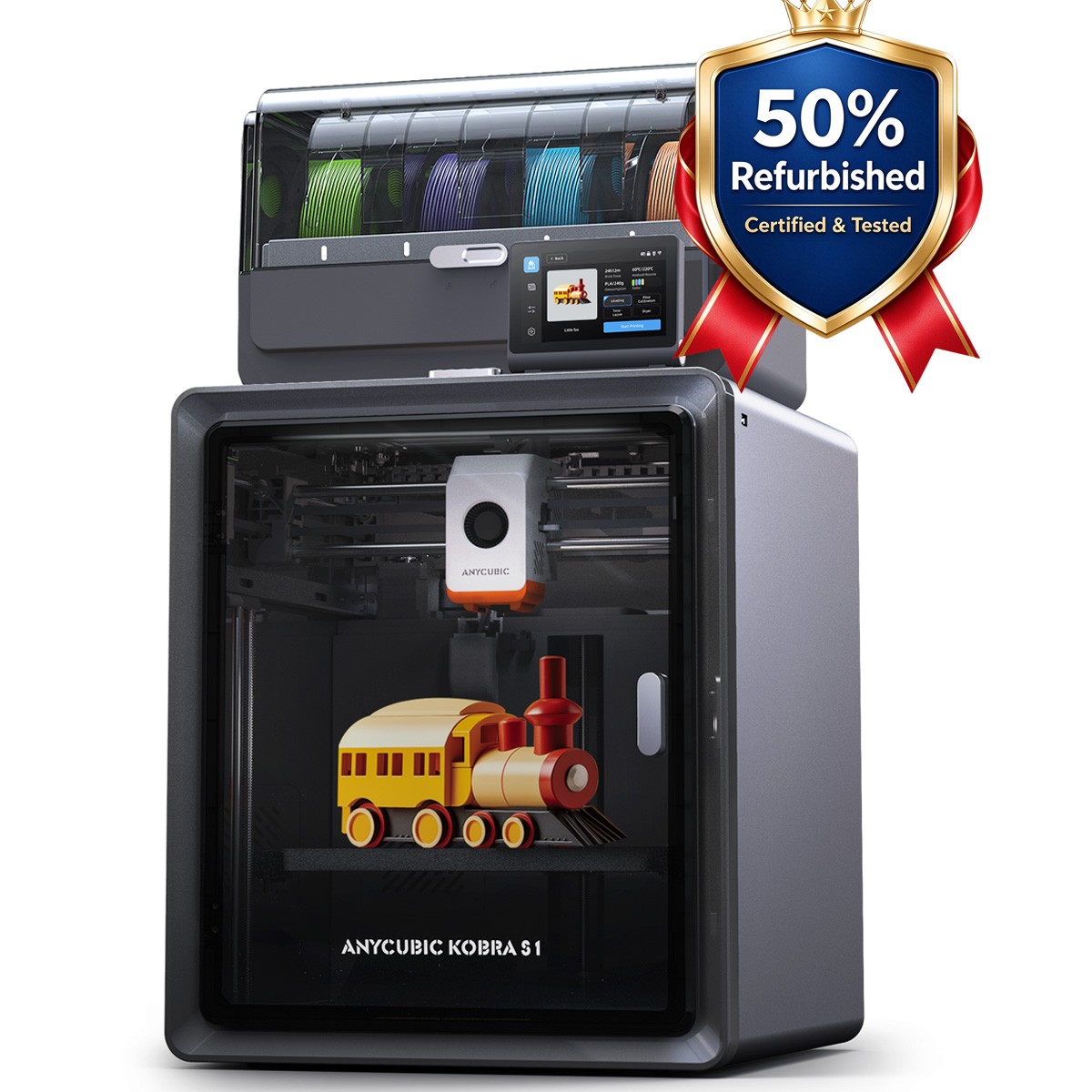 ✅50% Refurbished ✅ANYCUBIC Kobra S1 Combo 3D Printer Multicolor FDM Printing$289.00Certified - Refurbished · Last checked Nov 17, 2026View on eBay
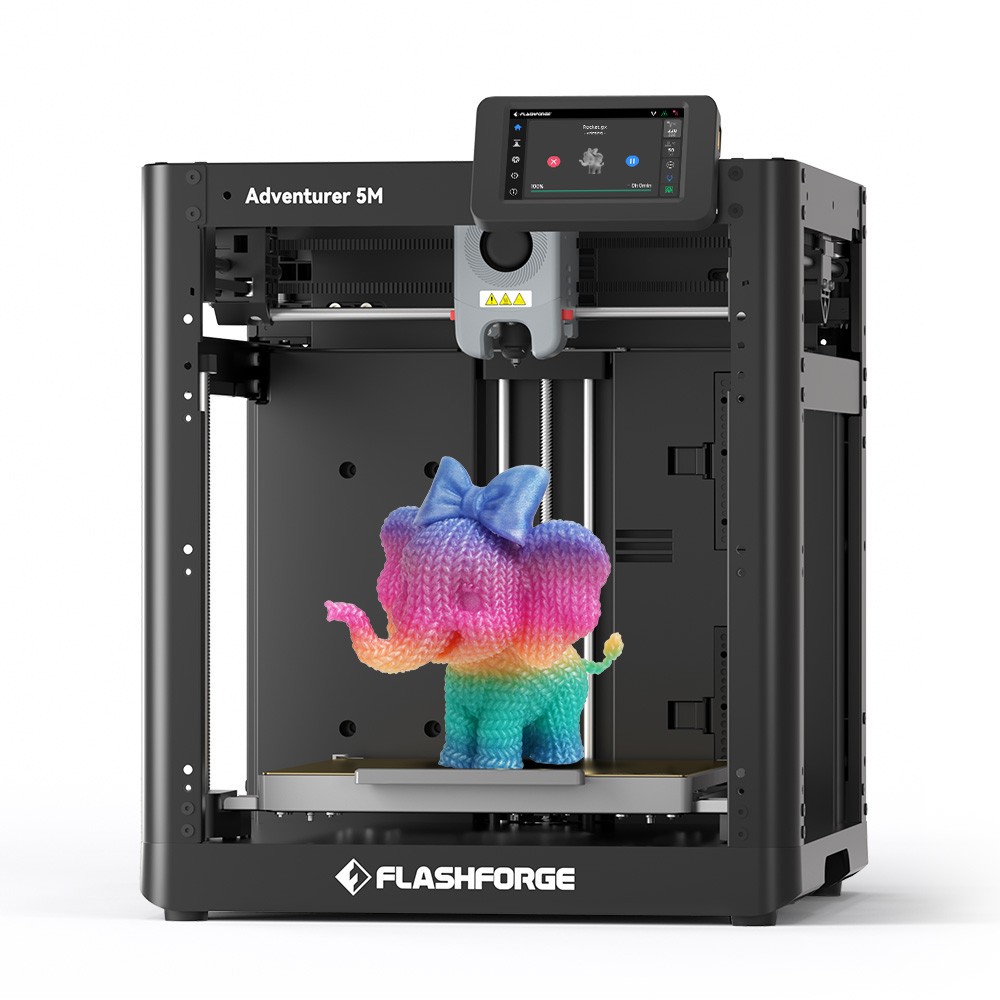 FLASHFORGE Adventurer 5M/5M Pro 3D Printer 600mm/s High-Speed FDM 3D Printers$299.00New · Last checked Nov 17, 2026View on eBay
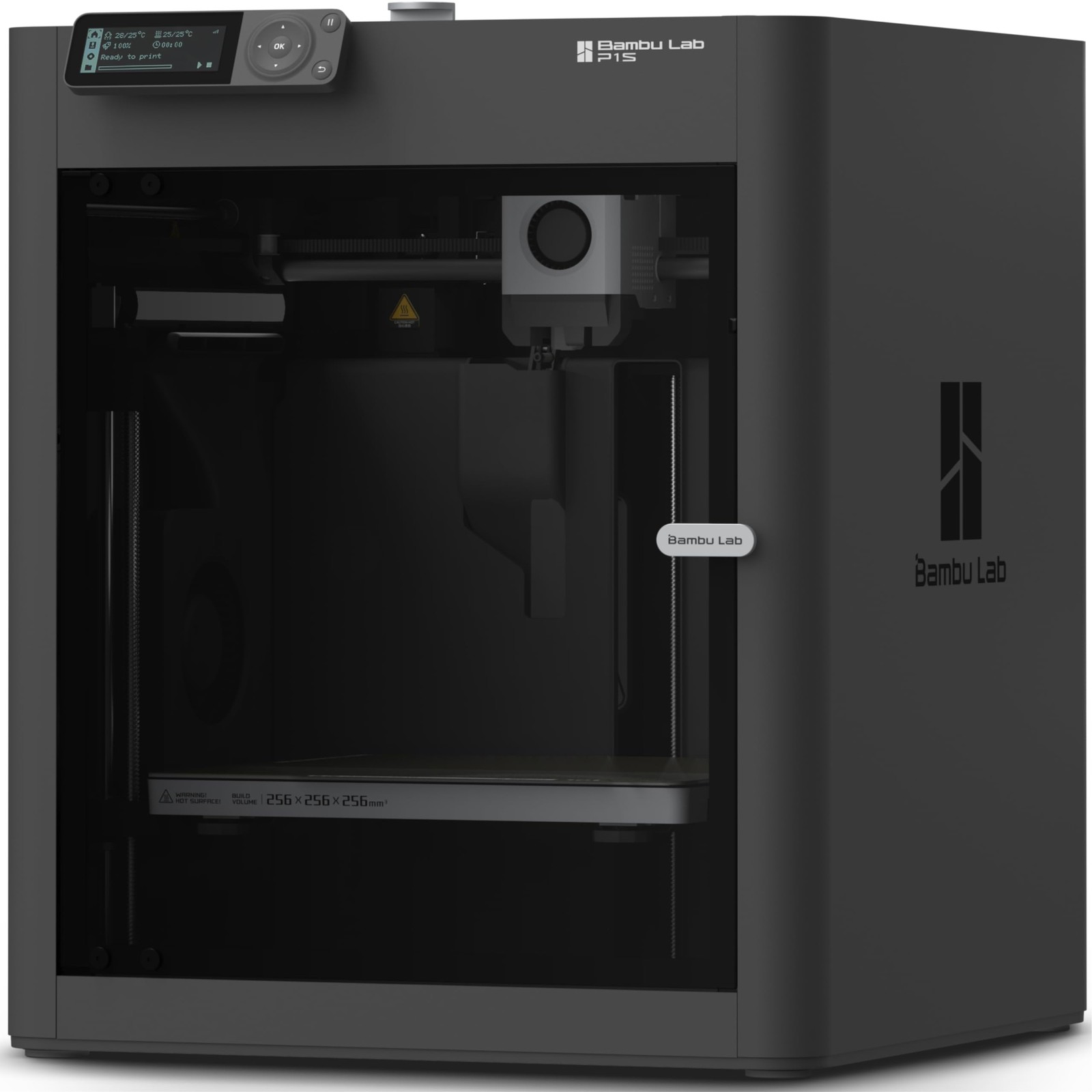 Enclosed FDM 3D Printer with Automatic Bed Leveling$560.49New · Last checked Nov 27, 2026View on eBay
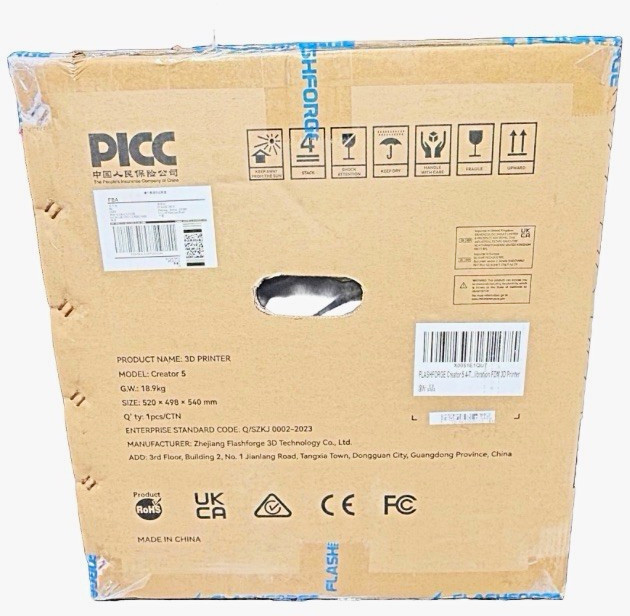 Flashforge Creator 5 FDM 3D Printer 3D Technology FDM MPN X0051E1QUT$625.00New · Last checked Nov 17, 2026View on eBay
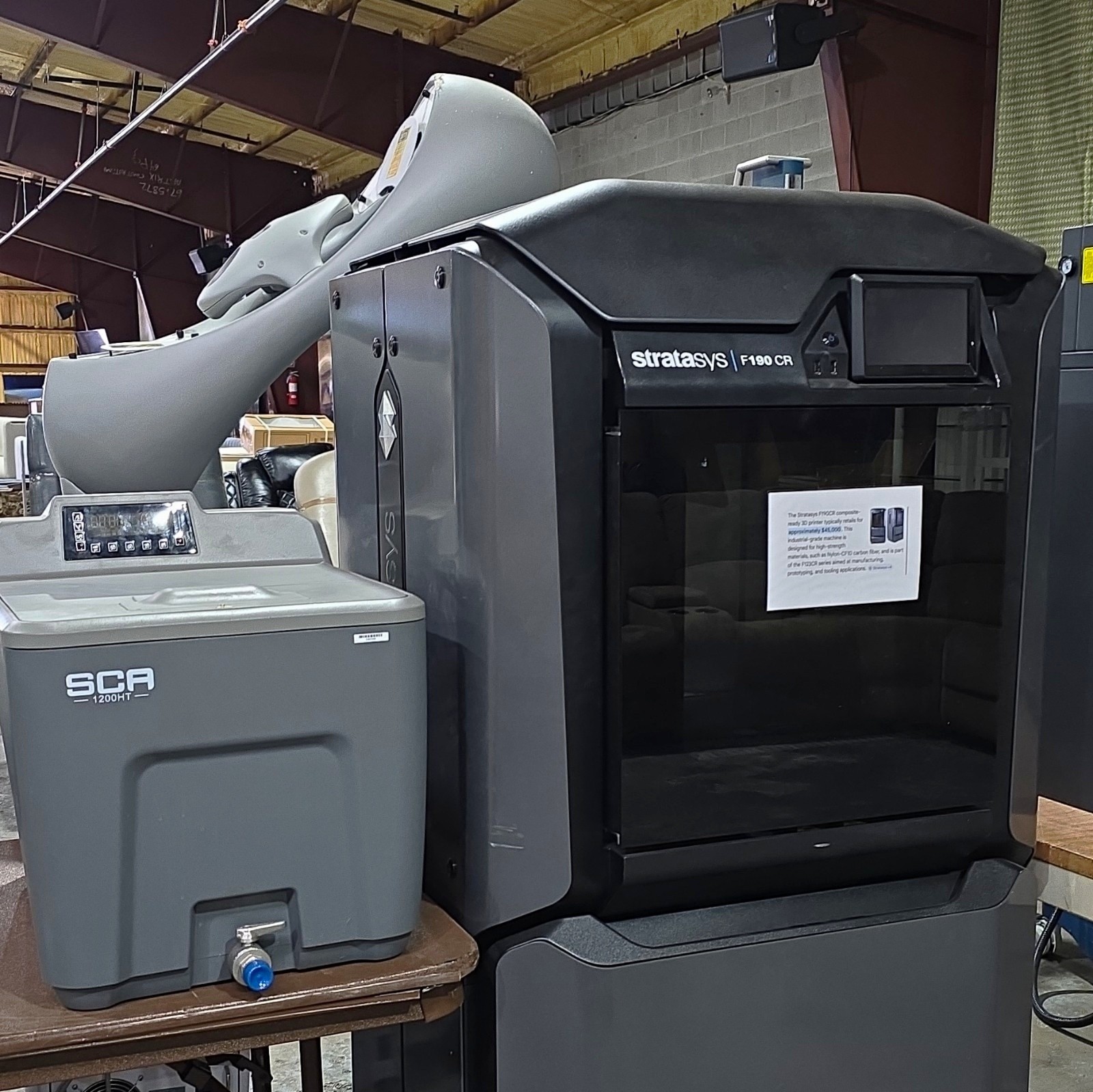 Stratasys F190 CR FDM 3D Printer, Enclosed, Touchscreen, 10x10x10 in$1,380.00Used · Last checked Nov 27, 2026View on eBay
Highlights
- Bed motion architecture splits the market: bed-slinger (moving Y bed) is cheapest but slower and less stable on tall parts; CoreXY moves the toolhead in XY over a fixed bed for higher speed and accuracy.
- Hotend temperature ceiling determines material range: all-metal hotends rated to 300°C handle PETG, ABS, ASA, and nylon; PTFE-lined hotends above 240°C degrade and release fumes.
- Extruder type governs reliability: dual-gear direct-drive extruders give better grip and shorter retraction for flexible filaments; Bowden setups reduce moving mass but struggle with TPU.
- Enclosure and filtration are not cosmetic: an enclosed chamber maintains 40-60°C ambient for ABS/ASA warp control, and a HEPA/carbon filter is required for particulate and VOC reduction in living spaces.
Best use cases
- Best fit: a student or hobbyist printing PLA/PETG figurines and brackets in a spare room — choose an open-frame bed-slinger with a 220x220mm build volume and a sub-250°C hotend; skip enclosed high-temp models you won't use.
- Best fit: a small business making functional ABS/ASA parts or jigs — buy a fully enclosed printer with an all-metal hotend, geared extruder, and 60°C chamber; skip open-frame kits that warp on anything larger than a phone case.
- Best fit: a workshop needing multi-color or soluble-support prints — pick a machine with a dual-extruder or AMS-style filament changer and a direct-drive toolhead; skip single-extruder printers if you need breakaway supports in the same job.
- Wrong fit: printing outdoors or in an unheated garage — most FDM printers need 15-30°C ambient and stable humidity; skip any open-frame unit in a damp, cold space regardless of price.
Buying tips
- Match build volume to your largest real part: 220x220x250mm covers most hobby parts, 300x300mm+ is needed for helmets and large fixtures — measure before buying, because no printer can exceed its stated envelope.
- Check the hotend and bed temperature specs together: ABS needs a 100-110°C bed and 250-260°C nozzle; a printer capped at 80°C bed or 240°C nozzle cannot reliably print it.
- Prefer a geared dual-drive extruder and a removable spring-steel build plate: these two features cut failed prints and bed-leveling frustration more than any other upgrade.
- For multi-material, confirm the filament system is a first-party changer (e.g., AMS-style) rather than a DIY splitter; first-party systems include filament runout, tension sensing, and profile support.
Specs
| Frame Type | Open-frame vs enclosed chamber |
|---|---|
| Motion System | Bed-slinger vs CoreXY |
| Hotend Max Temp | 240°C PTFE vs 300°C all-metal |
| Build Volume | 220x220mm to 300x300mm+ |
Related searches
What to check before buying
- Measure your desk or bench footprint and overhead clearance: enclosed printers often need 400x400mm+ and 600mm+ of vertical space for the gantry and top-mounted spools.
- Confirm your room's ambient conditions: stable 15-30°C and under 60% relative humidity; a basement or garage below 15°C causes warping and layer adhesion failures on any FDM printer.
- Check the power standard: most printers ship with 100-240V external bricks, but enclosed high-temp models may draw 300-600W — verify your circuit and plug type before delivery.
- Budget for companion parts: filament dry box, digital calipers, IPA for bed cleaning, and spare nozzles; a printer alone will not produce repeatable results without these.
FAQ
Data sources: eBay / Amazon listings and product attribute feeds. Updated Nov 28, 2026.
Some links on this page are affiliate links. If you buy after clicking one, we may earn a commission at no extra cost to you. This does not change which products appear here or their order. Affiliate disclosure.