
Photos from current listings. Actual item, color, and included accessories may vary.
Quality PLA Filament Buying Guide
Quality PLA filament is a thermoplastic 3D-printing material where dimensional tolerance, moisture content, and pigment/additive grade separate reliable prints from brittle, stringy failures. The primary trade-off is between tightly toleranced virgin resin (consistent extrusion, strong layer adhesion) and cheaper regrind or loosely wound spools (variable diameter, clogging risk). The decision rule: buy PLA rated at ±0.02 mm diameter tolerance with vacuum-sealed desiccant packaging and a known resin grade; skip any spool without a tolerance spec or moisture barrier.
Median $225.89 · New listings
Key takeaways
- Diameter tolerance is the single strongest quality signal: ±0.02 mm is premium, ±0.03 mm is standard, and ±0.05 mm or unrated causes inconsistent extrusion and jams.
- Virgin PLA resin (NatureWorks 4043D grade or equivalent) yields predictable melt flow; regrind-blended or unknown-origin pellets produce brittle parts and random diameter swings.
- Vacuum-sealed foil with desiccant keeps moisture below 0.05%; exposed or resealable bags let PLA absorb water, causing steam pops, stringing, and weak layer bonding.
At a glance
- Category
- 3D Printing Filament & Resin
- Last updated
- Nov 24, 2026
Current offers
 【Buy 5 Get 5 Free!Add 10】GEEETECH 1KG PLA ABS+ PETG TPU ASA 3D Printer Filament$27.99View on eBay
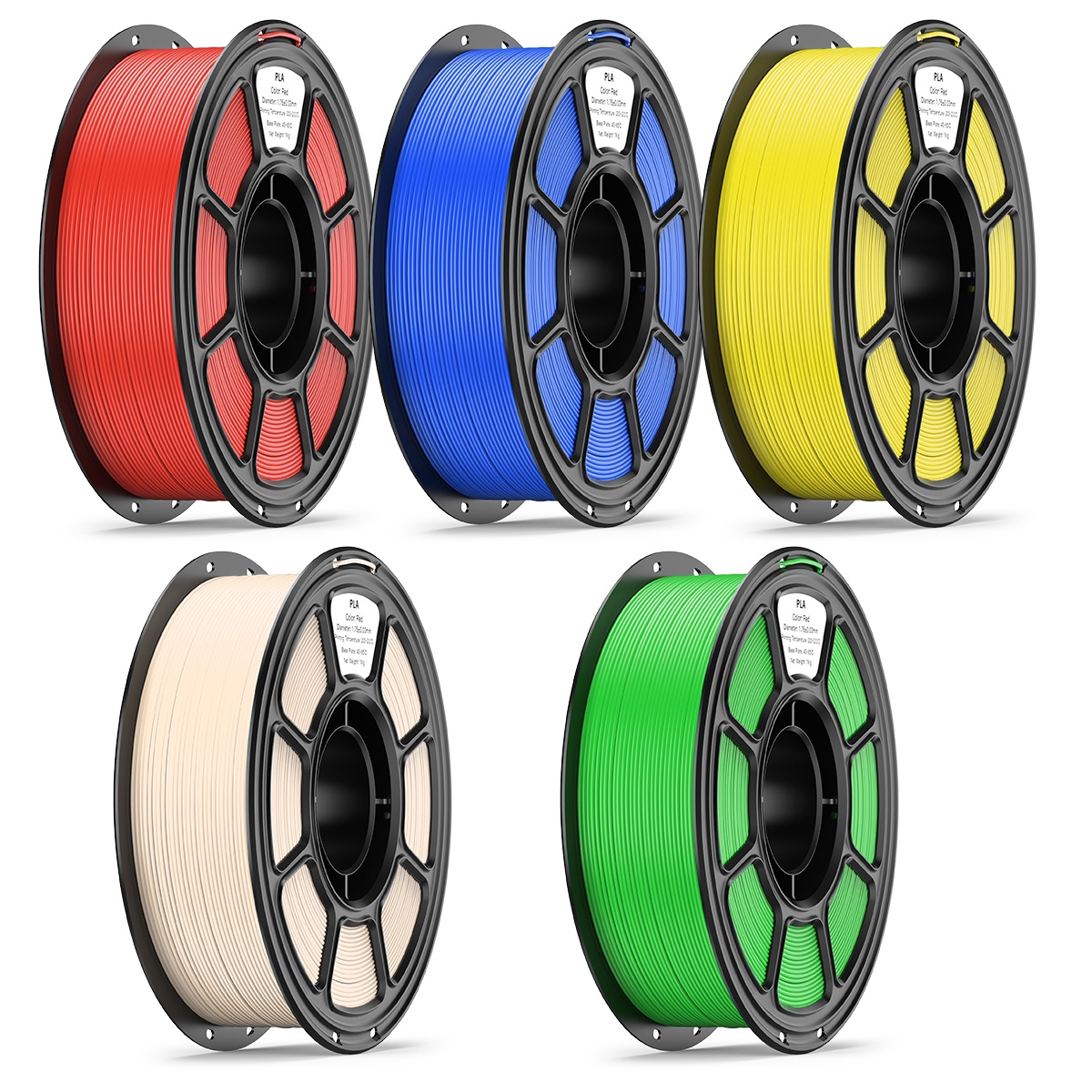 PLA 5 Pack 3D Printer Filament, 1.75mm PLA Bundle, 5 Rolls Set For FDM 3D Printers, Smooth Printing, Low Warping, Easy To Print, Multi Color For DIY, Prototyping, Model Making & Crea$78.99View on Mallflare
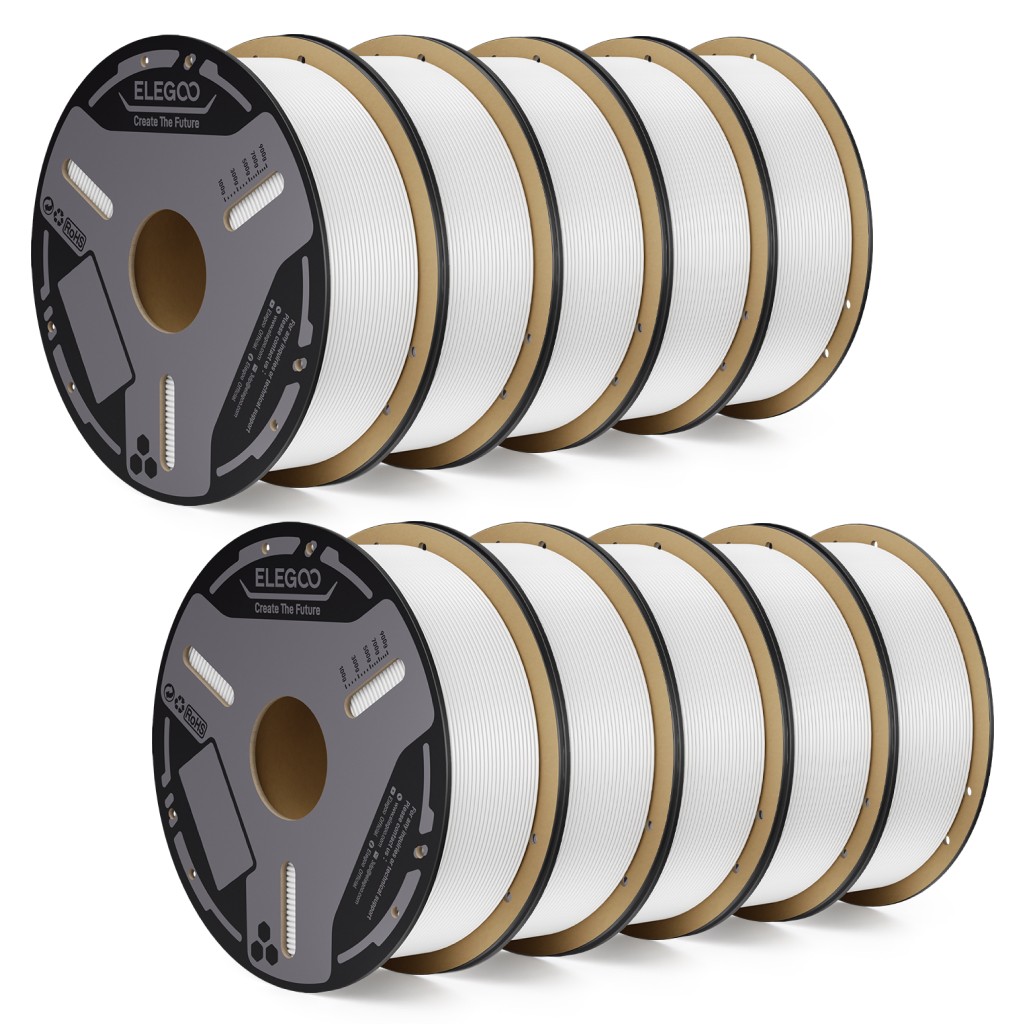 ELEGOO 10KG 3D Printer Filament PLA PETG Matte 1.75 mm FDM Bundle 1KG/Spool$209.00New · Last checked Nov 21, 2026View on eBay
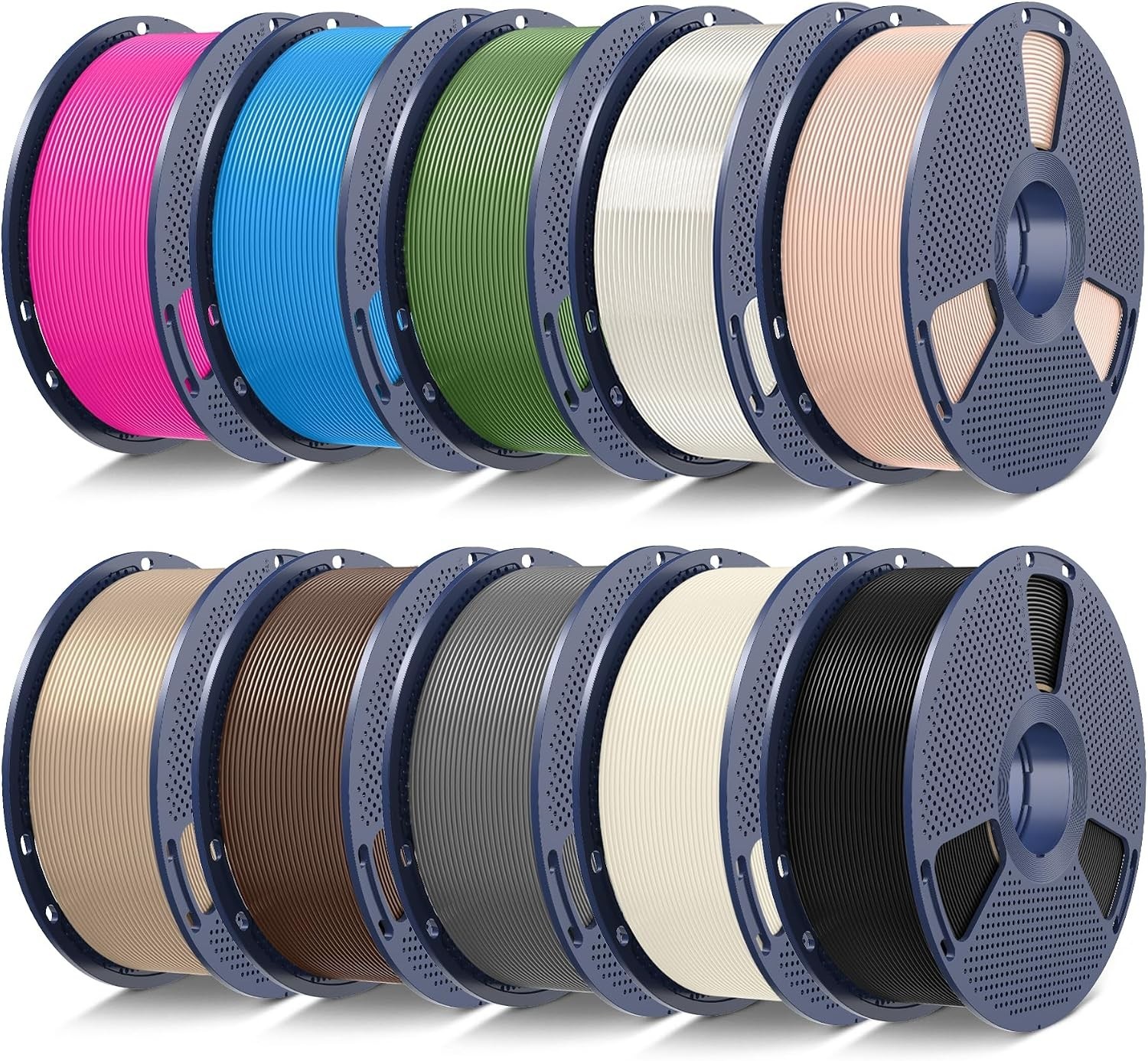 PLA 3D Printer Filament, Multicolor, 10-Pack, 10KG Total Black+Bone White+Grey+$219.95New · Last checked Nov 21, 2026View on eBay
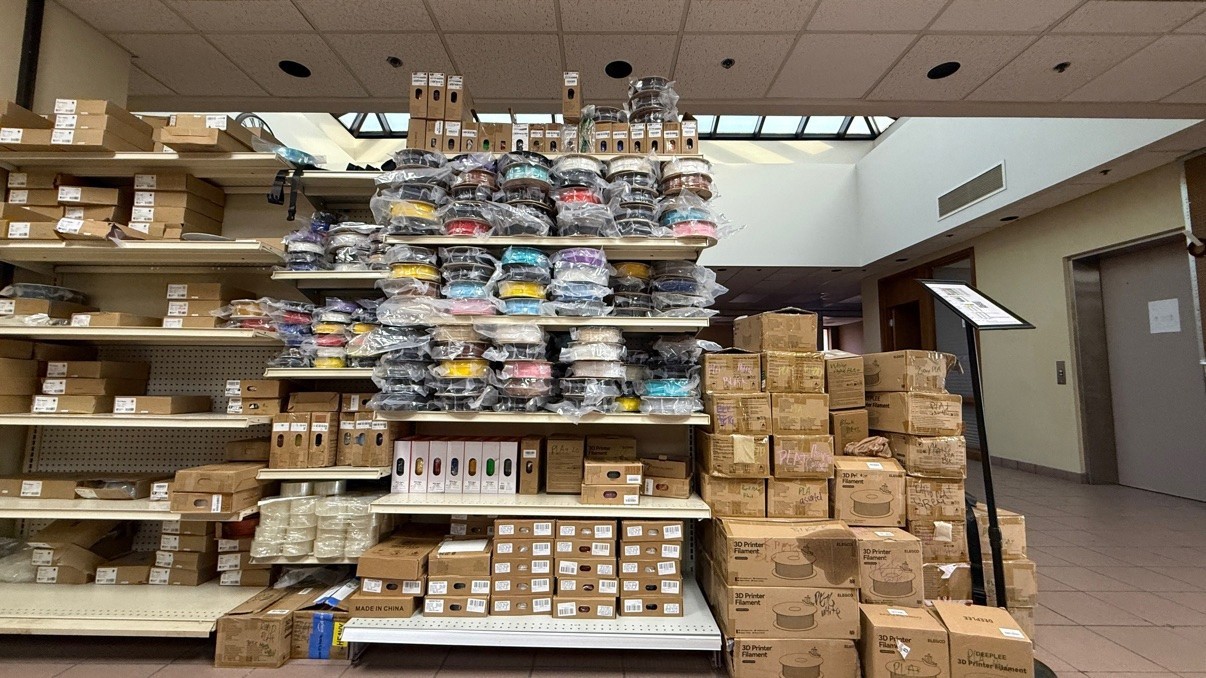 【Bulk Lot Deal】 Elegoo Filament 1.75mm 3D Printing PLA PETG ASA Filament Spools$231.84New · Last checked Nov 21, 2026View on eBay
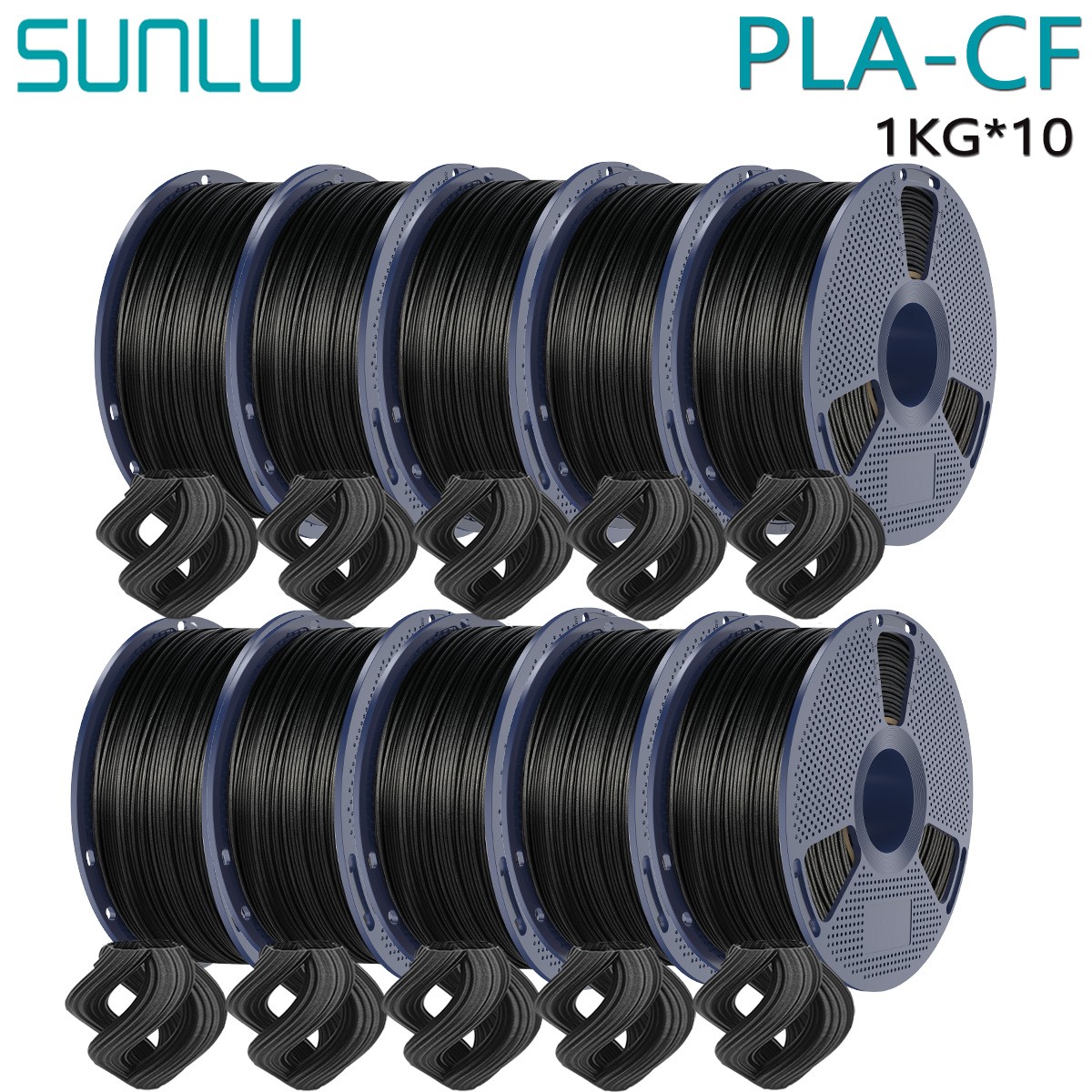 SUNLU 10KG PLA PLA+ ASA SILK PETG2.0 ABS 3D Printer Filament 1.75mm 1KG/Spool$232.69New · Last checked Nov 21, 2026View on eBay
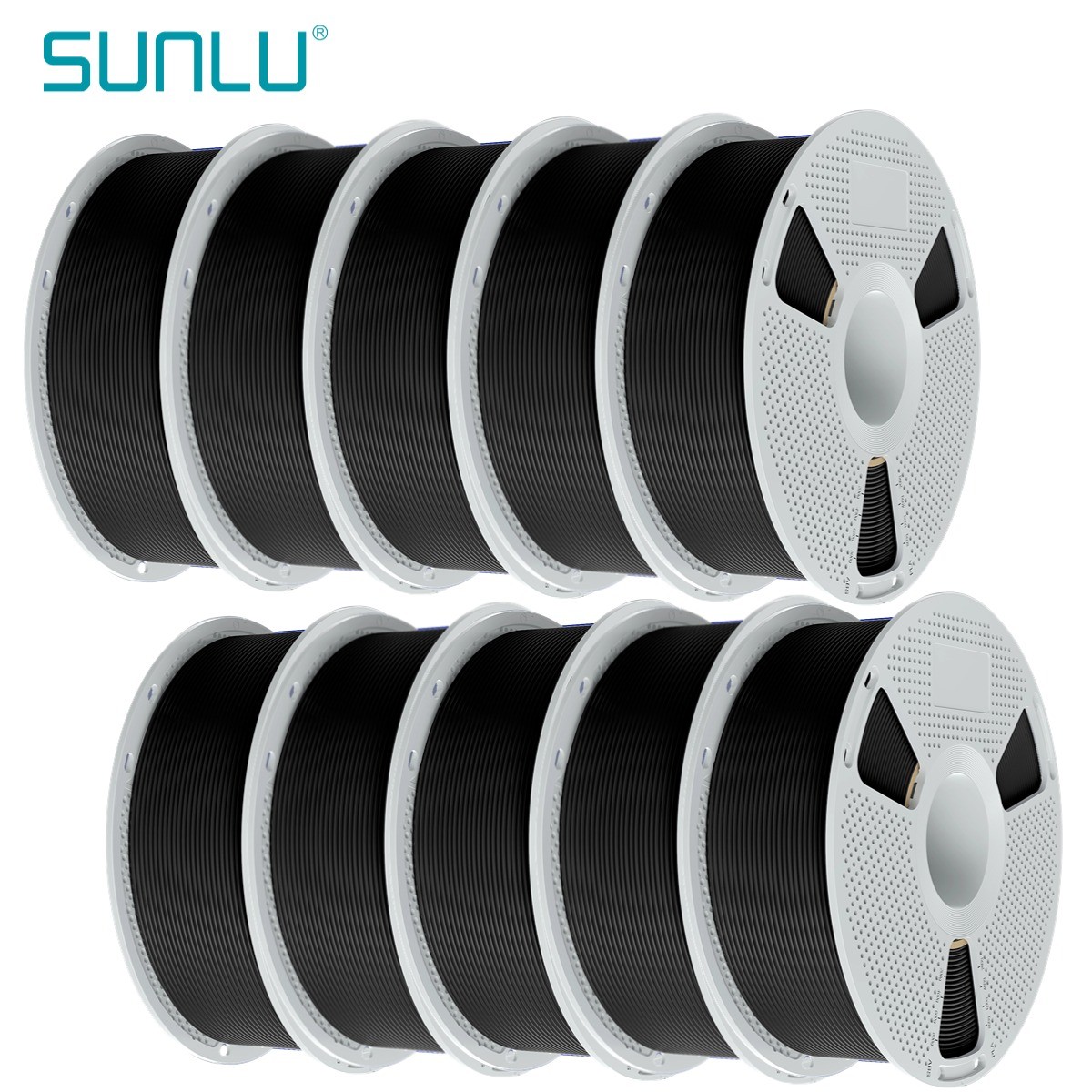 10×1KG SUNLU PLA Matte Meta PLA+ PETG SILK ABS TPU95A 1KG 3D Printer Filament$278.94New · Last checked Nov 21, 2026View on eBay
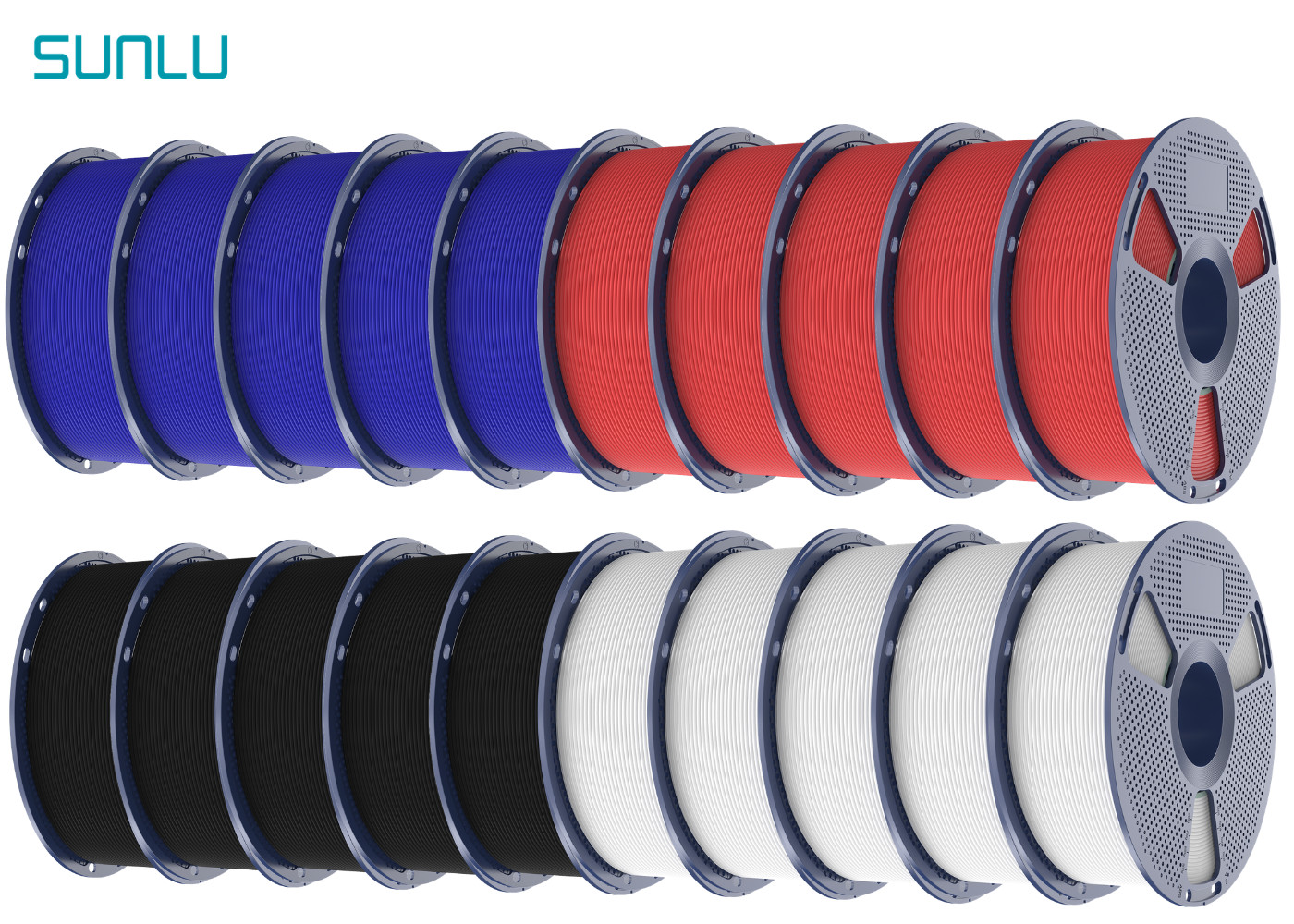 10KG/20KG SUNLU ASA PETG PLA PLA+2.0 PLA-Matte PLA-Meta SILK ABS Filament$348.21New · Last checked Nov 21, 2026View on eBay
Highlights
- Diameter tolerance is the single strongest quality signal: ±0.02 mm is premium, ±0.03 mm is standard, and ±0.05 mm or unrated causes inconsistent extrusion and jams.
- Virgin PLA resin (NatureWorks 4043D grade or equivalent) yields predictable melt flow; regrind-blended or unknown-origin pellets produce brittle parts and random diameter swings.
- Vacuum-sealed foil with desiccant keeps moisture below 0.05%; exposed or resealable bags let PLA absorb water, causing steam pops, stringing, and weak layer bonding.
- Cardboard spools are eco-friendly but shed dust and warp in humid storage; plastic or metal spools hold winding tension better and survive repeated dryer cycles.
Best use cases
- Best fit: buy ±0.02 mm tolerance, vacuum-sealed virgin PLA for functional parts, miniatures, and any print where layer adhesion or dimensional accuracy matters—skip budget regrind spools entirely.
- Best fit: choose matte or silk PLA only from brands that state the additive and tolerance; skip no-name effect filaments, which hide inconsistent pigment and diameter under surface finish.
- Best fit: for high-volume prototyping on a stock Bowden-tube printer, pick standard ±0.03 mm PLA with a plastic spool—skip cardboard spools that collapse under extruder drag.
- Wrong fit: high-speed or heated-chamber printing—PLA softens near 60 °C; use PETG or ABS instead and do not buy PLA for hot-car or outdoor parts.
Buying tips
- Match tolerance to nozzle: 0.4 mm nozzles tolerate ±0.03 mm well; for 0.2 mm detail nozzles, insist on ±0.02 mm or the extrusion width will vary visibly.
- Check net filament weight, not gross spool weight—1 kg net is standard; a '1 kg spool' listing that includes the spool leaves too little material for long prints.
- Prefer spools with a 200 mm or larger inner hub and clean winding; tight, crossed winds cause tangles and failed mid-print extrusion.
- Verify the resin grade or at least 'virgin PLA' claim; blends labeled 'PLA+' may add impact modifiers but should still publish a diameter tolerance.
Specs
| Diameter Tolerance | ±0.02 mm premium / ±0.03 mm standard |
|---|---|
| Resin Grade | Virgin PLA (4043D) vs regrind blend |
| Spool Net Weight | 1 kg net standard |
| Packaging | Vacuum-sealed foil + desiccant |
Related searches
What to check before buying
- Confirm your printer's filament diameter (1.75 mm is consumer standard; 2.85 mm is reserved for specific Bowden setups) before ordering.
- Measure spool outer diameter and hub width against your holder—many 1 kg spools are 200 mm OD and need a holder rated for that width.
- Plan dry storage: a sealed box with rechargeable desiccant keeps opened PLA below 0.05% moisture; without it, even premium spools degrade within weeks.
- Check nozzle and bed temperature ranges on the spool label (typical PLA: 190–220 °C nozzle, 50–60 °C bed) against your printer's capabilities.
FAQ
Data sources: eBay / Amazon listings and product attribute feeds. Updated Nov 24, 2026.
Some links on this page are affiliate links. If you buy after clicking one, we may earn a commission at no extra cost to you. This does not change which products appear here or their order. Affiliate disclosure.