
Photos from current listings. Actual item, color, and included accessories may vary.
Foldable Projector Screen Buying Guide
A foldable projector screen is a fabric viewing surface that collapses for transport, usually paired with a stand or frame. The primary trade-off is between a thin, crease-prone PVC sheet and a thicker, wrinkle-resistant multi-layer fabric with a rigid frame; the decision rule is simple: buy a tensioned or anti-crease fabric with a metal stand if you plan to reuse it, and avoid unstretched single-layer cloth unless it is for occasional light use.
Median $60.99
Key takeaways
- Anti-crease multi-layer PVC or polyester fabric resists fold lines; single-layer matte cloth shows permanent creases after one season.
- 16:9 is the standard aspect ratio for HD and 4K projectors; 4:3 screens waste width on modern content.
- Aluminum or steel tripod and crossbar stands hold tension better than plastic A-frames, which wobble in wind.
At a glance
- Category
- Projectors & Screens
- Last updated
- Nov 29, 2026
Current offers
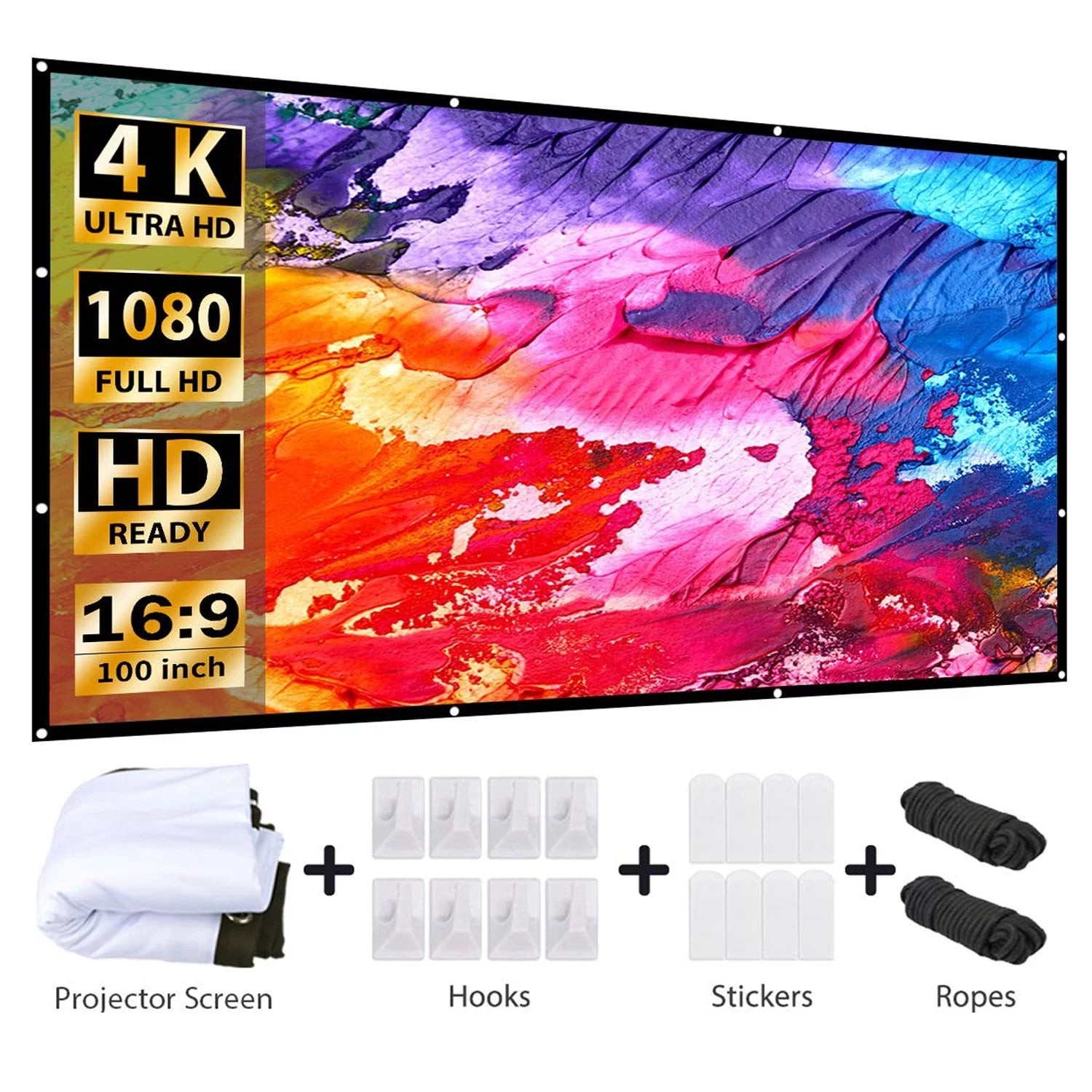 VANKYO 100'' Foldable Projector Screen 16:9 HD Outdoor Home Theater 3D Movie$7.39View on eBay
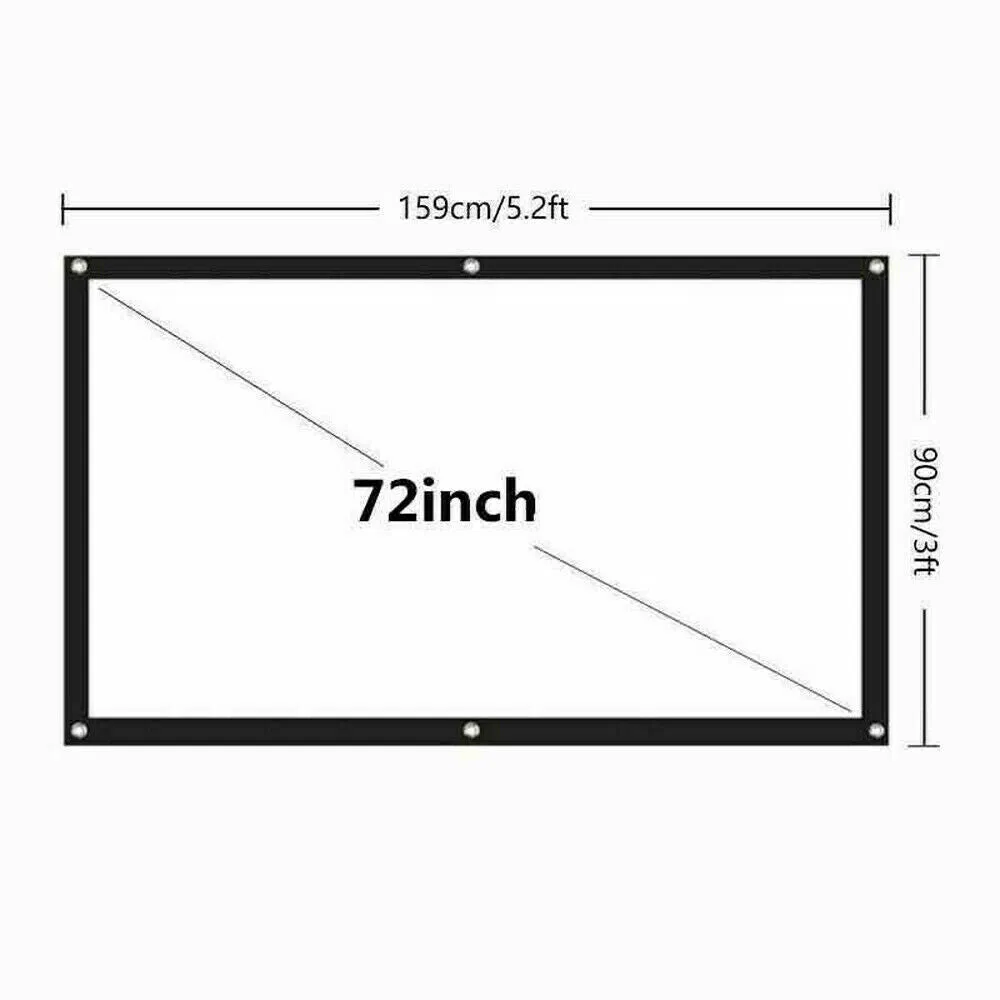 Portable Foldable Projector Screen 16:9 HD Outdoor Home Cinema Theater 3D Movie$21.99View on Mallflare
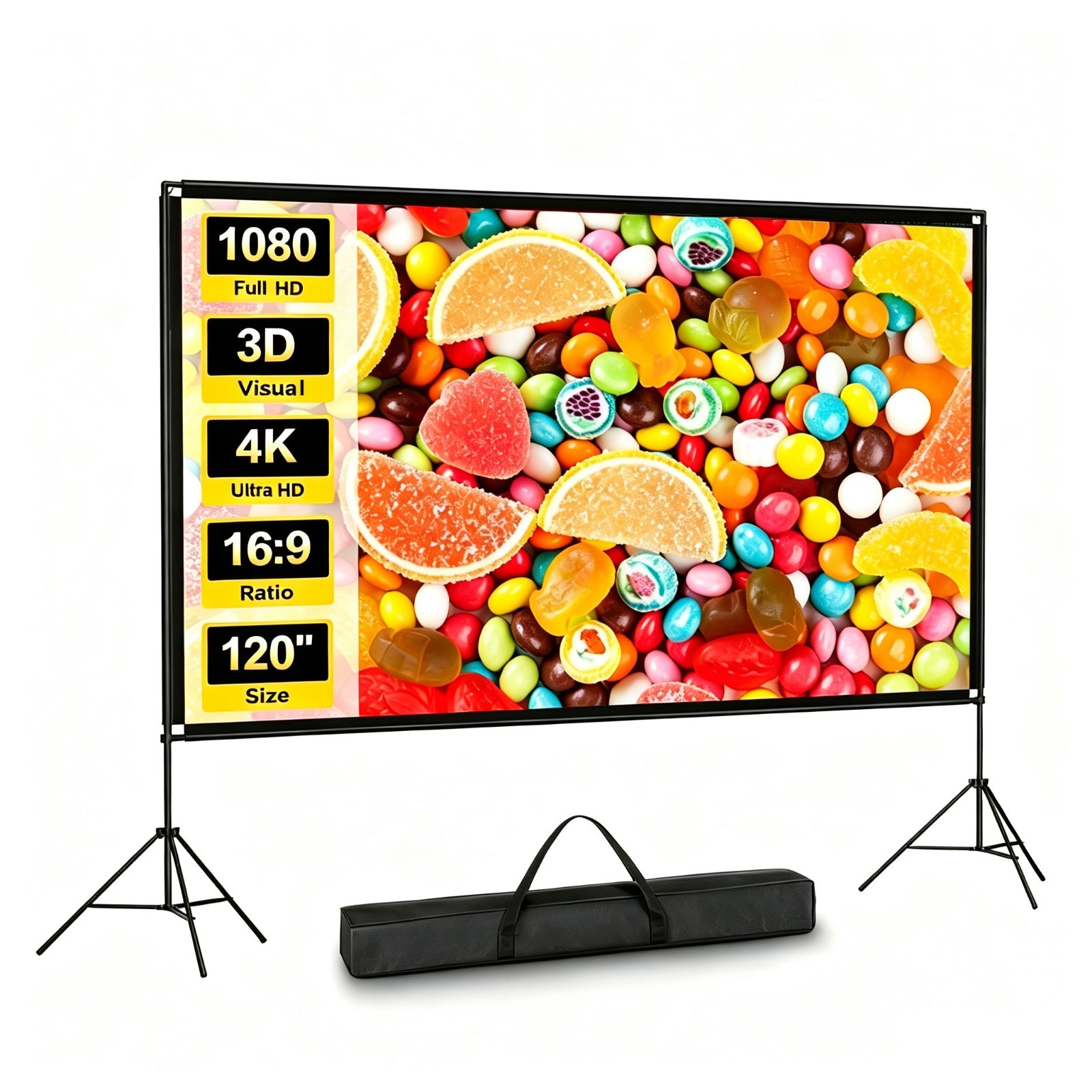 120 inch Outdoor Projector Screen with Stand Foldable Projector Screen 16:9 HD$59.99View on eBay
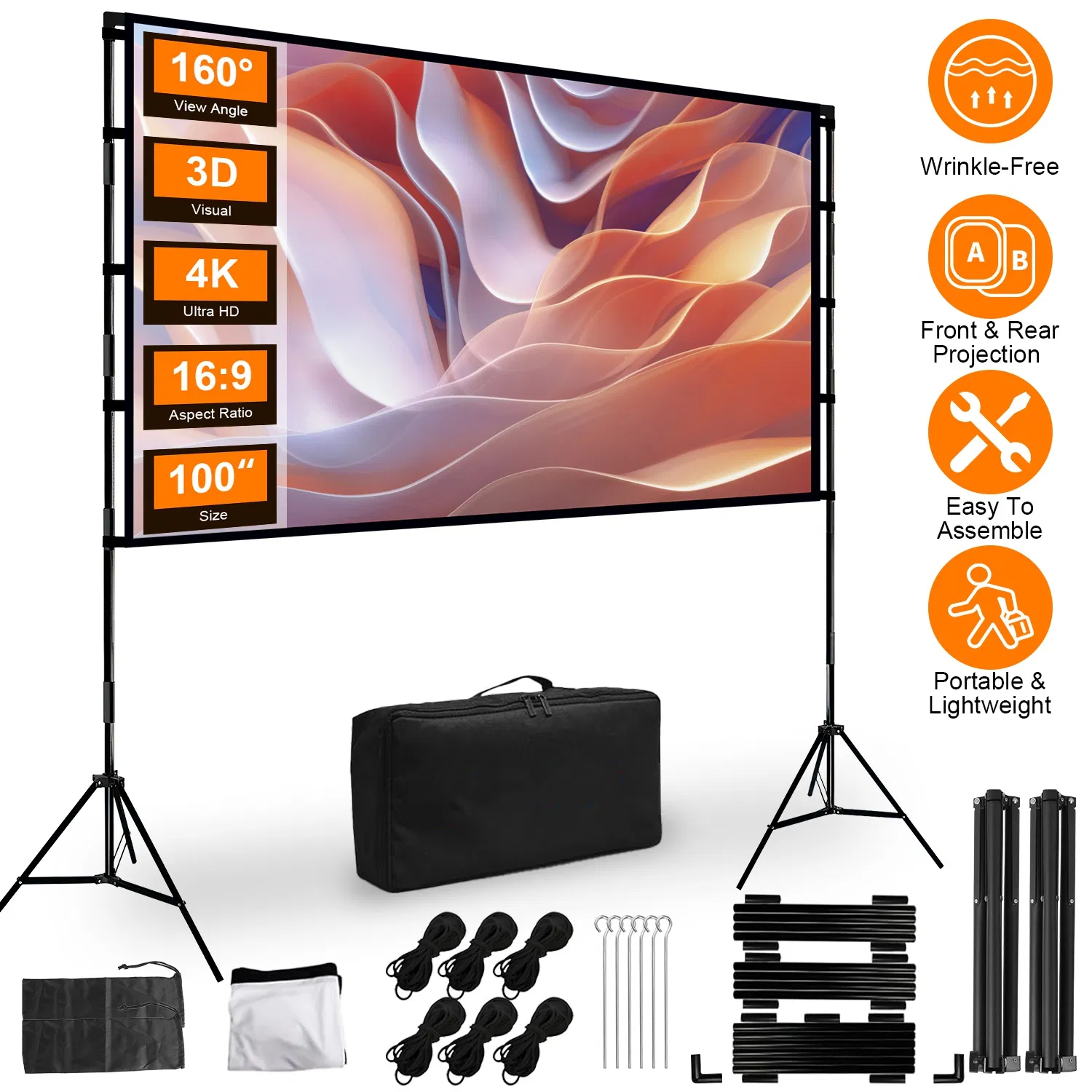 100inch 120inch Options Projector Screen With Stand 4K HD Rear Front Wrinkle-Free Portable And Foldable Movie Carry Bag For Indoor Outdoor Home Theater Backyard Cinema$87.99View on Mallflare
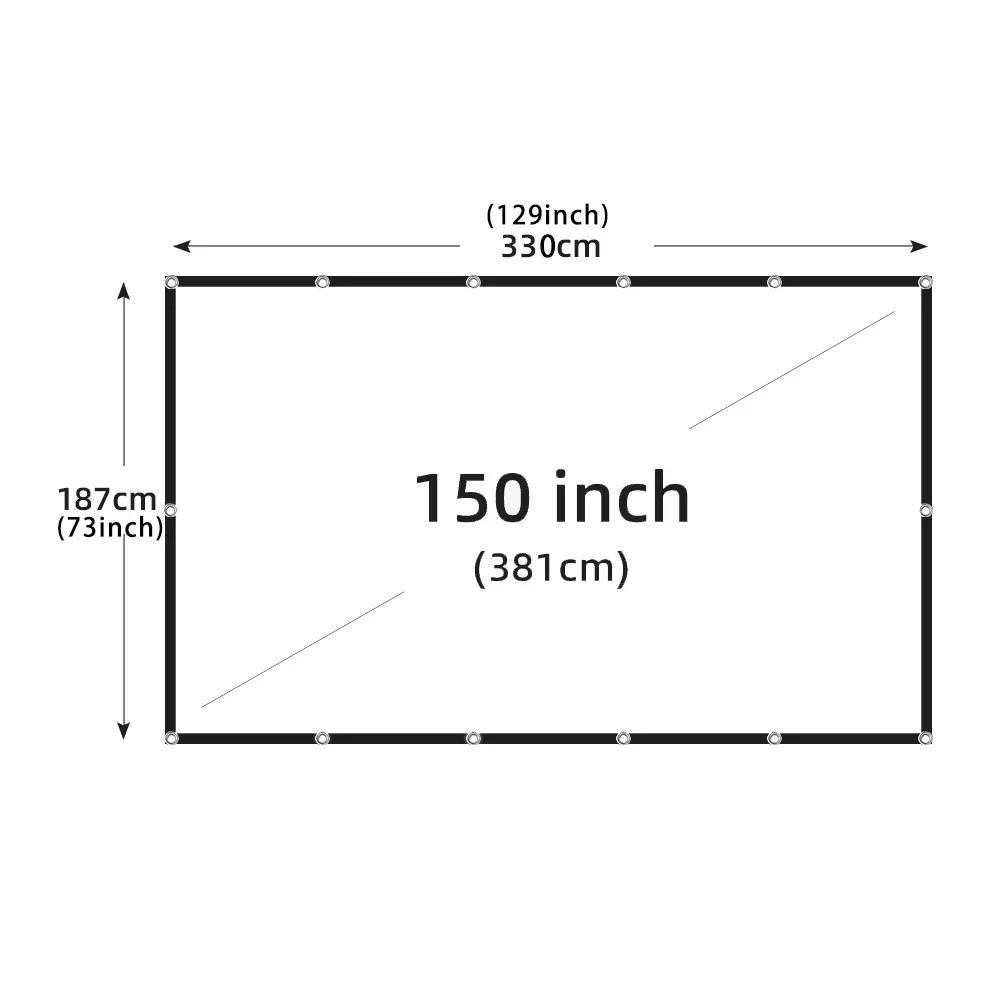 MIXITO Portable Projector Screen Foldable Matte White 16:9 30-130 Inch$60.99View on eBay
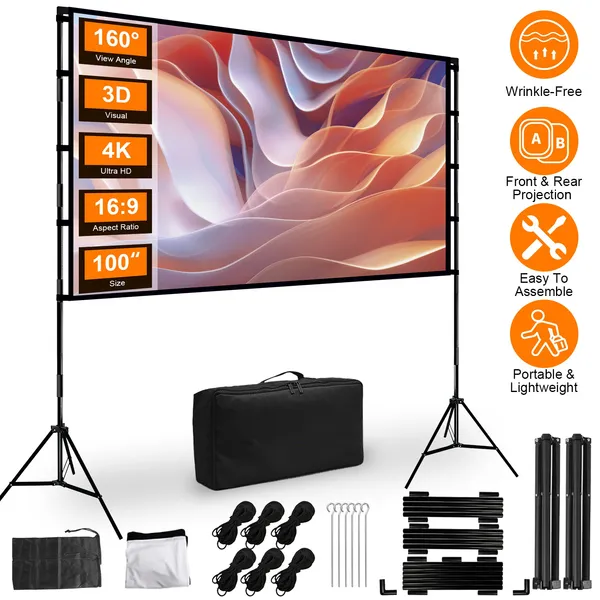 100inch/120inch Options Projector Screen With Stand 16:9 4K HD Rear Front Wrinkle-Free Portable And Foldable Movie Carry Bag For Indoor Outdoor Home Theater Backyard Cinema$87.99View on Mallflare
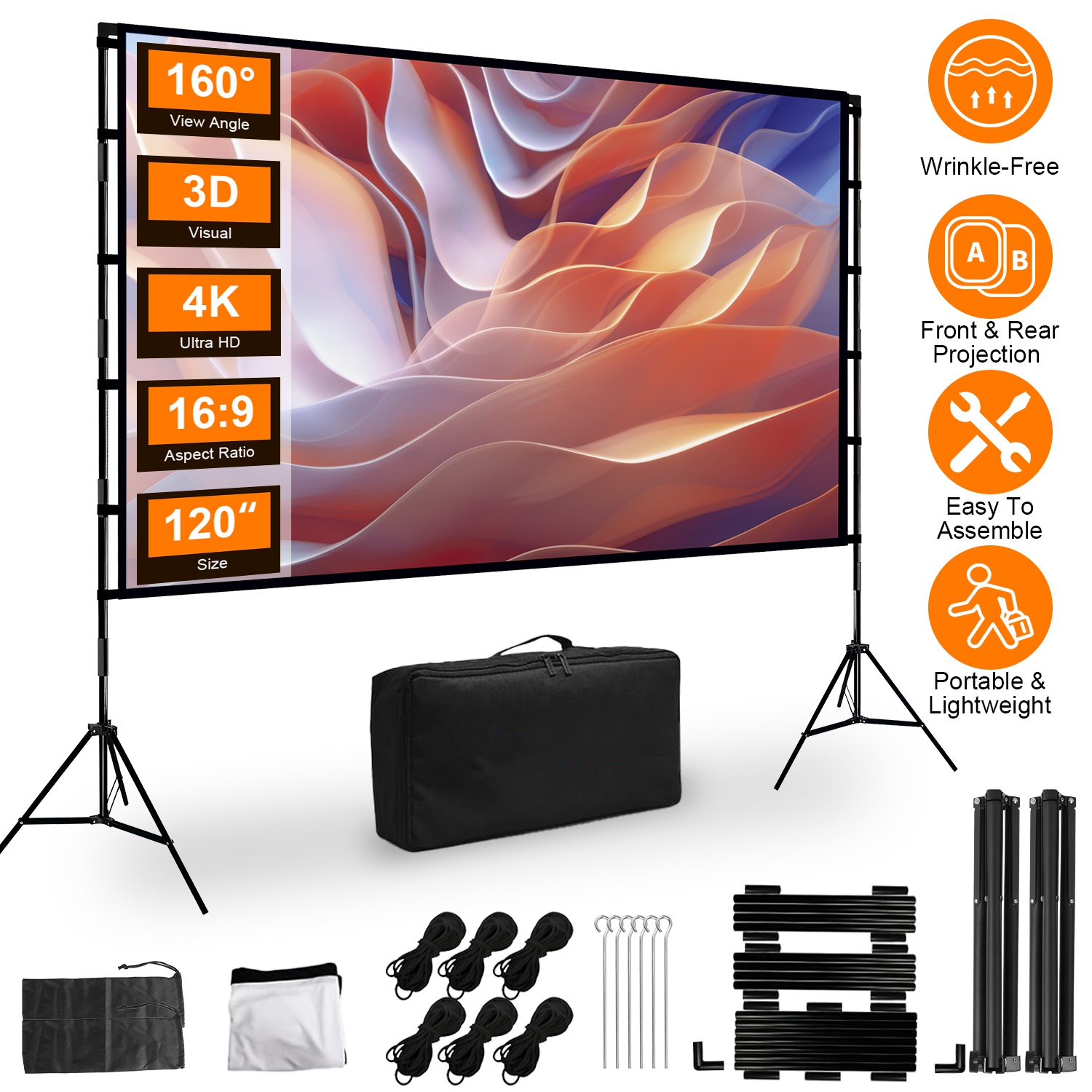 1Pc 120inch Or 100inch Projector Screen With Stand 16 9 4K HD Rear Front Wrinkle Free Portable And Foldable Movie Carry Bag For Indoor Outdoor Home Theater Backyard Cinema$97.99View on Mallflare
Highlights
- Anti-crease multi-layer PVC or polyester fabric resists fold lines; single-layer matte cloth shows permanent creases after one season.
- 16:9 is the standard aspect ratio for HD and 4K projectors; 4:3 screens waste width on modern content.
- Aluminum or steel tripod and crossbar stands hold tension better than plastic A-frames, which wobble in wind.
- Front and rear projection compatibility requires a diffused white surface; silver or grey coatings only suit front projection.
Best use cases
- Best fit: backyard movie nights with a 100-120 inch anti-crease screen and aluminum stand; skip thin cloth screens that flap in breeze.
- Best fit: indoor home theater where a foldable screen with a carry bag stores in a closet; choose 16:9 and front projection only.
- Wrong fit: permanent wall mounting or dedicated dark-room cinema; a fixed-frame or tab-tensioned screen gives flatter geometry and no setup time.
Buying tips
- For a 100-inch 16:9 screen, the viewing area is about 87 inches wide by 49 inches tall; confirm your wall or yard span before choosing 120 inches.
- Pick a screen at least 1.5 times the projector's throw ratio distance; a short-throw projector needs a smaller screen or a UST-specific screen.
- Choose a stand rated for the screen width; a 120-inch screen with a lightweight tripod tips in wind without sandbag tie-downs.
- Anti-crease fabric with a black backing blocks light bleed; unbacked white cloth lets projector light pass through and washes out contrast.
Specs
| Aspect Ratio | 16:9 standard; 4:3 for legacy |
|---|---|
| Screen Material | Anti-crease PVC or polyester |
| Stand Type | Aluminum tripod vs plastic A-frame |
| Projection Type | Front and rear compatible |
Related searches
What to check before buying
- Measure ceiling height and wall width: a 120-inch 16:9 screen needs about 105 inches of width and 59 inches of height plus stand clearance.
- Check projector brightness: 2,000-3,000 lumens suits a 100-inch screen in dim light; outdoor use needs 3,000+ lumens or a darker screen.
- Confirm the stand footprint fits your space and that the carry bag length matches your vehicle trunk.
- Verify the screen supports both front and rear projection if you plan to place the projector behind the fabric.
FAQ
Data sources: eBay / Amazon listings and product attribute feeds. Updated Nov 29, 2026.
Some links on this page are affiliate links. If you buy after clicking one, we may earn a commission at no extra cost to you. This does not change which products appear here or their order. Affiliate disclosure.