
Photos from current listings. Actual item, color, and included accessories may vary.
Wireless Charger Buying Guide
A wireless charger moves power through induction between a pad/stand coil and a receiver coil in your phone, trading the certainty of a cable for convenience. The core engineering trade-off is coil alignment and thermal headroom versus charging speed: 5W–7.5W pads run cool and cheap, while 10W–15W fast pads require Qi certification, foreign-object detection, and active thermal management to avoid throttling. The decision rule is simple: buy only Qi-certified pads with a matched wall adapter and a coil layout (single, dual, or magnetic array) that fits your phone's coil position and case thickness.
Median $30.99
Key takeaways
- Qi certification (WPC) is the baseline safety and interoperability standard; uncertified pads may overheat or refuse to negotiate 7.5W/10W/15W profiles with iPhones and Galaxy devices.
- Coil count and placement decide usable area: single-coil pads require precise centering, dual-coil pads widen the sweet spot, and magnetic ring arrays (MagSafe-style) lock alignment for 15W-class charging.
- Charge rate is negotiated, not fixed: iPhones cap at 7.5W on standard Qi, Samsung flagships accept 10W–15W Qi, and 15W requires a pad and adapter that both support the higher profile.
At a glance
- Category
- Chargers, Power Banks & Adapters
- Last updated
- Nov 29, 2026
Current offers
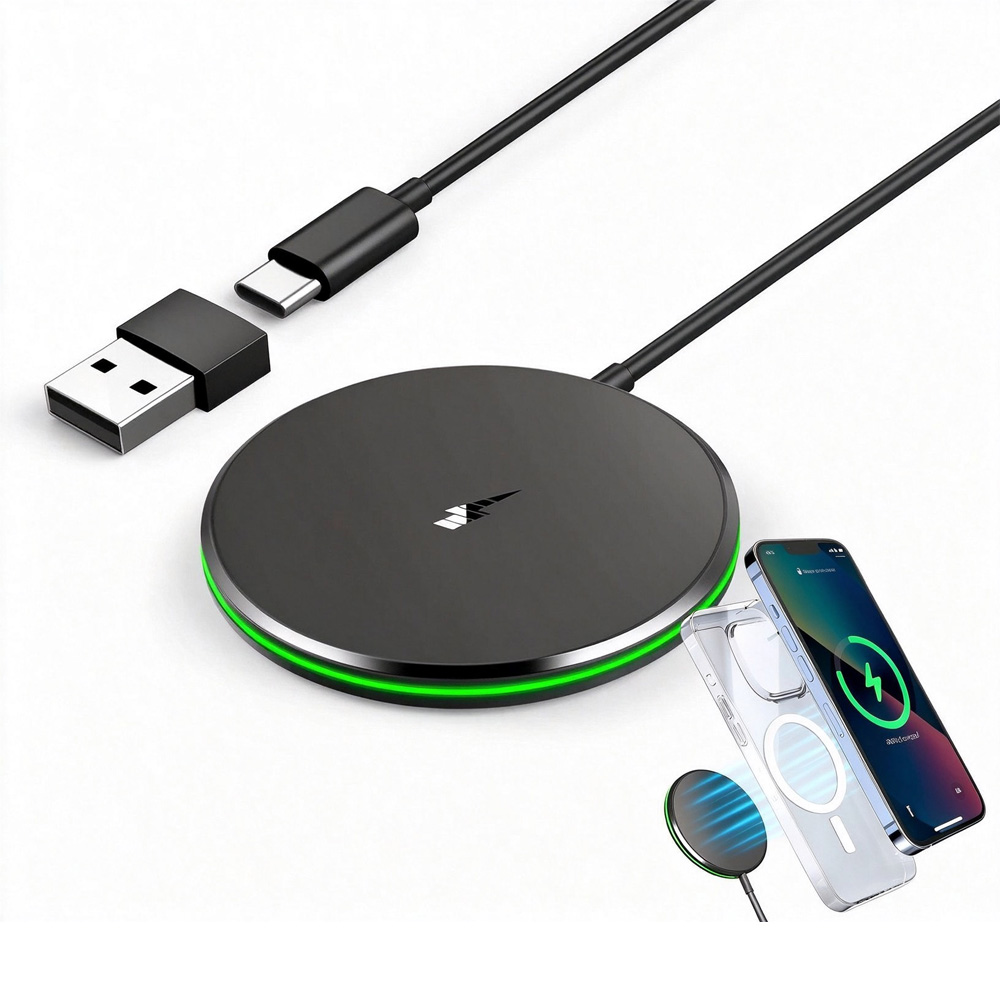 Magnetic Wireless Charger 15W Fast Mag-Safe Charging Pad For IPhone , AirPods$20.99View on Mallflare
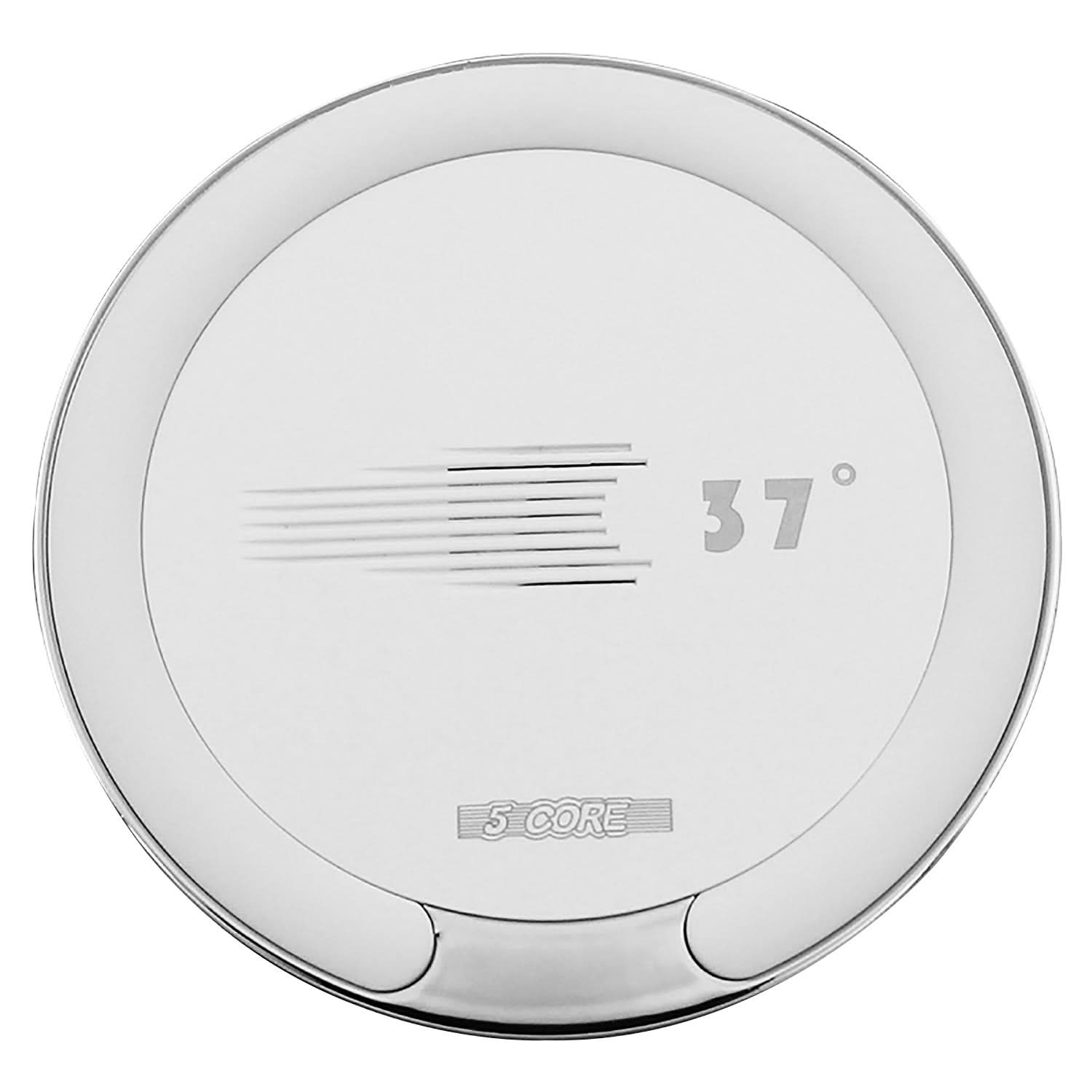 5 Core 15W Wireless Charging Pad Fast Qi Charger$23.99View on Mallflare
 5 Core Wireless Charging Pad 15W Fast Qi Charger$23.99View on Mallflare
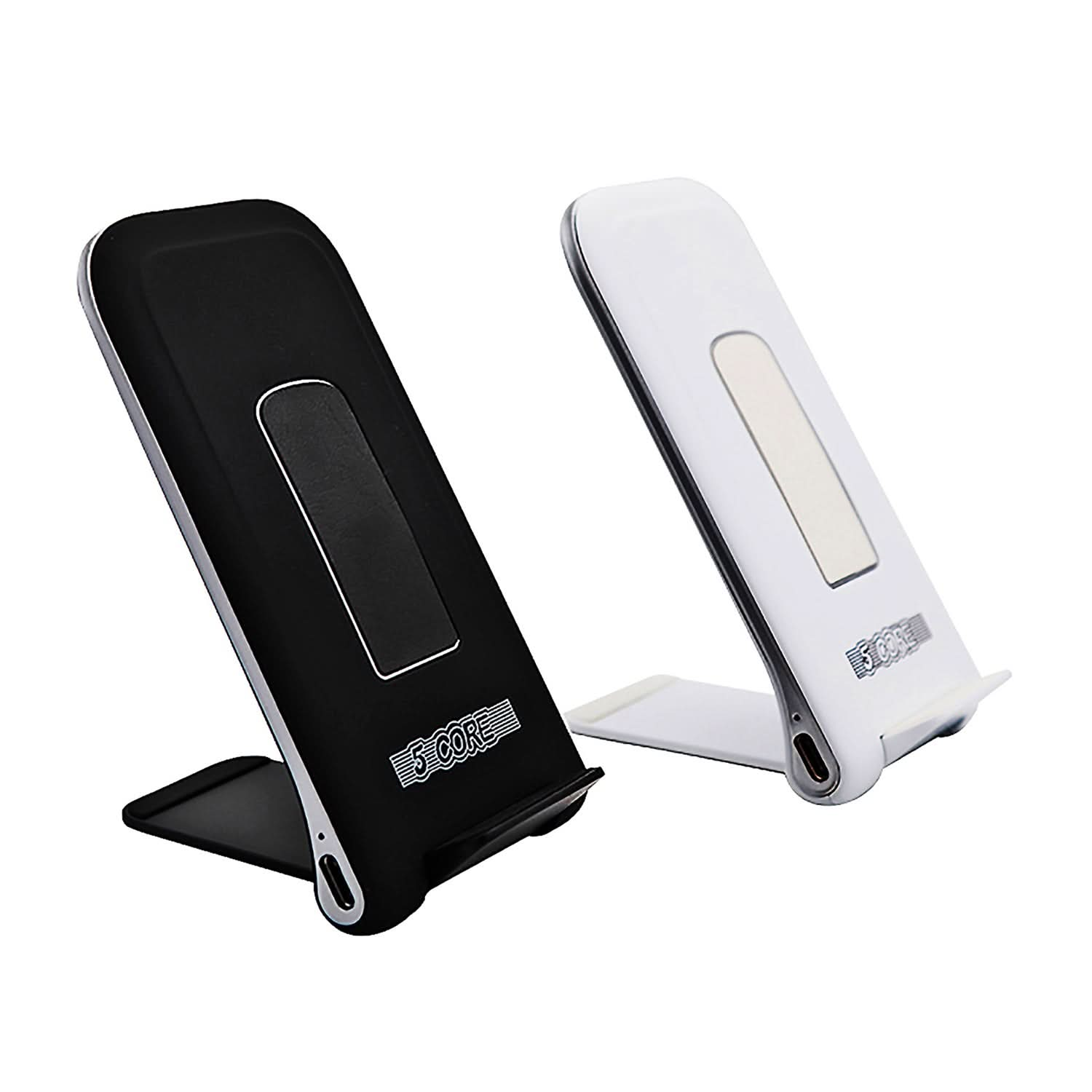 5Core Wireless Charging Stand 10W 2 Pack Fast Charger Stands$30.99View on Mallflare
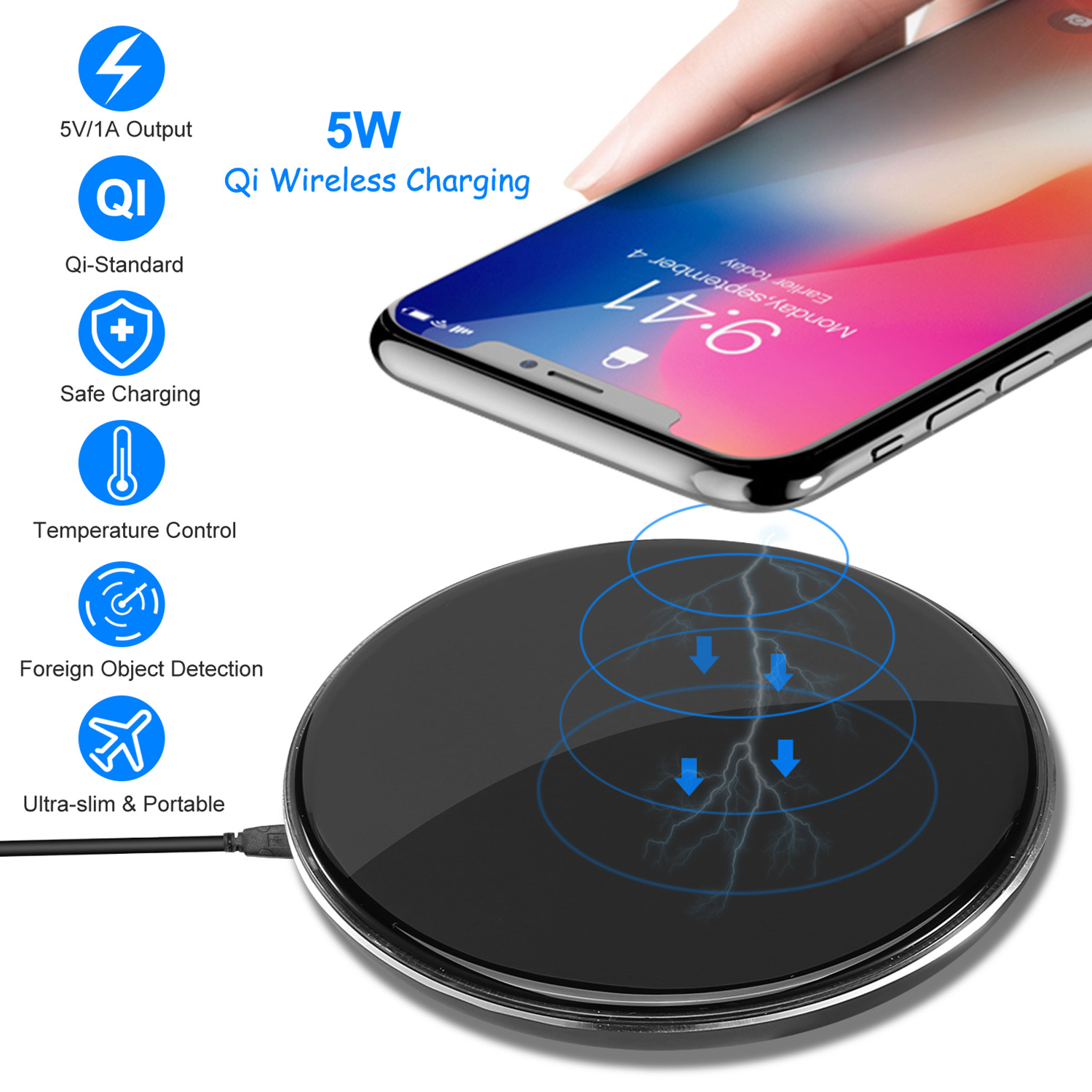 1Pc Wireless Charger Qi-Certified Ultra-Slim 5W Charging Pad For IOS Phone XS MAX XR XS X 8 8 Plus Galaxy S10 S9 S8 S7$33.99View on Mallflare
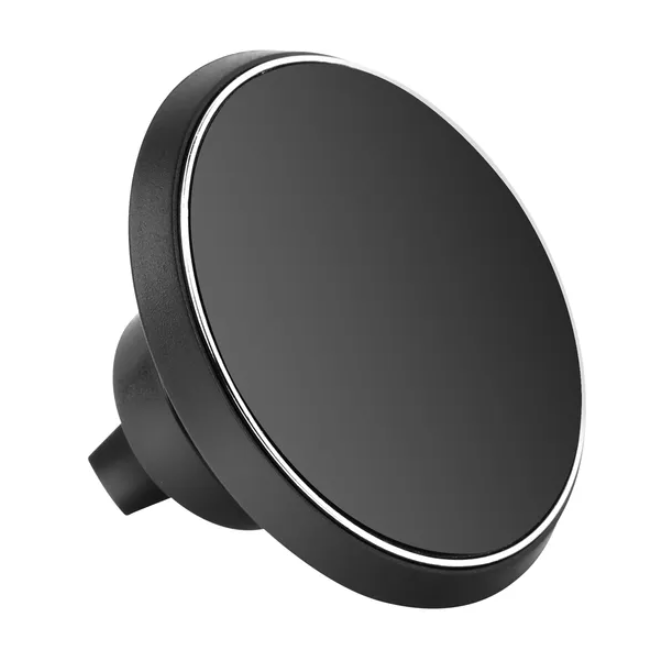 Wireless Car Magnetic Charger$42.99View on Mallflare
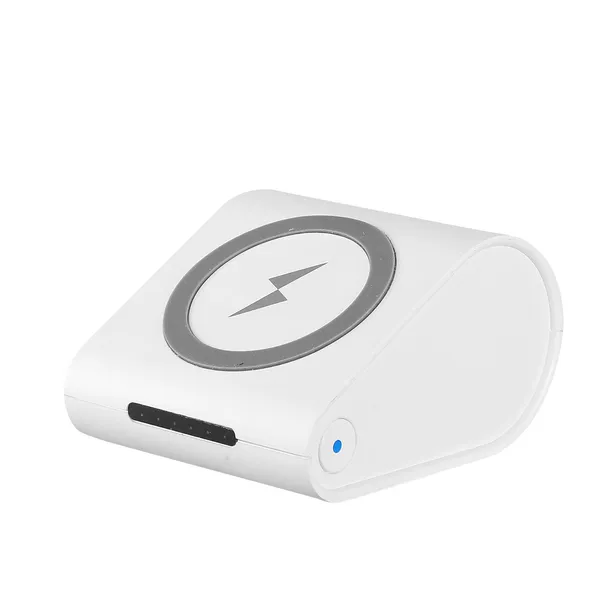 Qi Wireless Charger 10400mAh Power Bank 5W Pad 2.1A USB Charge Port Portable Battery$51.99View on Mallflare
Highlights
- Qi certification (WPC) is the baseline safety and interoperability standard; uncertified pads may overheat or refuse to negotiate 7.5W/10W/15W profiles with iPhones and Galaxy devices.
- Coil count and placement decide usable area: single-coil pads require precise centering, dual-coil pads widen the sweet spot, and magnetic ring arrays (MagSafe-style) lock alignment for 15W-class charging.
- Charge rate is negotiated, not fixed: iPhones cap at 7.5W on standard Qi, Samsung flagships accept 10W–15W Qi, and 15W requires a pad and adapter that both support the higher profile.
- Thermal design separates durable from disposable: glass-topped pads with metal or alloy bodies and foreign-object detection dissipate heat; sealed plastic shells without vents throttle quickly and degrade cells.
Best use cases
- Nightstand or desk charging: pick a stand-style Qi pad with a 45°–60° viewing angle and non-slip base so the phone stays aligned overnight; skip ultra-slim pads that slide and misalign.
- Fast top-ups at a work desk: choose a 15W Qi-certified glass-top pad paired with a 20W+ PD wall adapter; skip 5W legacy pads if your phone supports 10W–15W profiles.
- Travel and pocket carry: choose a magnetic 5000mAh-class wireless power bank with USB-C PD passthrough; skip bulky dual-coil desktop pads that need a wall outlet.
- Case-on charging: pick dual-coil or magnetic arrays for cases up to 5mm thick; skip single-coil pads if you use wallet cases or metal plates, which block induction.
Buying tips
- Match the pad's negotiated wattage to your phone: 7.5W for iPhone standard Qi, 10W–15W for Samsung/Xiaomi flagships, and 5W only for earbuds or older phones.
- Pair every pad with a wall adapter that meets or exceeds its input requirement—typically 5V/2A (10W) or 9V/2A+ (15W–20W PD)—or the pad will fall back to 5W.
- Check coil-to-phone alignment: single-coil pads need the phone's coil centered within roughly 1cm; dual-coil pads tolerate ±3cm; magnetic arrays self-align.
- Prefer glass or metal-topped pads with foreign-object detection (FOD) over plain plastic; FOD stops charging when keys or coins sit on the coil and prevents heat damage.
Specs
| Qi Standard | Qi-certified (BPP/EPP) |
|---|---|
| Power Tiers | 5W / 7.5W / 10W / 15W |
| Coil Layout | Single / dual / magnetic array |
| Pad Material | Glass top / metal body / plastic |
Related searches
What to check before buying
- Measure your phone's coil position and case thickness: cases over 5mm or with metal plates require magnetic alignment or a case-free setup.
- Confirm the pad includes or specifies a wall adapter; USB-C PD or QC input ratings must match the pad's fast-charge requirement.
- Check surface and airflow: place pads on non-metal, heat-tolerant surfaces with clearance around vents; avoid bedding and direct sunlight.
- Verify plug/voltage standard for your region (US Type A/B 120V vs EU Type C/F 230V) and whether the pad ships with a regional adapter.
FAQ
Data sources: eBay / Amazon listings and product attribute feeds. Updated Nov 29, 2026.
Some links on this page are affiliate links. If you buy after clicking one, we may earn a commission at no extra cost to you. This does not change which products appear here or their order. Affiliate disclosure.