TechShelf Guide

TechShelf Guide

Consumer Electronics Reviews & Buying Guides

Compare consumer electronics by use case, features, trade-offs, price, returns, and seller terms before you buy.

Buying guides

Buying guide image
Vinyl Records

Vinyl Record

Vinyl records are analog audio discs whose groove geometry, pressing quality, and sleeve materials determine both sound fidelity and lifespan. The core trade-off is between original vintage pressings (often worn but collectible) and modern reissues (consistent but sometimes digitally sourced), with condition grading and storage materials being the decisive durability factors. Buy by grade, pressing plant, and inner-sleeve material rather than by listing hype.

Buying guide image
Over-Ear Headphones

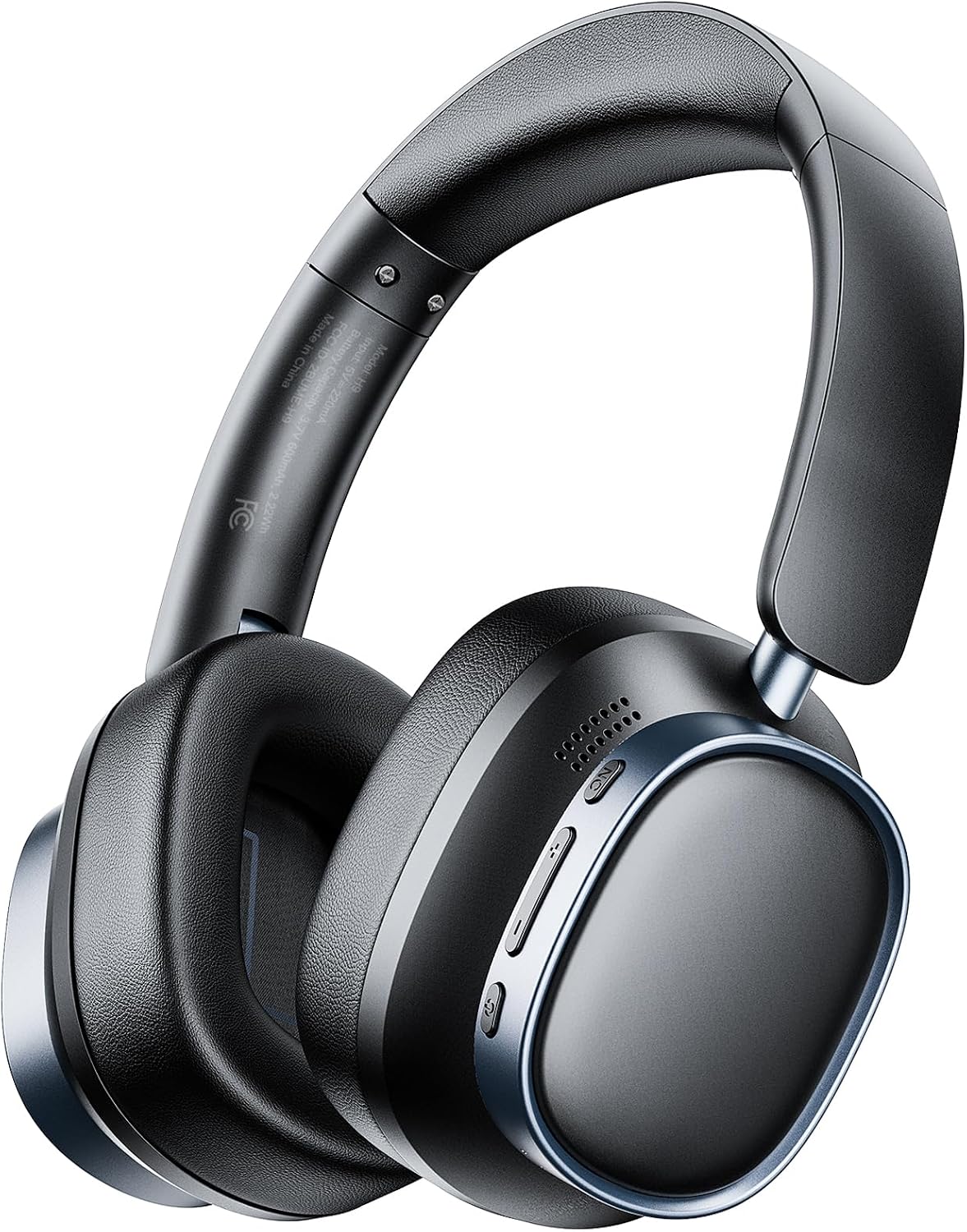
Wireless Noise Cancelling Headphones

Wireless noise-cancelling over-ear headphones combine active ANC circuitry with a closed-back acoustic seal to suppress ambient noise for travel, work, and commuting. The core trade-off is ANC depth and battery life versus weight, clamp force, and Bluetooth codec latency; weak implementations use feedforward-only mics and Bluetooth 4.x, while durable options pair hybrid ANC, Bluetooth 5.2+, and replaceable earpads. Buy hybrid ANC with BT 5.2 or newer—skip feedforward-only BT 4.2 models that leak noise and drop connection.

Buying guide image
Projectors & Screens

Movie Projector Screen

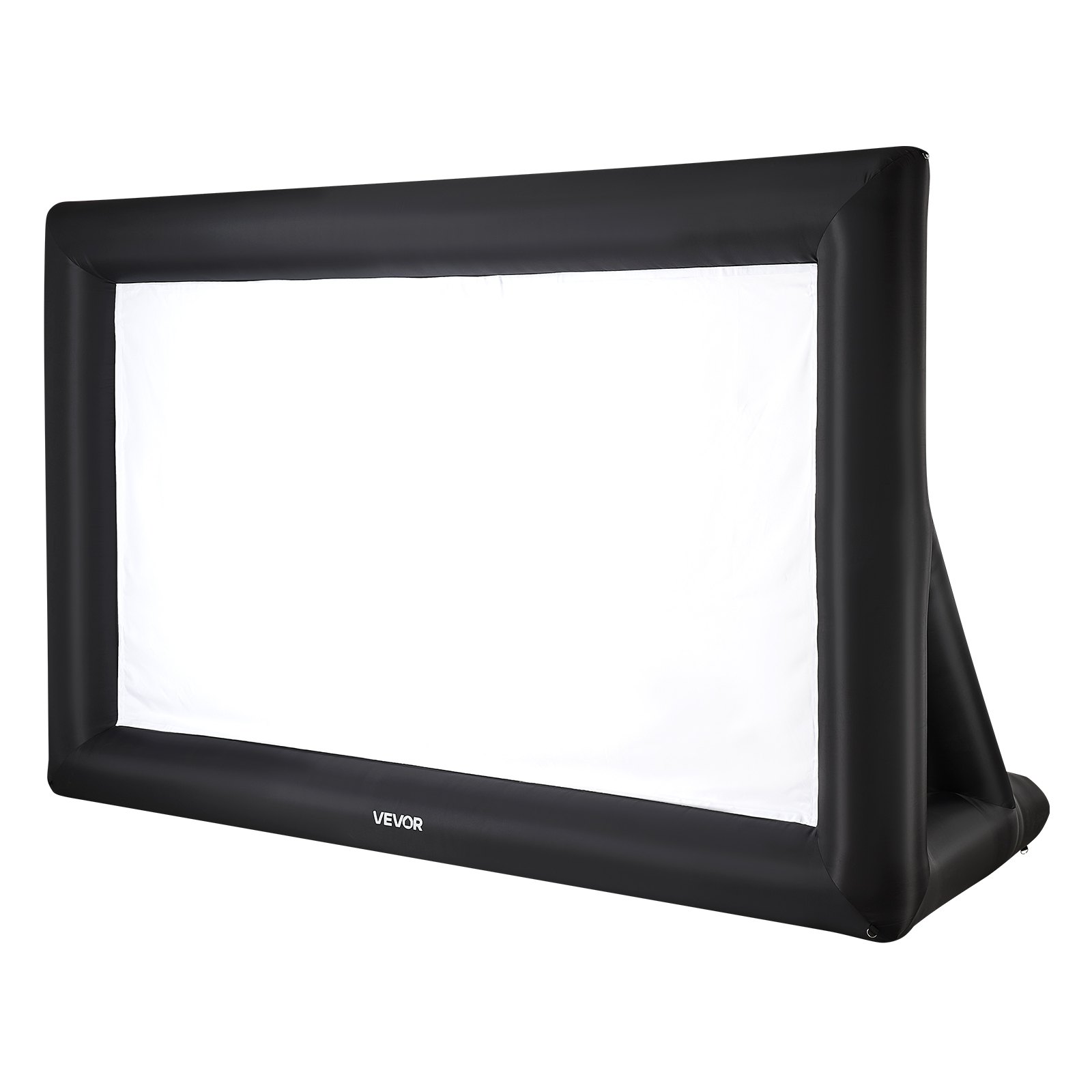
A movie projector screen is a tensioned or framed fabric surface that preserves projector brightness and color uniformity; the core trade-off is portable foldable fabric versus fixed-frame or tensioned construction. Buyers should choose fixed or tab-tensioned frames for permanent rooms and wrinkle-resilient PVC for portable use, skipping untextured thin cloth that shows creases and hot spots.

Buying guide image
Over-Ear Headphones

Bluetooth Noise Cancelling Headphones

Bluetooth noise-cancelling over-ear headphones combine wireless convenience with active noise cancellation (ANC), but the category splits sharply between true hybrid ANC with modern Bluetooth 5.x and outdated feedforward ANC on Bluetooth 4.2. The decision rule: buy hybrid ANC with Bluetooth 5.0 or newer and USB-C charging for daily commuting; skip anything on Bluetooth 4.2 or with plastic-only yokes if you need multi-year durability.

Buying guide image
Flight Sim Rudder Pedals

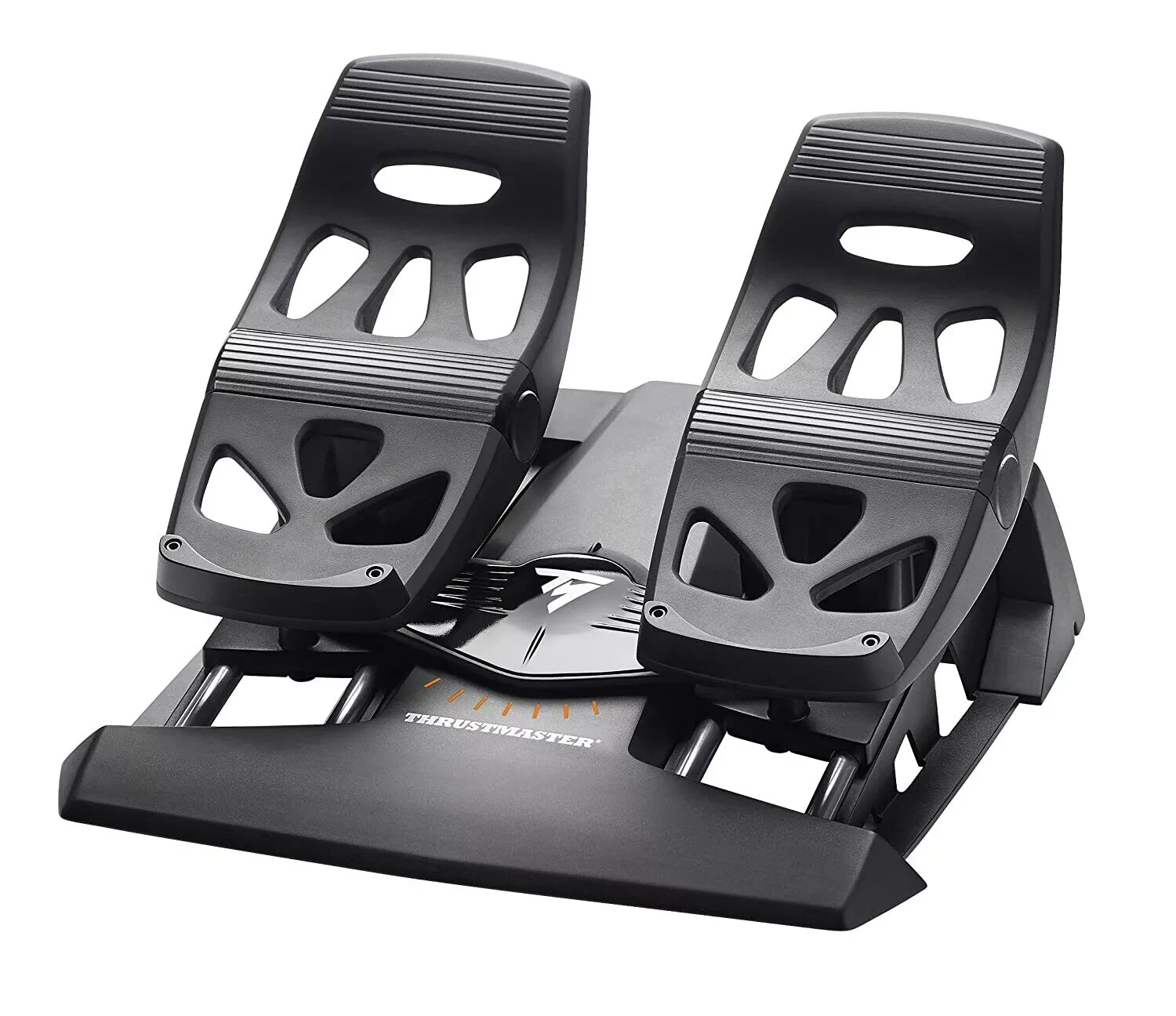
T Flight Pedal

T.Flight-style rudder pedals are entry-tier, console-compatible flight sim pedals built around a plastic housing and sliding/rocker mechanism rather than metal cam-and-bearing assemblies. The core trade-off is console plug-and-play compatibility and low cost versus long-term precision, centering repeatability, and material wear under heavy use. Buy the Thrustmaster TFRP only if you need native PS4/PS5/Xbox compatibility on a budget; step to a metal pedal set like the VKB T-Rudders Mk.V if PC-only precision and durability are the priority.

Buying guide image
In-Ear Earphones

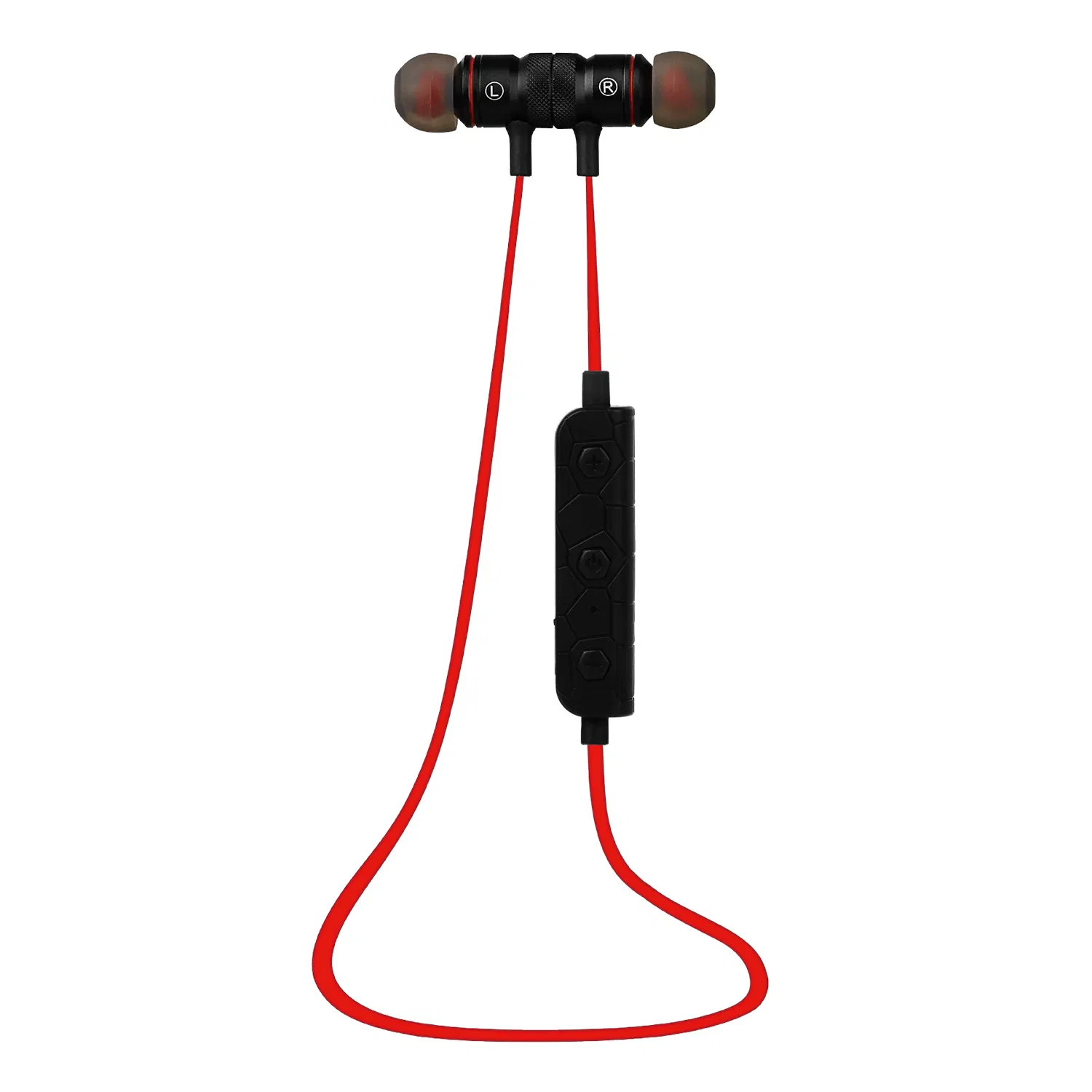
Ear Wireless Headphone

Wireless in-ear earphones split into two architectures: true-wireless earbuds with independent buds and a charging case, and neckband/back-band headsets that tether the buds to a battery collar. The primary trade-off is between the compact, case-dependent TWS form and the longer-runtime, harder-to-lose neckband form, while Bluetooth generation and water-resistance rating determine real-world reliability. Buy TWS only if you want pocketability and accept case charging; buy a neckband if you need all-day battery and secure fit during high-motion activity.

Buying guide image
Flight Sim Rudder Pedals

T Flight Rudder Pedal

T.Flight Rudder Pedals are entry-level, plastic-bodied toe-brake pedals using a hall-effect sensor and USB connection, while all-metal pedals like the VKB T-Rudders Mk.V represent the durability tier. The core trade-off is plastic sliding mechanics with moderate resolution versus metal cam-based precision and longevity. Buy T.Flight only for casual, cross-platform console/PC flight simming; step to metal pedals for competitive or high-hour use.

Buying guide image
Flight Sim Joysticks & HOTAS

Flight Simulator Joystick And Throttle

Flight sim joysticks and throttles live or die on sensor type, throw range, and desk mounting—not RGB or button count. Buyers upgrading from a gamepad should prioritize Hall-effect or contactless sensors and a separate throttle quadrant, while casual pilots can stay with a twist-axis stick. The most common mistake is buying a HOTAS with a short, light base that tips under spring tension or a throttle without detents for idle and afterburner.

Buying guide image
DACs & Headphone Amplifiers

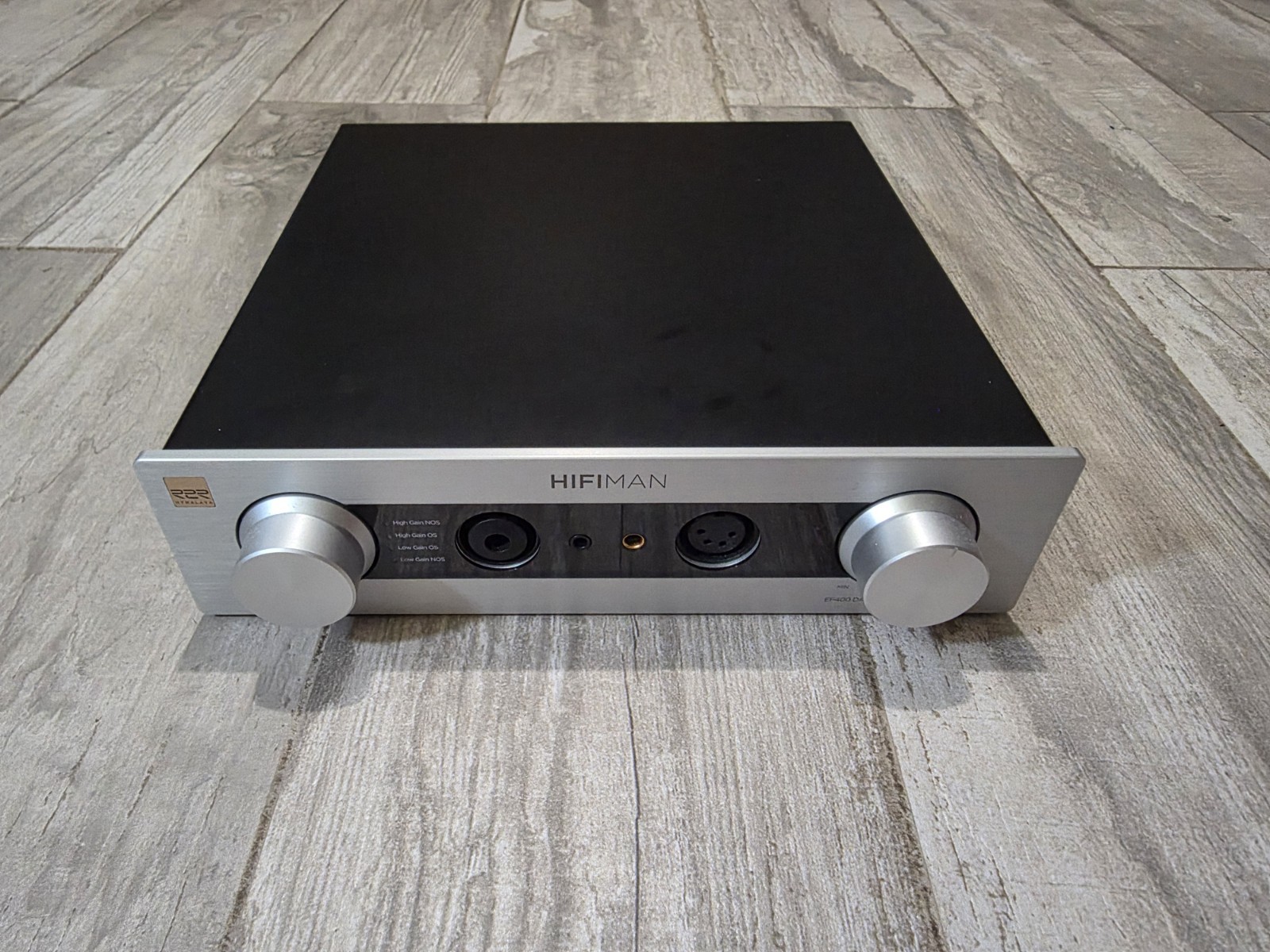
Headphone DAC

A headphone DAC is a digital-to-analog converter that feeds a dedicated headphone amplifier, and the primary trade-off is between desktop power/connectivity and portable battery-driven convenience. Durable options use balanced architectures, low-noise power supplies, and user-selectable gain, while compromises cut corners with single-ended only outputs or outdated Bluetooth codecs. The clear rule: buy a DAC whose output impedance is under 1/8 of your headphone impedance and whose power at your load exceeds 110 dB SPL peak.

Buying guide image
Flight Sim Rudder Pedals

Flight Pedal

Flight sim rudder pedals are the yaw axis controller that separates a real cockpit workflow from a twist-stick compromise. The core trade-off is sensor type and pedal mechanics: potentiometers wear and drift, while Hall-effect or contactless sensors plus metal-on-metal cam tracks deliver years of repeatable centering. Buy contactless-sensor pedals with adjustable tension and toe brakes for long-term use; skip budget potentiometer units if you fly more than a few hours a week.

Buying guide image
Turntables & Record Players

Record Player With Vinyls

A record player with vinyl is a complete playback system—turntable plus a starter record—where the primary trade-off is bundled convenience versus component-grade durability. Entry bundles often use ceramic cartridges and plastic platters that wear records faster, while audiophile-tier decks use moving-magnet cartridges, anti-skate adjustments, and MDF plinths for long-term fidelity. The decision rule: buy a bundle only if it includes a replaceable magnetic cartridge and adjustable counterweight; otherwise buy the turntable and vinyl separately.

Buying guide image
Turntables & Record Players

Portable Record Player

Portable record players are all-in-one turntables with built-in speakers, a carry handle or briefcase shell, and either battery or USB-C power, so you can play vinyl away from a dedicated hi-fi rack. The core trade-off is between true portability (lightweight plastic, small drivers, ceramic cartridge) and playback quality (heavier platter, magnetic cartridge, adjustable tracking force); durable options use a belt drive with a counterweighted tonearm and replaceable stylus, while compromises rely on a fixed sapphire needle and underpowered amp. The decision rule: if you want to carry it room-to-room and tolerate modest sound, pick an all-in-one suitcase deck; if you care about record wear and real fidelity, buy a portable with a magnetic cartridge and line-out, or skip portability entirely.

Buying guide image
VR Gaming Hardware & Accessories

Meta Headset

Meta headsets are standalone and PC-tethered VR systems built around inside-out tracking and mobile-class or XR2 Gen 2 chips, where the core trade-off is display/battery generation versus wireless freedom. The durable rule: buy a current-generation Quest with included controllers and a known storage tier; avoid controller-less or discontinued Rift CV1 units unless you already own the missing parts.

Buying guide image
Sim Racing Cockpits & Mounts

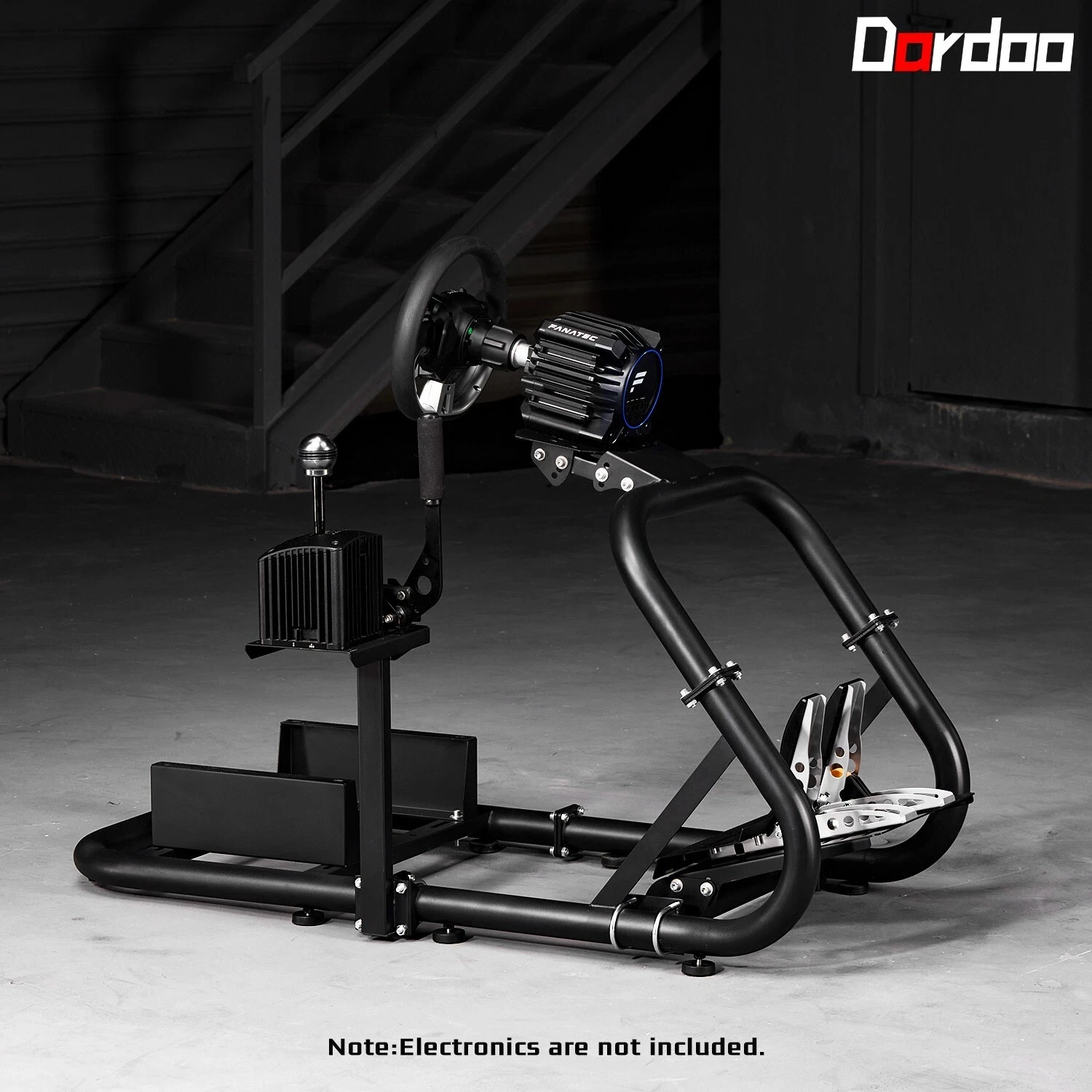
Racing Wheel Stand

A racing wheel stand is a free-standing metal frame that clamps a wheel and pedals at adjustable heights and angles, without a seat or full cockpit chassis. The core trade-off is steel tube gauge and shaker rigidity versus foldability: thicker alloy steel and cross-bracing resist force-feedback vibration, while lighter folding frames trade some stiffness for storage. Buyers who run 8–10 Nm direct-drive or load-cell pedals need a braced, wide-stance stand; gear-driven Logitech and belt Thrustmaster setups are well served by standard folding stands.

Buying guide image
Turntables & Record Players

Quality Record Player

A quality record player is a turntable system whose speed stability, tonearm resonance control, and cartridge/stylus grade preserve groove detail without accelerating wear. The core trade-off is between all-in-one convenience (built-in preamp, Bluetooth, speakers) and upgradeable component architecture (adjustable tonearm, standard mount cartridge, isolated plinth). The decision rule: buy a deck with a damped plinth, a counterweighted tonearm, and a replaceable standard-mount cartridge, and skip any player whose stylus cannot be user-replaced or whose platter speed cannot be verified.

Buying guide image
Flight Sim Joysticks & HOTAS

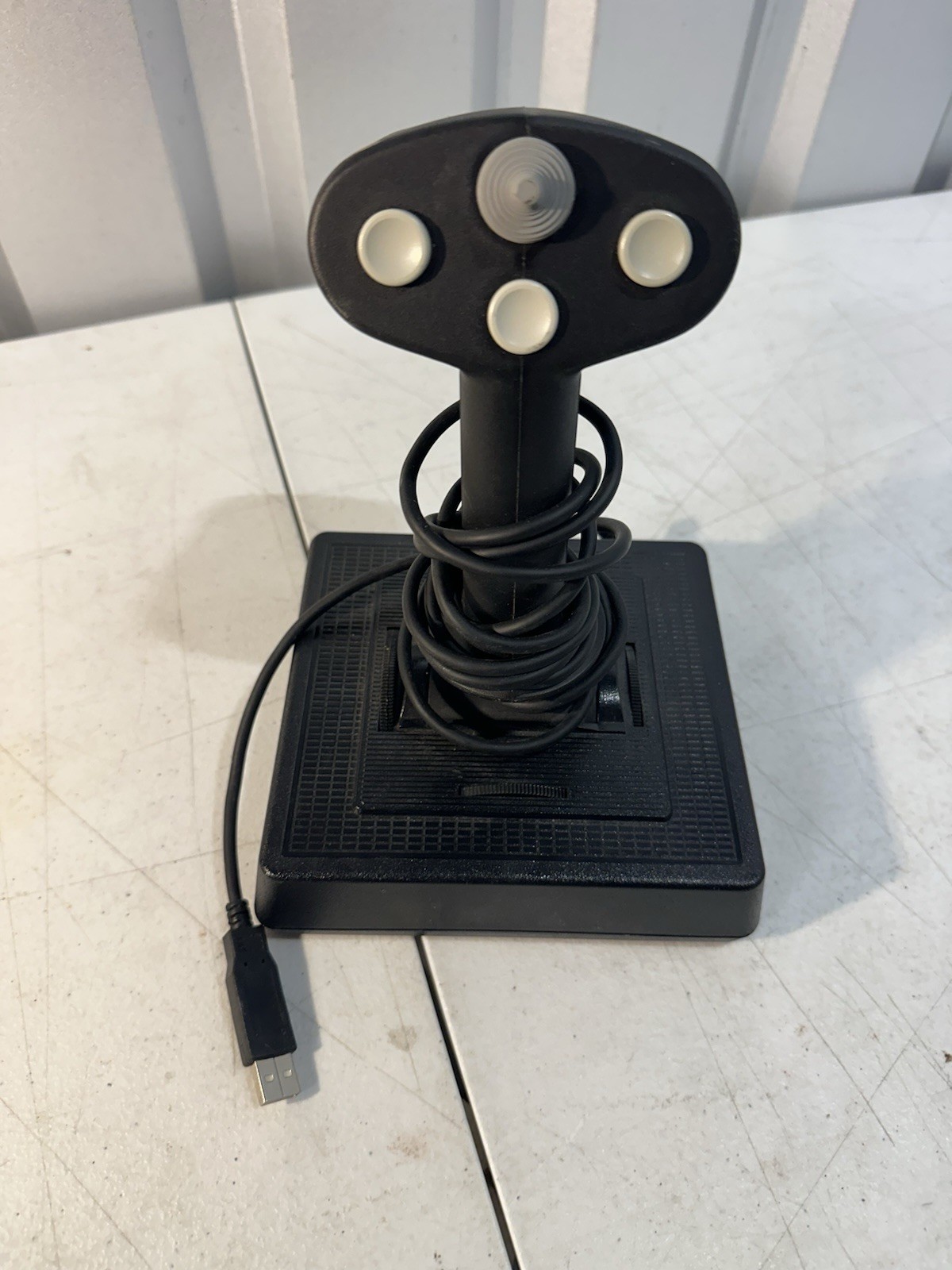
Flight Simulator Joystick

A flight simulator joystick is a single-hand controller with at least two axes (pitch/roll) plus a throttle wheel or lever, used for fixed-wing and helicopter sims. The core trade-off is sensor type and gimbal construction: potentiometer sticks with plastic gimbals wear and develop dead zones, while Hall-effect or contactless sensors with metal or dual-bearing gimbals hold center and last. The decision rule: buy Hall-effect sensing and a tension-adjustable gimbal if you fly weekly; buy a potentiometer stick only as a cheap second seat or nostalgia purchase, and expect to replace it.

Buying guide image
Controllers & Gaming Accessories

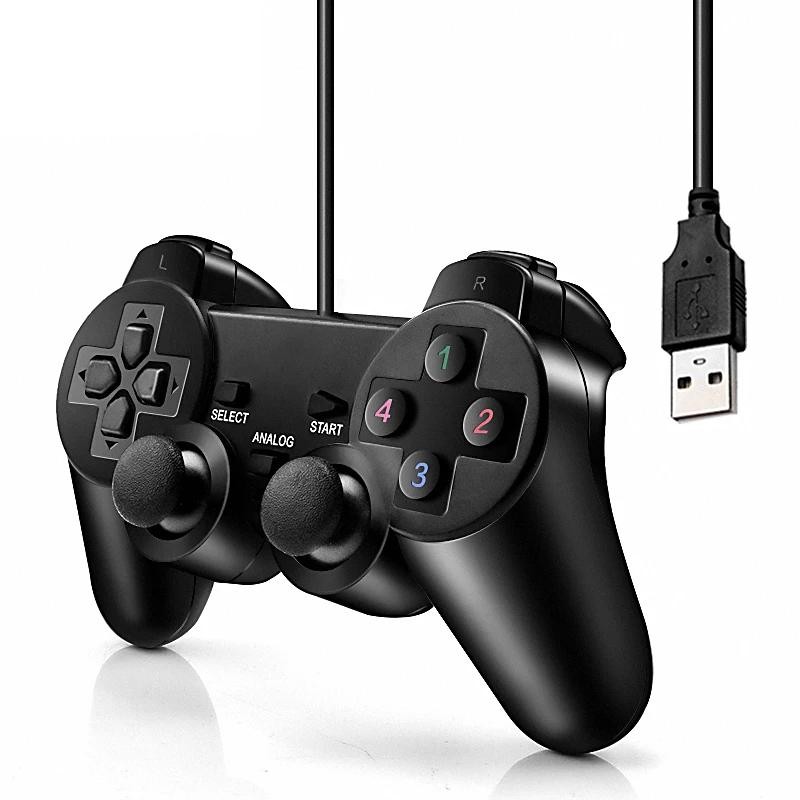
Game Controller

A game controller is the primary input device for console, PC, and mobile play, and its quality hinges on connection type (wired USB vs wireless Bluetooth/2.4GHz), stick and trigger mechanism (Hall-effect vs potentiometer), and platform compatibility. The decisive rule: choose a controller that natively supports your exact platform and connection standard, and treat ultra-low-cost no-name pads as disposable accessories rather than durable gear. Buy once for the platform you actually play on, not for a vague 'universal' claim.

Buying guide image
Turntables & Record Players

45 Record Player

A 45 record player is a turntable optimized for 7-inch singles spinning at 45 RPM, where the core trade-off is between a fixed-speed budget mechanism and a selectable-speed deck with a quality tonearm and cartridge. Durable options use belt or direct drive with adjustable tracking force and a replaceable stylus, while compromises lock you into one speed, a ceramic cartridge, and a non-upgradeable arm.

Buying guide image
Turntables & Record Players

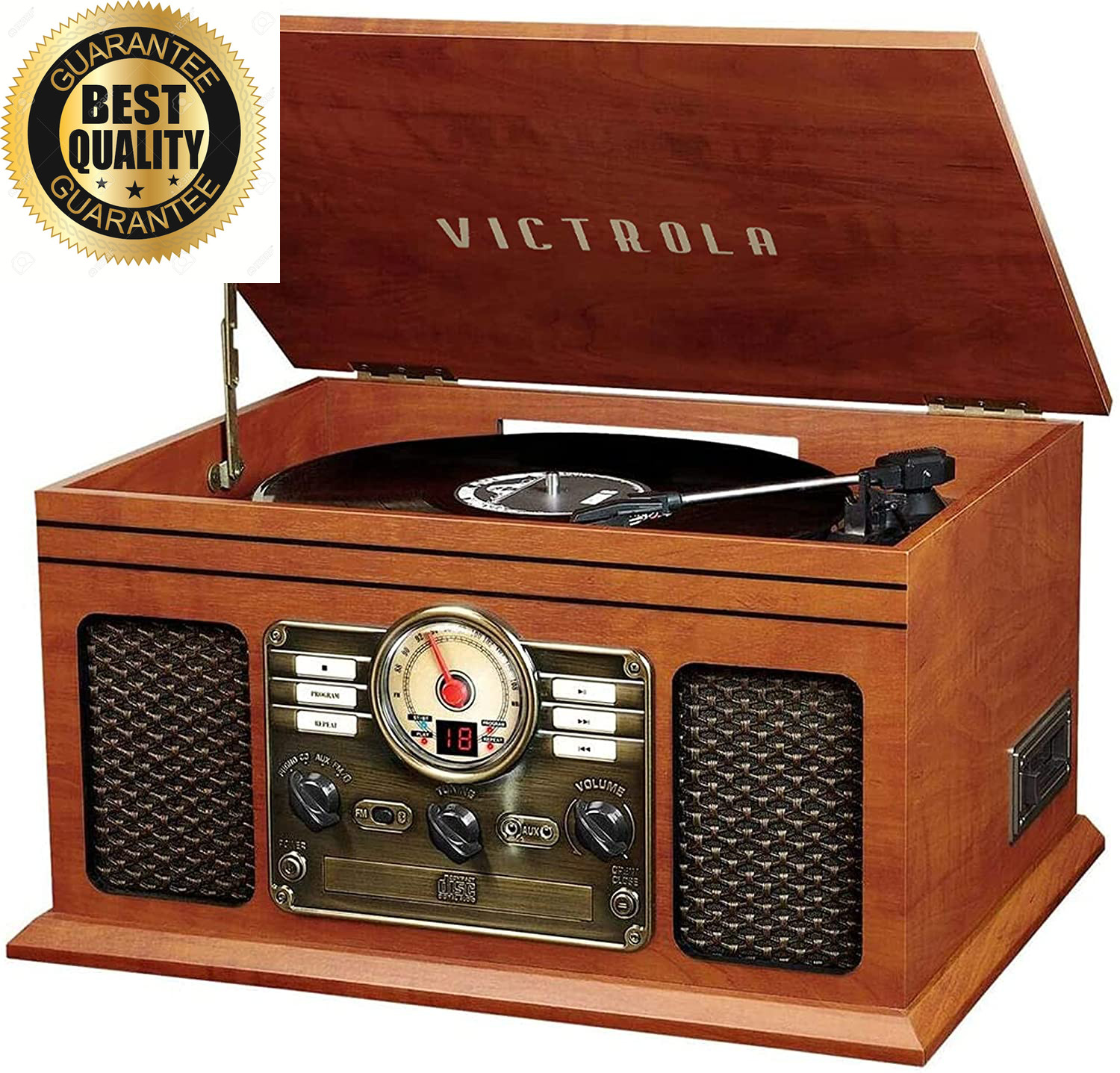
Record Player With CD

A record player with CD combines a vinyl turntable and a CD deck in one chassis, but the two mechanisms rarely share equal quality—the CD transport is usually a basic tray or slot-loader while the turntable determines real durability. The key trade-off is all-in-one convenience versus isolated component performance, since integrated units often cut corners on tonearm bearings, platter mass, and stylus grade. The decision rule: buy a combo only if the turntable half specifies a belt drive, adjustable counterweight, and replaceable cartridge; otherwise buy a stand-alone turntable and a separate CD player.

Buying guide image
Turntables & Record Players

Compact Record Player

A compact record player is a space-conscious vinyl playback system, typically an all-in-one or small-footprint turntable with built-in speakers or a short tonearm, where the core trade-off is portability and size versus tracking stability, speed accuracy, and upgradeability. Durable options use a counterweighted tonearm, a replaceable moving-magnet cartridge, and a belt or direct drive with adjustable speed; compromises use a fixed spring-loaded tonearm with a ceramic cartridge and no counterweight. The decision rule: if the tonearm cannot be balanced and the cartridge cannot be replaced, treat it as a casual listener device, not a record-preserving deck.

You may also like

Finding more guides for you…