
Photos from current listings. Actual item, color, and included accessories may vary.
Ear Wireless Headphone Buying Guide
Wireless in-ear earphones split into two architectures: true-wireless earbuds with independent buds and a charging case, and neckband/back-band headsets that tether the buds to a battery collar. The primary trade-off is between the compact, case-dependent TWS form and the longer-runtime, harder-to-lose neckband form, while Bluetooth generation and water-resistance rating determine real-world reliability. Buy TWS only if you want pocketability and accept case charging; buy a neckband if you need all-day battery and secure fit during high-motion activity.
Median $31.99 · Pre-owned listings
Key takeaways
- Bluetooth generation is the biggest performance divider: V4.1/V4.2 headset-class chips are legacy low-bandwidth radios, while V5.0+ and especially V5.4 deliver lower latency, better range, and lower power draw.
- Waterproofing is rated by IP code: IPX4 handles sweat and light rain, IPX5 handles direct spray and heavy sweat, and anything unrated should be treated as dry-use only.
- Neckband and back-band headsets house a larger battery in the collar, typically yielding all-day runtime versus TWS buds limited to a few hours per charge plus case top-ups.
At a glance
- Category
- In-Ear Earphones
- Last updated
- Nov 27, 2026
Current offers
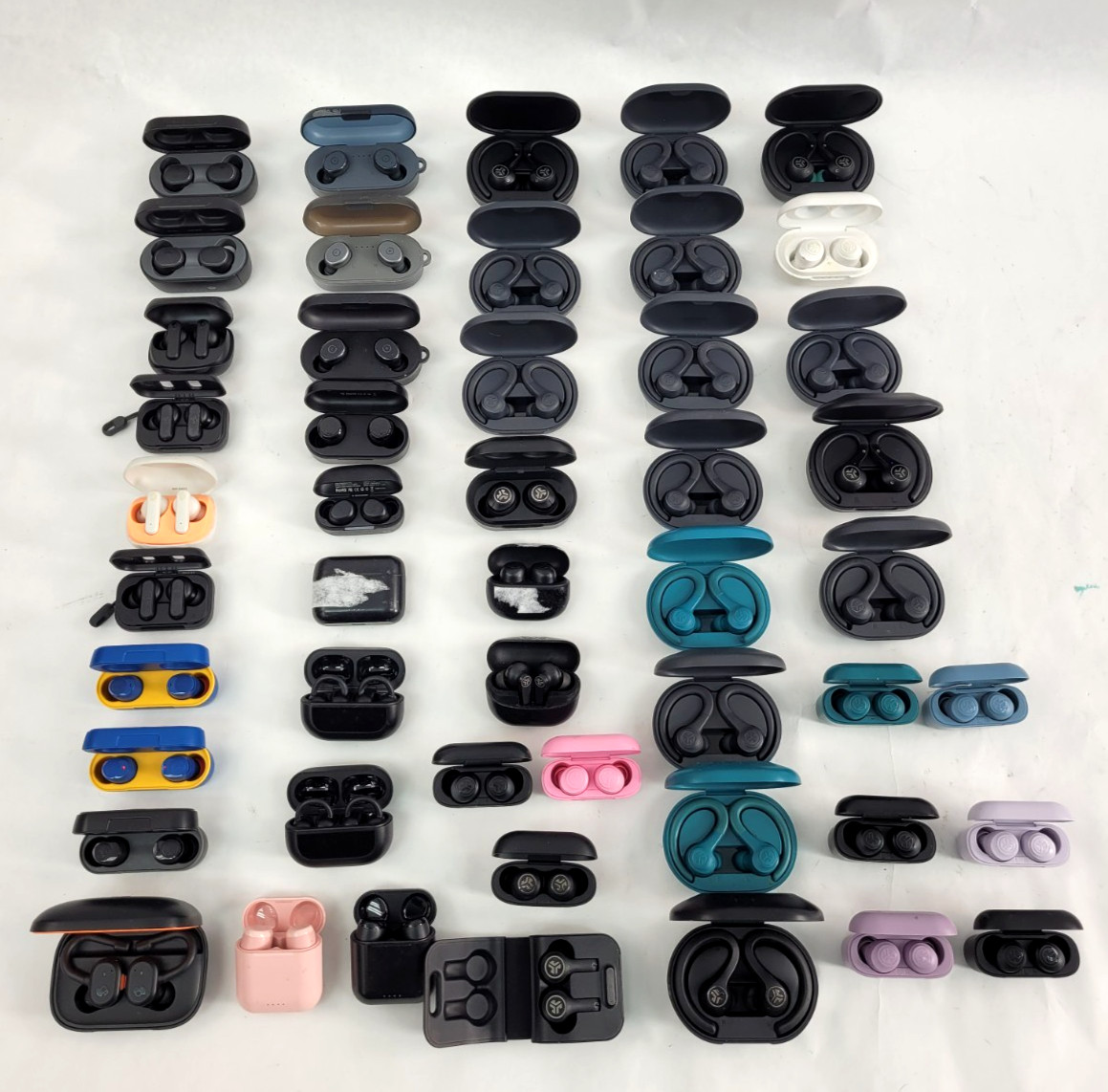 LOT OF 50 JLAB Skullcandy TOZO Bluetooth Wireless In-ear Headphones Earbuds$235.00Used · Last checked Nov 24, 2026View on eBay
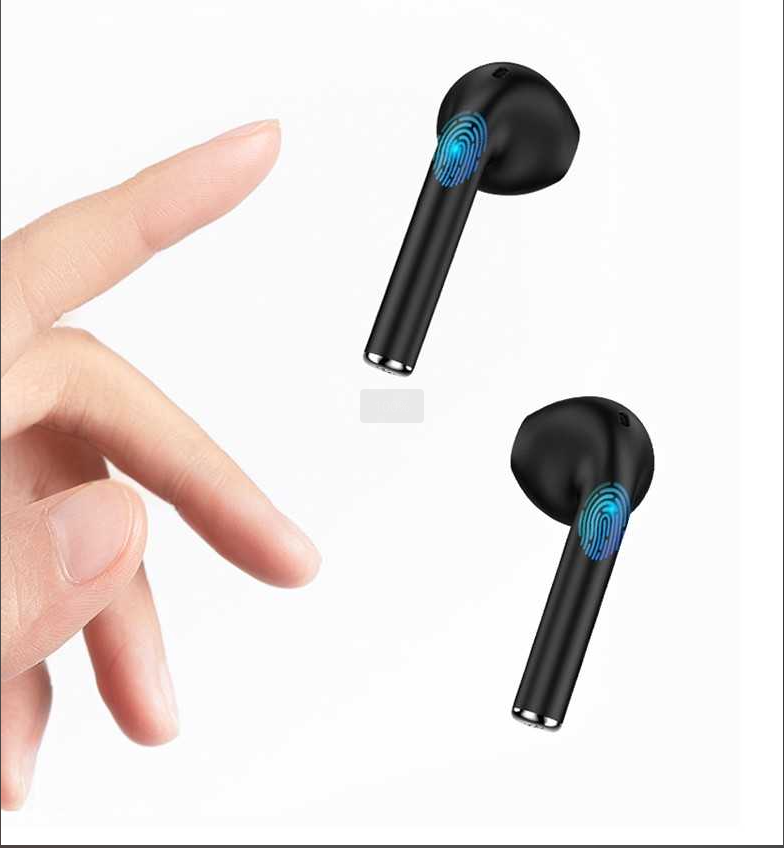 Sporty Hanging Ear Bluetooth Earphones, Wireless Earbuds, Headphones, Running Noise$21.99View on Mallflare
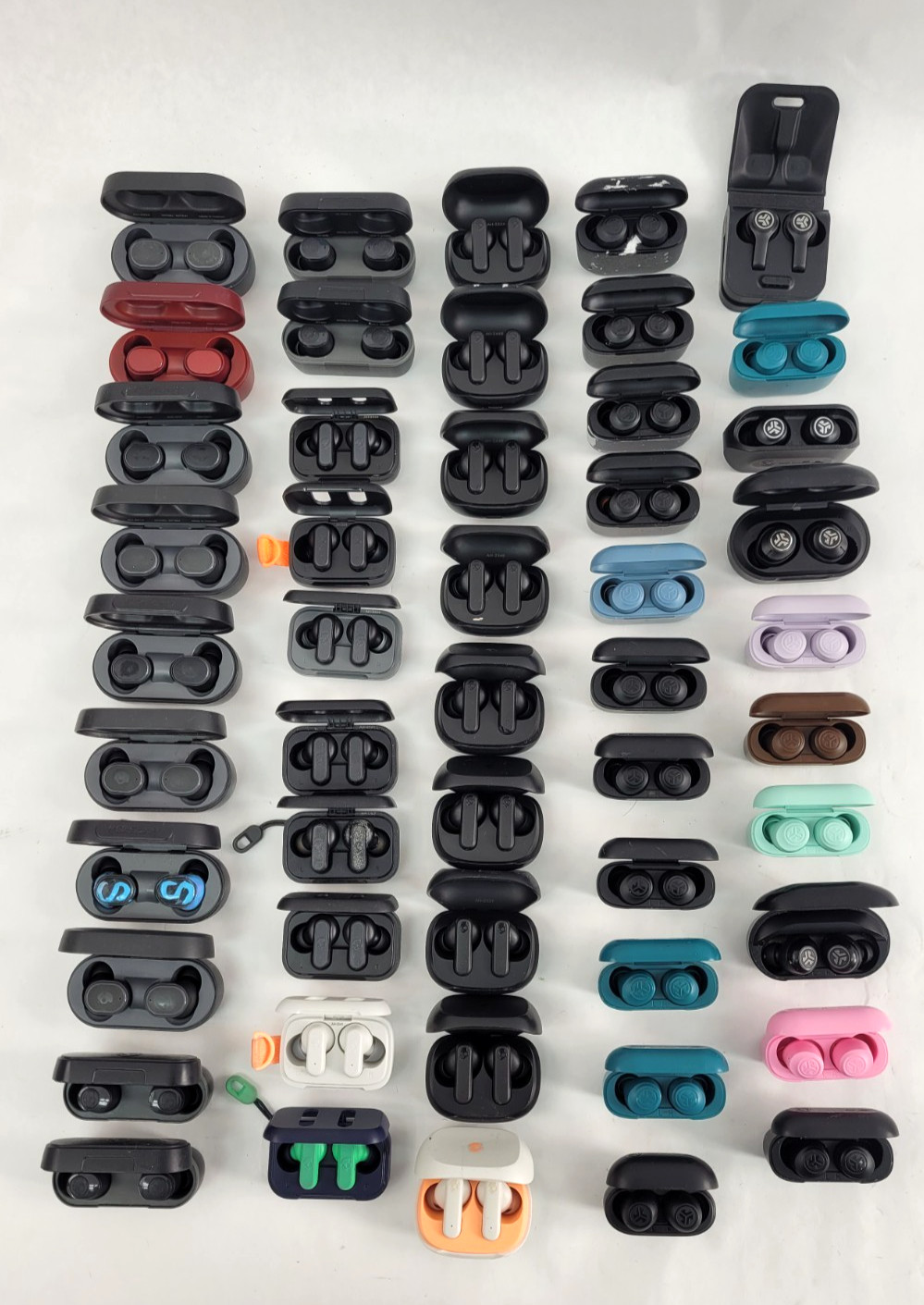 LOT OF 50 JLAB Skullcandy Assorted Bluetooth Wireless In-ear Headphones Earbuds$255.00Used · Last checked Nov 24, 2026View on eBay
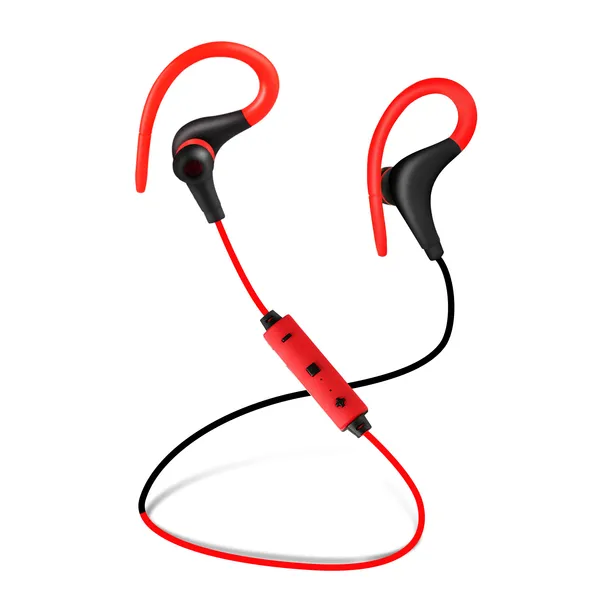 Wireless Headsets V4.1 Sport In-Ear Stereo Headphones Sweat-proof Noise Canceling Earphones Back-Headphone$24.99View on Mallflare
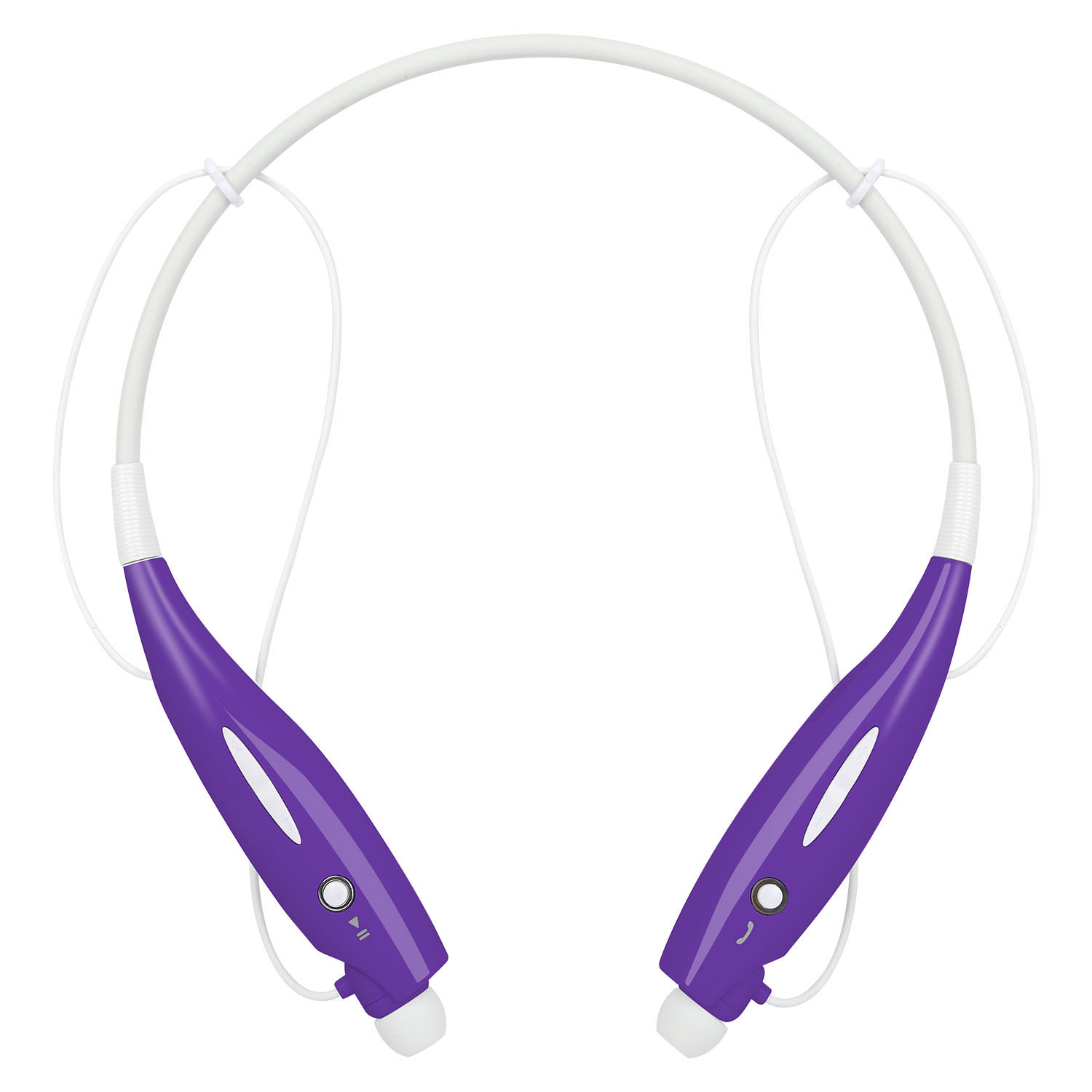 Wireless Stereo Headsets Sport Neckband Headphones In-ear Magnetic IPX4 Waterproof Earbuds With Built-in Mic Call Vibrate Alert Number Broadcast Running Gym$26.99View on Mallflare
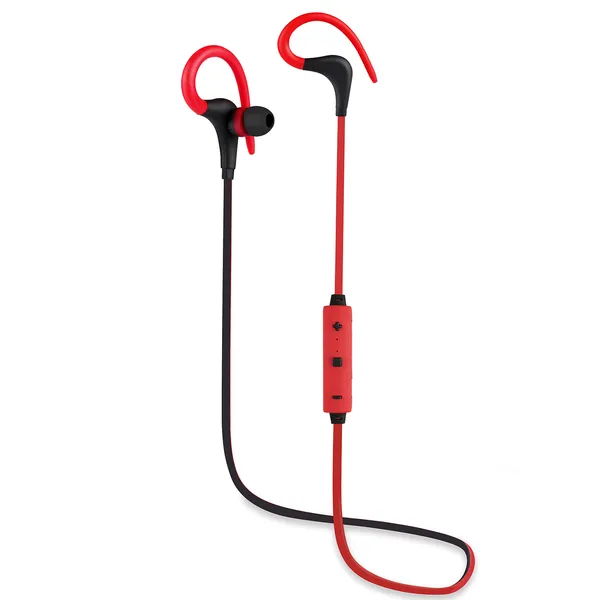 Wireless Headsets V4.1 Sport In-Ear Stereo Headphones Sweat-proof Noise Canceling Earphones Back-Headphone For Valentines Day Gift Exercising$28.99View on Mallflare
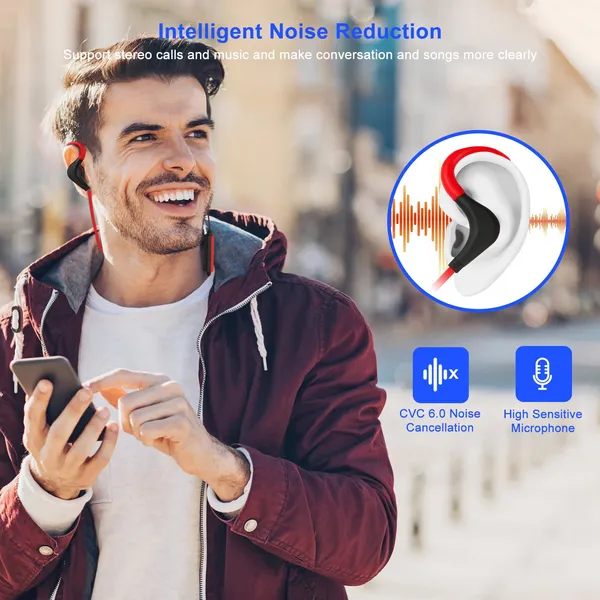 Wireless Headsets V4.1 Sport In-Ear Stereo Headphones Sweat-proof$28.99View on Mallflare
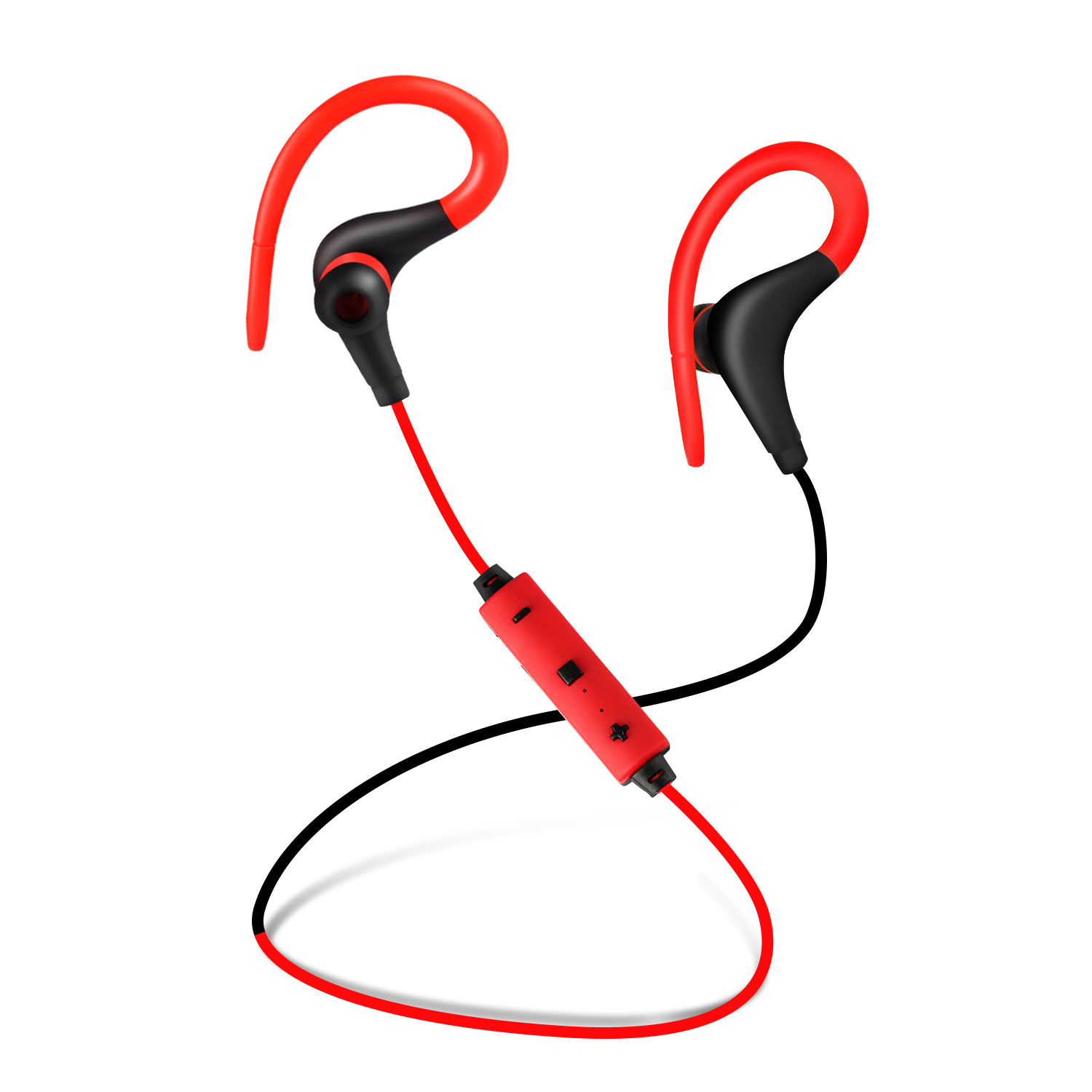 Wireless Headsets V4.1 Sport In Ear Stereo Headphones Sweatproof Noise Canceling Earphones Back Headphone With Mic Handsfree For Running Hiking Travel$29.99View on Mallflare
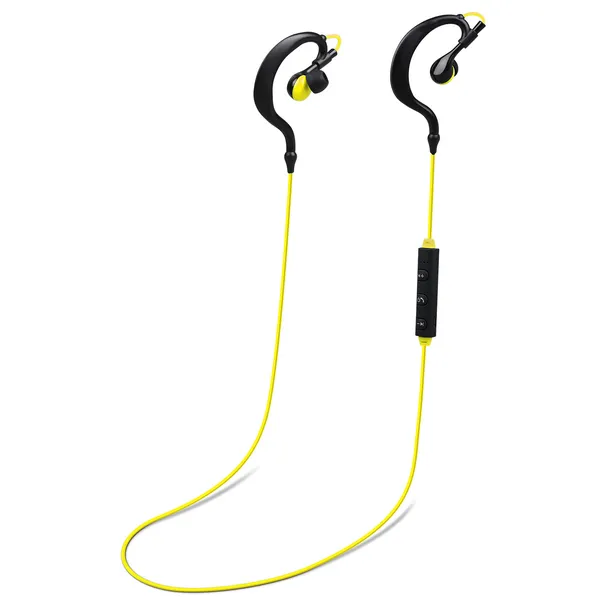 Wireless Headsets V4.1 Sport In-Ear Stereo Headphones Sweat-proof Neckband Earbuds$29.99View on Mallflare
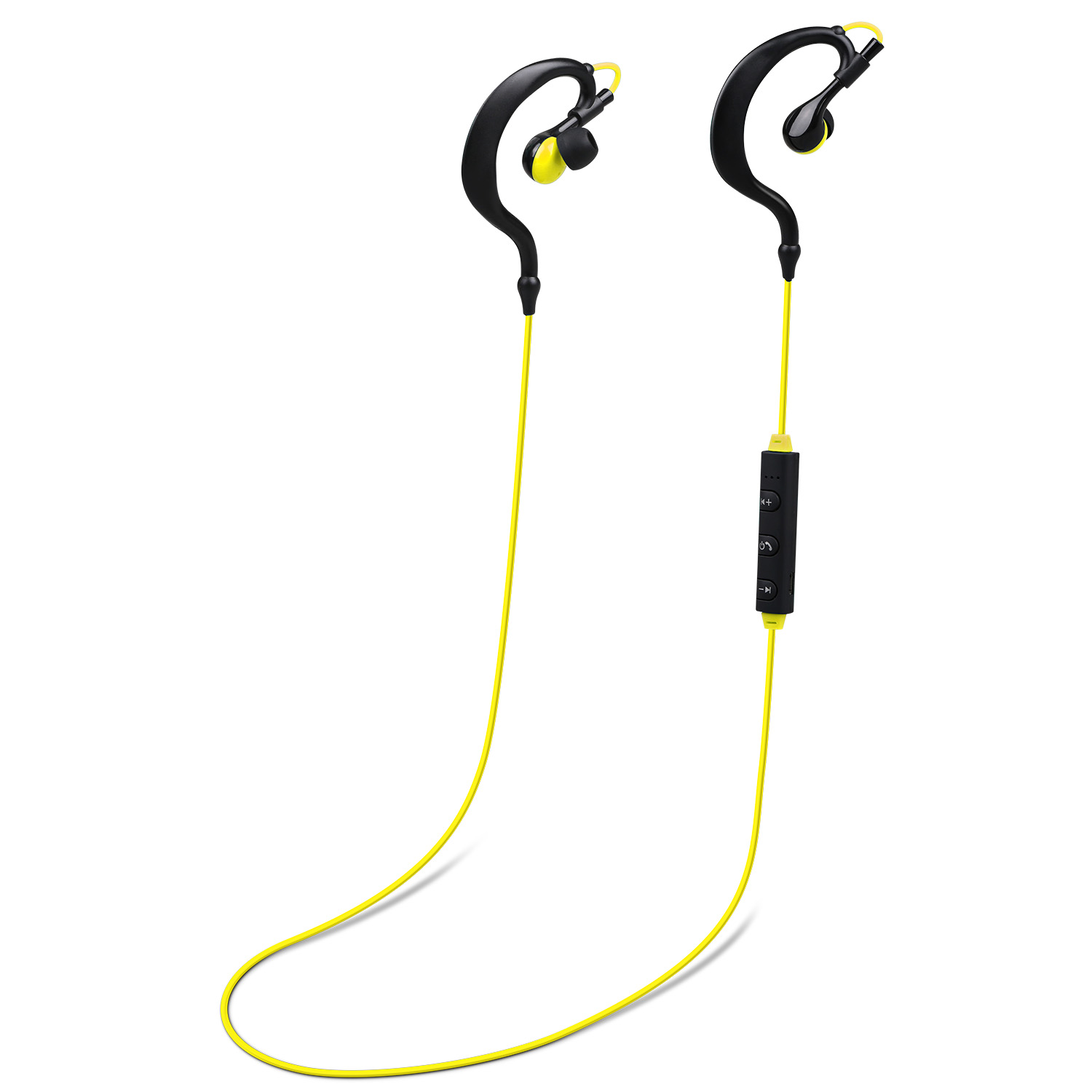 Wireless Headsets V4.1 Sport In-Ear Stereo Headphones Sweat-proof Neckband Earbuds With Mic Deep Bass HiFi Earphones For Running Hiking Travel$30.99View on Mallflare
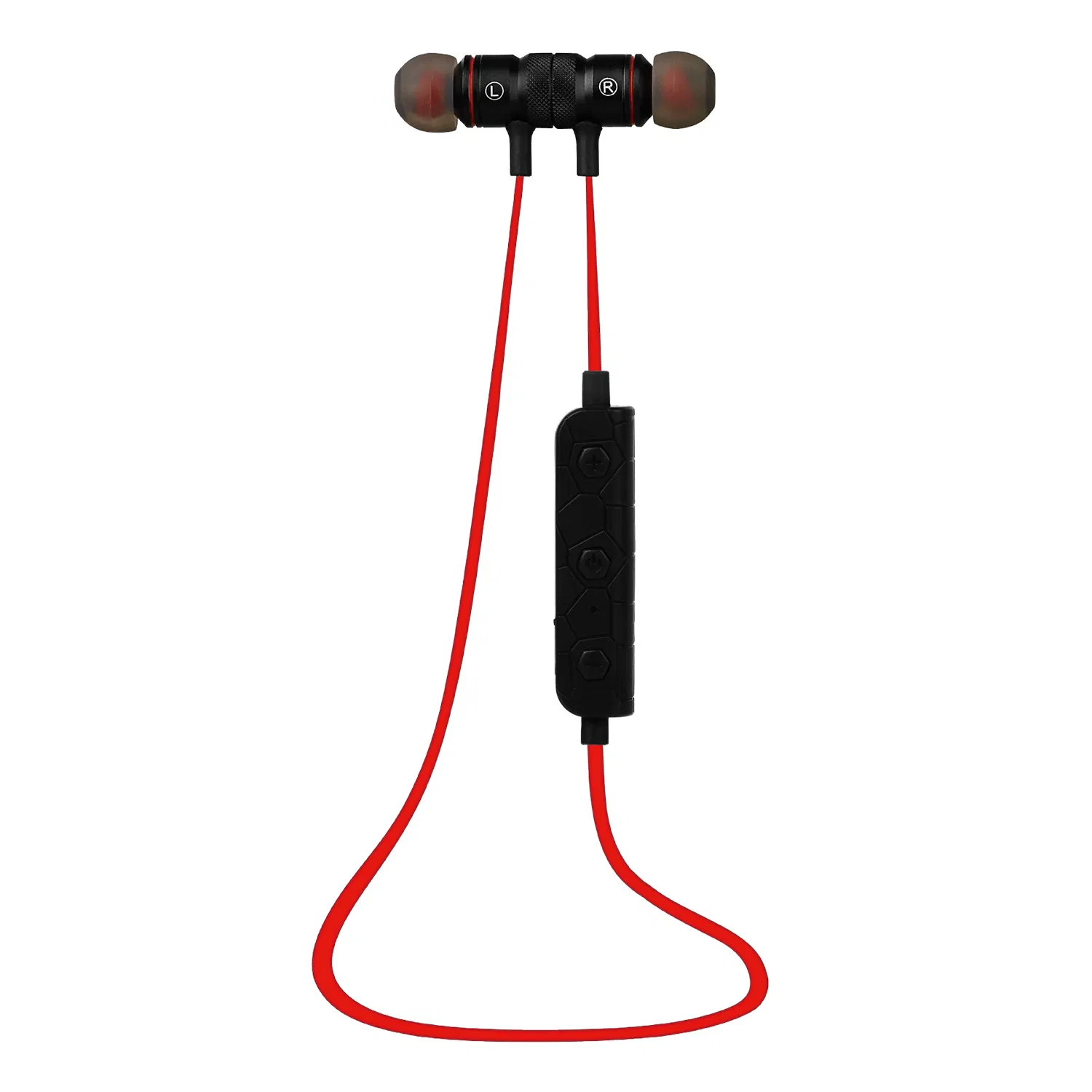 Wireless Headsets In-Ear Neckband Headphones Sweat-proof Sport Earbuds w/ Call Alert Number Broadcast$31.99View on Mallflare
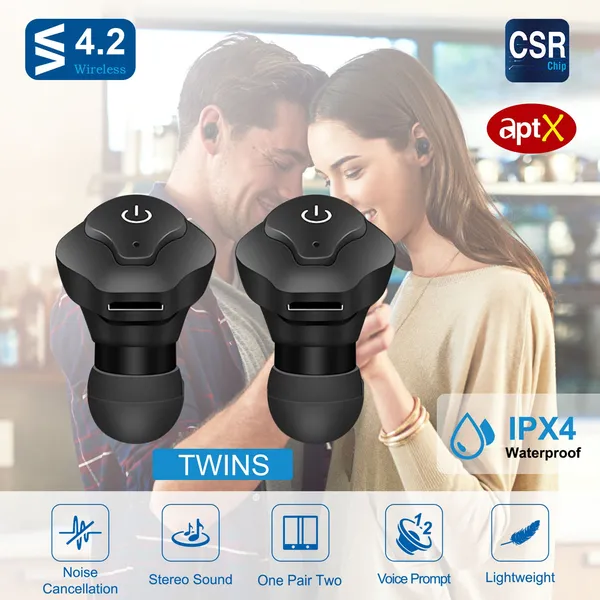 True Wireless Earbuds CSR V4.2 In-ear Stereo Headsets IP44 Waterproof Apt-X TWS Headphones Noise Cancelling$35.99View on Mallflare
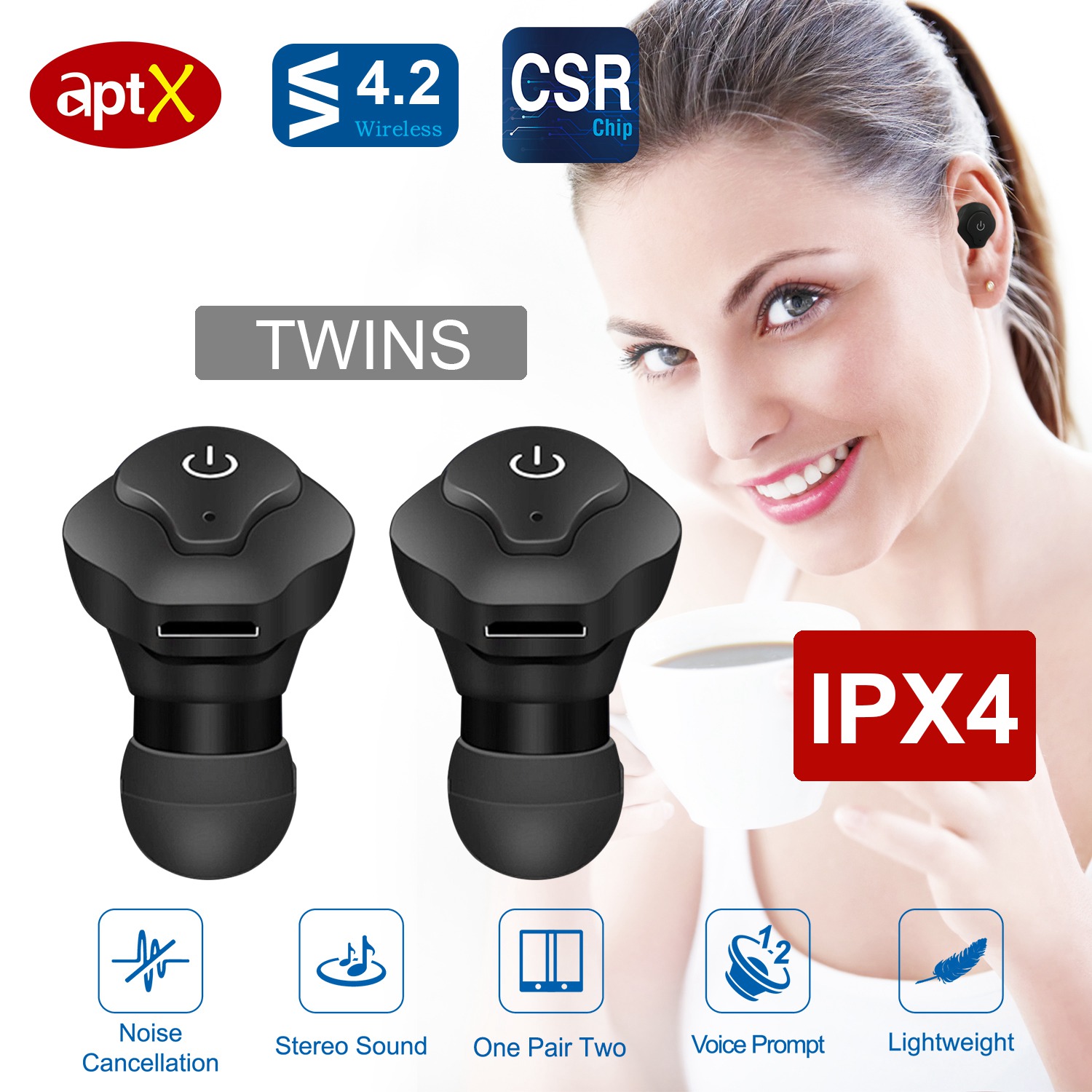 1 Pair True Wireless Earbuds CSR V4.2 In-ear Stereo Headsets IP44 Waterproof Apt-X TWS Headphones Noise Cancelling With Mic For Business Driving Walking$36.99View on Mallflare
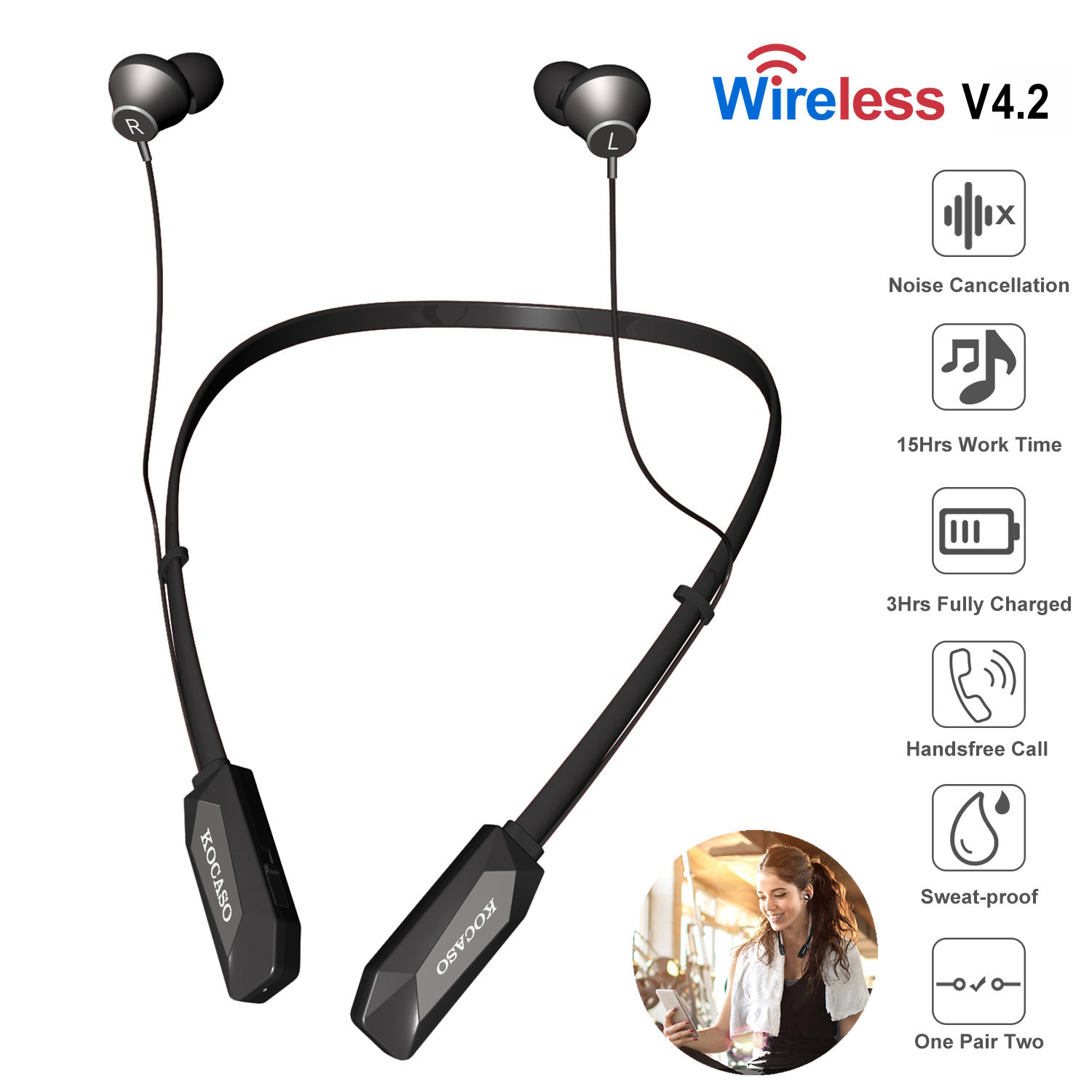 Black-Red Color Options -- 1Pc Wireless Neckband Headphones V4.2 Sweat-proof Sport Headsets Earbuds In-Ear Magnetic Neckbands Stereo Earphone Deep Bass With Mic 15Hrs Work Running Hiking$40.99View on Mallflare
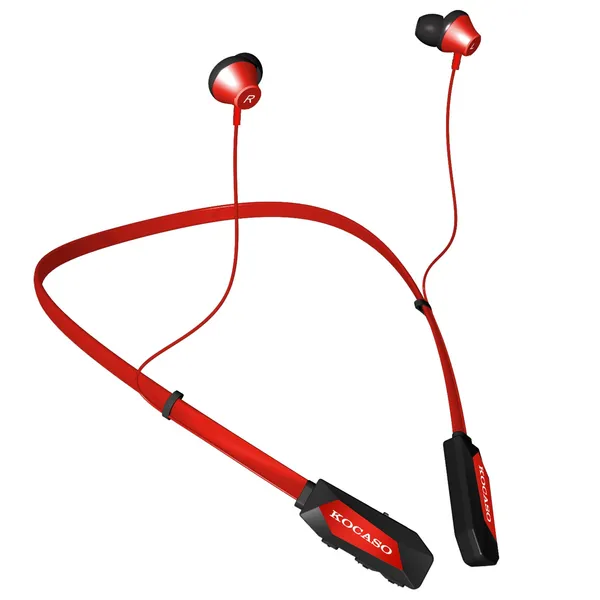 Wireless Neckband Headphones V4.2 Sweat-proof Sport Headsets Earbuds In-Ear Magnetic Neckbands Stereo Earphone$42.99View on Mallflare
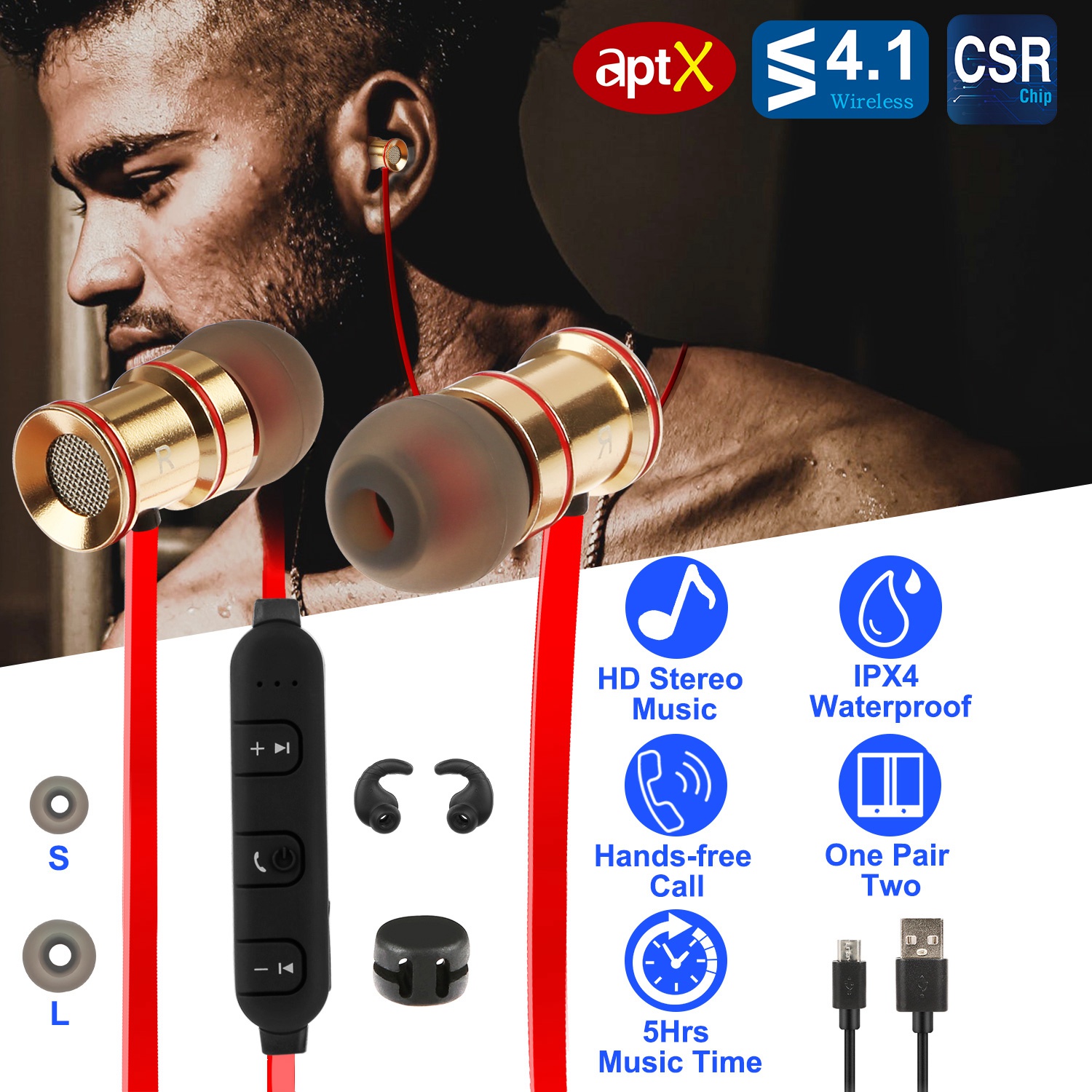 Sport Headsets Wireless V4.1 In-Ear Stereo Headphones Sweat-proof Running Earphones With Mic Hands-free$44.99View on Mallflare
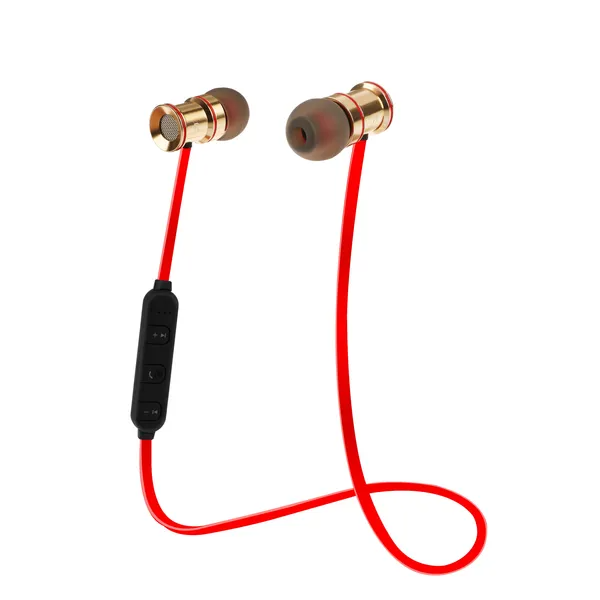 Sport Headsets Wireless V4.1 In-Ear Stereo Headphones Sweat-proof Running Earphones$46.99View on Mallflare
Highlights
- Bluetooth generation is the biggest performance divider: V4.1/V4.2 headset-class chips are legacy low-bandwidth radios, while V5.0+ and especially V5.4 deliver lower latency, better range, and lower power draw.
- Waterproofing is rated by IP code: IPX4 handles sweat and light rain, IPX5 handles direct spray and heavy sweat, and anything unrated should be treated as dry-use only.
- Neckband and back-band headsets house a larger battery in the collar, typically yielding all-day runtime versus TWS buds limited to a few hours per charge plus case top-ups.
- Codec and chipset tier matters: CSR V4.2 with apt-X improves audio quality over SBC on legacy TWS, while modern TWS chipsets add touch control, LED battery display, and lower standby drain.
Best use cases
- Running, gym, and hiking: pick an IPX5 neckband or ear-hook TWS with a secure fit; skip loose sealed TWS buds that fall out and IPX4-only models for heavy sweat.
- All-day work calls and commuting: pick a neckband with built-in mic and vibration call alert for long runtime; skip compact TWS if you cannot recharge mid-day.
- Casual listening and travel: pick V5.4 TWS with a charging case and LED display for pocketability; skip legacy V4.1 headsets that suffer dropouts and high battery drain.
- Sleeping or one-ear monitoring: pick a low-profile neckband with magnetic buds; skip rigid back-band headsets that press into the pillow or helmet.
Buying tips
- Require Bluetooth V5.0 or newer for any new purchase; V4.1/V4.2 headsets are legacy stock with higher latency and battery drain, and are only acceptable as budget spares.
- Match IP rating to activity: IPX4 for sweat and light rain, IPX5 for heavy sweat or outdoor spray; no rating means dry gym-bag use only.
- For TWS, check the case battery and standby claims; a 300-hour standby figure indicates a low-drain modern chipset, not a large single-charge runtime.
- For neckbands, verify the collar battery capacity and magnetic bud attachment; magnetic buds prevent cable swing and indicate a sport-oriented design.
Specs
| Bluetooth Version | V4.1/V4.2 legacy vs V5.0+ modern |
|---|---|
| Water Resistance | IPX4 sweat / IPX5 spray / unrated dry |
| Form Factor | True wireless vs neckband / back-band |
| Battery Strategy | Case top-up (TWS) vs collar all-day (neckband) |
Related searches
What to check before buying
- Confirm your phone or player supports the headset's Bluetooth profile and codec (apt-X requires source support; SBC works universally).
- For sport use, verify the IP rating matches your sweat level and that the bud shape (ear-hook, wing-tip, or neckband) stays secure during your motion.
- For travel, check the charging connector type (USB-C vs micro-USB) and whether the case fits your pocket or bag.
- For calls, confirm the mic placement (neckband collar vs bud stem) and whether vibration call alert is included if you need silent notification.
FAQ
Data sources: eBay / Amazon listings and product attribute feeds. Updated Nov 27, 2026.
Some links on this page are affiliate links. If you buy after clicking one, we may earn a commission at no extra cost to you. This does not change which products appear here or their order. Affiliate disclosure.