TechShelf Guide

TechShelf Guide

Consumer Electronics Reviews & Buying Guides

Compare consumer electronics by use case, features, trade-offs, price, returns, and seller terms before you buy.

Buying guides

Buying guide image
Projectors & Screens

Outdoor Projector Screen

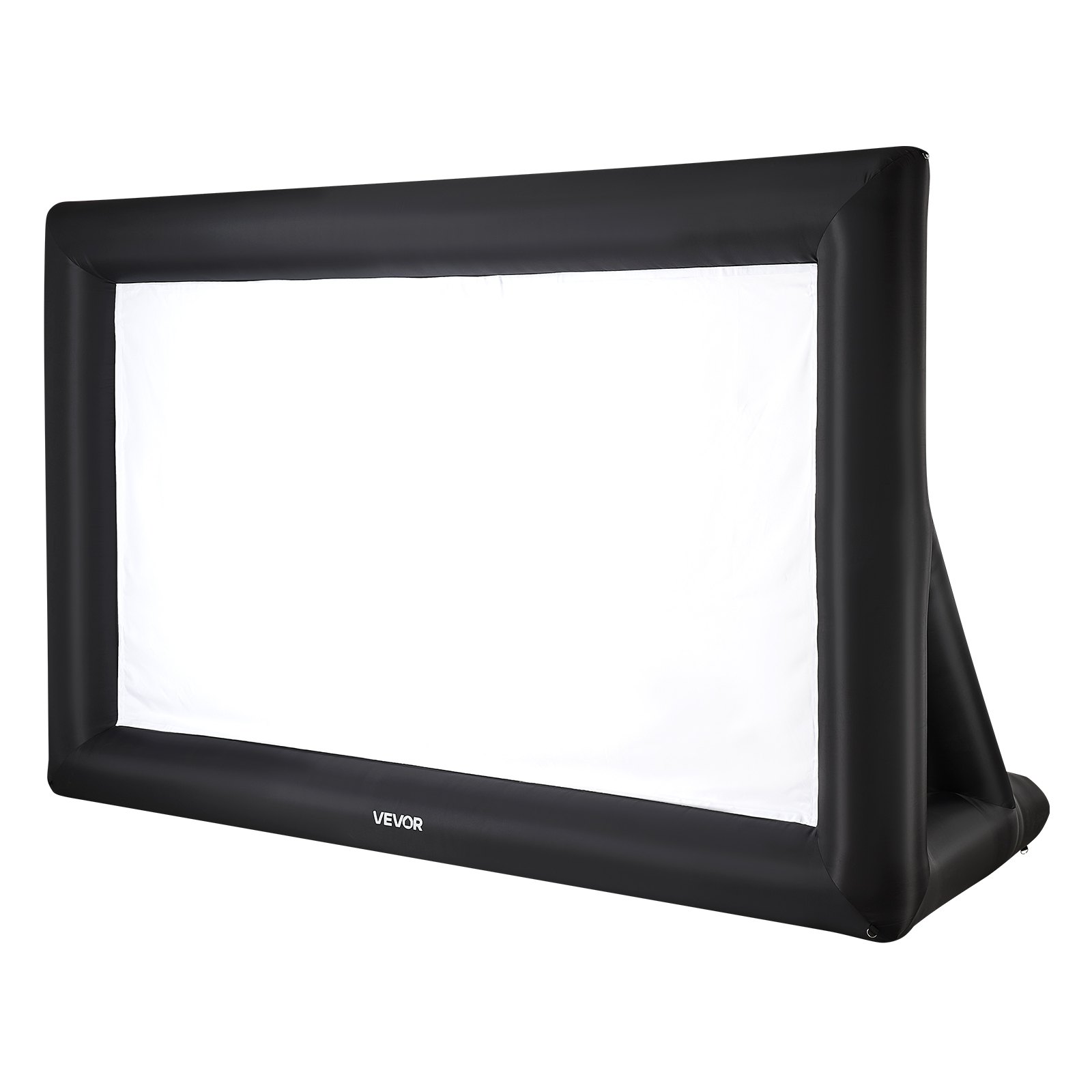
An outdoor projector screen is a portable or semi-permanent projection surface designed for backyard movie nights and patio use, where wind resistance, wrinkle control, and stand stability matter more than in a dark indoor room. The core trade-off is between thick, weighted PVC-style surfaces with rigid frames and thin polyester fabric screens that fold small but wrinkle and flap. The clear rule: choose a screen with a tensioned frame or weighted base and a matte-white surface rated 1.0-1.3 gain for front projection unless you specifically need rear projection.
Buying guide image
Mechanical Keyboards

Keychron Mechanical Keyboard

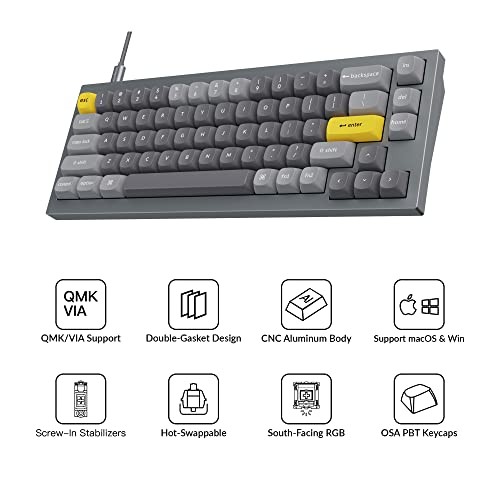
Keychron mechanical keyboards span wired QMK/VIA customs, wireless K-series, and budget V-series, with the primary trade-off being gasket-mounted aluminum vs. tray-mount plastic construction and wired-only vs. tri-mode connectivity. Buyers should choose a Q-series for programmable, hot-swappable durability, a K-series for slim wireless convenience, or a V-series for entry-level custom features. Avoid Q-series spill-damaged units and non-hot-swap boards if switch longevity or customization matters.

Buying guide image
Controllers & Gaming Accessories

Pro Controller

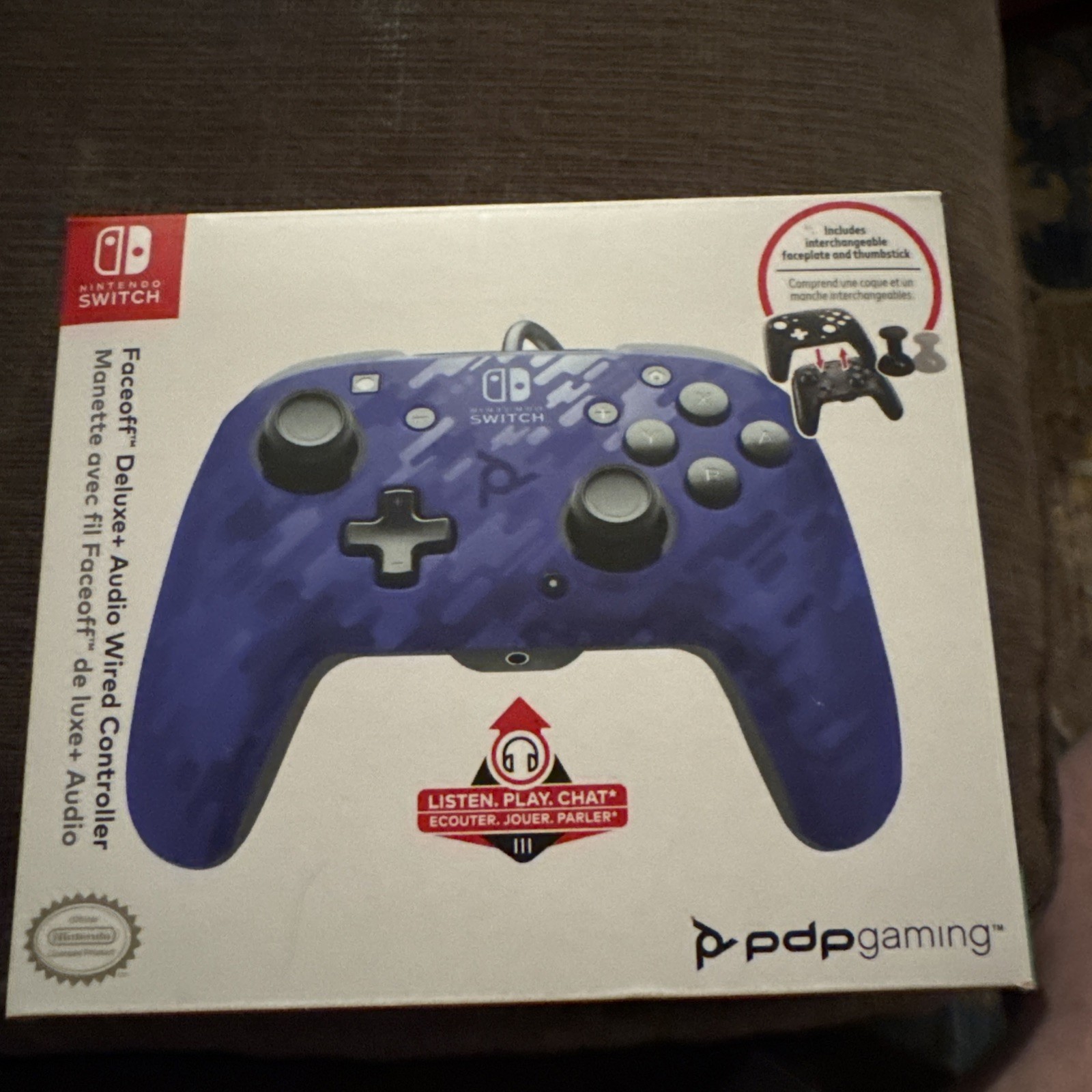
A pro controller is an upgraded gamepad with precision sticks, low-latency wireless, and programmable buttons for competitive or extended play. The key trade-off is first-party build quality and platform-native features (HD rumble, NFC, gyro) versus third-party price and extra paddles. Choose a first-party model for seamless console integration; choose a licensed third-party model only if it explicitly supports your platform's wireless standard and audio features.

Buying guide image
Filament Drying & Post-Processing

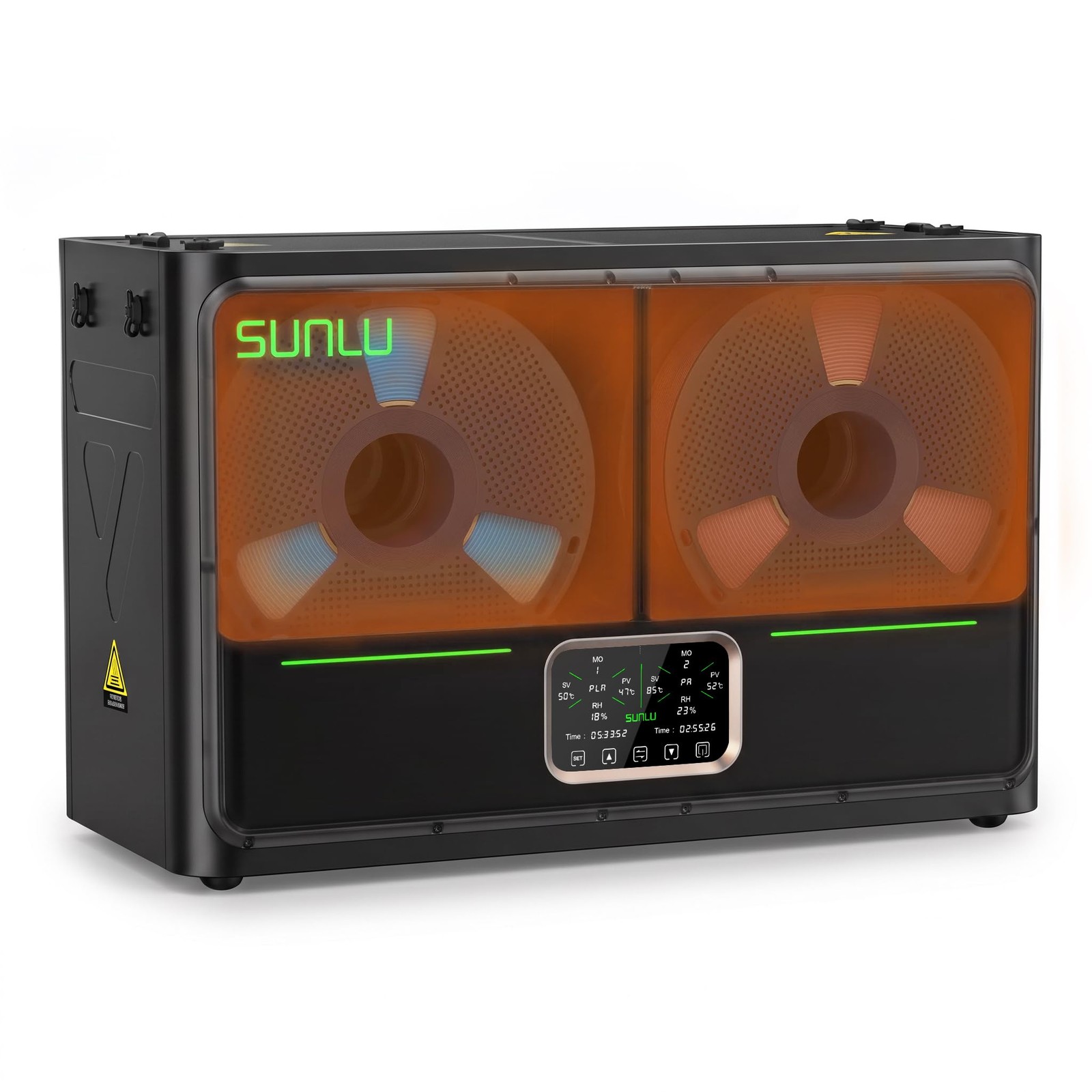
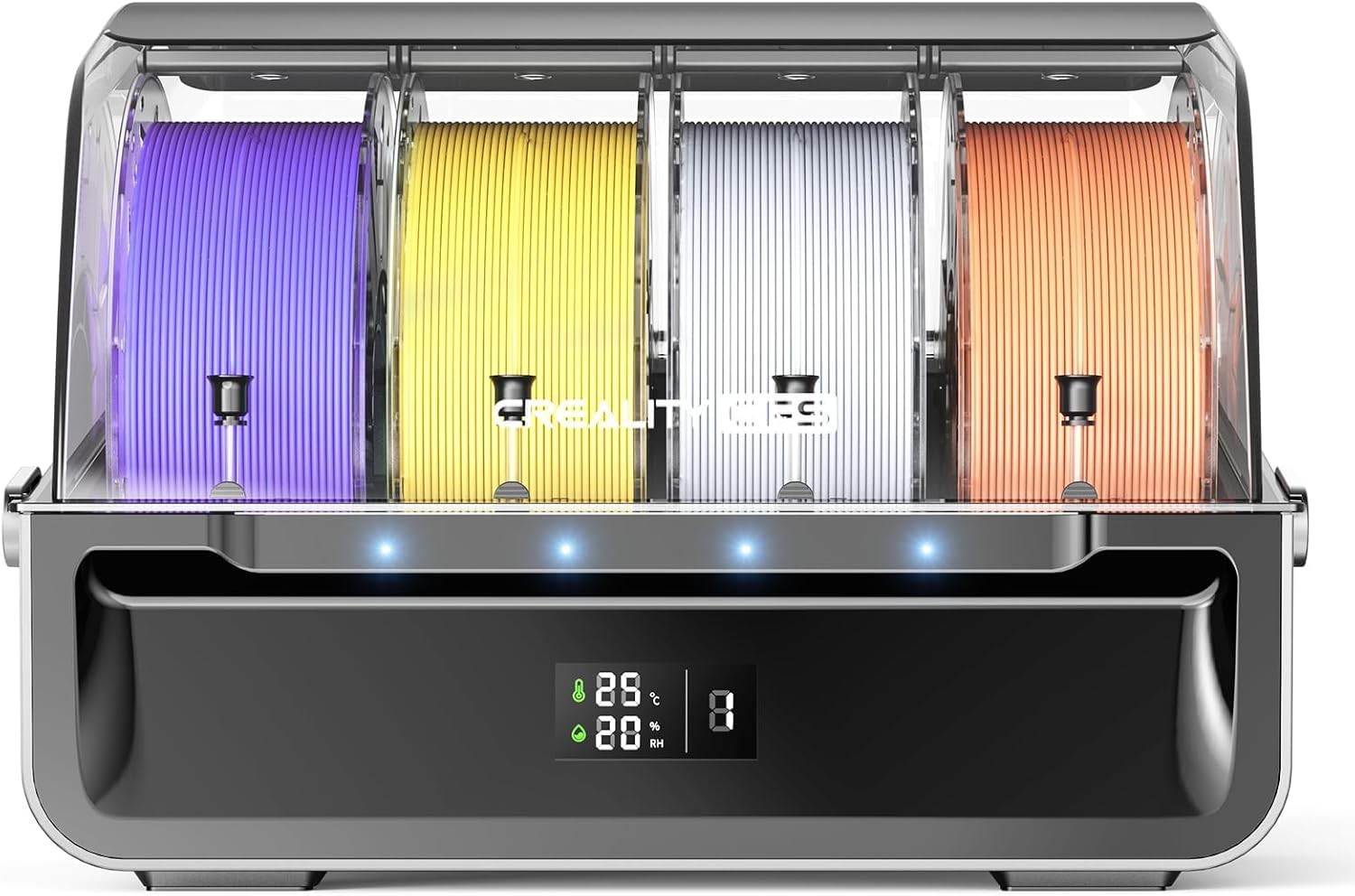
Filament Dryer

A filament dryer is a heated, often fan-driven chamber that removes moisture from 3D printing filament before extrusion; the core trade-off is between single-spool budget boxes with basic thermostats and multi-spool units with precise PID control, forced convection, and sealed storage. Buy a dryer rated above your material's glass-transition temperature with active airflow and a sealed lid if you print engineering plastics; skip unheated desiccant boxes and unsealed dehydrator conversions for nylon or PC.

Buying guide image
VR Gaming Hardware & Accessories

Oculus With Controllers

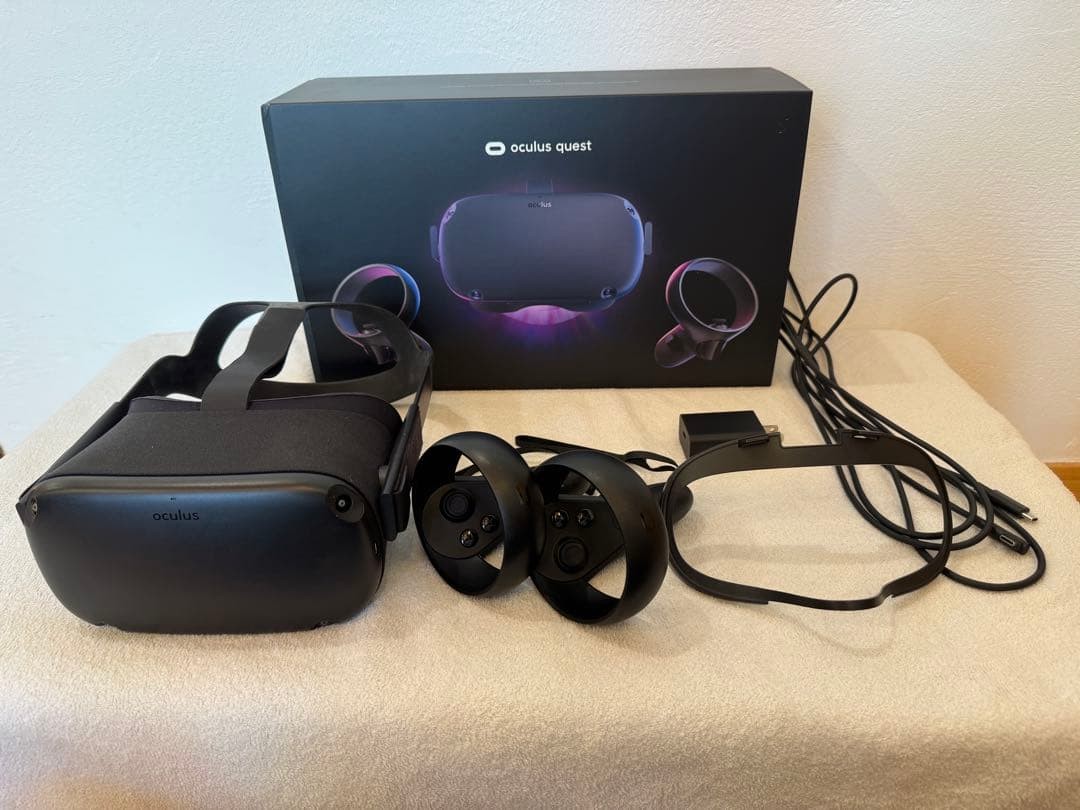
An 'Oculus with controller' bundle means a Meta/Oculus headset paired with at least one Touch controller, and the decisive trade-off is generation and platform: Quest 2, Quest 3/3S, and Rift S use different tracking architectures and controller generations that are not interchangeable. Buy a matched headset-plus-controller set for the exact model; treat headset-only and single-controller listings as parts, not playable systems.

Buying guide image
Filament Drying & Post-Processing

Filament Dehydrator

A filament dehydrator is a heated, enclosed chamber that removes absorbed moisture from 3D printing filament before extrusion, directly preventing steam-induced layer defects, stringing, and weak parts. The primary trade-off is between single-spool compact dryers and multi-spool heated chambers: spool count, maximum temperature, and insulation quality determine whether you can dry engineering polymers like PETG, ASA, or PC versus only PLA. The clear decision rule is to buy a dryer rated at least 10°C above your highest printing temperature with active airflow and a sealed lid; anything less is a storage box, not a dehydrator.

Buying guide image
Sim Racing Cockpits & Mounts

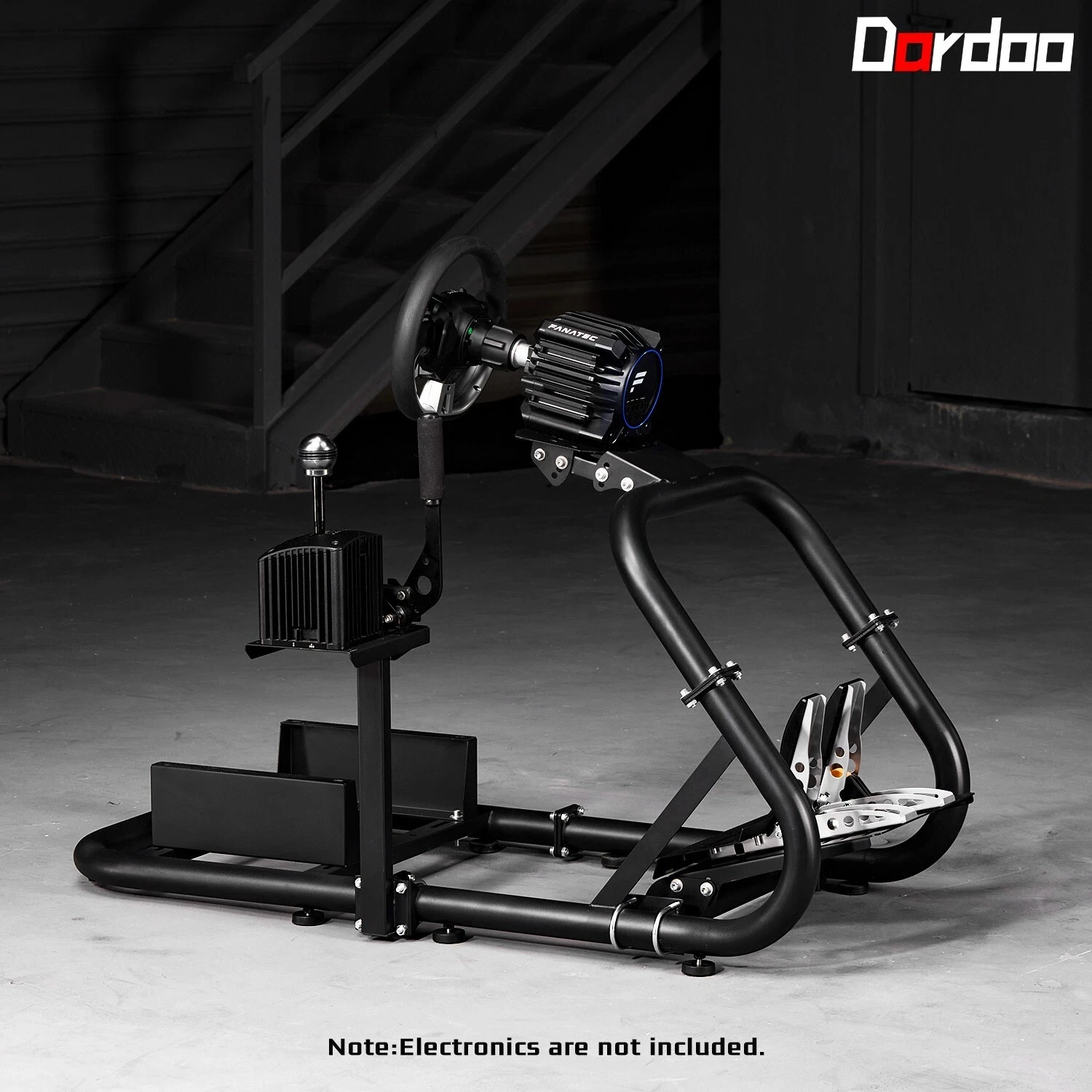
Racing Simulator Stand

A racing simulator stand is the structural interface between your wheel/pedals and your body, and its rigidity—not features—determines lap-time consistency. The core trade-off is folded steel tube vs. extruded aluminum profile: steel is cheaper and heavier but flexes under high-torque direct-drive wheels, while aluminum profile is stiffer, modular, and serviceable. Buy steel only for belt/gear wheels up to ~8 Nm; choose aluminum profile or a full cockpit frame for direct-drive wheels and load-cell pedals.

Buying guide image
Console & Handheld Hardware

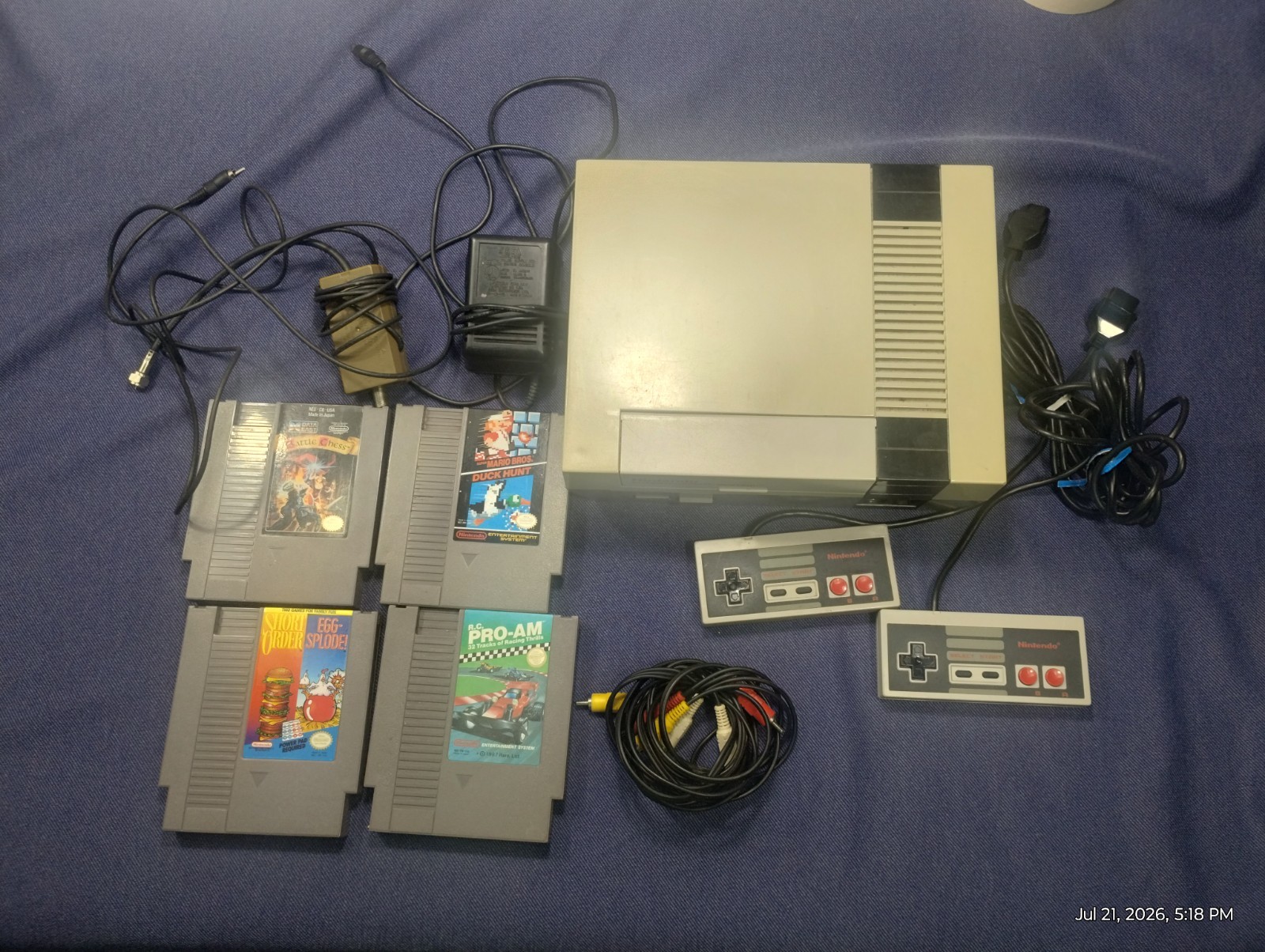
Vintage Console

Shopping for a vintage console means navigating 1970s discrete-logic Pong clones, early 8-bit cartridge systems, and modern plug-and-play reissues that look retro but behave differently. Most disappointments come from untested untested listings, missing proprietary power supplies, and RF-only output that won't talk to a modern TV without an adapter.

Buying guide image
In-Ear Earphones

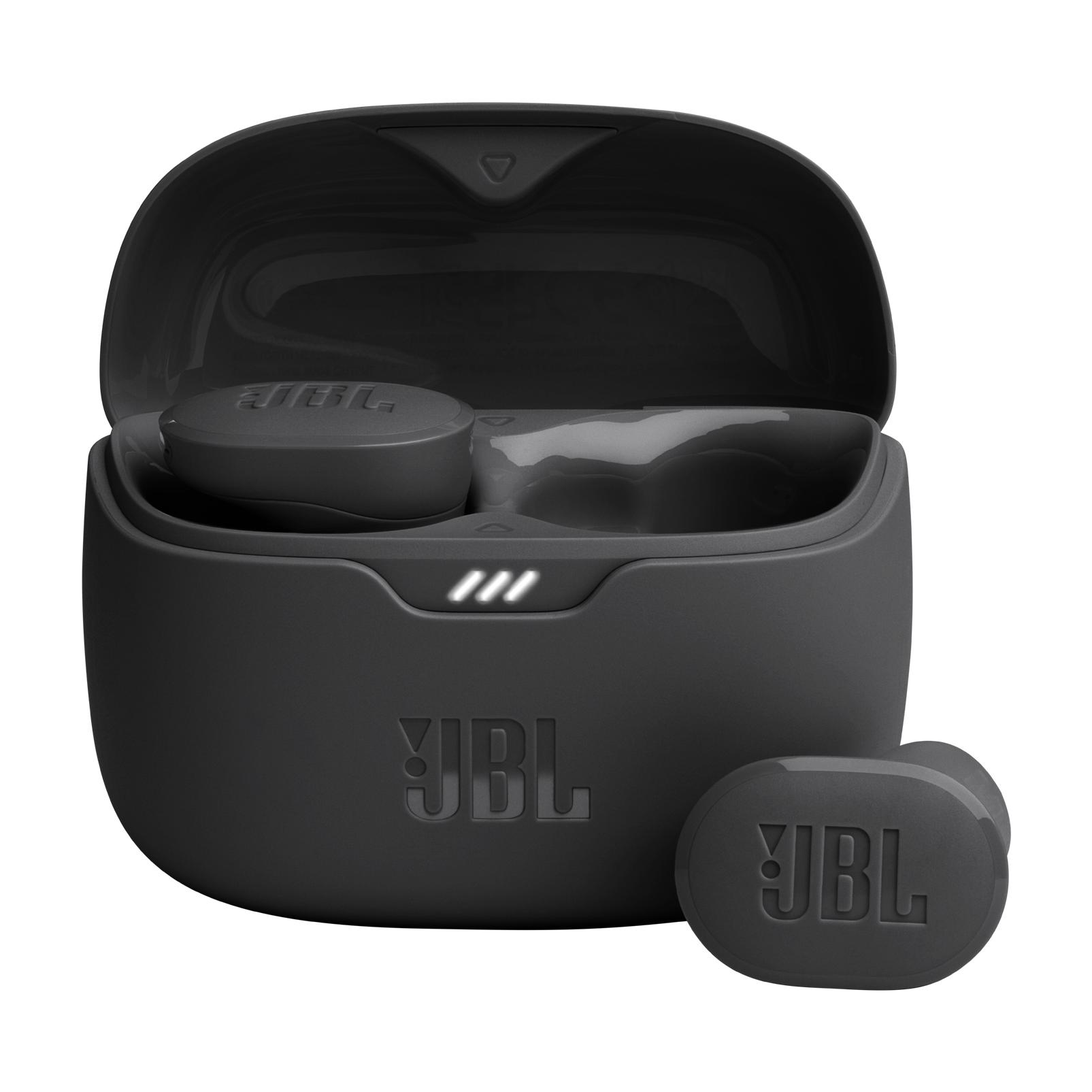
Noise Cancelling Earbud

Noise-cancelling earbuds combine in-ear passive isolation with active ANC circuitry, and the core trade-off is ANC depth and battery life versus fit stability and codec support. Durable, high-performing options use hybrid feedforward-feedback ANC with Bluetooth 5.2+ and LDAC or AAC, while budget compromises rely on single-mic ANC, older Bluetooth, or fake 'noise cancelling' labels on passive-only buds. The decision rule: buy hybrid ANC with a transparency mode and at least IPX4 if you commute or fly; skip any earbud advertising ANC without specifying hybrid or adaptive ANC.

Buying guide image
Projectors & Screens

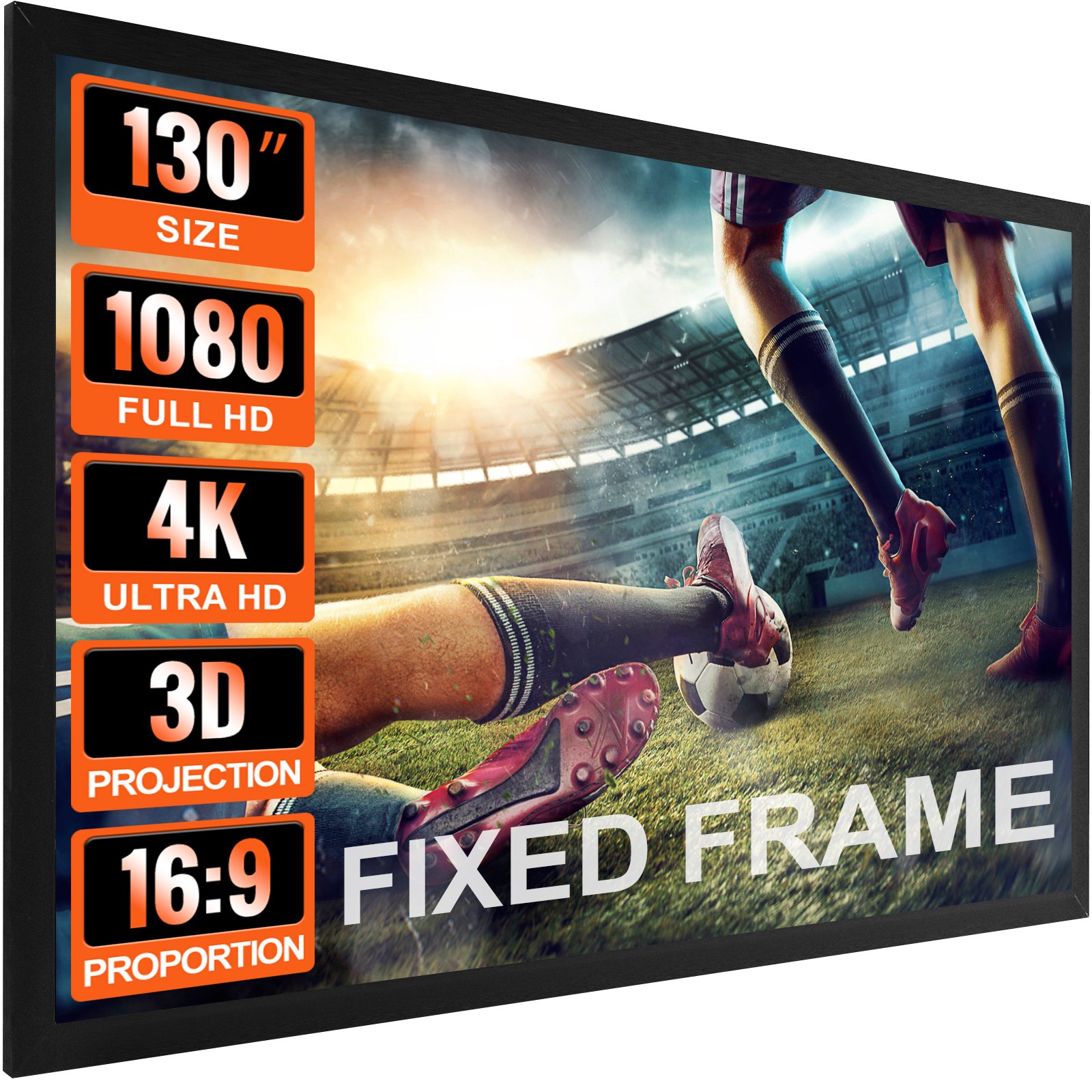
Outdoor Projector And Screen

An outdoor projector and screen combo pairs a portable projection surface with a standalone frame or tripod, so the screen—not the projector—sets the usable image size and wind stability. The core trade-off is fabric tension and frame rigidity versus portability: thin foldable screens wrinkle and flutter, while aluminum or steel frames with tensioned matte-white fabric hold a flat, bright image. Buy a tensioned 16:9 screen rated for front projection with a weighted or guyed frame for backyard use, and skip budget foldable sheets if image flatness and wind resistance matter.

Buying guide image
Projectors & Screens

4K Projector Screen

A 4K projector screen is a projection surface rated to resolve the full 3840x2160 pixel grid without visible texture, moiré, or hot spots that soften fine detail. The core trade-off is gain versus uniformity: high-gain surfaces brighten the image but narrow the viewing cone and risk sparkle, while matte white or grey surfaces preserve off-axis consistency at lower gain. The decision rule is simple: buy a screen whose native resolution rating, aspect ratio, and material weave match your projector's throw and room light—anything marketed as 4K without a specified weave or gain is a compromise.

Buying guide image
In-Ear Earphones

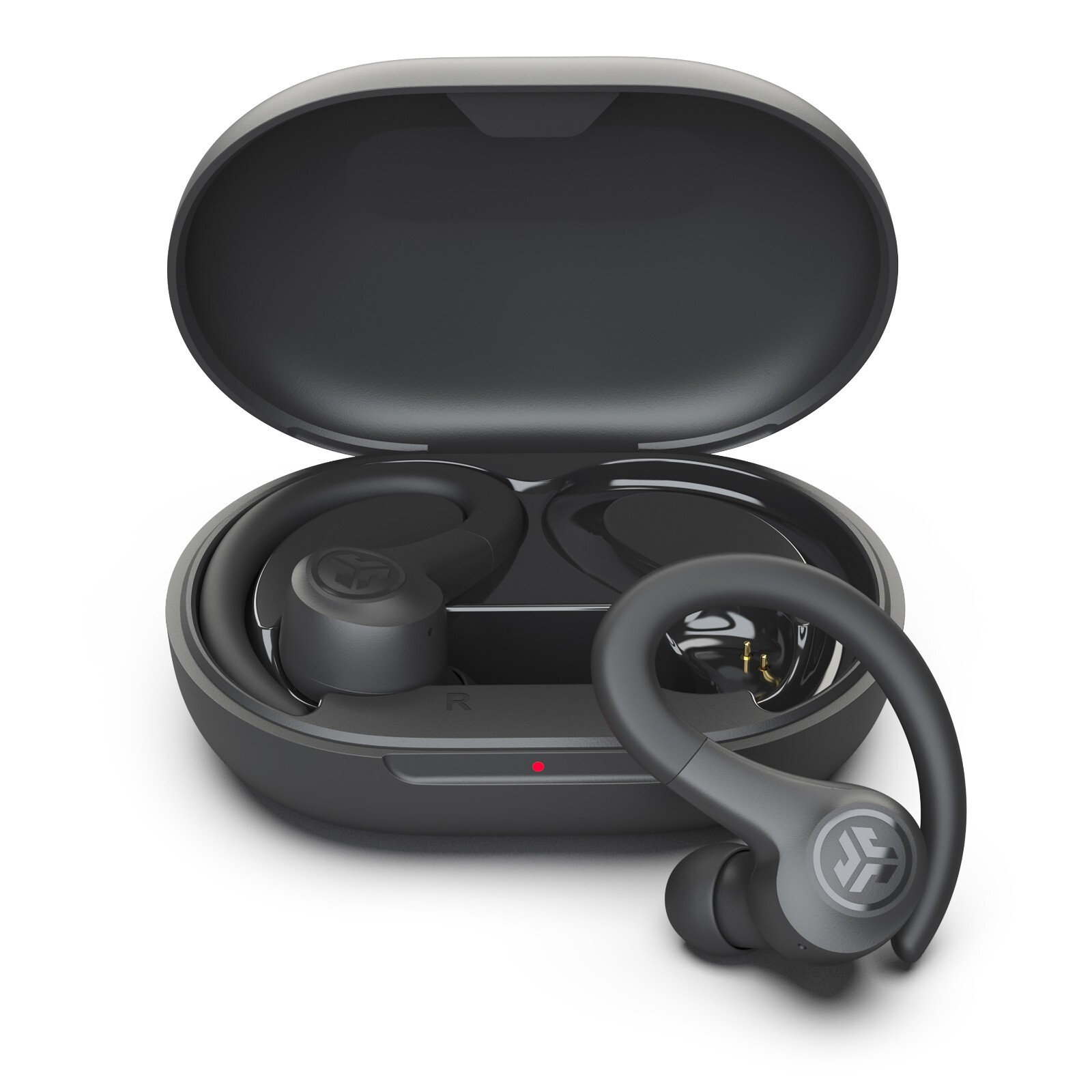
Sport Wireless Earbud

Sport wireless earbuds split into three real architectures: true-wireless (TWS) buds, neckband in-ears, and open-ear ear-hook designs, each trading off stability, isolation, and battery differently. The durable decision hinges on Bluetooth generation (5.3+ for low-latency, power-efficient links) and an IP rating of at least IPX4 for sweat, not on driver marketing claims. Buy TWS for freedom and a charging case; buy a neckband for all-day battery and loss-proof retention during heavy sweat sessions.

Buying guide image
Mechanical Keyboards

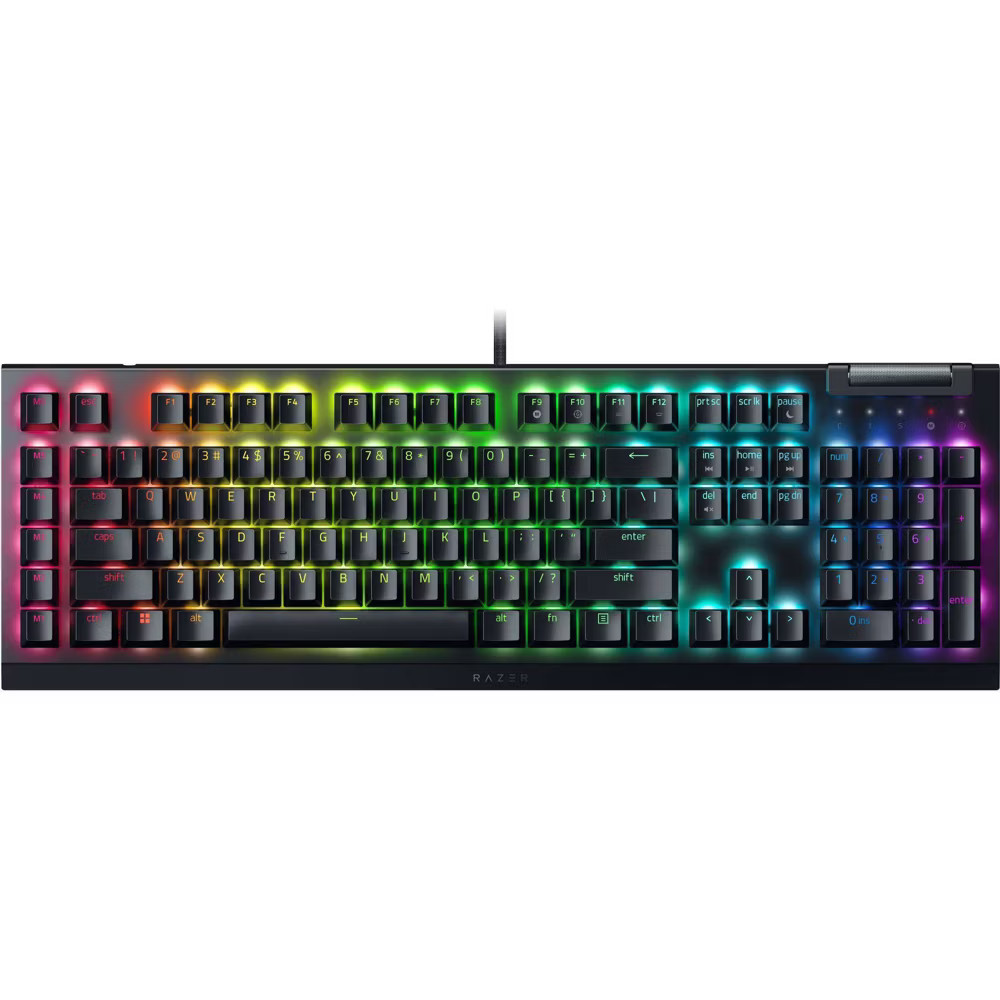
RGB White Keyboard

A white RGB mechanical keyboard combines a white case/keycap aesthetic with per-key lighting, where the core trade-off is switch type (linear vs tactile vs clicky vs magnetic) and build material (plastic vs aluminum) versus wireless tri-mode convenience. Durable picks use hot-swap sockets, double-shot PBT keycaps, and gasket-mounted aluminum or reinforced plastic plates; compromises skip hot-swap, use ABS caps, and rely on soldered switches.

Buying guide image
VR Gaming Hardware & Accessories

VR Controller

VR controllers are the primary input device for tracked hand presence, ranging from inside-out tracked halo controllers to camera-tracked wands and gun stocks. The core trade-off is tracking architecture: inside-out LED/IR controllers (Quest 3, PICO 4) need no external sensors but depend on headset cameras, while outside-in or console-tracked controllers (PSVR Aim, Rift S) require specific base hardware and cables. The decision rule is simple: buy the exact controller generation that matches your headset and tracking system—cross-generation or untested singles are donor parts, not upgrades.

Buying guide image
Drones & Consumer Robotics

Remote Drone With Camera

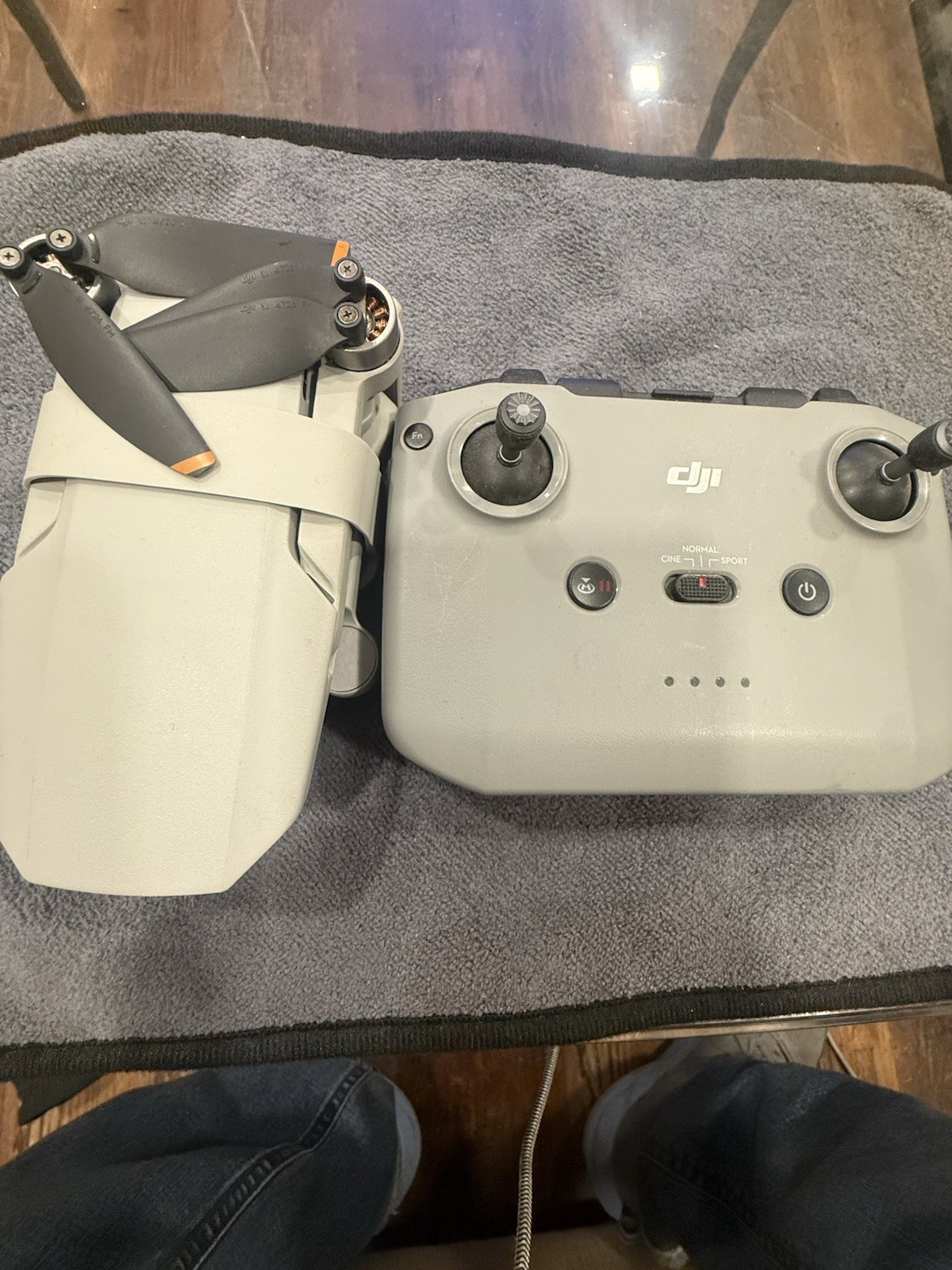
A remote drone with camera is a ready-to-fly or mini quadcopter bundled with its own dedicated controller (often with an integrated screen), delivering FPV video and photo capture without needing a phone. The core trade-off is between toy-grade brushed-motor, Wi-Fi-only drones with inflated resolution claims and true brushless, GPS/optical-flow stabilized aircraft with real 4K sensors and 30+ minute flight tiers. The decision rule: buy only if the listing states brushless motors, GPS or optical-flow positioning, and a measured flight time from a standard battery — skip anything advertised by interpolated '8K' alone.

Buying guide image
Turntables & Record Players

Turntable

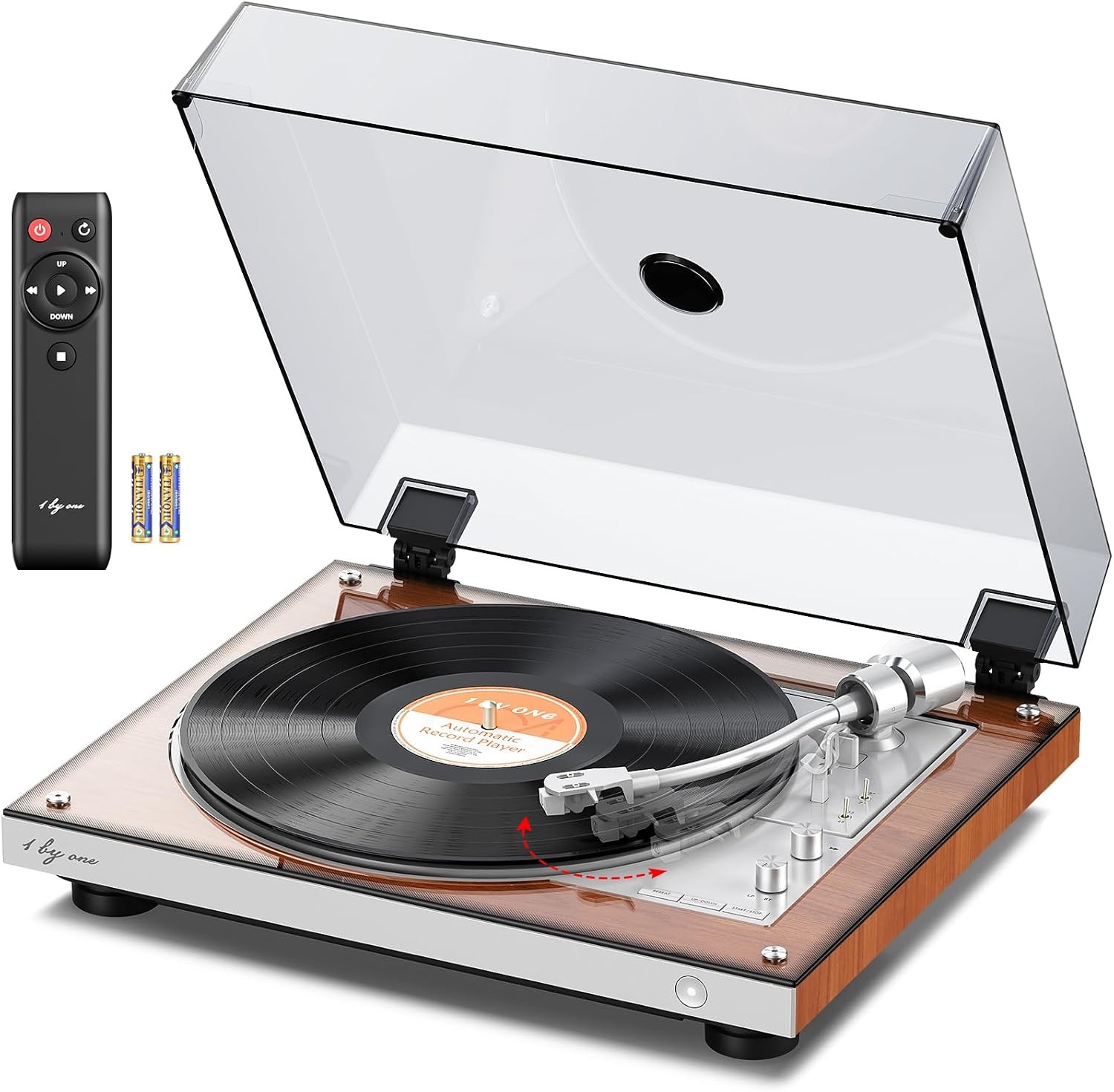
A turntable is a precision electro-mechanical instrument where the drive system, tonearm bearings, and cartridge determine sound quality and record wear. The core trade-off is between automatic convenience (belt-drive with plastic sub-chassis) and audiophile adjustability (direct-drive or heavy belt-drive with metal plinth and adjustable counterweight). Choose automatic belt-drive for plug-and-play casual listening; choose direct-drive or manual belt-drive with a counterweight for vinyl preservation and upgrade paths.

Buying guide image
Flight Sim Joysticks & HOTAS

Flight Control

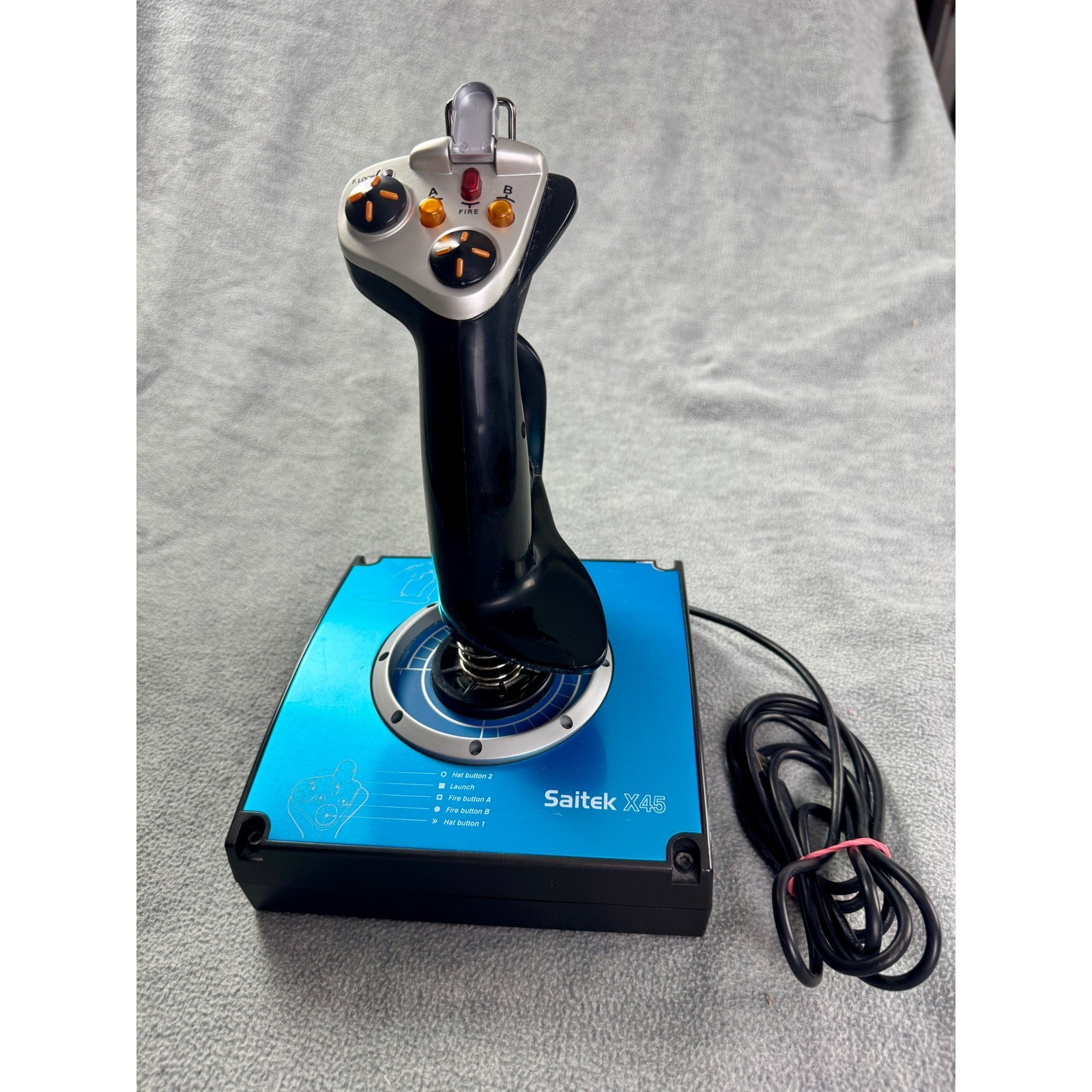
Flight control systems range from simple USB joysticks to full HOTAS (Hands On Throttle And Stick) setups, and the key trade-off is between sensor precision and build materials versus cost. Durable options use contactless Hall-effect sensors and metal internal gimbals; compromises rely on potentiometers that wear out and plastic-on-plastic pivots that develop play. The decision rule: buy a HOTAS with Hall-effect or optical sensors and a twist or rudder axis if you fly combat sims; buy a basic potentiometer stick only for casual arcade flight.

Buying guide image
Console & Handheld Hardware

Retro Gaming Device

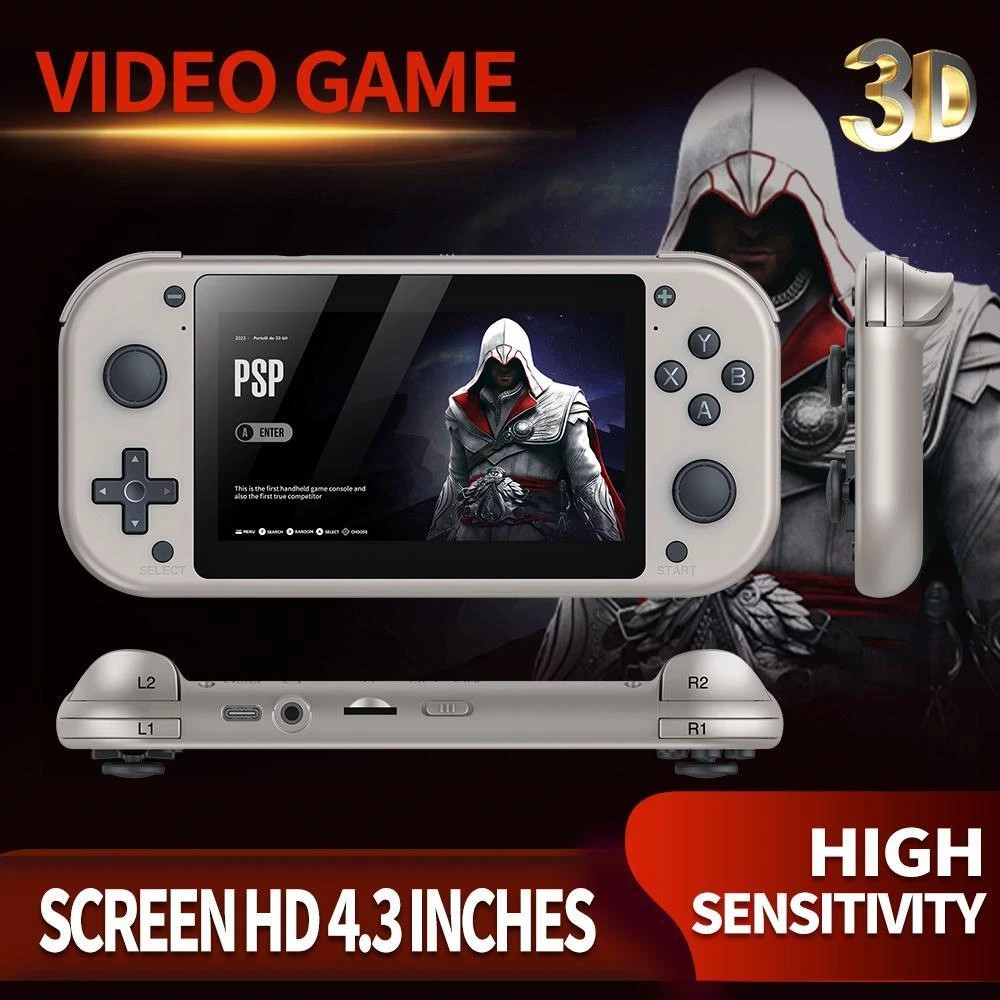
A retro gaming device is a dedicated handheld or plug-in console that runs emulated classic games via built-in ROMs or user-supplied storage. The core trade-off is between low-cost all-in-one gadgets with fixed game lists and open Linux/Android handhelds that emulate many systems but require setup and quality storage. Choose an open emulation handheld with an IPS screen and microSD expansion for durability and control; skip sealed no-name 'built-in games' boxes unless you only want plug-and-play nostalgia.

Buying guide image
Console & Handheld Hardware

Retro Gaming Console

A retro gaming console recreates classic 8-, 16-, and 32-bit libraries either as a plug-and-play box with fixed built-in games or an emulation handheld that runs user-supplied ROMs. The defining trade-off is fixed convenience versus open emulation power: sealed all-in-one units cap you at their included library, while open handhelds depend on chipset tier, RAM, and screen quality. Buy sealed plug-and-play if you want zero setup and licensed or bundled classics; buy an open emulation device only if you accept ROM sourcing and want hardware headroom for whole systems.

Buying guide image
Console & Handheld Hardware

Nintendo Console

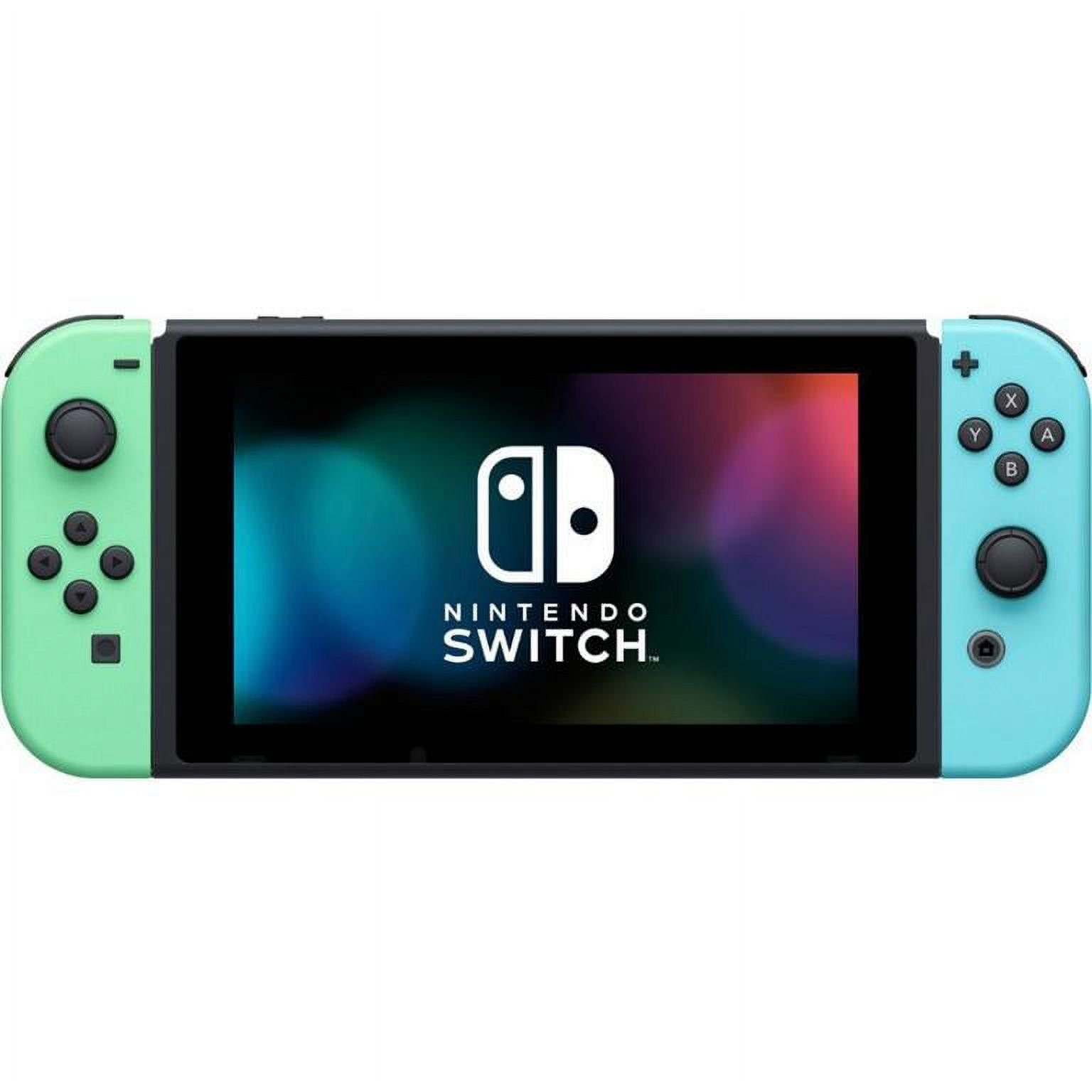
Nintendo consoles span five decades of architectures, from the 8-bit NES to the hybrid Switch, so the primary trade-off is legacy compatibility versus modern performance and display quality. Durable options are clean, OEM-parts consoles with verified pin connectors and tight analog sticks; compromises are refurbs with worn cartridge slots, drifted joysticks, or missing power/AV hookups. Decide by locking your must-play library first, then buy the exact revision that natively runs it.

You may also like

Finding more guides for you…