
Photos from current listings. Actual item, color, and included accessories may vary.
Filament Dryer Buying Guide
A filament dryer is a heated, often fan-driven chamber that removes moisture from 3D printing filament before extrusion; the core trade-off is between single-spool budget boxes with basic thermostats and multi-spool units with precise PID control, forced convection, and sealed storage. Buy a dryer rated above your material's glass-transition temperature with active airflow and a sealed lid if you print engineering plastics; skip unheated desiccant boxes and unsealed dehydrator conversions for nylon or PC.
Median $224.99 · New & pre-owned listings
Key takeaways
- Heater architecture splits into PTC heater + fan (fast, even) versus bare resistive plate (hot spots); PTC with forced convection holds ±3°C across the chamber.
- Max temperature tier determines material coverage: 70°C handles PLA/PETG, 85°C+ is required for PA (nylon), PC, and PVA; 55°C dehydrator conversions cannot dry nylon.
- Spool capacity is the primary throughput spec: 1-spool units suit single-nozzle hobby printing; 2-4 spool boxes let you dry a full plate of PA-CF or TPU at once.
At a glance
- Category
- Filament Drying & Post-Processing
- Last updated
- Nov 28, 2026
Current offers
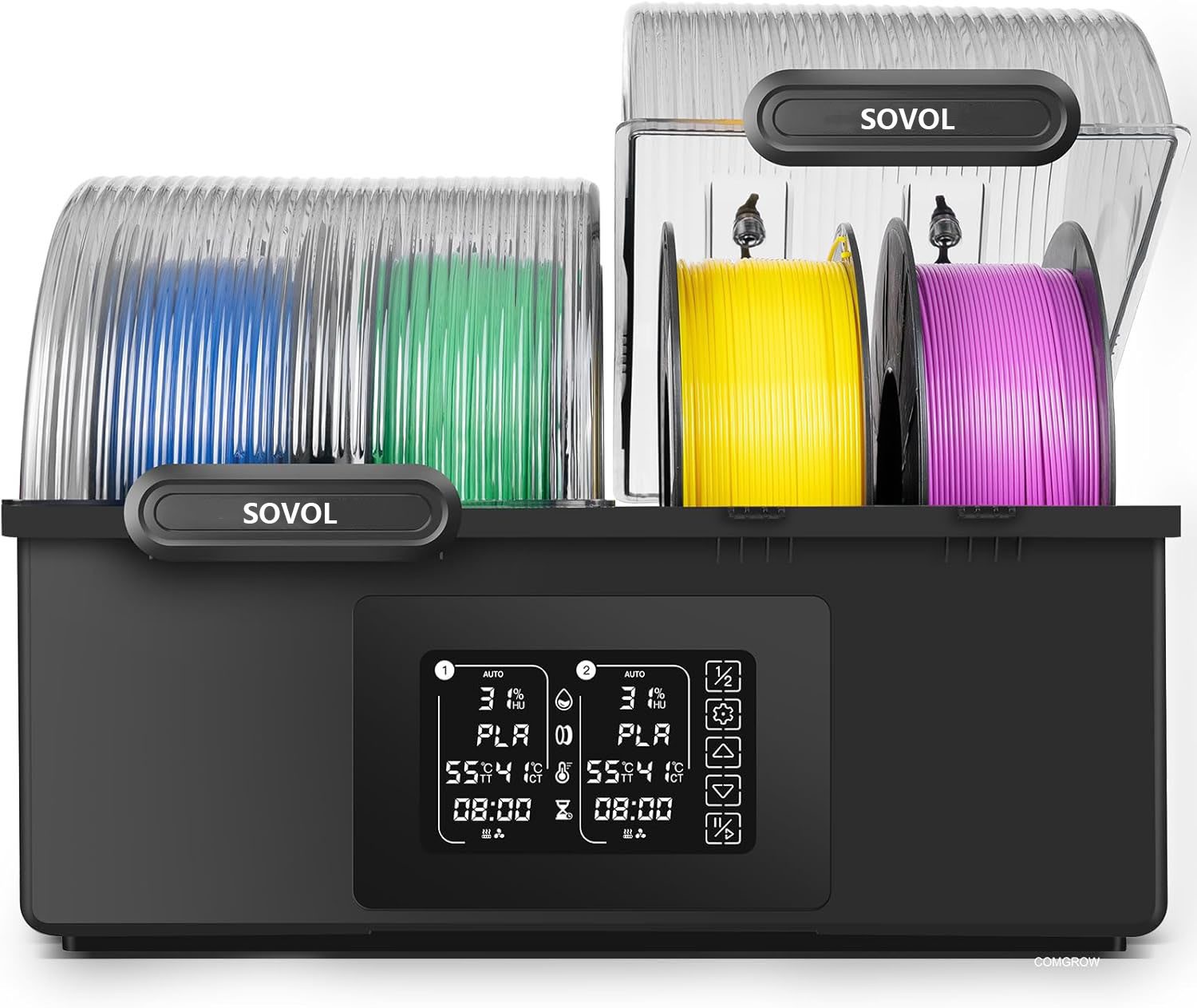 Sovol Filament Dryer 4 Spools SH03 Dry Box with 85℃ Max Temp Filament Storage US$115.00View on eBay
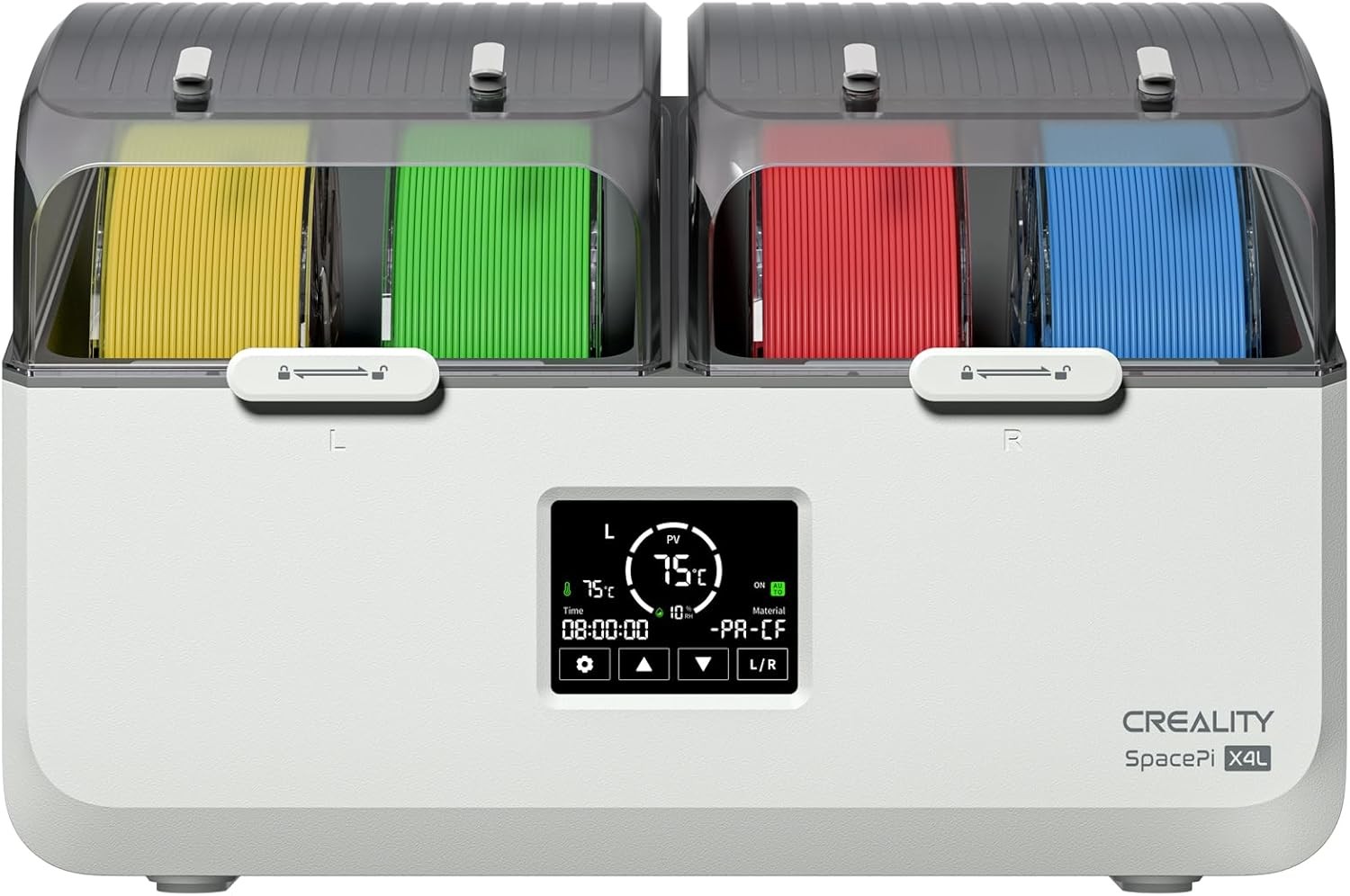 Creality Filament Dryer 4 Spools Space Pi X4 Lite Filament Storage Drying Box$119.00View on eBay
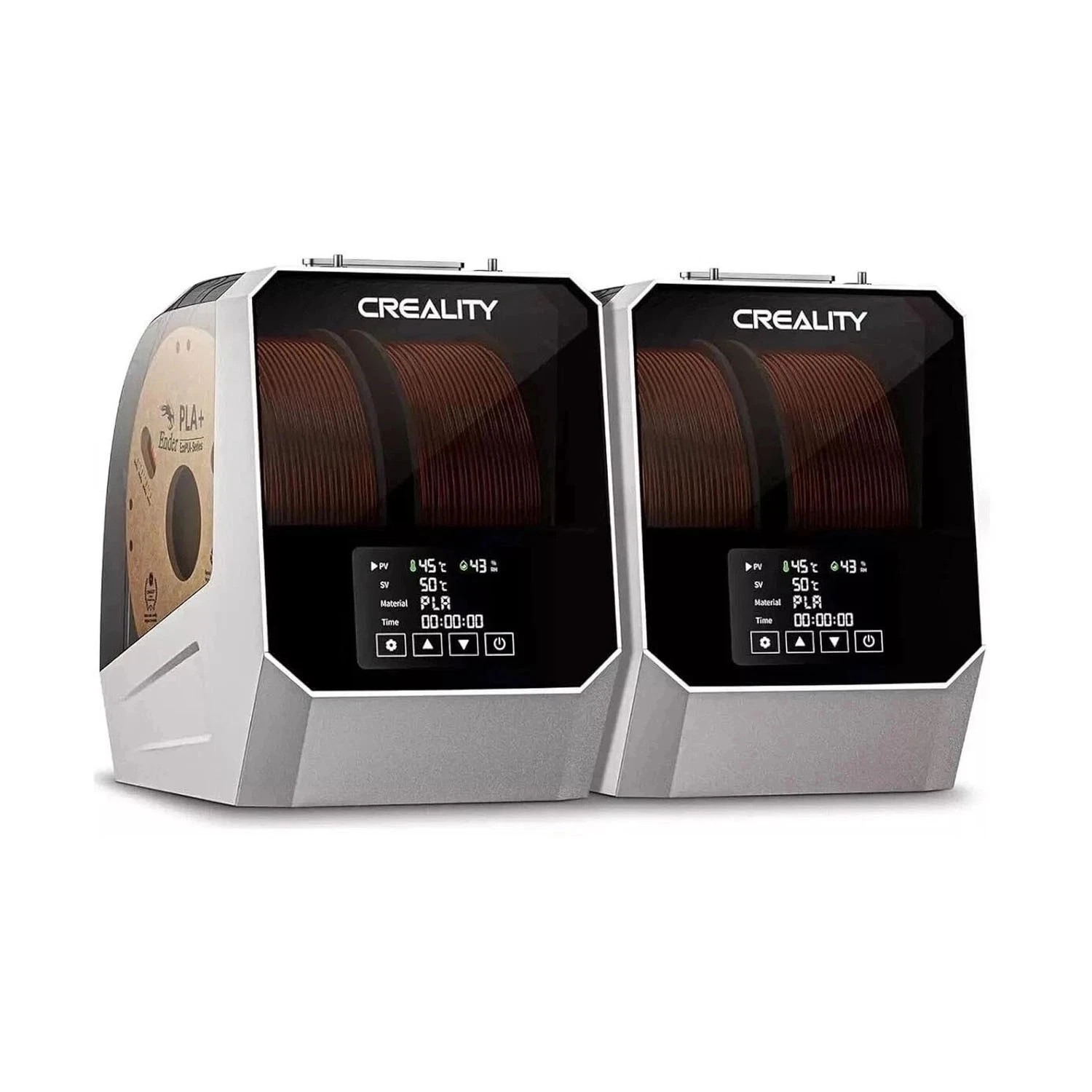 Creality Space Pi Filament Dryer Box Space Pi Filament Space Pi X4 LOT$160.00View on eBay
- Creality Space Pi Filament Dryer Box Space Pi Filament Dryer Plus Space Pi X4$200.25New · Last checked Nov 17, 2026View on eBay
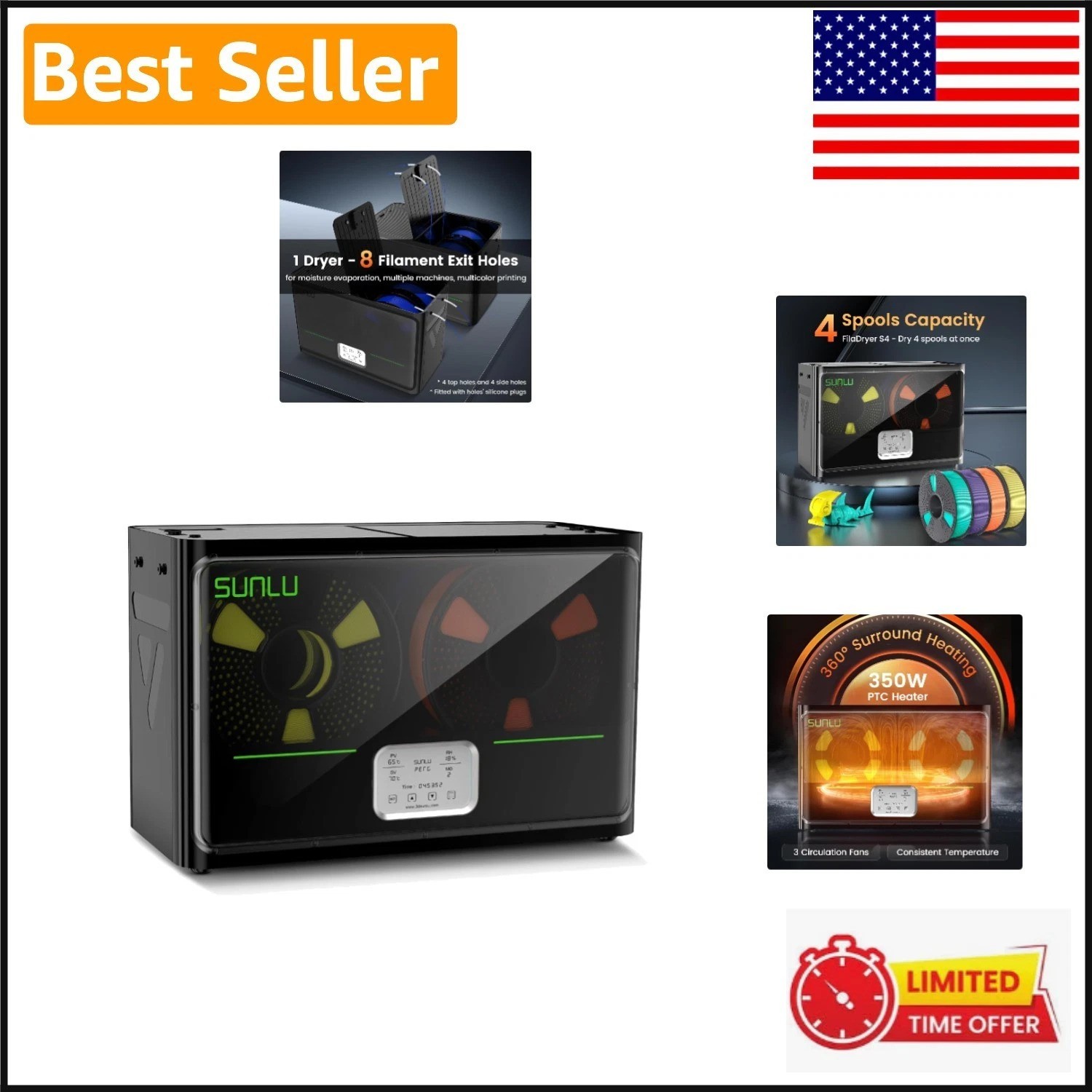 S4 3D Printer Filament Dryer - Versatile Design for Multi-Material Drying$207.96New · Last checked Nov 17, 2026View on eBay
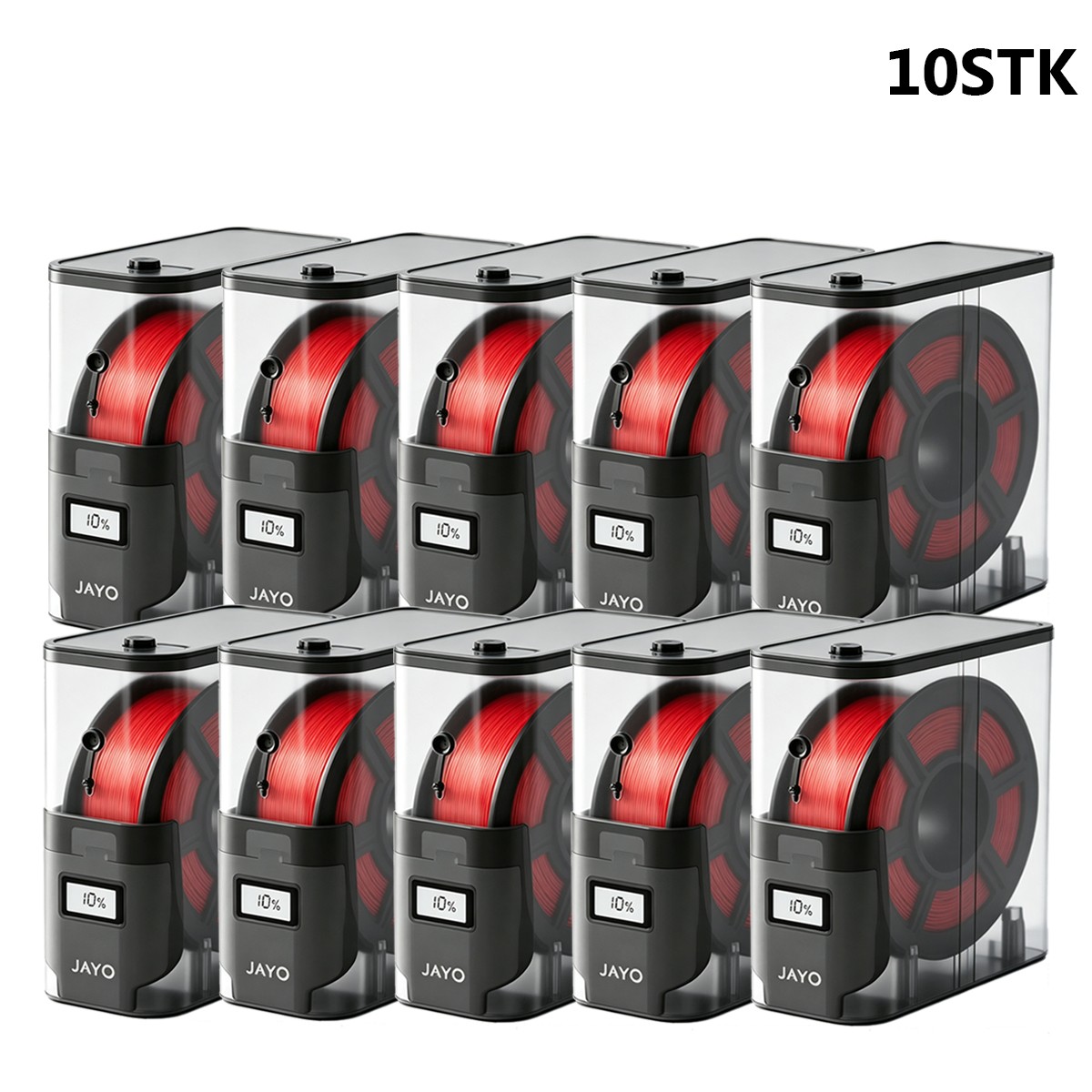 JAYO J1 3D Filament Dryer & Storage Chamber Split Design For 1.75mm PLA PETG LOT$213.59New · Last checked Nov 27, 2026View on eBay
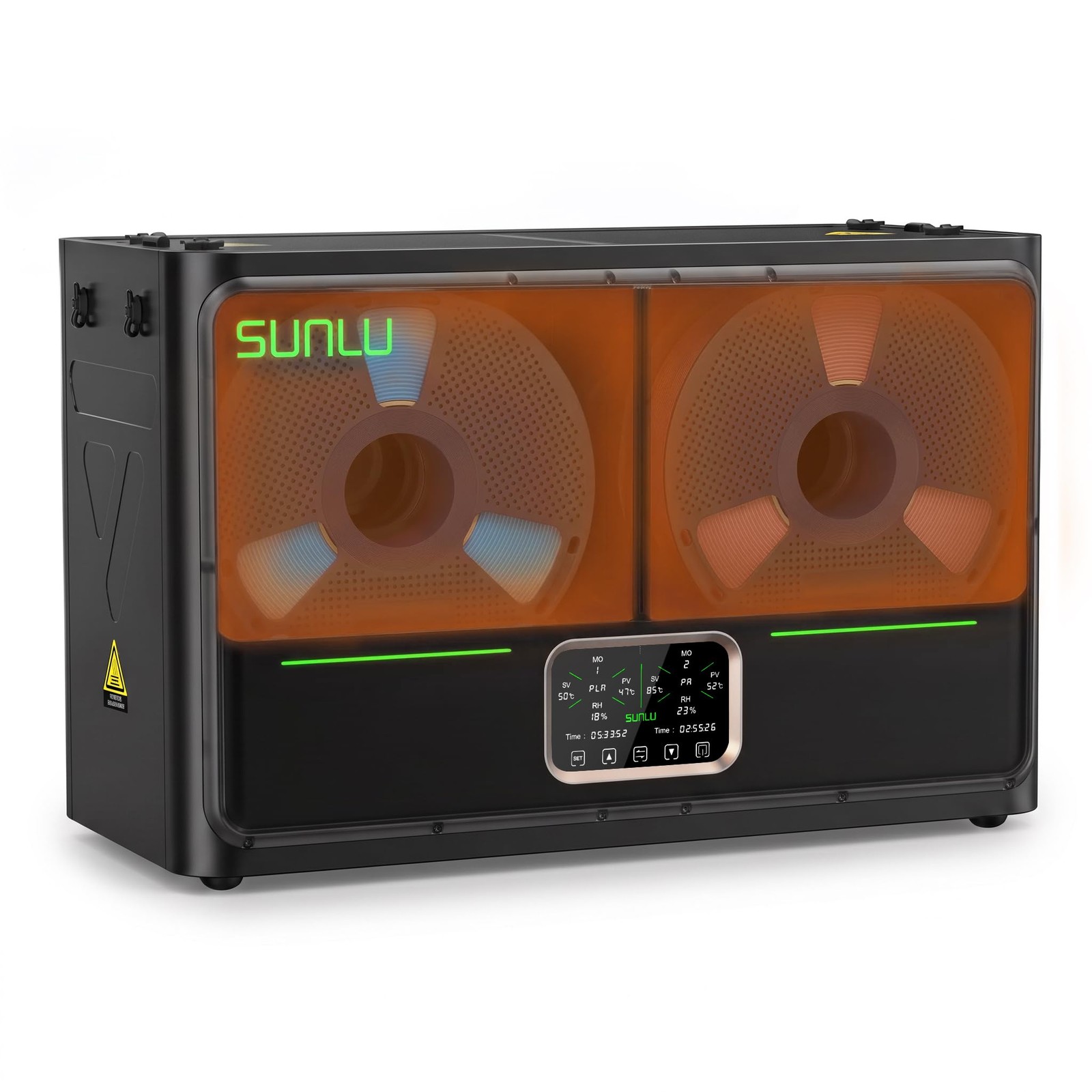 SUNLU S4 Pro Dual-Zone 3D Printer Filament Dryer, 4-Spool, 380W, 85°C$224.99New · Last checked Nov 17, 2026View on eBay
- SUNLU S4 Pro Dual-Zone 3D Printer Filament Dryer, 4-Spool, 380W, 85°C$224.99New · Last checked Nov 17, 2026View on eBay
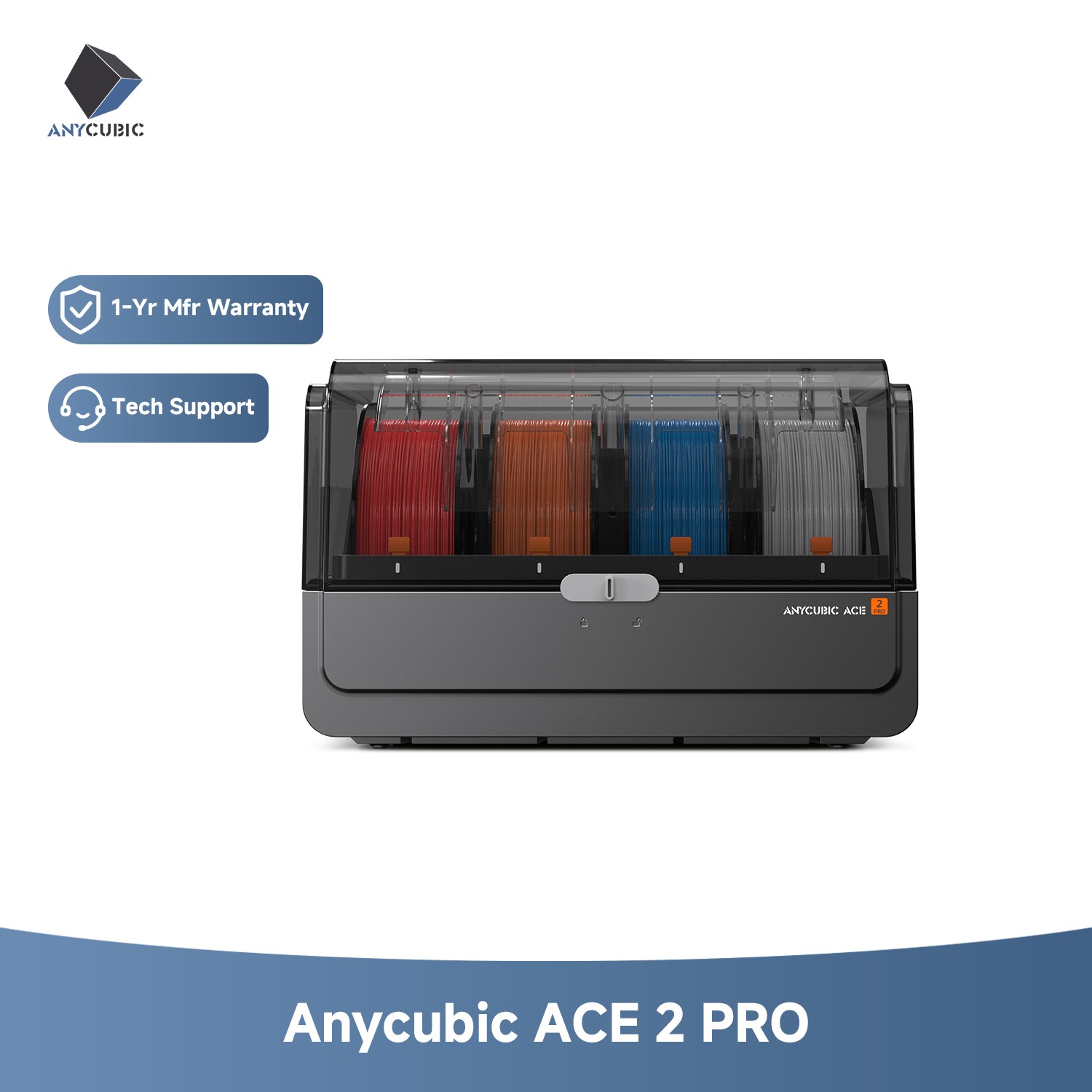 ANYCUBIC ACE 2 Pro Kobra X / S1 / 1 Max 3D Printer Auto Filament Dryer Anti-Clog$249.00New · Last checked Nov 17, 2026View on eBay
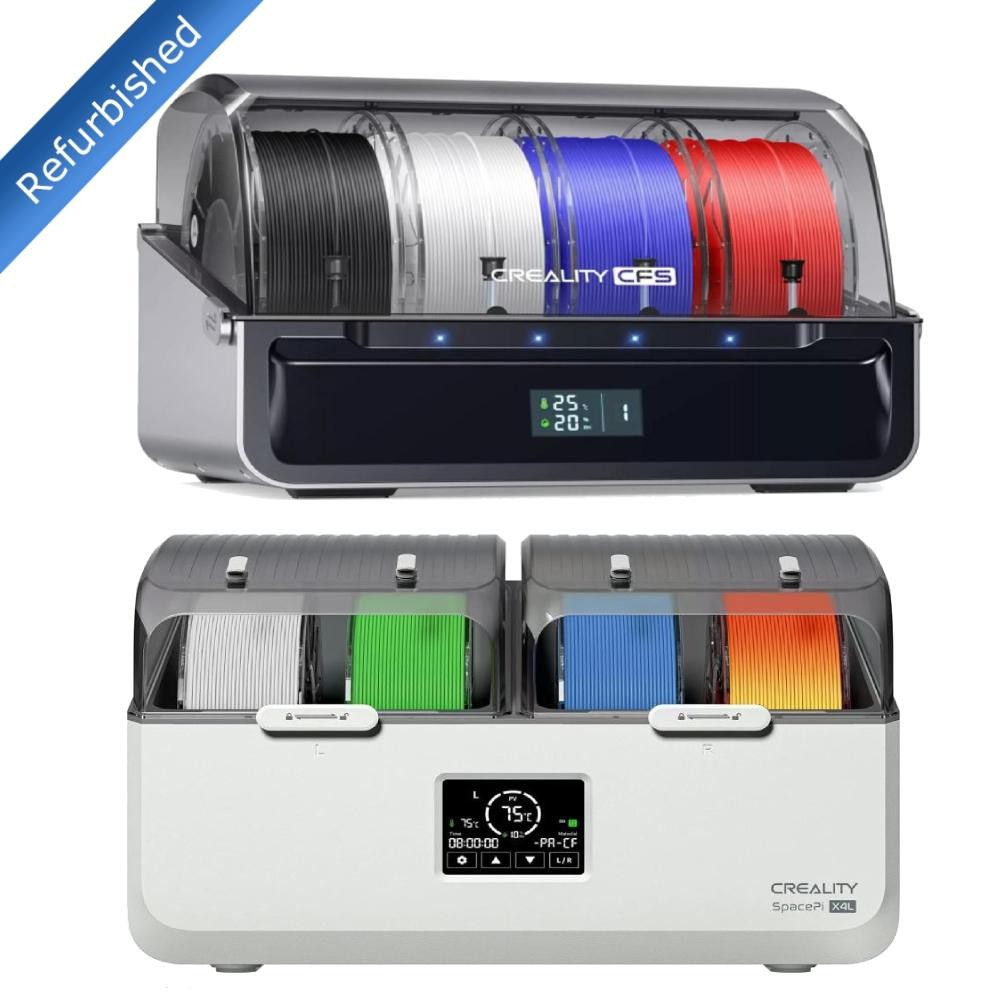 【Refurbished】Creality Filament System-CFS Auto Filament Identification+X4L Dryer$259.00Excellent - Refurbished · Last checked Nov 27, 2026View on eBay
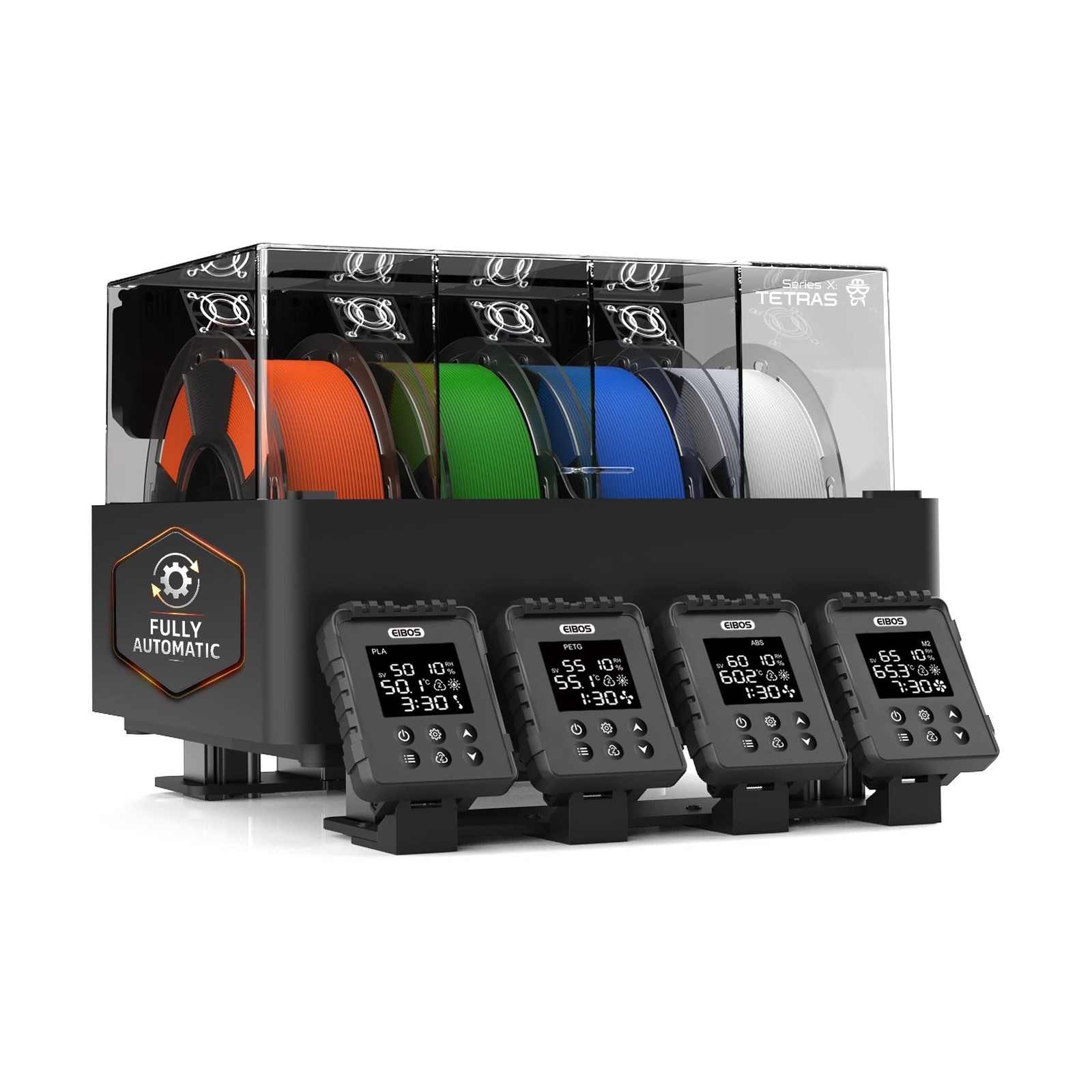 【EIBOS Official】 3D Printer Filament Dryer Tetras, AMS Heater Upgr$278.05New · Last checked Nov 17, 2026View on eBay
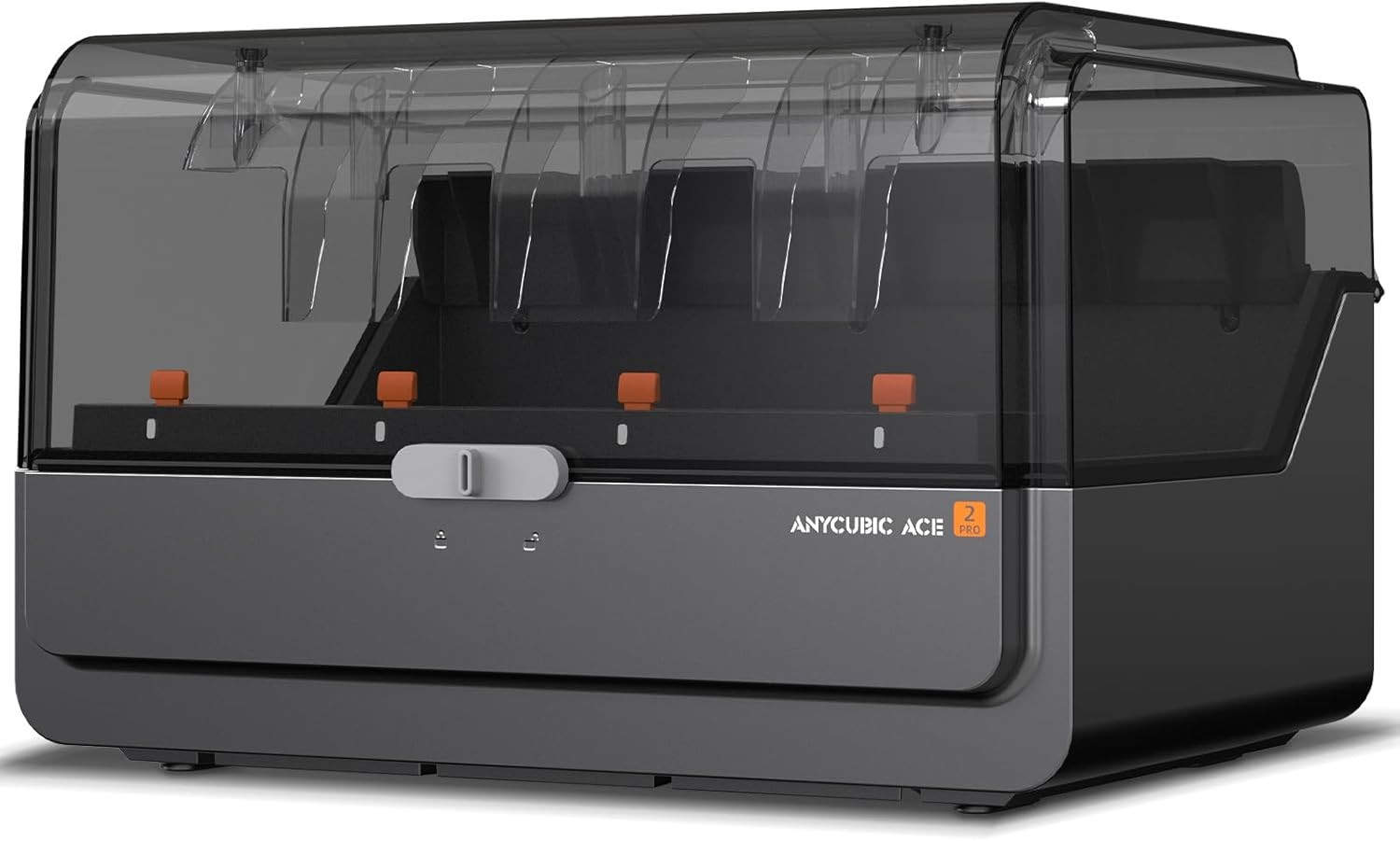 Anycubic ACE 2 Pro 3D Printer Filament Dryer Box, Compatible with Anycubic Kobra$294.39New · Last checked Nov 17, 2026View on eBay
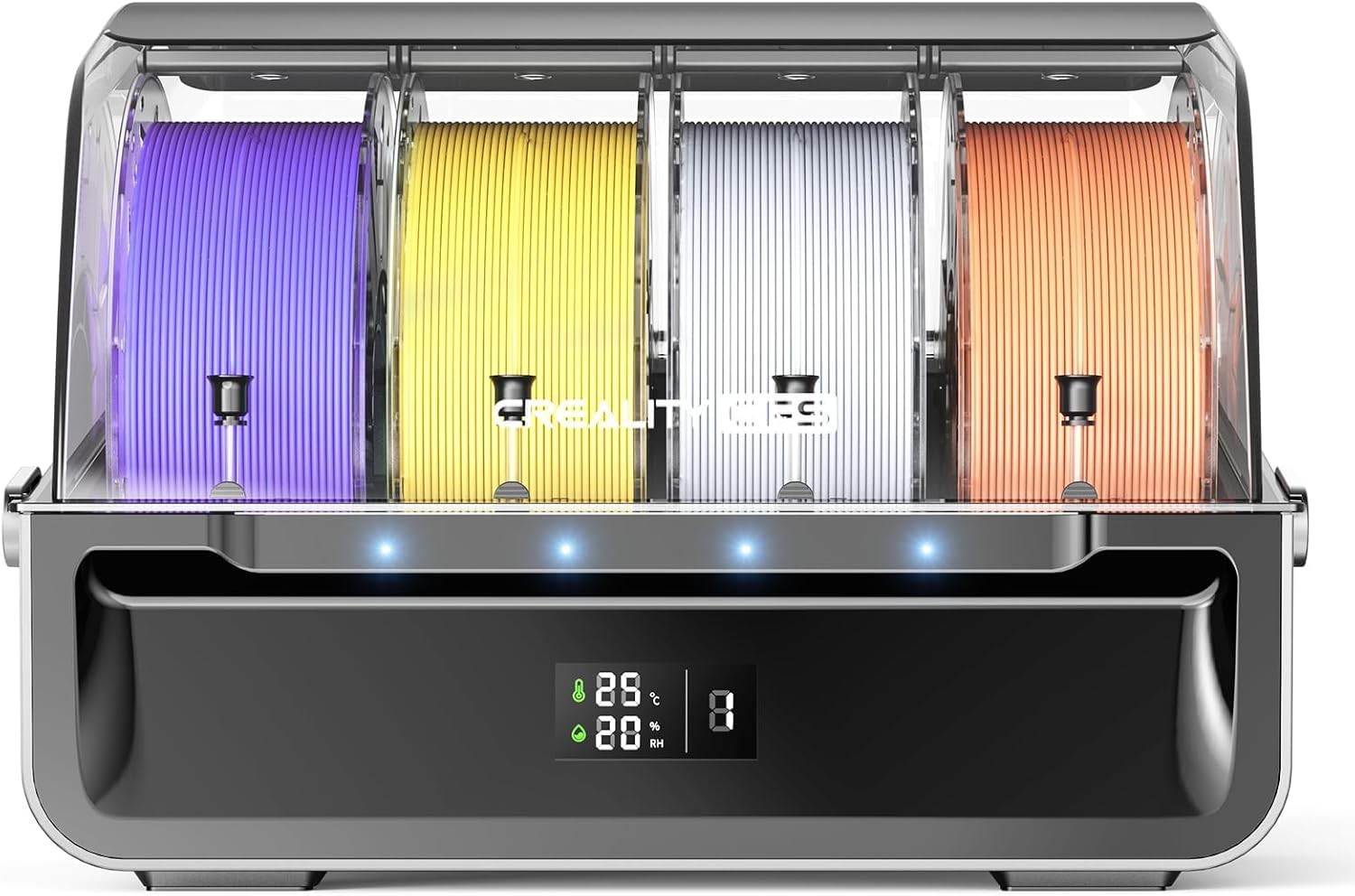 Creality Space Pi Filament Dryer 3D Printer Filament Dehydrator Storage Box Lot$299.00New · Last checked Nov 27, 2026View on eBay
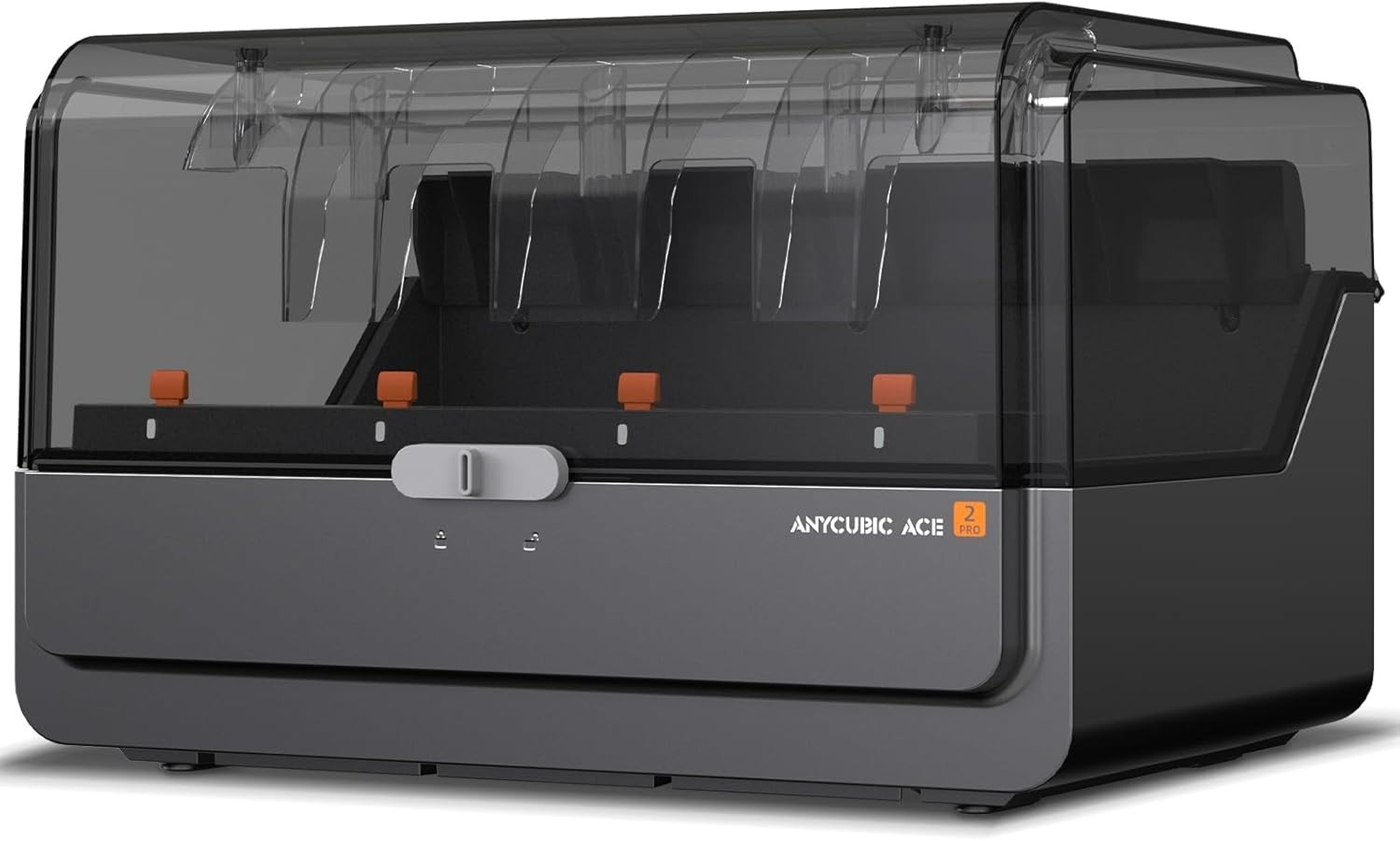 ACE 2 Pro 3D Printer Filament Dryer Box, Compatible with Anycubic Kobra S1 and K$415.99New · Last checked Nov 17, 2026View on eBay
Highlights
- Heater architecture splits into PTC heater + fan (fast, even) versus bare resistive plate (hot spots); PTC with forced convection holds ±3°C across the chamber.
- Max temperature tier determines material coverage: 70°C handles PLA/PETG, 85°C+ is required for PA (nylon), PC, and PVA; 55°C dehydrator conversions cannot dry nylon.
- Spool capacity is the primary throughput spec: 1-spool units suit single-nozzle hobby printing; 2-4 spool boxes let you dry a full plate of PA-CF or TPU at once.
- Sealed storage matters: units with gasketed lids and desiccant compartments double as dry boxes, while open-top dehydrators reabsorb humidity the moment heating stops.
Best use cases
- Best fit: single-spool PTC dryer with 70-85°C range and sealed lid for PLA/PETG/TPU hobbyists who print a few spools a week; skip multi-spool boxes you cannot fill.
- Best fit: 4-spool, 85°C forced-convection box for nylon, PC, and PA-CF users running production batches; skip 1-spool 55°C dehydrators that cannot reach PA drying temps.
- Best fit: dryer with passthrough spool holder or PTFE exit port for printing directly from the dry box on long ABS/ASA jobs; skip units that require unloading to print.
- Wrong fit: unheated desiccant-only storage boxes for wet filament; they maintain dryness but cannot dry soaked spools. Wrong fit: kitchen oven drying, which overshoots PLA glass transition.
Buying tips
- Match max temp to material: PLA/PETG dry at 45-55°C, TPU at 50-60°C, PA/nylon and PC at 70-85°C; a 55°C ceiling excludes engineering plastics entirely.
- Check heater type: PTC ceramic with a fan gives even, fast drying; bare aluminum or wire-wound plates create hot spots that soften spool edges before the core dries.
- Verify spool fit: measure your spool diameter and width (common 200mm dia, 70-90mm wide; 1kg vs 3kg reels) against the chamber; 4-spool boxes often only fit 1kg reels.
- Prefer PID or digital thermostat control with a timer over bimetallic click thermostats; ±5°C swings can exceed PLA's softening point during long cycles.
Specs
| Max Temperature | 55°C budget / 70-85°C engineering |
|---|---|
| Heater Type | PTC + fan vs resistive plate |
| Spool Capacity | 1-spool vs 2-4 spool boxes |
| Sealed Storage | Gasketed lid + desiccant vs open |
Related searches
What to check before buying
- Measure your widest spool (diameter and hub width) and confirm chamber dimensions clear it plus the lid gasket; 3kg reels usually need a dedicated large-format dryer.
- Check room ambient humidity and temperature: dryers work against ambient RH, so a basement above 60% RH needs a sealed unit with desiccant rather than an open dehydrator.
- Confirm voltage and plug standard (120V US vs 230V EU) and that the unit's wattage fits your circuit; most 1-2 spool dryers draw 50-150W.
- Verify companion parts: PTFE tube pass-through, spool roller bearings, and desiccant packs are often sold separately on budget units.
FAQ
Data sources: eBay / Amazon listings and product attribute feeds. Updated Nov 28, 2026.
Some links on this page are affiliate links. If you buy after clicking one, we may earn a commission at no extra cost to you. This does not change which products appear here or their order. Affiliate disclosure.