
Photos from current listings. Actual item, color, and included accessories may vary.
3D Printer Filament Dryer Buying Guide
A 3D printer filament dryer removes absorbed moisture from hygroscopic polymers like PLA, PETG, and Nylon so prints stop stringing, popping, and losing layer adhesion. The core trade-off is between single-spool desktop units with fixed temperature presets and multi-spool or convection cabinets that add airflow, sealed chambers, and higher temperature ceilings for engineering filaments. Buy a dryer whose maximum temperature exceeds your hottest filament's glass-transition margin and whose chamber actually seals; skip anything that tops out at 50°C or lacks a lid gasket.
Median $263.53 · New listings
Key takeaways
- Temperature ceiling is the decisive spec: PLA/PETG need 45–55°C, TPU 50–60°C, Nylon/PC/ABS require 70–90°C, and PVA shouldn't exceed 45°C — a 50°C-only unit cannot dry engineering plastics.
- Heating architecture splits into PTC ceramic heaters with fan-driven recirculation (faster, even drying) versus simple resistive plates (slower, hot-spot prone); sealed lids with silicone gaskets retain heat and stop re-absorption during cool-down.
- Capacity tiers are single-spool (1×1 kg), dual-spool (2×1 kg), and cabinet/rack units holding 3–4 spools; larger sealed chambers dry slower per spool unless paired with active airflow and higher wattage.
At a glance
- Category
- Filament Drying & Post-Processing
- Last updated
- Nov 28, 2026
Current offers
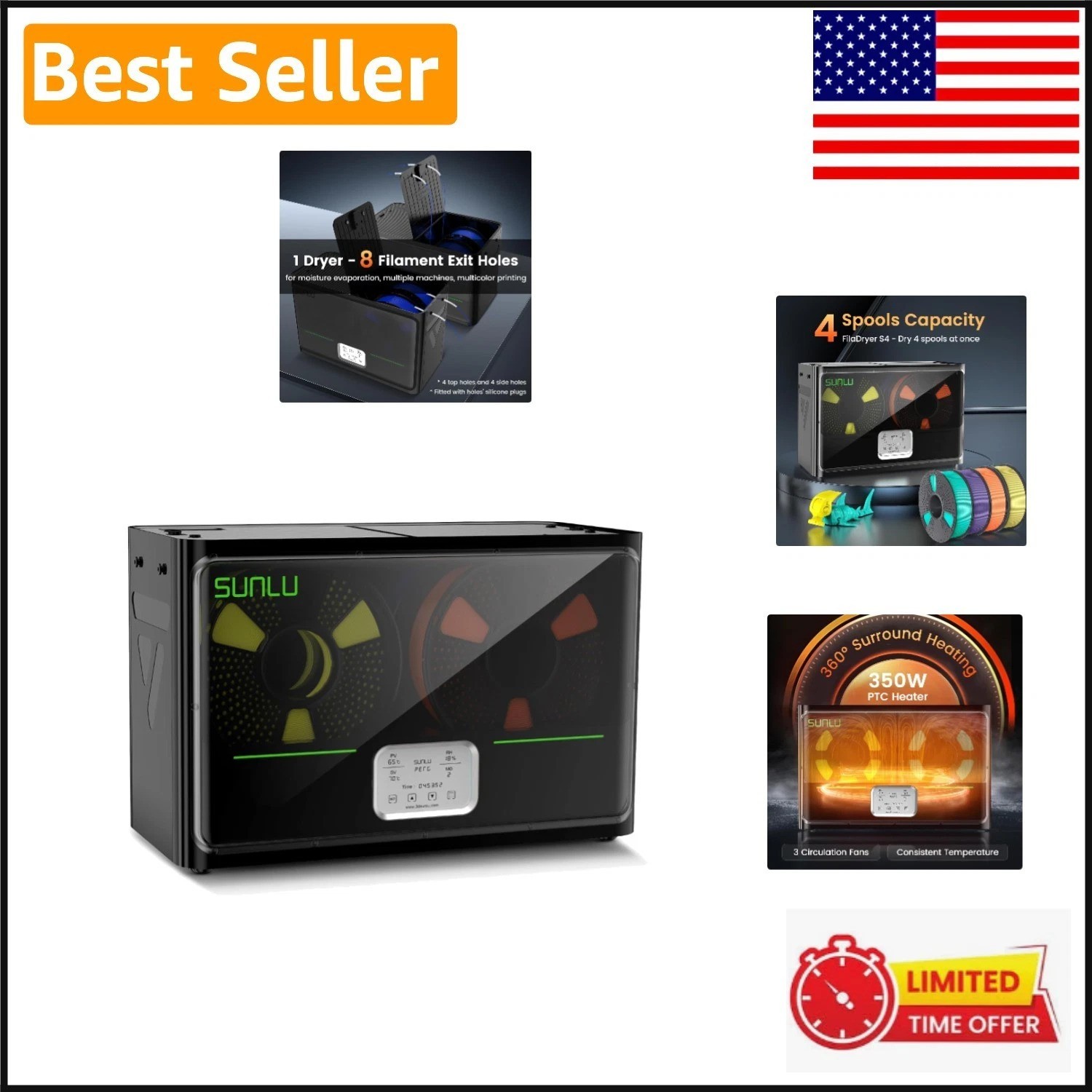 S4 3D Printer Filament Dryer - Versatile Design for Multi-Material Drying$207.96New · Last checked Nov 17, 2026View on eBay
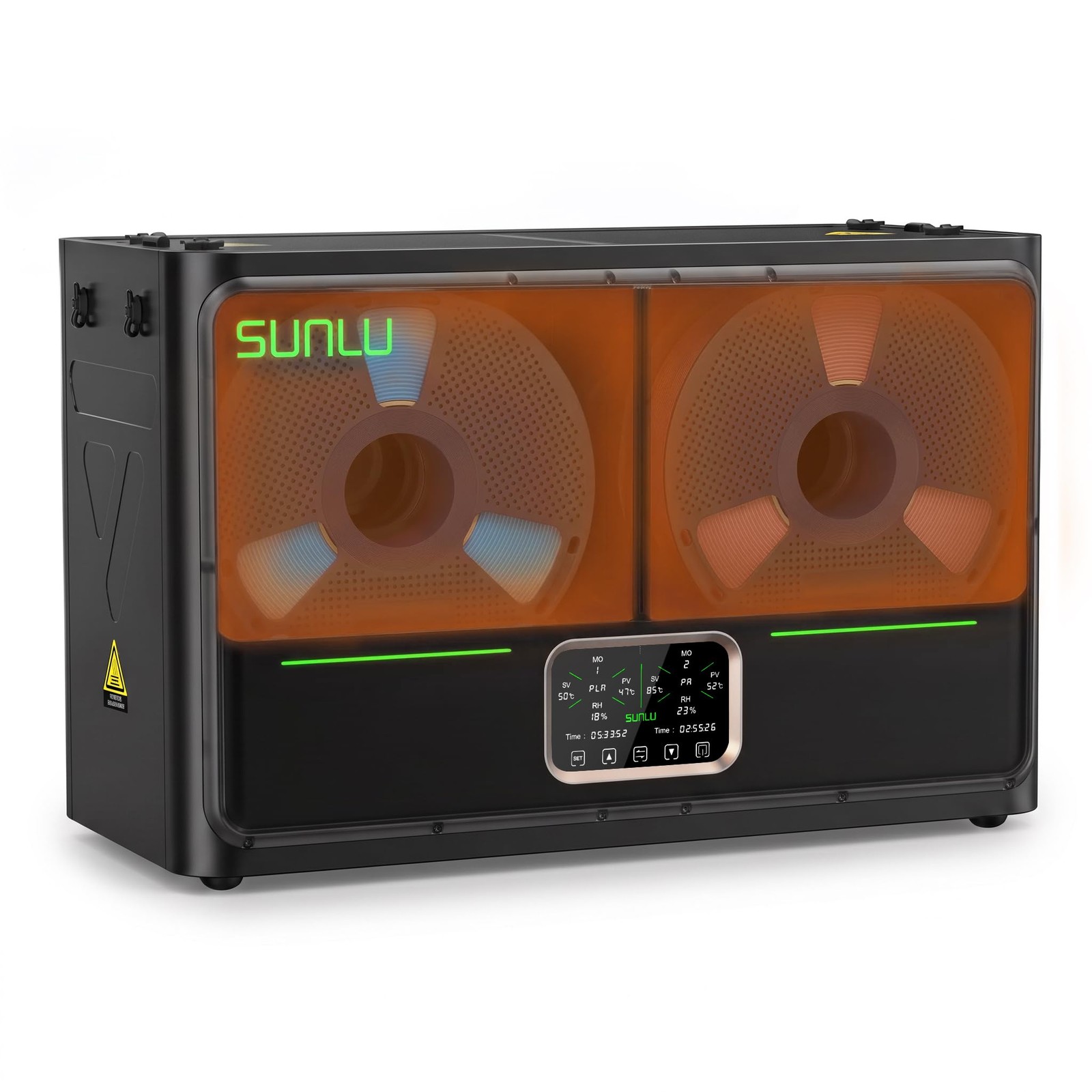 SUNLU S4 Pro Dual-Zone 3D Printer Filament Dryer, 4-Spool, 380W, 85°C$224.99New · Last checked Nov 17, 2026View on eBay
- SUNLU S4 Pro Dual-Zone 3D Printer Filament Dryer, 4-Spool, 380W, 85°C$224.99New · Last checked Nov 17, 2026View on eBay
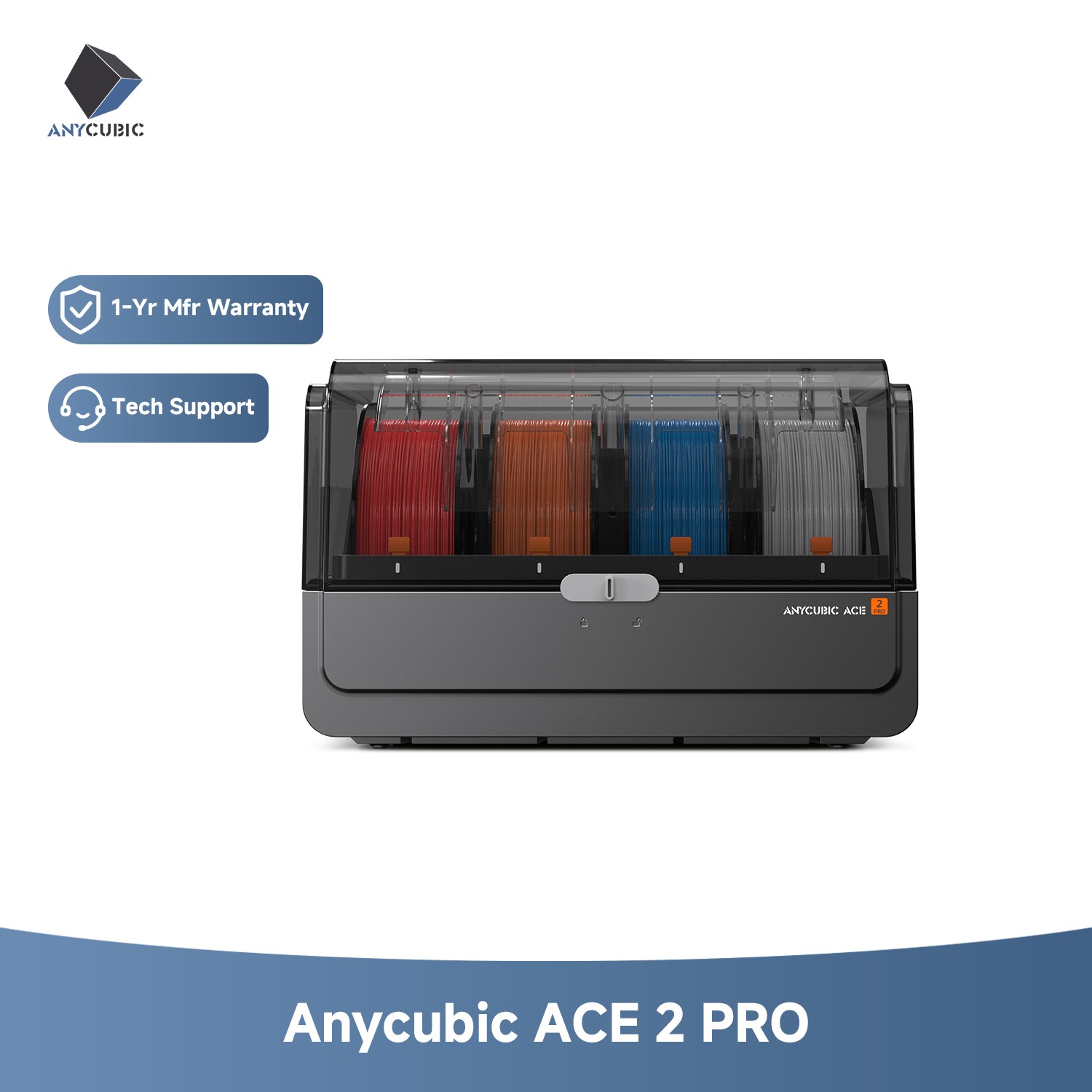 ANYCUBIC ACE 2 Pro Kobra X / S1 / 1 Max 3D Printer Auto Filament Dryer Anti-Clog$249.00New · Last checked Nov 17, 2026View on eBay
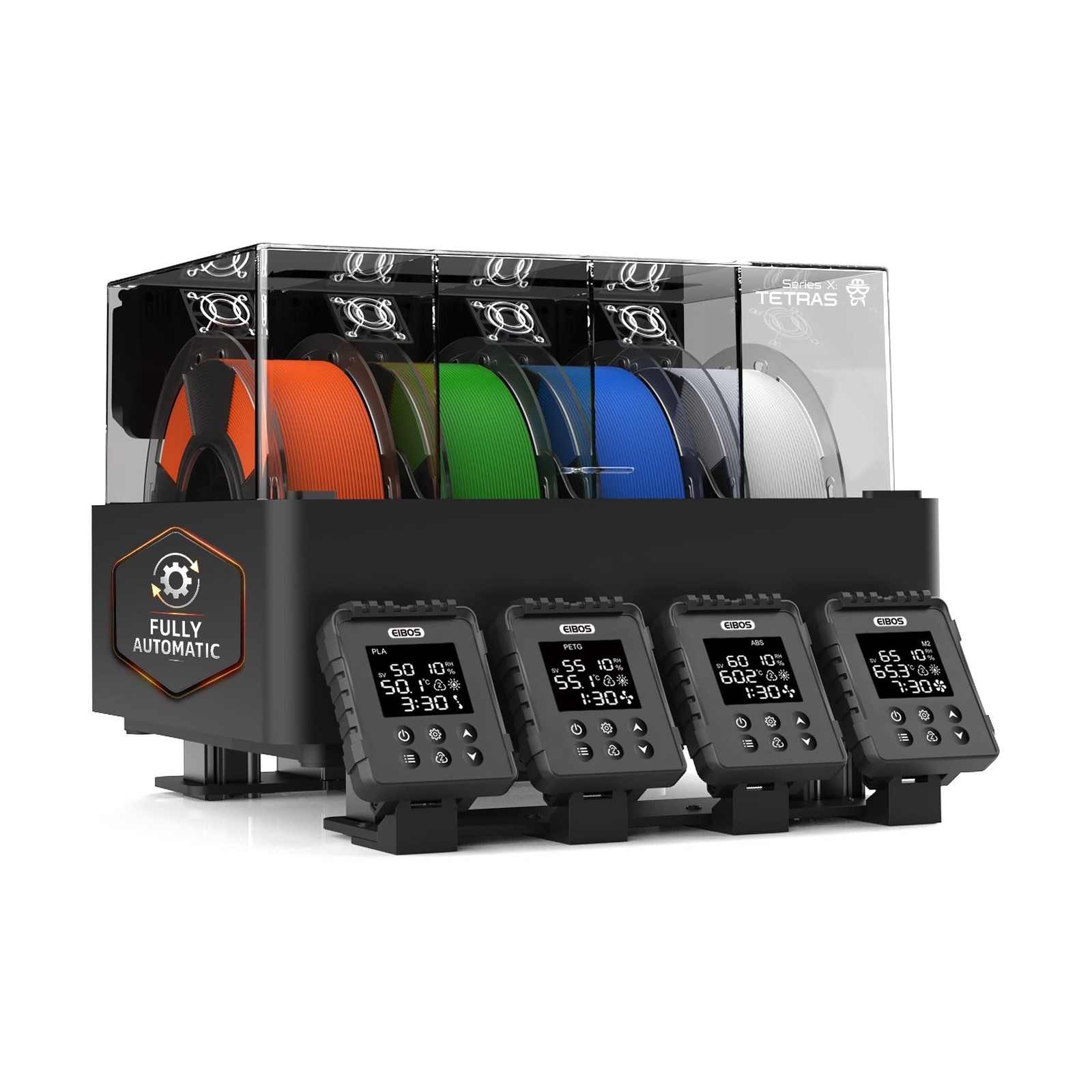 【EIBOS Official】 3D Printer Filament Dryer Tetras, AMS Heater Upgr$278.05New · Last checked Nov 17, 2026View on eBay
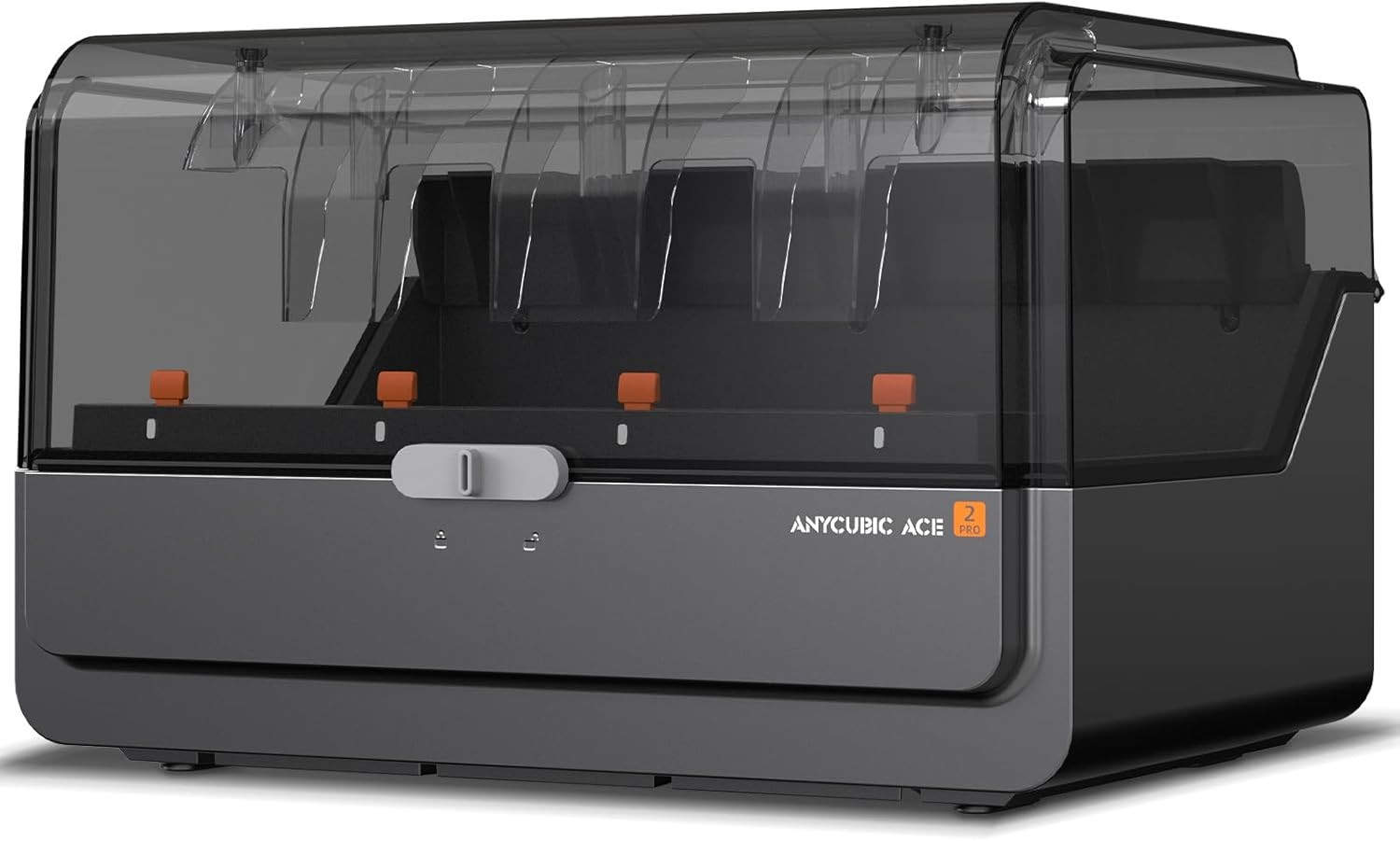 Anycubic ACE 2 Pro 3D Printer Filament Dryer Box, Compatible with Anycubic Kobra$294.39New · Last checked Nov 17, 2026View on eBay
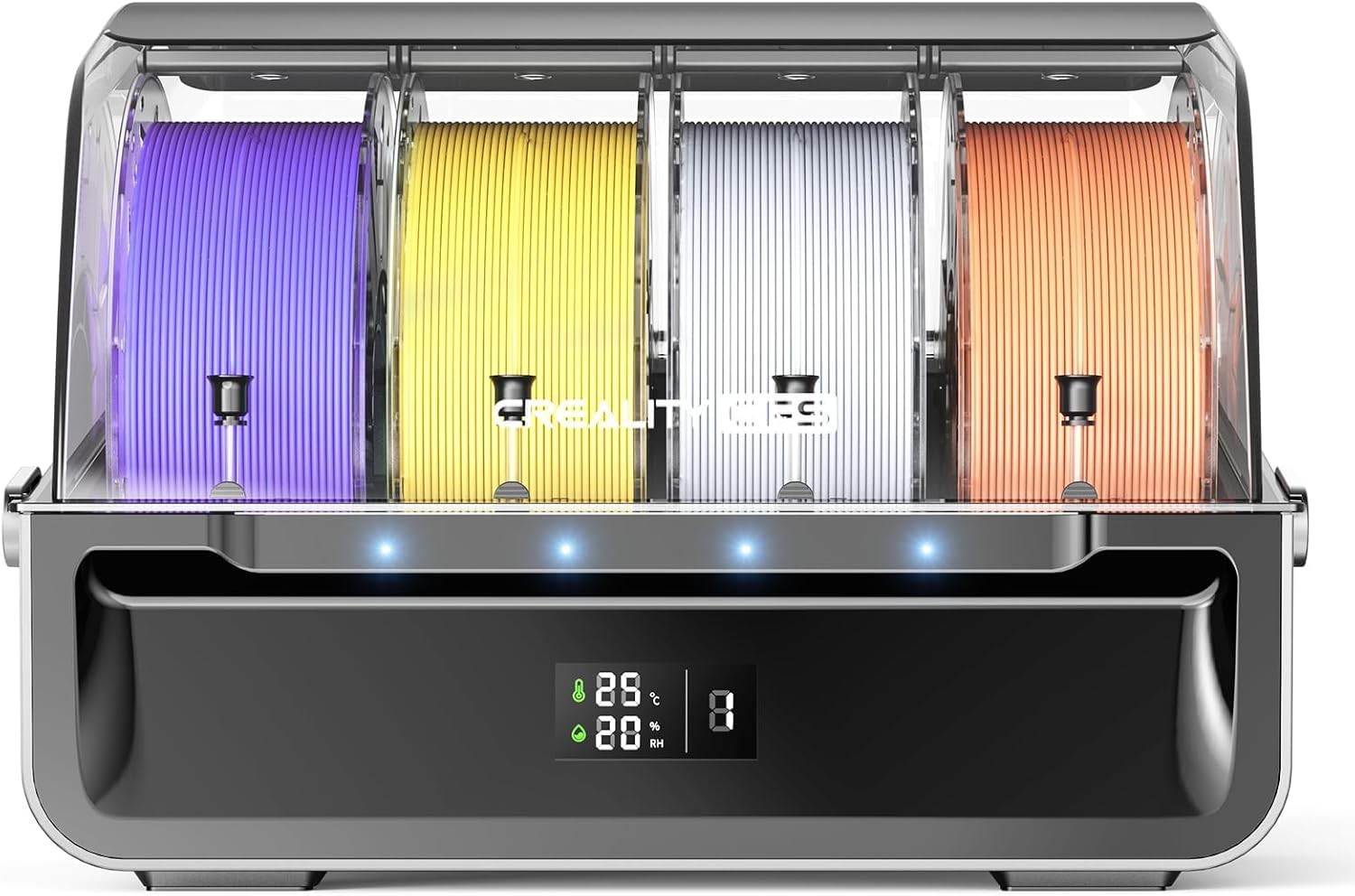 Creality Space Pi Filament Dryer 3D Printer Filament Dehydrator Storage Box Lot$299.00New · Last checked Nov 27, 2026View on eBay
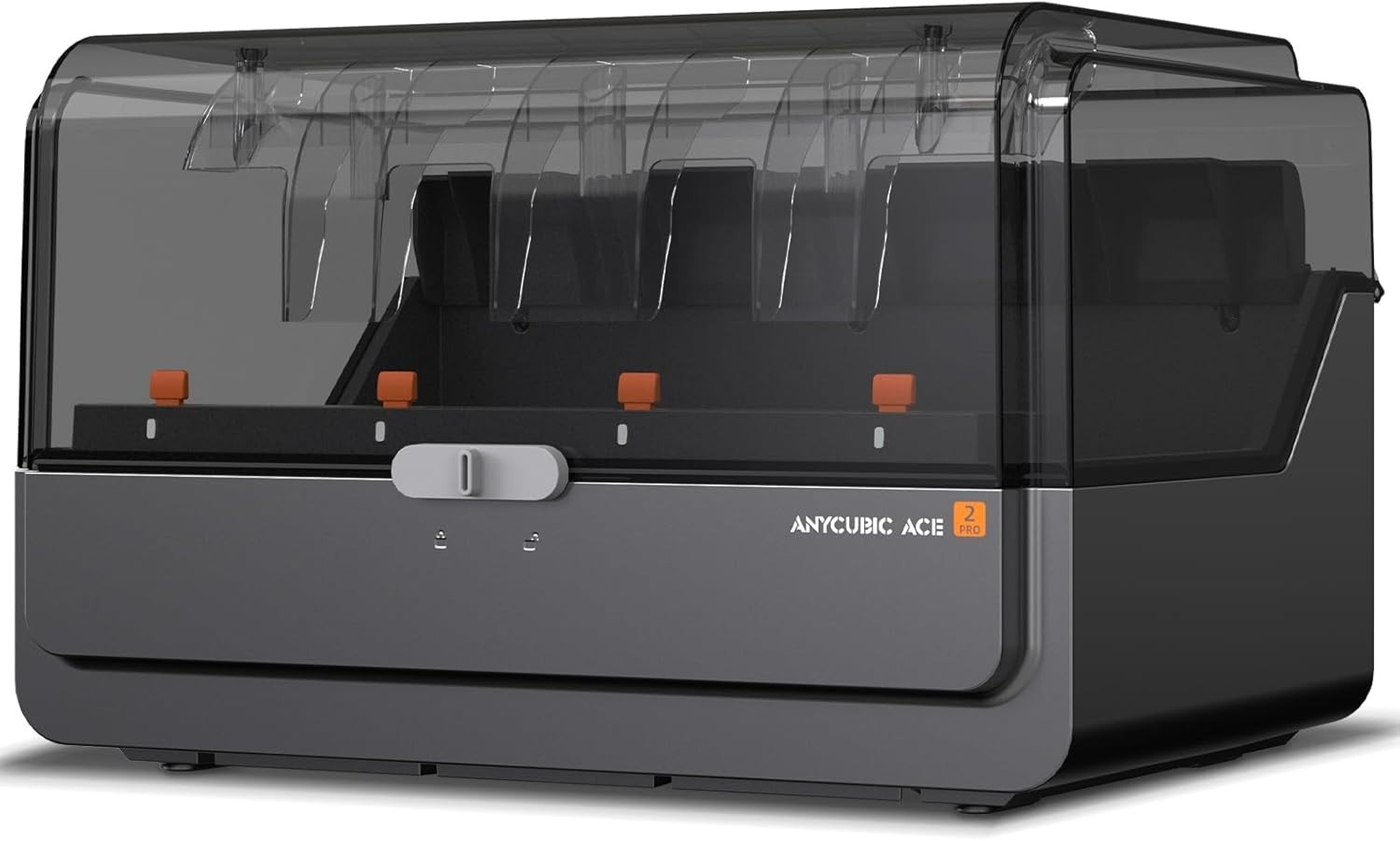 ACE 2 Pro 3D Printer Filament Dryer Box, Compatible with Anycubic Kobra S1 and K$415.99New · Last checked Nov 17, 2026View on eBay
Highlights
- Temperature ceiling is the decisive spec: PLA/PETG need 45–55°C, TPU 50–60°C, Nylon/PC/ABS require 70–90°C, and PVA shouldn't exceed 45°C — a 50°C-only unit cannot dry engineering plastics.
- Heating architecture splits into PTC ceramic heaters with fan-driven recirculation (faster, even drying) versus simple resistive plates (slower, hot-spot prone); sealed lids with silicone gaskets retain heat and stop re-absorption during cool-down.
- Capacity tiers are single-spool (1×1 kg), dual-spool (2×1 kg), and cabinet/rack units holding 3–4 spools; larger sealed chambers dry slower per spool unless paired with active airflow and higher wattage.
- Hygrometer accuracy matters: built-in RH sensors typically read ±5% and are for trend monitoring, not lab verification — a separate calibrated hygrometer is the reliable benchmark for dryness.
Best use cases
- Best fit: single-spool desktop dryer with 45–70°C range and sealed lid for PLA/PETG/TPU hobbyists printing a few hours a week — skip multi-spool cabinets that cost more and dry slower per spool.
- Best fit: dual-spool or 3–4 spool sealed cabinet with 70–90°C ceiling and fan circulation for Nylon, PC, ABS, or print-farm operators running engineering filaments daily.
- Best fit: dry-box style passive storage with desiccant for keeping already-dried spools ready between prints; this is not a dryer and won't remove moisture from wet filament.
- Wrong fit: any unit without a lid gasket or with a 50°C maximum for Nylon/PC/ABS — the filament will never reach drying temperature and may absorb more moisture during cool-down.
Buying tips
- Match max temperature to filament: ≥70°C for PETG/Nylon/PC/ABS, 45–55°C for PLA and PVA, 50–60°C for TPU; a 50°C-only dryer limits you to PLA and TPU.
- Choose PTC ceramic heating with a fan over bare resistive plates — forced-air recirculation reduces drying time from many hours to roughly 2–6 hours and evens chamber temperature.
- Prefer sealed chambers with silicone lid gaskets and a latch; unsealed units lose heat and re-humidify filament during the cool-down phase.
- For multi-spool work, pick a cabinet/rack dryer rated for 3–4 spools with active airflow; passive multi-spool boxes dry far slower per spool than single-spool forced-air units.
Specs
| Max Temperature | 45–90°C (filament-dependent) |
|---|---|
| Heating Type | PTC ceramic + fan vs resistive plate |
| Spool Capacity | 1-spool, 2-spool, or 3–4 rack cabinet |
| Chamber Seal | Gasketed lid + latch vs open tray |
Related searches
What to check before buying
- Measure your spool diameter and width (standard 1 kg spools are ~200 mm dia × 65–75 mm wide) and confirm the chamber fits them with clearance for rotation or rack slots.
- Confirm your wall voltage and plug standard (120 V US vs 230 V EU/UK) and that the unit's wattage is safe on your circuit — high-wattage cabinets may need a dedicated outlet.
- Check filament compatibility against the dryer's max temperature: Nylon/PC/ABS need 70–90°C, PLA/PETG 45–60°C, PVA ≤45°C.
- Plan companion parts: a separate calibrated hygrometer, spare desiccant packs, and a sealed dry box for post-drying storage.
FAQ
Data sources: eBay / Amazon listings and product attribute feeds. Updated Nov 28, 2026.
Some links on this page are affiliate links. If you buy after clicking one, we may earn a commission at no extra cost to you. This does not change which products appear here or their order. Affiliate disclosure.