
Photos from current listings. Actual item, color, and included accessories may vary.
Turntable Buying Guide
A turntable is a precision electro-mechanical instrument where the drive system, tonearm bearings, and cartridge determine sound quality and record wear. The core trade-off is between automatic convenience (belt-drive with plastic sub-chassis) and audiophile adjustability (direct-drive or heavy belt-drive with metal plinth and adjustable counterweight). Choose automatic belt-drive for plug-and-play casual listening; choose direct-drive or manual belt-drive with a counterweight for vinyl preservation and upgrade paths.
Median $200.00 · New listings
Key takeaways
- Belt-drive motors isolate vibration but need a speed check; direct-drive quartz-locked motors hold speed within 0.01% and suit DJ use and pitch stability.
- A counterweighted tonearm with adjustable anti-skate tracks at 1.5–2.5 g and protects records; spring-loaded or fixed counterweights on entry decks accelerate groove wear.
- Bluetooth and USB outputs add wireless streaming or digitization but bypass the internal phono stage only on models with a dedicated switchable preamp.
At a glance
- Category
- Turntables & Record Players
- Last updated
- Nov 25, 2026
Current offers
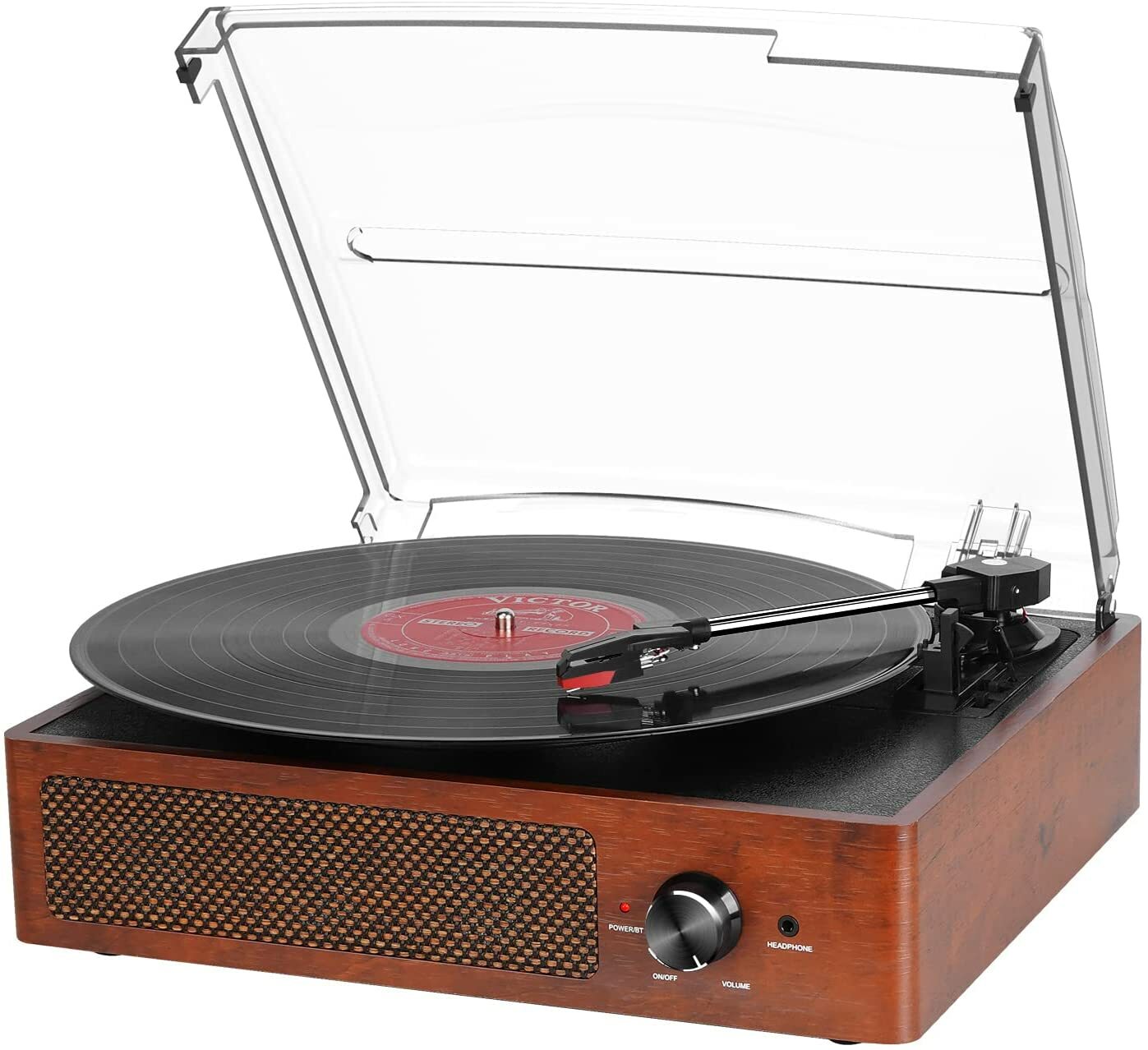 Bluetooth Record Player Belt-Driven 3-Speed Turntable, with Headphone Jack$54.99View on eBay
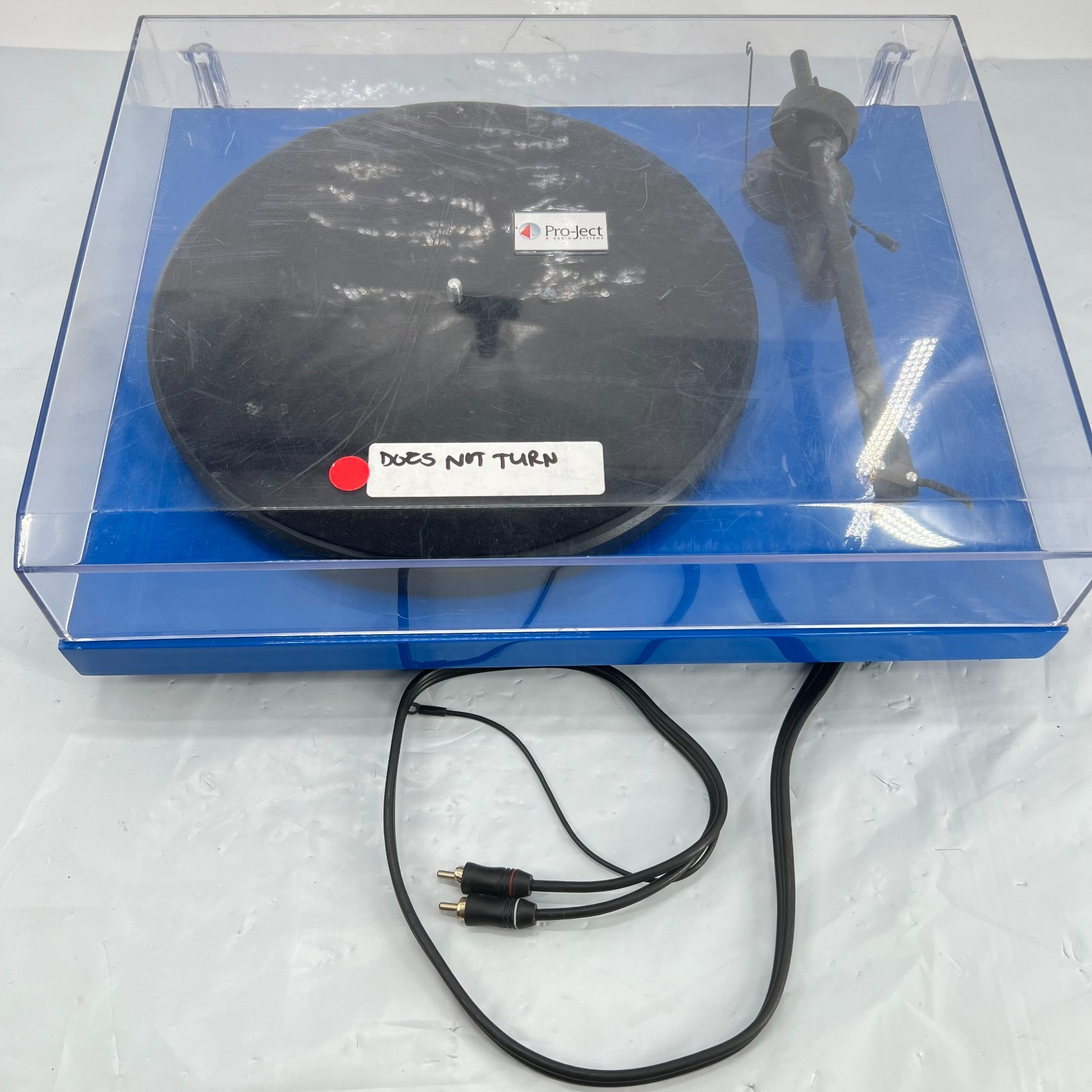 Pro-Ject Debut III Audiophile Turntable Record Player No. 226539$140.00View on eBay
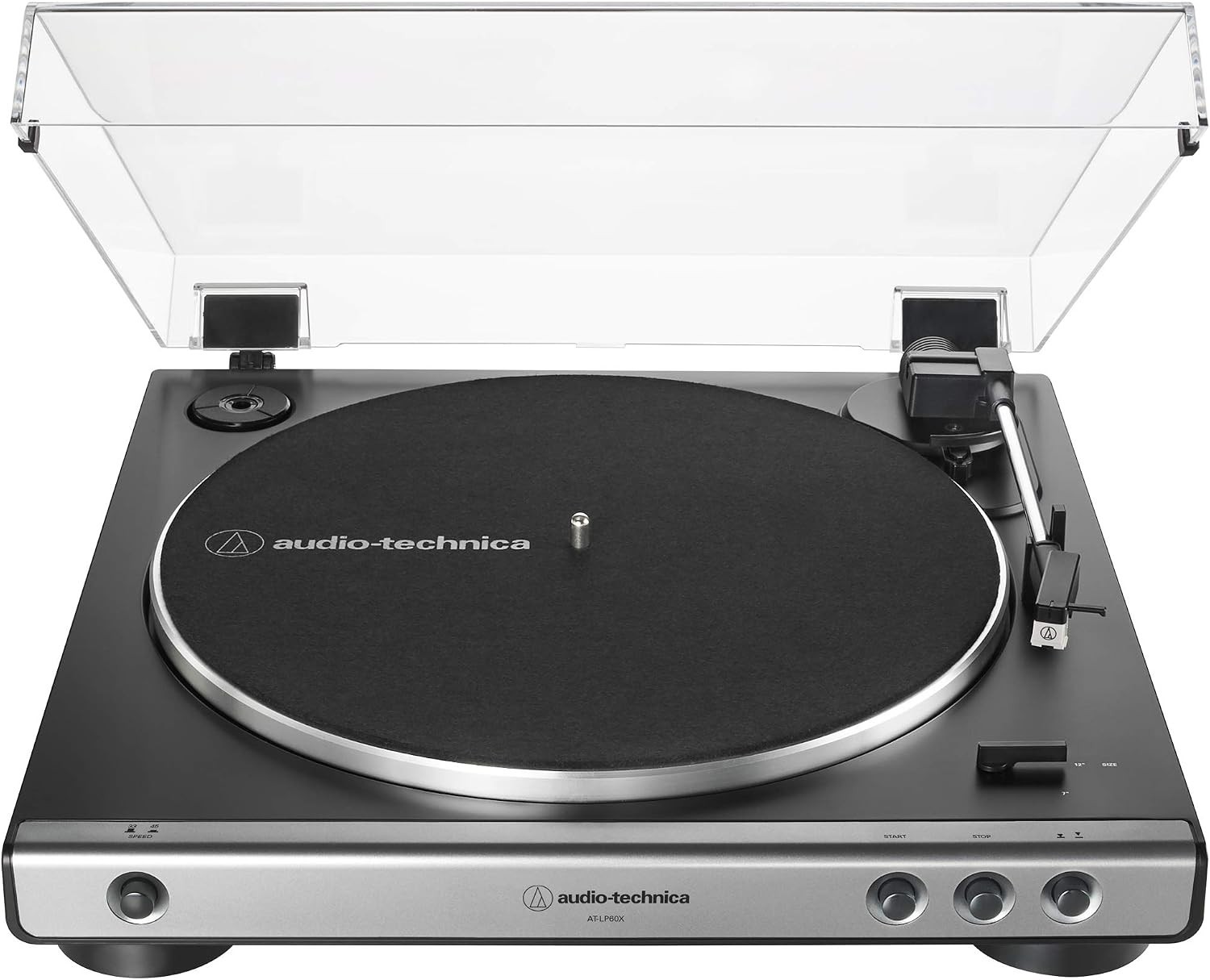 Audio-Technica AT-LP60X Fully Automatic Belt-Drive Turntable - Gunmetal$164.00View on eBay
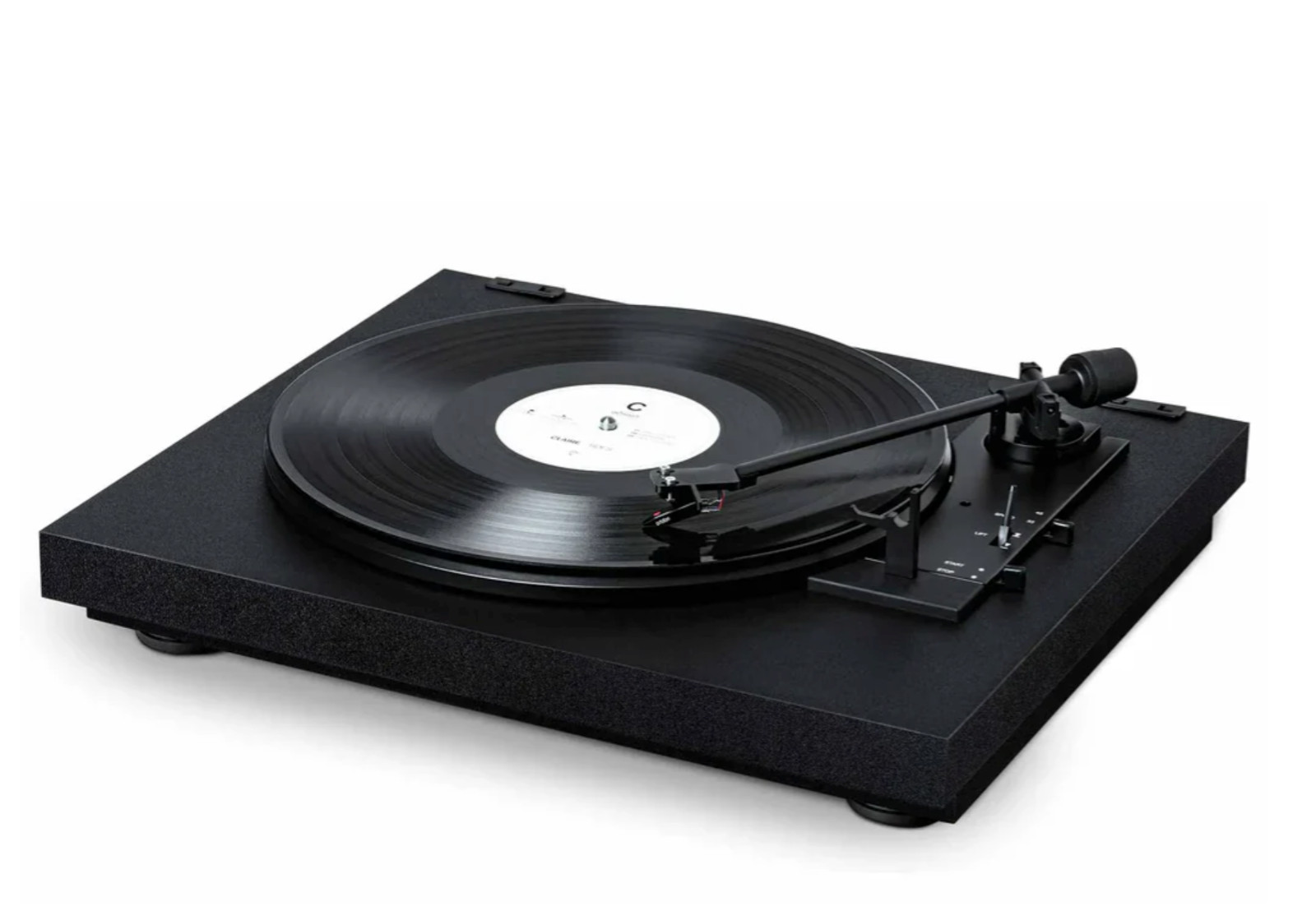 Pro-Ject Automat A1 Fully Automatic Belt-Drive Turntable$199.00View on eBay
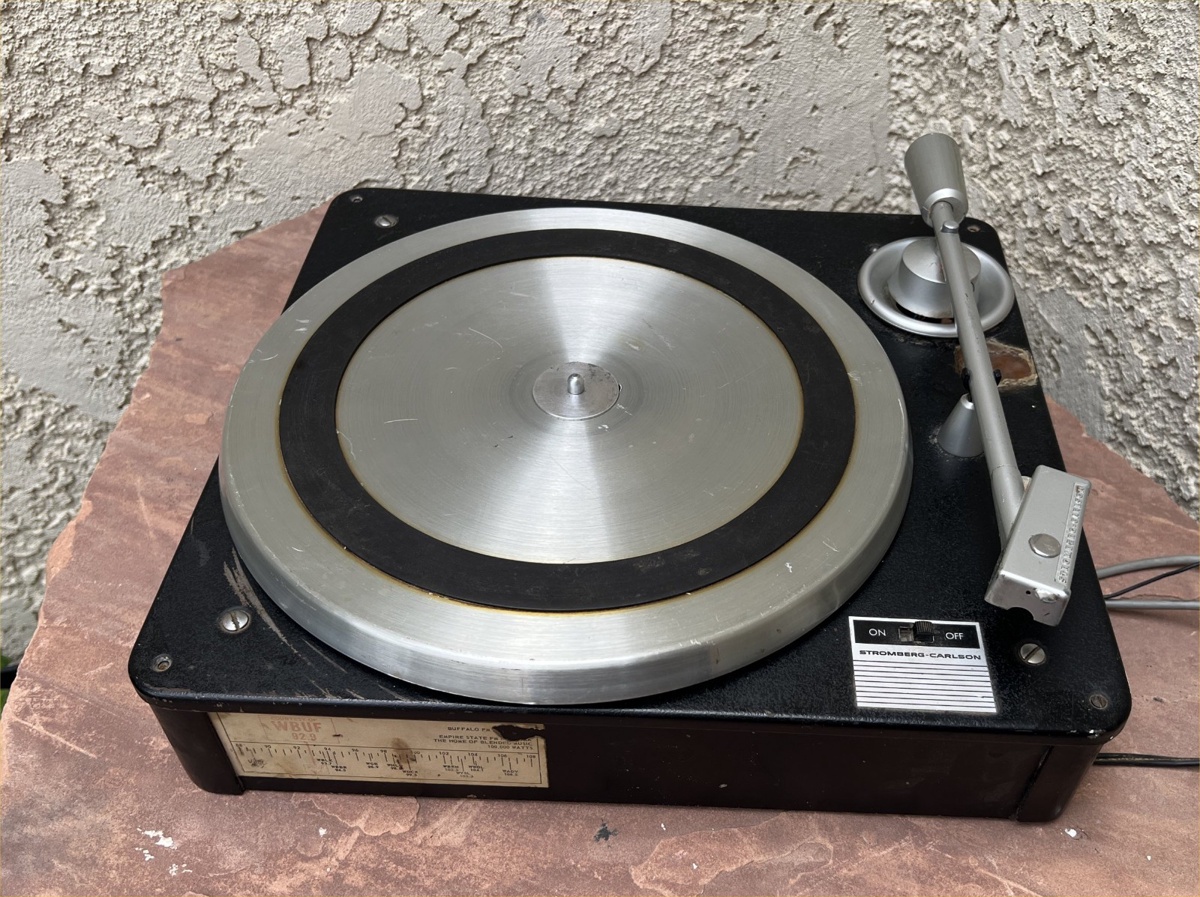 STROMBERG CARLSON PR-500 Rare 1950's Audiophile Turntable Restoration Required$200.00Last checked Nov 18, 2026View on eBay
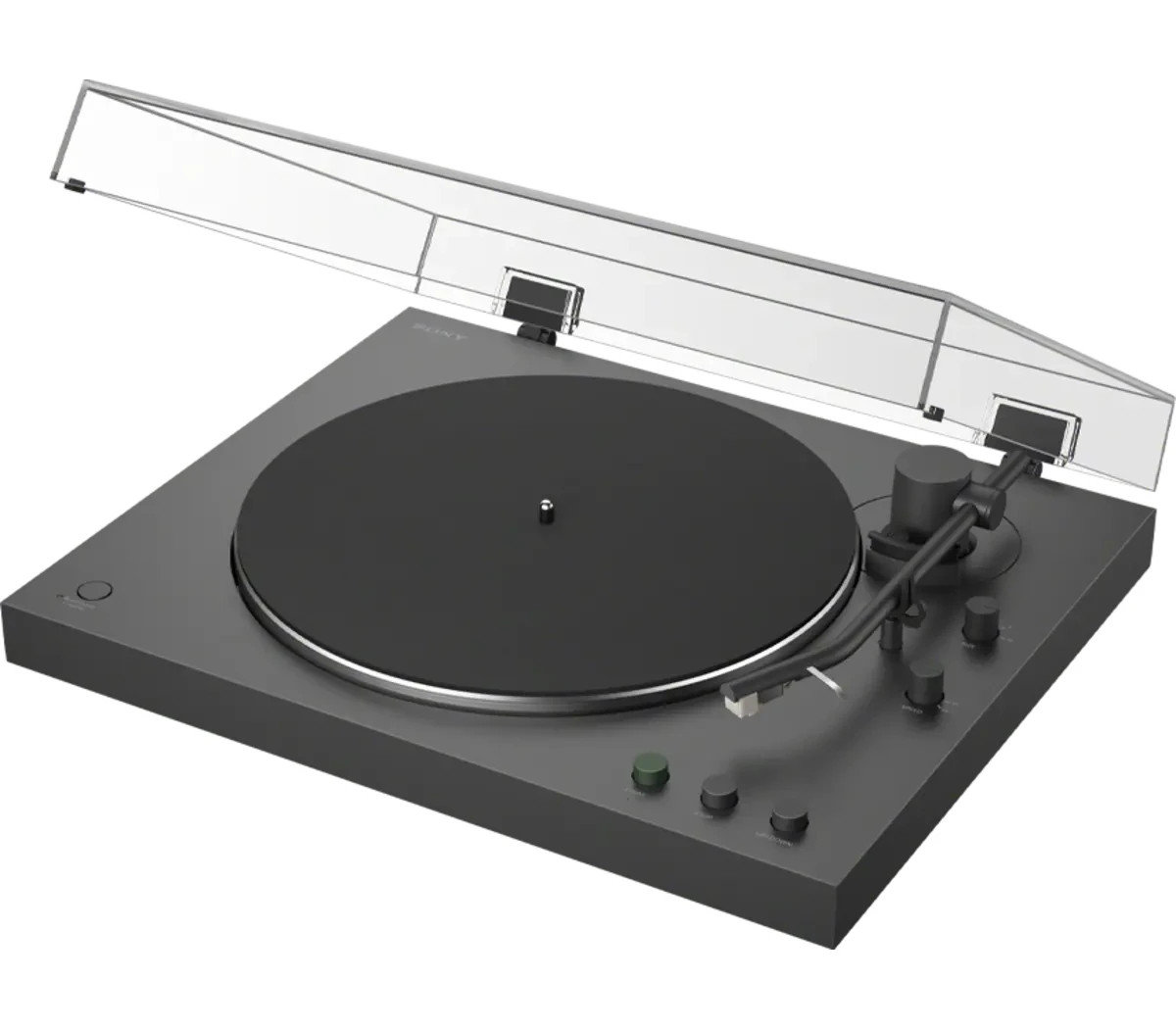 Sony PS-LX3BT Automatic Wireless Vinyl Record Player Bluetooth USB Turntable$219.00Last checked Nov 18, 2026View on eBay
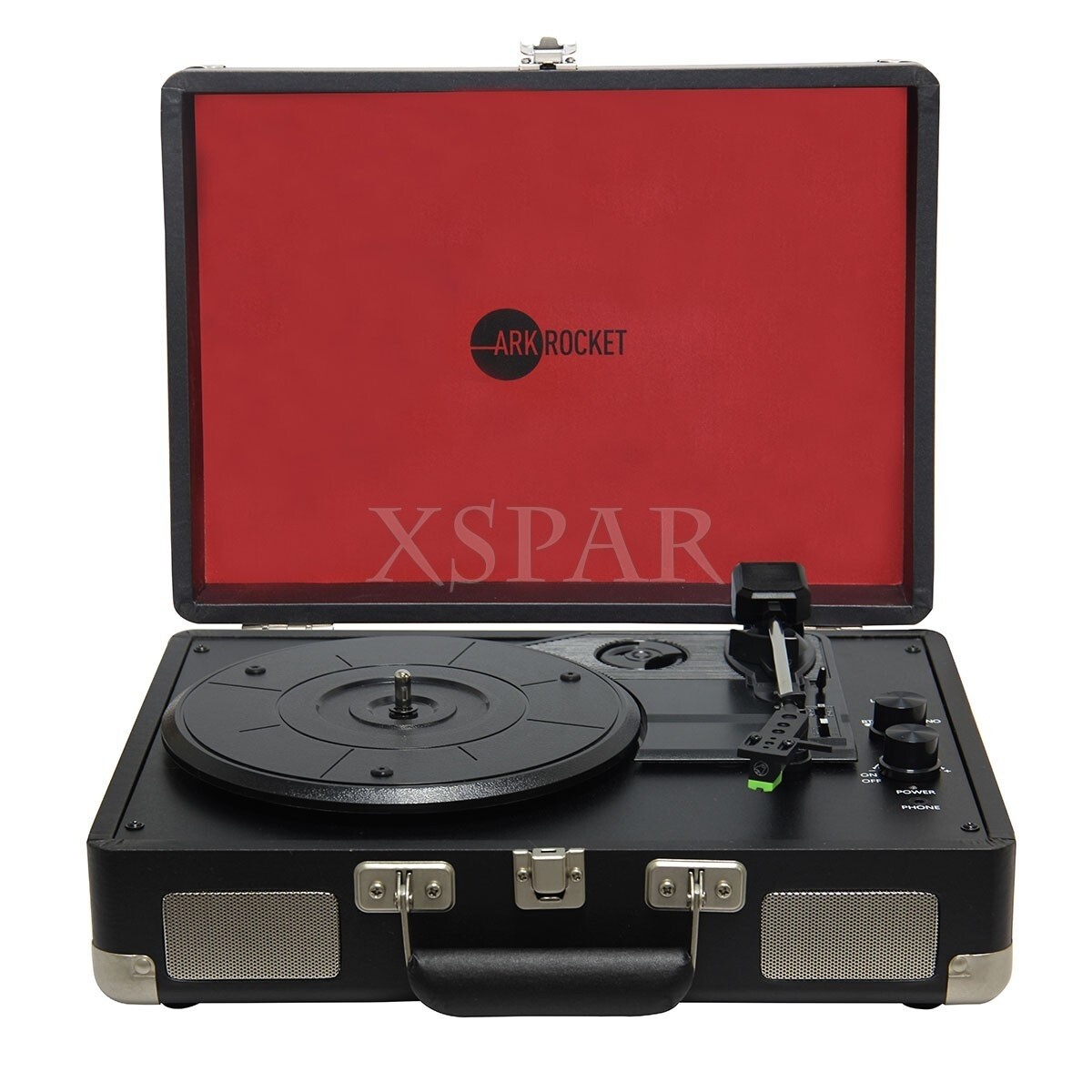 Curiosity Suitcase Turntable with Speakers Record Player for Arkrocket *gi$276.09New · Last checked Nov 20, 2026View on eBay
- Curiosity Suitcase Turntable with Speakers Record Player for Arkrocket #sqm$291.37New · Last checked Nov 20, 2026View on eBay
- Curiosity Suitcase Turntable with Speakers Record Player for Arkrocket #jg$342.83New · Last checked Nov 20, 2026View on eBay
Highlights
- Belt-drive motors isolate vibration but need a speed check; direct-drive quartz-locked motors hold speed within 0.01% and suit DJ use and pitch stability.
- A counterweighted tonearm with adjustable anti-skate tracks at 1.5–2.5 g and protects records; spring-loaded or fixed counterweights on entry decks accelerate groove wear.
- Bluetooth and USB outputs add wireless streaming or digitization but bypass the internal phono stage only on models with a dedicated switchable preamp.
- Vintage direct-drive decks (Technics SL-1200 lineage, Pioneer PL series) use die-cast aluminum platters and serviceable motors; restoration cost often exceeds a new entry deck.
Best use cases
- Best fit: casual listener who wants to play records over Bluetooth speakers — pick a fully automatic belt-drive with built-in switchable preamp and Bluetooth (e.g., AT-LP60XBT class). Skip manual decks with no preamp.
- Best fit: vinyl collector prioritizing record longevity and upgradeability — pick a manual belt-drive with adjustable counterweight, anti-skate, and replaceable cartridge (Pro-Ject Debut class). Skip p-mount fixed-cartridge tables.
- Best fit: DJ or scratch performer — pick a direct-drive with high-torque motor, quartz lock, and slipmat-ready platter. Skip belt-drive, which stalls under back-cueing.
- Wrong fit: buying a vintage unrestored deck as a first turntable — budget for a new stylus, belt, and tonearm rewire before first play.
Buying tips
- Match cartridge tracking force to tonearm mass: high-compliance cartridges (1.0–1.5 g) need low-mass arms; low-compliance (2.0–2.5 g) suit medium-mass arms for stable tracking.
- Verify the built-in preamp has a line/aux output and a phono/line switch — without it, you need a separate phono stage to connect to powered speakers.
- For belt-drive, confirm the platter is at least 1.2 kg die-cast aluminum or MDF; lightweight stamped platters transmit motor noise and warp speed.
- Check speed accuracy specs: quartz-locked direct-drive should be ±0.01% or better; belt-drive with servo should be ±0.5% or better.
Specs
| Drive Type | Belt-drive vs Direct-drive |
|---|---|
| Operation | Automatic / Semi-auto / Manual |
| Tonearm | Counterweighted vs Fixed |
| Output | Phono / Line / Bluetooth / USB |
Related searches
What to check before buying
- Measure shelf or stand depth and height clearance: most decks need 40–45 cm width, 35–40 cm depth, and 10–15 cm height for dust cover opening.
- Confirm voltage and plug type for your region — vintage Japanese decks are often 100 V and need a step-down transformer.
- Check whether your speakers are powered or passive: passive speakers require an amplifier with a phono input or a separate phono preamp.
- Verify the deck sits on a level, non-resonant surface away from speaker vibration — belt-drive is more sensitive to footfall skip than direct-drive.
FAQ
Data sources: eBay / Amazon listings and product attribute feeds. Updated Nov 25, 2026.
Some links on this page are affiliate links. If you buy after clicking one, we may earn a commission at no extra cost to you. This does not change which products appear here or their order. Affiliate disclosure.