
Photos from current listings. Actual item, color, and included accessories may vary.
Outdoor Projector Screen Buying Guide
An outdoor projector screen is a portable or semi-permanent projection surface designed for backyard movie nights and patio use, where wind resistance, wrinkle control, and stand stability matter more than in a dark indoor room. The core trade-off is between thick, weighted PVC-style surfaces with rigid frames and thin polyester fabric screens that fold small but wrinkle and flap. The clear rule: choose a screen with a tensioned frame or weighted base and a matte-white surface rated 1.0-1.3 gain for front projection unless you specifically need rear projection.
Median $72.99
Key takeaways
- 16:9 aspect ratio is standard for HD/4K home theater; 4:3 remains only for legacy presentations and should be skipped for movie use.
- Wrinkle-free performance comes from tensioned frames or weighted bottom pockets, not from fabric thickness alone—foldable fabric screens need at least 3-4 tension points.
- Portable stand screens typically use aluminum or steel tripod/quadpod legs with a max height around 80-100 in; freestanding inflatable or airscreen frames resist wind better above 10 mph.
At a glance
- Category
- Projectors & Screens
- Last updated
- Nov 29, 2026
Current offers
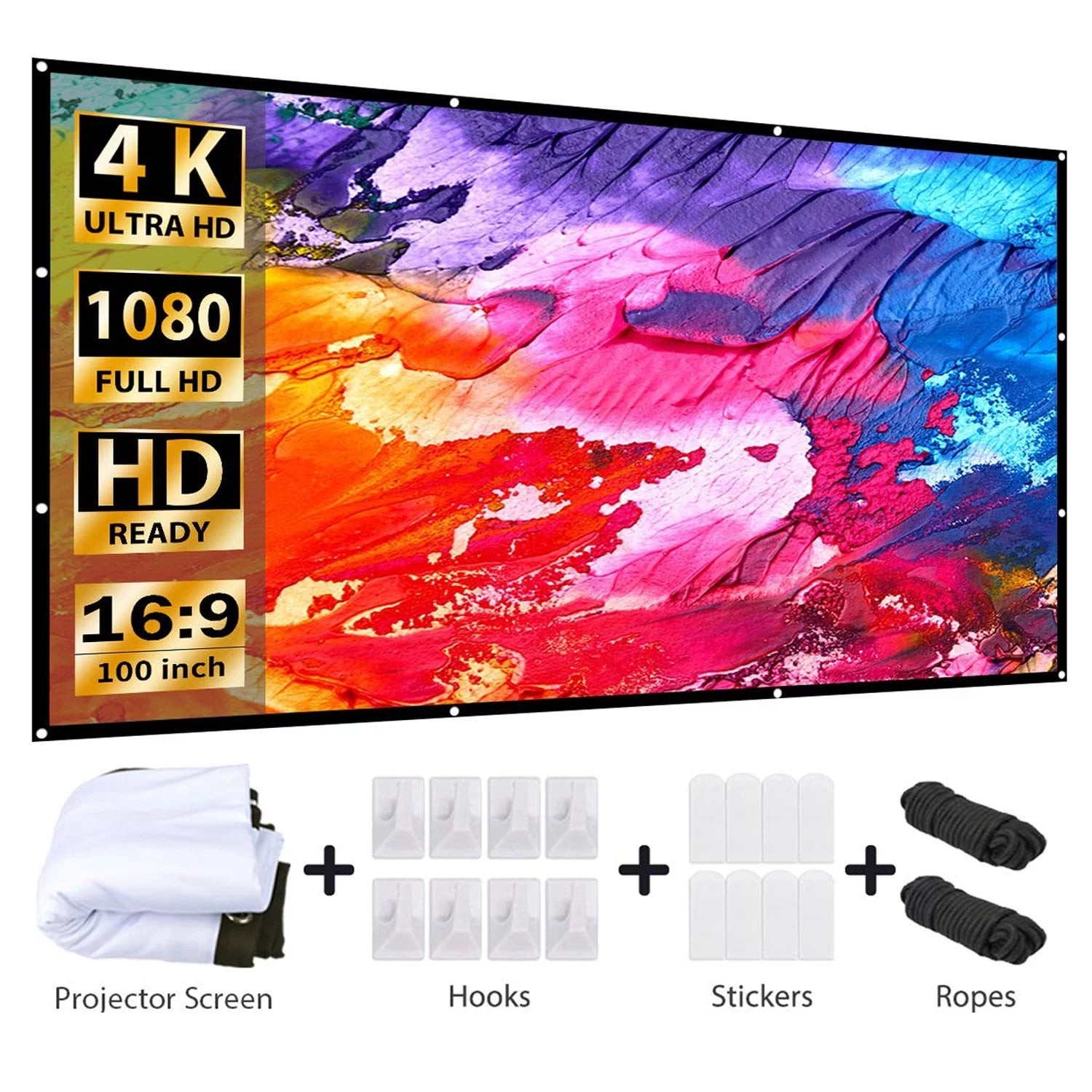 VANKYO 100'' Foldable Projector Screen 16:9 HD Outdoor Home Theater 3D Movie$7.39View on eBay
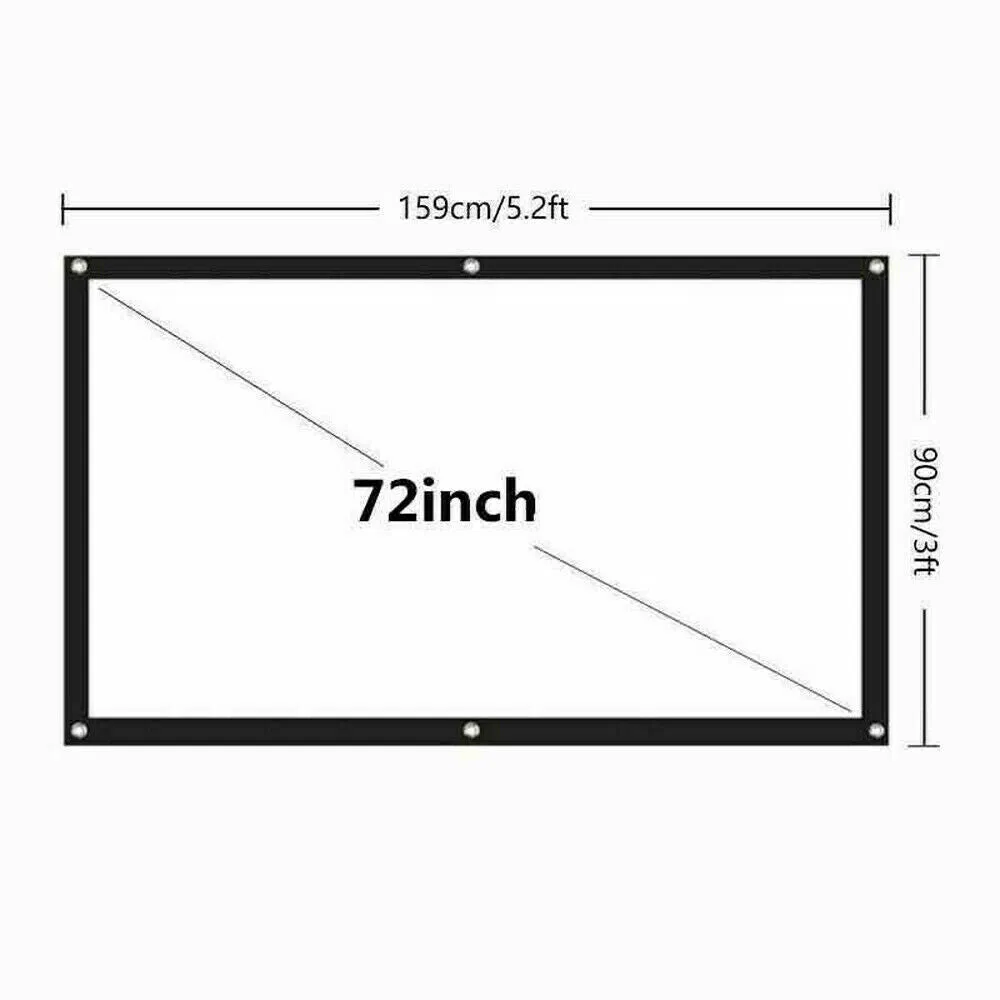 Portable Foldable Projector Screen 16:9 HD Outdoor Home Cinema Theater 3D Movie$21.99View on Mallflare
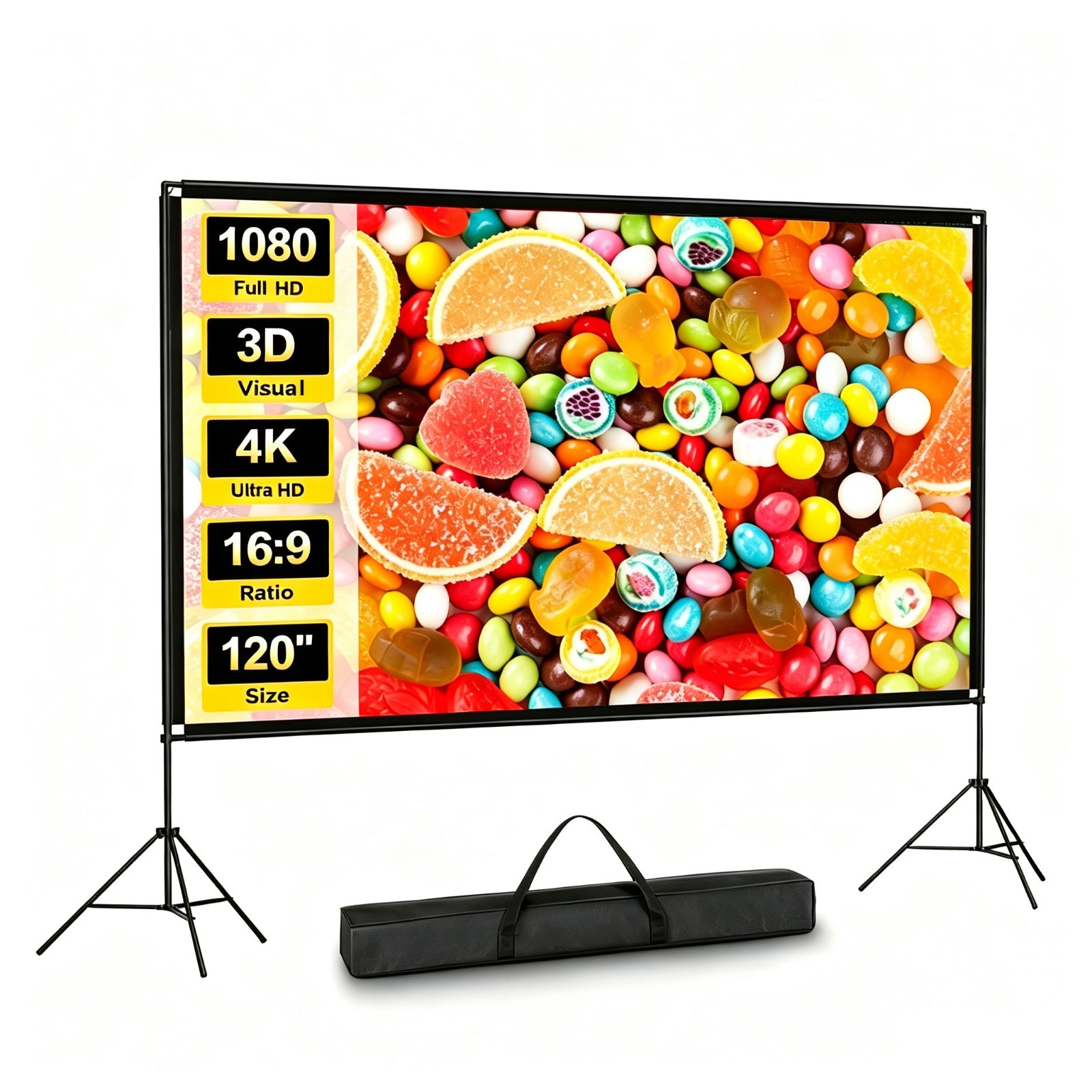 120 inch Outdoor Projector Screen with Stand Foldable Projector Screen 16:9 HD$59.99View on eBay
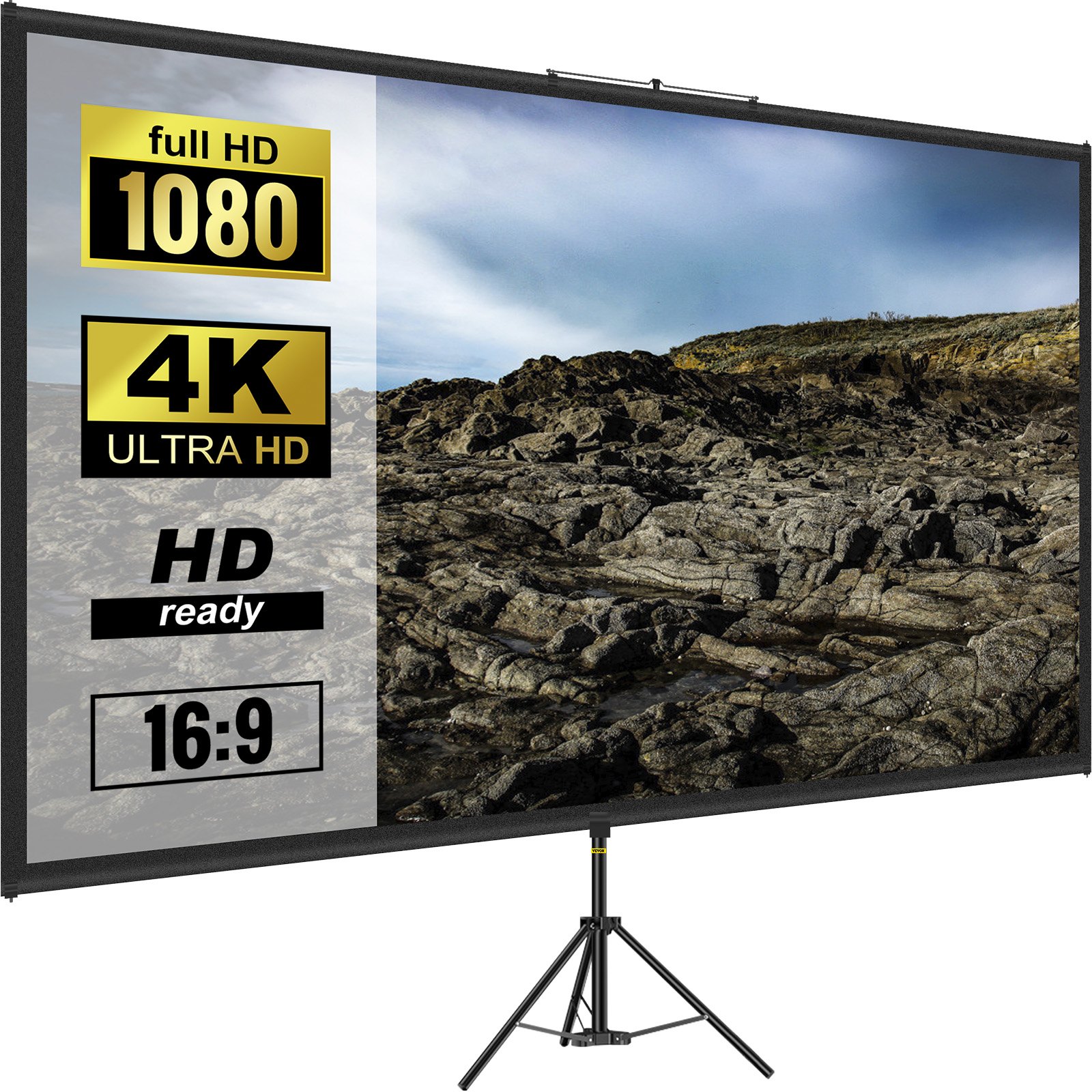 Tripod Projector Screen With Stand 60 Inch 16:9 4K HD Projection Wrinkle-Free Height Adjustable Portable For Indoor & Outdoor For Movie, Home Cinema, Gaming, Office$36.99View on Mallflare
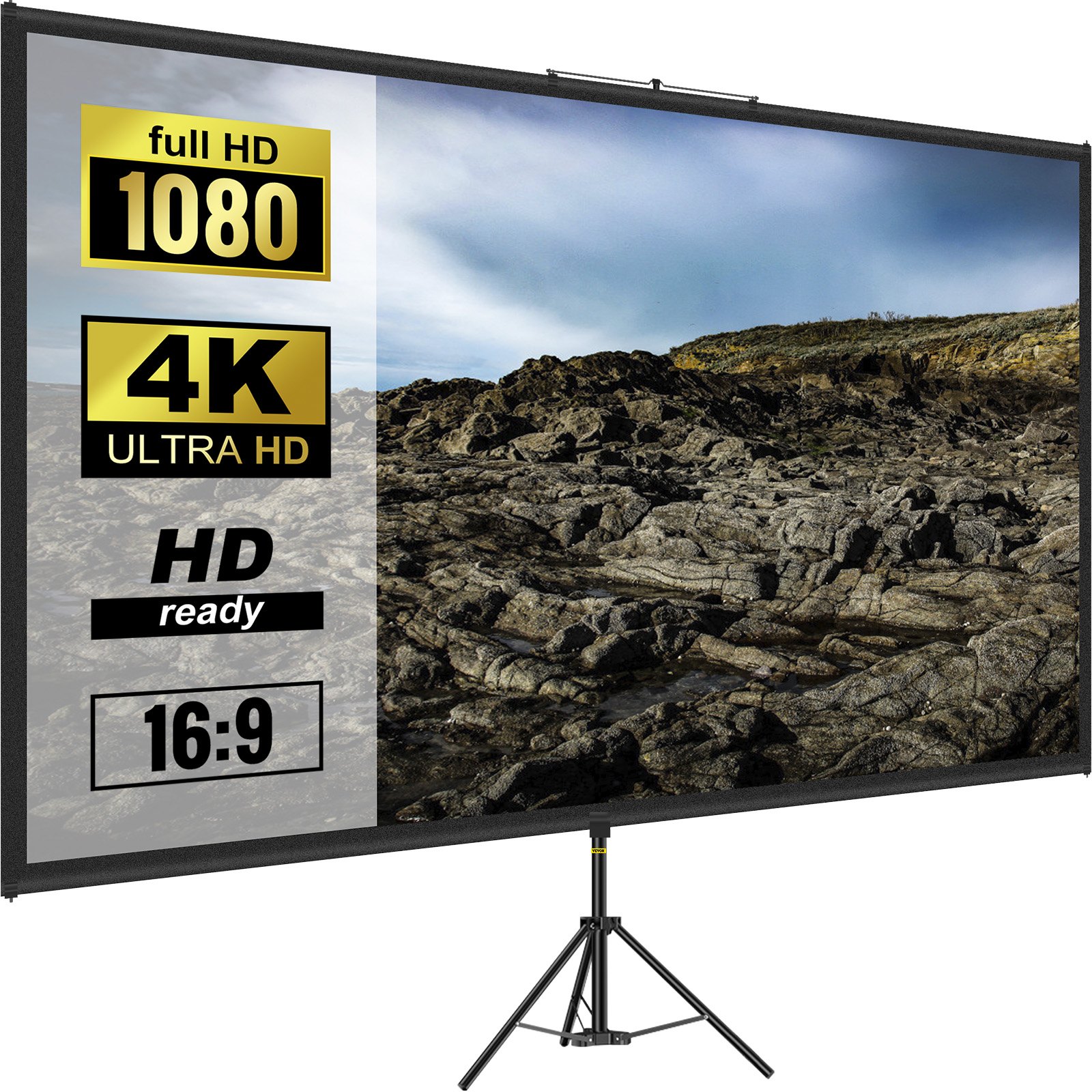 Tripod Projector Screen With Stand 110inch 16:9 4K HD Projection Wrinkle-Free Height Adjustable Portable For Indoor & Outdoor For Movie, Home Cinema, Gaming, Office$48.99View on Mallflare
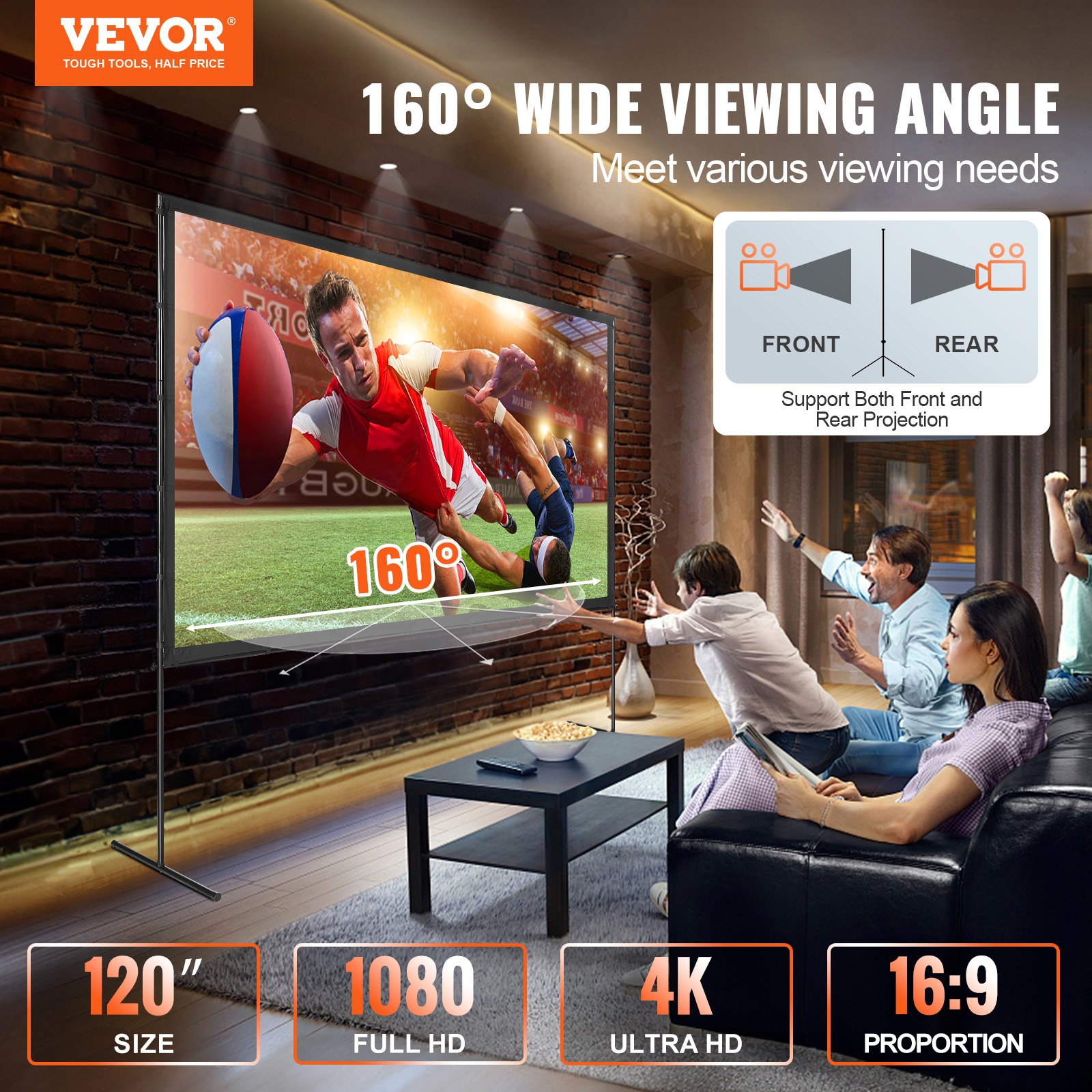 VEVOR Projector Screen With Stand, 120 Inch 4K 1080 HD Outdoor Movie Wrinkle-Free Projection Bar Feet And Carry Bag, For Home Theater Cinema Backyard Night$67.99View on Mallflare
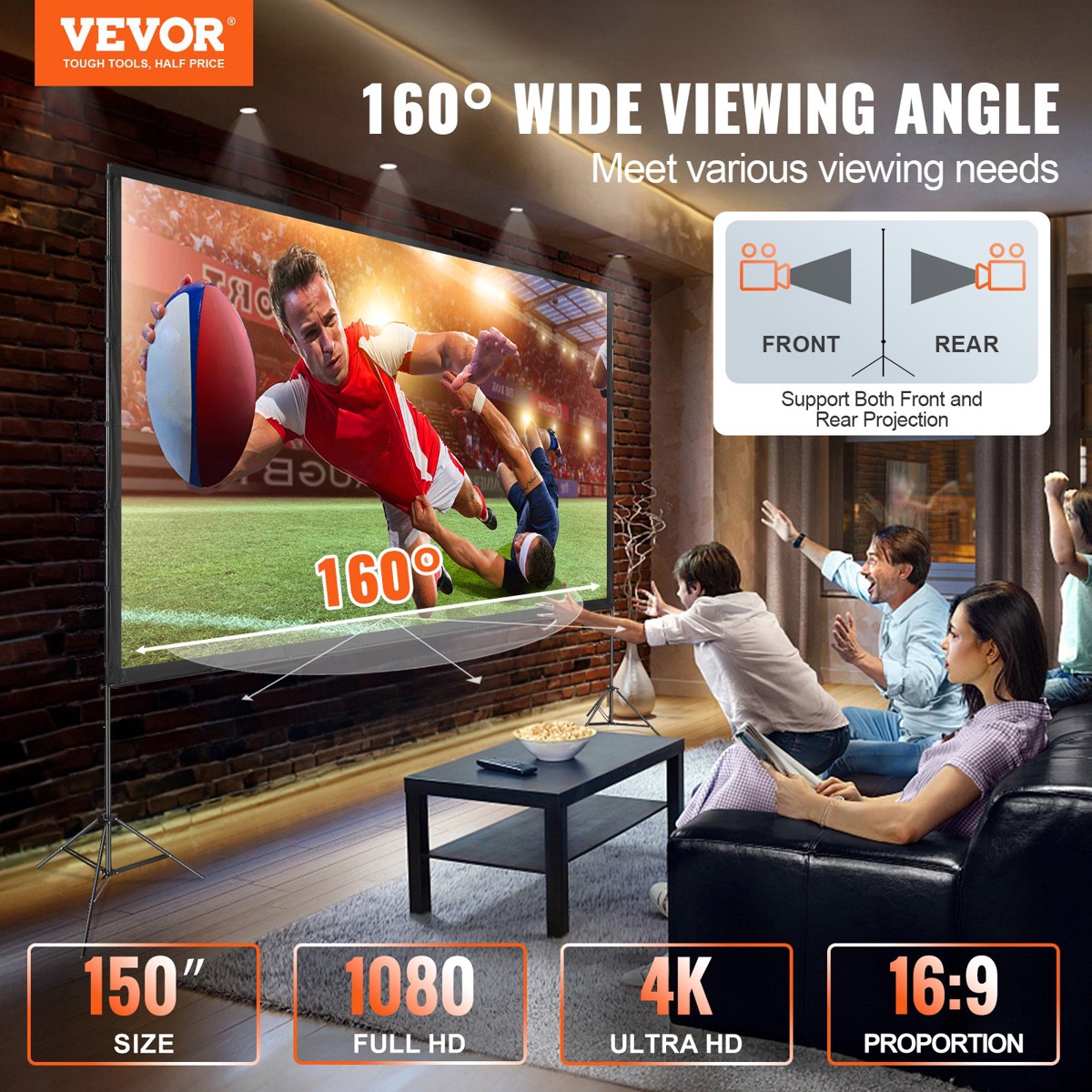 Projector Screen With Stand, 150 Inch 16 9 4K 1080 HD Outdoor Movie Wrinkle-Free Projection Tripods And Carry Bag, For Home Theater Cinema Backyard Night$70.99View on Mallflare
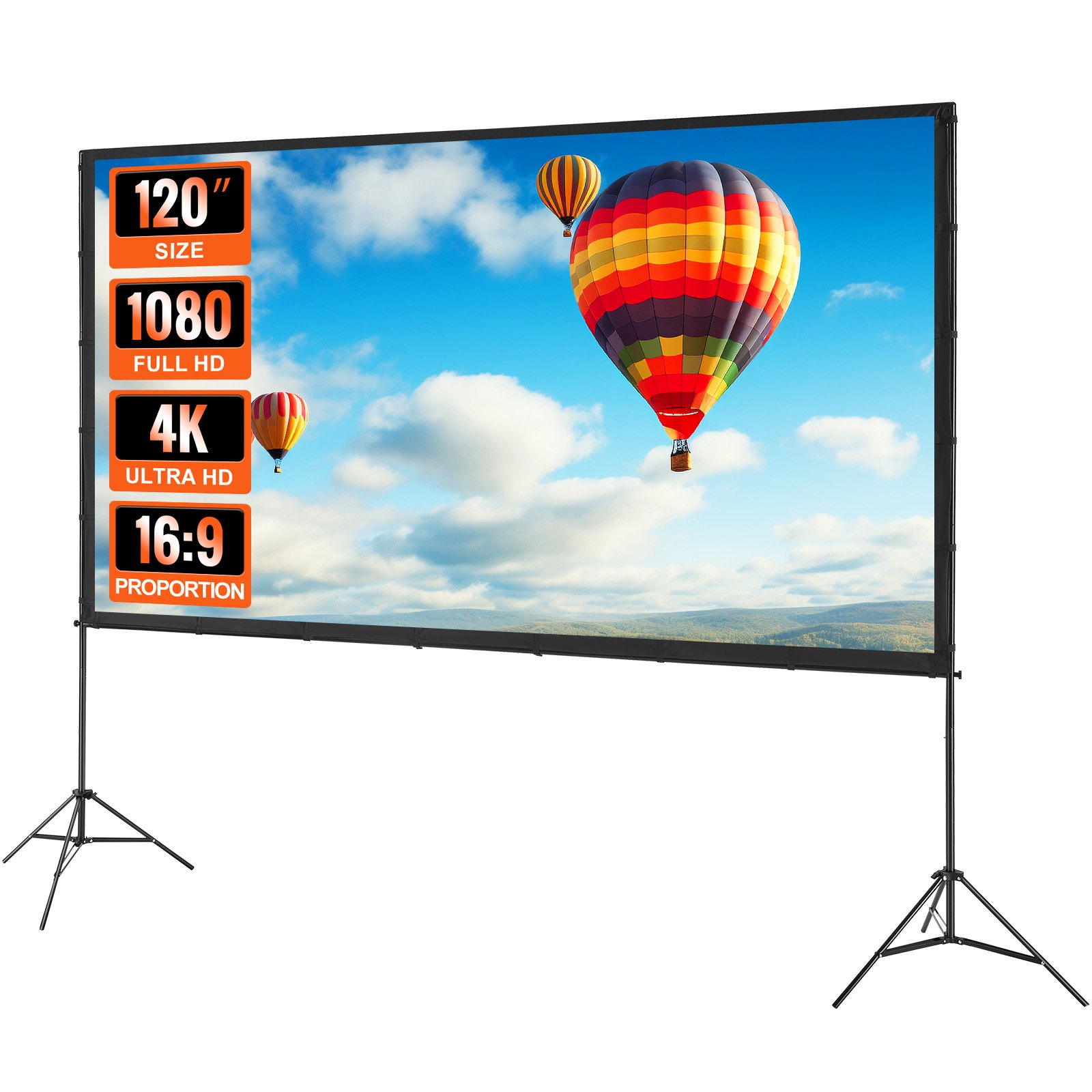 Projector Screen With Stand, 120 Inch 16:9 4K 1080 HD Outdoor Movie Wrinkle-Free Projection Tripods And Carry Bag, For Home Theater Cinema Backyard Night$74.99View on Mallflare
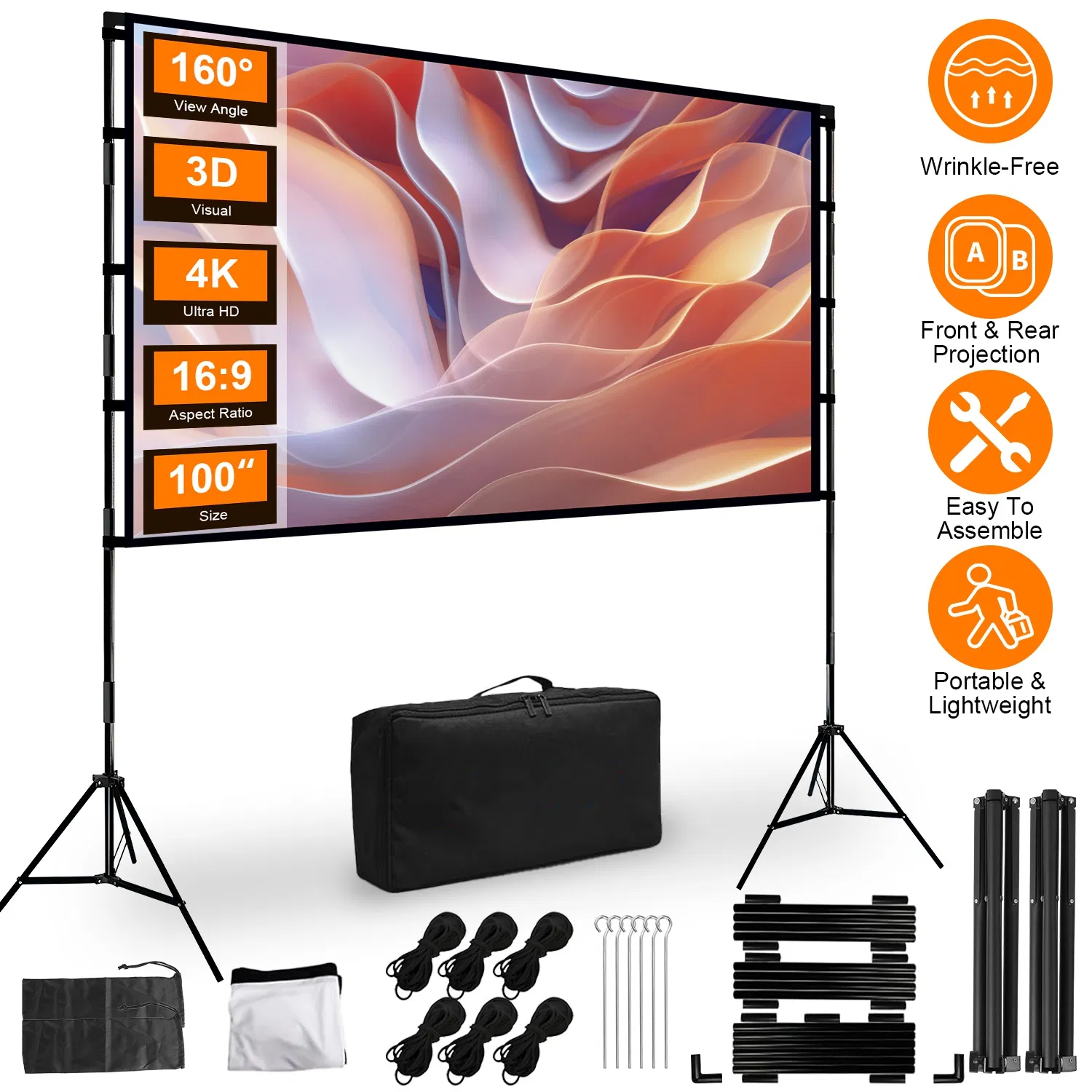 100inch 120inch Options Projector Screen With Stand 4K HD Rear Front Wrinkle-Free Portable And Foldable Movie Carry Bag For Indoor Outdoor Home Theater Backyard Cinema$87.99View on Mallflare
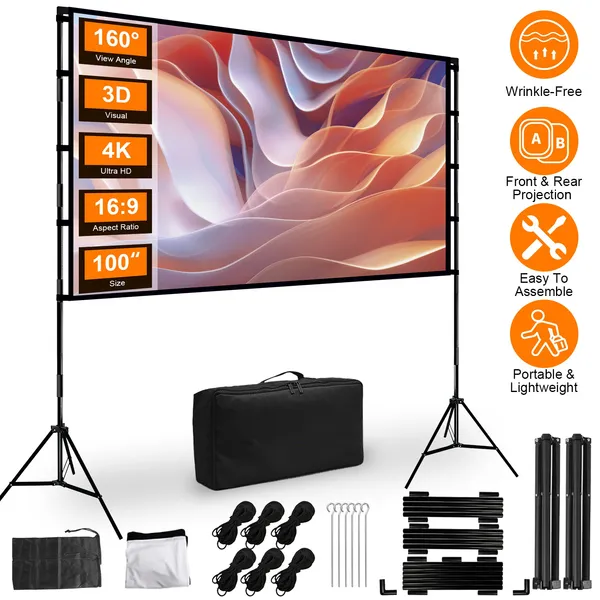 100inch/120inch Options Projector Screen With Stand 16:9 4K HD Rear Front Wrinkle-Free Portable And Foldable Movie Carry Bag For Indoor Outdoor Home Theater Backyard Cinema$87.99View on Mallflare
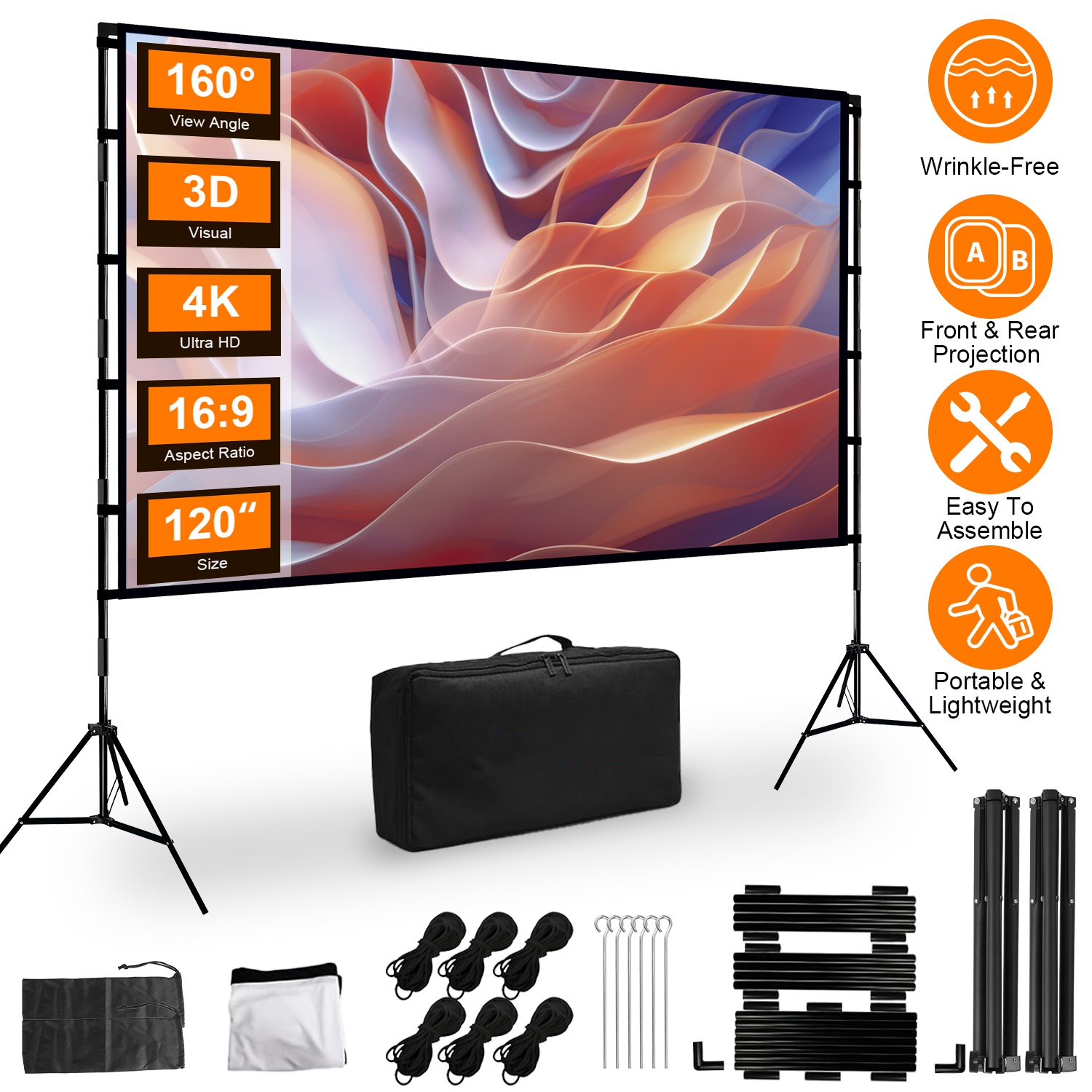 1Pc 120inch Or 100inch Projector Screen With Stand 16 9 4K HD Rear Front Wrinkle Free Portable And Foldable Movie Carry Bag For Indoor Outdoor Home Theater Backyard Cinema$97.99View on Mallflare
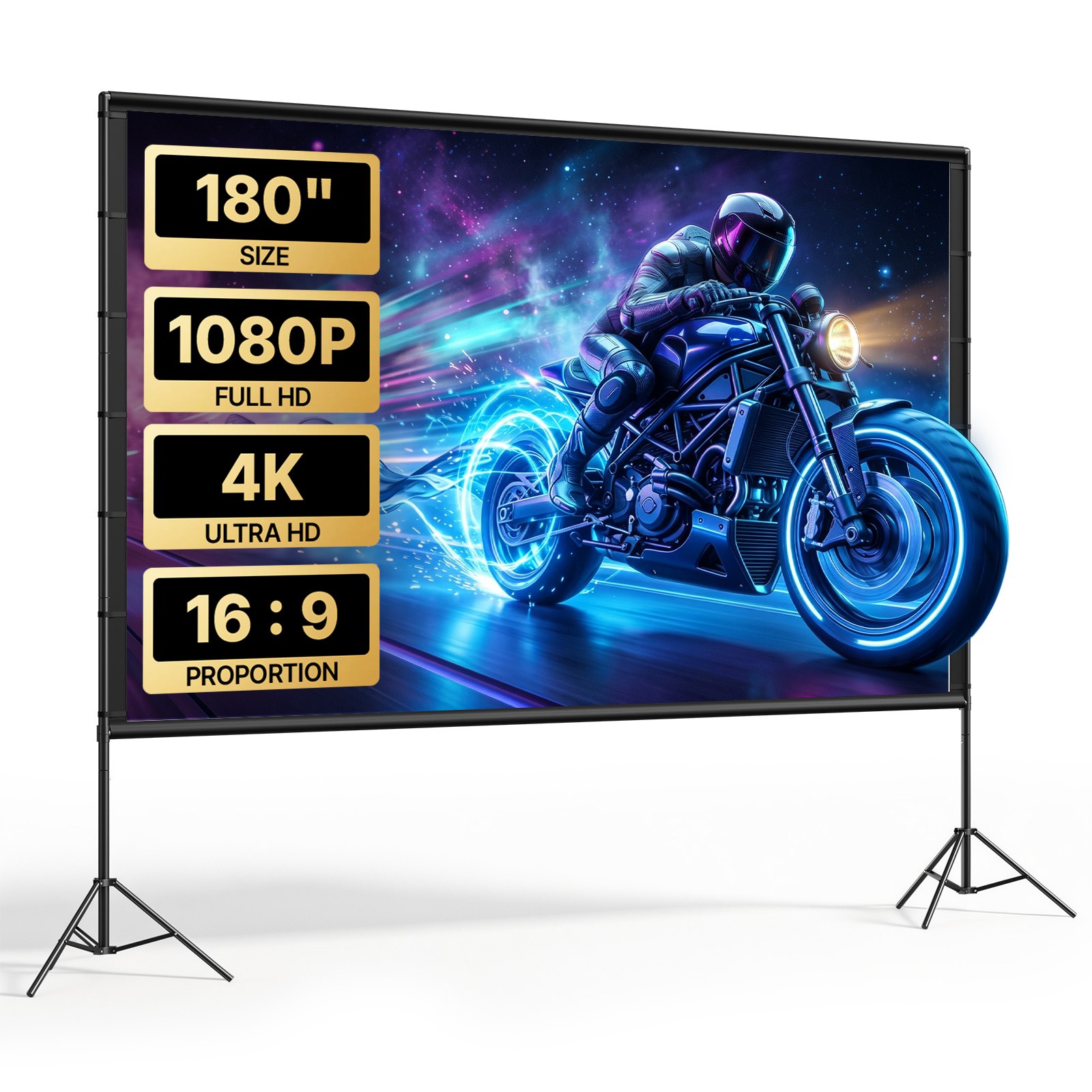 Projector Screen with Stands, 180 Inch 16:9 4K 1080P HD Movie 170° Wide Viewing, Front/Rear Projection Dual Tripod, Ground Stakes & Guy Ropes for Indoor Outdoor Nights$98.99View on Mallflare
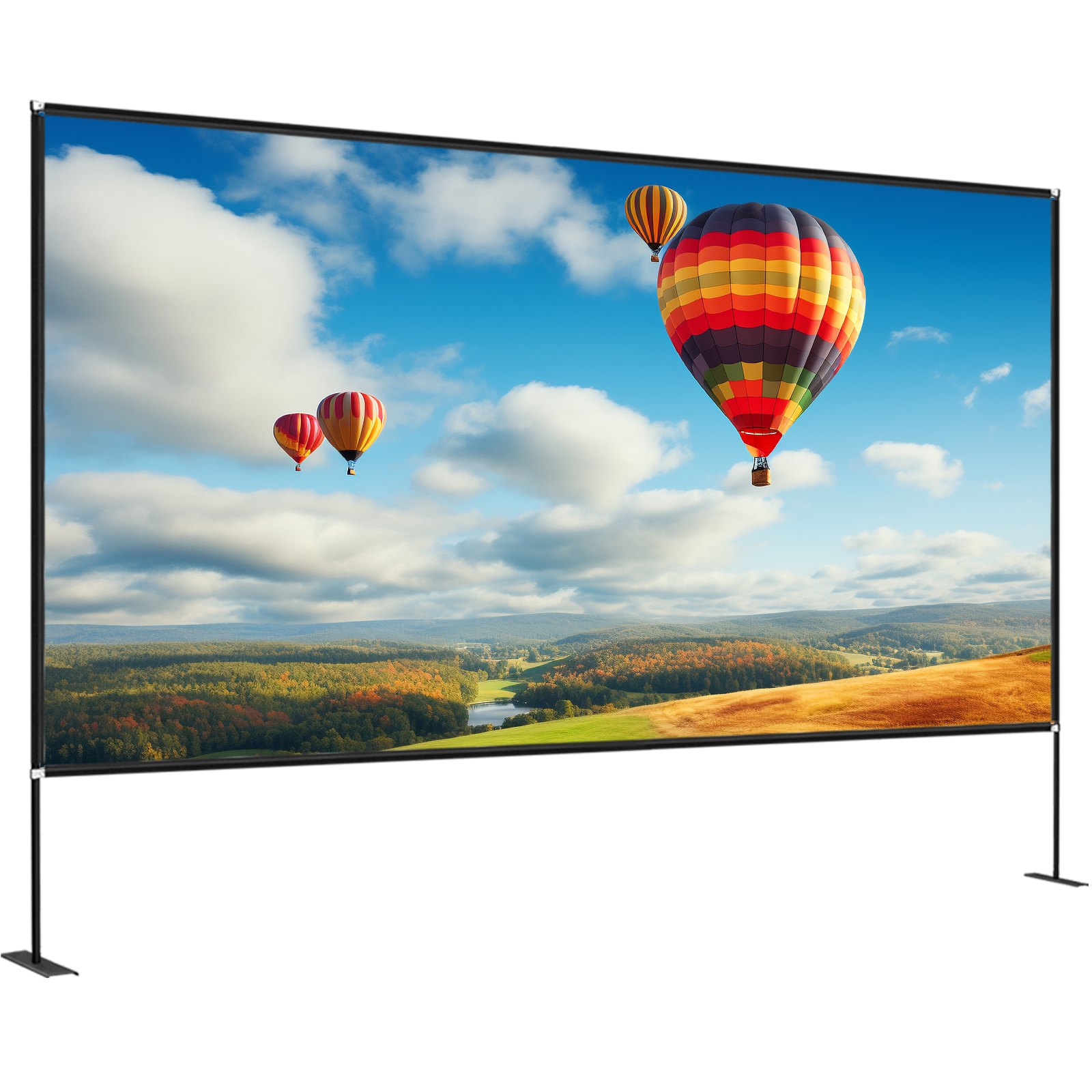 Projector Screen With Stand 150inch Portable Movie 16:9 4K HD Wide Angle Outdoor Easy Assembly Storage Bag For Home Theater Office Use$120.99View on Mallflare
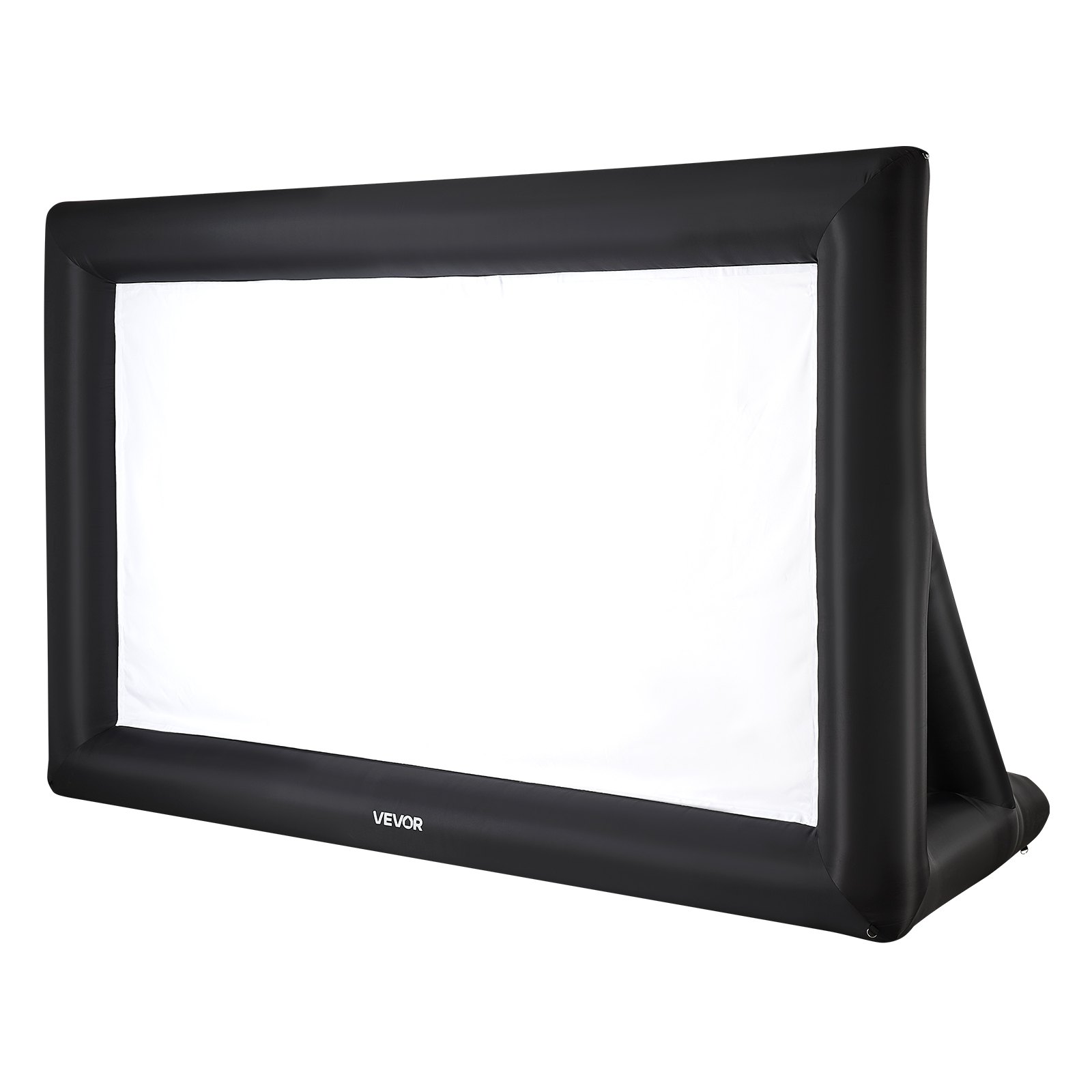 20FT Inflatable Projector Screen, Movie Outdoor With 250W Air Blower Oxford Fabric Material Blow Up For Backyard, Home Theater, Theme Party$132.99View on Mallflare
Highlights
- 16:9 aspect ratio is standard for HD/4K home theater; 4:3 remains only for legacy presentations and should be skipped for movie use.
- Wrinkle-free performance comes from tensioned frames or weighted bottom pockets, not from fabric thickness alone—foldable fabric screens need at least 3-4 tension points.
- Portable stand screens typically use aluminum or steel tripod/quadpod legs with a max height around 80-100 in; freestanding inflatable or airscreen frames resist wind better above 10 mph.
- Matte white front projection with 1.0-1.1 gain is the correct choice for outdoor use; gray or high-gain surfaces wash out under ambient light and create hotspotting.
Best use cases
- Best fit: backyard movie night with a 1080p or 4K projector and controlled evening lighting—pick a 100-120 in tensioned frame screen with a weighted base or ground stakes.
- Wrong fit: windy coastal or open-field use with a lightweight foldable fabric screen on a tripod—choose an inflatable frame or a screen with sandbag anchor points and a low profile instead.
- Best fit: travel and camping with a portable projector—a 60-100 in foldable screen with carry bag and rear-projection capability packs smallest, but accept visible creases.
- Wrong fit: permanent patio installation using a portable tripod screen—mount a fixed-frame or motorized outdoor screen rated for UV and weather exposure instead.
Buying tips
- Match screen size to throw distance: a 100 in 16:9 screen needs about 8-10 ft from a typical 1.2:1 throw projector; a 120 in screen needs 10-12 ft.
- For outdoor use, prioritize a screen with a bottom tension bar or weighted pockets—foldable screens without tension will ripple and distort the image within minutes of setup.
- Check the stand footprint: tripod legs need at least 3-4 ft of spread; a 120 in screen on a narrow base tips in light wind, so choose bar-feet or quadpod designs for larger sizes.
- Rear projection requires a translucent woven surface; most budget outdoor screens are front-only, so buy a dual front/rear screen explicitly if the projector sits behind the screen.
Specs
| Aspect Ratio | 16:9 standard / 4:3 legacy |
|---|---|
| Screen Surface | Matte white 1.0-1.1 gain front |
| Stand Type | Tripod / quadpod / bar feet |
| Tension System | Frame tension / weighted bottom bar |
Related searches
What to check before buying
- Measure the available wall or yard width and height: a 120 in 16:9 screen is about 105 in wide by 59 in tall, plus stand clearance.
- Confirm the projector's throw ratio and lumens: outdoor screens need at least 2,000-3,000 ANSI lumens for a visible image after dusk.
- Verify the stand's maximum height and base spread fit your space and can be secured with sandbags or stakes on grass, deck, or patio.
- Check that the screen includes a carry bag and that the folded length fits your vehicle if portability is required.
FAQ
Data sources: eBay / Amazon listings and product attribute feeds. Updated Nov 29, 2026.
Some links on this page are affiliate links. If you buy after clicking one, we may earn a commission at no extra cost to you. This does not change which products appear here or their order. Affiliate disclosure.