TechShelf Guide

TechShelf Guide

Consumer Electronics Reviews & Buying Guides

Compare consumer electronics by use case, features, trade-offs, price, returns, and seller terms before you buy.

Buying guides

Buying guide image
Sim Racing Cockpits & Mounts

Sim Racing Rig

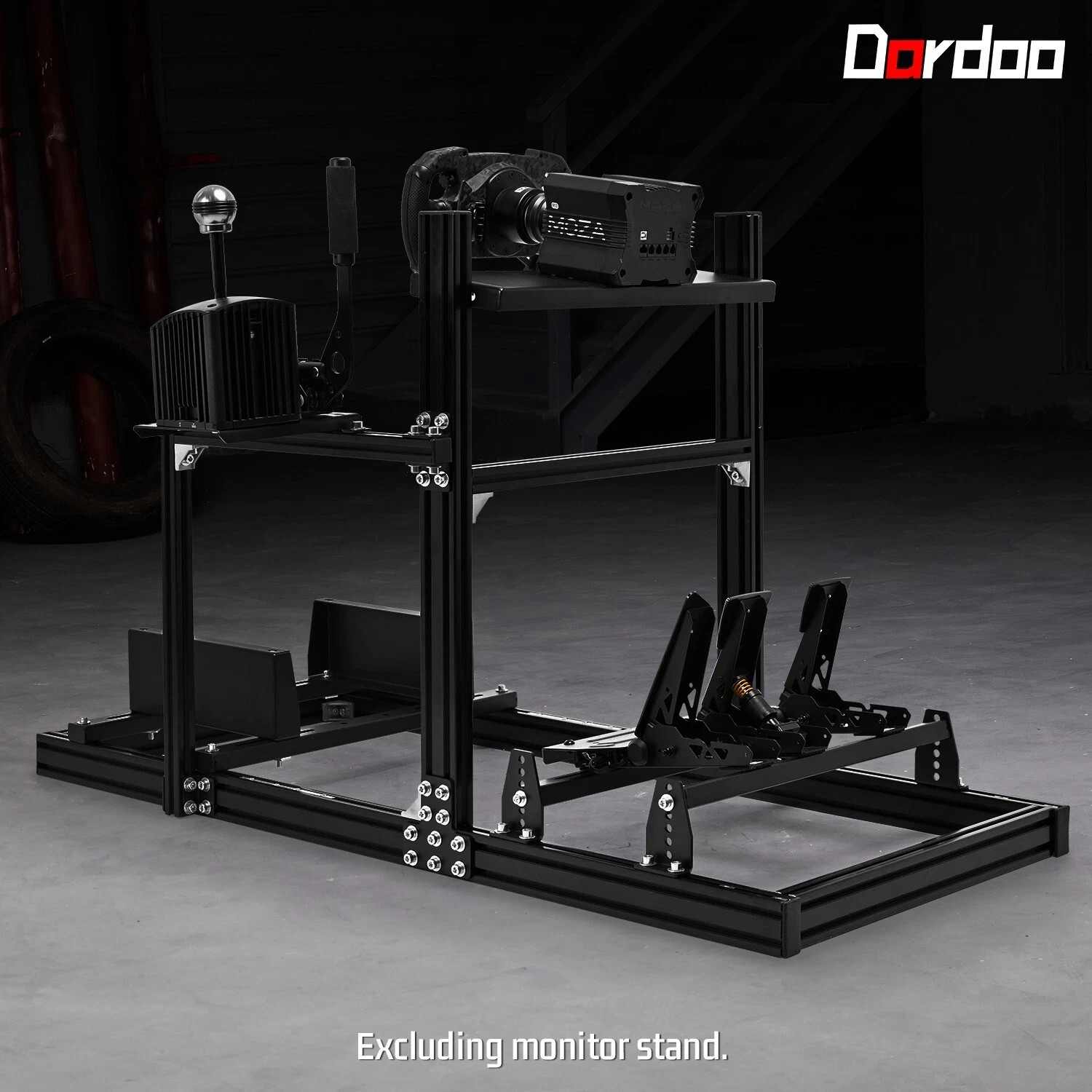
A sim racing rig is a dedicated frame—from a foldable wheel stand to a full aluminum-profile cockpit—that rigidly mounts your wheel base, pedals, and seat so force feedback and load-cell braking travel into the chassis, not your furniture. The core trade-off is stiffness versus footprint and cost: entry stands flex under high-torque direct-drive wheels, while profile cockpits eliminate flex but demand floor space and assembly time. The decision rule: match chassis rigidity to your wheel's peak torque and pedal type—anything above roughly 8 Nm or a load-cell brake needs a full-frame profile cockpit, not a stand.
Buying guide image
Ham Radio Transceivers

Ham Radio Transceiver

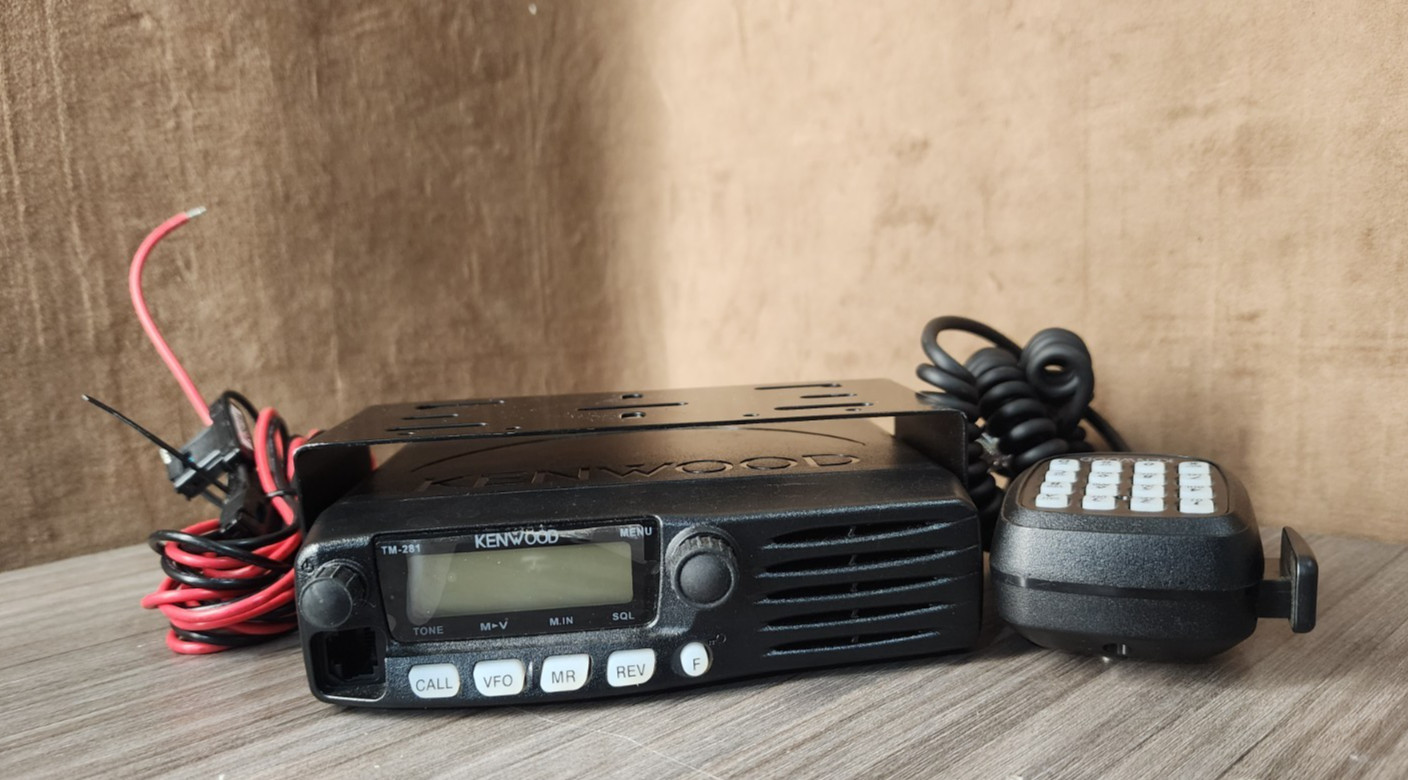
Ham radio transceivers are voice/data radios that transmit and receive on amateur bands, ranging from handheld VHF/UHF FM units to 100W HF base stations. The core trade-off is band coverage and mode support versus receiver dynamic range and front-end filtering: entry SDR radios deliver wide coverage cheaply, while premium superhets cost more for better weak-signal performance. Decide by license class, operating bands, and whether you need all-mode HF or just local FM.

Buying guide image
VR Gaming Hardware & Accessories

PC VR Headset

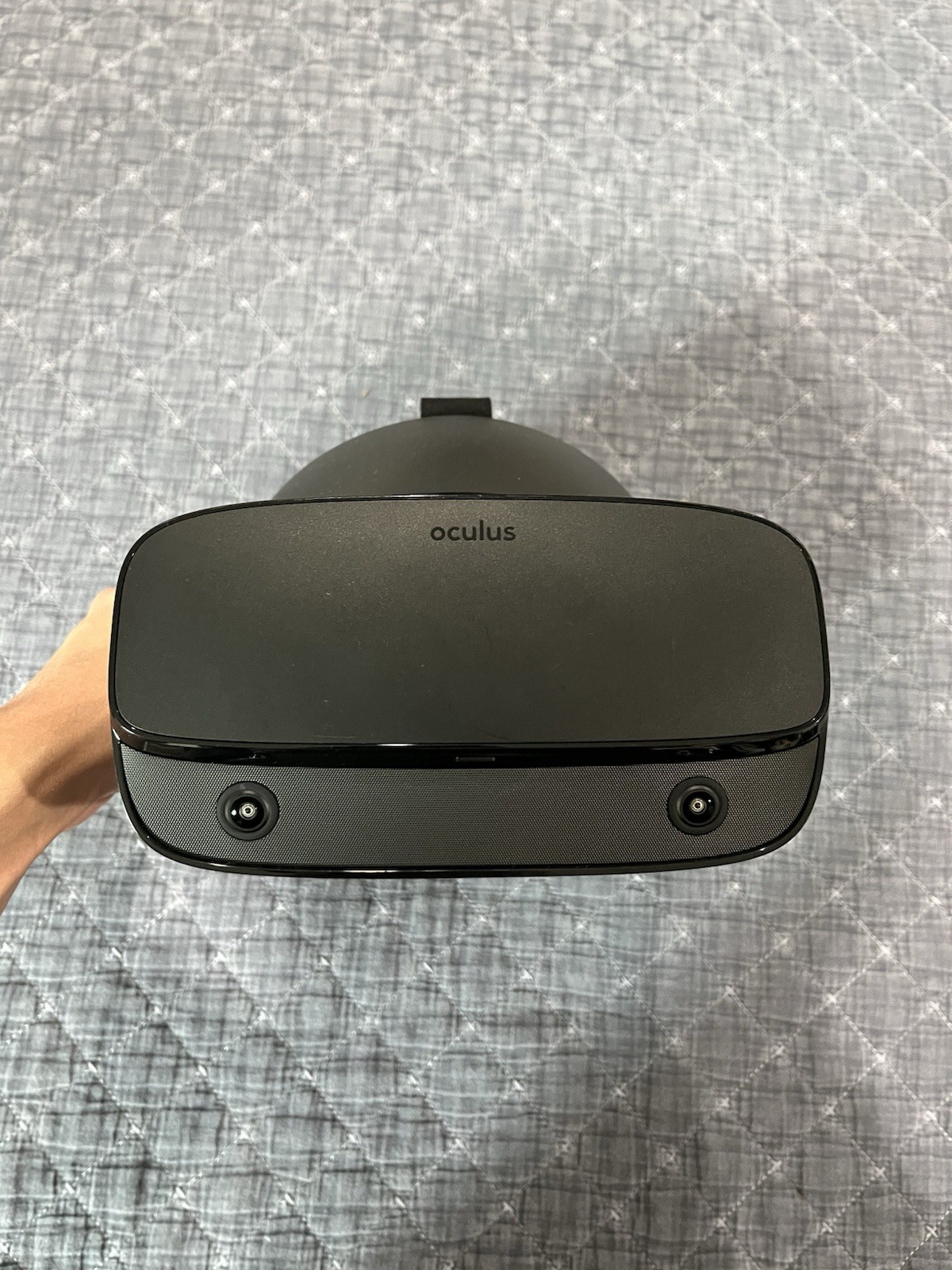
PC VR headsets are tethered display-and-tracking systems that render from your graphics card, trading standalone freedom for higher fidelity and lower latency. The core trade-off is panel resolution and refresh rate versus tracking architecture (inside-out vs base-station) and the cable/connectivity tier your GPU can drive. Buy an inside-out DisplayPort/USB-C headset with tracked controllers if you want plug-and-play PC fidelity; skip aging or incomplete kits unless you are sourcing replacement parts deliberately.

Buying guide image
Chargers, Power Banks & Adapters

USB Power Bank

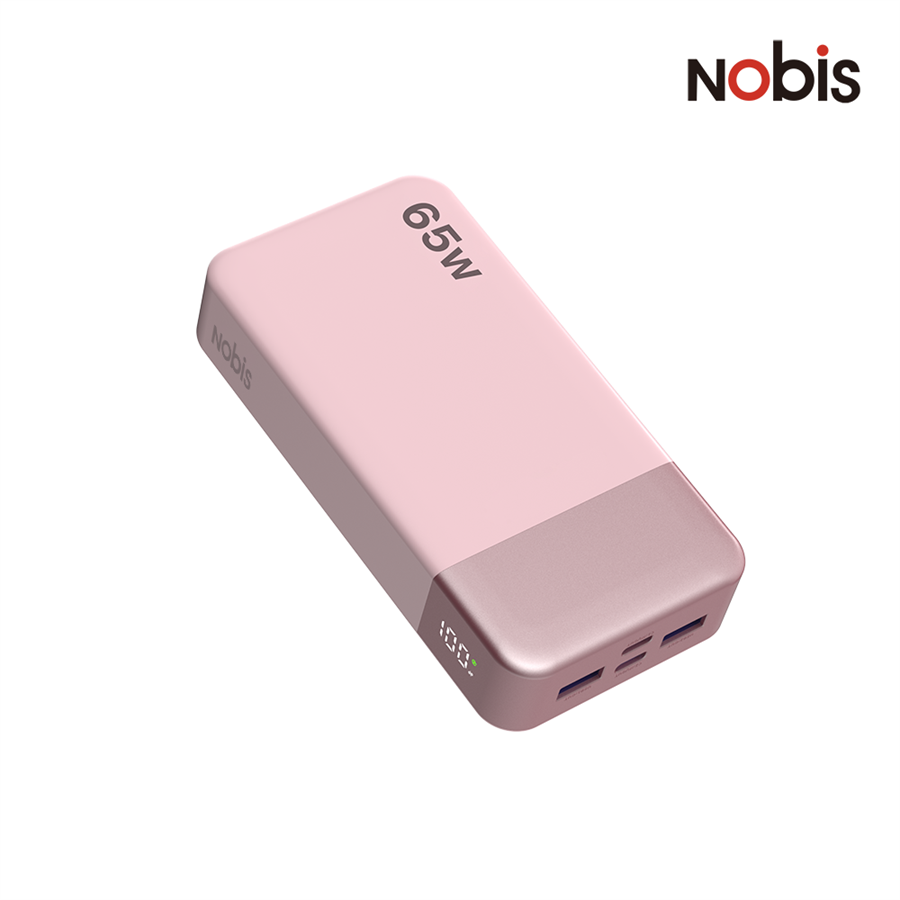
USB power banks are portable lithium-ion battery packs that recharge phones, tablets, and laptops over USB-C or USB-A, and the core trade-off is energy density versus charge speed and cycle life. The decisive rule: buy by watt-hour capacity and PD wattage tier for your device, not by inflated mAh claims or thin plastic shells that crack and sag under thermal load.

Buying guide image
Chargers, Power Banks & Adapters

USB C Power Bank

USB-C power banks range from pocketable 4,500mAh emergency packs to 20,000mAh laptop-class batteries, and the core trade-off is between cell capacity/portability and output wattage that determines which devices can actually fast-charge. The decisive rule: match output wattage to your hungriest device (20W phones, 45W tablets/Switch, 65W+ USB-C laptops) and insist on USB Power Delivery with USB-C Power Delivery input, not USB-A-only legacy charging.

Buying guide image
Smart Home Electronics

Wireless Camera

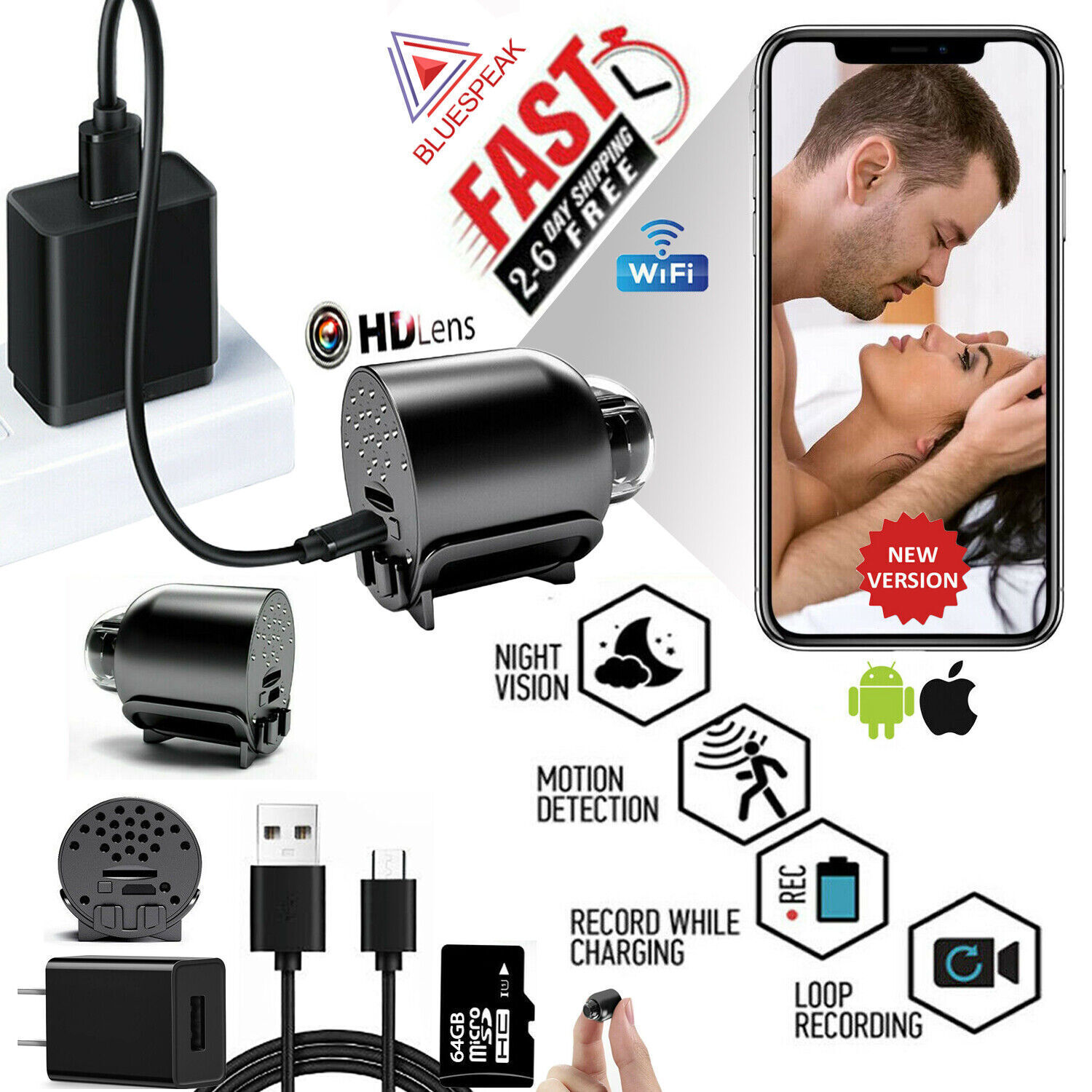
Wireless cameras split into Wi‑Fi and cellular architectures, with power source (battery, solar, wired) and resolution tier (1080p vs 2K/3MP) driving reliability. The core trade‑off is convenience versus sustained uptime: battery/solar models need sun or recharge cycles, while wired and mains‑powered units record 24/7. Choose by power availability first, then resolution and night‑vision type for your lighting conditions.

Buying guide image
DACs & Headphone Amplifiers

Portable DAC Amp

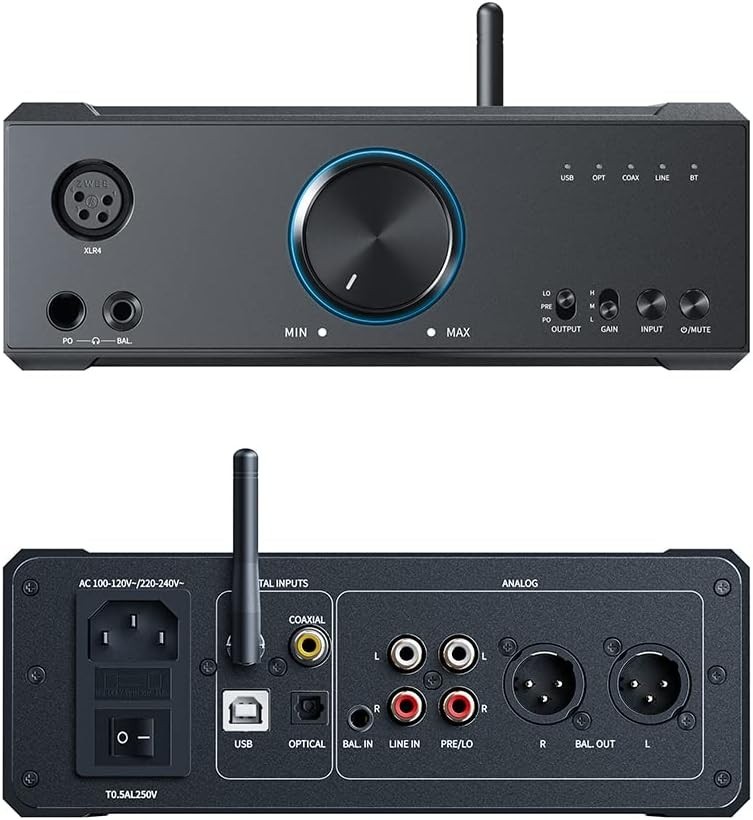
A portable DAC amp is a battery-powered or bus-powered digital-to-analog converter with a built-in headphone amplifier, sized to stack with a phone or laptop. The core trade-off is output power and converter quality versus battery life, heat, and physical bulk. Buy by output power at your headphone's impedance, not by chip name: if the amp cannot deliver the voltage or current your cans need, the DAC is irrelevant.

Buying guide image
Turntables & Record Players

Quality Vinyl Record Player

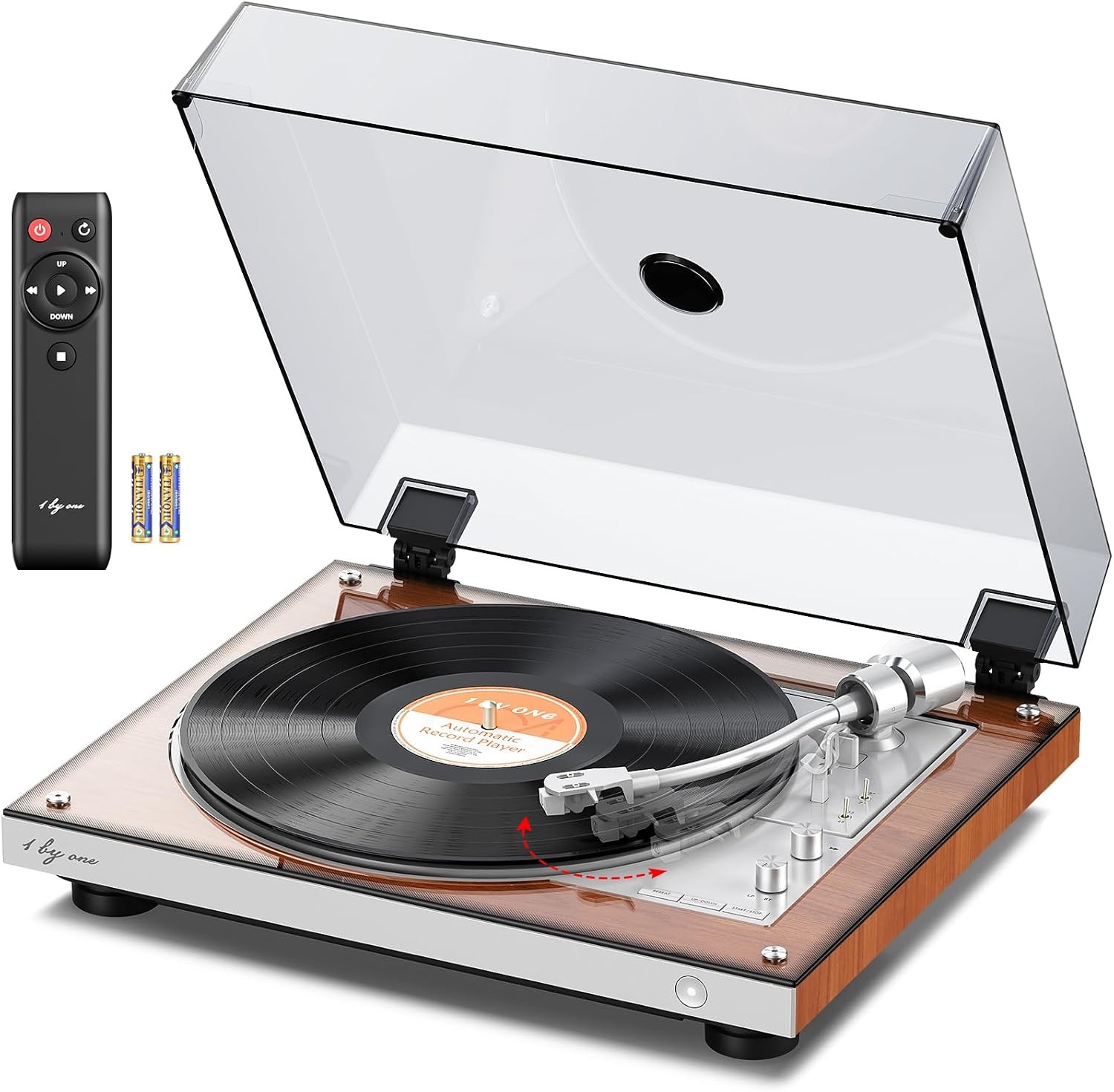
A quality vinyl record player is a turntable whose speed stability, tonearm geometry, and cartridge/stylus grade let a record track accurately without excessive wear or distortion. The core trade-off is between all-in-one decks with built-in speakers and true component turntables that need an external phono stage and speakers; only the latter deliver stable speed, adjustable tracking force, and upgradeable styli. The decision rule: buy a deck with a counterweighted tonearm, a replaceable moving-magnet cartridge, and a belt or direct-drive motor rated for 33⅓/45 RPM — skip any player with a fixed, non-adjustable tonearm or a ceramic cartridge.

Buying guide image
Console & Handheld Hardware

Handheld PC

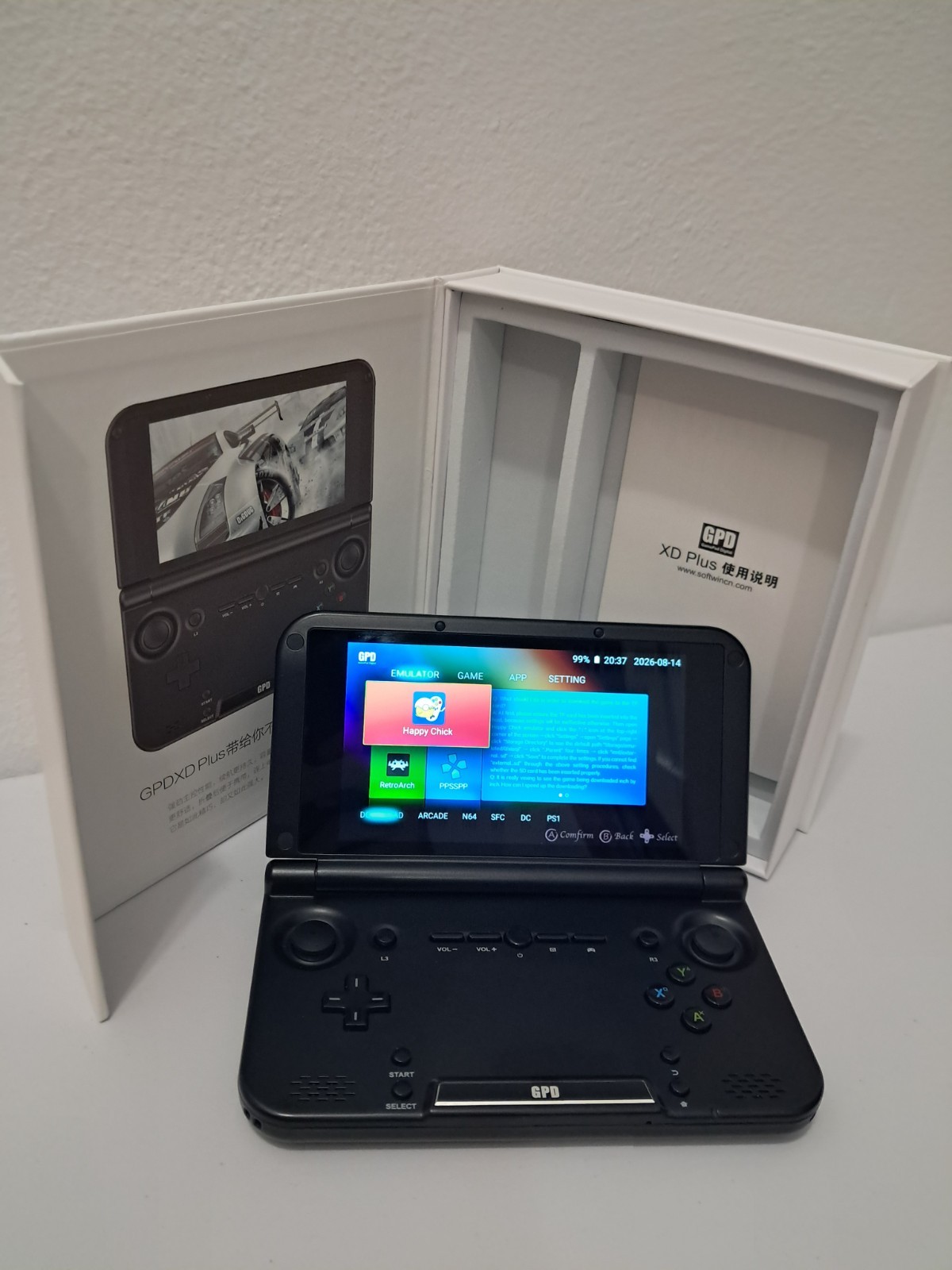
A handheld PC is a compact x86 or ARM-based computer with an integrated screen and controller, designed to run full desktop operating systems and PC game libraries. The primary trade-off is between raw performance (higher TDP, larger cooling, shorter battery life) and portability (smaller chassis, lower wattage, longer endurance). The clear decision rule: buy a model with at least 16GB RAM and a 7-inch-or-larger 1200p display for AAA gaming, or a lighter 6-inch class with 8-16GB RAM for indie and emulation; skip any handheld with soldered 4GB RAM or a sub-720p panel as a future-proof compromise.

Buying guide image
Turntables & Record Players

Compact Vinyl Record Player

Compact vinyl record players are all-in-one or belt-drive turntables sized for tight spaces, often with built-in speakers or Bluetooth output, where the core trade-off is platter stability and tonearm quality versus portability and convenience. Durable options use a metal platter or damped MDF plinth, a counterweighted tonearm with a replaceable cartridge, and adjustable tracking force; compromises rely on undamped plastic platters, fixed ceramic cartridges, and non-adjustable tracking. The decision rule: if the tonearm lacks a counterweight or the cartridge is not user-replaceable, treat it as a casual-use device, not a long-term vinyl setup.

Buying guide image
VR Gaming Hardware & Accessories

Quest 2 Controller

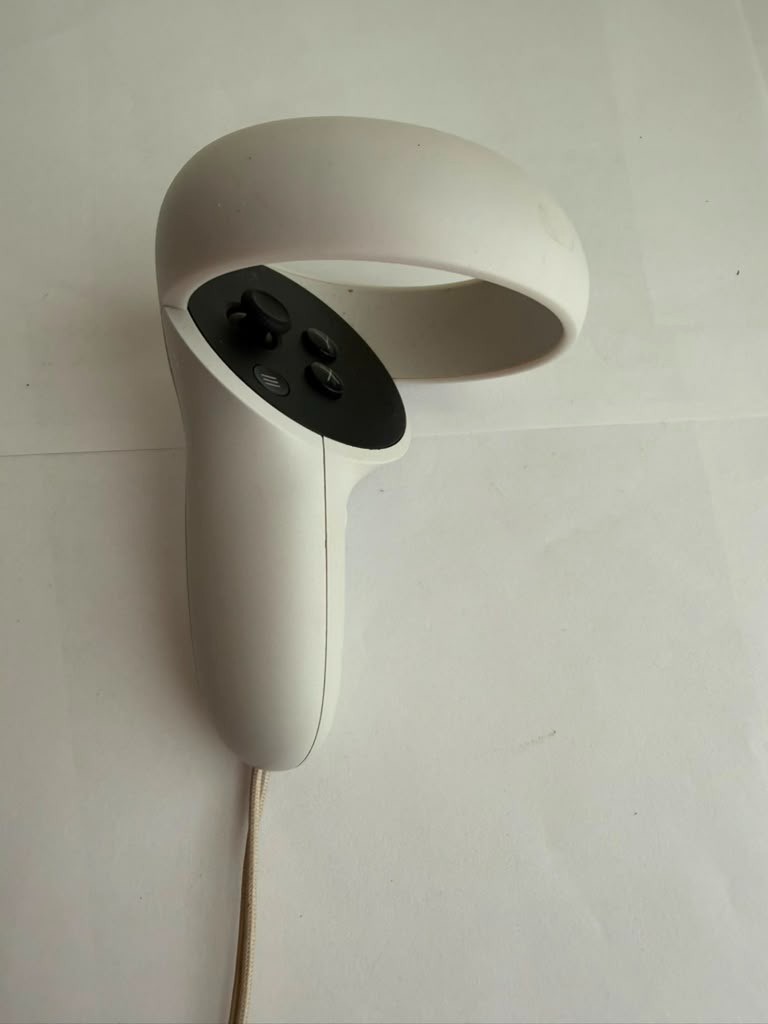
Quest 2 controllers are the Touch controllers designed for Meta's Quest 2 headset, using inside-out tracking with infrared LEDs and Bluetooth pairing to the headset. The primary trade-off is between genuine first-party controllers (guaranteed pairing, haptics, and tracking calibration) and third-party or accessory-only options that save cost but can introduce latency, drift, or fit issues. The decision rule: buy a genuine or officially licensed controller if you need reliable tracking and button function; buy grips or gunstocks only as add-ons to working controllers.

Buying guide image
VR Gaming Hardware & Accessories

Oculus Rift 2

The original Oculus Rift (CV1) is a discontinued PC-tethered VR system, and there is no consumer product called \"Oculus Rift 2\" — Meta replaced the Rift line with the standalone Quest series and the short-lived Rift S. Buyers searching this term face a real fork: hunt down legacy CV1 hardware with external sensors and outdated software support, or step up to a current-generation headset that delivers the same PC-VR experience with inside-out tracking. The decision rule is simple — only buy CV1 for a specific legacy-use case with a known-good PC and Windows setup; every general shopper should skip it and choose a modern PC-capable headset.

Buying guide image
VR Gaming Hardware & Accessories

VR Headset And Controller

Buying a VR headset and controllers means choosing an ecosystem first: standalone Android-based systems like Quest 2/3, PC-tethered DisplayPort/HDMI headsets like Rift S or Index, or console-bound kits like PlayStation VR. Controller condition and included cables decide whether a bargain headset-only listing is actually usable, and generation gaps within the same family change tracking, resolution, and PC compatibility substantially.

Buying guide image
Chargers, Power Banks & Adapters

Portable USB Power Bank

A portable USB power bank is a rechargeable lithium-ion battery pack that delivers DC power through USB ports to phones, tablets, and laptops. The core trade-off is energy density versus charging speed: higher mAh capacity adds weight and volume, while higher wattage PD output (20W to 65W+) requires more robust cells and thermal design. Durable options use branded lithium-polymer or 21700 cells, USB-IF-certified PD controllers, and metal or flame-retardant housings; compromises use unbranded cells, inflated capacity claims, and plastic shells that crack at the port seams.

Buying guide image
VR Gaming Hardware & Accessories

Oculus Meta Quest

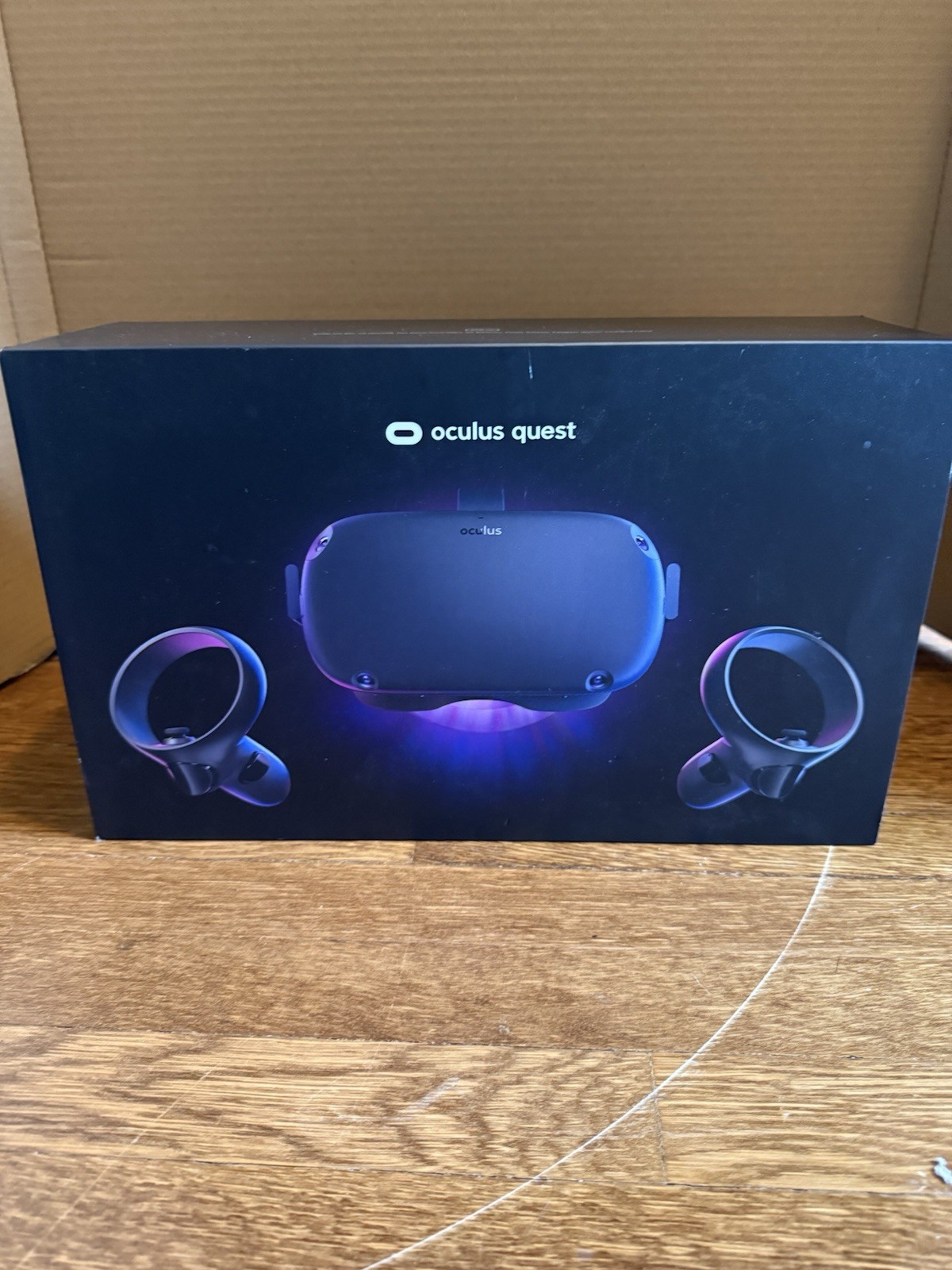
Oculus Meta Quest is a family of standalone VR headsets—Quest 2, Quest 3, and Quest 3S—that run Android-based VR without a PC or console. The core trade-off is generation and lens type: Quest 2's Fresnel lenses and older XR2 chip versus Quest 3/3S pancake optics and XR2 Gen 2, which deliver sharper passthrough and higher render resolution. The decision rule is simple: buy Quest 3 or 3S for current-generation performance and mixed reality; buy Quest 2 only as a budget entry unit or a headset-only replacement, and always confirm included controllers and strap tier before committing.

Buying guide image
In-Ear Earphones

Earphone Gym

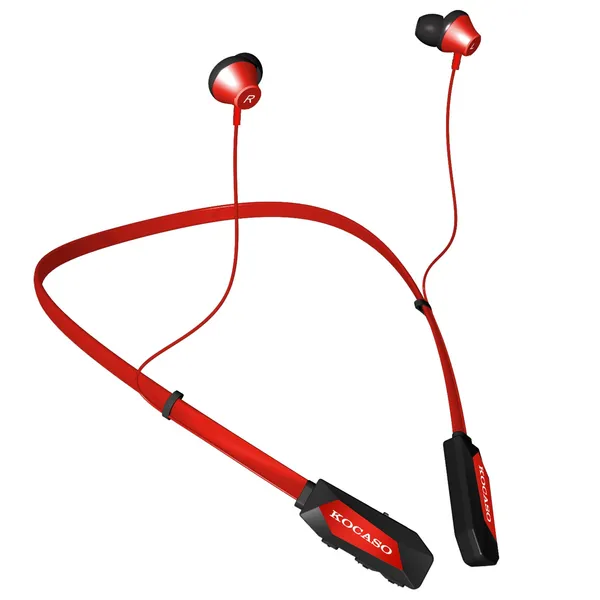
Gym earphones are in-ear or neckband sports headsets engineered to survive sweat, motion, and repeated cleaning while staying anchored during lifts and cardio. The core trade-off is acoustic isolation versus situational awareness versus a secure, sweat-proof seal; true wireless buds trade battery and loss risk for freedom, while neckbands and ear-hooks trade bulk for retention. The decision rule: prioritize an IPX4-or-better sweat rating, a mechanical retention feature (wing, hook, or neckband), and Bluetooth 5.0+ for connection stability; skip any V4.x legacy headset or unrated plastic shell if you train hard.

Buying guide image
Sim Racing Cockpits & Mounts

Sim Racing Chassis

A sim racing chassis is the foundation that determines whether force feedback reaches your hands or dissipates into flex, and whether your driving position stays consistent lap after lap. Buyers often overspend on direct-drive wheels while mounting them to a flex-prone frame, or buy a rigid rig that won't fit their room or seat. Focus on tube diameter, profile grade, and wheel-deck stiffness before considering add-ons.

Buying guide image
VR Gaming Hardware & Accessories

Oculus VR PC

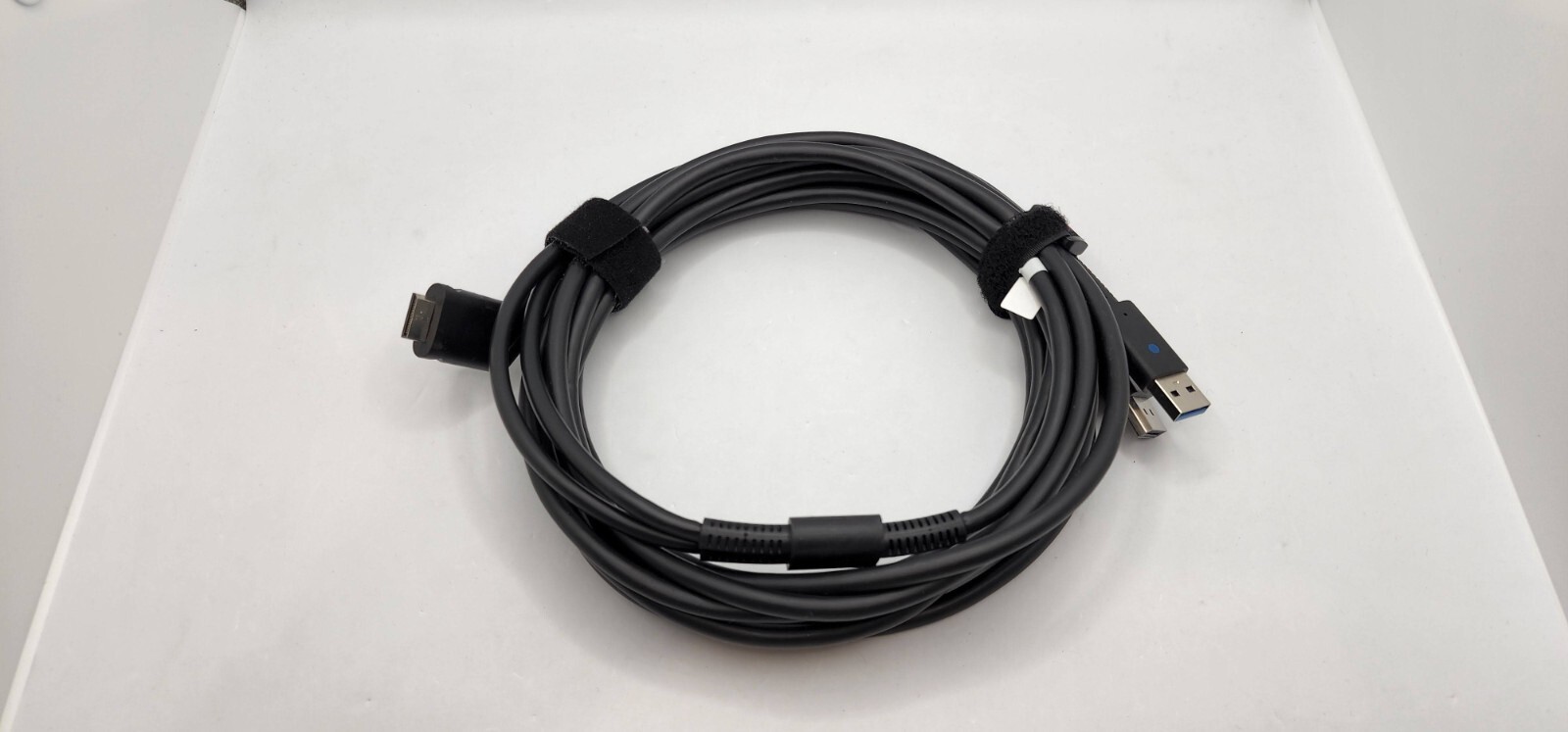
This segment covers PC-powered VR headsets from the Oculus/Meta lineage, where the core trade-off is between older outside-in tracking (original Rift with sensors) and newer inside-out tracking (Rift S with built-in cameras). The decision rule: buy a complete Rift S kit with controllers and cable for plug-and-play PC VR, or step up to a Meta Quest 2/3 with Link for a current, supported platform; avoid incomplete headset-only listings unless you already own the exact missing parts.

Buying guide image
Sim Racing Cockpits & Mounts

Sim Racing Cockpit Motion

Sim racing cockpit motion systems add physical pitch, roll, and heave to a static rig, transforming a monitor-and-wheel setup into a tactile driving simulator. The core trade-off is actuator type and stroke length versus chassis rigidity and total system cost: budget motion relies on short-throw linear actuators or seat movers, while serious setups use long-stroke industrial actuators or multi-axis platforms. The decision rule is simple: match actuator stroke and payload rating to your cockpit’s fully loaded weight, and never mount motion hardware to a flex-prone entry-level frame.

Buying guide image
Projectors & Screens

Projector TV

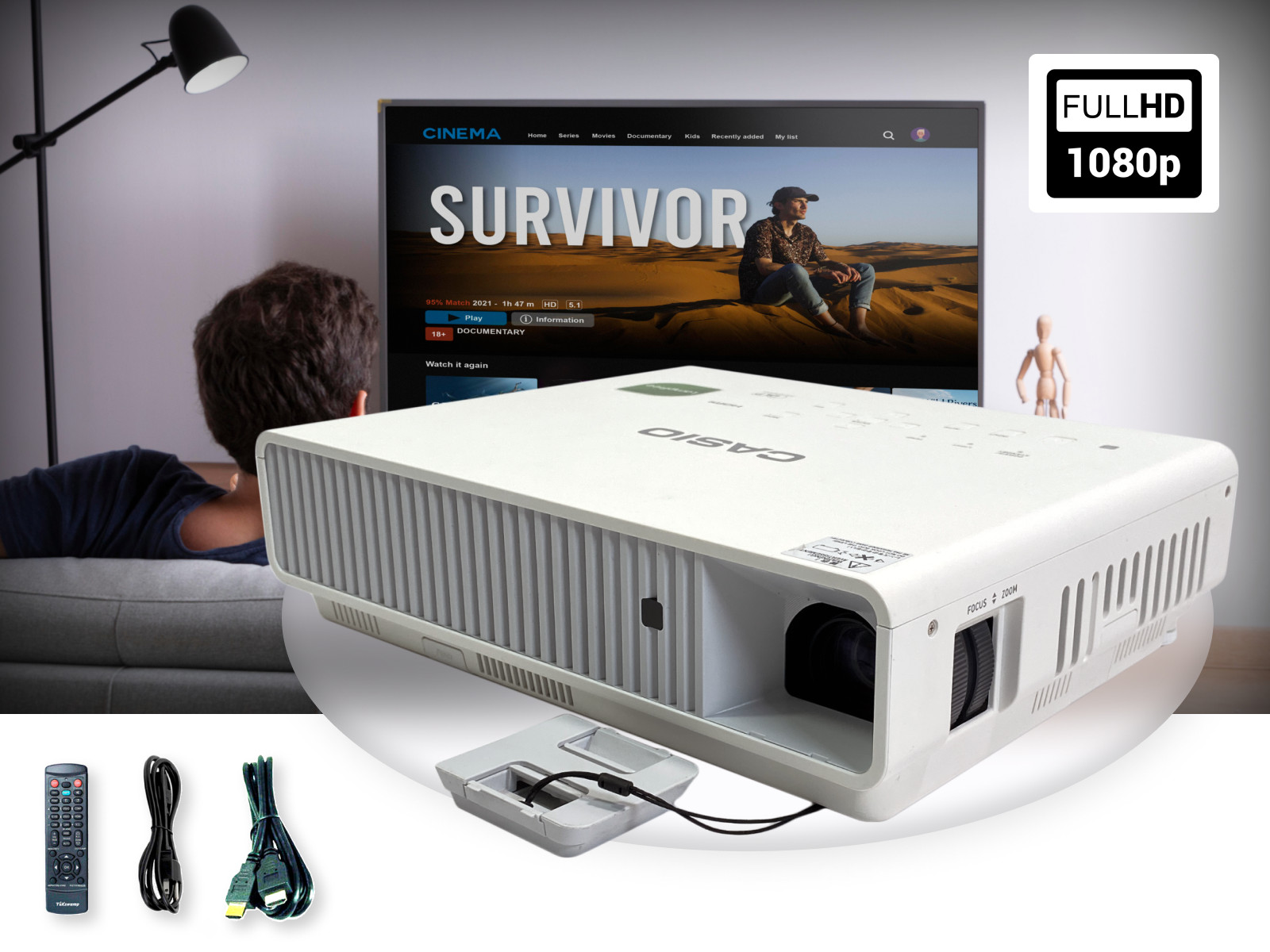
A projector TV is a display system pairing a high-output projector with a compatible screen, replacing a fixed television with a large, scalable image. The core trade-off is brightness versus resolution authenticity—budget panels inflate lumen claims while native 1080p or 4K imaging and decent ANSI lumens determine real usability. Buy durable options with honest ANSI specs and matte screens; skip inflated-lumen kits and flimsy tripod bundles.

You may also like

Finding more guides for you…