TechShelf Guide

TechShelf Guide

Consumer Electronics Reviews & Buying Guides

Compare consumer electronics by use case, features, trade-offs, price, returns, and seller terms before you buy.

Buying guides

Buying guide image
Turntables & Record Players

Compact Vinyl Player

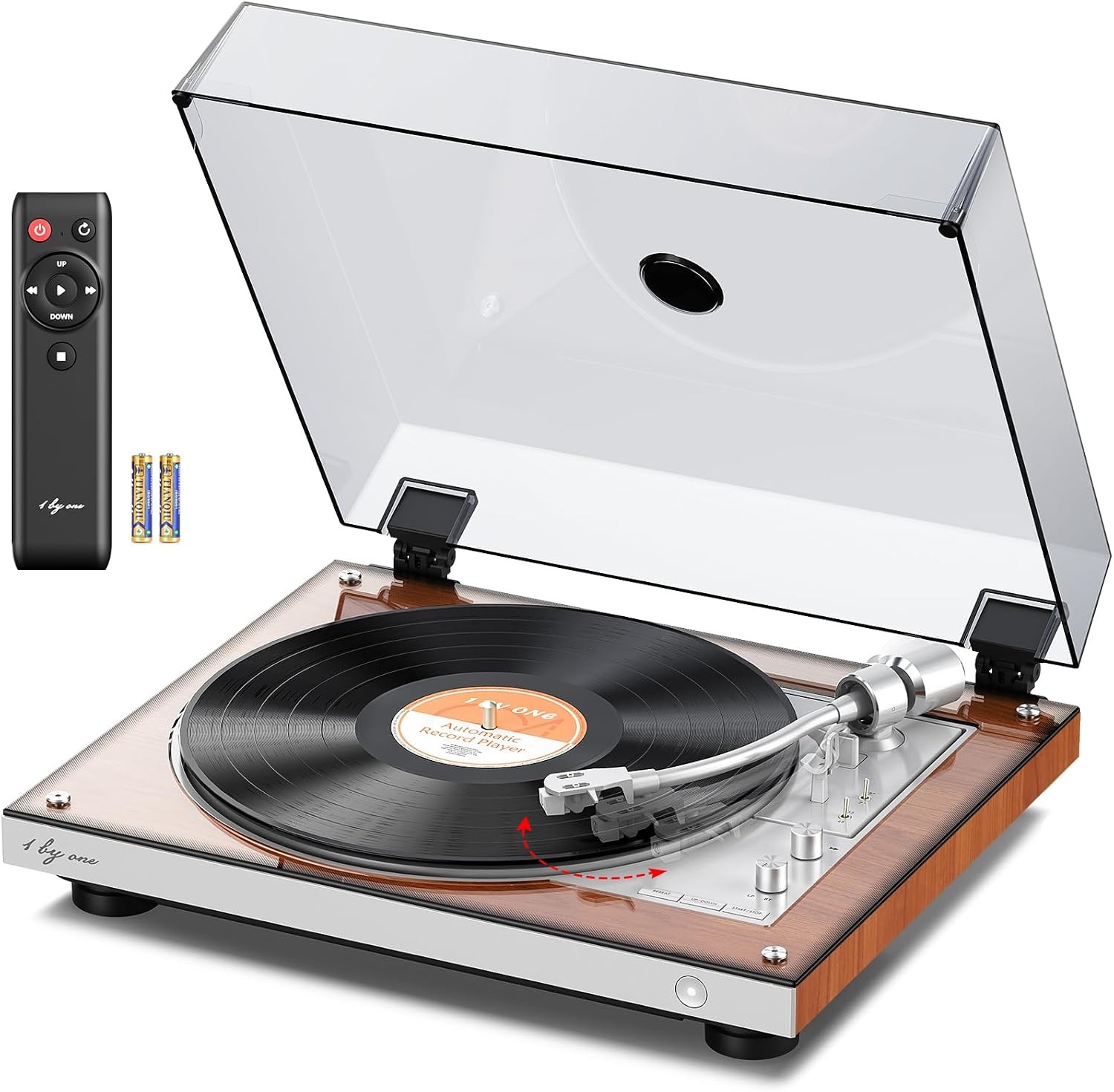
Compact vinyl players are all-in-one turntables with built-in speakers or a slim footprint designed for tight spaces. The core trade-off is portability and convenience versus platter isolation and tonearm quality—most budget units integrate speakers that vibrate the stylus, causing distortion. The decision rule: buy a compact player only if it has a counterweighted tonearm or adjustable tracking force and a platter suspension or separate speaker path; skip sealed, non-adjustable all-in-ones if you care about record wear.
Buying guide image
Drones & Consumer Robotics

DJI RC Controller

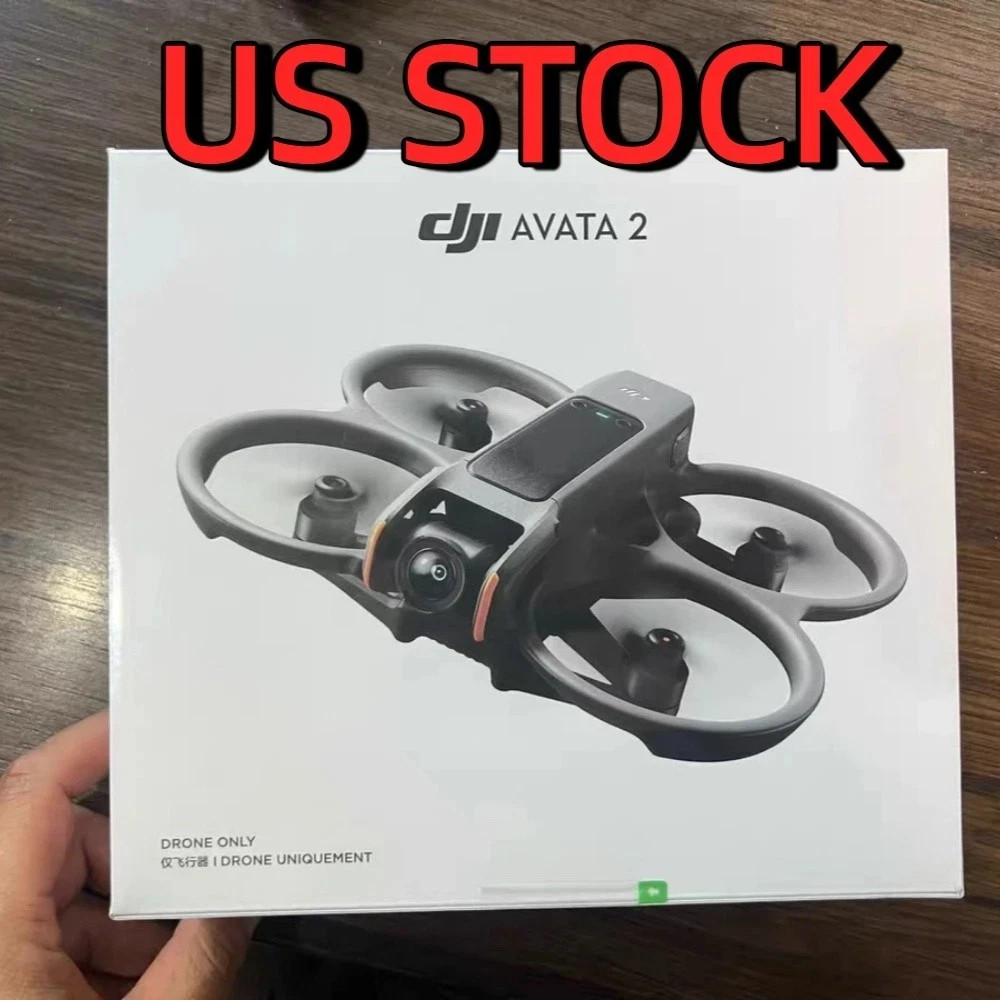
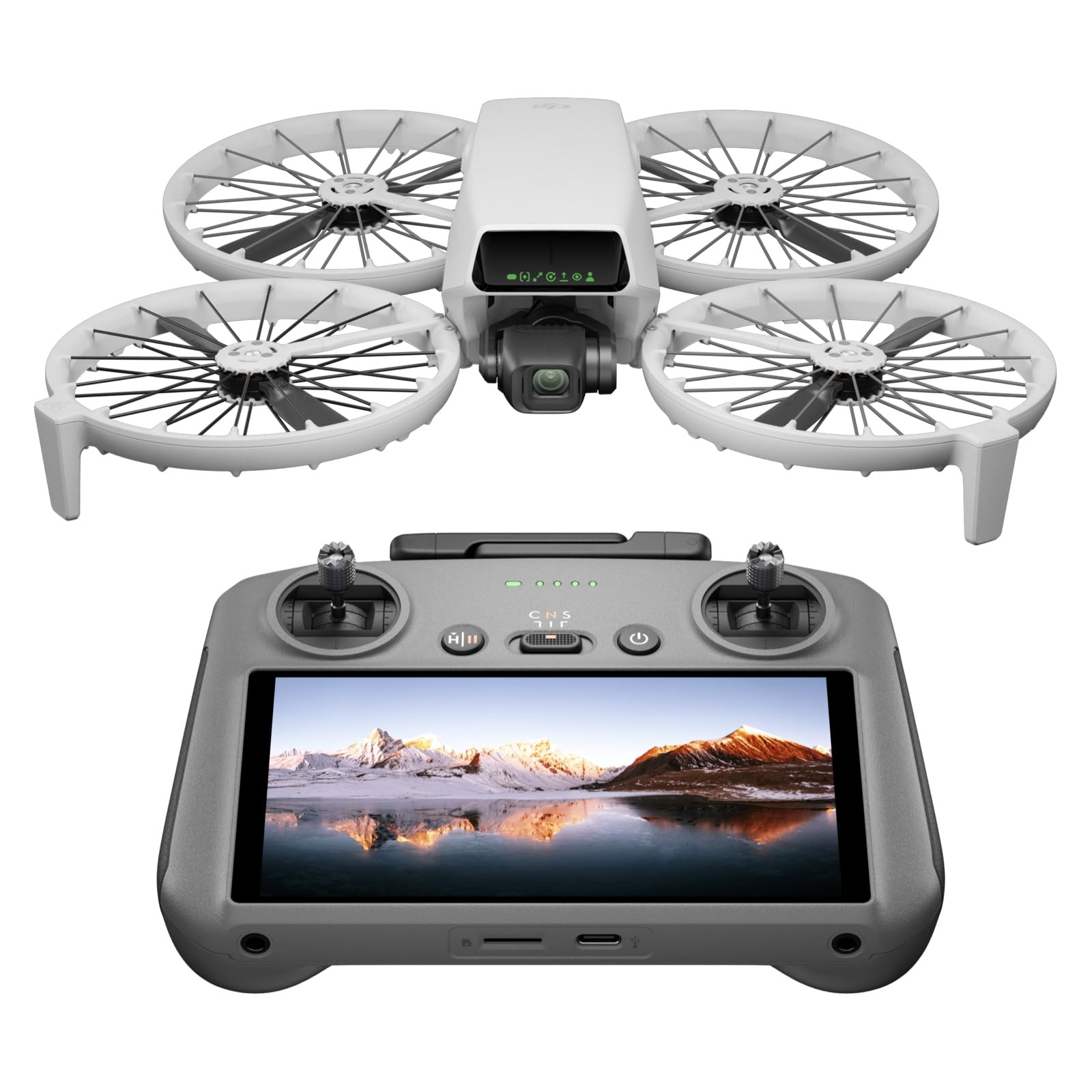
DJI RC controllers are the hand-held command links for DJI drones, ranging from smartphone-tethered units (RC-N1/N2/N3) to all-in-one screen controllers (DJI RC, RC 2, RC Pro). The core trade-off is between the low cost and light weight of a phone-based controller versus the bright built-in display, dedicated processor, and OcuSync 3/4 transmission of screen controllers. Buy a screen controller for glare-heavy outdoor flying and one-handed setup; buy an RC-N-series only if you already carry a bright phone and want the absolute lowest weight and cost.

Buying guide image
Console & Handheld Hardware

Vintage Game Console

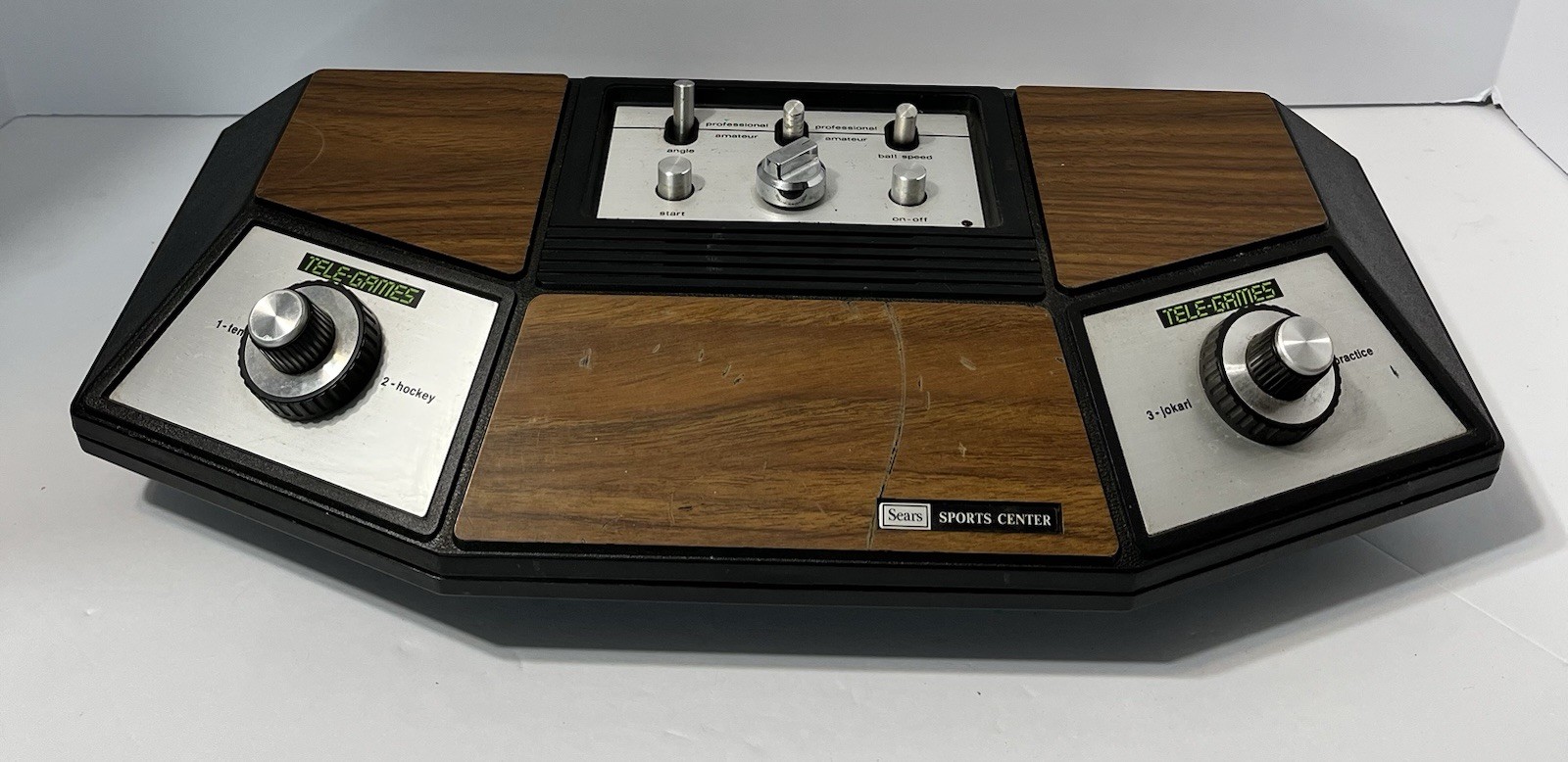
Shoppers hunting vintage game consoles are usually chasing a specific era of play, so the first decision is dedicated hardware versus a modern plug-and-play replica. Condition, cartridge compatibility, and the video output standard your TV accepts will determine whether a console is a usable daily player or a display piece.

Buying guide image
Drones & Consumer Robotics

DJI Drone Controller

DJI drone controllers are the handheld remote units that link your phone or tablet to a DJI aircraft, ranging from the basic RC-N series (phone-mounted, no built-in screen) to the RC/RC Pro series with integrated high-bright displays. The core trade-off is controller-only versus screen-equipped: RC-N models cost less and use your phone, while RC/RC Pro models add a 700–1000 nit display, faster setup, and better outdoor visibility at higher weight and price. The decision rule: buy the controller that natively matches your aircraft's transmission generation (O2, O3, O4) and your need for a dedicated screen; avoid mixing generations or buying a controller-only unit without confirming it includes the correct aircraft-side mount and cable.

Buying guide image
Controllers & Gaming Accessories

Bluetooth Controller Android

A Bluetooth controller for Android is a wireless gamepad that pairs over Bluetooth Classic or BLE to phones, tablets, and Android TV boxes for native Android games and cloud streaming. The core trade-off is protocol compatibility: generic HID gamepads and PlayStation DualShock 4/DualSense work out of the box, while Xbox Wireless Controllers require specific firmware and Android versions for Bluetooth pairing. The decision rule is to match the controller's Bluetooth profile to your Android device's OS version and your primary use (native games vs. cloud streaming vs. emulation) rather than buying on color or shell material.

Buying guide image
Projectors & Screens

Projector With WiFi And Bluetooth

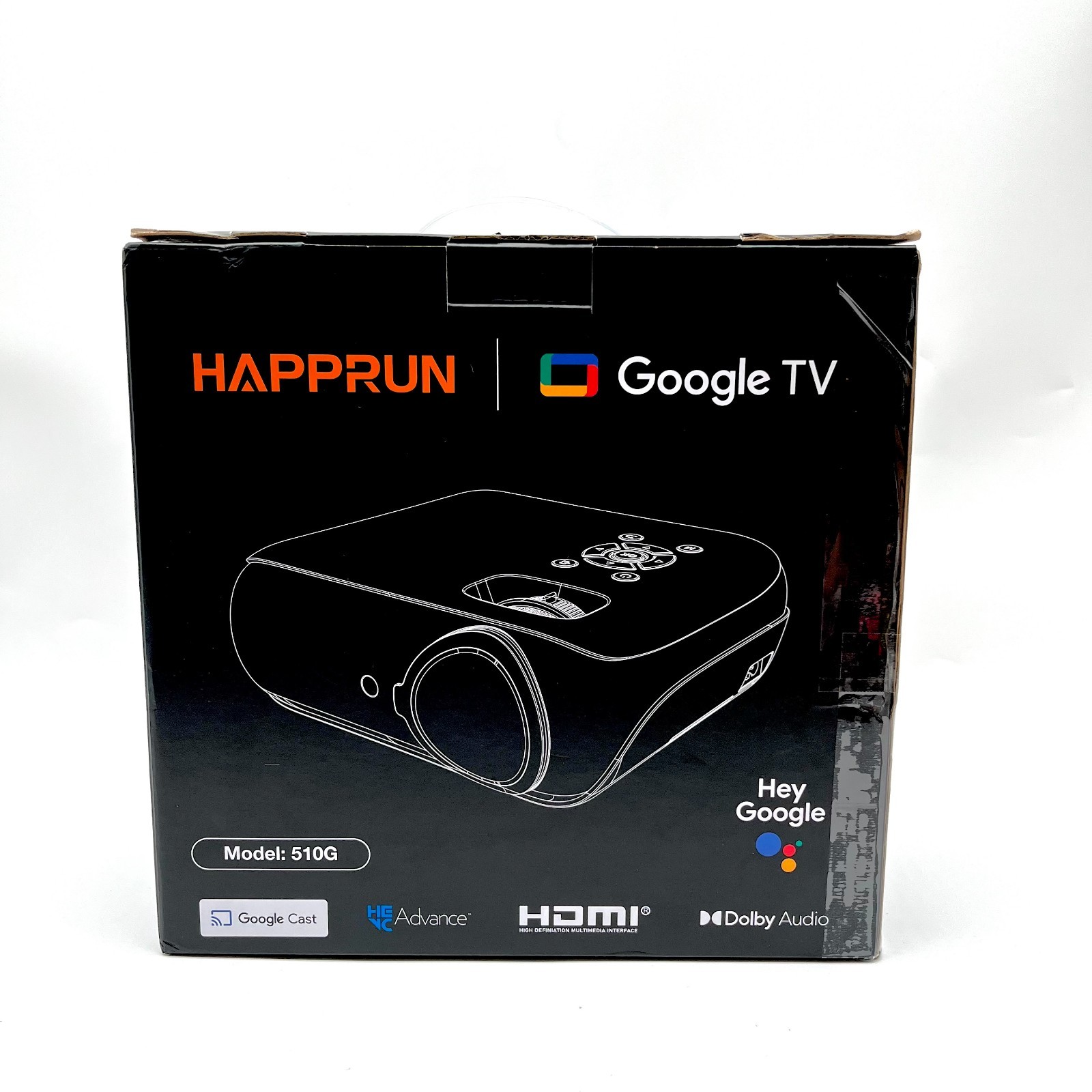
A projector with WiFi and Bluetooth integrates wireless screen mirroring, streaming apps, and audio output, but the core trade-off is between brightness (ANSI lumens) and true native resolution—many budget models claim 4K support while delivering only 1080p or 720p. The decision rule: prioritize a native 1080p panel with at least 300 ANSI lumens and dual-band WiFi for a dark room, or step up to 800+ ANSI lumens and WiFi 6 for ambient light and gaming.

Buying guide image
VR Gaming Hardware & Accessories

Meta Quest Controller

Meta Quest controllers are the primary input devices for Quest 2, Quest 3, and Quest 3S headsets, using inside-out tracking with infrared LEDs and inertial sensors. The key trade-off is between genuine first-party controllers with guaranteed compatibility and precise haptics versus third-party grips, stocks, and replacement parts that vary widely in fit and durability. The clear rule: buy genuine Meta controllers for core input, and add accessories only when they specify exact model compatibility and use reinforced materials.

Buying guide image
Keycaps & Artisan Keycaps

Pbt Keycap Set

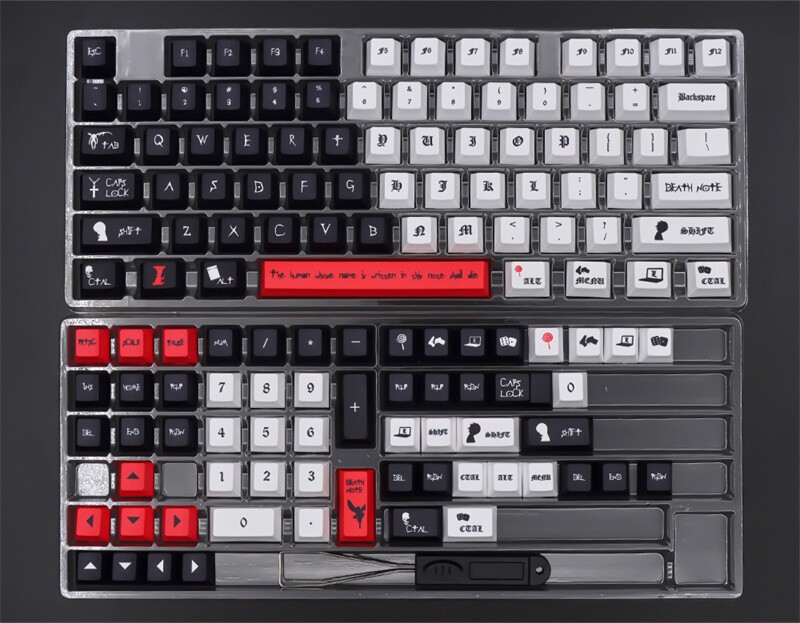
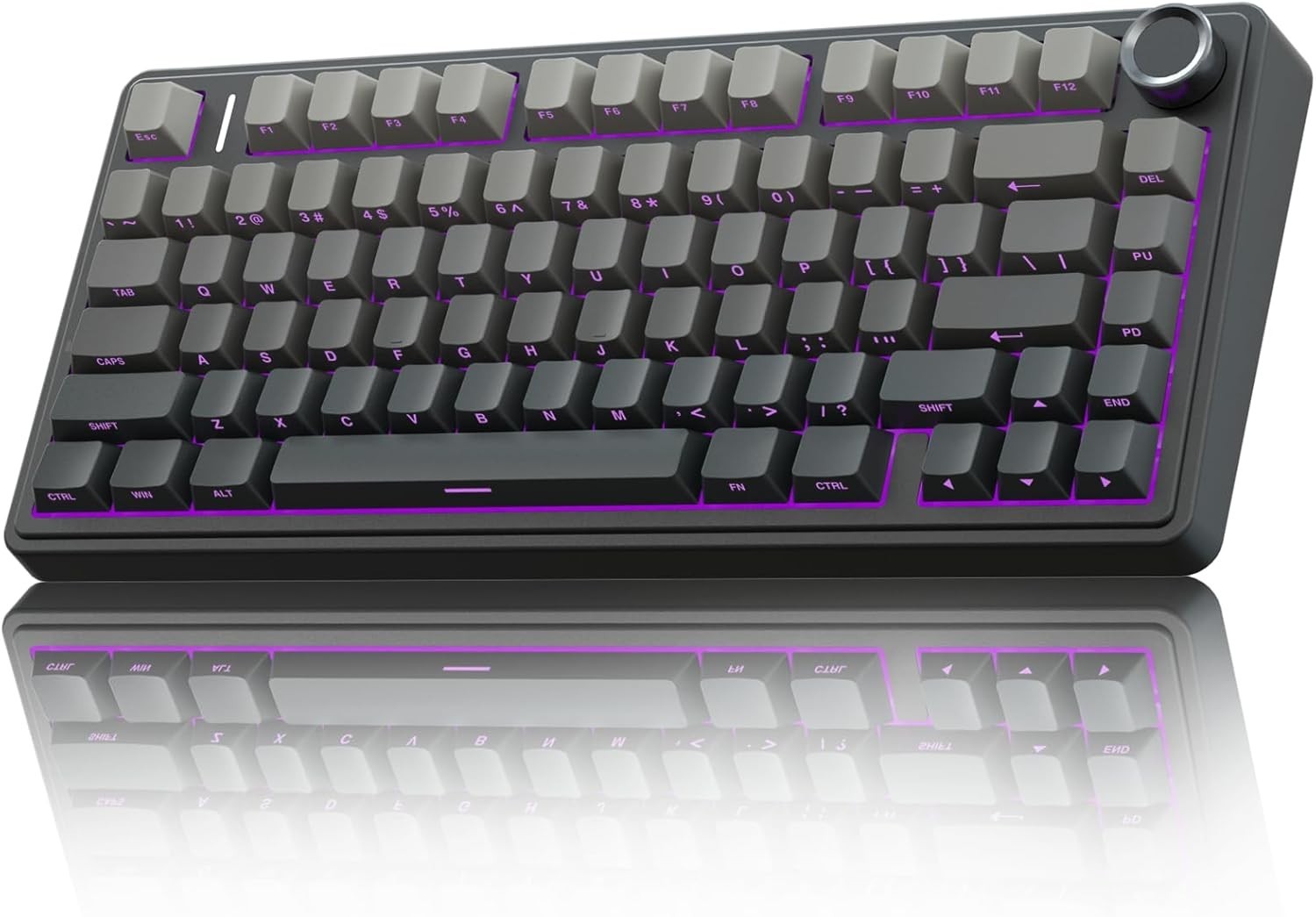
PBT keycap sets are aftermarket caps made from polybutylene terephthalate, a denser plastic that resists shine and wear far better than ABS. The core trade-off is mold quality and profile compatibility versus price: doubleshot legends last forever but limit colorways, while dye-sublimation allows detailed art with slightly softer legend edges. Buy a set with the correct profile and full coverage for your keyboard layout; skip thin, single-shot PBT with vague key counts and no stated stem standard.

Buying guide image
Flight Sim Yokes & Throttles

737 Throttle Quadrant

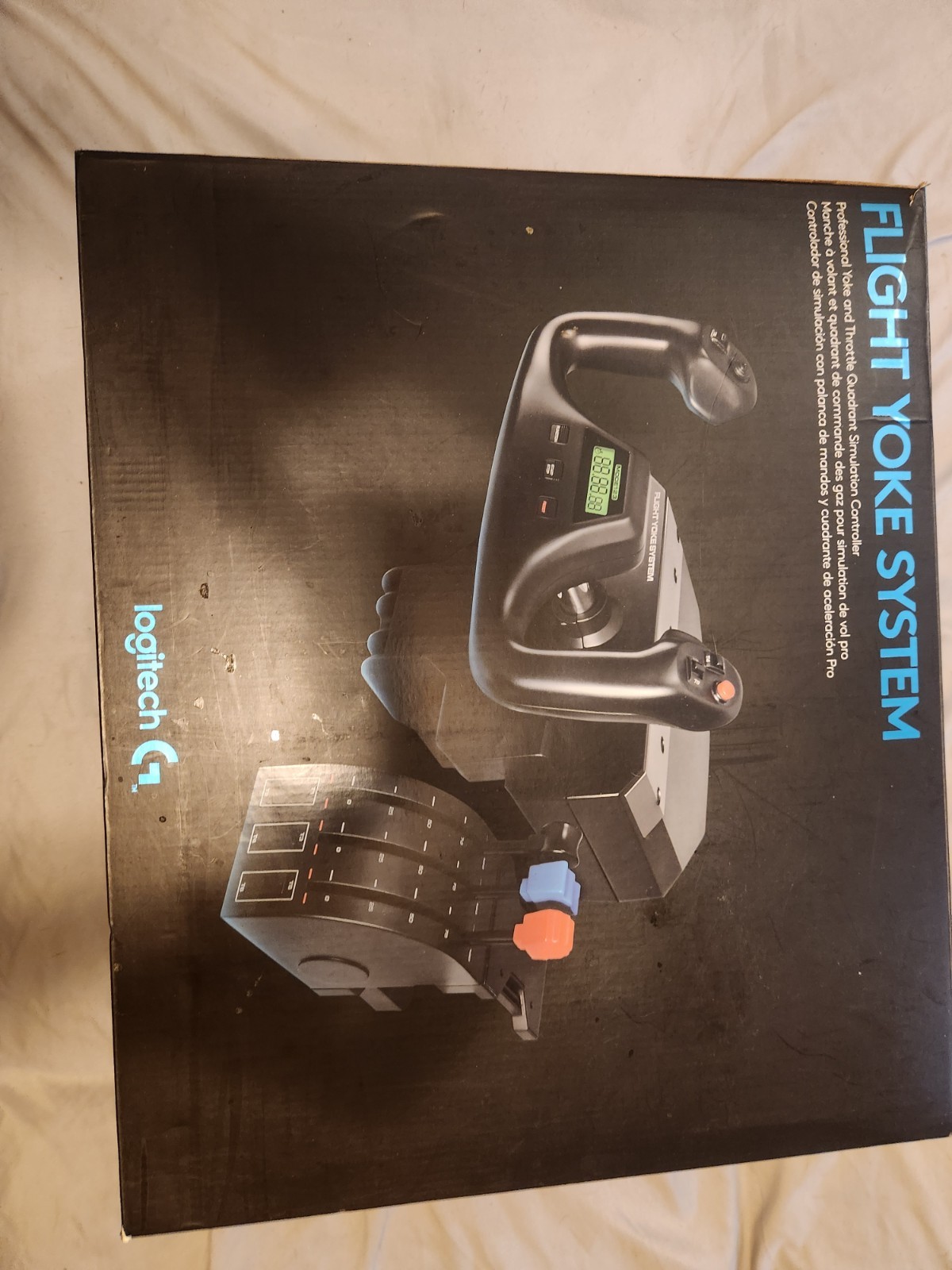
A 737 throttle quadrant is a desk-mounted or cockpit-mount control unit that replicates the Boeing 737's thrust levers, speedbrake, and flap detents for flight simulation. The primary trade-off is between cheap potentiometer-based plastic units with loose detents and metal-bodied Hall-effect units with physical lever geometry and calibrated gate stops. The decision rule: buy a quadrant with non-contact Hall sensors and an adjustable friction/detent mechanism, skip any unit that relies on unsealed potentiometers or lacks a speedbrake arm.

Buying guide image
Mechanical Keyboards

G Pro Keyboard

The Logitech G Pro keyboard line is a tournament-focused tenkeyless (TKL) mechanical series built for esports portability and low-latency input. The core trade-off is wired USB vs. LIGHTSPEED wireless and fixed pre-installed switches (GX Blue/Clicky, Brown/Tactile, Red/Linear) versus the hot-swappable PRO X modular switch system. Buy the PRO X TKL if you want swappable switches or wireless; buy the original G Pro TKL only as a wired, fixed-switch budget tier.

Buying guide image
Projectors & Screens

Projector Screen Outdoor With Stand

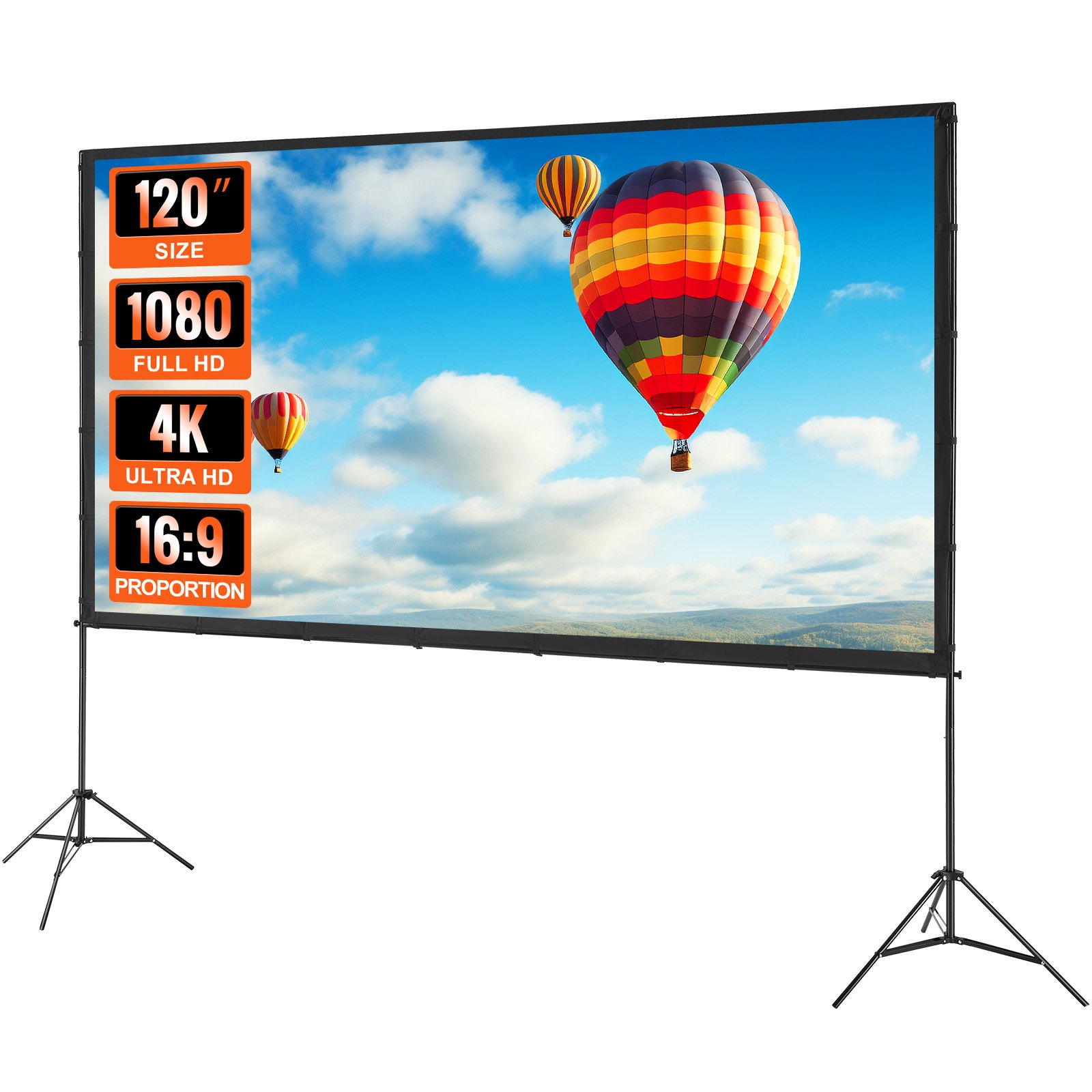
An outdoor projector screen with stand bundles a tensioned or foldable fabric surface with a freestanding frame or tripod, trading portability and wrinkle resistance against base stability in wind. The deciding factor is base architecture: tripod legs with guy-line anchors for compact carry versus a wide-foot bar frame for larger 120–150 in surfaces that resist tipping. Buy the widest screen with a base rated for your wind exposure—not the largest diagonal that fits a wall.

Buying guide image
Sim Racing Cockpits & Mounts

Sim Racing Cockpit With Monitor Stand

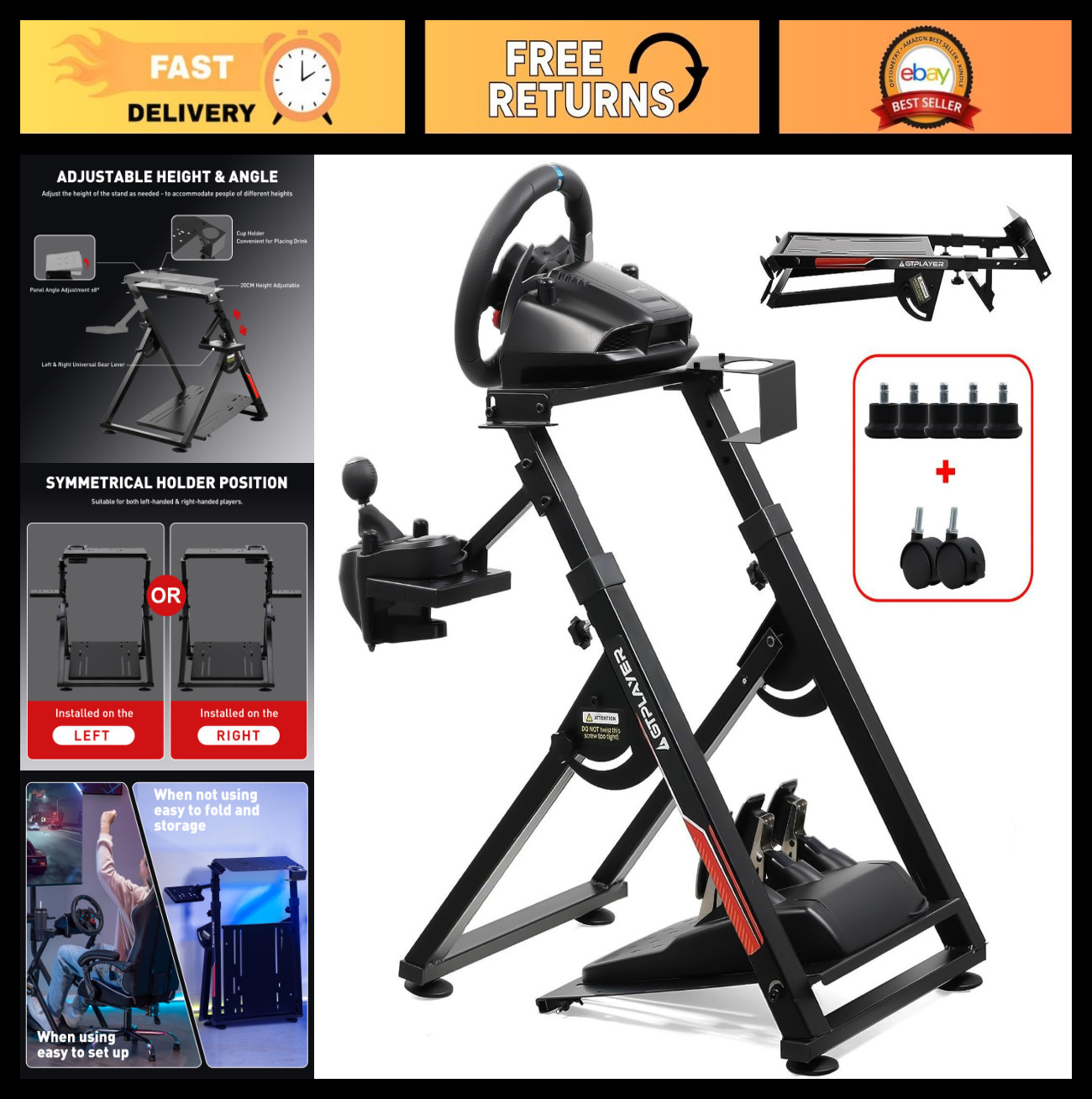
A sim racing cockpit with a monitor stand integrates the wheel/pedal frame, seat, and display support into one rigid structure, so the primary trade-off is frame stiffness and adjustability versus floor-space and cost. Durable options use thick alloy steel tubing with triangulated bracing and a VESA-compatible, height/tilt-adjustable monitor arm; compromises rely on thin round tube, single-bolt clamps, and fixed display positions.

Buying guide image
Projectors & Screens

Outdoor Projector Screen With Stand

An outdoor projector screen with stand is a transportable projection system combining a wrinkle-resistant fabric or vinyl surface with a freestanding frame—typically a tripod, crossbar, or A-frame—sized 60 to 150 inches diagonal. The core trade-off is between lightweight tripod portability (fast setup, but vulnerable to wind and sag) versus rigid frame-and-leg construction (heavier, but taut and stable for backyard movie nights). Choose a metal-frame or weighted-bar-feet stand with a tensioned 16:9 surface if you watch outdoors regularly; a plain tripod screen is acceptable only for calm, indoor, or short-session use.

Buying guide image
Cartridges & Phono Preamps

Phono Preamp

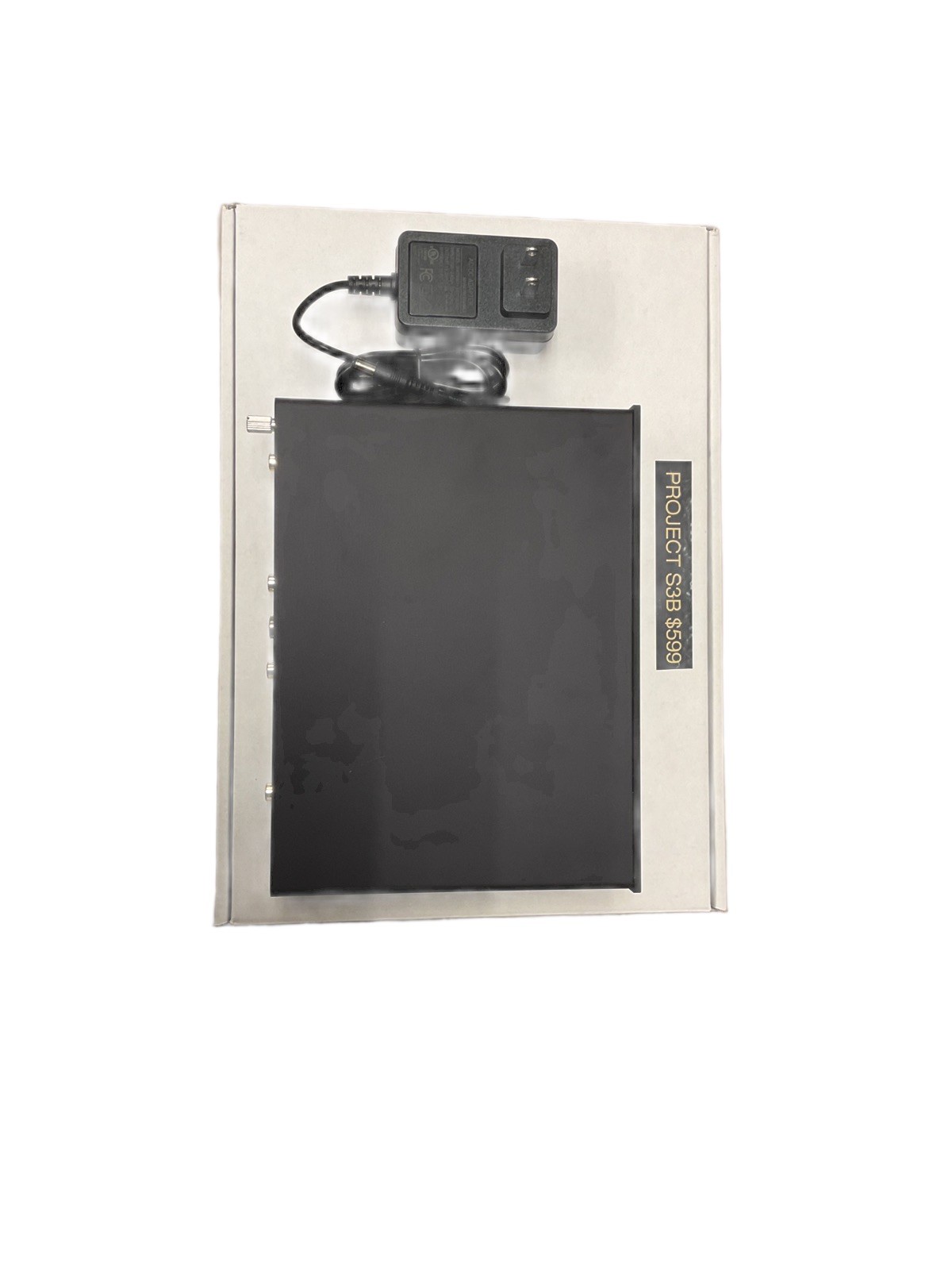
A phono preamp amplifies a turntable's low-output cartridge signal and applies RIAA equalization so it can drive a line input; the core trade-off is gain/headroom and loading accuracy versus noise floor and build isolation. Choose a solid-state MM/MC stage with adjustable gain and proper capacitive loading for accuracy, or a tube-hybrid for coloration—skip anything with fixed low gain that can't match your cartridge output.

Buying guide image
Chargers, Power Banks & Adapters

Portable Phone Charger

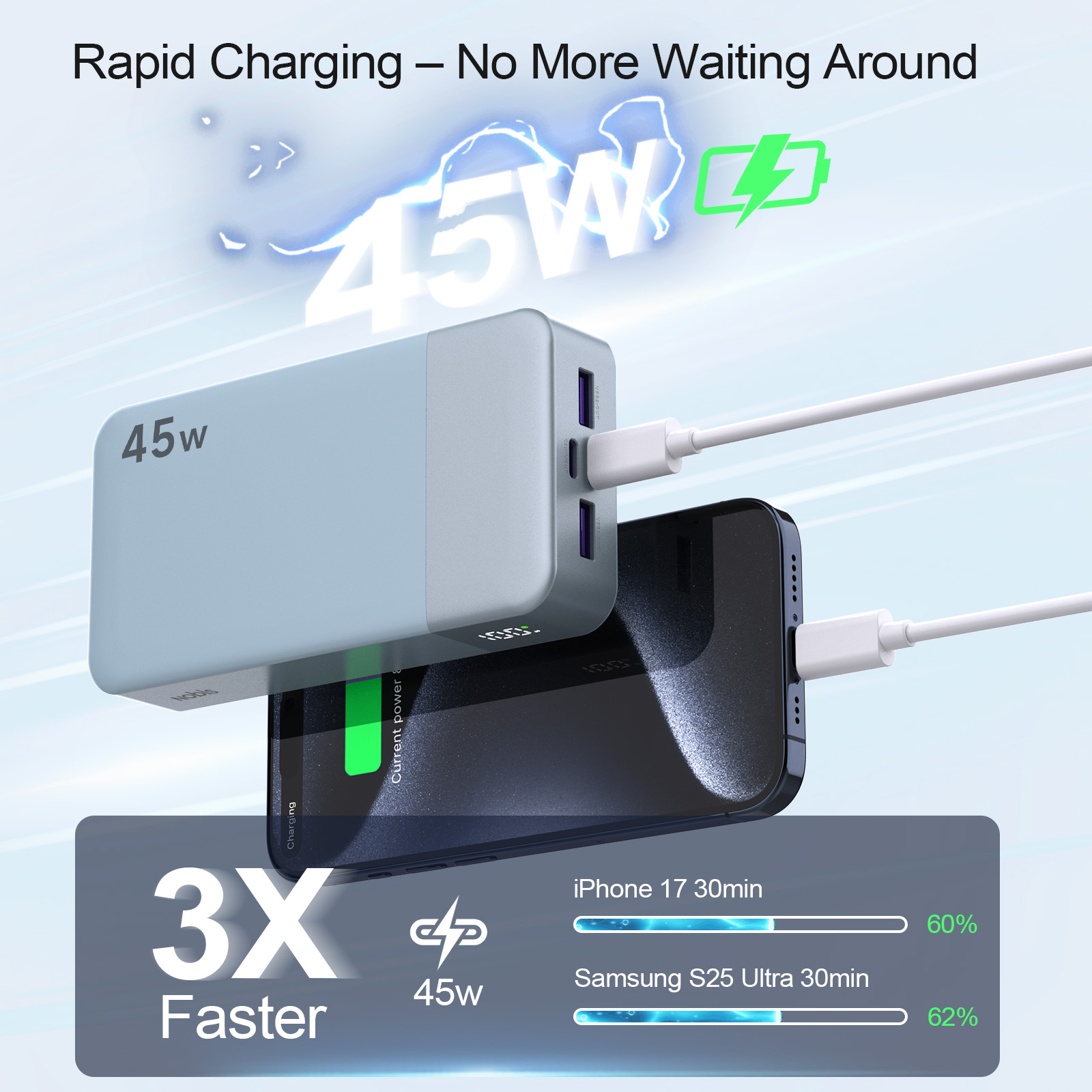
A portable phone charger is a lithium-ion battery pack rated by capacity (mAh) and output wattage (W) that must match your phone's fast-charge protocol. The core trade-off is weight versus capacity: 10,000mAh fits a pocket and charges a phone roughly twice, while 20,000mAh units add laptop-class 45-65W PD output but weigh about twice as much. Choose by output wattage and charging protocol first; treat raw mAh claims without a listed wattage or cell type as a red flag.

Buying guide image
Server Racks, Cooling & Cabling

Wall Mount

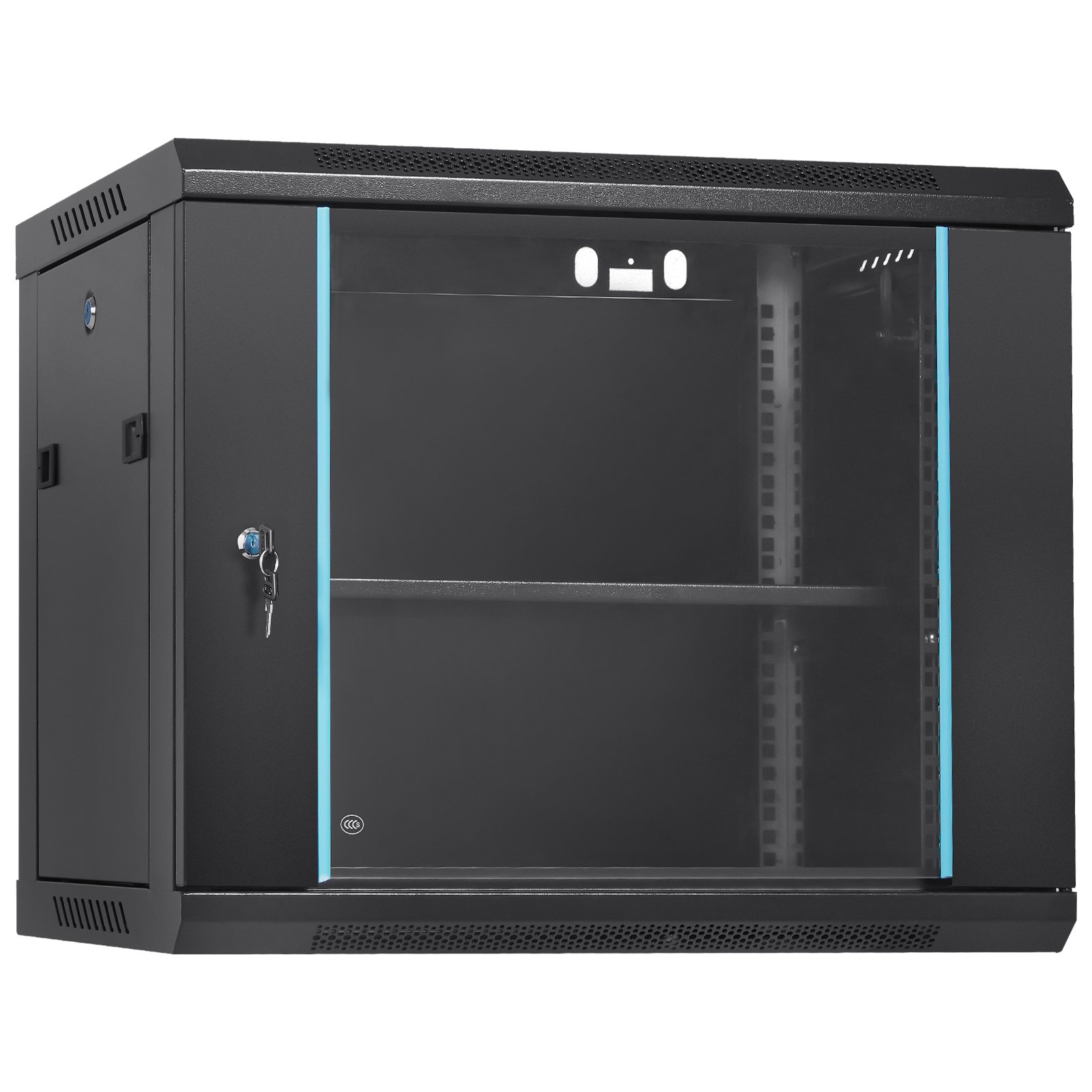
Wall-mount racks are 19-inch EIA-310 equipment enclosures or open frames that hang from a wall to save floor space in network closets, home labs, and AV installs. The core trade-off is enclosure depth and static load capacity versus wall-mount simplicity: shallow cabinets fit patch panels but block deep servers, while open frames carry more weight but expose gear. Choose a true 19-inch EIA-compliant frame rated above your loaded weight with a depth that clears your longest device; skip any rack that lacks a stated U-height and load rating.

Buying guide image
Chargers, Power Banks & Adapters

Phone Power Bank

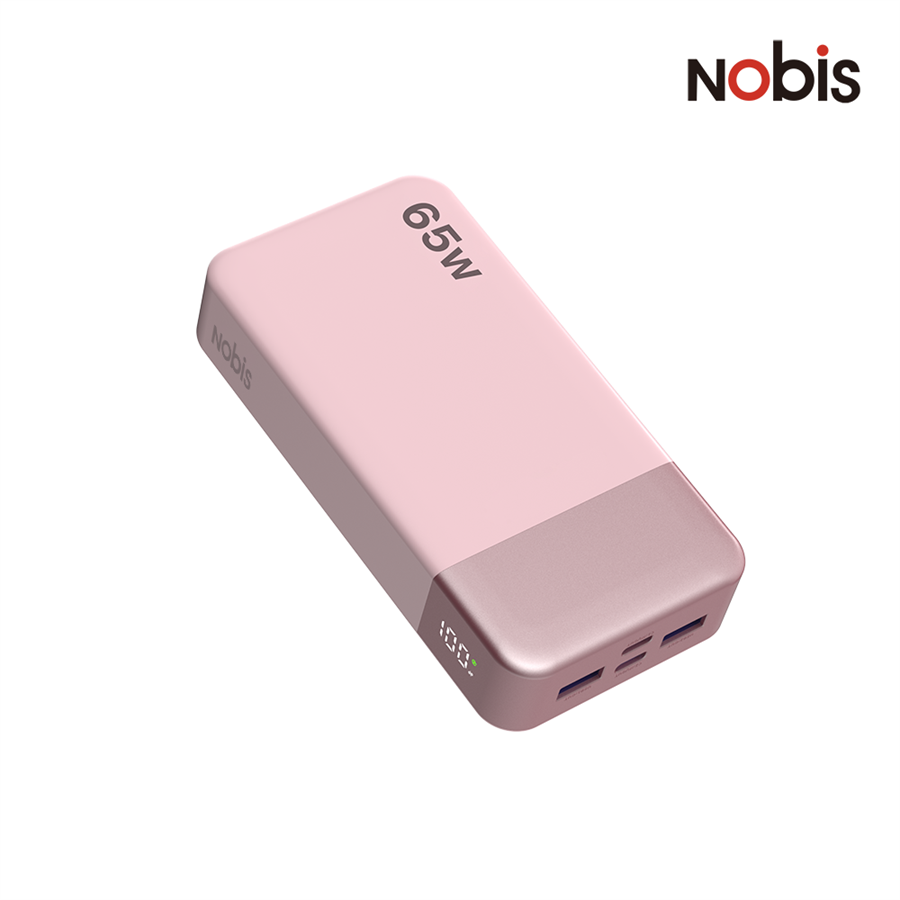
A phone power bank is a portable lithium-ion or lithium-polymer battery with USB-C/USB-A output that trades capacity and charge speed against size, weight, and port durability. The core trade-off is watt-hour capacity versus pocketability: 10,000mAh-class packs stay phone-only and airline-safe, while 20,000mAh-class packs add laptop output at double the bulk. Buy a pack whose USB-C PD wattage matches your phone's peak draw and whose cell capacity is honestly rated in watt-hours; skip unrated, glued-shut plastic packs.

Buying guide image
NAS Storage & Drives

NAS

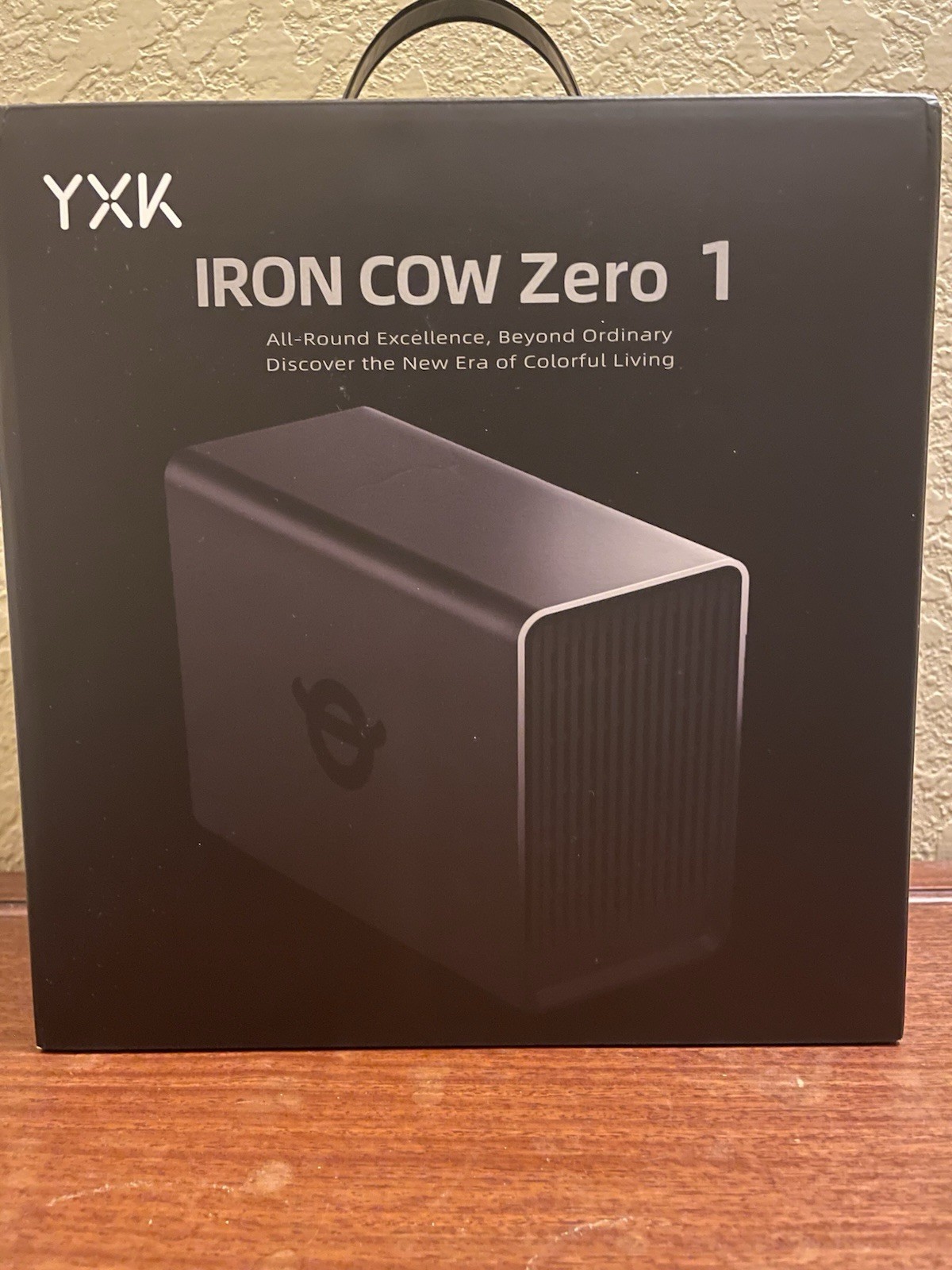
A NAS is a dedicated network appliance that centralizes file storage, backups, and media serving for every device on your LAN. The core trade-off is drive-bay count and CPU/RAM tier versus idle power, noise, and cost—more bays and a faster SoC buy longevity, but only if you actually populate them. Buy a multi-bay enclosure with a current 64-bit SoC, ECC-or-better RAM headroom, and 2.5GbE or upgradeable networking; skip single-drive personal-cloud boxes and legacy 32-bit ARM units with 128MB RAM if you want years of service.

Buying guide image
Controllers & Gaming Accessories

Controller Stand

A controller stand is a desk or wall display/storage accessory that holds one or more gamepads in a stable, accessible position. The core trade-off is universal cradle geometry versus model-specific fit, plus material rigidity—3D-printed PLA versus acrylic versus metal—which determines whether the stand grips securely or flexes and scratches. The decision rule: buy a universal or verified model-specific cradle with a non-slip base and controller-contact padding; skip bare 3D-printed stands without felt or rubber contact surfaces.

Buying guide image
In-Ear Earphones

Wireless Bluetooth Headset

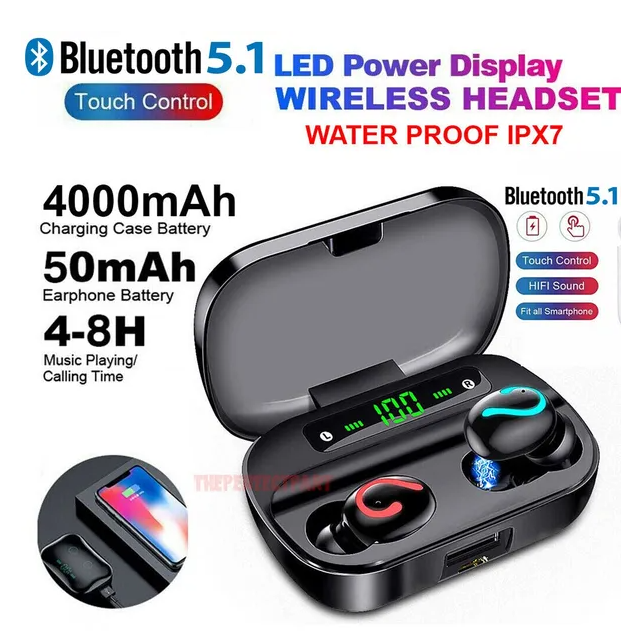
Wireless Bluetooth headsets span true wireless earbuds, neckband sports sets, and mono trucker/driving earpieces, all trading battery capacity and acoustic isolation against weight and fit stability. The deciding trade-off is Bluetooth generation plus driver/codec quality versus mic array and battery tier—older 5.0 mono sets are voice-first, while 5.3 TWS sets are music-first. Buy 5.2 or newer with an explicit mic specification for calls; treat unbranded 5.0 mono earpieces as single-purpose driving tools, not all-day audio.

You may also like

Finding more guides for you…