
Photos from current listings. Actual item, color, and included accessories may vary.
737 Throttle Quadrant Buying Guide
A 737 throttle quadrant is a desk-mounted or cockpit-mount control unit that replicates the Boeing 737's thrust levers, speedbrake, and flap detents for flight simulation. The primary trade-off is between cheap potentiometer-based plastic units with loose detents and metal-bodied Hall-effect units with physical lever geometry and calibrated gate stops. The decision rule: buy a quadrant with non-contact Hall sensors and an adjustable friction/detent mechanism, skip any unit that relies on unsealed potentiometers or lacks a speedbrake arm.
Median $119.99
Key takeaways
- Sensor type is the durability divider: Hall-effect magnetic sensors avoid wear and spiking, while standard carbon potentiometers degrade and cause jitter after heavy use cycles.
- Real 737 geometry uses three thrust levers plus a separate speedbrake lever and a flap lever with distinct gate notches; quadrants with all five axes replicate this, while 2-lever or 3-lever-only units force compromise.
- Detent mechanism quality separates tiers: metal spring-loaded ball detents give crisp idle, reverse, and takeoff/go-around stops; molded plastic ramps feel mushy and wear flat over time.
At a glance
- Category
- Flight Sim Yokes & Throttles
- Last updated
- Nov 24, 2026
Current offers
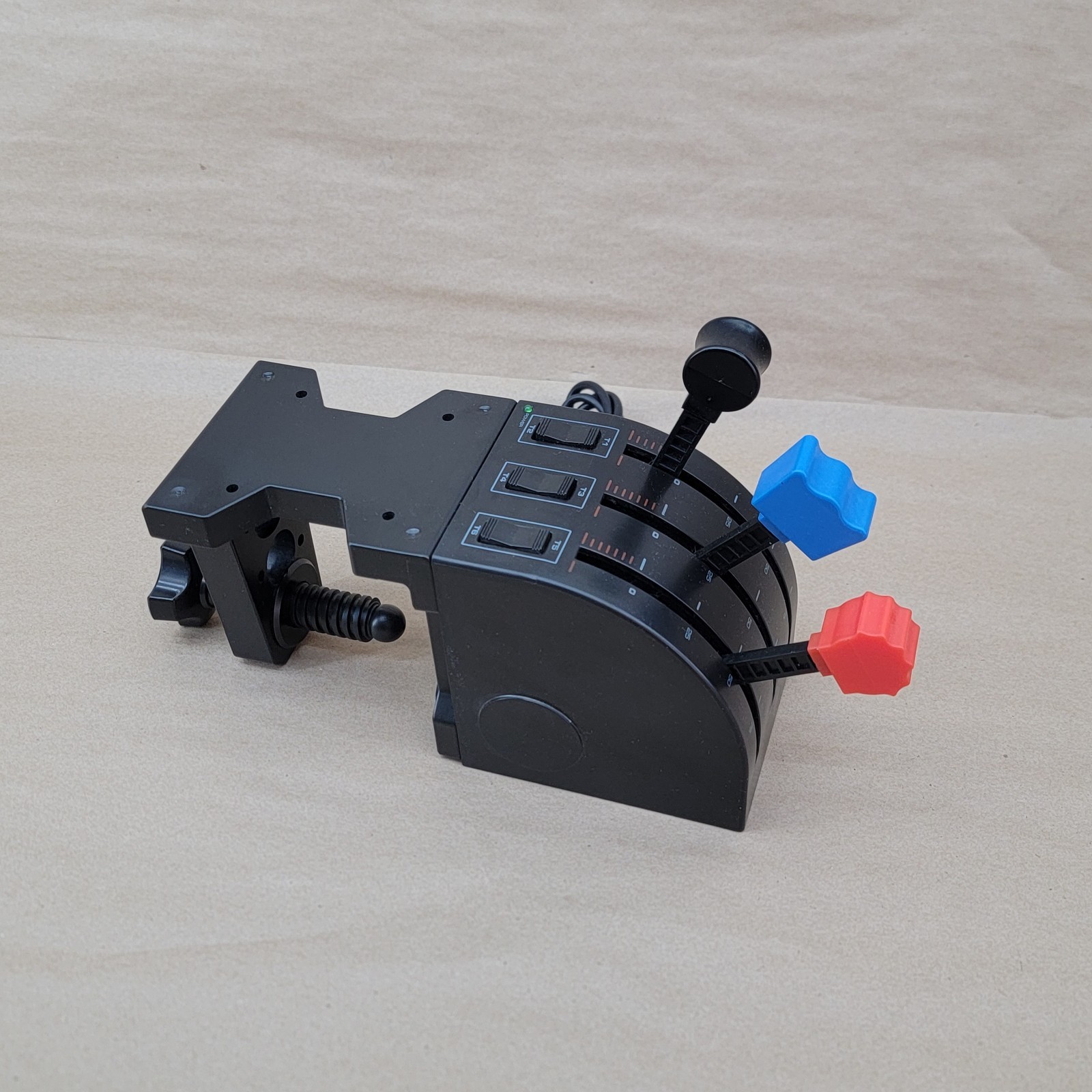 Logitech USB G Saitek PRO Flight Throttle Quadrant 3-Lever Flight Sim Black READ$29.99View on eBay
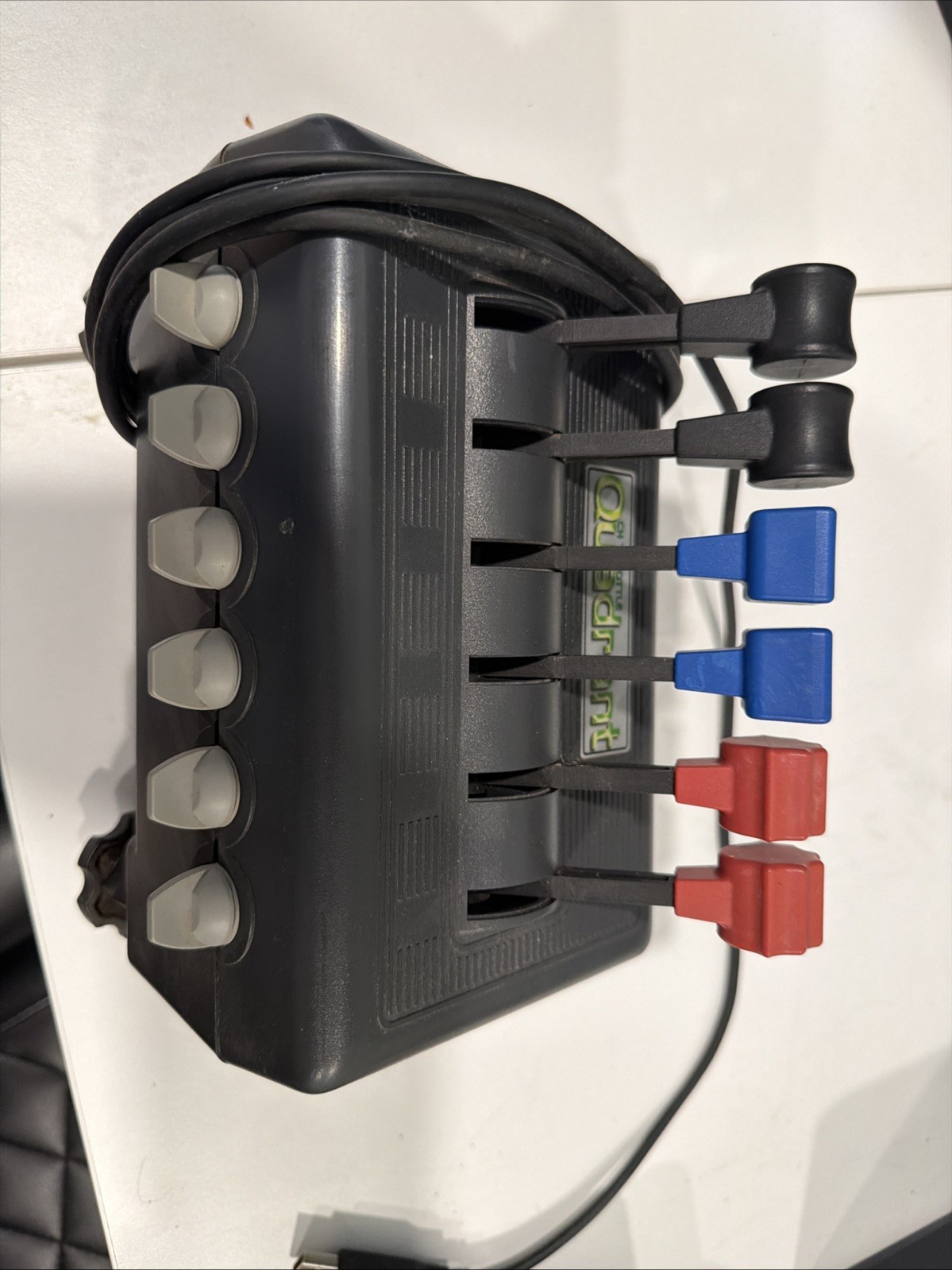 CH Throttle Quadrant$90.00View on eBay
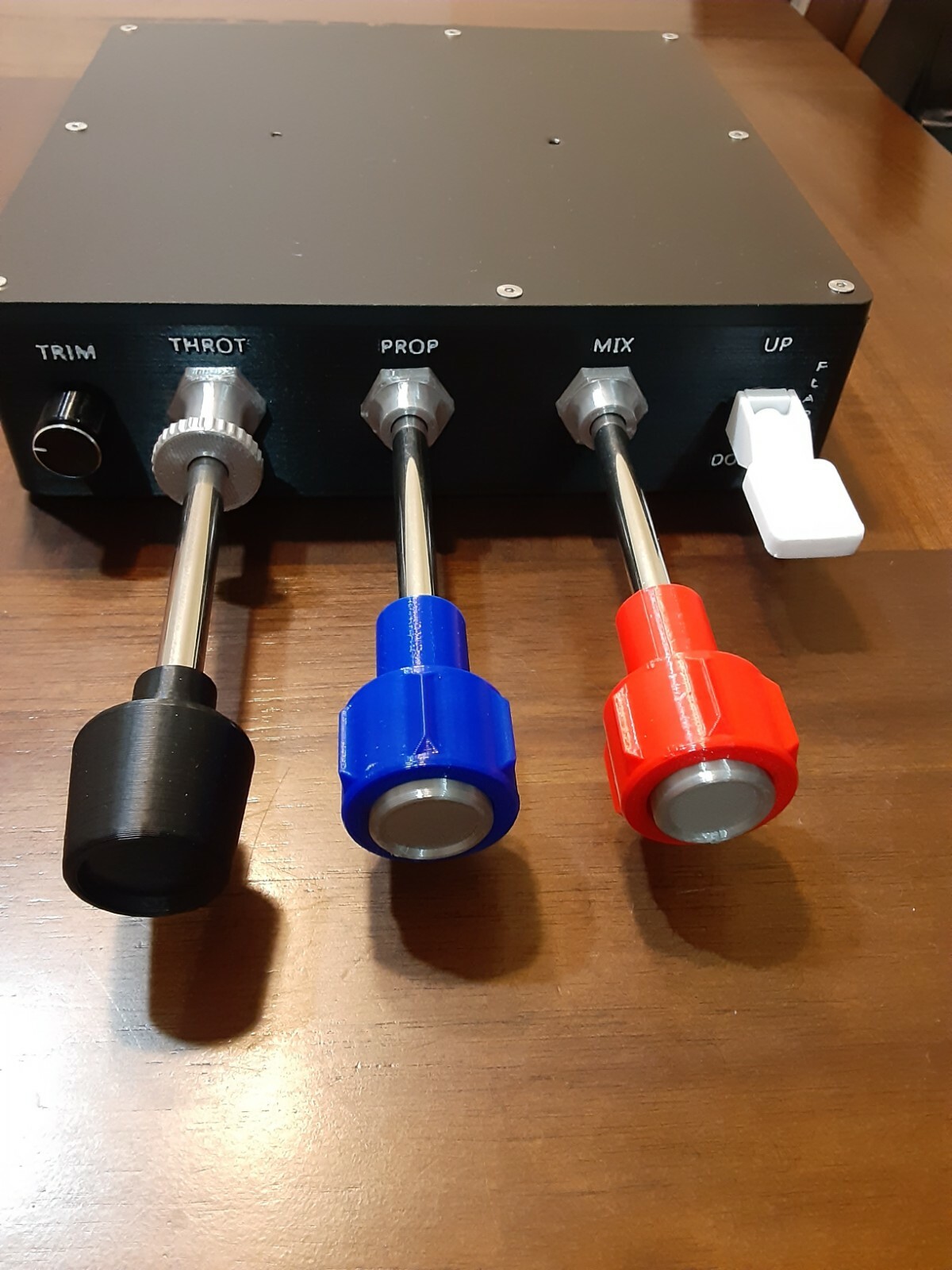 Cessna Throttle Quadrant Prop Mixture Flaps Trim Controller For Flight Sims$99.00View on eBay
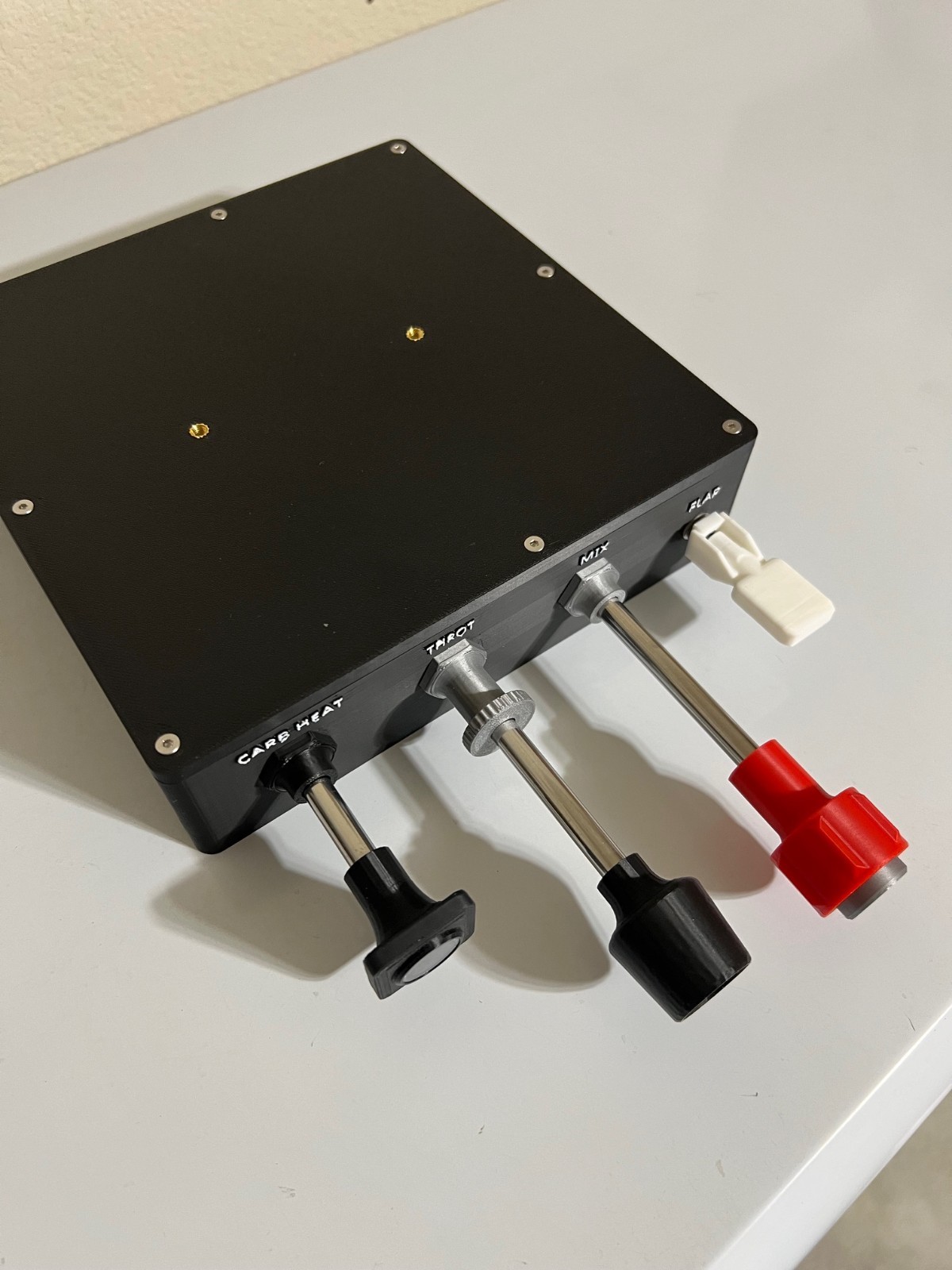 Cessna Throttle Quadrant Mixture Carb Heat Flaps Controller for Flight Sims$99.00View on eBay
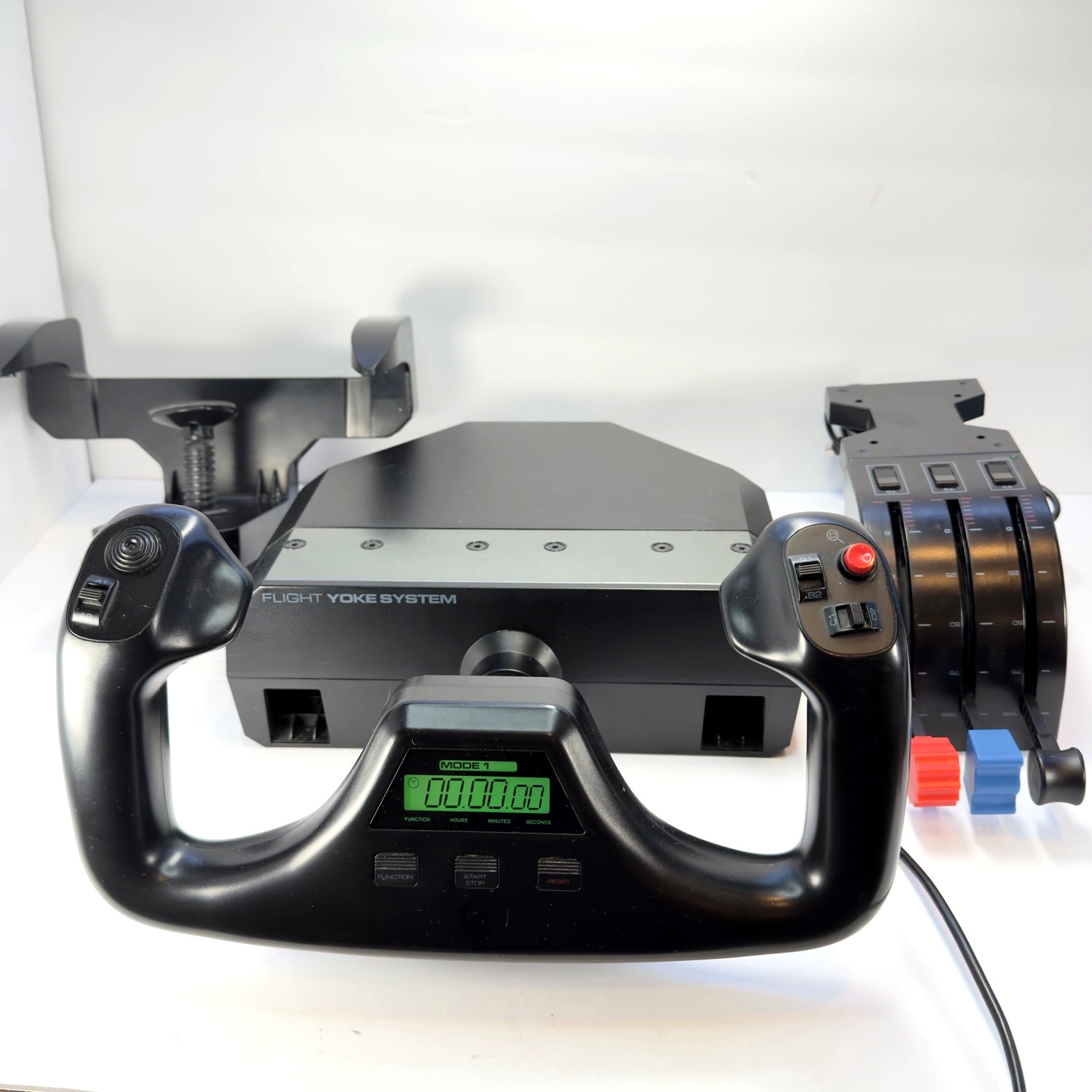 Logitech G Pro Flight Yoke System J-U0004 Throttle Quadrant PC Tested Working$109.99View on eBay
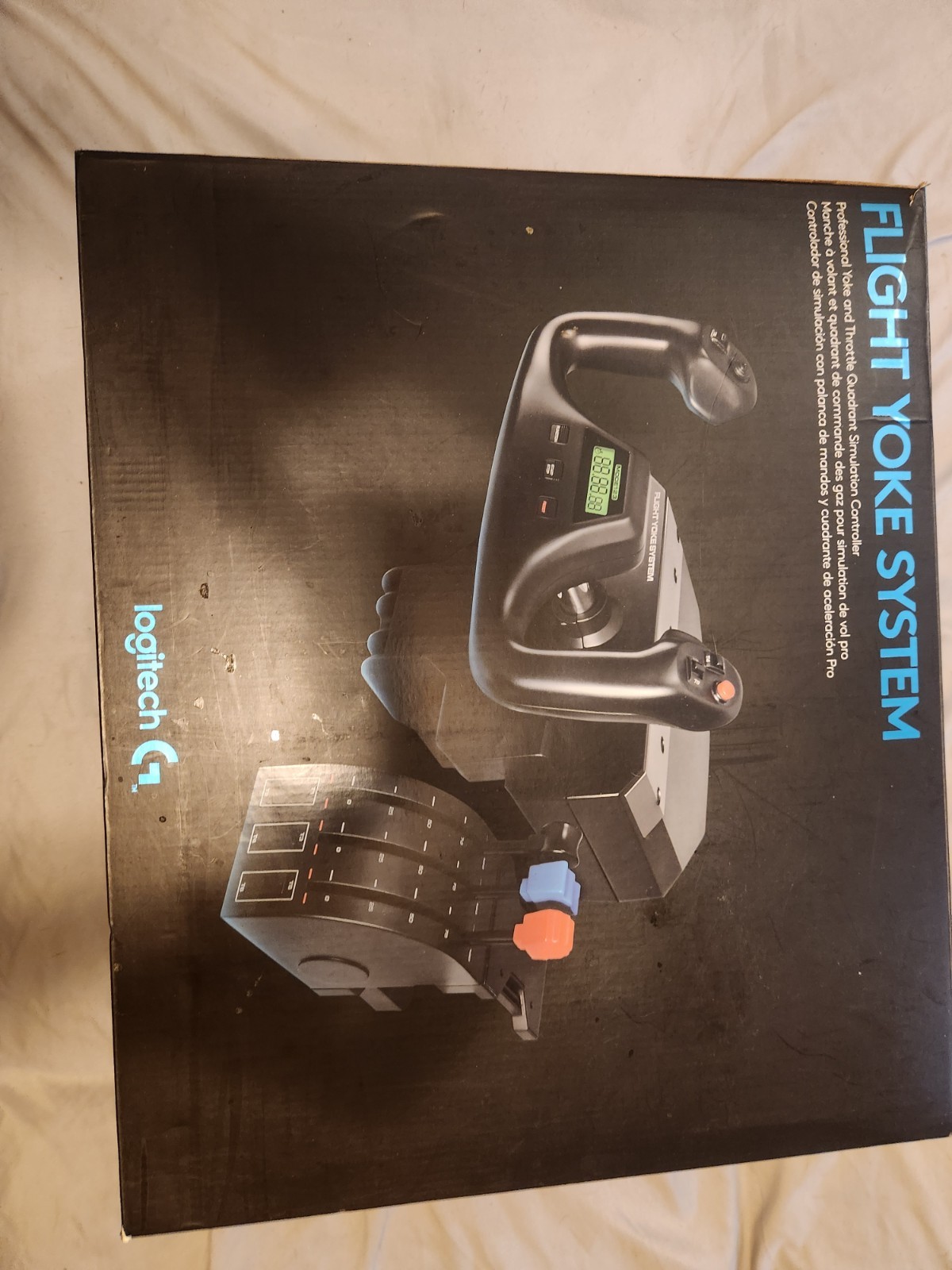 Logitech Flight Yoke System Professional Simulation Yoke and Throttle Quadrant$119.99View on eBay
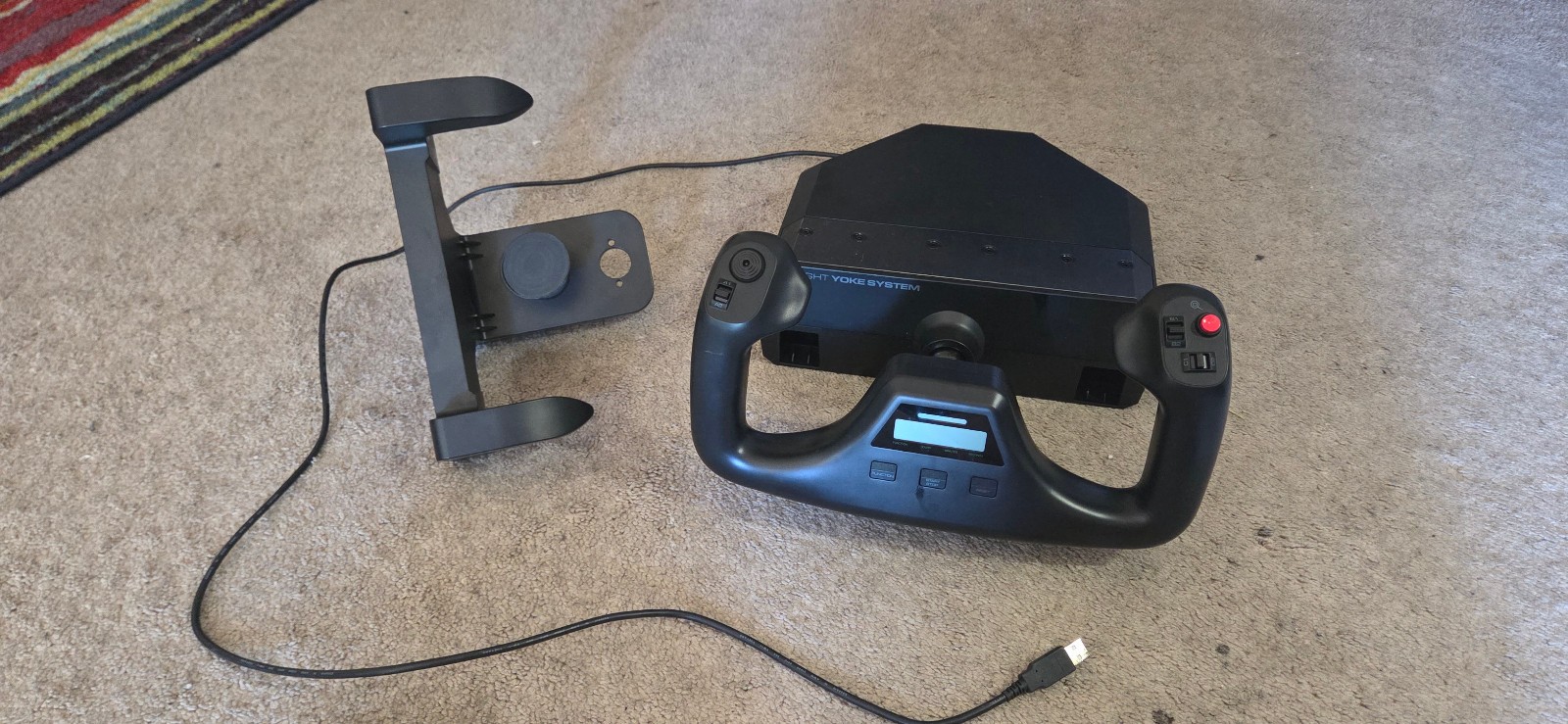 Logitech G Flight Simulator Yoke, Throttle Quadrant, Rudder Pedals, & X3D Pro$130.00View on eBay
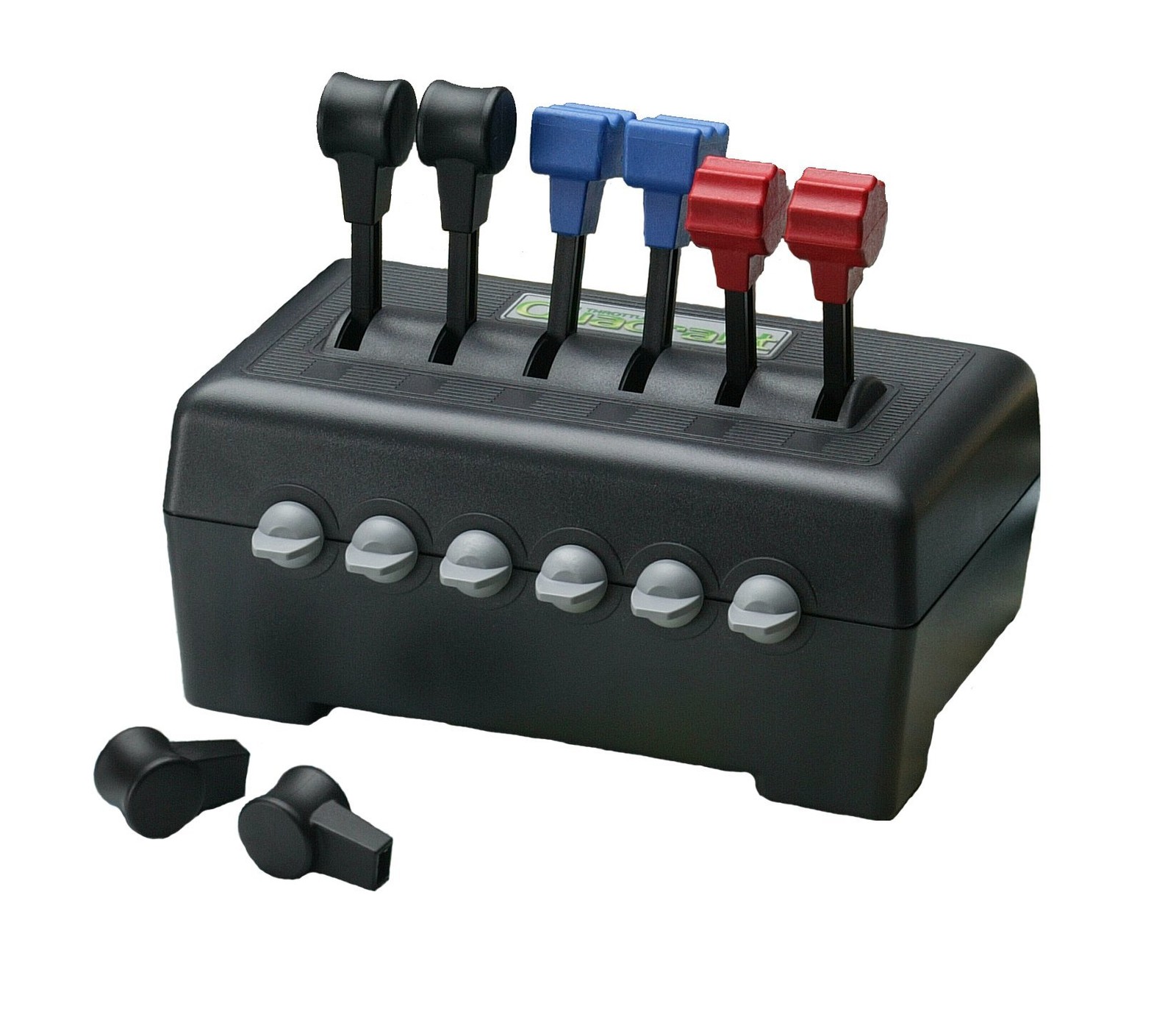 CH Throttle Quadrant (PC)$172.47View on eBay
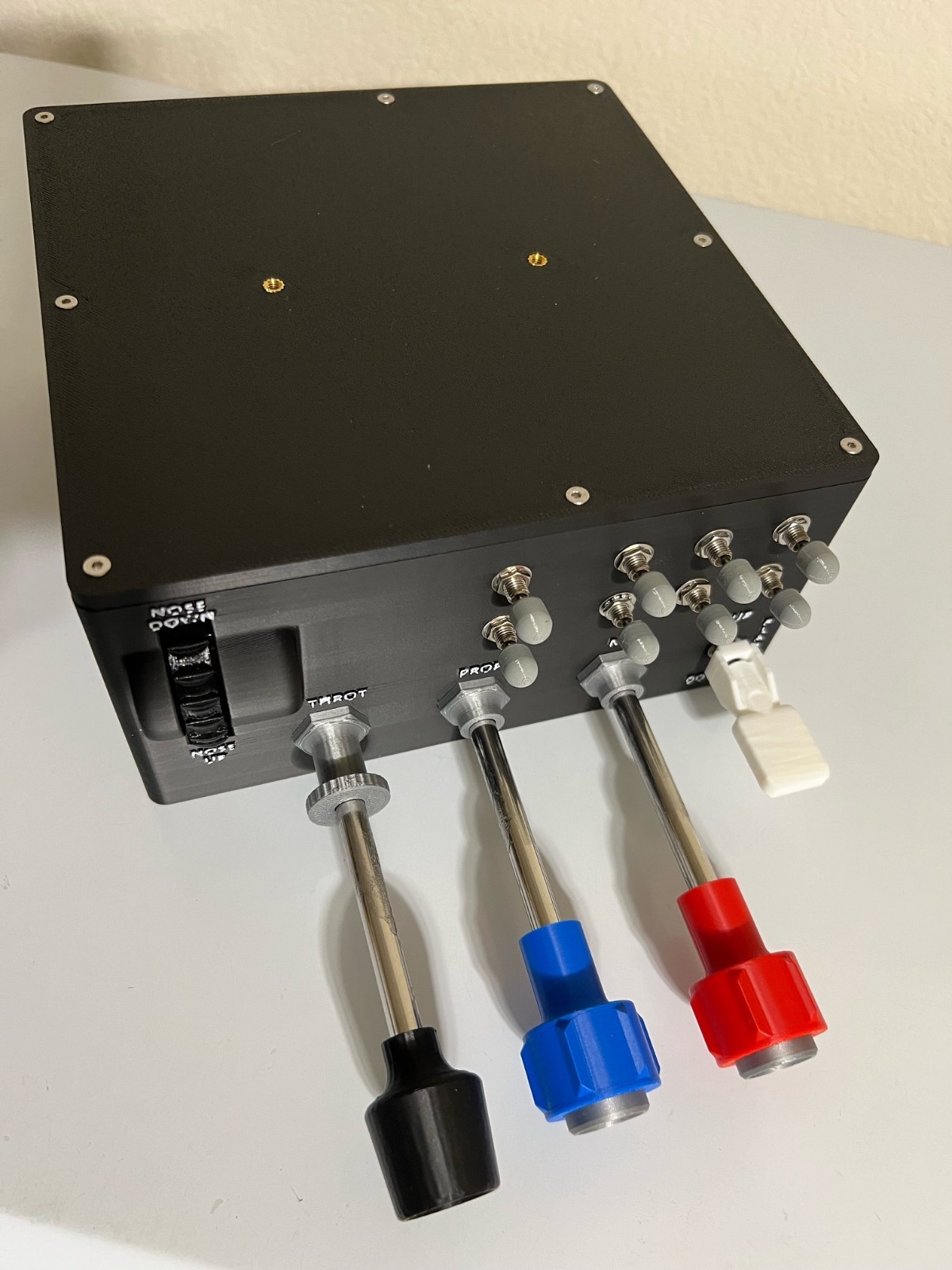 Cessna Throttle Quadrant TPM Prop Mixture Flaps Trim Controller For Flight Sims$179.00View on eBay
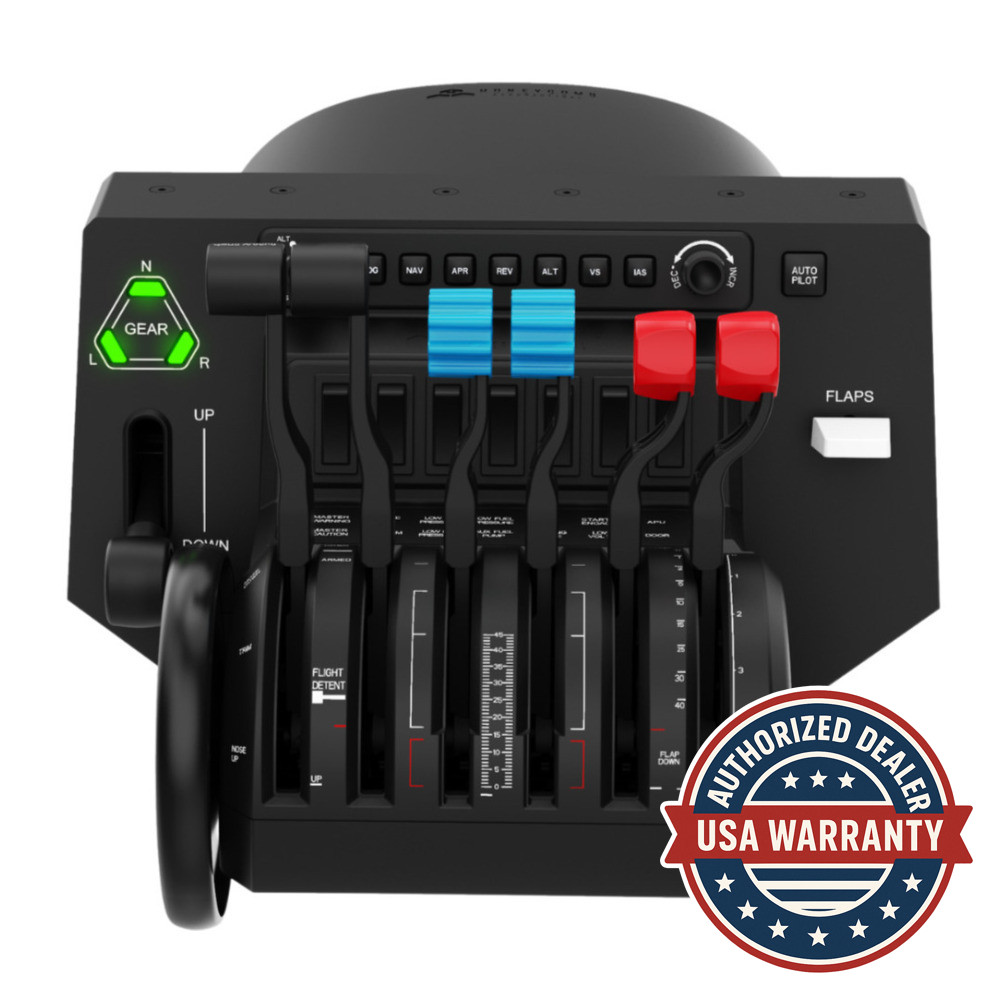 Honeycomb Aeronautical Bravo Throttle Quadrant Flight Sim PRO$299.99Last checked Nov 18, 2026View on eBay
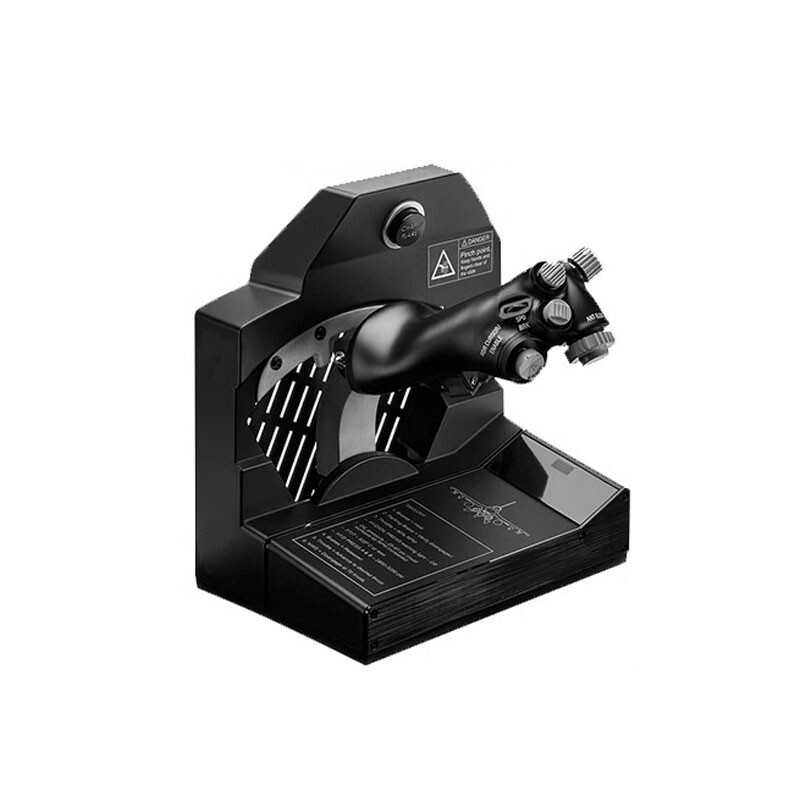 Original F16 Viper TQS Throttle Quadrant System Flight SIM Throttle Quadrant$703.00Last checked Nov 18, 2026View on eBay
Highlights
- Sensor type is the durability divider: Hall-effect magnetic sensors avoid wear and spiking, while standard carbon potentiometers degrade and cause jitter after heavy use cycles.
- Real 737 geometry uses three thrust levers plus a separate speedbrake lever and a flap lever with distinct gate notches; quadrants with all five axes replicate this, while 2-lever or 3-lever-only units force compromise.
- Detent mechanism quality separates tiers: metal spring-loaded ball detents give crisp idle, reverse, and takeoff/go-around stops; molded plastic ramps feel mushy and wear flat over time.
- Build materials matter for lever feel: aluminum or steel lever arms with ball-bearing pivots resist wobble, whereas all-plastic levers develop lateral play that ruins fine thrust adjustments.
Best use cases
- Best fit: airliner-focused simmers flying 737NG/MAX in MSFS or X-Plane who need five-axis control (3 thrust + speedbrake + flap) with physical reverse and TO/GA detents—pick a metal-bodied Hall-effect quadrant with adjustable friction.
- Best fit: cockpit builders mounting to a dedicated frame or desk with drilled hardpoints—choose a quadrant with bottom and rear M4/M5 mounting holes and a metal chassis, skipping clamp-only plastic units.
- Wrong fit: general aviation or fighter sim pilots—a 737-style quadrant's thrust-lever spacing and detent layout don't map cleanly to single-engine prop or jet fighter throttle needs; buy a dedicated GA throttle or HOTAS instead.
- Wrong fit: casual or space-constrained desk users—full five-lever quadrants are wide and tall; a compact 2-lever throttle unit or a combo yoke-throttle bundle fits better if the 737 layout isn't essential.
Buying tips
- Match axis count to the aircraft: a true 737 setup needs 5 axes (thrust x3, speedbrake, flap). Confirm the unit reports 5 independent USB axes and includes a flap lever with gate positions, not just a slider.
- Check sensor spec explicitly: choose Hall-effect or contactless magnetic sensors rated for millions of cycles; avoid listings that only say 'potentiometer' without sealed or long-life specification.
- Verify detent adjustability: good quadrants let you set idle, reverse, and TO/GA stop positions with set screws or swappable gates; fixed molded detents cannot be recalibrated to different sim profiles.
- Confirm mounting and footprint: measure desk depth and height clearance—five-lever quadrants typically need 25–35 cm of depth and 15–20 cm of height; check for M4/M5 hardpoints if cockpit-mounting.
Specs
| Sensor Type | Hall-effect vs potentiometer |
|---|---|
| Lever Count | 5-axis (3 thrust + speedbrake + flap) |
| Detent Style | Adjustable metal ball vs fixed plastic |
| Chassis Material | Metal body vs ABS plastic |
Related searches
What to check before buying
- Measure desk or cockpit space: allow at least 30 cm depth and 18 cm height clearance for a five-lever 737 quadrant, plus room for full forward/back lever travel.
- Confirm USB connection and power: unit should be bus-powered USB HID with a standard Type-A or Type-C cable; no external power brick should be required for a throttle-only device.
- Check sim compatibility and calibration software: verify the quadrant is recognized natively in MSFS, X-Plane, or Prepar3D, and that axis assignment and detent calibration can be done in-sim or via included config tool.
- Verify mounting hardware and surface: ensure the desk edge or frame accepts the included clamp or bolt pattern; metal chassis with M4/M5 holes is preferable for permanent cockpit builds.
FAQ
Data sources: eBay / Amazon listings and product attribute feeds. Updated Nov 24, 2026.
Some links on this page are affiliate links. If you buy after clicking one, we may earn a commission at no extra cost to you. This does not change which products appear here or their order. Affiliate disclosure.