TechShelf Guide

TechShelf Guide

Consumer Electronics Reviews & Buying Guides

Compare consumer electronics by use case, features, trade-offs, price, returns, and seller terms before you buy.

Buying guides

Buying guide image
Antenna Tuners & SWR Meters

Automatic Tuner Antenna

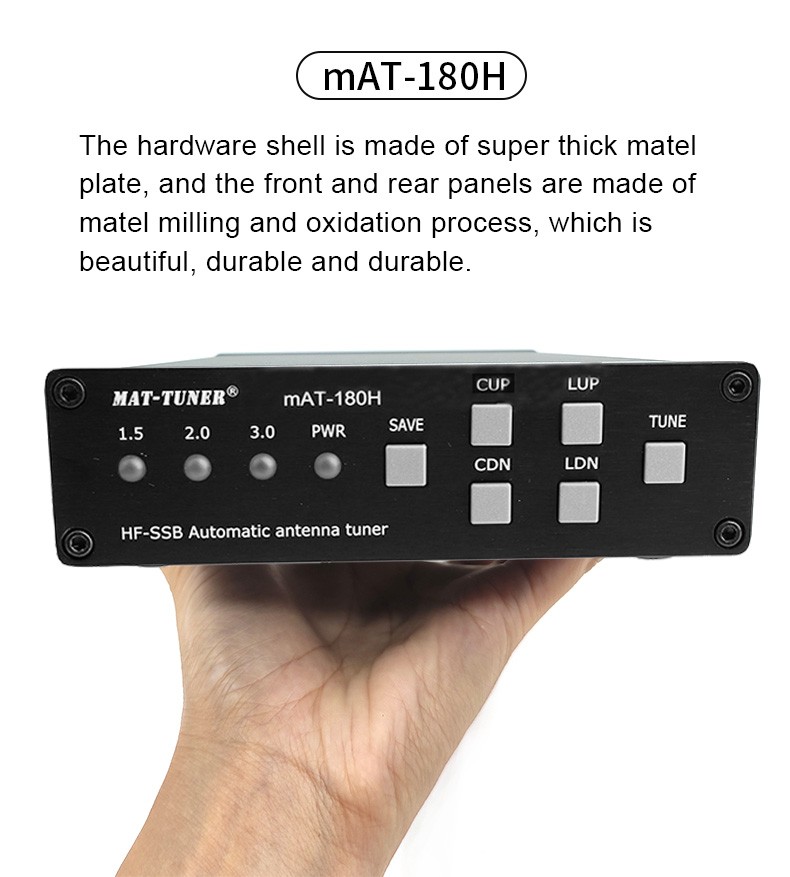
An automatic antenna tuner is an impedance-matching network that senses SWR and switches inductors/capacitors to present your transceiver with a 50-ohm load, extended to cover bands where the antenna is not resonant. The core trade-off is durable relay and component headroom versus cheaply built units that arc, drift, or cannot handle full legal power. Buy a tuner rated at least 1.5x your transceiver's PEP output with genuine relay switching and native CAT/band-data support; skip bare-board or no-name units without power and voltage headroom.
Buying guide image
Replacement Parts, Modding & Repair Tools

Screwdriver Set

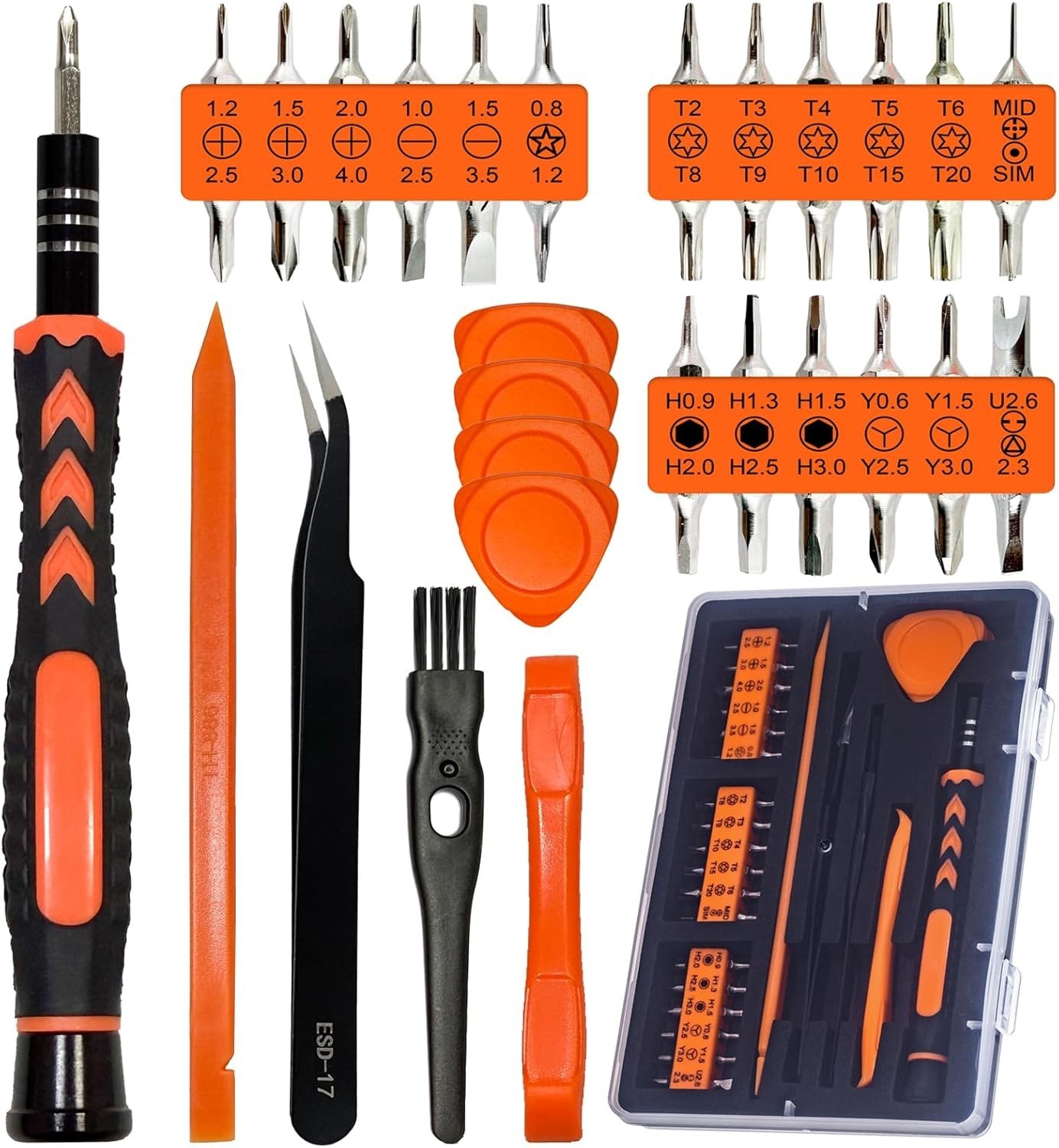
Console screwdriver sets are precision bit kits purpose-built for opening Nintendo, Xbox, PlayStation, and Game Boy hardware without stripping recessed fasteners. The decisive trade-off is bit steel quality and exact driver sizing versus kit breadth, since a 45-piece kit full of soft filler bits fails where a compact set of correctly hardened security bits succeeds. Buy a set with S2 or CR-V steel, true 4 mm hex bits, and the platform-specific security bits you need; skip chrome-vanadium-looking mystery-metal kits with loose tolerances.

Buying guide image
VR Gaming Hardware & Accessories

Oculus Rift S

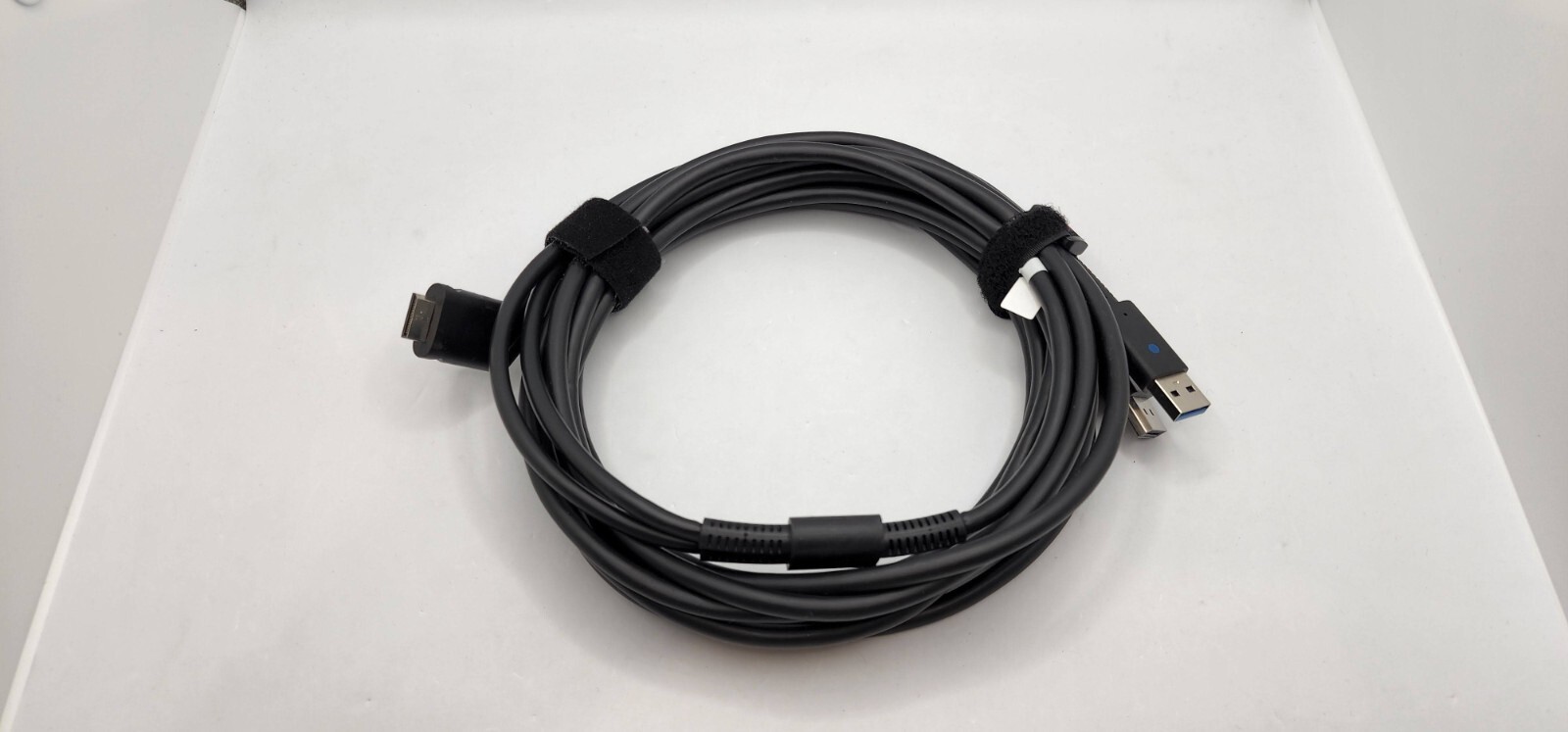
The Oculus Rift S is a discontinued PC-tethered VR headset using inside-out tracking and a single LCD panel, requiring a DisplayPort connection and Windows PC. The core trade-off is buying a legacy Meta platform with no official support against its low entry cost and native Oculus PC library. The decision rule: buy only a complete, tested kit with both Touch controllers and the proprietary 5m fiber-optic cable, since replacement parts are scarce and expensive.

Buying guide image
Sim Racing Cockpits & Mounts

Racing Sim Rig

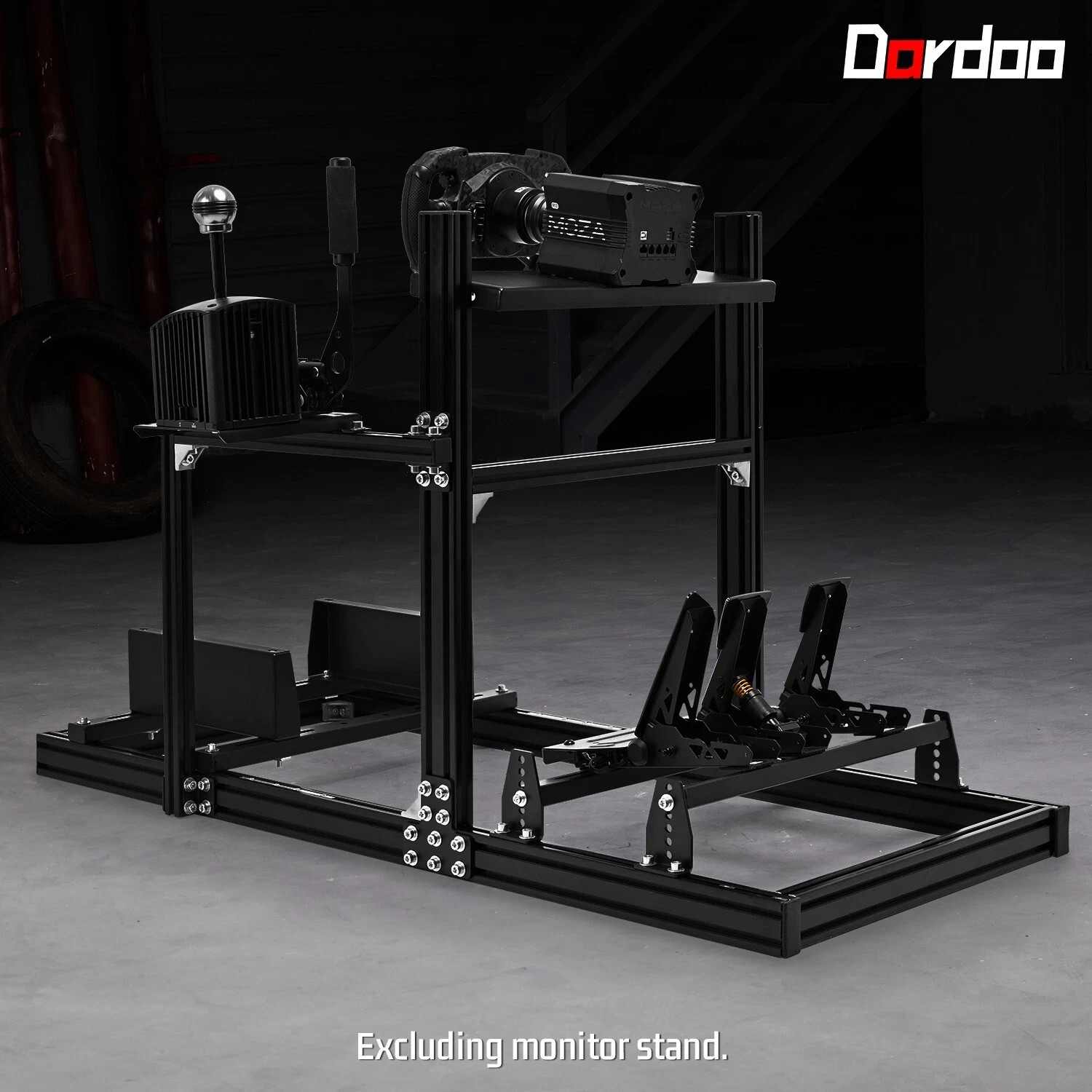
A racing sim rig ranges from a foldable wheel stand to a full aluminum-profile cockpit with seat, and the core trade-off is rigidity versus footprint and cost. Wheel stands flex under strong direct-drive torque, while profile cockpits stay planted but demand permanent floor space. Buy a profile or heavy-gauge steel cockpit for direct-drive wheels; choose a foldable stand only for belt-driven Logitech or Thrustmaster bases.

Buying guide image
Sim Racing Cockpits & Mounts

Racing Sim Cockpit

A racing sim cockpit is the rigid frame and seat interface that transfers force-feedback torque and load-cell brake pressure without flex, so your wheel and pedals behave like real controls. The primary trade-off is frame rigidity versus footprint and cost: thin steel tube stands flex under high-torque direct-drive wheels, while extruded aluminum profile cockpits resist twist and accept hard-mounting. Buy aluminum profile or heavy-gauge steel with hard-mount pedal plates for direct-drive and load-cell gear; buy a foldable steel stand only for entry belt-driven wheels.

Buying guide image
Sim Racing Cockpits & Mounts

Compact Sim Racing Cockpit

A compact sim racing cockpit is a space-constrained chassis—usually a wheel-stand-plus-seat or folding rig under about 1.5 m long—that must balance rigidity against footprint. The core trade-off is frame stiffness versus foldability: thin-wall tubular steel and single-lock hinges flex under load, while extruded aluminum and triangulated bracing stay planted but occupy more floor. Buy a rig rated for your wheelbase torque and seat load, or accept pedal-deck and column flex that ruins braking consistency.

Buying guide image
Drones & Consumer Robotics

Video Drone

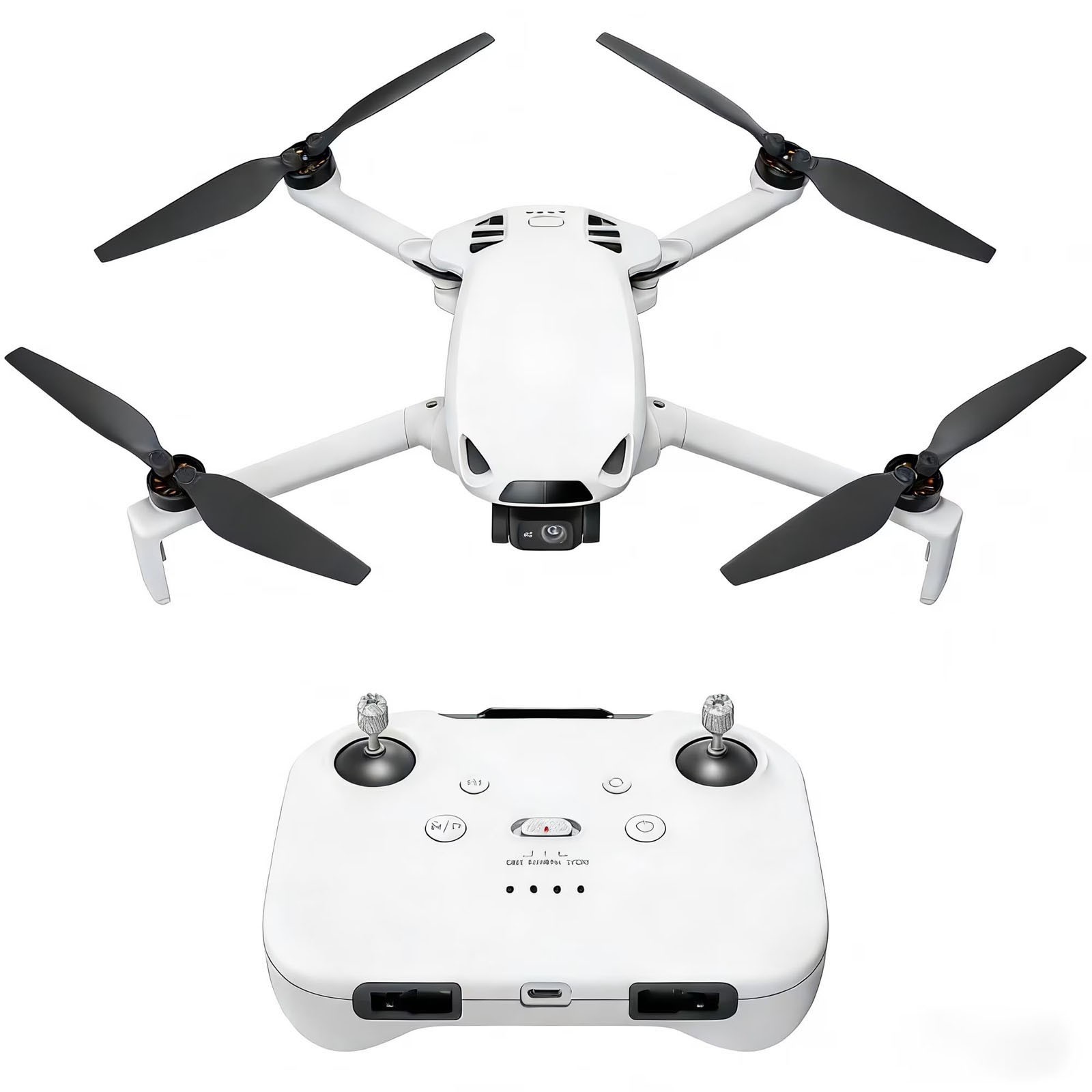
A video drone is a flying camera platform where the imaging sensor, stabilization, and battery system determine whether footage is usable or disposable. The core trade-off is weight and flight time versus camera quality and wind resistance: sub-250g drones avoid registration but sacrifice sensor size, while larger models add stability and dynamic range at the cost of regulation. The decision rule is simple: buy a drone with a specified sensor format and a disclosed battery Wh rating; skip any listing that advertises '4K' without naming the sensor or bitrate.

Buying guide image
Microcontrollers & Dev Boards

Uno R3 Board

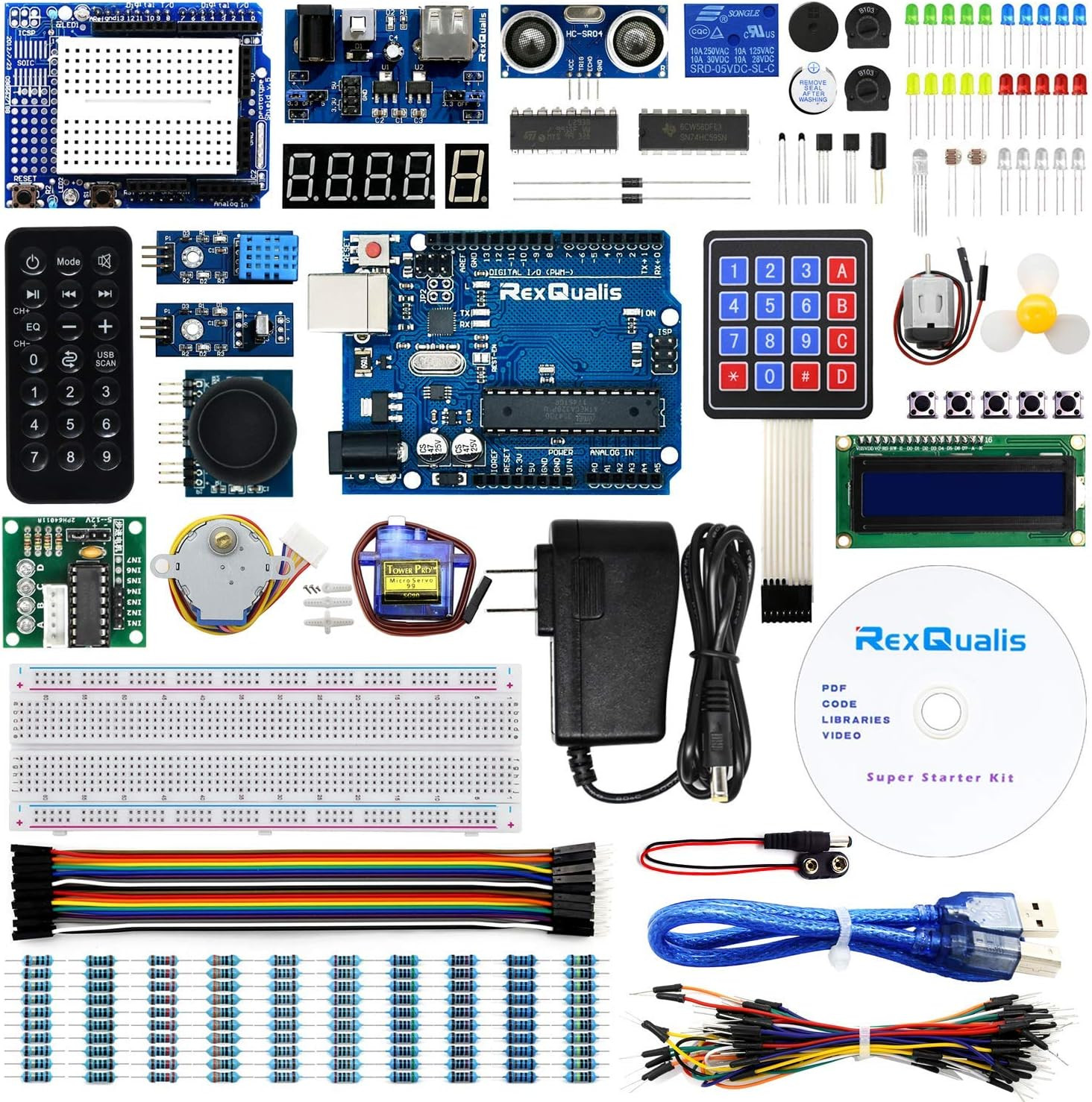
The Uno R3 is the classic ATmega328P-based development board that defined the Arduino form factor, and buyers face a three-way split: genuine Arduino boards, faithful clones, and clones bundled with starter kits. The core trade-off is USB-serial bridge quality and voltage regulator headroom versus cost, and the decision rule is simple—buy a genuine or name-brand clone board if you need warranty and reliable drivers, and buy a kit only when the included tutorial and parts list match your first project.

Buying guide image
Ham Radio Transceivers

7300 Ham Radio

The Icom IC-7300 is a 100W HF/6m direct-sampling SDR transceiver that redefined the entry-to-mid Ham market by delivering waterfall spectrum display and 15 discrete bandpass filters at a price point once reserved for analog rigs. The core trade-off is between its proven single-receiver direct-sampling architecture and newer dual-watch or hybrid superhet designs that add simultaneous band visibility at higher cost. Buy the IC-7300 when 160-6m coverage, native USB audio, and a real-time spectrum scope matter more than dual receivers or 2m/70cm bands.

Buying guide image
Ham Radio Transceivers

Ham Radio 7300

The Icom IC-7300 is a 100W HF/50MHz direct-sampling SDR transceiver that redefined the entry-to-mid-tier ham market by putting a real-time spectrum scope and waterfall on a large touchscreen at a mainstream price. The core trade-off is between the 7300's proven single-receiver SDR architecture and newer dual-watch or dual-receiver rigs that cost significantly more. Buy the 7300 if you want the best scope-driven HF experience per unit of complexity; skip it only if you need simultaneous dual-band operation, VHF/UHF coverage, or a second receiver for split pileups.

Buying guide image
VR Gaming Hardware & Accessories

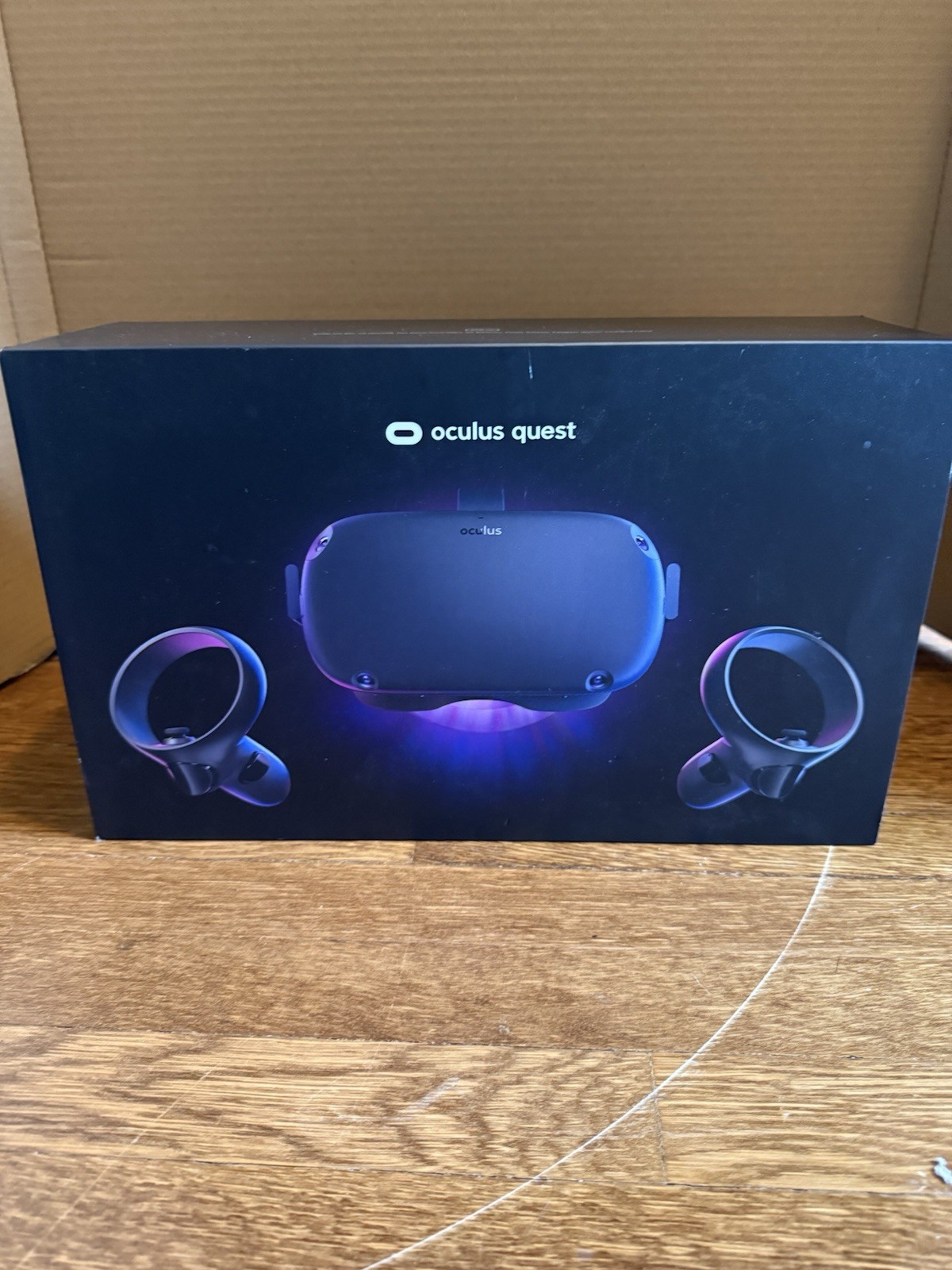
VR Headset With 2 Controller

A VR headset with two controllers is a complete tracking-and-input kit: the headset handles display and compute, while the pair of tracked controllers supplies 6DoF hand presence. The decisive trade-off is tracking architecture (inside-out camera SLAM vs external base stations/lighthouses) and whether the controllers are included, matched to the headset, and free of stick drift. Buy only kits where both controllers are bundled and the tracking type matches your room—standalone inside-out for portability, PC-tethered or console kits for seated/small-space play.

Buying guide image
Turntables & Record Players

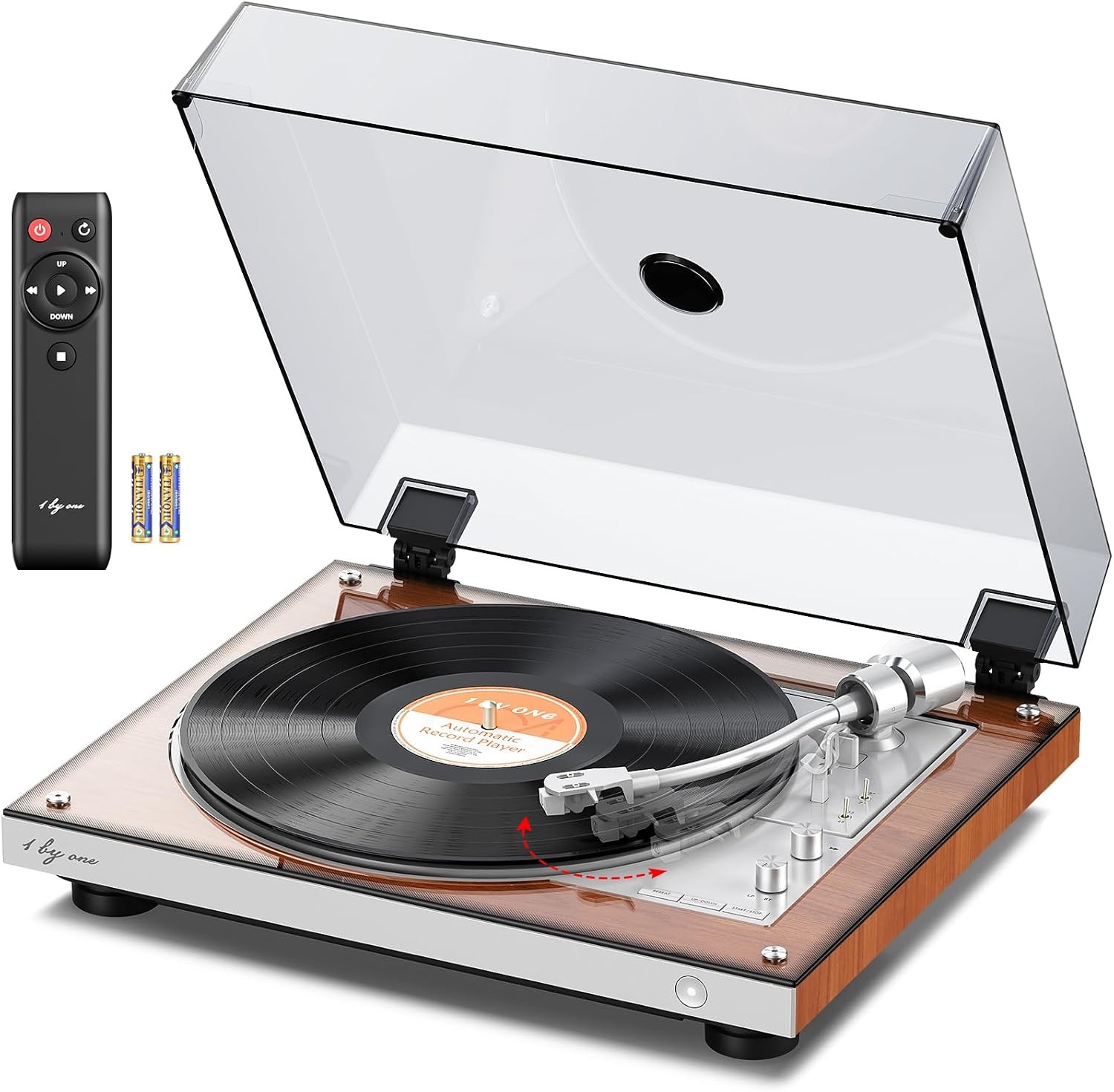
Record Player Vinyl Disc

A vinyl disc is the analog audio carrier a turntable plays, and its pressing quality, weight, and groove condition determine sound more than most stylus upgrades. The core trade-off is between standard 120–140g pressings that warp easily and 180g audiophile pressings that stay flat and track cleaner. The decision rule: buy records pressed at 180g from a known lacquer cut, and skip any disc that is warped, scratched, or pressed on recycled regrind vinyl.

Buying guide image
Ham Radio Transceivers

Ham Transceiver

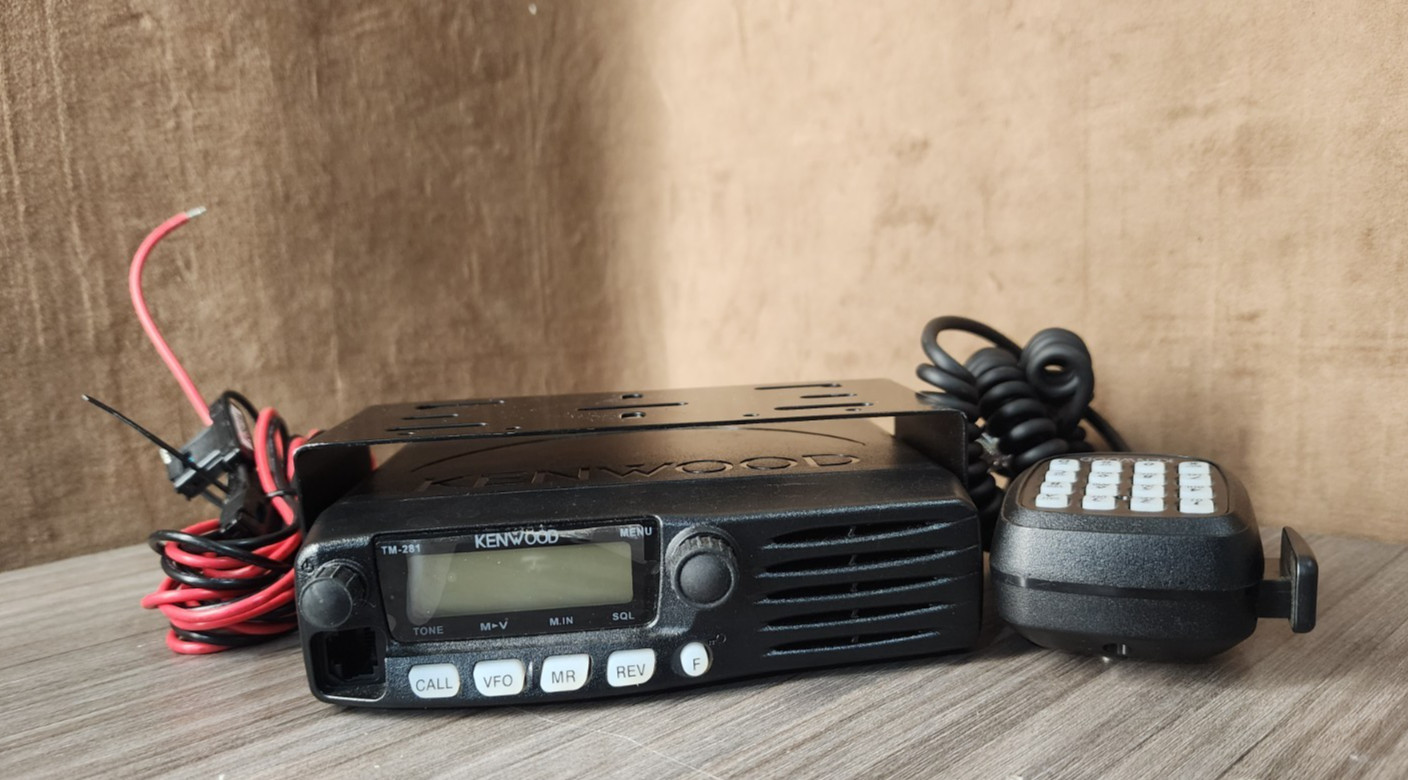
A ham transceiver is the core radio that transmits and receives on amateur bands, and the decisive trade-off is between modern SDR-based multimode coverage and proven analog single-band simplicity. Durable buys start with known band/module architecture and clean PA output; compromises show up as wideband-only receivers or untested vintage rigs without service history.

Buying guide image
Keycaps & Artisan Keycaps

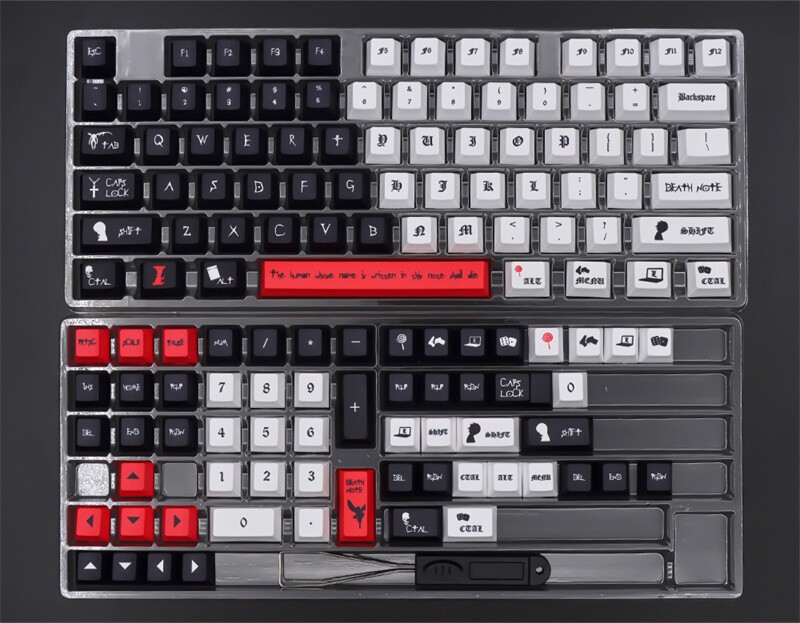
Pbt Keycap

PBT keycaps are thermoplastic key caps made from polybutylene terephthalate, chosen over ABS for their hardness, texture, and resistance to shine and yellowing. The core trade-off is between premium doubleshot or dye-sublimated legends with thick walls (durable, crisp, costly) and thin-walled, pad-printed or low-quality sublimation caps that wear quickly. Decision rule: buy doubleshot or dye-sub PBT at 1.4–1.5 mm wall thickness with a standard Cherry MX-compatible stem — skip anything pad-printed, under 1.2 mm, or sold only by incompatible profile claims.

Buying guide image
Turntables & Record Players

Portable Vinyl Player

Portable vinyl players are self-contained record players built for transport—typically with a built-in speaker, rechargeable battery, and a folding or suitcase-style chassis—rather than audiophile-grade playback. The core trade-off is convenience versus groove protection: all-in-one portability means lightweight platters, short tonearms, and onboard speakers that amplify rumble and tracking error. Choose a unit with a counterweighted tonearm, replaceable stylus, and switchable Bluetooth output; skip fixed-sapphire, unweighted designs if you care about your records.

Buying guide image
Keyboard Switches

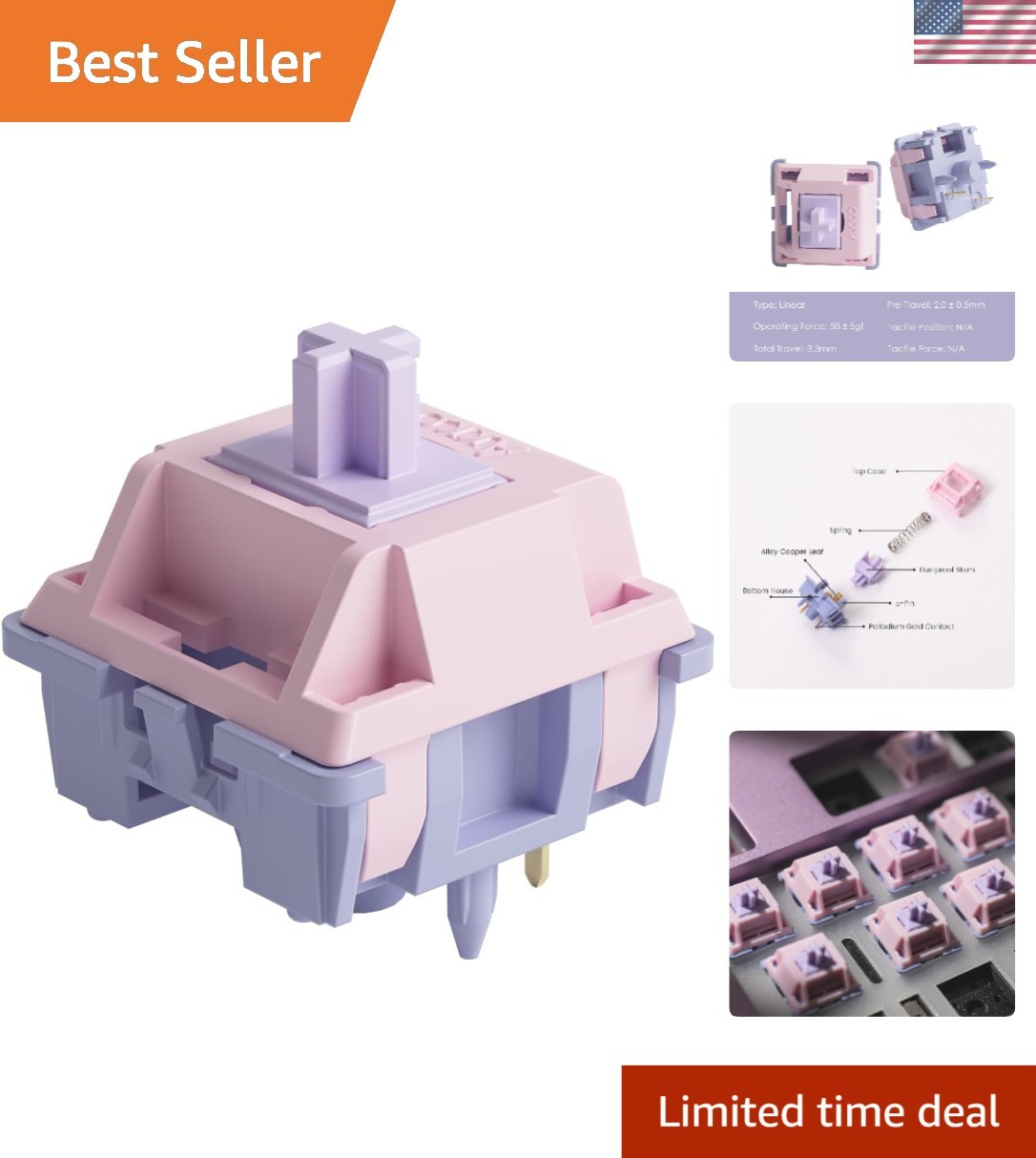
Keyboard Switch

Keyboard switches are the mechanical or optical heart of a board, and the primary trade-off is actuation force and feedback style versus noise and smoothness. Durable switches use consistent spring weights, tight housing tolerances, and factory lubrication; compromises show up as scratchy travel, wobble, or failure to register. Decide by mount standard and force curve first, then by sound profile and pre-lube quality.

Buying guide image
Projectors & Screens

4K Projector

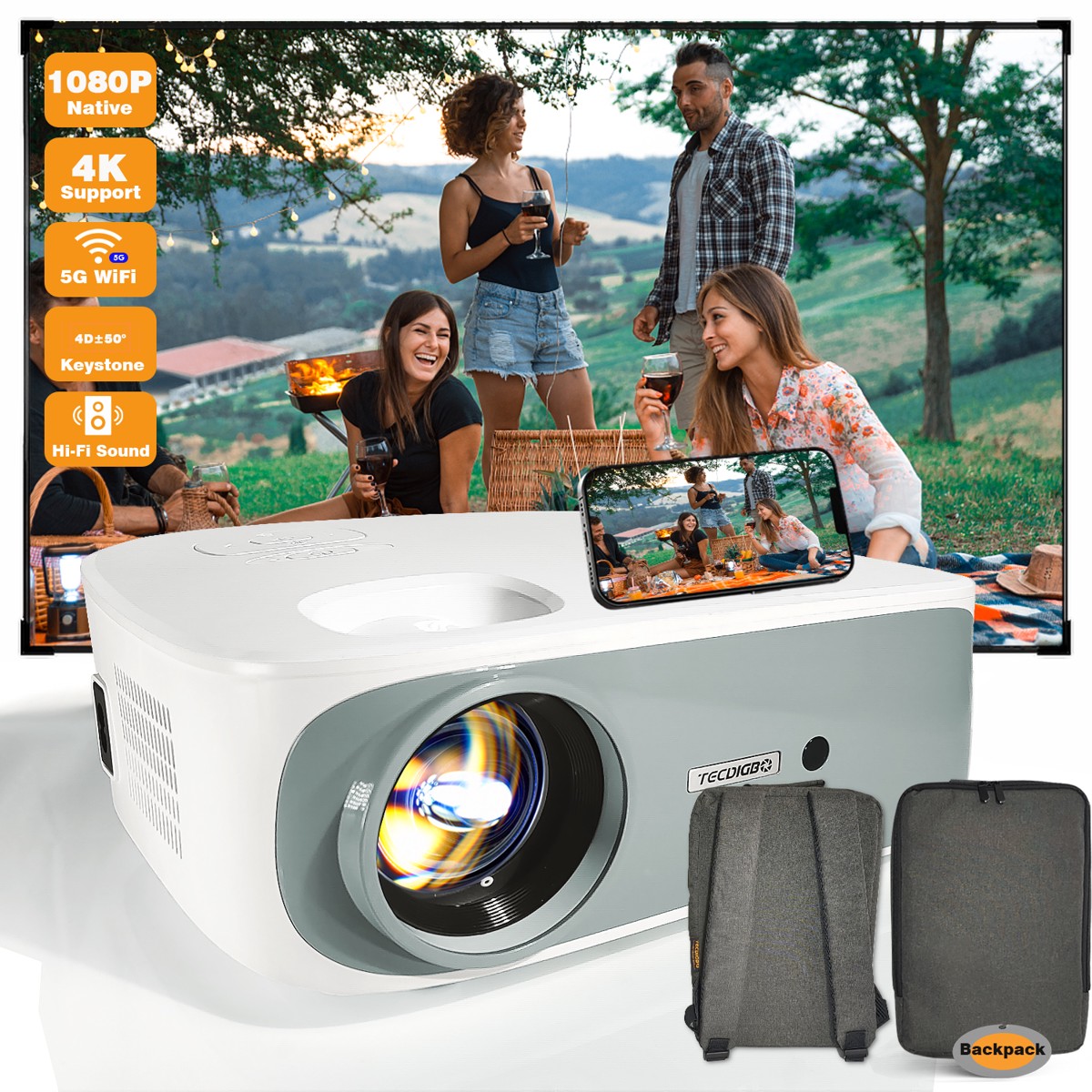
A 4K projector is a display device that accepts or natively renders 3840x2160 resolution, but most budget models in this segment only support 4K input and output 1080p, while true 4K units use native UHD panels or pixel-shift technology. The central trade-off is brightness versus resolution authenticity: high-lumen 1080p units with 4K input support look bright and cheap, but native 4K projectors deliver sharper detail at lower ANSI lumens. The decision rule: buy true native 4K only if you have controlled lighting and a screen over 100 inches; for mixed-light or outdoor use, prioritize 3000+ ANSI lumens and 1080p native rendering over printed 4K claims.

Buying guide image
Flight Sim Joysticks & HOTAS

Flight Simulator Controller

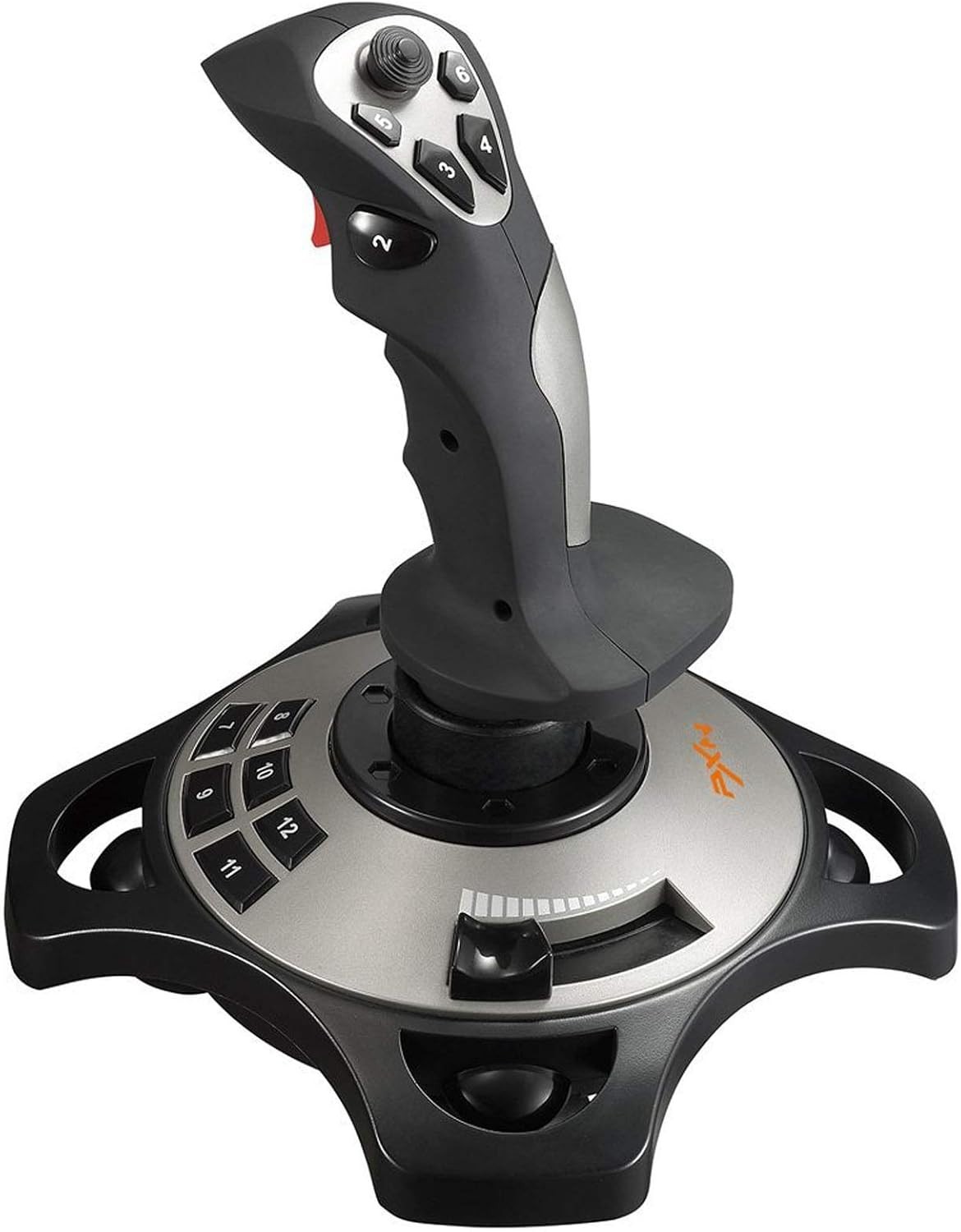
A flight simulator controller ranges from a basic single-stick joystick to a full HOTAS (Hands-On Throttle-and-Stick) set, and the core trade-off is sensor resolution and gimbal build versus button count and console compatibility. Durable options use Hall-effect or high-resolution potentiometers with metal gimbals and separate throttle axes, while compromises rely on low-bit ADC boards, plastic ball joints, and merged throttle-slider designs. Buy a Hall-effect or 12-bit+ stick with a dedicated throttle axis for serious simming; accept a plastic potentiometer stick only for casual arcade flying.

Buying guide image
Chargers, Power Banks & Adapters

Battery Power Bank

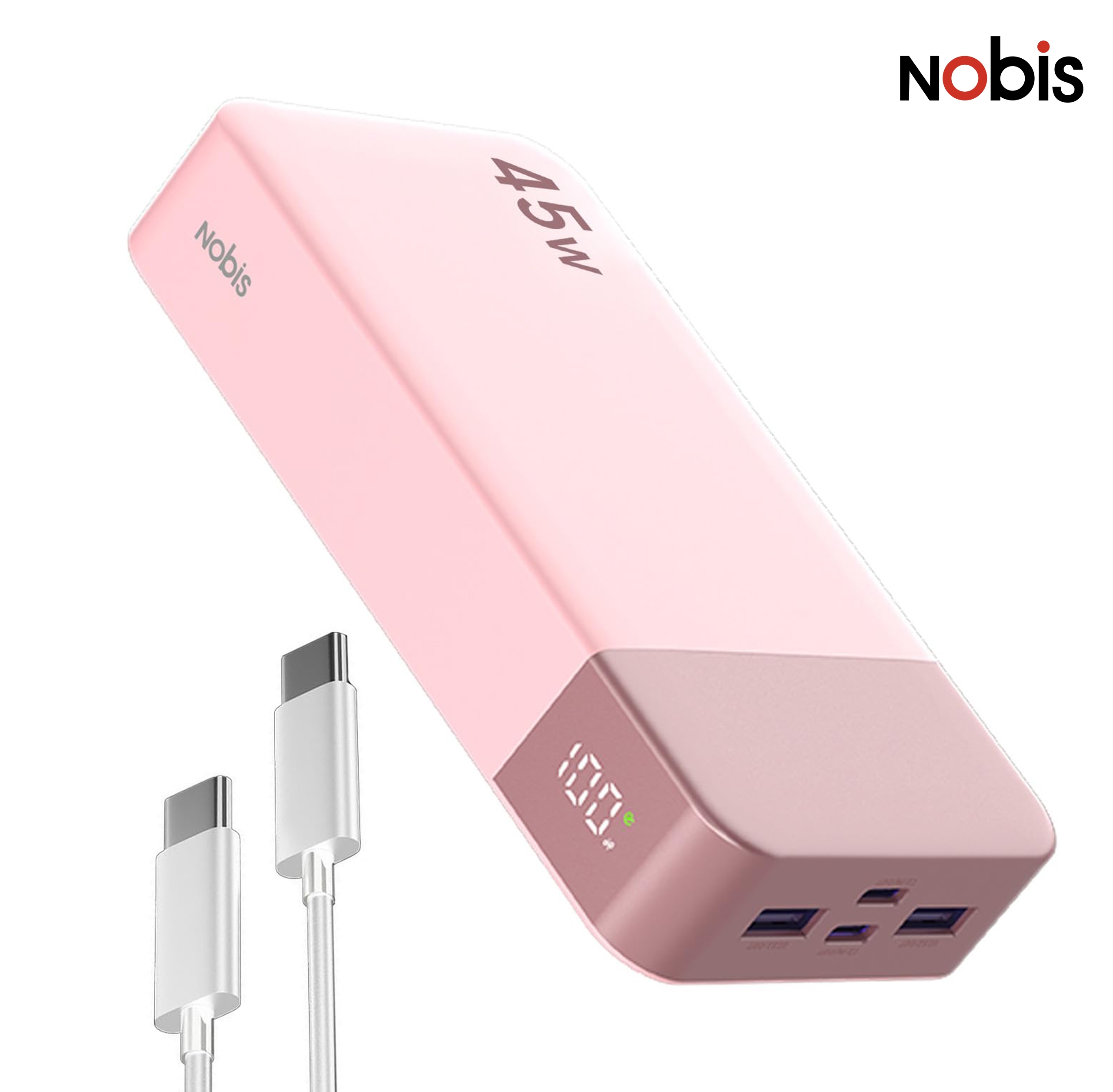
A battery power bank is a portable lithium-ion reservoir that recharges phones, earbuds, and tablets away from an outlet. The core trade-off is capacity versus carry weight: every 10,000mAh adds roughly 6-7 oz, and fast-charging wattage determines whether a top-up takes 30 minutes or 3 hours. Buy by output wattage and cell capacity first; plastic-shell 5,000mAh minis suit pocket carry, while 20,000mAh 45W PD units are the durable choice for tablets and multi-device travel.

Buying guide image
Controllers & Gaming Accessories

Bluetooth Controller Phone

A Bluetooth controller phone is a gamepad that pairs wirelessly with iOS and Android devices, turning mobile screens into console-like gaming rigs. The key trade-off is between universal clip-on mounts with basic Bluetooth HID and platform-licensed controllers with low-latency protocols and ergonomic grips. Buy licensed or clearly specified multi-protocol controllers for competitive play; skip generic clip-on pads for anything beyond casual gaming.

You may also like

Finding more guides for you…