
Photos from current listings. Actual item, color, and included accessories may vary.
Video Drone Buying Guide
A video drone is a flying camera platform where the imaging sensor, stabilization, and battery system determine whether footage is usable or disposable. The core trade-off is weight and flight time versus camera quality and wind resistance: sub-250g drones avoid registration but sacrifice sensor size, while larger models add stability and dynamic range at the cost of regulation. The decision rule is simple: buy a drone with a specified sensor format and a disclosed battery Wh rating; skip any listing that advertises '4K' without naming the sensor or bitrate.
Median $274.39 · New & pre-owned listings
Key takeaways
- Sub-250g drones like the DJI Mini series (135–249g) avoid FAA registration and many global permits, but use 1/2.3-inch or smaller sensors with limited low-light performance.
- Sensor format drives image quality: 1/1.3-inch CMOS with dual native ISO and HDR delivers 4K/60 with 48MP stills, while 1080p-only drones use tiny sensors with digital stabilization only.
- Battery capacity and chemistry set real flight time: standard batteries yield 18–31 minutes, plus batteries (higher Wh) reach 38–51 minutes, but add weight and may push the drone over 249g.
At a glance
- Category
- Drones & Consumer Robotics
- Last updated
- Nov 27, 2026
Current offers
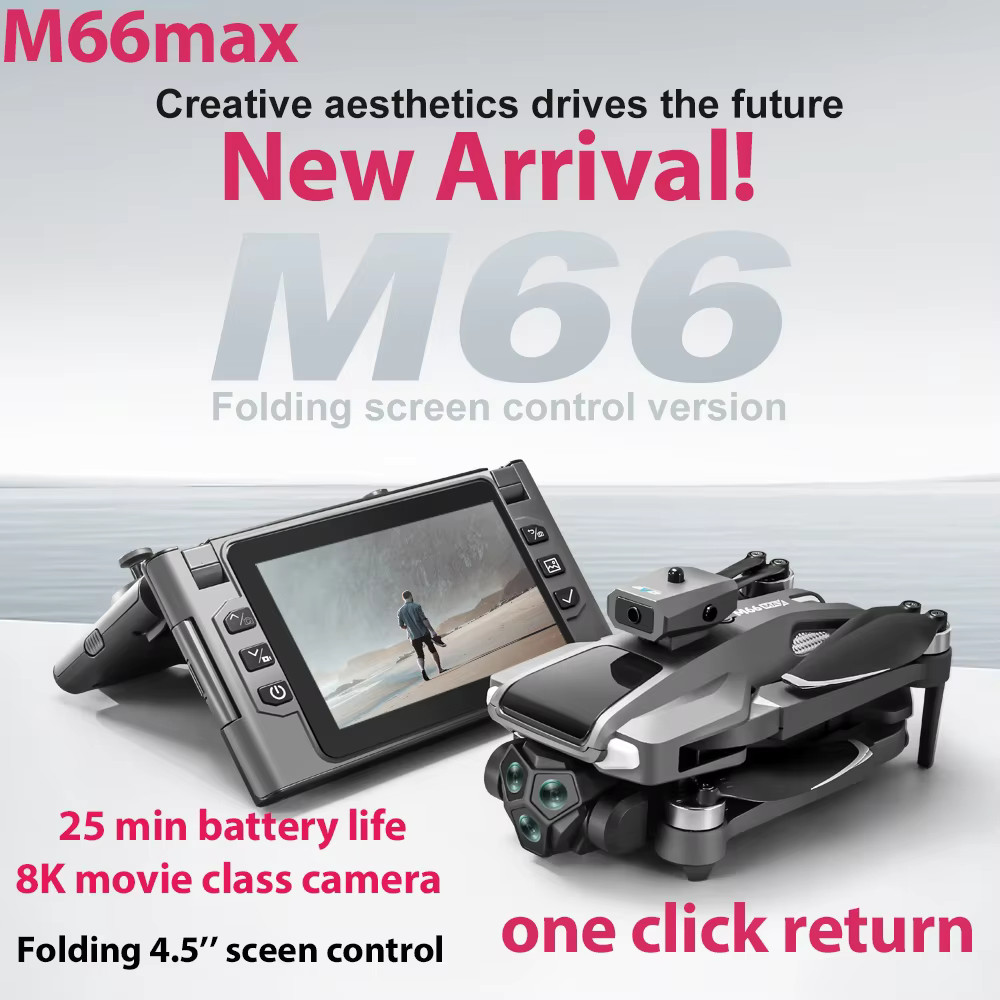 2025 Drone with 4K Dual Camera Professional Video Drone Quadcopter 360 Intellige$169.00View on eBay
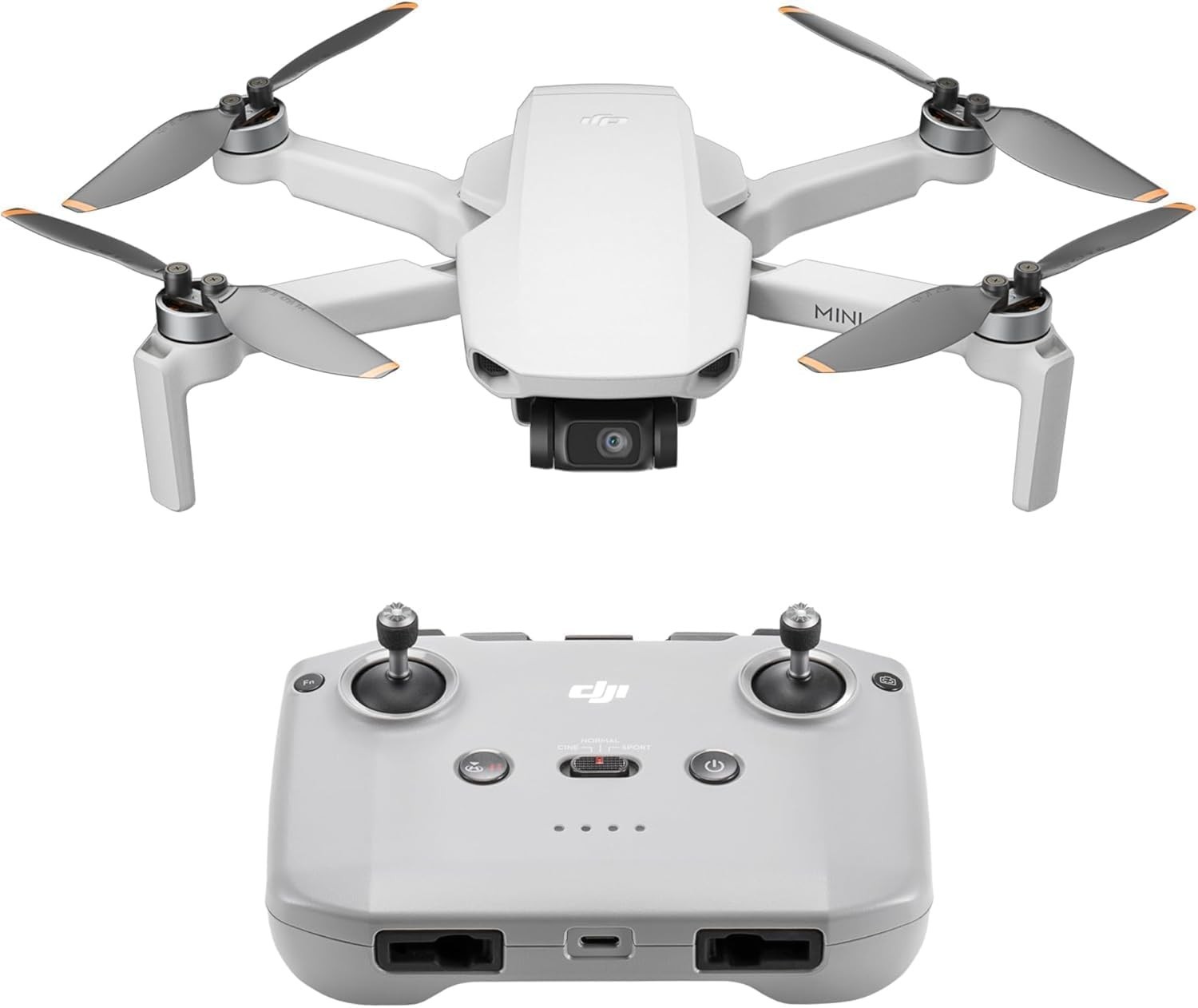 DJI Mini 4K Lightweight&foldable mini camera drone with 4K HDR video(95% new)$205.00Used · Last checked Nov 15, 2026View on eBay
- DJI Mini 4K Lightweight&foldable mini camera drone with 4K HDR video,Under 249g$205.00Used · Last checked Nov 15, 2026View on eBay
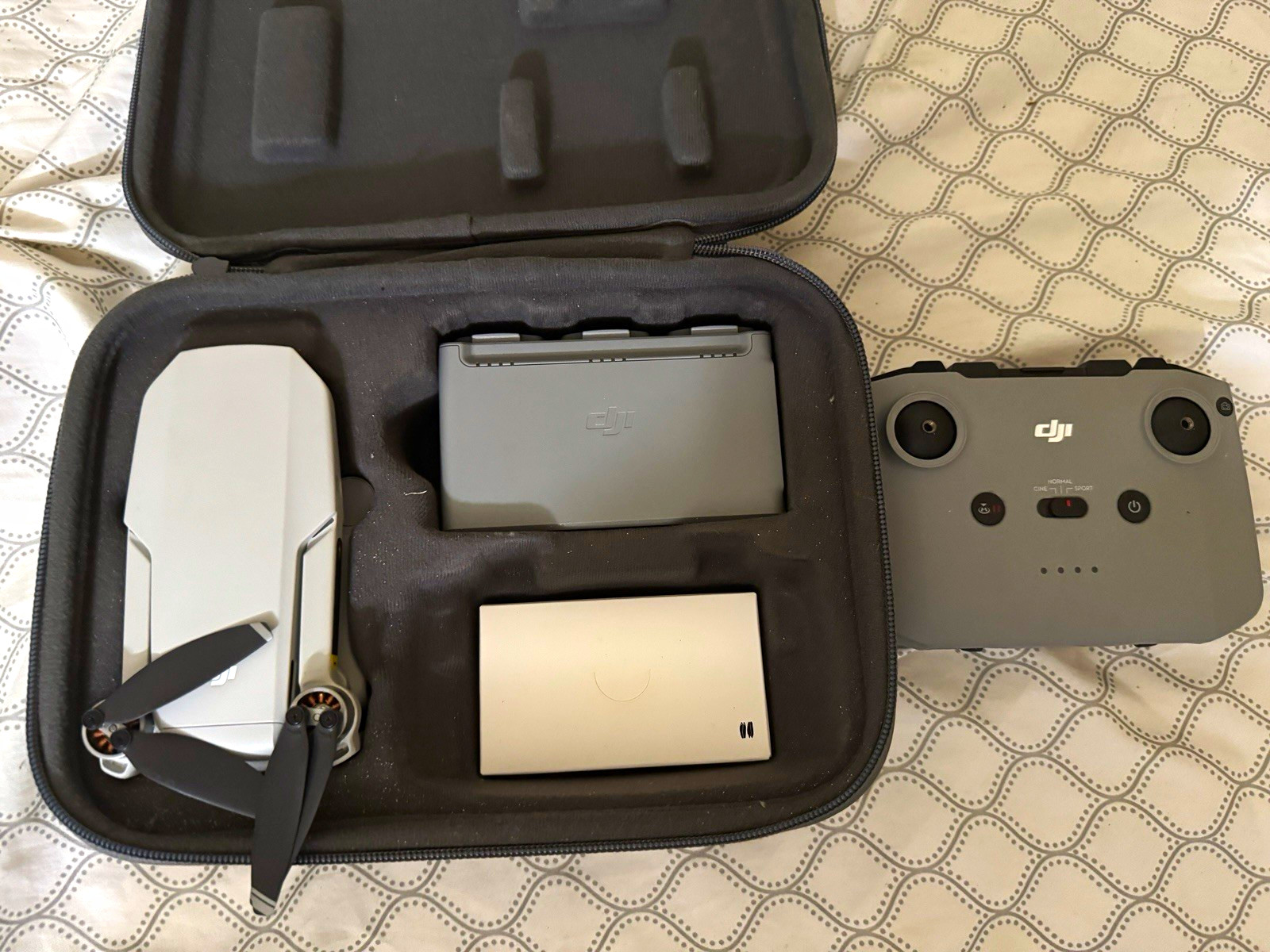 DJI Mini 2 Ready to Fly Drone 4K HD Video, Remote Control & 3 Batteries$220.00UsedView on eBay
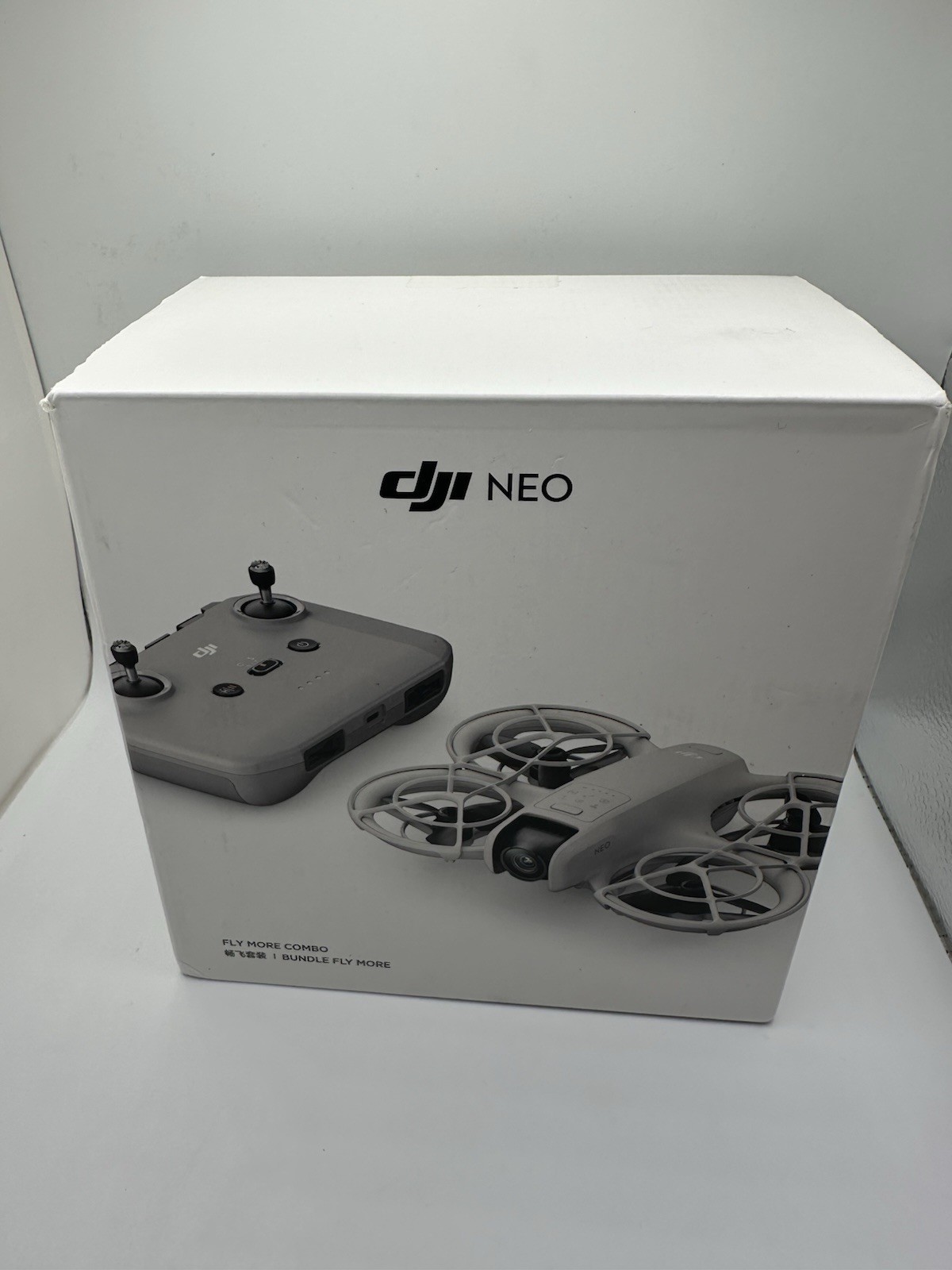 DJI Neo Fly More Combo Mini Drone 4K UHD Video 135g 3-Batteries RC-N3 Controller$249.95NewView on eBay
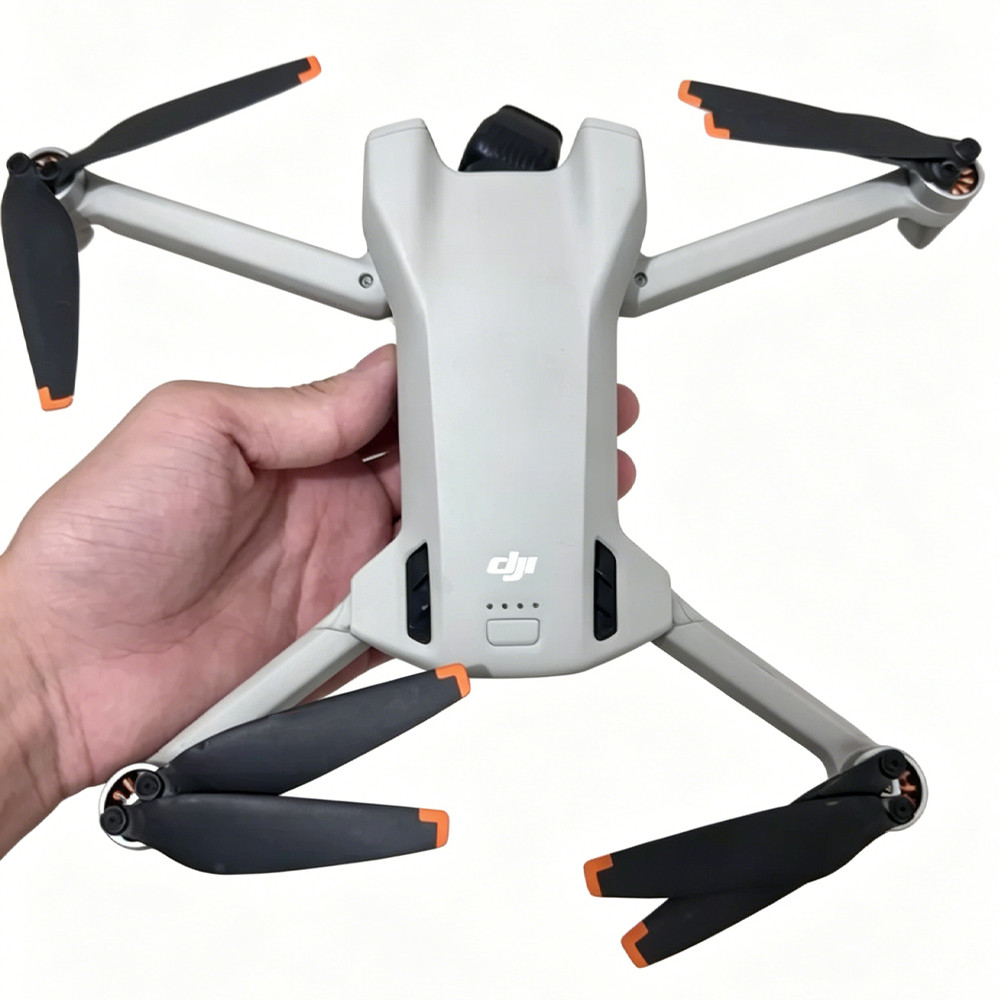 DJI Mini 3 Camera Drone Only Lightweight 4K Video Aircraft$259.77Used · Last checked Nov 15, 2026View on eBay
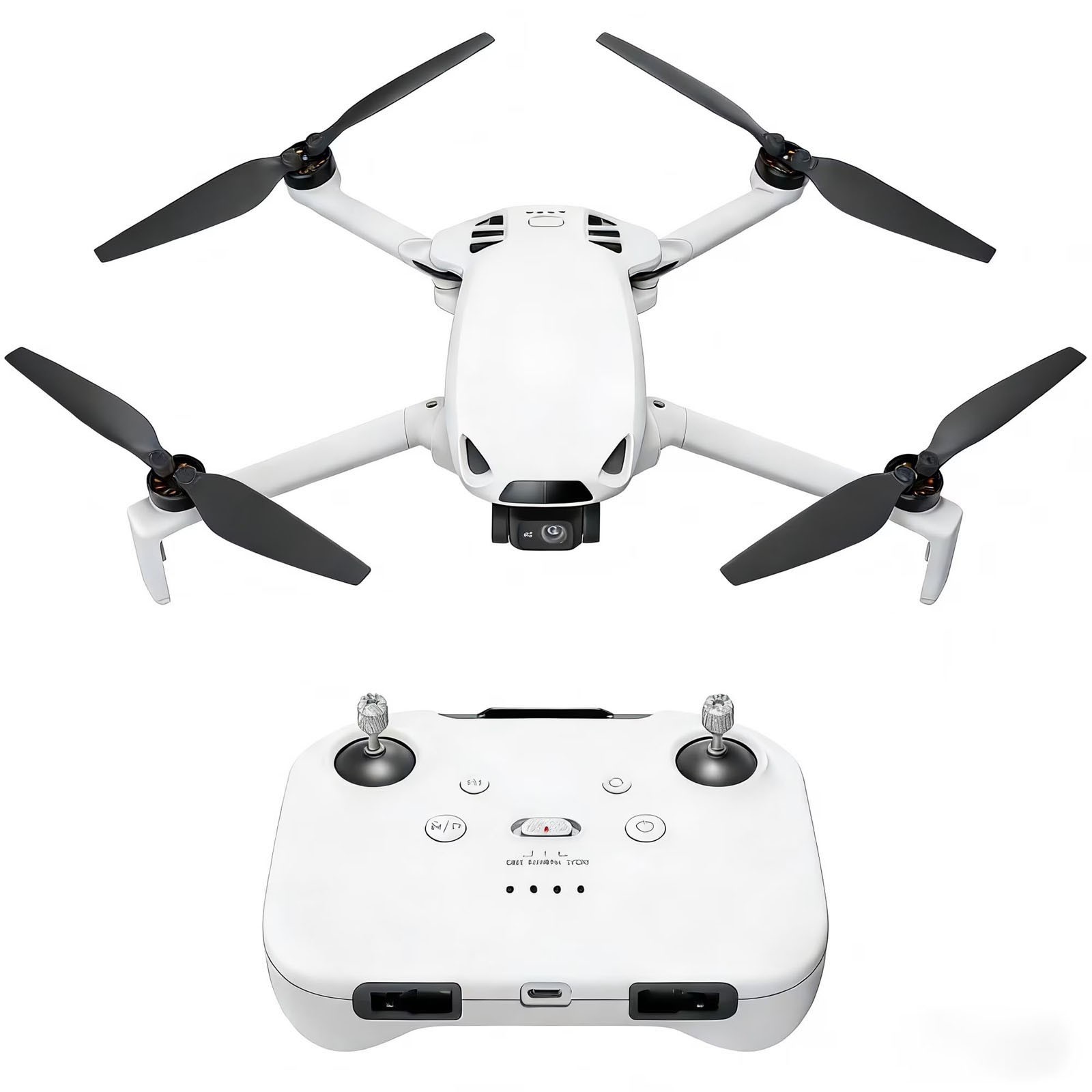 Skyrover S1 Mini Drone Combo Camera 4K/60fps Video,8K Image,3-Axis,Under 249g$289.00Last checked Nov 17, 2026View on eBay
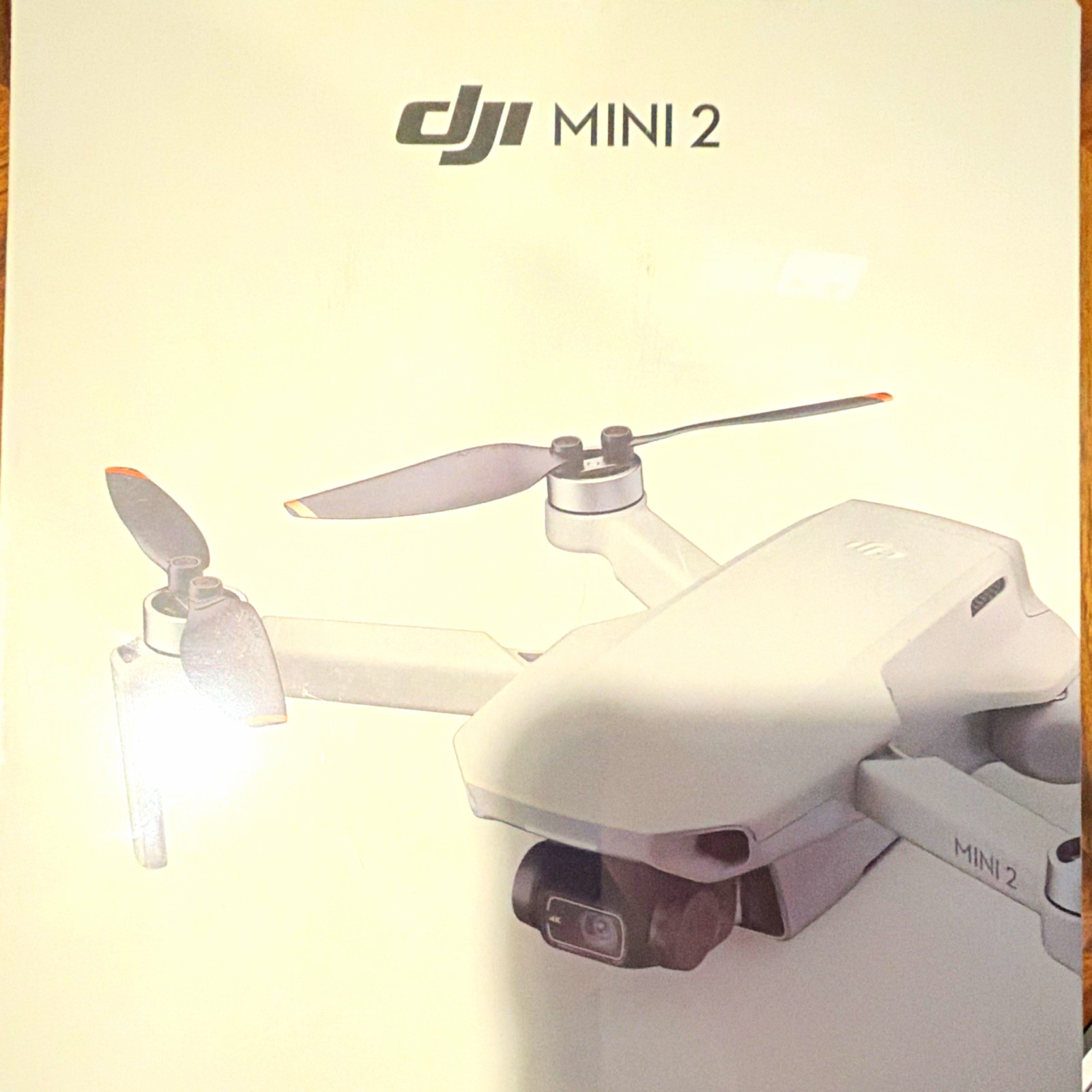 DJI Mini 2 Ready to Fly Drone 4K HD Video, NEW SEALED IN BOX$289.00NewView on eBay
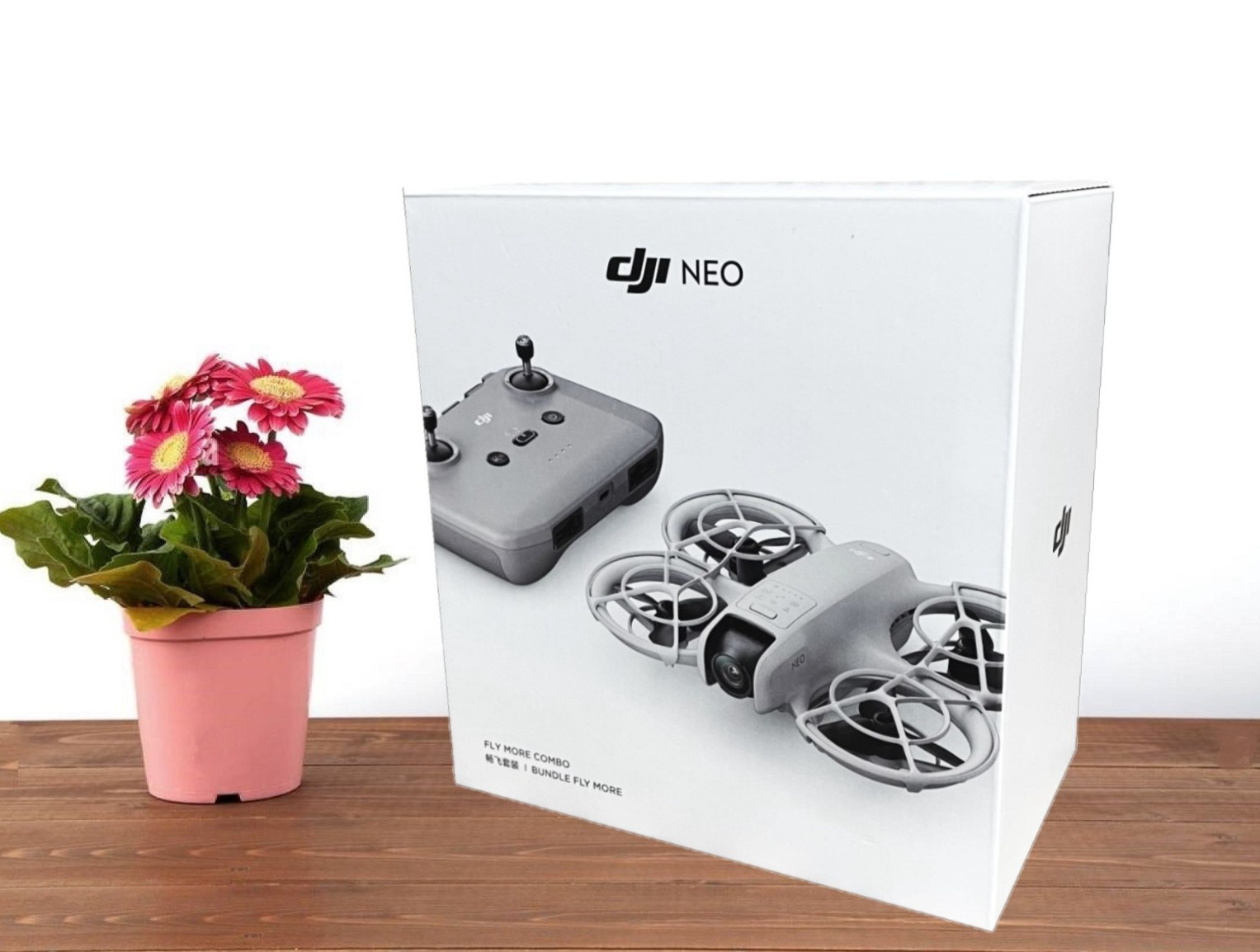 DJI Neo Fly More Combo Mini Drone 4K UHD Video 135g 3-Batteries RC-N3 Controller$294.00New · Last checked Nov 15, 2026View on eBay
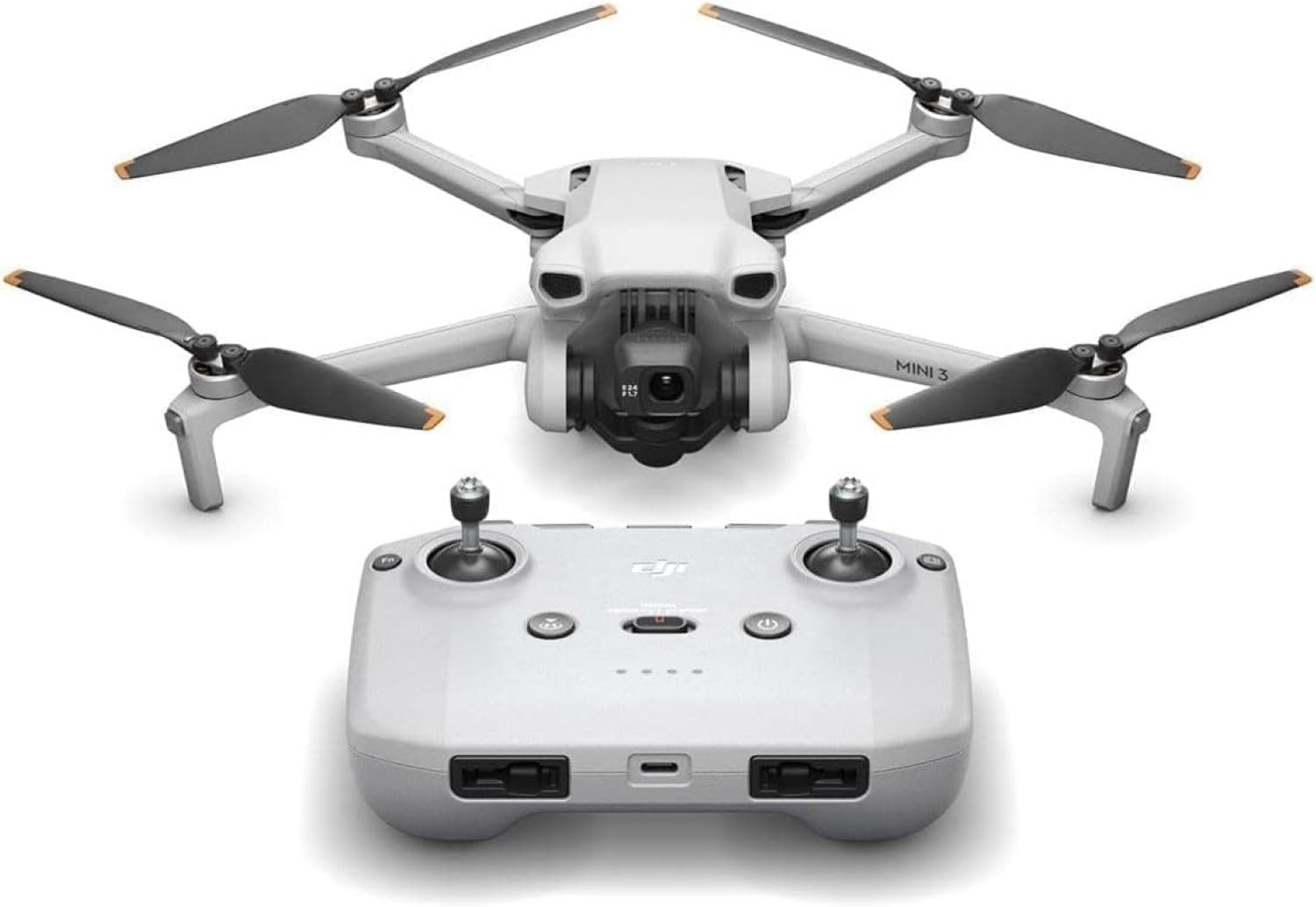 DJI Mini 3,Mini Camera Drone 4K HDR Video,3-Axis Mechanical Gimbal,GPS Auto Retu$299.99Used · Last checked Nov 15, 2026View on eBay
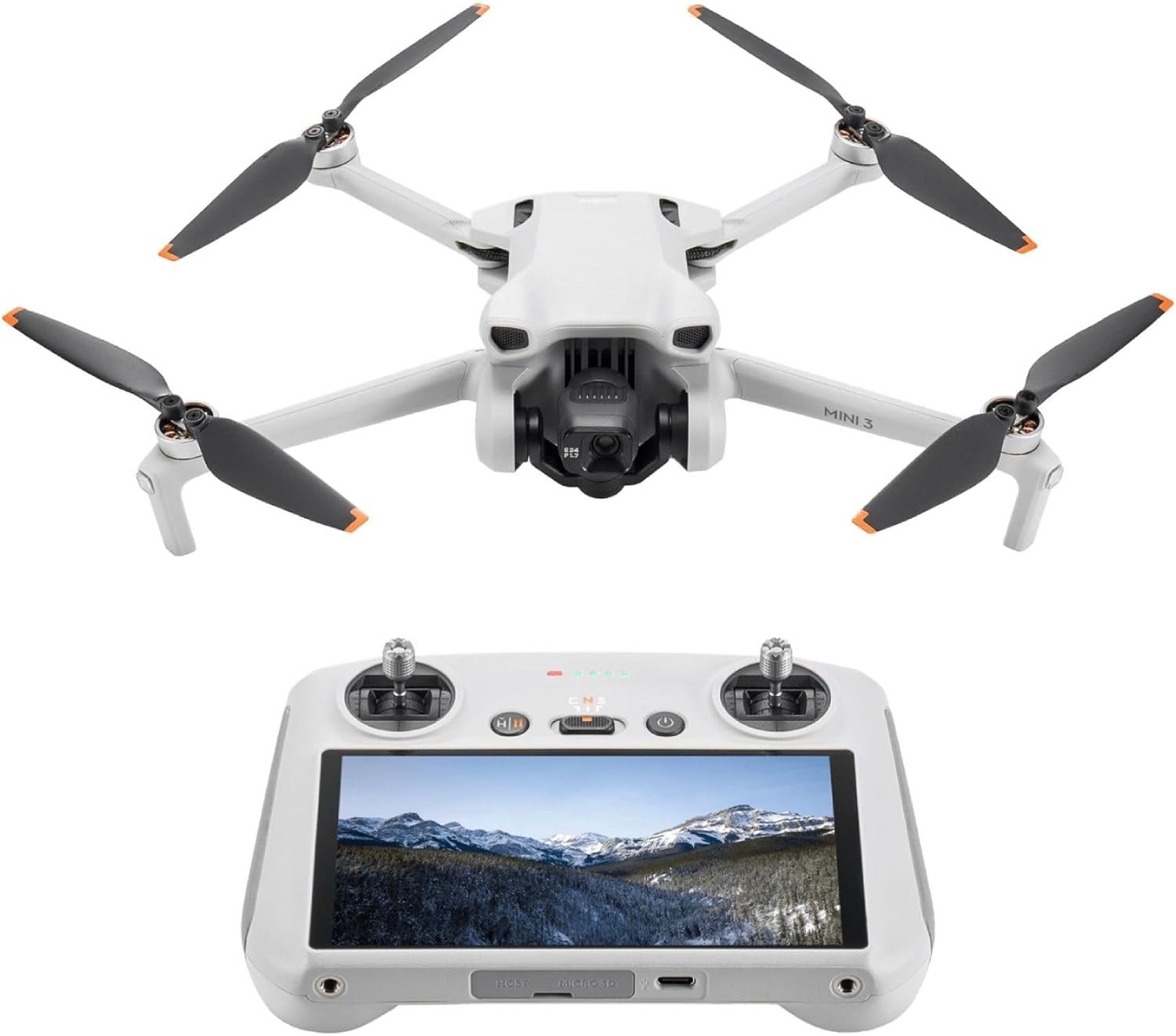 DJI Mini 3,Mini Camera Drone 4K Video,3-Axis Mechanical Gimbal,GPS Auto Return$349.00Used · Last checked Nov 15, 2026View on eBay
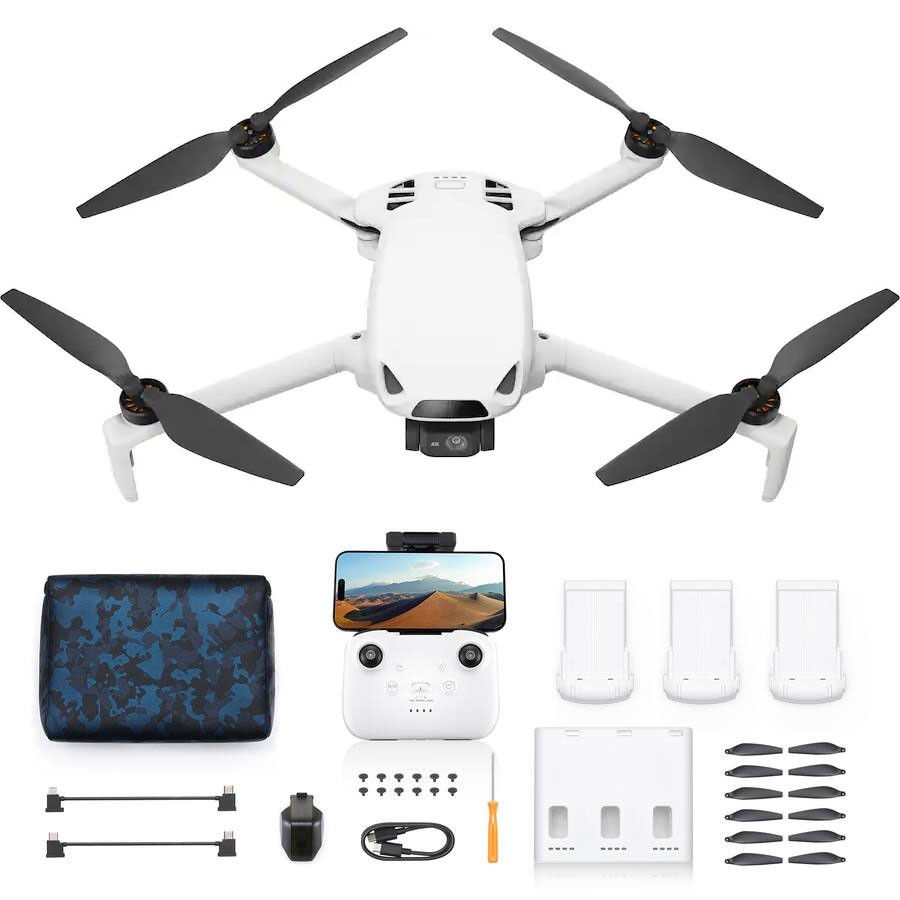 SkyroverS1 Drone Combo Camera Drones 4K Video,8K Image,3 Battery,3-Axis Gimbal$359.00NewView on eBay
Highlights
- Sub-250g drones like the DJI Mini series (135–249g) avoid FAA registration and many global permits, but use 1/2.3-inch or smaller sensors with limited low-light performance.
- Sensor format drives image quality: 1/1.3-inch CMOS with dual native ISO and HDR delivers 4K/60 with 48MP stills, while 1080p-only drones use tiny sensors with digital stabilization only.
- Battery capacity and chemistry set real flight time: standard batteries yield 18–31 minutes, plus batteries (higher Wh) reach 38–51 minutes, but add weight and may push the drone over 249g.
- Brushless motors provide wind resistance and 5+ years of service life; brushed motors in toy-tier drones wear out in months and cannot hold position in 10+ mph wind.
Best use cases
- Best fit for travel and casual video: sub-250g brushless drone with 4K sensor and 3-axis gimbal (e.g., DJI Mini 4K or Mini 2) — skip any 1080p brushed-motor drone with 'dual camera' claims.
- Best fit for professional/client work: 1-inch or 1/1.3-inch CMOS drone with dual native ISO, 10-bit log, and 38–51 min plus battery — skip sub-250g models if you need low-light or 4K/60 without crop.
- Wrong fit for windy coastal or mountain use: any drone under 250g with maximum wind resistance below 10.7 m/s (Level 5) — choose a 300–600g class with brushless motors and GPS+GLONASS.
- Wrong fit for indoor or kid use: GPS drones that require open sky for return-to-home — pick a sub-135g or toy-tier drone with optical flow and propeller guards instead.
Buying tips
- Check weight: 249g or less avoids registration in the US, EU, UK, and Canada; 250g–900g requires registration and often a remote ID module.
- Match sensor to light: 1/1.3-inch or larger CMOS with dual native ISO for dawn/dusk; 1/2.3-inch only for bright daylight; avoid '4K' labels without sensor size.
- Verify battery Wh and flight time: 18–23 min from 2S 1500–2000mAh packs; 31–38 min from 3S 2500–3500mAh; 45–51 min from plus batteries — never trust 'up to' claims without Wh.
- Require GPS + GLONASS + brushless motors for outdoor video; optical flow alone drifts in wind and ruins footage. For 4K/60 HDR, confirm 10-bit color and at least 100 Mbps bitrate.
Specs
| Weight Class | Sub-249g / 250-600g / 600g+ |
|---|---|
| Camera Sensor | 1/1.3" CMOS vs 1/2.3" CMOS |
| Video Resolution | 4K/60 HDR vs 4K/30 vs 1080p |
| Flight Time Tier | 18-23 / 31-38 / 45-51 min |
Related searches
What to check before buying
- Weigh the drone ready-to-fly with battery and props: confirm under 249g if you want registration-free operation, or budget for registration and remote ID above that.
- Check controller and phone compatibility: DJI RC-N1/RC-N3 need a phone or tablet; RC/RC 2 screens are built-in. Confirm app support for your iOS/Android version.
- Confirm spare batteries and charger: plus batteries (higher Wh) add 10–20 min but may exceed 249g; buy at least 2 extra packs and a multi-charger for a full day.
- Verify local airspace rules and wind rating: max wind resistance 10.7 m/s (Level 5) minimum for coastal use; check geofencing and LAANC/remote ID compliance in your country.
FAQ
Data sources: eBay / Amazon listings and product attribute feeds. Updated Nov 27, 2026.
Some links on this page are affiliate links. If you buy after clicking one, we may earn a commission at no extra cost to you. This does not change which products appear here or their order. Affiliate disclosure.