
Photos from current listings. Actual item, color, and included accessories may vary.
Automatic Tuner Antenna Buying Guide
An automatic antenna tuner is an impedance-matching network that senses SWR and switches inductors/capacitors to present your transceiver with a 50-ohm load, extended to cover bands where the antenna is not resonant. The core trade-off is durable relay and component headroom versus cheaply built units that arc, drift, or cannot handle full legal power. Buy a tuner rated at least 1.5x your transceiver's PEP output with genuine relay switching and native CAT/band-data support; skip bare-board or no-name units without power and voltage headroom.
Median $147.49
Key takeaways
- Power tiers split the market: 10W QRP tuners, 100-130W portable/mobile units, and 200-250W+ base units. Buy at least 1.5x your rig's PEP rating to survive 2:1 SWR tuning transients.
- Relay switching and L-network topology determine durability and tuning range. Capacitor-and-inductor L-networks with 3-5kV rated capacitors survive mismatch better than low-voltage varactor designs.
- Band data support matters: native CAT or band-voltage input lets the tuner pre-position settings for the active band instead of hunting from scratch each transmission.
At a glance
- Category
- Antenna Tuners & SWR Meters
- Last updated
- Nov 23, 2026
Current offers
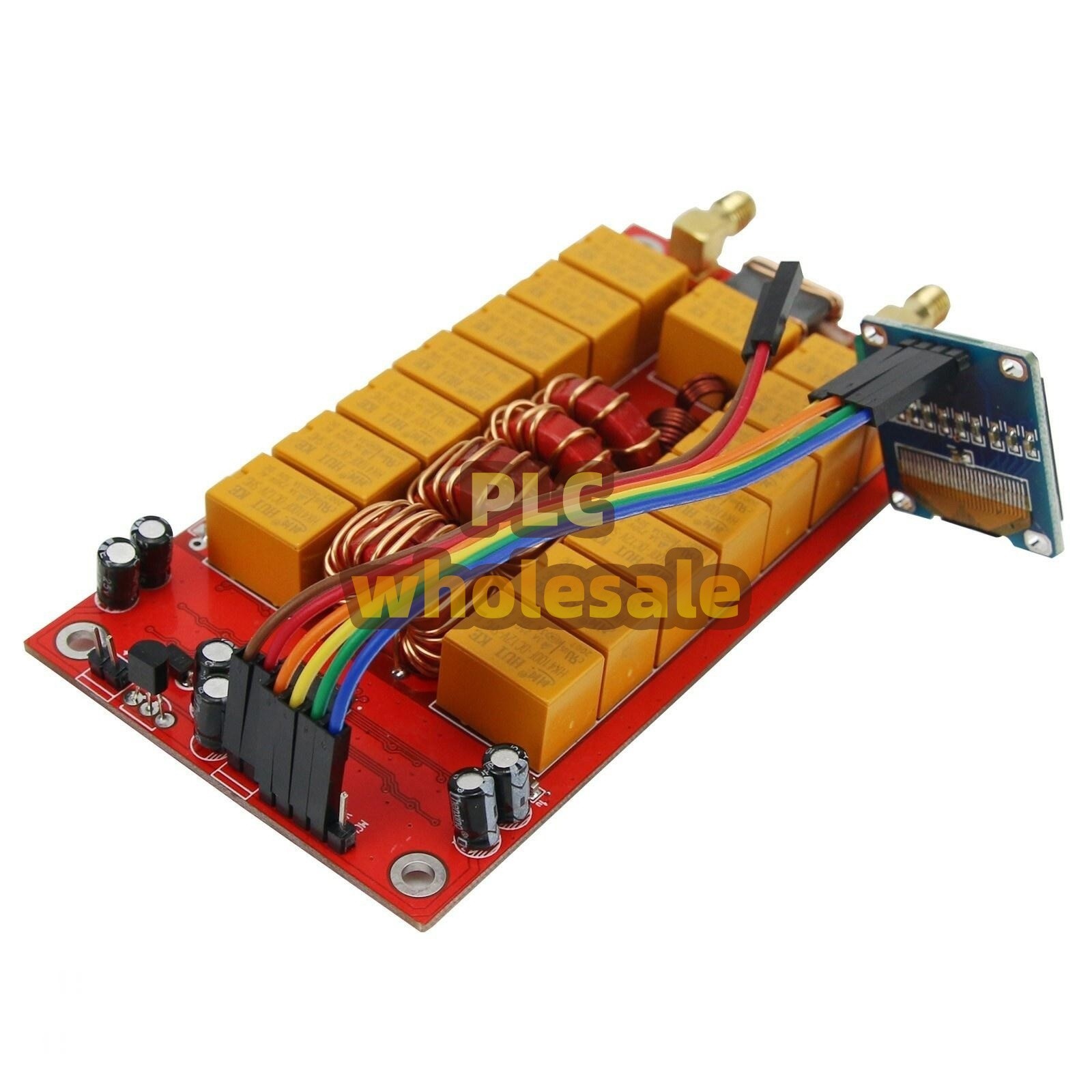 Automatic Antenna Tuner 1.8-50MHz 100W w/0.96-Inch OLED Display Finished Board$42.35View on eBay
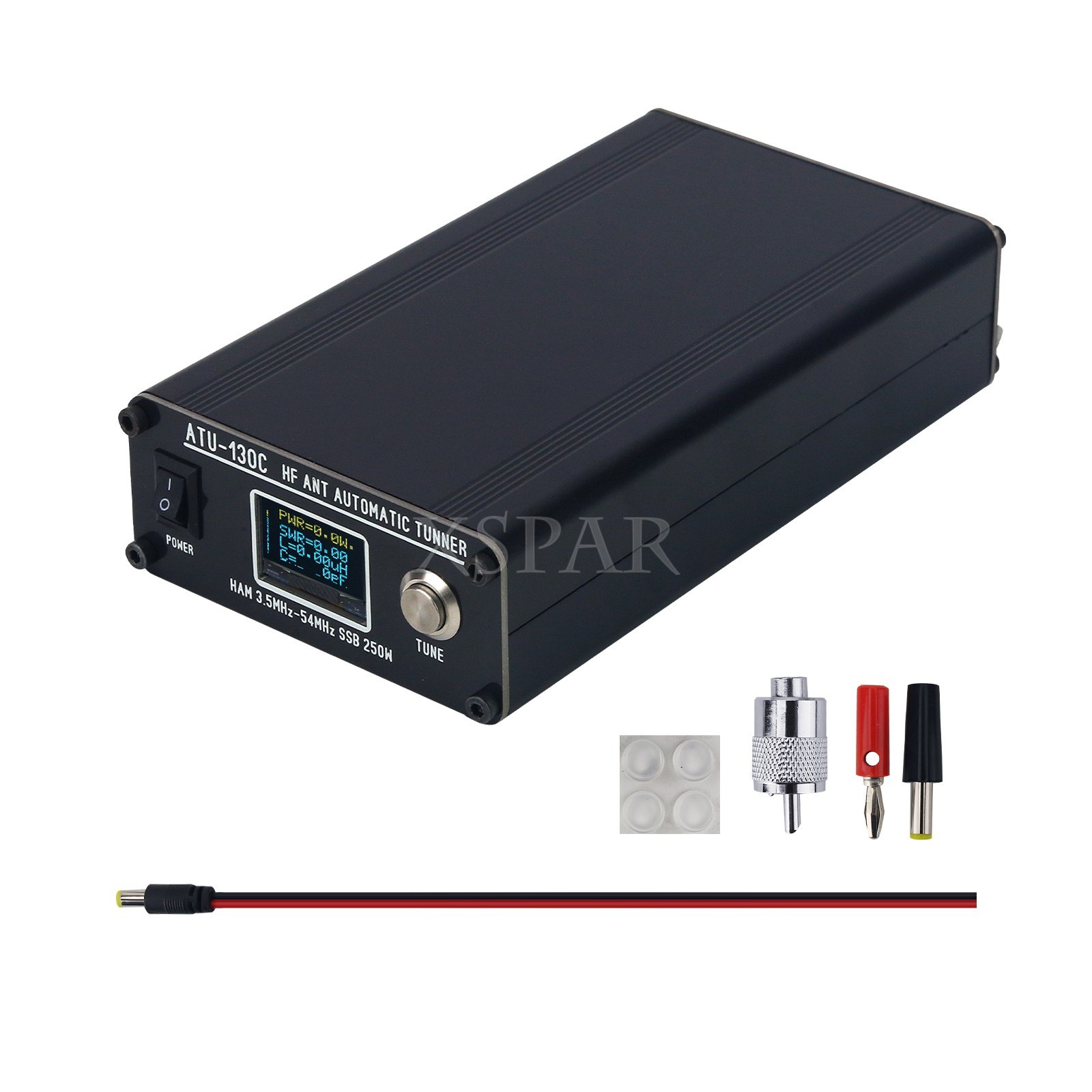 HamGeek ATU-130C 250W HF Automatic Antenna Tuner AM FM CW SSB for Amateur Radio$95.00View on eBay
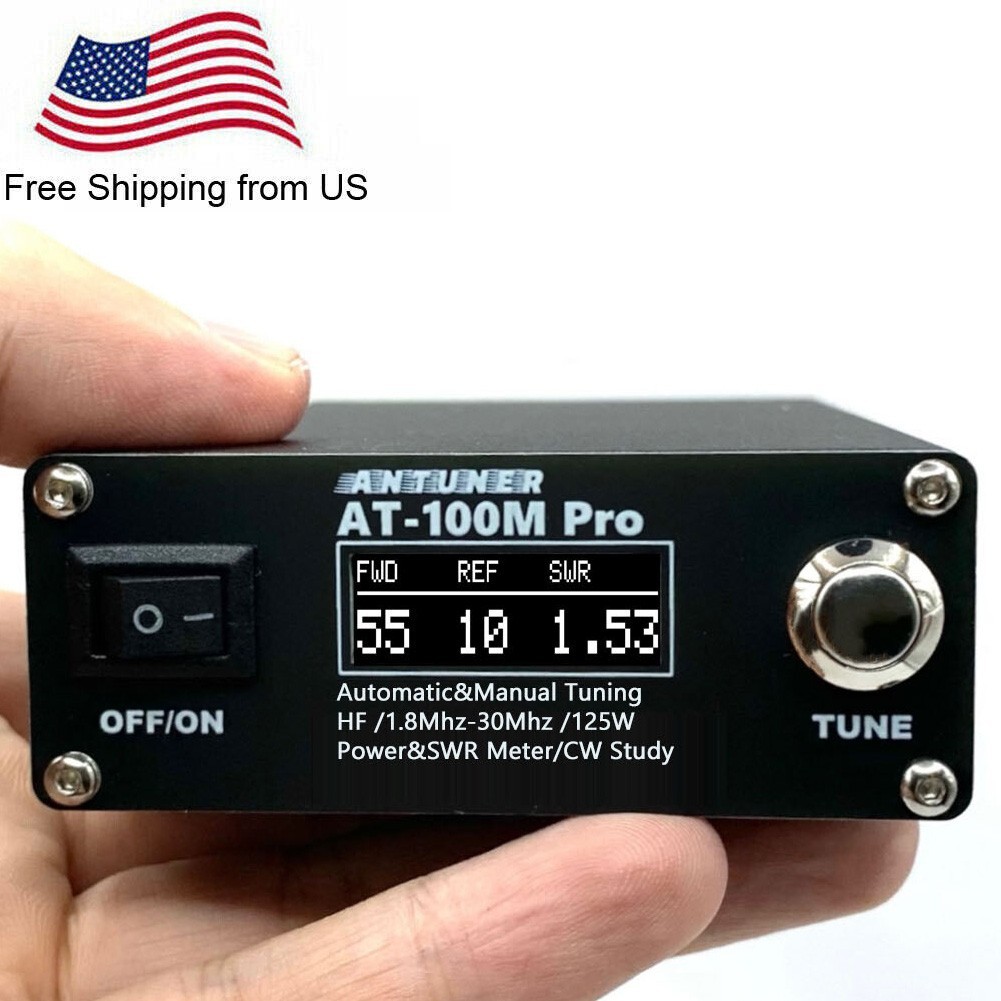 AT100M Pro Antenna Tuner 1.8Mhz-30Mhz Automatic Manual Tuning 100W Power Meter$95.00View on eBay
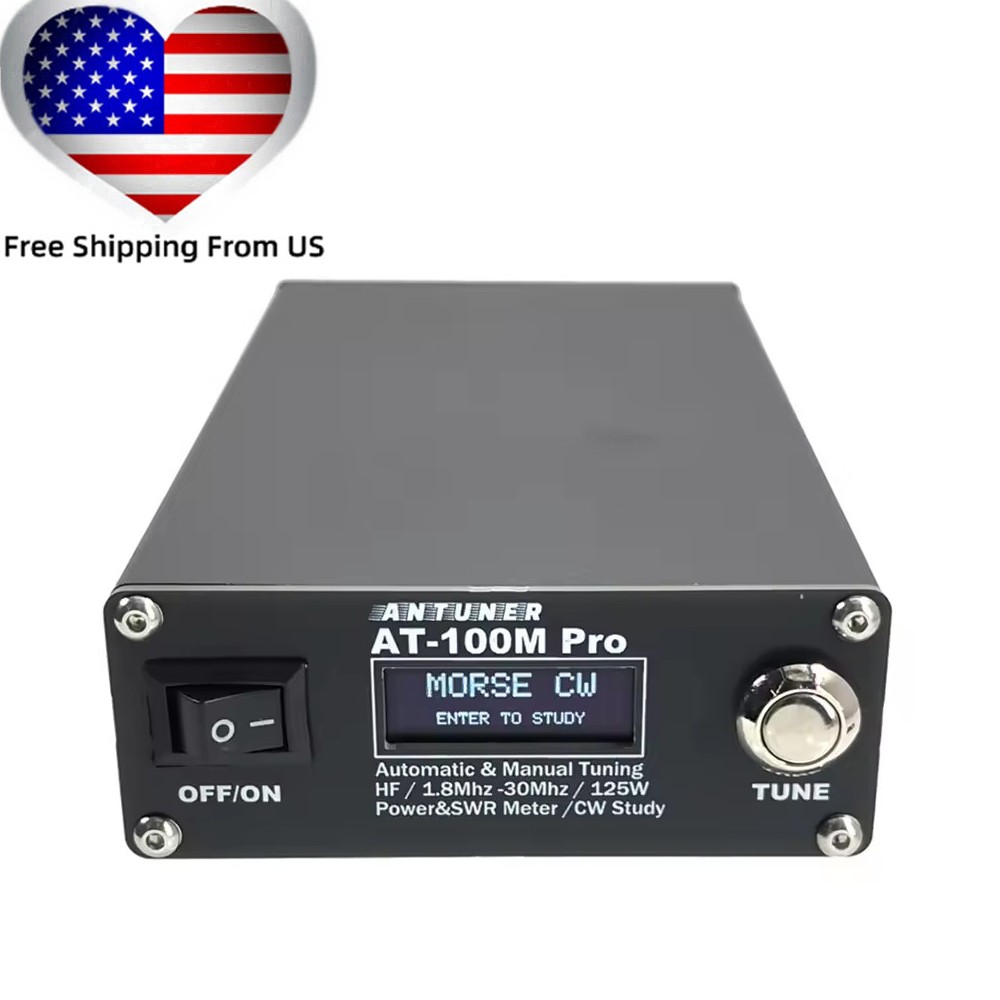 AT-100M Pro Antenna Tuner 1.8Mhz-30Mhz Automatic Manual Tuning 100W Power Meter$96.00View on eBay
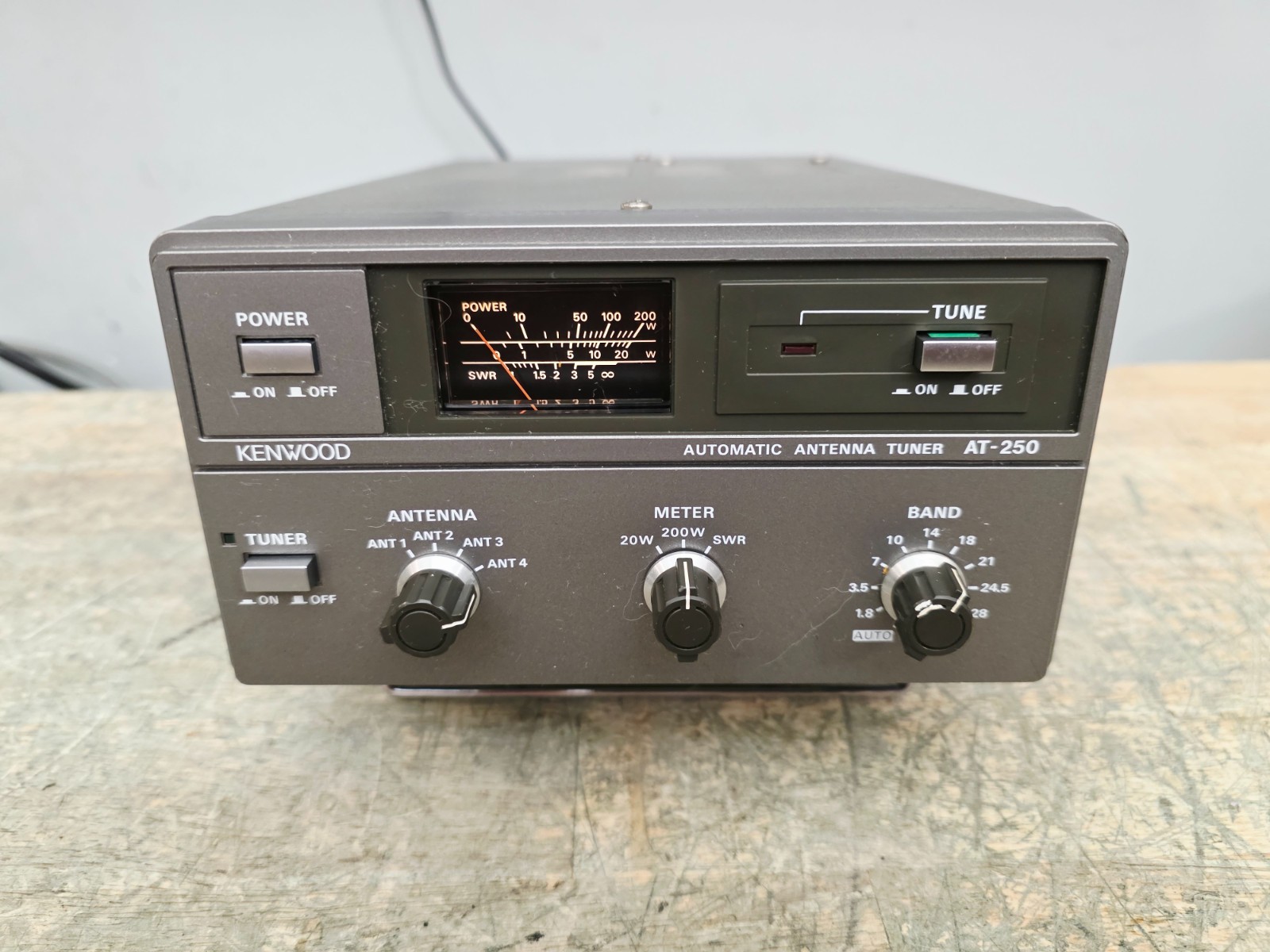 KENWOOD AT 250 Automatic Antenna Tuner TS 430 C MY OTHER HAM RADIO$139.99View on eBay
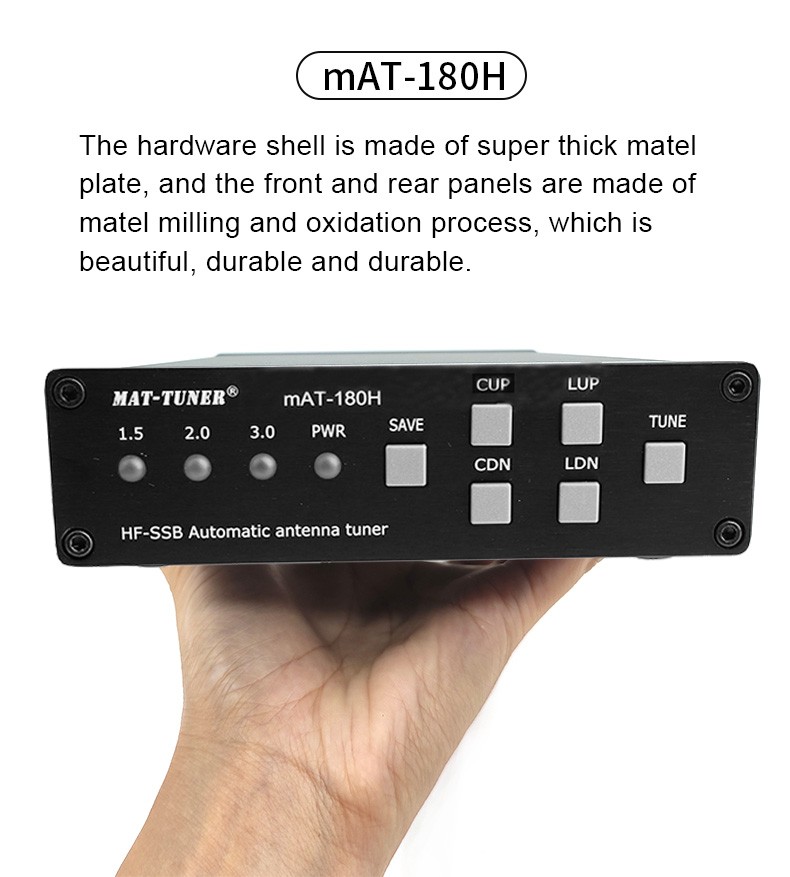 mAT-180H HF Auto-tuner 120W AUTO TUNER Automatic Antenna Ham Radio For ICOM$144.99View on eBay
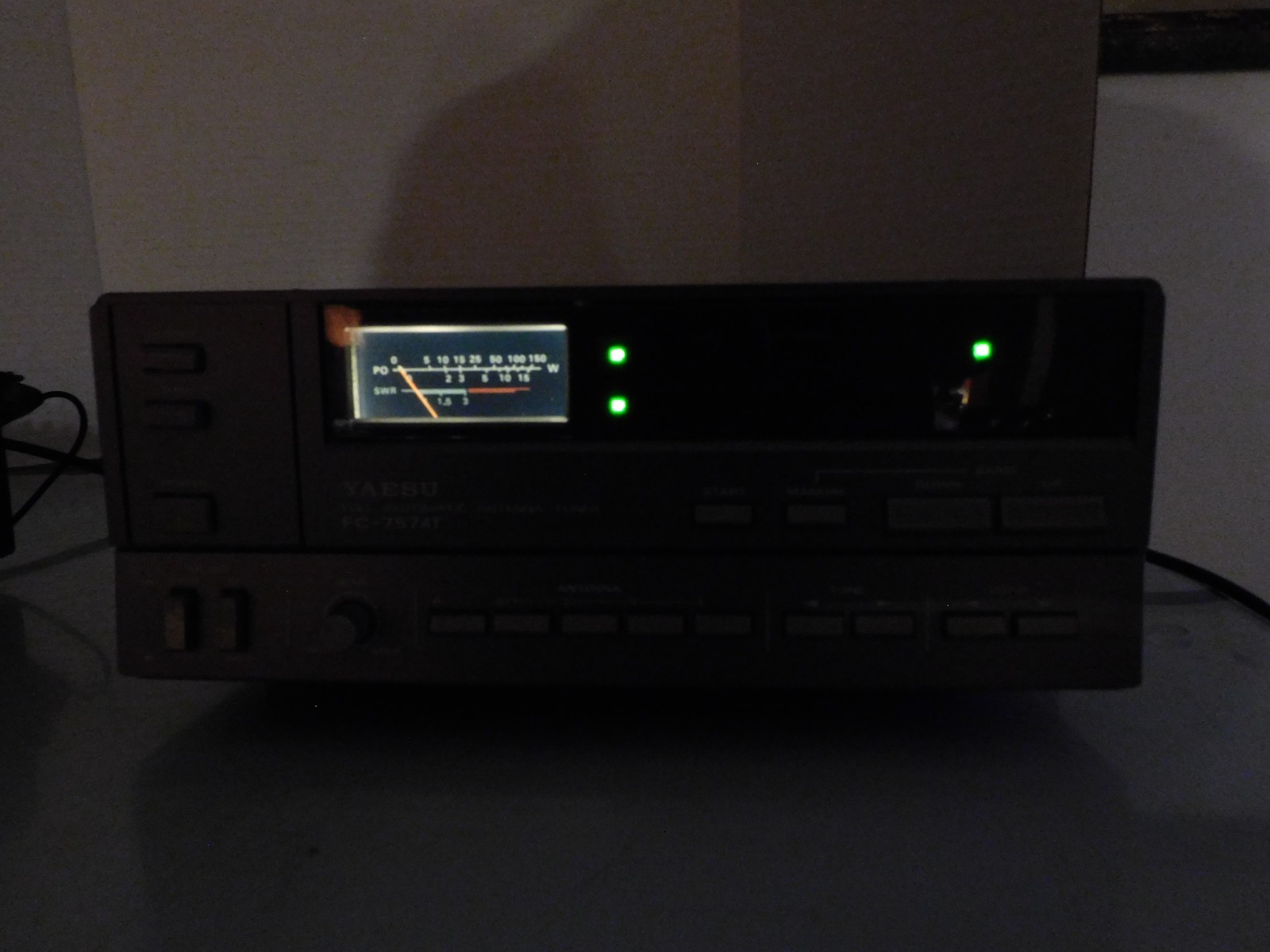 Yaesu FC-757AT Automatic Antenna Tuner HF Ham Radio Tested and Working$149.99View on eBay
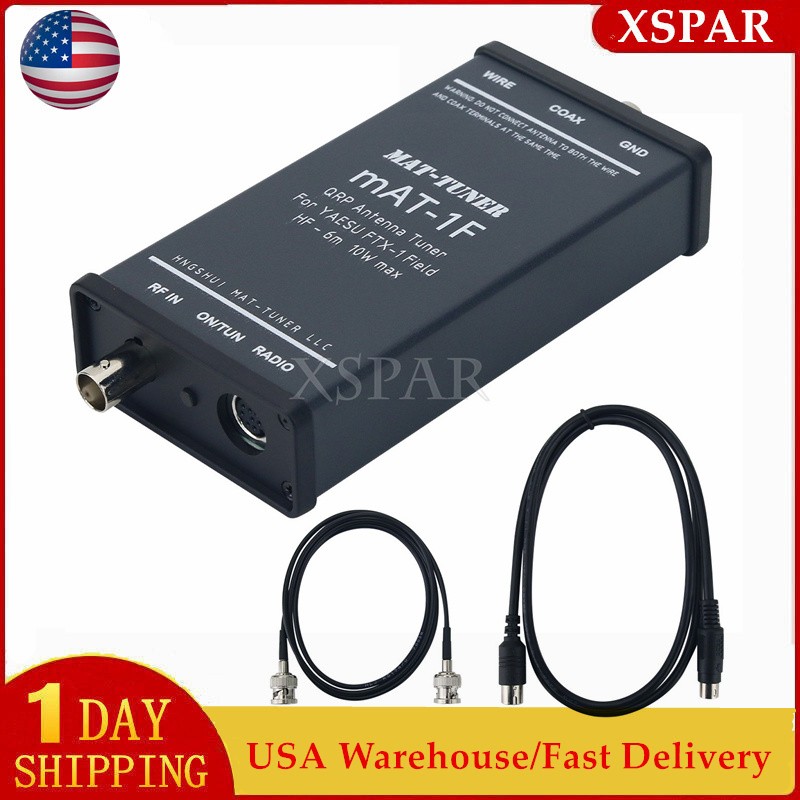 mAT-1F Automatic Antenna Tuner HF/50MHz 10W with BNC and Banana Connectors USA$167.11View on eBay
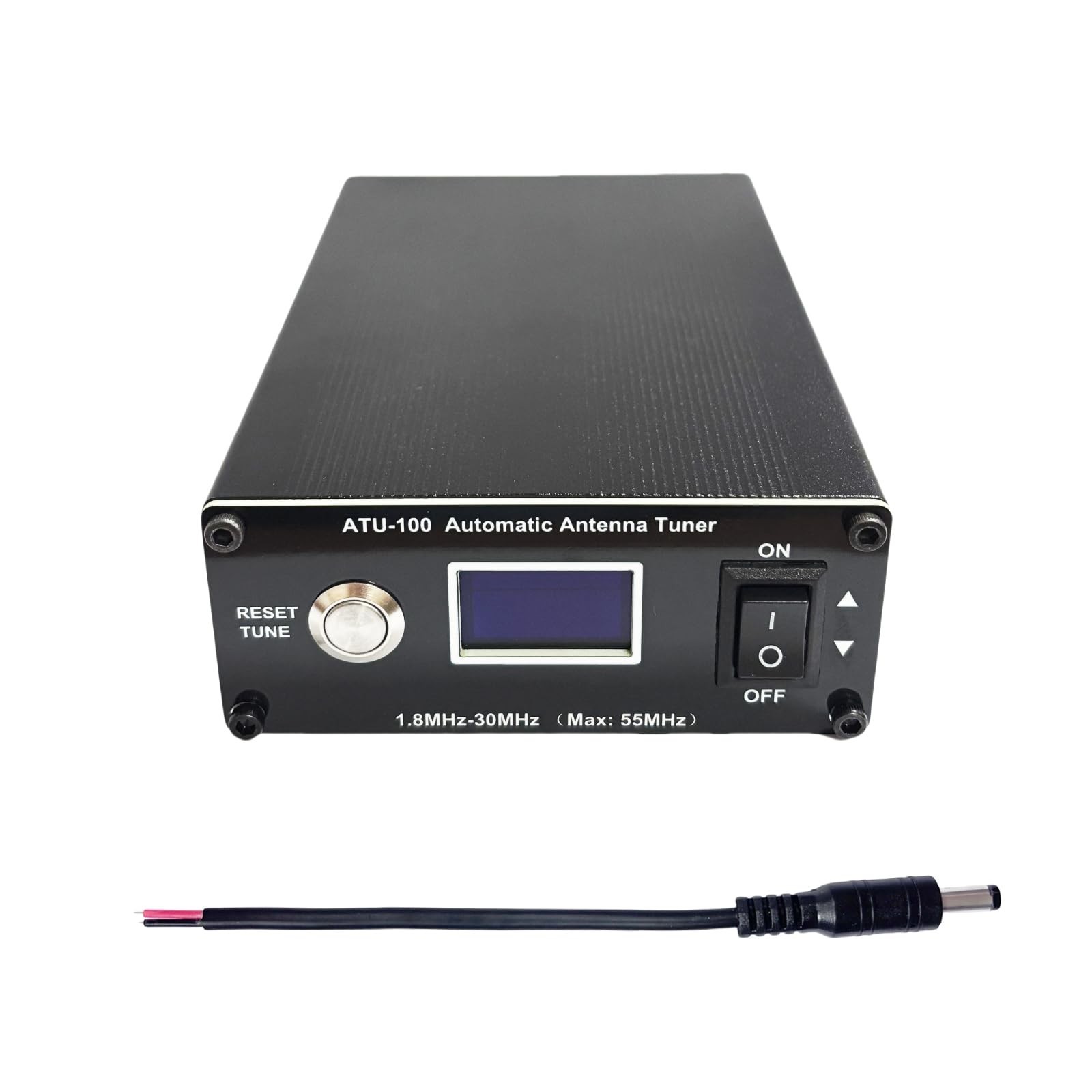 Automatic Antenna Tuner 1.8-55MHz for Ham Radio, High Efficiency, Compact Design$170.99View on eBay
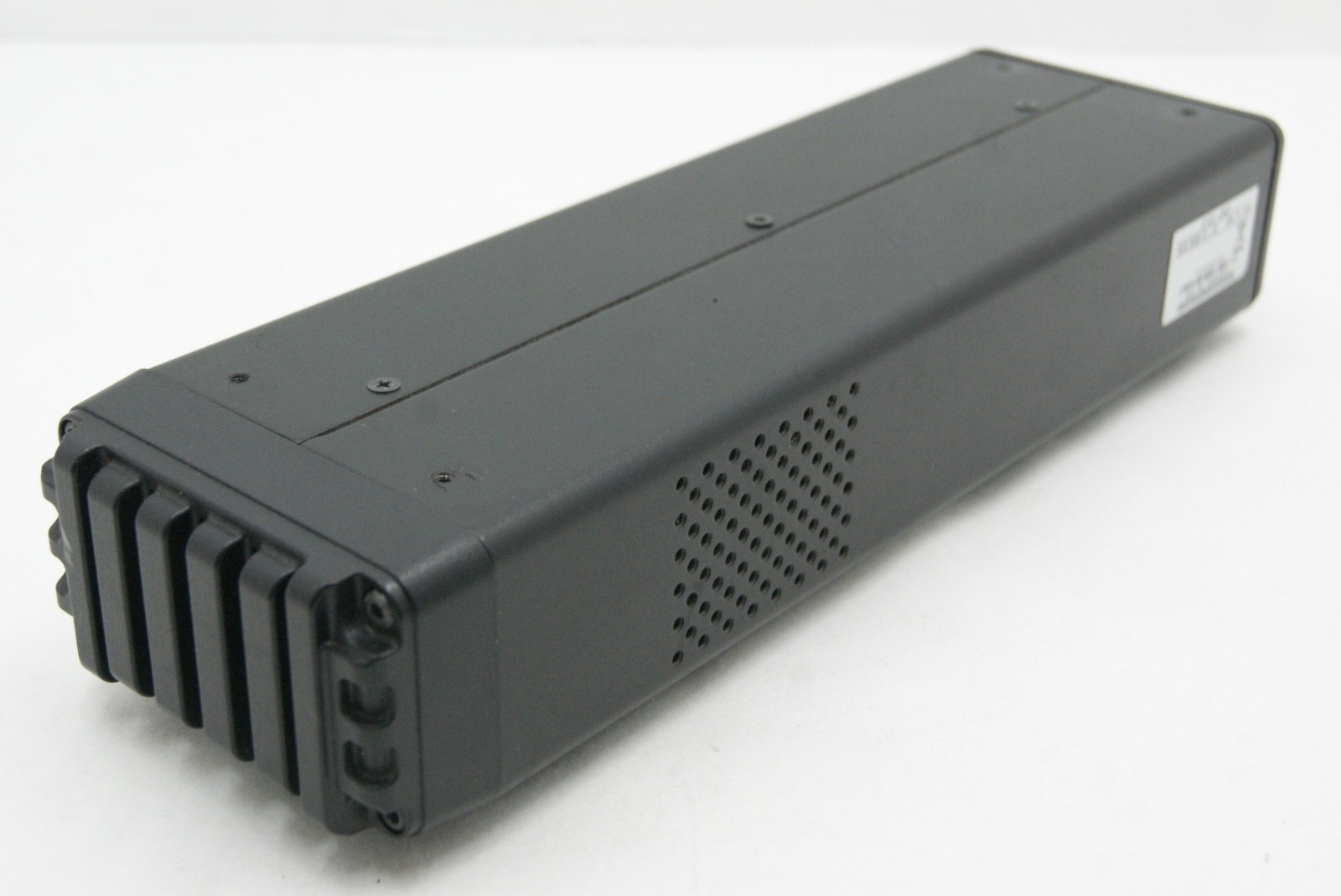 YAESU FC-30 HF/50MHz Automatic Antenna Tuner + Brand New Cable Excellent Cond.$189.00View on eBay
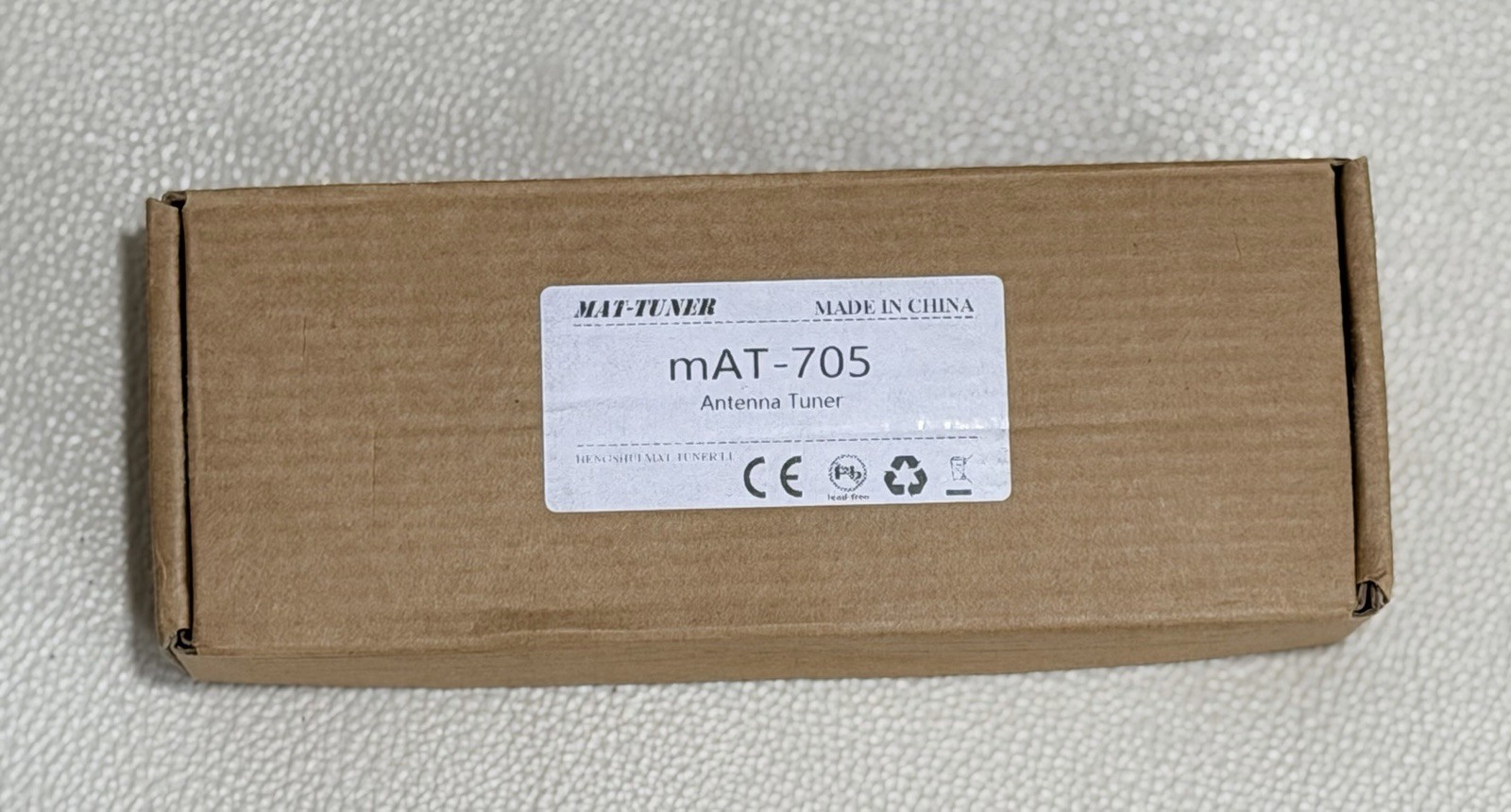 MAT-705PLUS Automatic Antenna Tuner 1.8MHZ-54MHZ for IC-705$195.00View on eBay
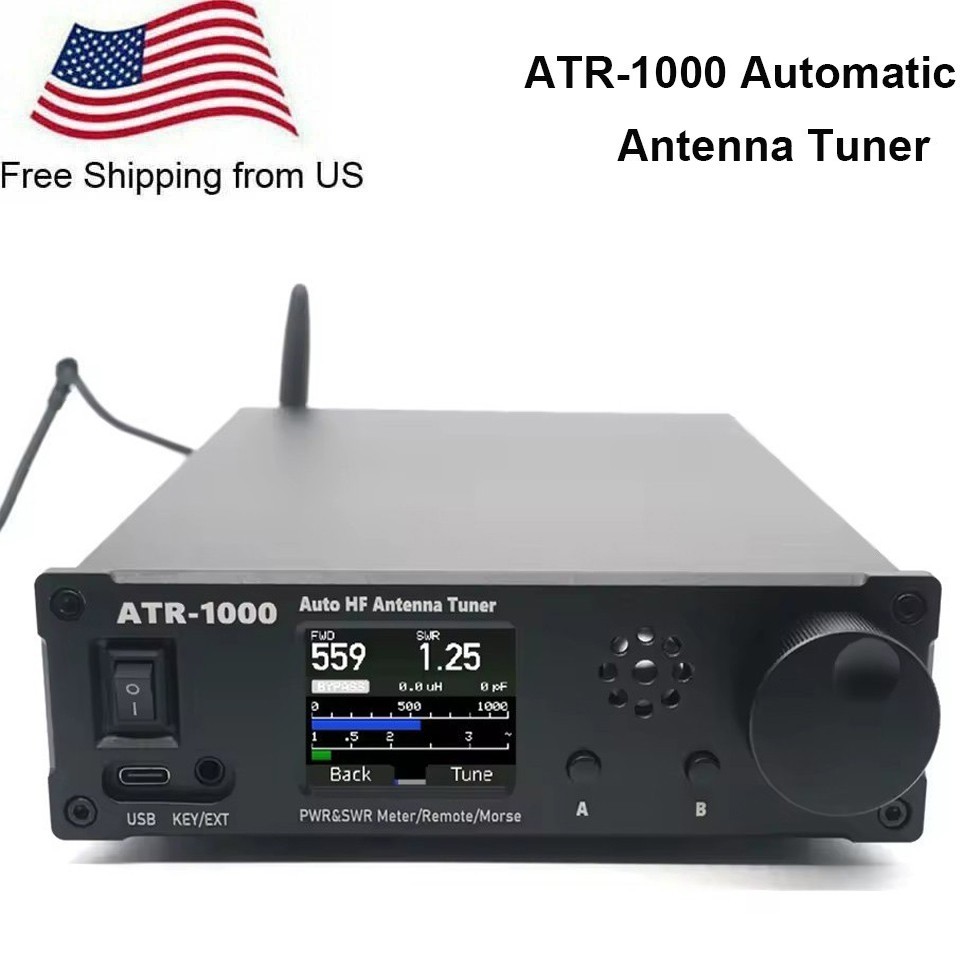 New ATR-1000 1000W Automatic Antenna Tuner 1.8-30MHz For YAESU ICOM Kenwood$299.20Last checked Nov 18, 2026View on eBay
Highlights
- Power tiers split the market: 10W QRP tuners, 100-130W portable/mobile units, and 200-250W+ base units. Buy at least 1.5x your rig's PEP rating to survive 2:1 SWR tuning transients.
- Relay switching and L-network topology determine durability and tuning range. Capacitor-and-inductor L-networks with 3-5kV rated capacitors survive mismatch better than low-voltage varactor designs.
- Band data support matters: native CAT or band-voltage input lets the tuner pre-position settings for the active band instead of hunting from scratch each transmission.
- Interface and form factor decide installation: BNC/SO-239 connectors, OLED/latching relay readouts, and finished enclosures suit mobile or field use; bare-board units need an enclosure and heat management.
Best use cases
- Mobile HF with a screwdriver or whip antenna: pick a 100-130W automatic tuner with band-data input and weather-resistant enclosure, not a bare board or 10W QRP unit.
- Portable/field QRP with wire and vertical antennas: choose a 10-20W automatic tuner with BNC and banana jacks, battery power, and manual override; skip 100W units that add weight and relay current.
- Base station with non-resonant doublets or end-fed antennas: select a 200-250W automatic tuner with SO-239, 2:1 SWR tuning capability, and a grounded metal case for RF safety.
Buying tips
- Match power rating to your rig's PEP and add 50% headroom. A 100W transceiver needs a 150W-class tuner; a 10W QRP rig works with a 10-20W tuner.
- Prefer tuners with 0.96-inch OLED or LED status displays that show SWR and relay position, so you can diagnose antenna problems without an external meter.
- Choose L-network tuners with 3kV-or-higher capacitor ratings for amps and 100W-plus rigs; varactor-tuned units are fine only for QRP.
- Ensure connector type and control interface match your station: SO-239 to PL-259 for HF base gear, BNC for portable, and CAT or band-data cables for automatic band following.
Specs
| Power Rating | 10W / 100-130W / 200-250W PEP tiers |
|---|---|
| Frequency Range | 1.8-30 MHz HF; some 1.8-55 MHz |
| Tuning Topology | Relay-switched L-network vs varactor |
| Control Interface | CAT / band data / manual override |
Related searches
What to check before buying
- Confirm your transceiver's PEP output and duty cycle; the tuner's power rating must cover at least 1.5x that figure.
- Measure the feedline connector type and control port (CAT/band data/CI-V) so the tuner connects without adapters.
- Plan for an enclosure and ventilation if buying a bare-board tuner; relay switching generates heat at 100W.
- Check the tuner's tuning range and minimum SWR threshold (typically 1.5:1) against your antenna's worst-case impedance.
FAQ
Data sources: eBay / Amazon listings and product attribute feeds. Updated Nov 23, 2026.
Some links on this page are affiliate links. If you buy after clicking one, we may earn a commission at no extra cost to you. This does not change which products appear here or their order. Affiliate disclosure.