TechShelf Guide

TechShelf Guide

Consumer Electronics Reviews & Buying Guides

Compare consumer electronics by use case, features, trade-offs, price, returns, and seller terms before you buy.

Buying guides

Buying guide image
PC Power Supplies & Cables

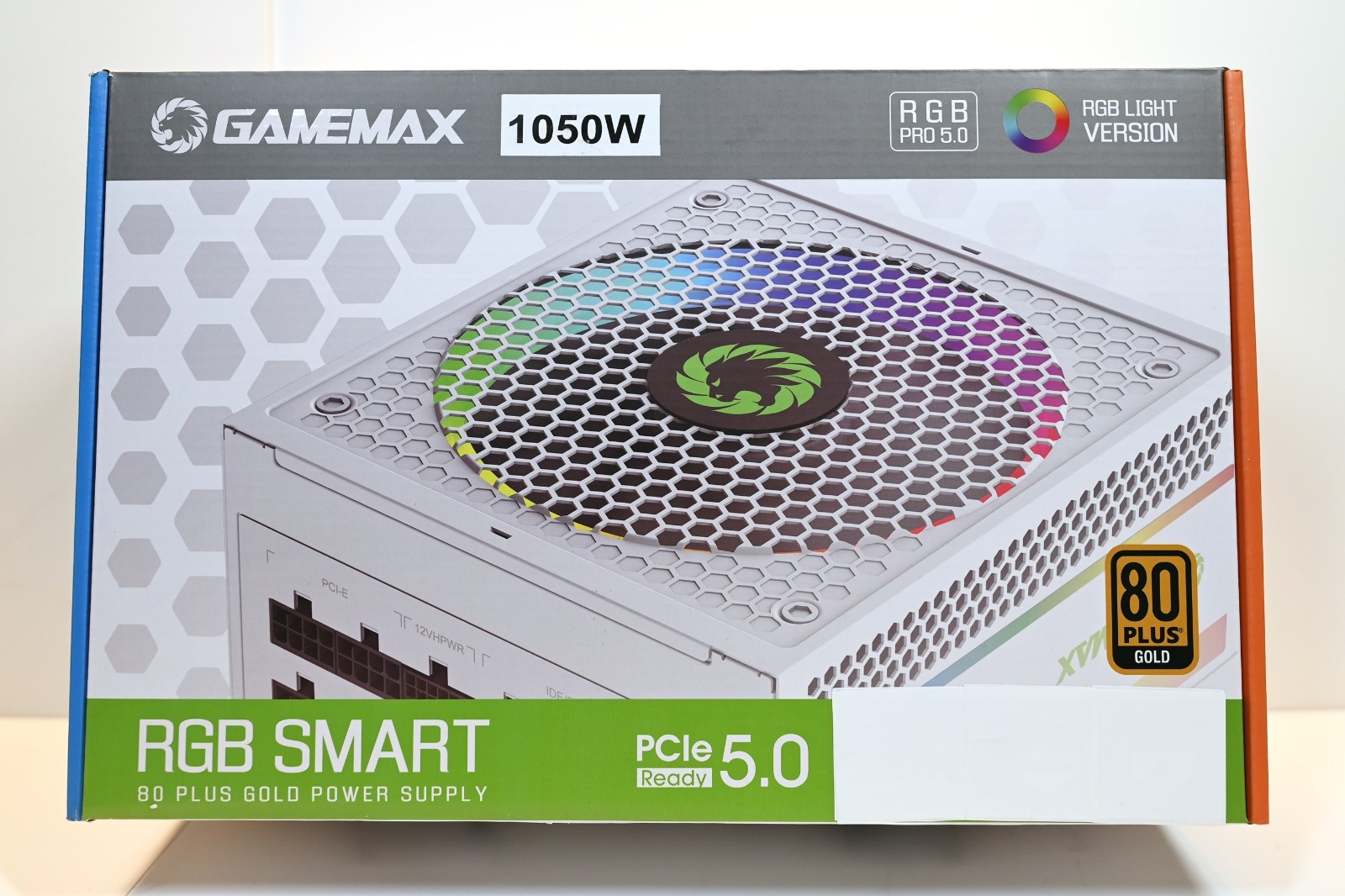
Power Supply

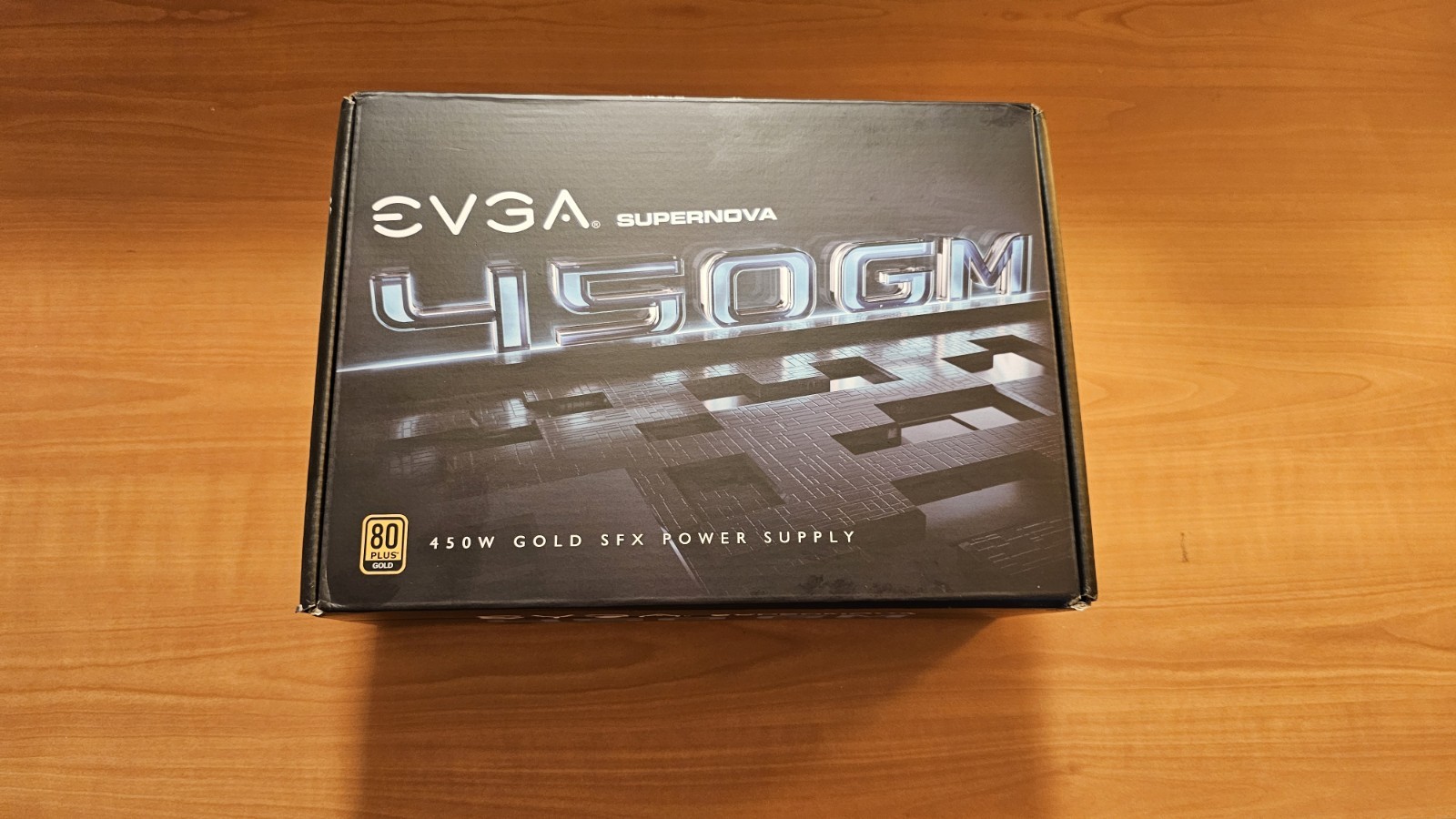
A PC power supply converts AC wall power into stable DC rails for your components, and the primary trade-off is between certified efficiency/build quality and upfront cost. The decision rule is simple: buy an 80 Plus Gold or better unit from a brand that publishes full electrical protections and warranty terms, and skip any no-name PSU that omits those specs. For a gaming PC, size wattage to your GPU's transient spikes and insist on ATX 3.0/PCIe 5.0 support on modern builds.
Buying guide image
Home Theater Speakers & Subwoofers

Portable Bluetooth Speaker

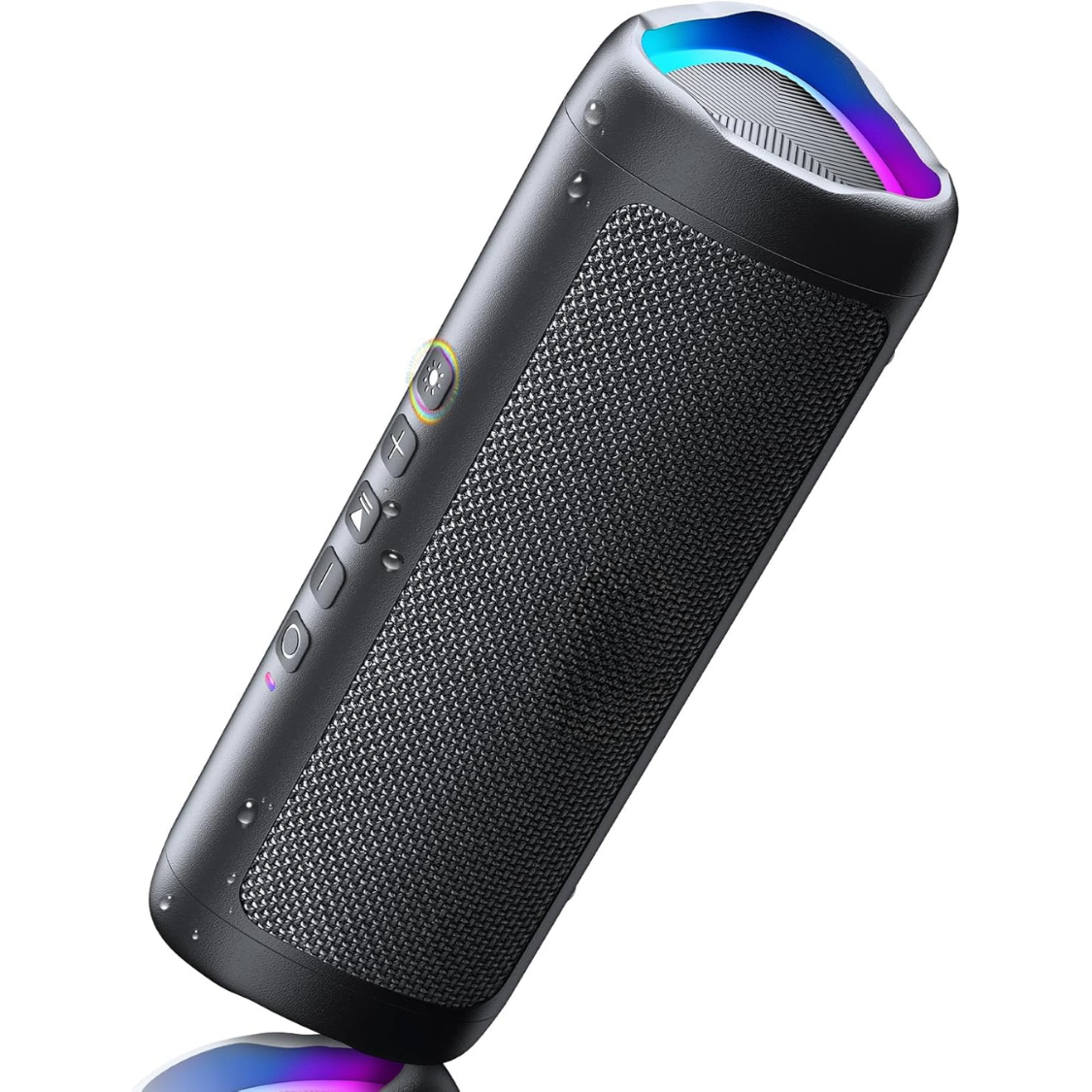
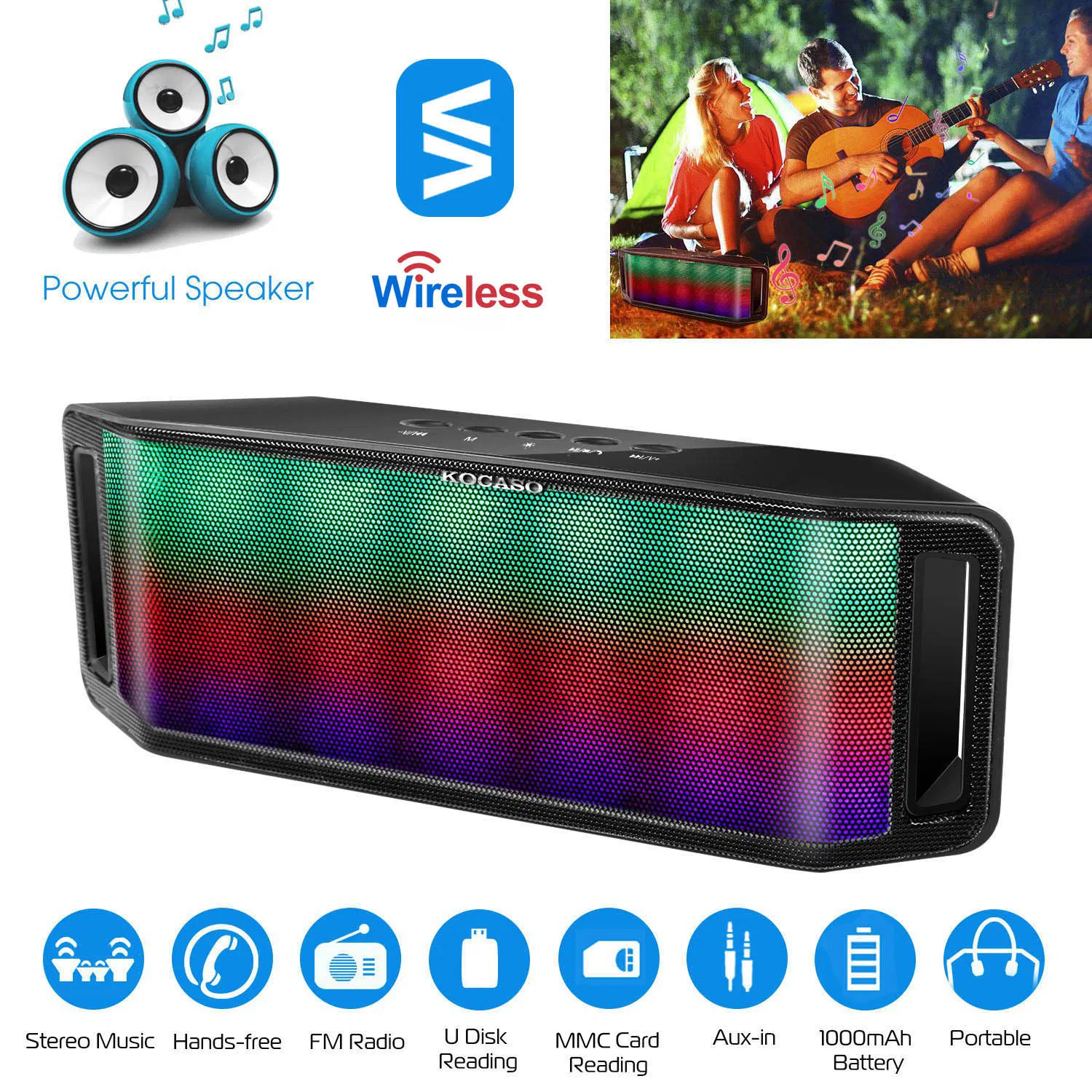
A portable Bluetooth speaker is a battery-powered, wirelessly connected audio device designed for grab-and-go listening, where the primary trade-off is between loudness/ruggedness and fidelity/battery life. The critical split is between compact IPX7 travel units (5–20W, 8–24h playtime) and high-output party models (40–240W peak, 6–18h playtime, often AC-optional) that sacrifice portability for SPL. The durable decision rule: choose IP67 or IPX7 and a proven Bluetooth 5.x chipset for outdoor use; accept plastic housings only when reinforced with internal damping and a passive radiator, and skip any model claiming >100W peak from a single sub-2lb driver without a dedicated woofer and passive radiator.

Buying guide image
Home Theater Speakers & Subwoofers

Compact Bluetooth Speaker

Compact Bluetooth speakers are portable, battery-powered audio devices typically sized between a soda can and a hardcover book, designed for grab-and-go listening. The core trade-off is acoustic output and bass extension versus battery life and true pocketability—larger drivers and passive radiators improve sound but add weight and drain power. The decision rule: choose a model with a stated IP67 or IP68 rating, USB-C charging, and a genuine 10+ hour battery at moderate volume; skip any speaker that lists only 'water-resistant' without an IP number or uses micro-USB in 2024+.

Buying guide image
Home Theater Speakers & Subwoofers

Portable Wireless Speaker

Portable wireless speakers range from pocket-size Bluetooth pucks to wheeled party systems, and the decisive trade-off is output headroom versus true portability and weather sealing. Durable models use passive radiators or sealed enclosures, ≥IPX5 ingress protection, and USB-C charging, while compromises rely on peak wattage claims without RMS ratings or battery capacity in mAh. Choose by honest RMS power per liter of enclosure and IP rating, not by flashy peak numbers.

Buying guide image
Home Theater Speakers & Subwoofers

Wireless Speaker

Wireless speakers range from battery-powered portables to AC-powered home-theater hubs, and the core trade-off is driver/enclosure rigidity versus connectivity and amplification quality. Durable options use sealed MDF or metal-reinforced cabinets, Class-D amps with real RMS ratings, and Bluetooth 5.0+ with TWS; compromises hide behind peak-power claims and thin plastic shells.

Buying guide image
AV Receivers & Amplifiers

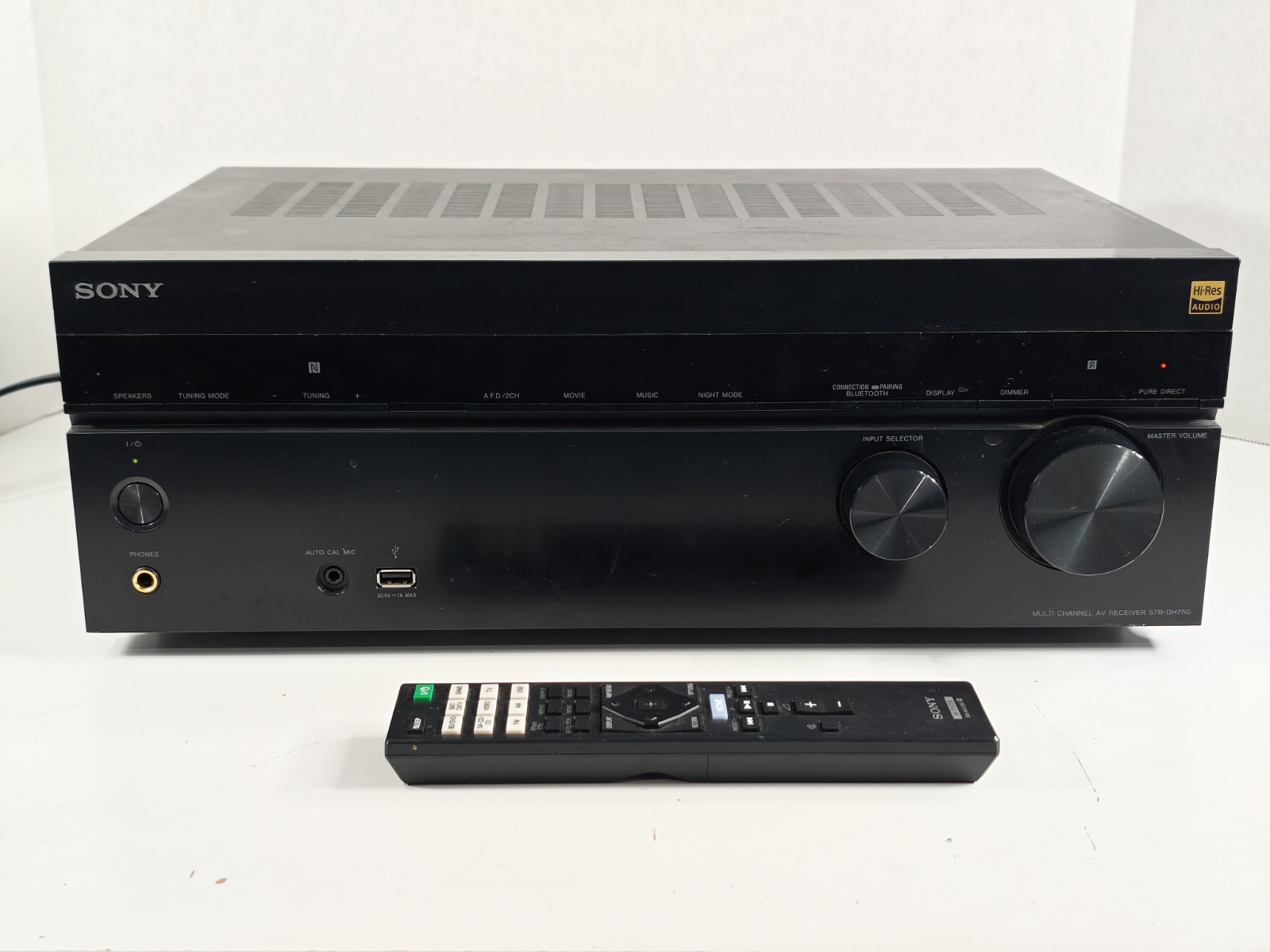
Receiver

A receiver is the switching and amplification hub of a home audio system, and the core trade-off is channel count and HDMI/room-correction feature tier versus honest wattage into real speaker loads. Buy by speaker impedance and sensitivity first, then by the HDMI/Atmos generation you actually need. A receiver rated with a two-channel driven spec and 4-ohm stability is a durable platform; one sold on inflated single-channel peak watts is a compromise.

Buying guide image
Chargers, Power Banks & Adapters

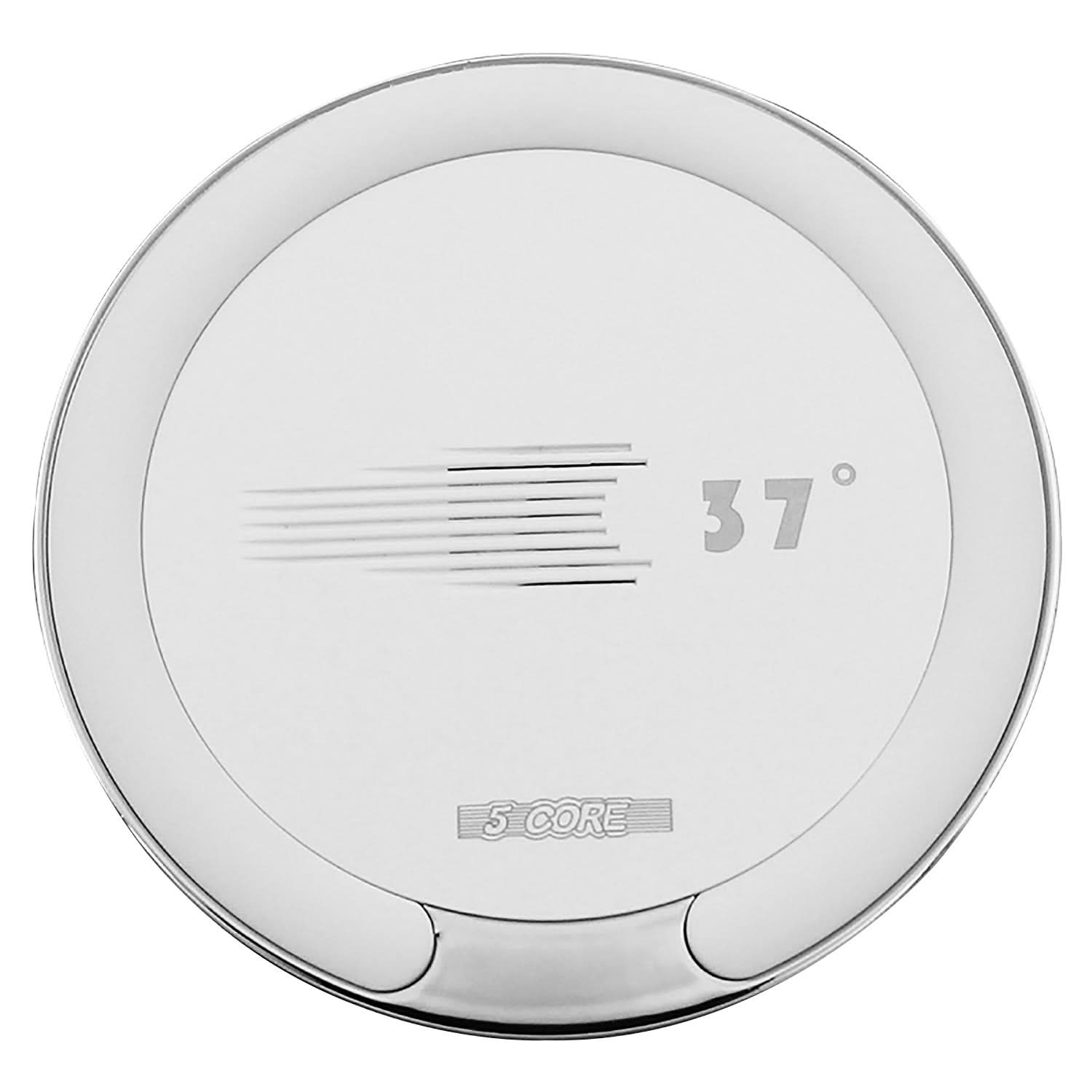
Phone Charger

A phone charger spans wall adapters, wireless pads, and power banks, each defined by its power-delivery protocol and connector standard. The core trade-off is fast-charging compatibility versus thermal and battery longevity: USB-C PD and Qi are the universal standards, while proprietary fast-charge modes require matched hardware. Buy only chargers certified to USB-IF or Qi with explicit wattage tiers, and skip generic adapters that list amperage without PD or QC 4+ support.

Buying guide image
PC Power Supplies & Cables

Power Supply Unit

A Power Supply Unit (PSU) converts AC wall power into stable DC rails for your PC, and the primary trade-off is between high-efficiency, full Japanese capacitor builds with modern ATX 3.0/PCIe 5.0 support versus budget units that skimp on protection circuits and transient response. The clear decision rule: buy only units with 80 PLUS Gold or better efficiency, a single strong +12V rail, and explicit ATX 3.0/PCIe 5.0 certification if you run a modern GPU; skip any PSU lacking OCP/OVP/SCP or rated below its continuous temperature spec.

Buying guide image
Sim Racing Pedals

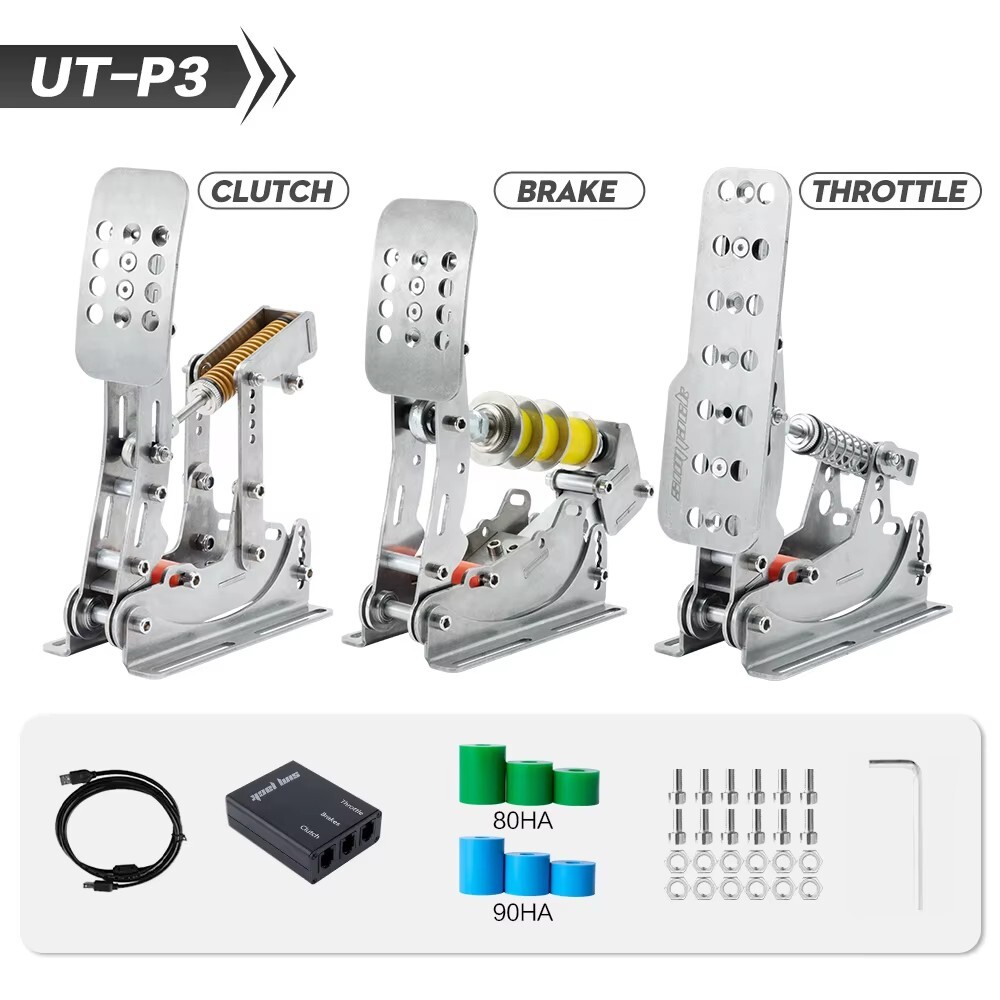
Sim Racing Pedal

Sim racing pedals are the input device that converts foot pressure into throttle, brake, and clutch signals, and the core trade-off is between potentiometer/Hall-effect position sensing versus load-cell or hydraulic pressure sensing for the brake. Load-cell brakes measure force in kilograms, giving repeatable muscle-memory braking, while potentiometer brakes measure travel and feel vague under hard braking. The decision rule: buy a load-cell or hydraulic brake pedal set with a metal frame if you want consistent lap times; buy a basic potentiometer set only for casual arcade driving.

Buying guide image
DACs & Headphone Amplifiers

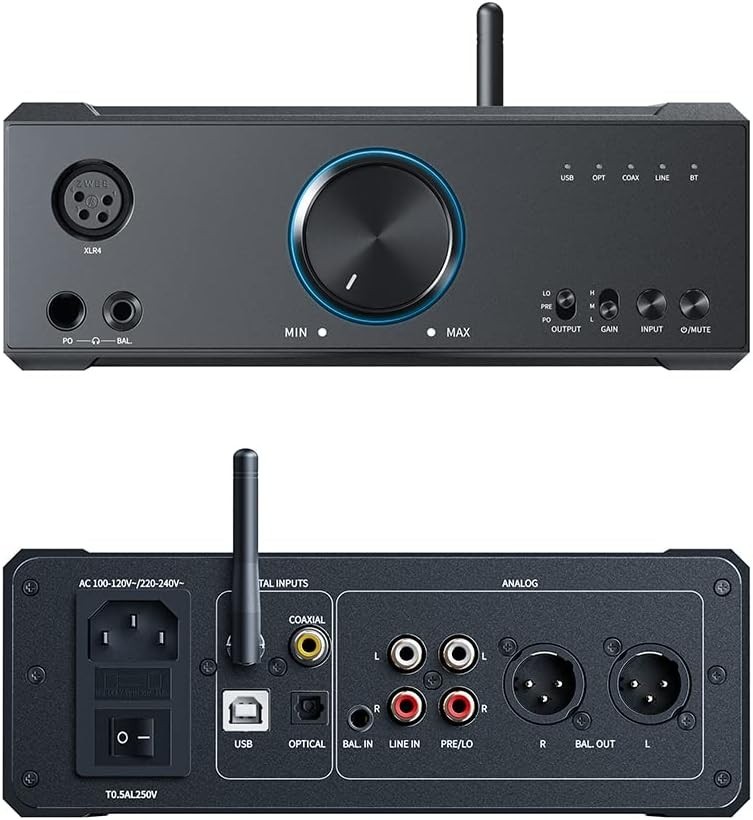
Portable Headphone Amp

A portable headphone amp is a battery-powered analog gain stage that boosts voltage and current so low-impedance IEMs and high-impedance headphones reach usable loudness without clipping the phone or laptop output. The core trade-off is clean power versus battery life and noise: Class-AB op-amp stages deliver high current with more heat and drain, while Class-D and hybrid tube designs trade absolute linearity for efficiency or coloration. Buy a dedicated amp when your headphone's impedance exceeds roughly 50 ohms or its sensitivity sits below 100 dB/mW; skip it if you drive efficient IEMs straight from a USB-C dongle.

Buying guide image
Chargers, Power Banks & Adapters

Fast Charger

A fast charger is any USB-C PD or Qi wireless power adapter that negotiates higher voltage/current profiles to refill phones, tablets, and laptops faster than legacy 5W/12W bricks. The core trade-off is GaN vs silicon internals and real PD 3.1/PPS certification vs label-only wattage. Buy only chargers whose output tiers match your device's max draw and whose PD revision covers your device's protocol; skip generic high-watt units with no PPS or EPR support.

Buying guide image
Filament Drying & Post-Processing

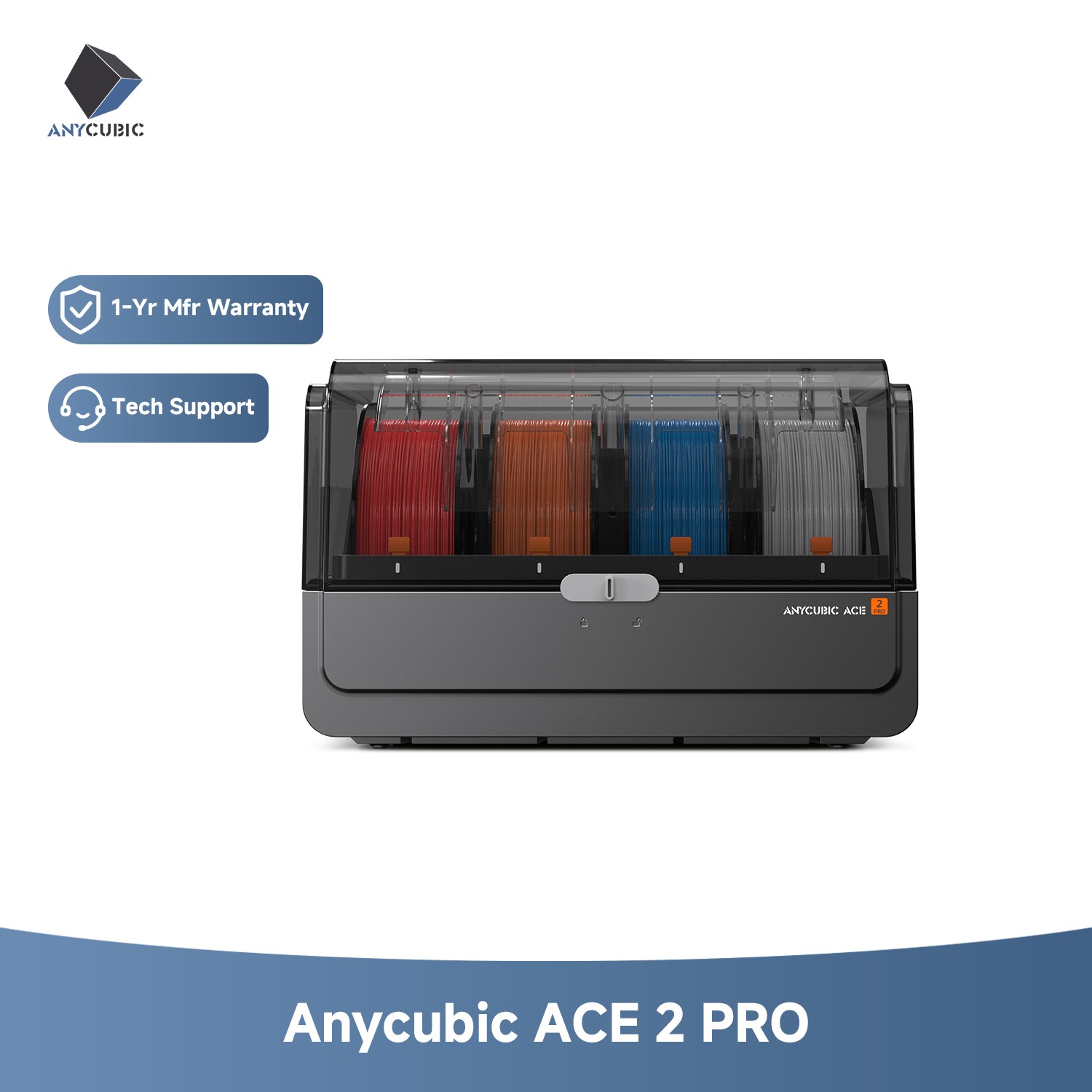
3D Filament Dryer

A 3D filament dryer is a heated, humidity-controlled chamber that removes absorbed moisture from filament before printing, preventing stringing, bubbling, and weak layer adhesion. The core trade-off is between a single-spool resistive dryer with basic thermostat control and a multi-spool, convection-based unit with hygrometer feedback and sealed storage. Buy a dryer whose maximum sustained temperature matches your polymer (PA/PETG need 65-70°C, PLA 45-55°C) and whose chamber seals well enough to hold a desiccant-driven dry state; skip anything that only warms without airflow or humidity readout, since it cannot actually dry hygroscopic nylon or PC.

Buying guide image
VR Gaming Hardware & Accessories

Oculus Quest VR Headset

Oculus Quest (now Meta Quest) is a standalone VR headset line that runs Android-based software and tracks inside-out, with no PC or base stations required. The core buying trade-off is generation and storage: Quest 2 models use 64GB or 128GB flash and older Fresnel optics, while Quest 3/3S add color passthrough and higher resolution. The decision rule is simple: buy a complete Quest 2 kit with controllers for budget standalone VR, or step to Quest 3/3S for mixed-reality and longer software support.

Buying guide image
Smart Home Electronics

Security Camera

Security cameras split into wired (PoE or USB power) and battery/solar wireless architectures, and the primary trade-off is continuous recording and reliability versus installation freedom. Durable options use IP65+ metal housings, 2K+ sensors, and local microSD/NVR storage; compromises rely on plastic shells, 1080p upscaling, and cloud-only clips.

Buying guide image
Chargers, Power Banks & Adapters

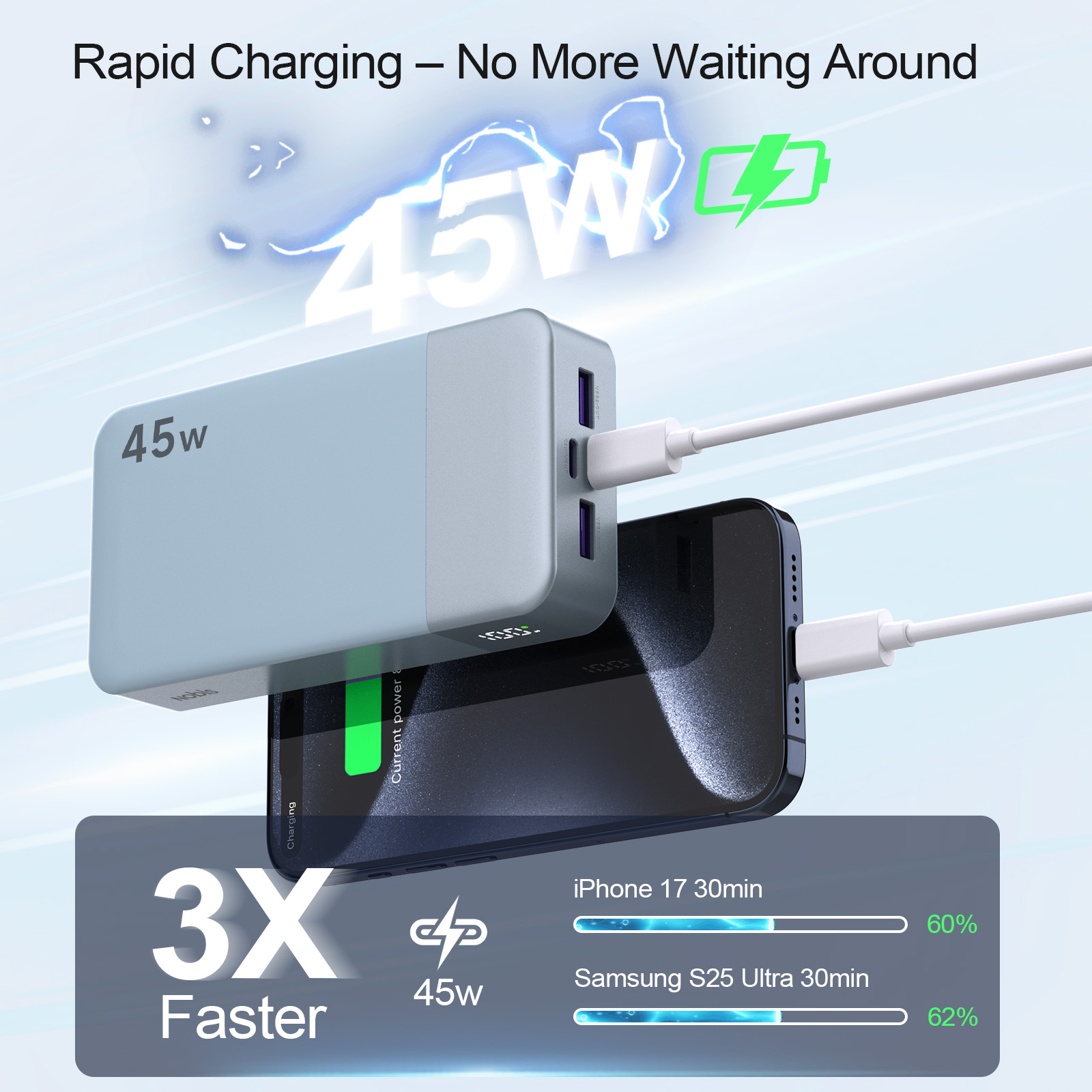
Travel Power Bank

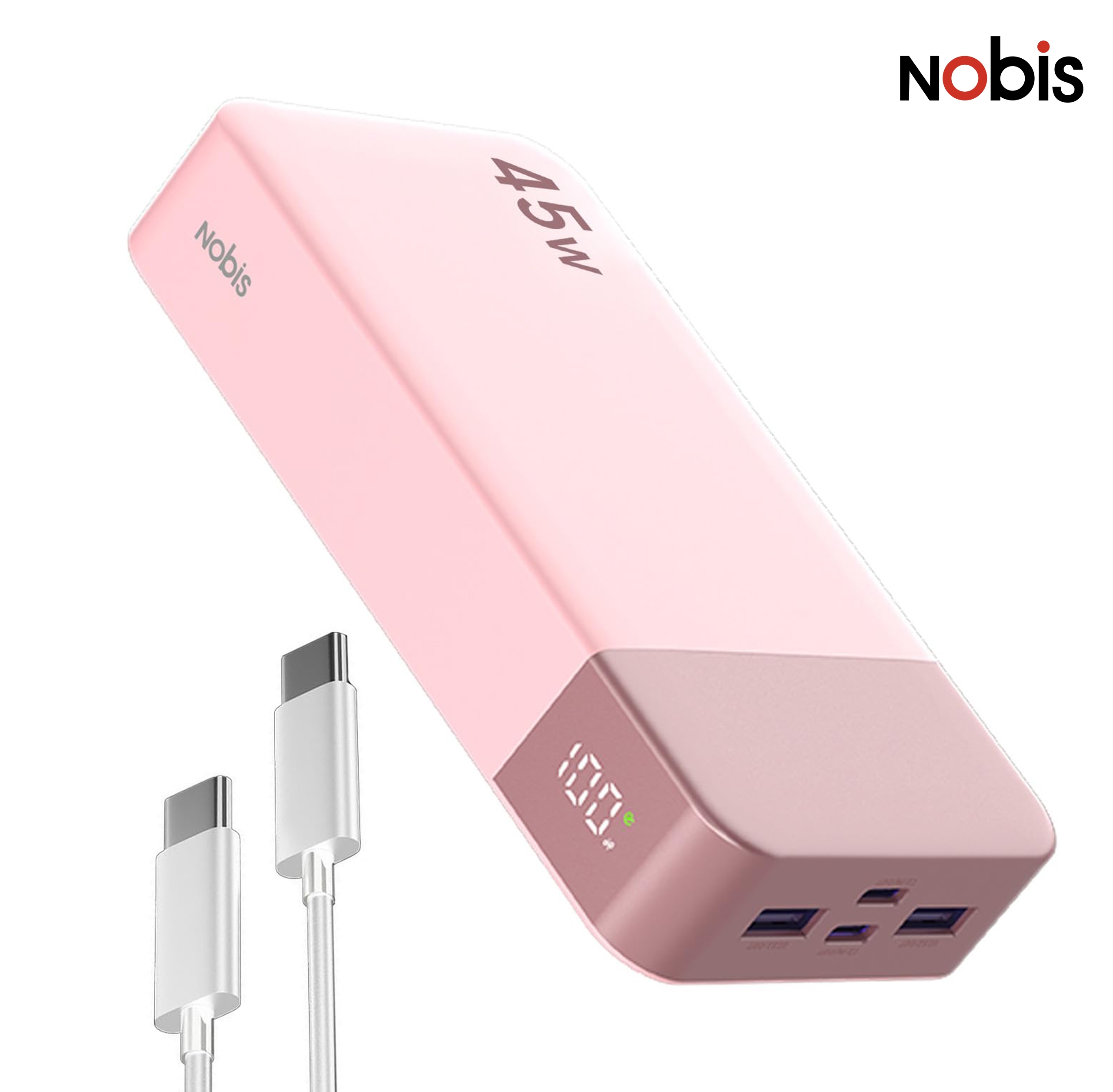
A travel power bank is a portable lithium-ion battery pack sized for carry-on and day-bag use, defined by its capacity tier and PD wattage rather than by marketing names. The core trade-off is energy density versus airline legality: cells above 100Wh (roughly 27,000mAh at 3.7V) require airline approval, while sub-10,000mAh packs trade capacity for pocketability. Choose a sub-10,000mAh PD pack for phone-only day trips, a 20,000mAh 45–65W pack for laptop travel, and skip anything without a stated Wh rating or USB-C PD output.

Buying guide image
In-Ear Earphones

Bass Earbud

Bass earbuds are in-ear earphones tuned to emphasize low frequencies, a goal achieved either through dynamic driver size and enclosure volume or through digital signal processing (DSP) in wireless models. The core trade-off is bass quantity versus clarity and control: large single dynamic drivers (10–12 mm) move more air for sub-bass but can muddy mids, while balanced armature or hybrid designs deliver tighter bass at the cost of raw slam. The decision rule is simple: wired dynamic-driver IEMs under 12 mm with metal nozzles and detachable cables are the durable bass baseline, while budget TWS earbuds rely on app EQ and cannot match wired sub-bass extension.

Buying guide image
Antenna Tuners & SWR Meters

Antenna Tuner

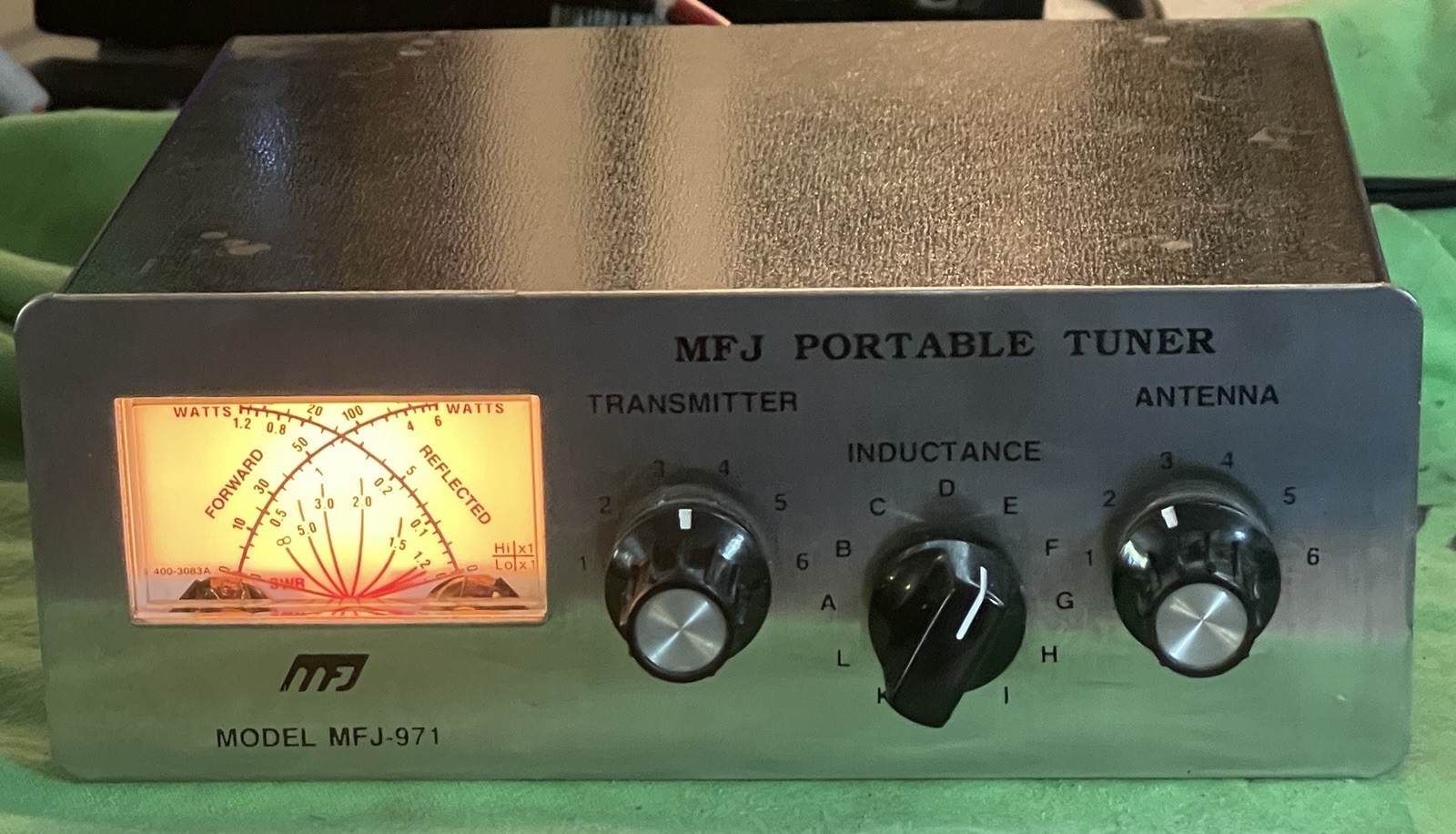
An antenna tuner transforms the impedance at your feedline to match your transmitter, protecting the finals and maximizing radiated power. The core trade-off is manual vs automatic: manual tuners are cheaper, simpler, and handle high power without electronics, while auto-tuners offer push-button convenience but add relays, sensors, and a power ceiling. Buy manual if you operate one band or QRP and want zero failure points; buy an auto-tuner if you change bands or antennas often and stay within its rated wattage.

Buying guide image
Sim Racing Shifters & Handbrakes

Sim Racing Shifter

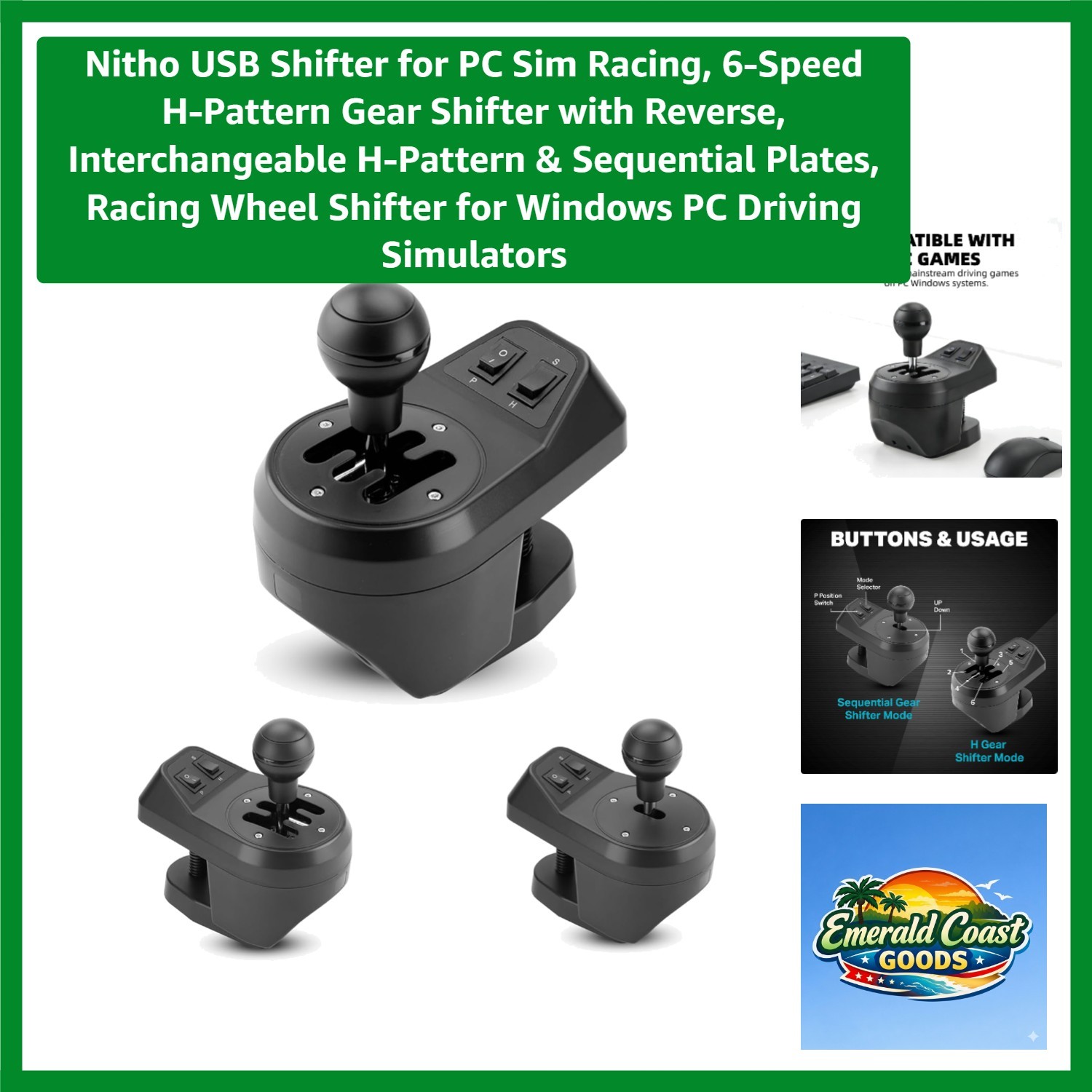
A sim racing shifter converts gear changes into a tactile, mechanical input that paddles cannot replicate, and the primary trade-off is between cheap potentiometer-based toys and durable hall-effect or contactless sensors with metal internals. Choose a shifter with a metal gate, adjustable tension, and USB-native connectivity for long-term reliability; skip plastic-gated units with micro-switch-only sensing that wear out under repeated throws.

Buying guide image
Smart Home Electronics

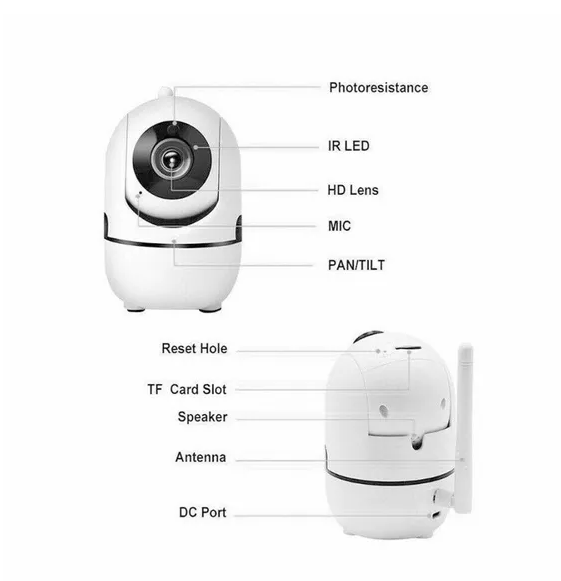
WiFi Camera

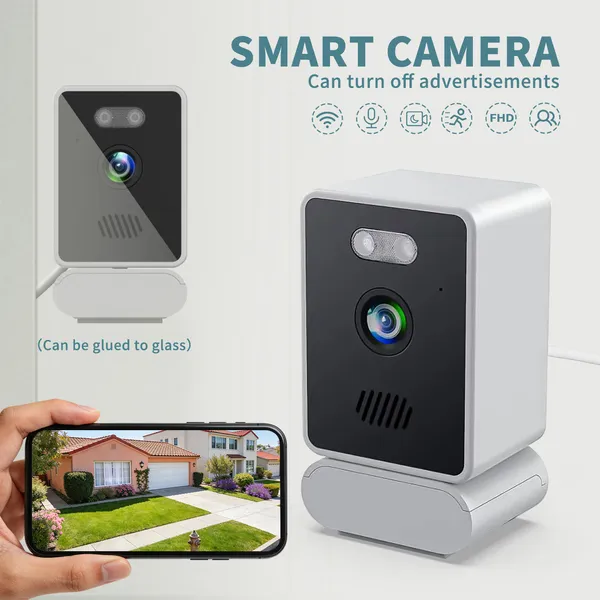
A WiFi camera is an IP surveillance device that streams video over your home network to a phone app, spanning indoor cubes, outdoor pan/tilt units, and battery/solar models. The core trade-off is between always-powered wired units with continuous recording and battery/solar units that sacrifice frame rate and pre-roll for placement freedom. Buy wired for 24/7 coverage and local NVR storage; buy battery or solar only where power runs are impossible and you accept PIR-triggered clips.

Buying guide image
Record Storage & Accessories

12 Record Sleeve

12-inch record sleeves are protective covers for LP jackets and vinyl, split into outer sleeves (against shelf wear) and inner sleeves (against scuffing). The key trade-off is thickness and material: thin polyethylene (1–2 mil) tears and clouds, while 3 mil+ archival polyethylene or rice-paper-lined inners resist abrasion and off-gassing. Buy 3 mil outer sleeves with a flap or tight seal, and pair them with anti-static inner sleeves; skip sub-2 mil 'budget' covers for any collection you care about.

You may also like

Finding more guides for you…