
Photos from current listings. Actual item, color, and included accessories may vary.
Power Supply Buying Guide
A PC power supply converts AC wall power into stable DC rails for your components, and the primary trade-off is between certified efficiency/build quality and upfront cost. The decision rule is simple: buy an 80 Plus Gold or better unit from a brand that publishes full electrical protections and warranty terms, and skip any no-name PSU that omits those specs. For a gaming PC, size wattage to your GPU's transient spikes and insist on ATX 3.0/PCIe 5.0 support on modern builds.
Median $70.00
Key takeaways
- 80 Plus certification tiers (Bronze, Gold, Platinum) dictate efficiency and usually correlate with better capacitors and ripple control.
- ATX 3.0 with PCIe 5.0 12VHPWR/12V-2x6 connectors handles RTX 40-series transient spikes; older ATX 2.x units can trip OCP under load.
- Form factor must match the case: ATX (150mm wide), SFX (125mm), and SFX-L (130mm) are not interchangeable without brackets.
At a glance
- Category
- PC Power Supplies & Cables
- Last updated
- Nov 27, 2026
Current offers
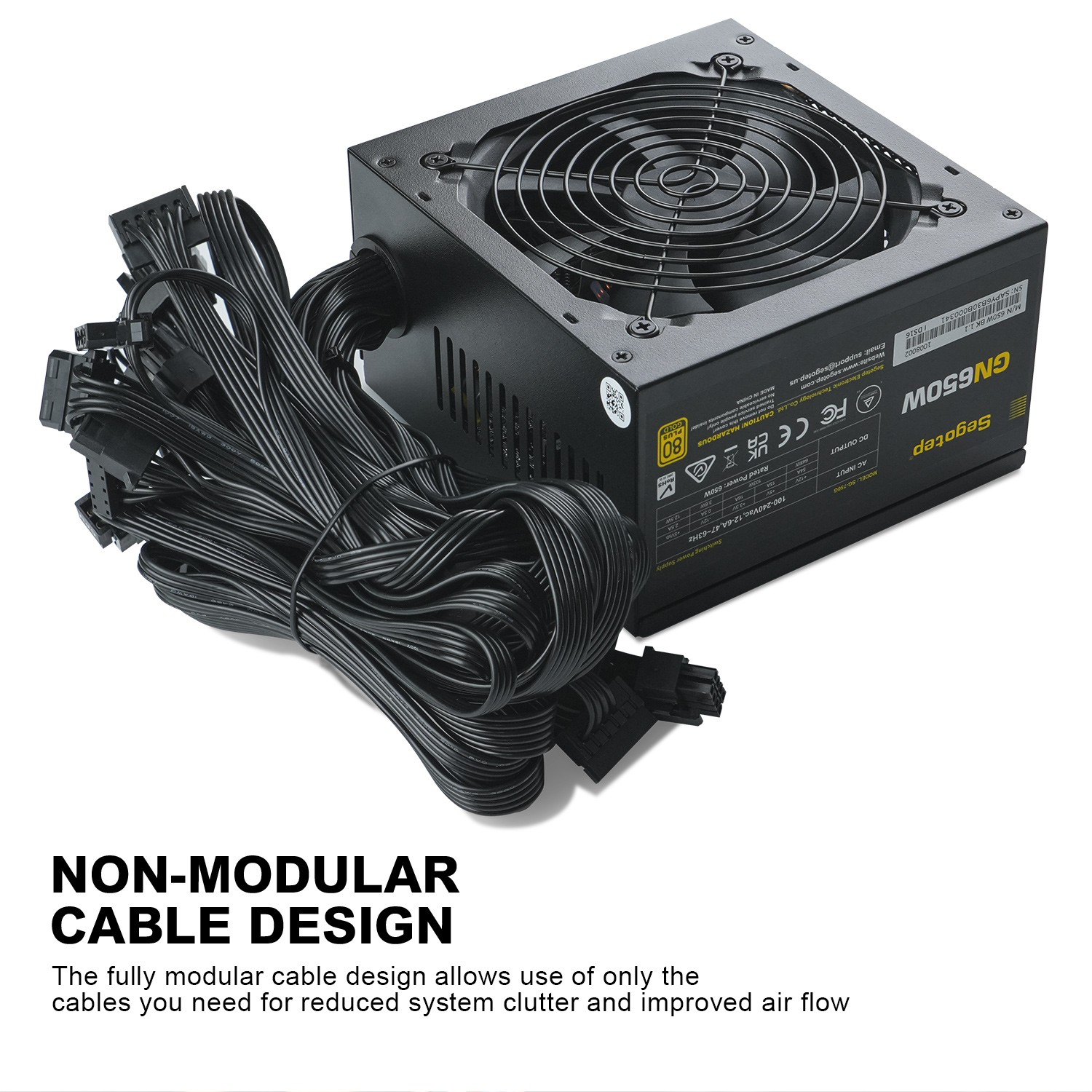 OPEN BOX 650W Power Supply 80 Plus Gold Non-Modular ATX Gaming PC Case PSU$52.99View on eBay
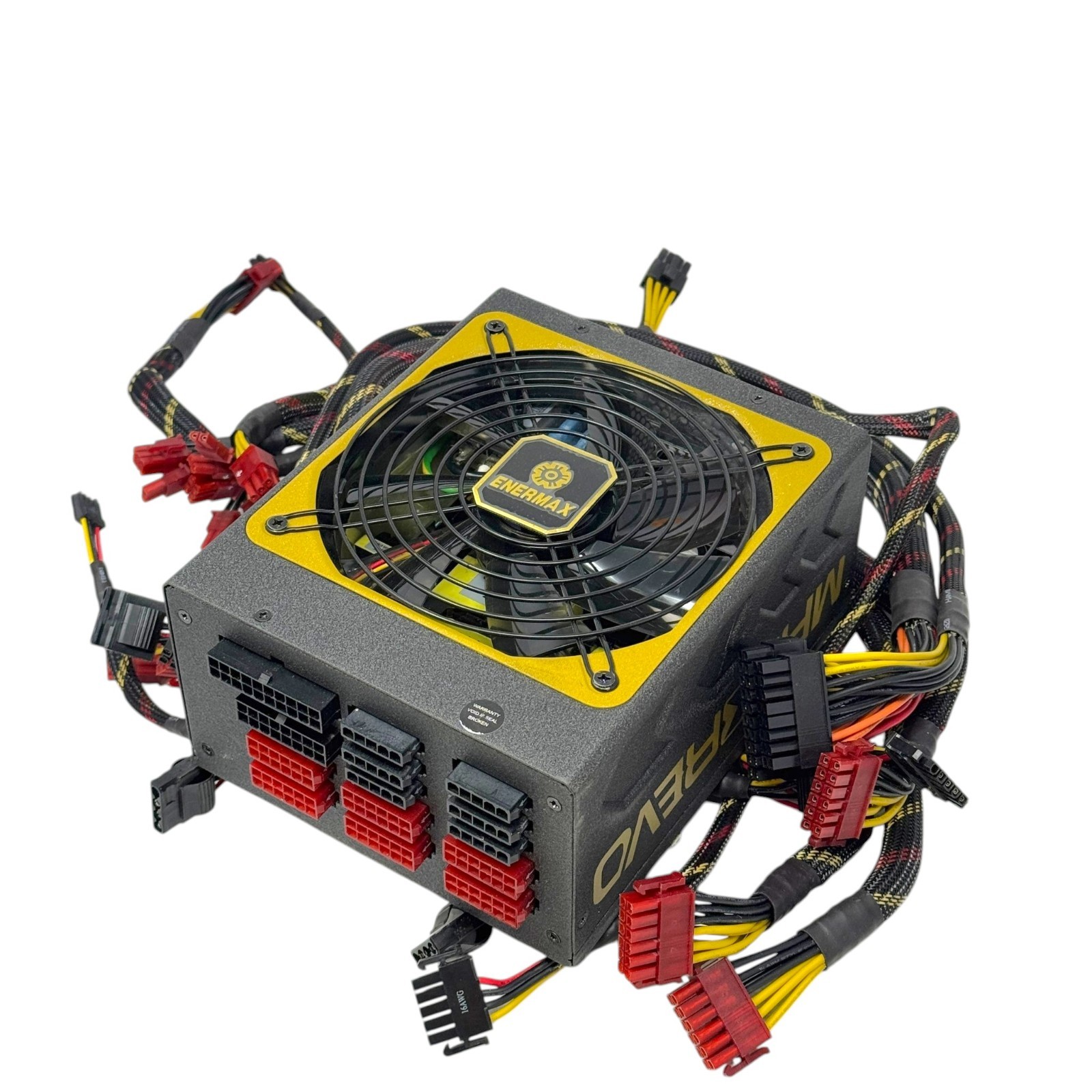 Enermax MaxRevo 1350W Modular PC Power Supply 80 PLUS Gold EMR1350EWT w/ Cables$64.89View on eBay
 Silver Stone SST-ST45SF 450W SFX 80 Plus Bronze Power Supply$65.00View on eBay
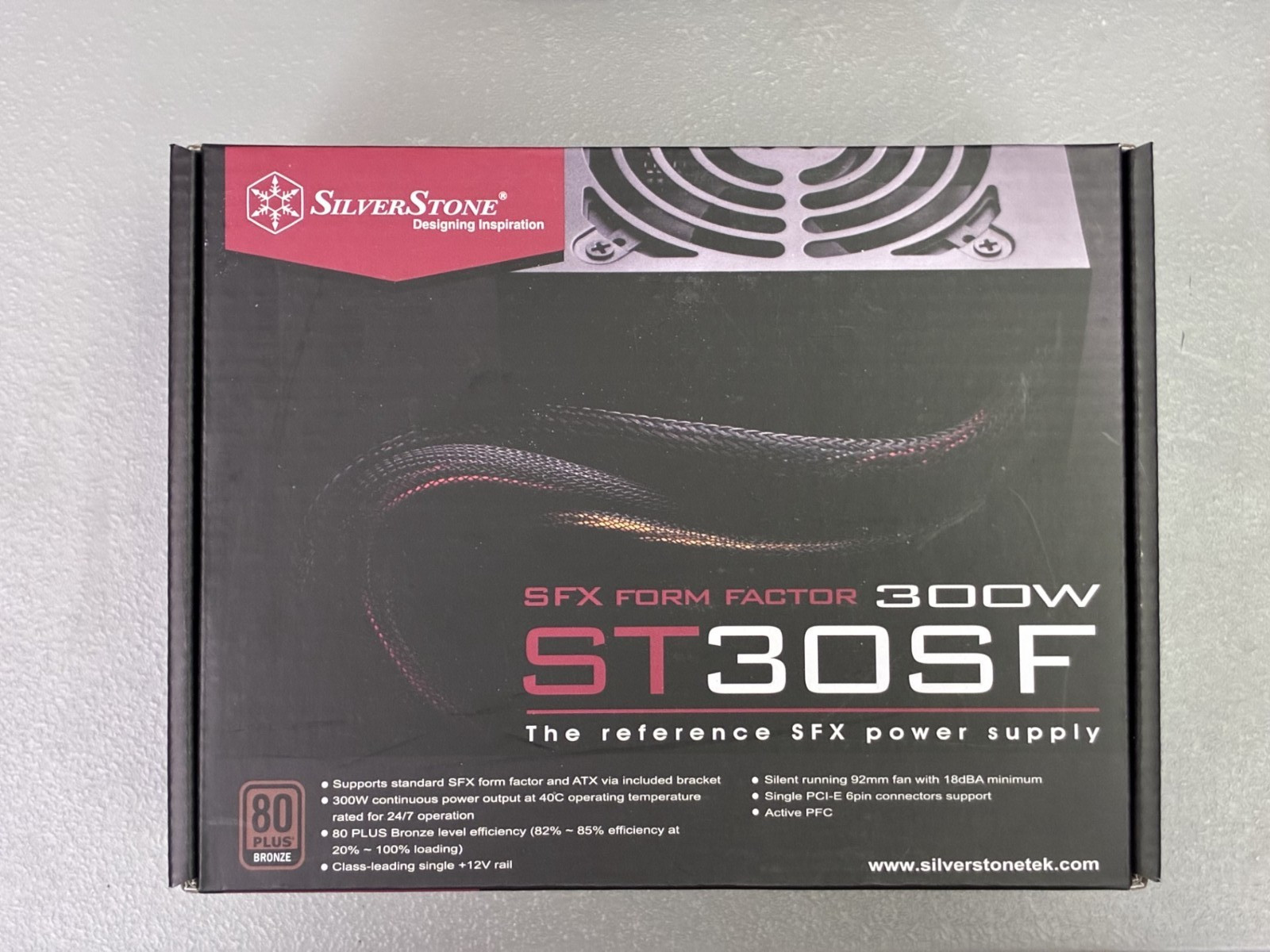 SilverStone SST-ST30SF SFX Form Factor 300W 80Plus Bronze Power Supply$65.00View on eBay
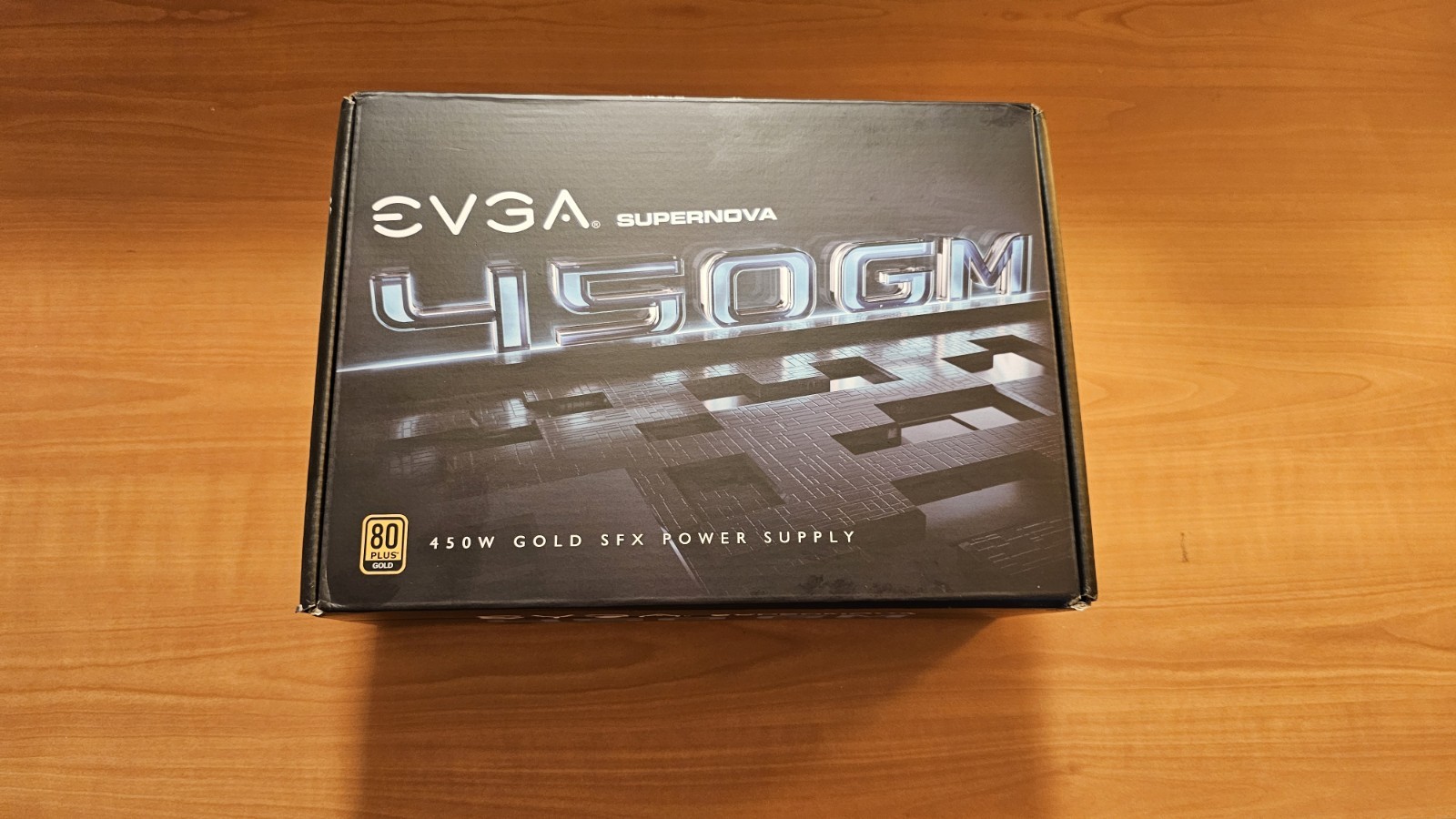 EVGA SuperNOVA 450 GM 450W 80 Plus Gold SFX Fully Modular Power Supply. New!$70.00View on eBay
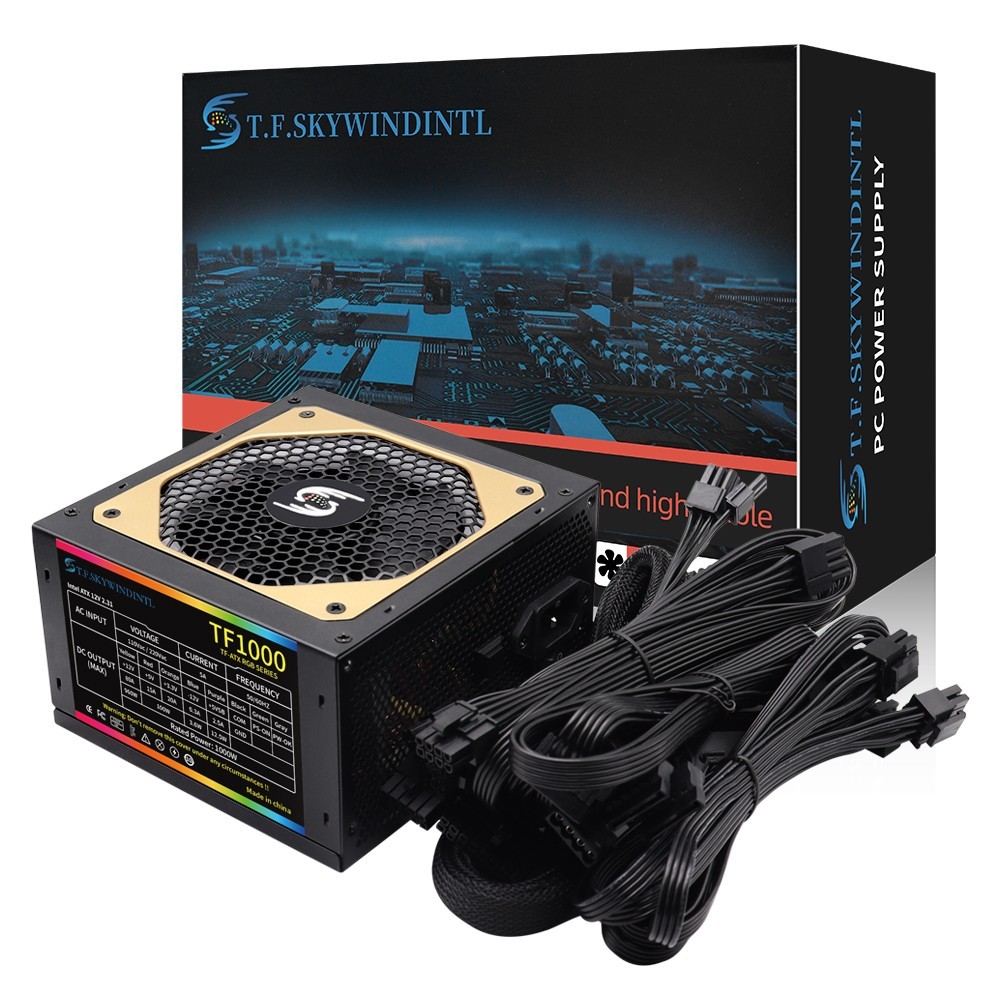 ATX 1000W Full Modular Power Supply, 80+ Bronze Dual CPU PC PUS with ARGB Fan$86.10View on eBay
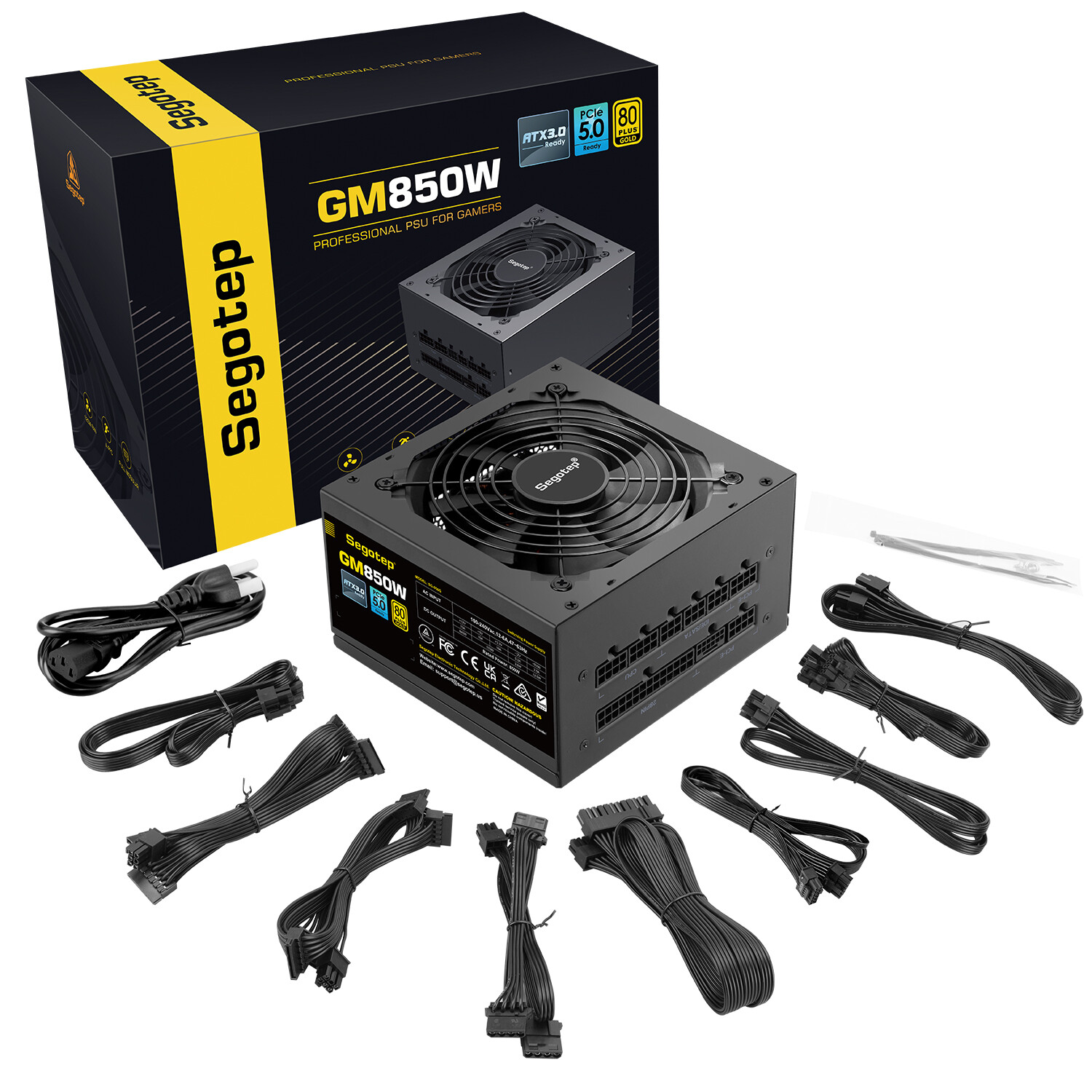 Segotep 850W ATX 3.0 Gaming Power Supply PCIe 5.0 Full Modular 80 Plus Gold PSU$99.99View on eBay
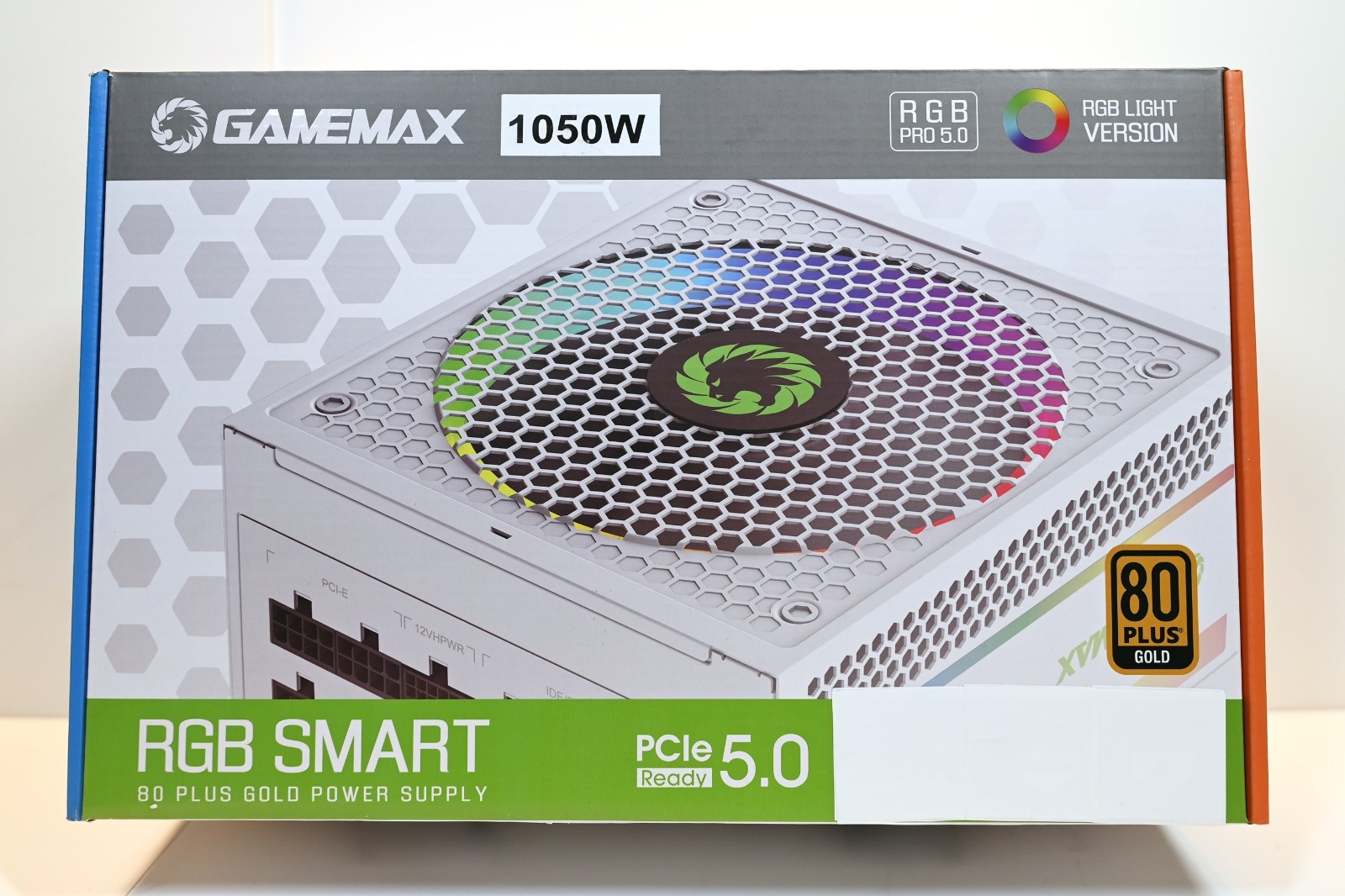 GAMEMAX 1050W ATX 3.0 PCIE 5.0 ARGB Smart 80+ Gold Power Supply UNIT (PSU) WHITE$119.99View on eBay
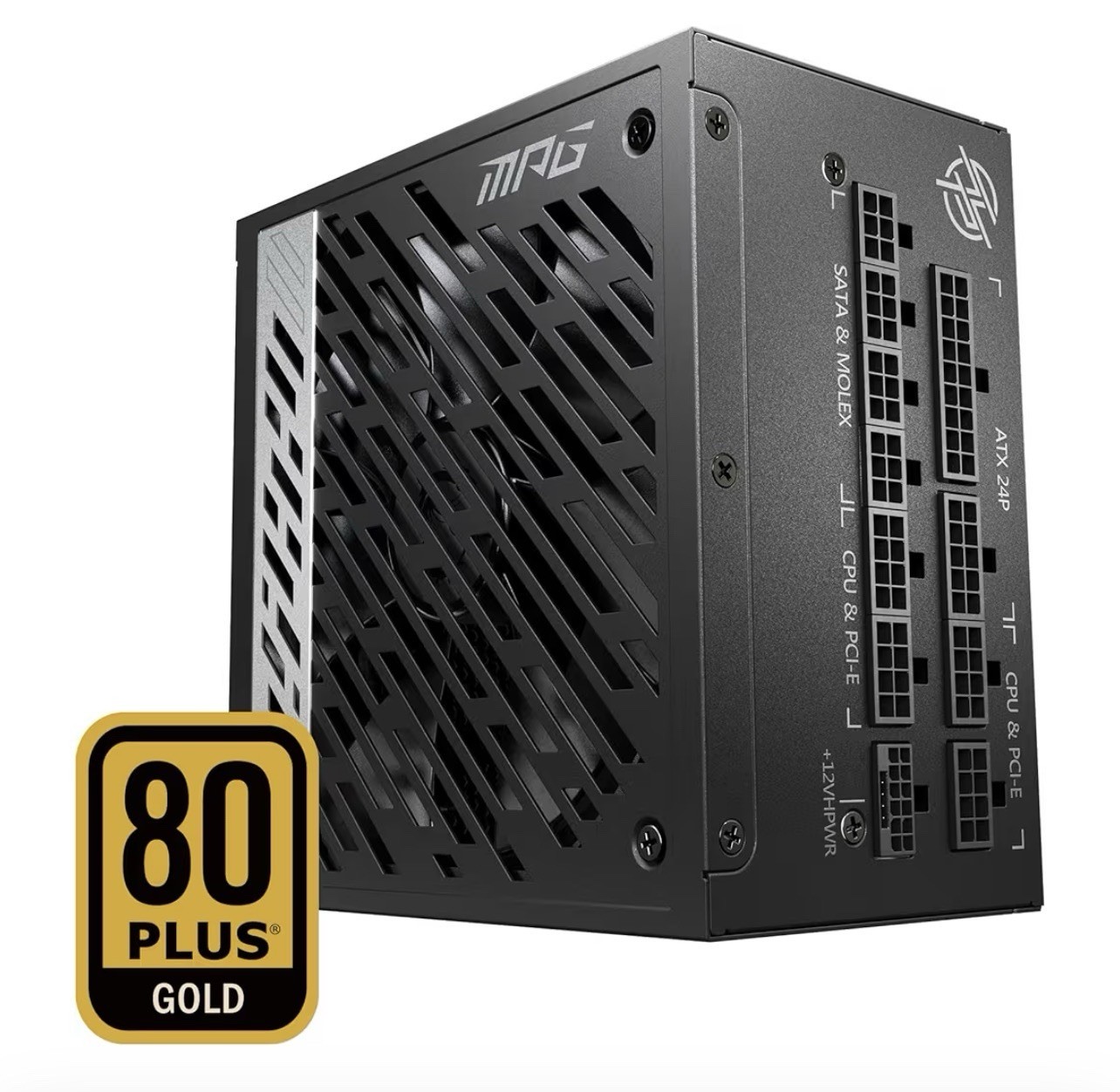 MPG A1000G PCIE 5.0 & ATX 3.0 Gaming Power Supply - Full Modular - 80 Plus Gold$130.00View on eBay
Highlights
- 80 Plus certification tiers (Bronze, Gold, Platinum) dictate efficiency and usually correlate with better capacitors and ripple control.
- ATX 3.0 with PCIe 5.0 12VHPWR/12V-2x6 connectors handles RTX 40-series transient spikes; older ATX 2.x units can trip OCP under load.
- Form factor must match the case: ATX (150mm wide), SFX (125mm), and SFX-L (130mm) are not interchangeable without brackets.
- Modularity (full, semi, none) affects cable clutter and airflow; full modular is worth it in compact or glass-panel builds.
Best use cases
- Mid-to-high gaming PC with a modern GPU: pick a 750-1000W ATX 3.0 Gold fully modular unit with a native 12VHPWR cable; skip older ATX 2.x Bronze units.
- Small-form-factor ITX build: choose SFX or SFX-L 450-750W Gold (e.g., EVGA SuperNOVA GM, SilverStone SFX); a standard ATX PSU will not fit.
- Budget or office build with integrated graphics: a 450-550W Bronze non-modular ATX unit is sufficient; skip 1000W+ units and RGB premiums.
- Workstation or dual-GPU rig: select 1000W+ with dual EPS/CPU cables and high +12V amperage; skip single-rail budget units with unlisted protections.
Buying tips
- Size wattage as GPU TDP plus CPU TDP plus ~150W overhead, then round up one tier; a 300W GPU + 125W CPU needs 750W, not 550W.
- Require at least OCP, OVP, UVP, OPP, and SCP protections listed on the spec sheet; absence of these is a disqualifier.
- Match connector count to hardware: one 8-pin EPS per CPU, two or three 8-pin PCIe per GPU, and native 12VHPWR for RTX 40-series.
- Prefer 105°C Japanese or reputable Taiwanese capacitors and a warranty of 5-10 years; 1-2 year warranties signal budget internals.
Specs
| Form Factor | ATX / SFX / SFX-L |
|---|---|
| Efficiency Rating | 80 Plus Bronze to Titanium |
| Modularity | Full / Semi / Non-modular |
| ATX Standard | ATX 3.0 / PCIe 5.0 vs ATX 2.x |
Related searches
What to check before buying
- Measure case PSU bay clearance: ATX needs ~160mm depth, SFX ~125mm, and verify cable routing space behind the motherboard tray.
- Confirm wall outlet voltage and plug standard (115V/230V, regional cord) and that the PSU supports 100-240V input.
- Count required cables: CPU 8-pin, PCIe 8-pin/12VHPWR, SATA, and Molex; ensure the unit includes them natively or in the box.
- Check GPU transient spike rating and case airflow; a 1000W unit in a sealed ITX case can still thermal-throttle.
FAQ
Data sources: eBay / Amazon listings and product attribute feeds. Updated Nov 27, 2026.
Some links on this page are affiliate links. If you buy after clicking one, we may earn a commission at no extra cost to you. This does not change which products appear here or their order. Affiliate disclosure.