
Photos from current listings. Actual item, color, and included accessories may vary.
3D Filament Dryer Buying Guide
A 3D filament dryer is a heated, humidity-controlled chamber that removes absorbed moisture from filament before printing, preventing stringing, bubbling, and weak layer adhesion. The core trade-off is between a single-spool resistive dryer with basic thermostat control and a multi-spool, convection-based unit with hygrometer feedback and sealed storage. Buy a dryer whose maximum sustained temperature matches your polymer (PA/PETG need 65-70°C, PLA 45-55°C) and whose chamber seals well enough to hold a desiccant-driven dry state; skip anything that only warms without airflow or humidity readout, since it cannot actually dry hygroscopic nylon or PC.
Median $249.00 · New listings
Key takeaways
- Resistive single-spool dryers typically hold 45-70°C with ±5°C swing; convection dual-fan units hold ±2°C and dry a spool in 4-6 hours versus 8-12 for passive heat.
- Sealed multi-spool cabinets with Peltier or desiccant drying maintain 10-20% RH and double as print-time storage; open-tray warmers cannot hold a dry state after power-off.
- Max temperature is the hard polymer gate: PLA 45-55°C, PETG 60-65°C, TPU 50-60°C, PA/nylon and PC 70-80°C; a 55°C cap cannot dry nylon regardless of run time.
At a glance
- Category
- Filament Drying & Post-Processing
- Last updated
- Nov 28, 2026
Current offers
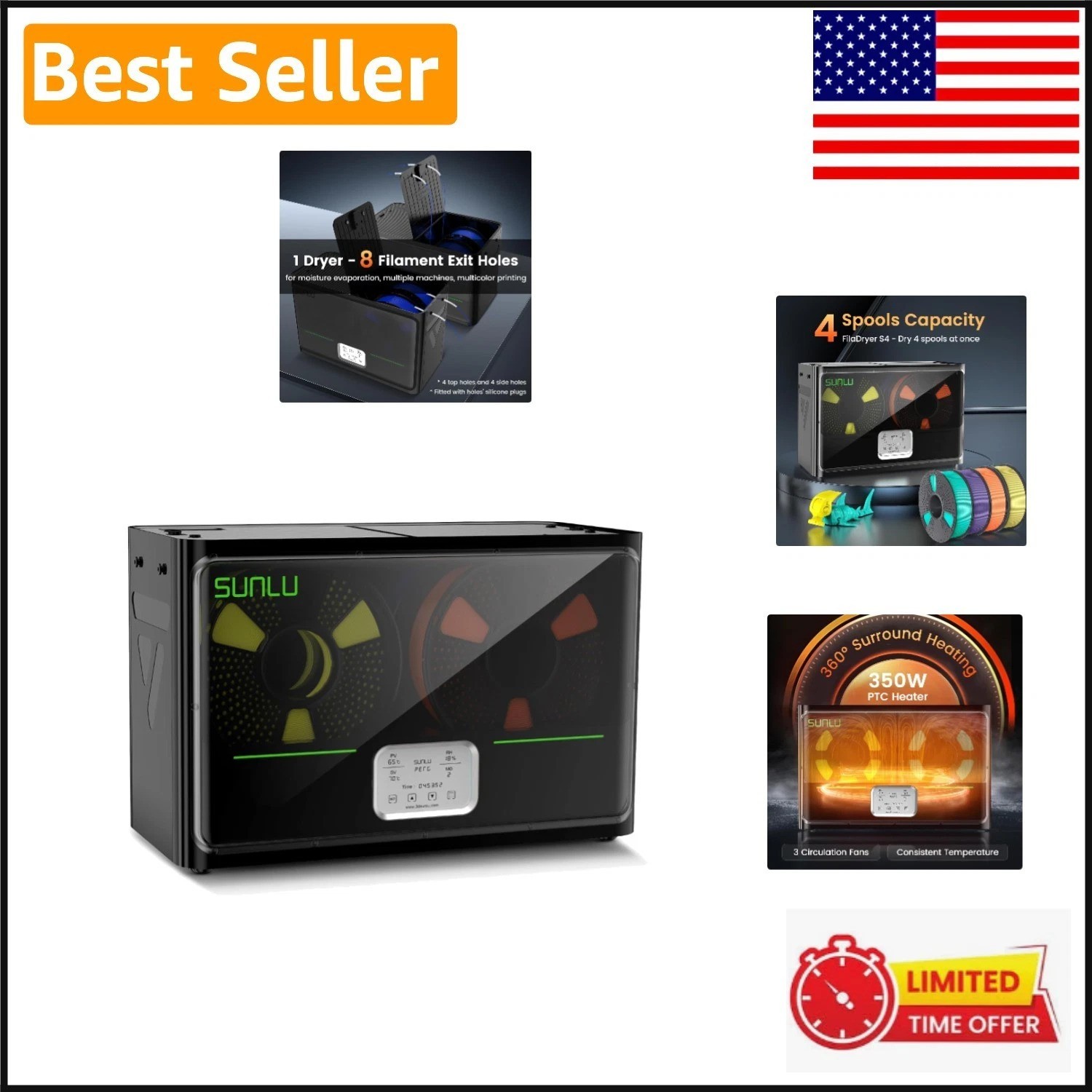 S4 3D Printer Filament Dryer - Versatile Design for Multi-Material Drying$207.96New · Last checked Nov 17, 2026View on eBay
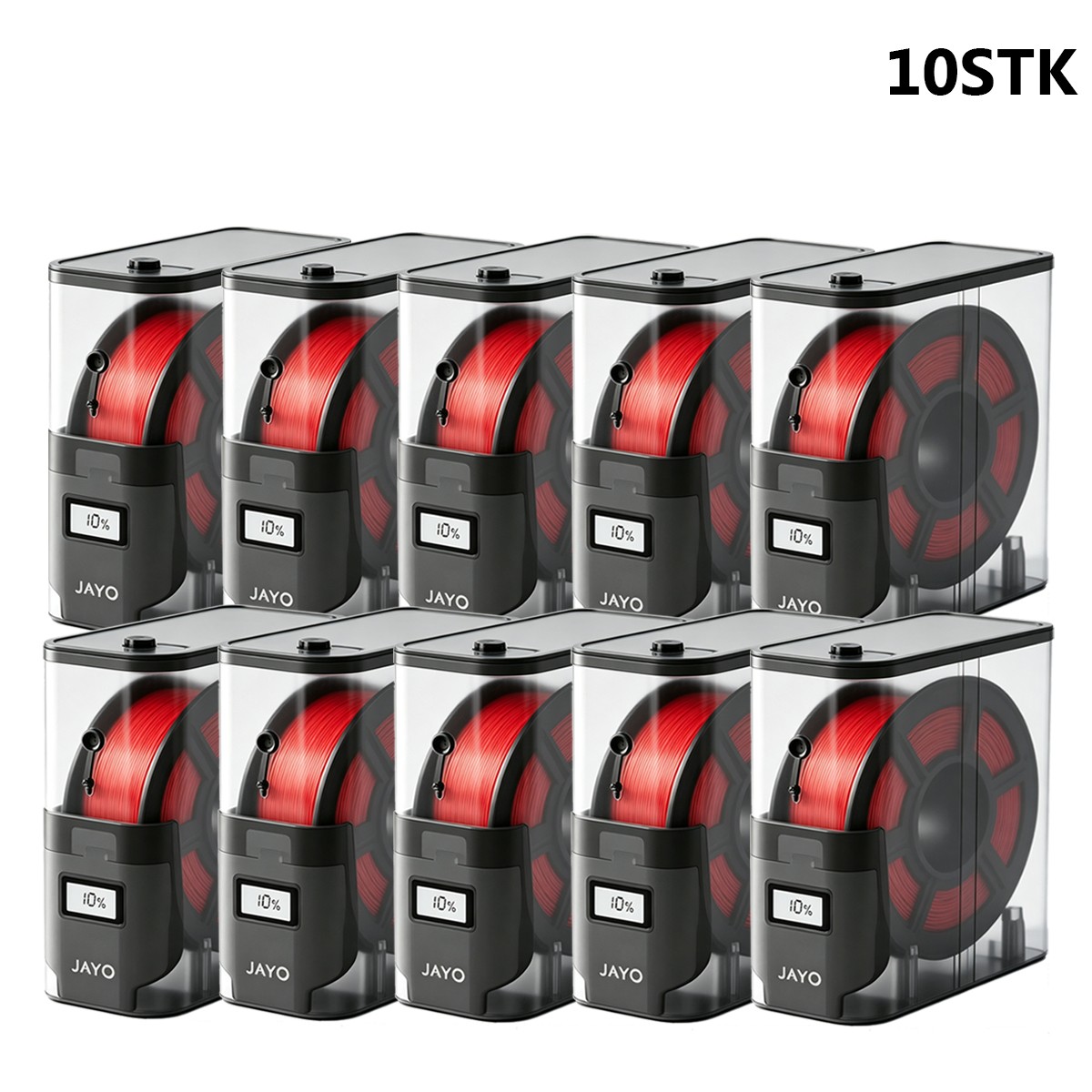 JAYO J1 3D Filament Dryer & Storage Chamber Split Design For 1.75mm PLA PETG LOT$213.59New · Last checked Nov 27, 2026View on eBay
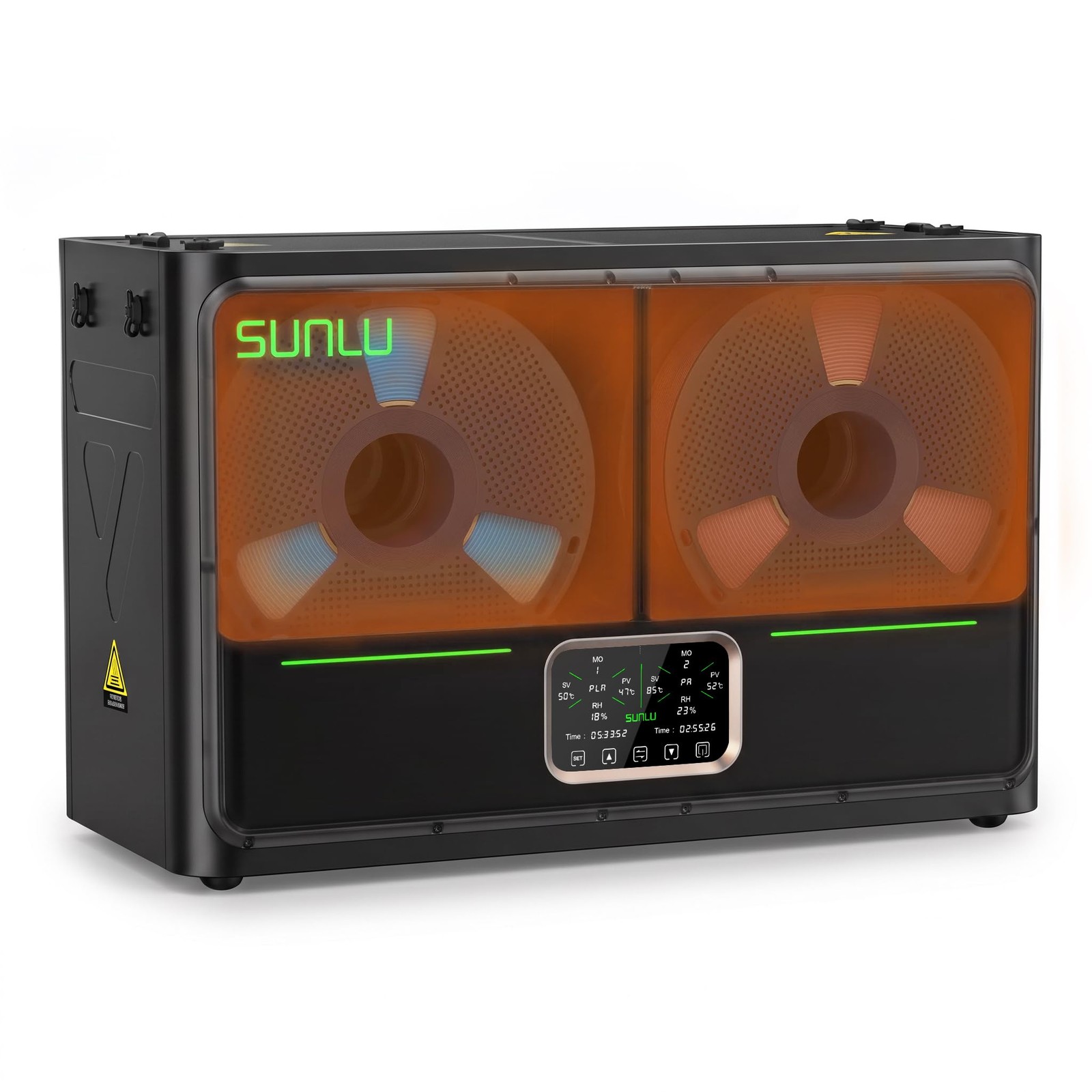 SUNLU S4 Pro Dual-Zone 3D Printer Filament Dryer, 4-Spool, 380W, 85°C$224.99New · Last checked Nov 17, 2026View on eBay
- SUNLU S4 Pro Dual-Zone 3D Printer Filament Dryer, 4-Spool, 380W, 85°C$224.99New · Last checked Nov 17, 2026View on eBay
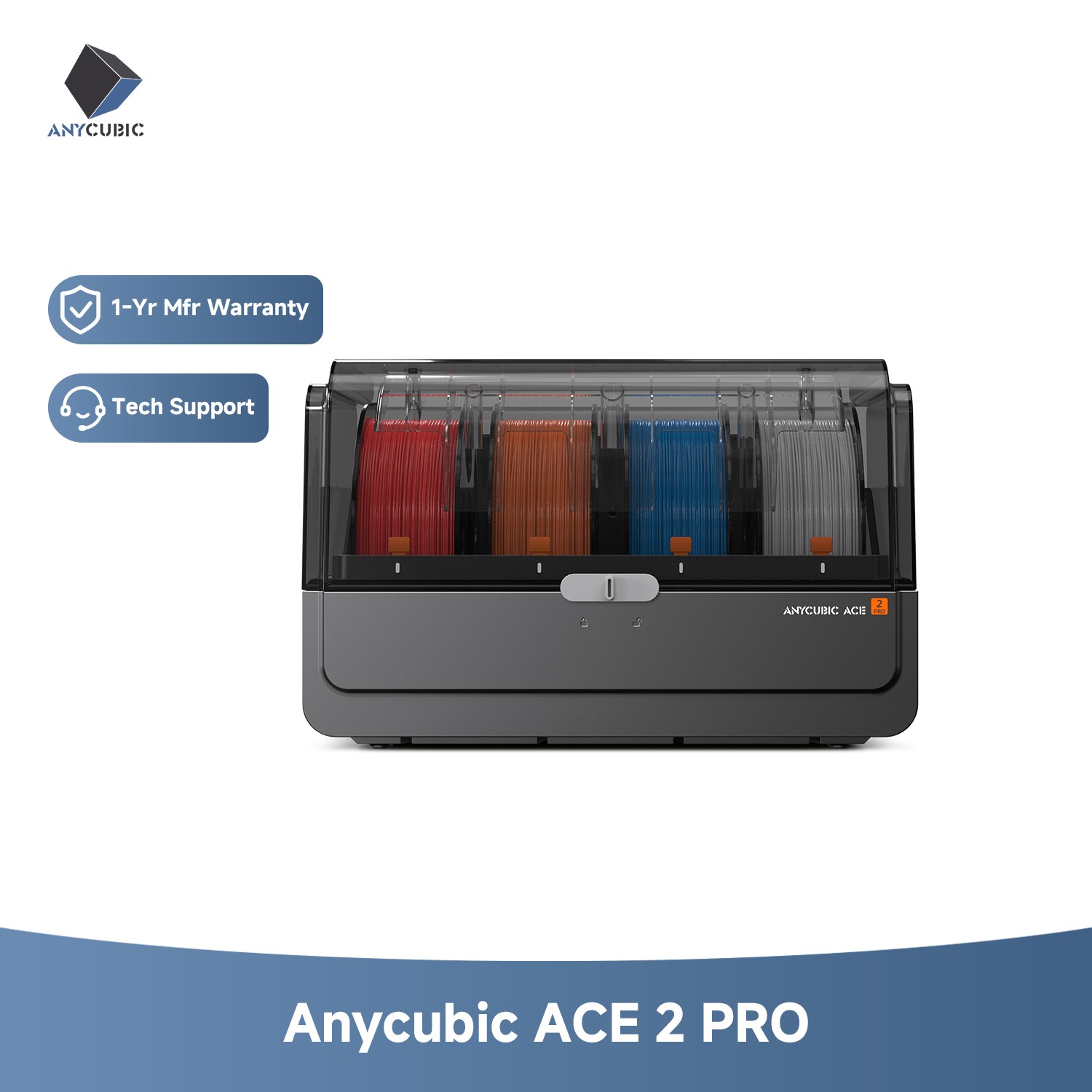 ANYCUBIC ACE 2 Pro Kobra X / S1 / 1 Max 3D Printer Auto Filament Dryer Anti-Clog$249.00New · Last checked Nov 17, 2026View on eBay
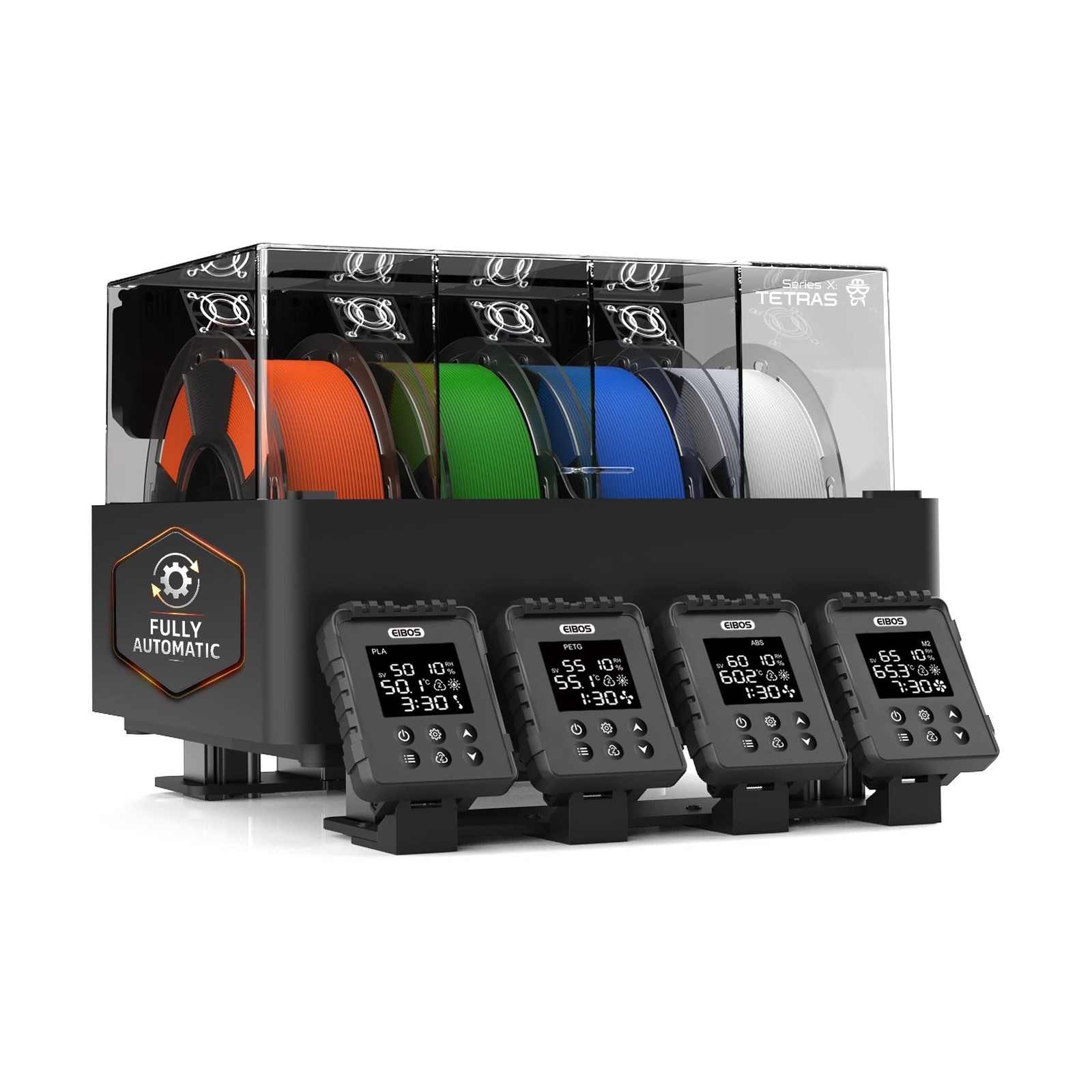 【EIBOS Official】 3D Printer Filament Dryer Tetras, AMS Heater Upgr$278.05New · Last checked Nov 17, 2026View on eBay
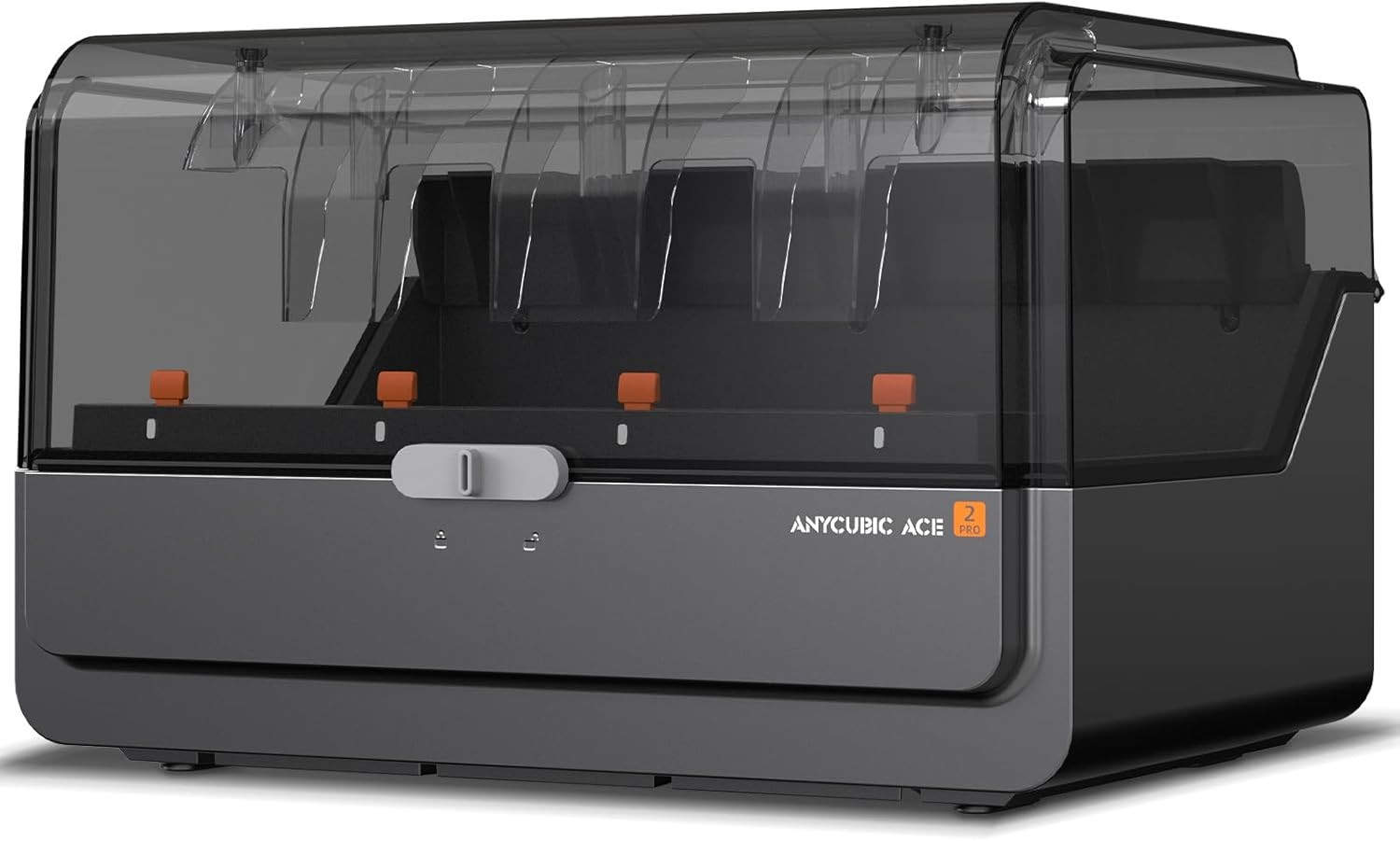 Anycubic ACE 2 Pro 3D Printer Filament Dryer Box, Compatible with Anycubic Kobra$294.39New · Last checked Nov 17, 2026View on eBay
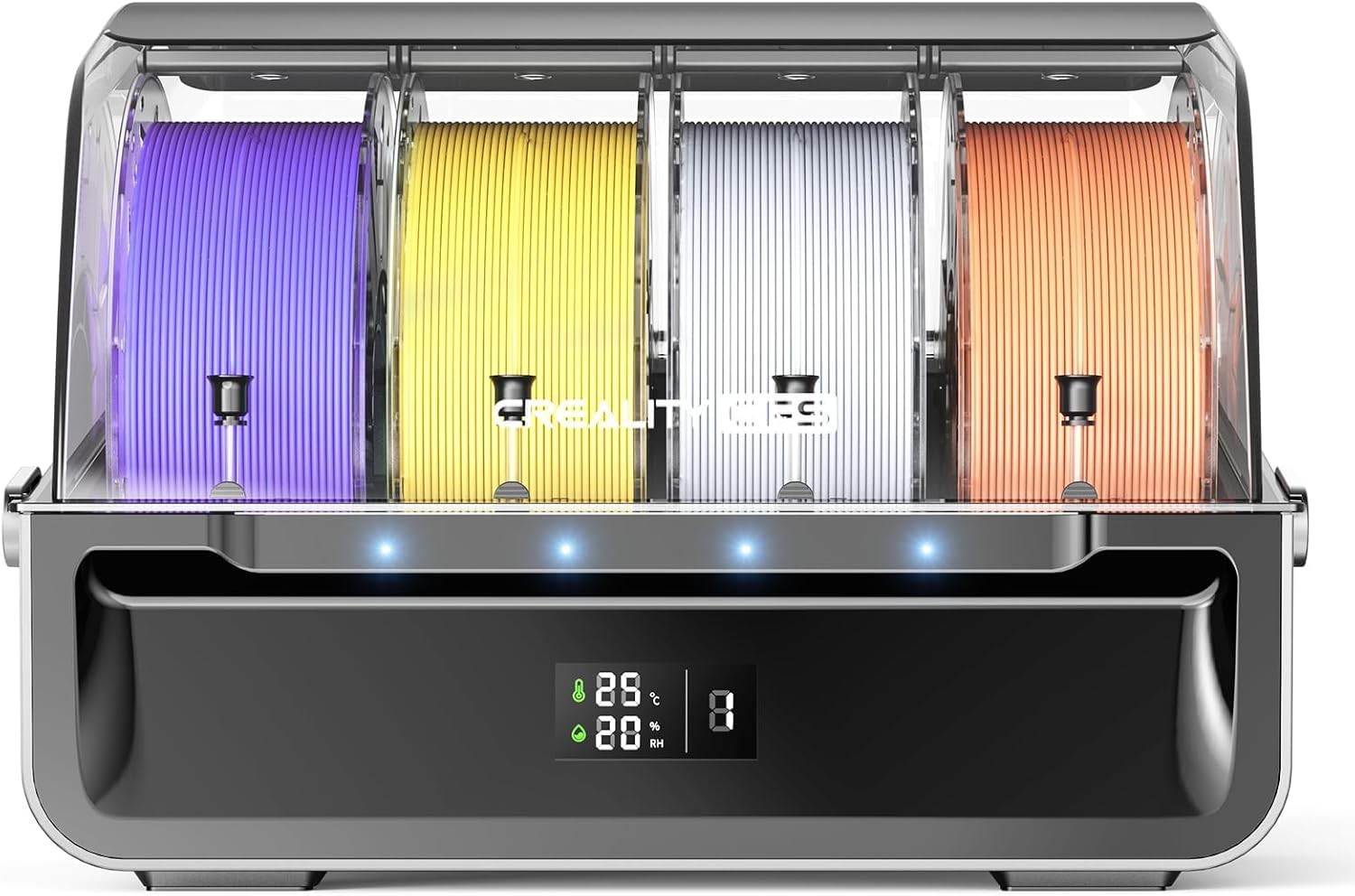 Creality Space Pi Filament Dryer 3D Printer Filament Dehydrator Storage Box Lot$299.00New · Last checked Nov 27, 2026View on eBay
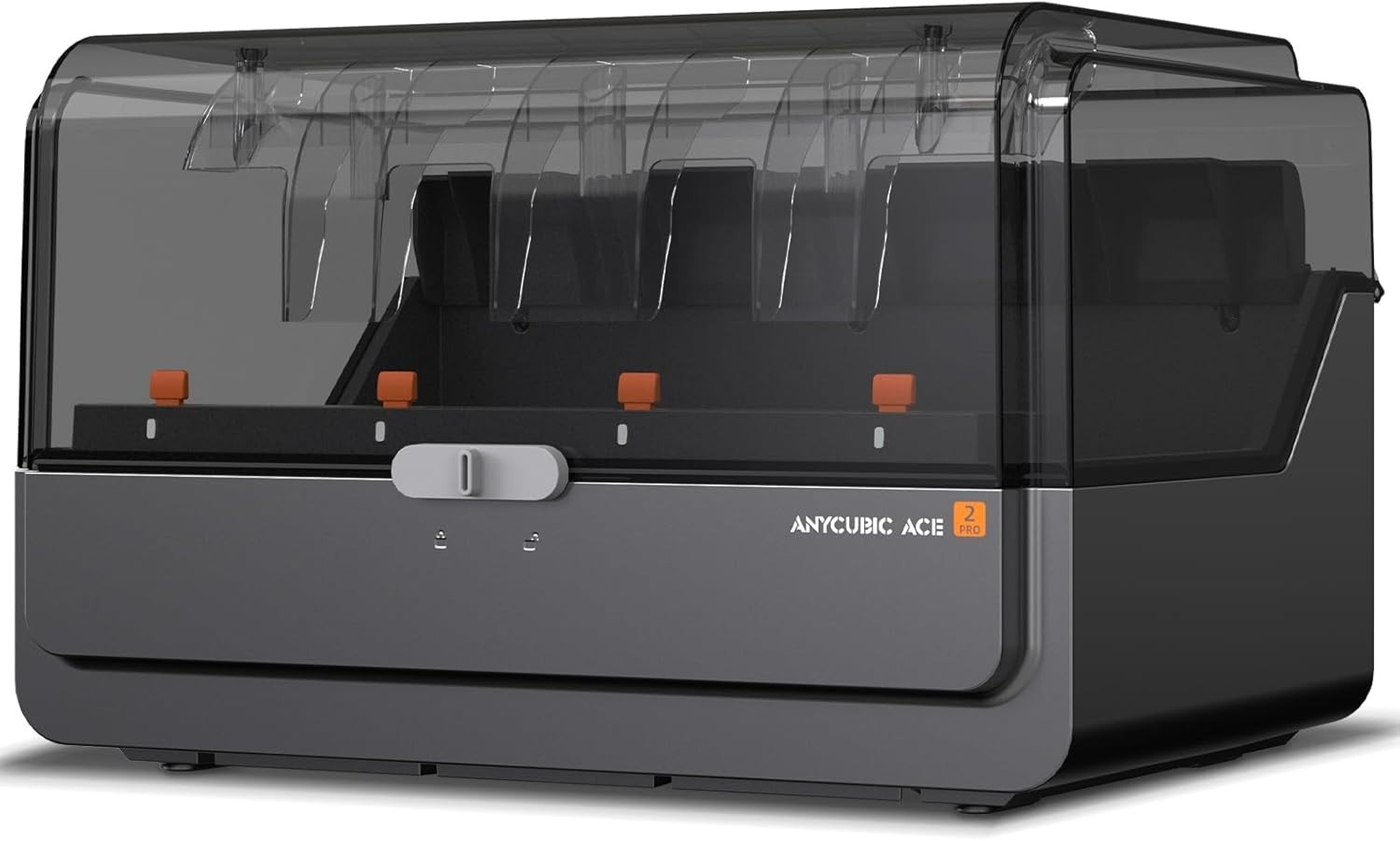 ACE 2 Pro 3D Printer Filament Dryer Box, Compatible with Anycubic Kobra S1 and K$415.99New · Last checked Nov 17, 2026View on eBay
Highlights
- Resistive single-spool dryers typically hold 45-70°C with ±5°C swing; convection dual-fan units hold ±2°C and dry a spool in 4-6 hours versus 8-12 for passive heat.
- Sealed multi-spool cabinets with Peltier or desiccant drying maintain 10-20% RH and double as print-time storage; open-tray warmers cannot hold a dry state after power-off.
- Max temperature is the hard polymer gate: PLA 45-55°C, PETG 60-65°C, TPU 50-60°C, PA/nylon and PC 70-80°C; a 55°C cap cannot dry nylon regardless of run time.
- Integrated hygrometers read chamber RH, not filament moisture; a dryer that stabilizes at 15% RH or below is doing real work, while one stuck at 35% RH is just warming air.
Best use cases
- Pick a single-spool 50-70°C convection dryer if you print PLA, PETG, and TPU occasionally and want a compact unit that fits beside the printer; skip it for nylon or PC, which need a 70°C+ sealed chamber.
- Pick a sealed multi-spool cabinet with desiccant and RH display if you run PA-CF, PC, or print farms where spools sit exposed for weeks; skip open-tray warmers that release moisture back into the room.
- Pick a dryer with a spool-holding feed path and PTFE exit if you print directly from the dryer on long jobs; skip bare box warmers that require unloading to print and defeat the purpose.
- Skip any dryer for PLA-only hobby printing if spools are stored in a sealed box with fresh desiccant and ambient RH stays below 40%; the failure mode is storage, not drying.
Buying tips
- Match the temperature ceiling to your most demanding polymer first: 70°C minimum for PETG/TPU, 80°C for PA/PC, and confirm the heater sustains that setpoint rather than peaking briefly.
- Size the chamber to your spool diameter: standard 200 mm spools fit most single dryers, but 250 mm and 300 mm spools need a wide-body unit or a cabinet with adjustable rollers.
- Prefer a unit with both a fan and an RH sensor; temperature alone cannot tell you when filament is dry, and a 15% RH floor is the practical pass mark for hygroscopic filaments.
- Check the feed-through: a PTFE tube port and rollers that let the spool rotate under drag mean you can print directly from the dryer, which is the only way to keep nylon dry during a multi-hour print.
Specs
| Max Temperature | 45-80°C by polymer tier |
|---|---|
| Chamber Type | Single-spool vs multi-spool sealed |
| Airflow | Passive heat vs fan convection |
| Humidity Control | RH sensor + desiccant vs heat only |
Related searches
What to check before buying
- Measure your largest spool diameter and width (commonly 200 mm x 65-75 mm, but 250 mm and 300 mm exist) and confirm the chamber and roller spacing clear it.
- Confirm your wall voltage and plug standard (120V NEMA 5-15 in North America, 230V Type C/F/G in Europe) and that the unit's wattage stays within the circuit you will use.
- Budget bench space for the dryer footprint plus clearance for the lid or door swing, and place it within PTFE tube reach of the printer if you intend to print directly from it.
- Plan a desiccant supply (silica gel or rechargeable beads) and a sealed storage box for spools not in the dryer; the dryer alone does not solve storage between prints.
FAQ
Data sources: eBay / Amazon listings and product attribute feeds. Updated Nov 28, 2026.
Some links on this page are affiliate links. If you buy after clicking one, we may earn a commission at no extra cost to you. This does not change which products appear here or their order. Affiliate disclosure.