TechShelf Guide

TechShelf Guide

Consumer Electronics Reviews & Buying Guides

Compare consumer electronics by use case, features, trade-offs, price, returns, and seller terms before you buy.

Buying guides

Buying guide image
Flight Sim Joysticks & HOTAS

HOTAS

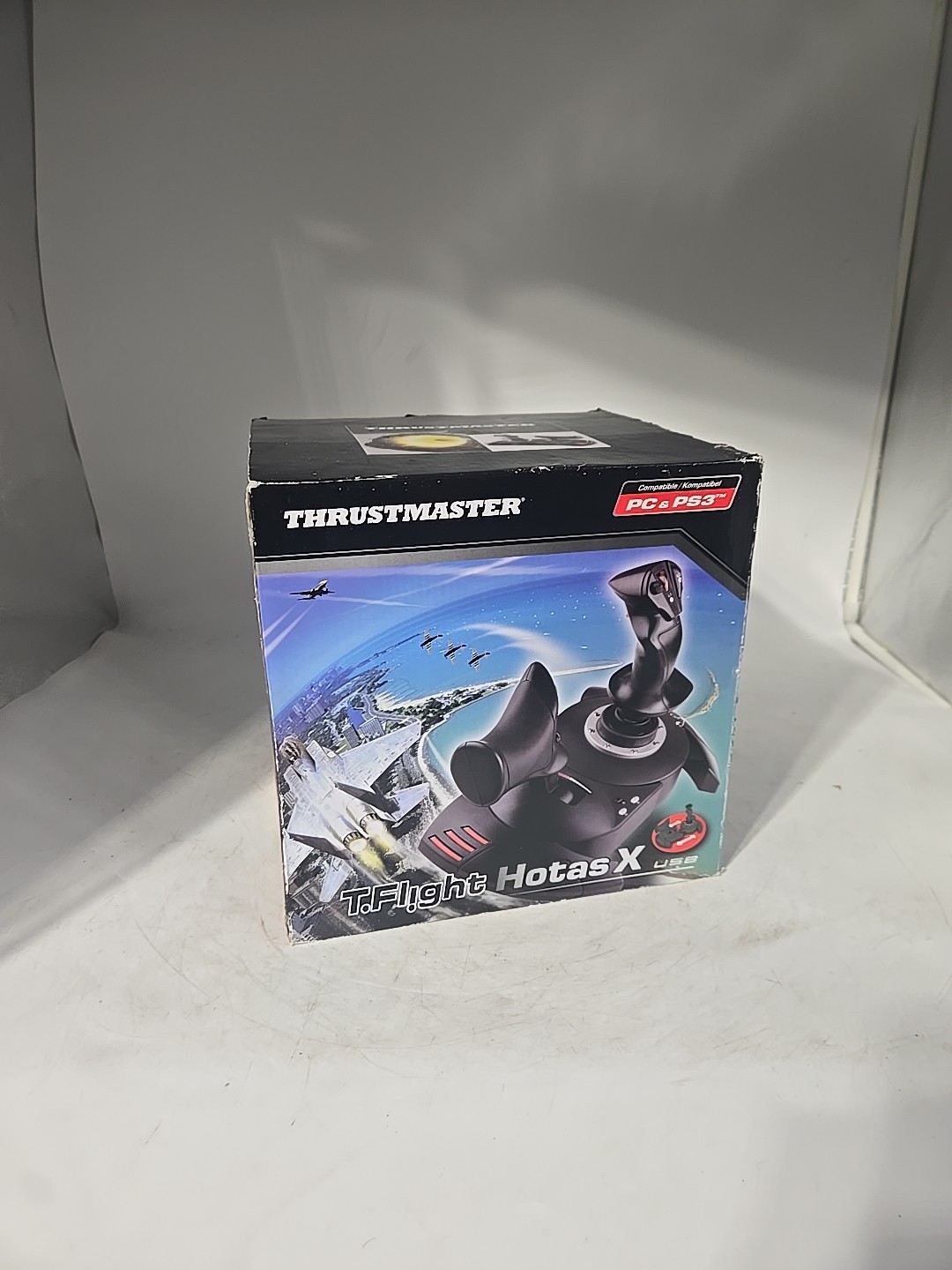
HOTAS buyers usually start with a game in mind, then discover that console compatibility, sensor type, and throttle detents determine whether the setup actually works. The most common mistake is buying a console-labeled stick for PC or a budget stick for a six-degree-of-freedom space sim where twist and button count matter more than name recognition.
Buying guide image
Record Storage & Accessories

Record Sleeve

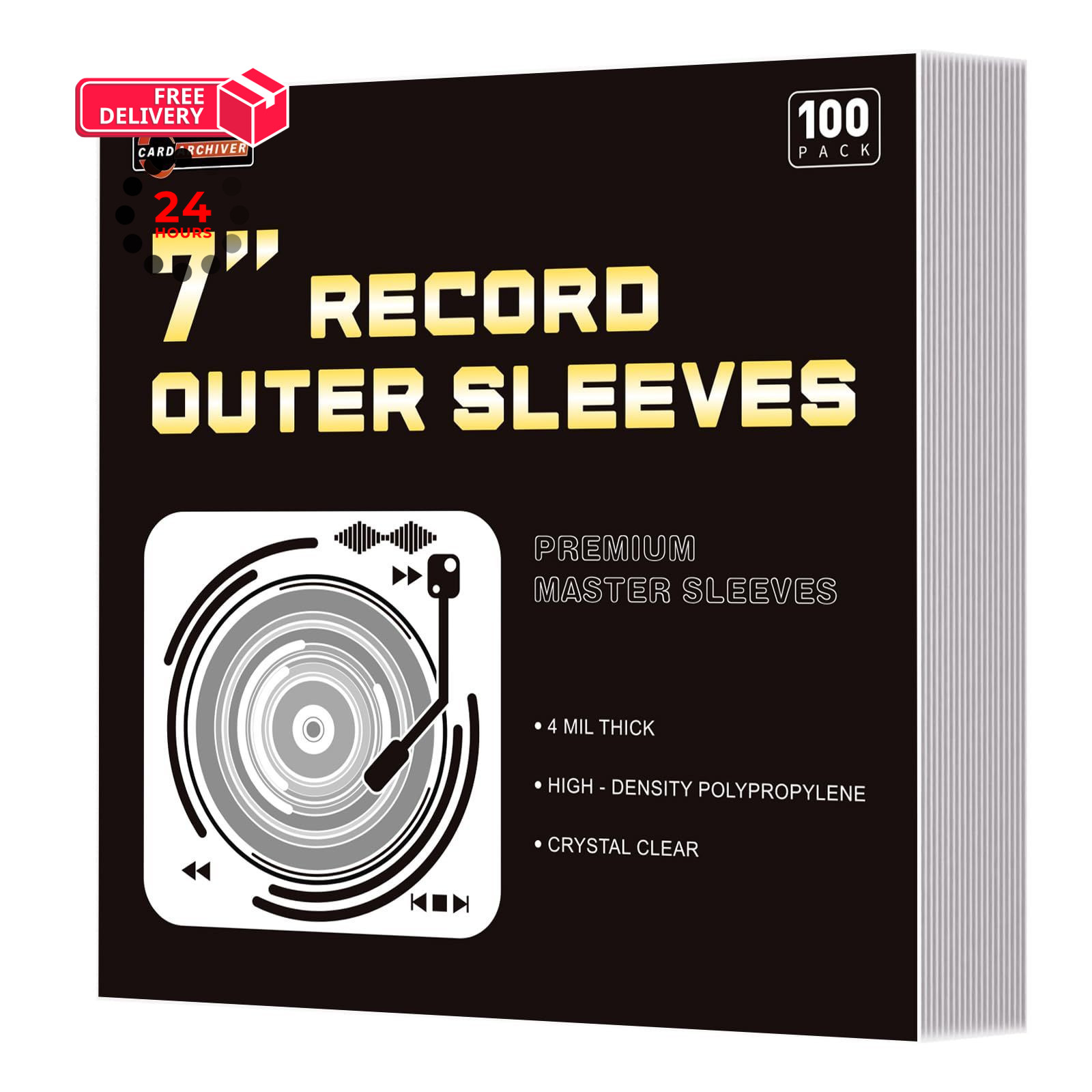
Record sleeves are protective envelopes that shield vinyl LPs, 45s, and jackets from dust, scuffs, and ring wear; the core trade-off is film thickness and material purity versus fit and clarity. Thin 2-3 mil polyethylene is cheap and flexible but hazes and tears; 3.5-4 mil archival-grade polyethylene or polypropylene stays clear, resists scuffing, and protects jackets long-term. The decision rule: choose 3 mil or thicker, acid-free polyethylene or polypropylene in the correct size for your record format, and skip sub-2 mil sleeves that yellow, crease, and offer minimal protection.

Buying guide image
In-Ear Earphones

Neckband Earphone

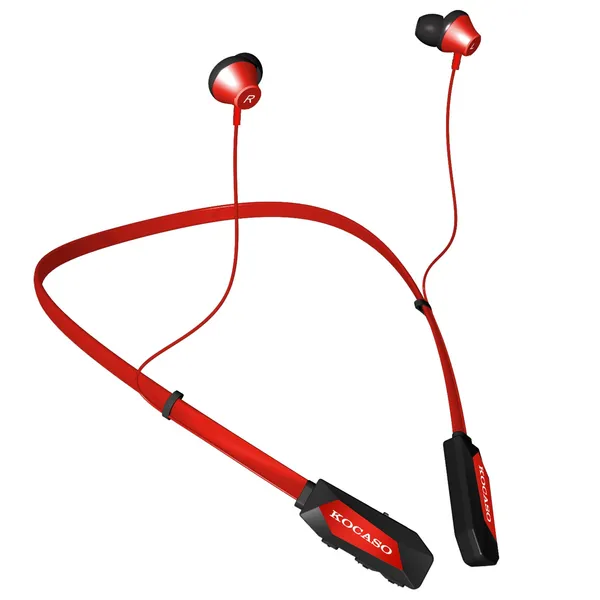
Neckband earphones are wireless in-ear headphones with a flexible band that rests around the neck, housing battery, controls, and Bluetooth radio. The primary trade-off is between lightweight comfort and battery/feature tiers: budget models use Bluetooth 4.x with 8–10 hour batteries and basic IPX4, while modern neckbands use Bluetooth 5.x with 15–20+ hour batteries, magnetic earbuds, and reliable multipoint. The decision rule: buy Bluetooth 5.0 or newer with at least IPX4 and USB-C for durability; skip Bluetooth 4.x unless the price is disposable-tier and you only need basic call audio.

Buying guide image
Home Theater Speakers & Subwoofers

10 Bluetooth Speaker

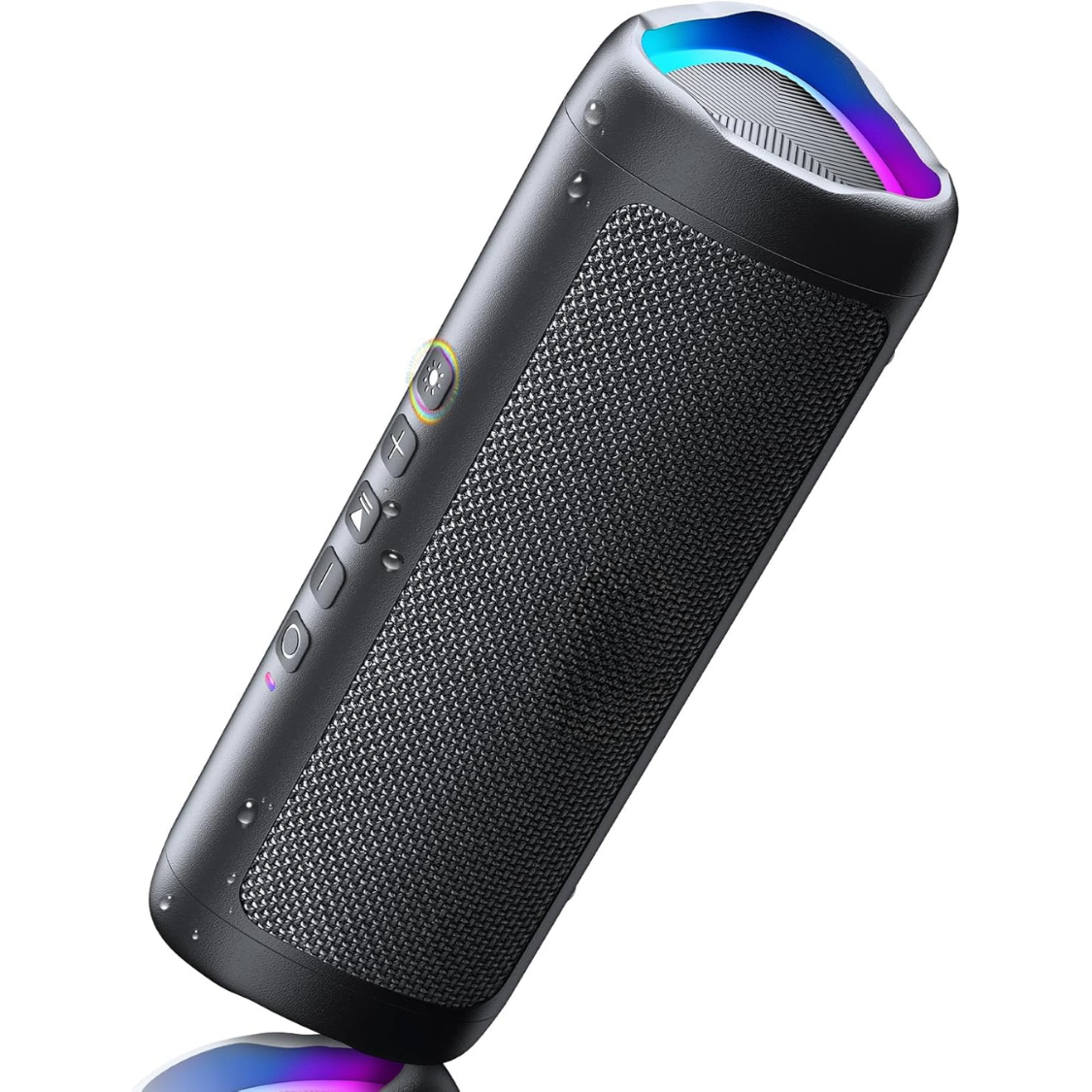
Portable Bluetooth speakers range from pocket-size mono units with 5W drivers to rugged 40W+ stereo systems with passive radiators and IP67 sealing. The core trade-off is between loudness/bass extension and true portability/battery life, with sealing grade and driver architecture determining survival in real use. Choose an IP67-rated unit with a passive radiator and USB-C charging for outdoor durability; treat IPX4-only or micro-USB models as indoor compromises.

Buying guide image
Digital Audio Players

Mp3 With USB

A USB MP3 player is a portable digital audio device that connects via USB for file transfer and/or charging, ranging from budget sports clips to hi-res Sony Walkman and Android-based DAPs. The core trade-off is USB architecture and DAC quality: legacy micro-USB with basic lossy playback versus USB-C with hi-res/lossless decoding and Bluetooth 5.x. Buy a USB-C player with a dedicated DAC chip if sound quality matters; skip plastic micro-USB units if durability or hi-res is the goal.

Buying guide image
Sim Racing Cockpits & Mounts

Marada Racing Cockpit

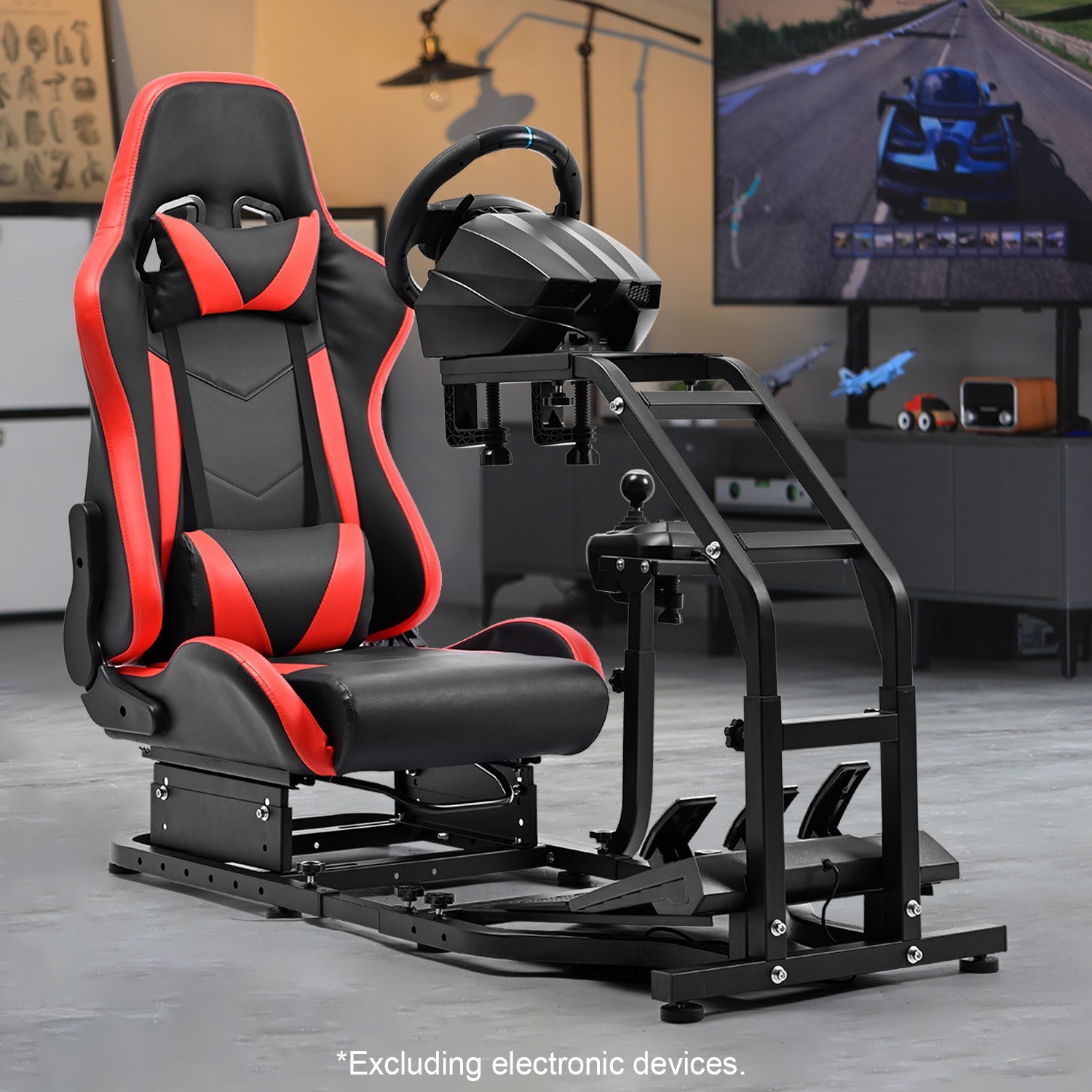
Marada racing cockpits are alloy-steel sim-racing frames sold in three distinct tiers: wheel-only stands, semi-open and round-tube full cockpits, and seat-plus-monitor bundles. The decisive trade-off is frame rigidity versus adjustability and footprint — thin round-tube stands flex under load-cell pedals, while box-section full cockpits hold torque but consume floor space. Buy a welded box-section cockpit if you run load-cell brakes or direct-drive wheels; choose a bolt-together wheel stand only for entry belt-driven gear.

Buying guide image
DACs & Headphone Amplifiers

Amp With Headphone Jack

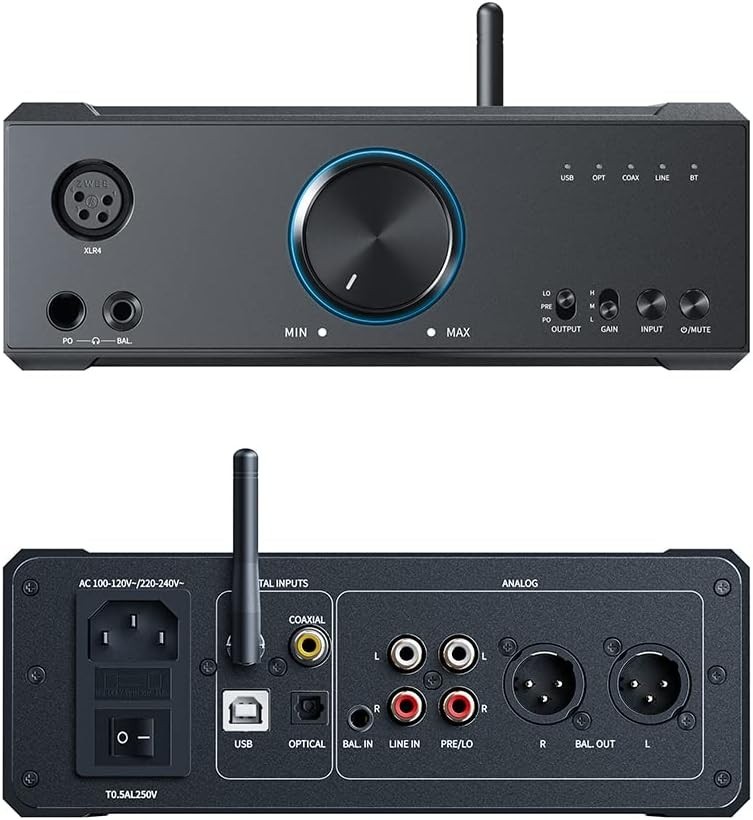
A headphone-jack amplifier is the gain stage that bridges your source and headphones, ranging from a portable 3.5mm inline booster to a desktop DAC/amp with balanced outputs. The core trade-off is clean power delivery into your headphone's actual impedance load versus feature bloat in the DAC section. Buy based on output power at your headphone's impedance and the input your source provides—anything else is secondary.

Buying guide image
Flight Sim Joysticks & HOTAS

Flight HOTAS

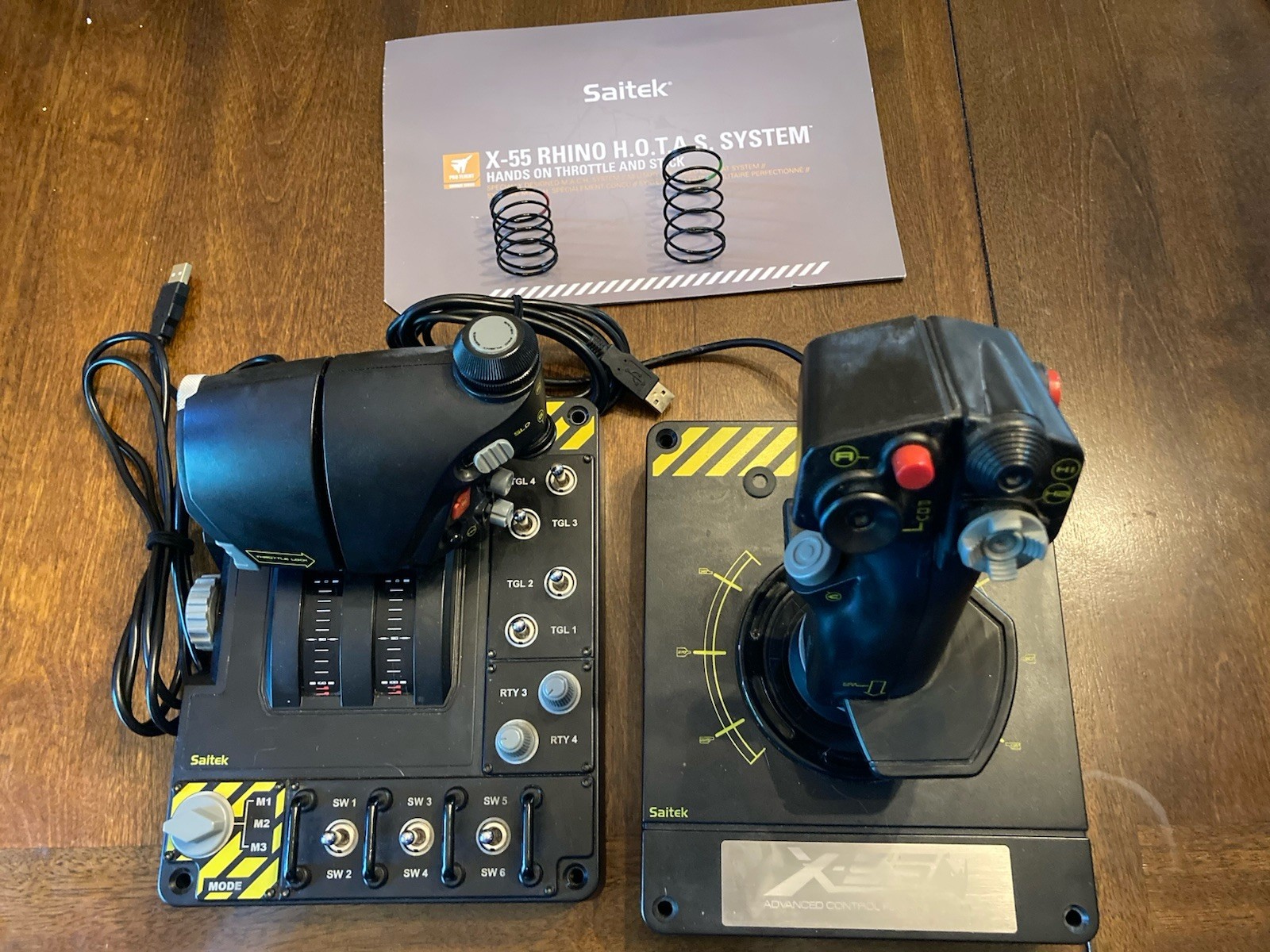
A HOTAS (hands-on-throttle-and-stick) split is the single biggest realism upgrade for flight sims, but the segment spans console-licensed all-in-ones, PC-only twin-grip systems, and budget single sticks that differ sharply in sensor type and platform lock. Buyers trip up on platform licensing (PlayStation vs Xbox vs PC), Hall-effect versus potentiometer axes, and whether the throttle detents and button count actually match their sim.

Buying guide image
Resin 3D Printers

Budget Resin Printer

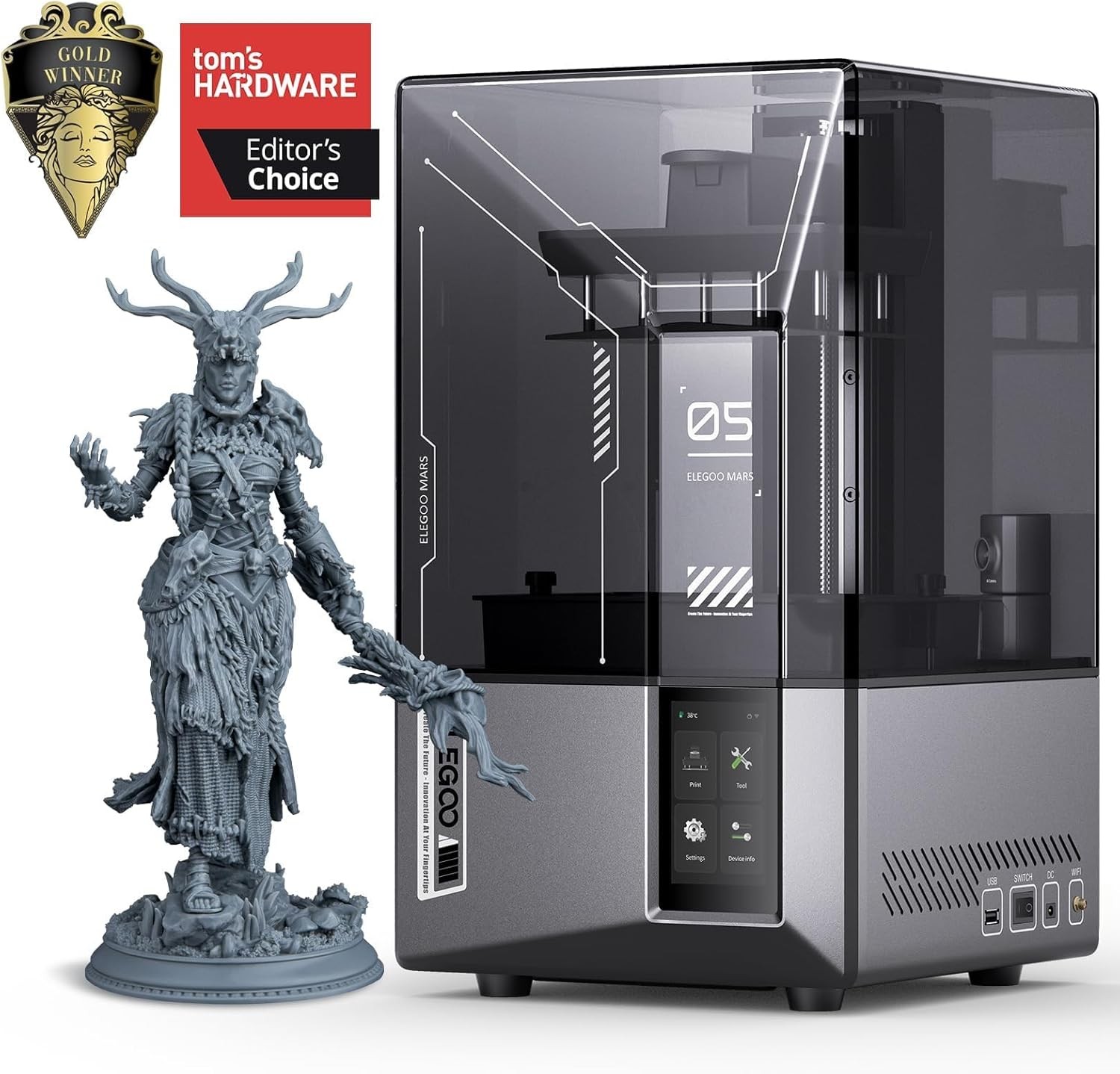
Budget resin printers are entry-level masked-SLA/LCD machines that trade build volume and premium features for a low entry cost, with the key trade-off being LCD panel type (RGB vs mono) and resolution versus longevity. The decision rule: pick a mono-LCD model with at least 2K resolution and a replaceable FEP vat; skip any sub-1080p RGB unit that will cost more in panel replacements than it saves.

Buying guide image
Digital Audio Players

Mp3 Player Car USB

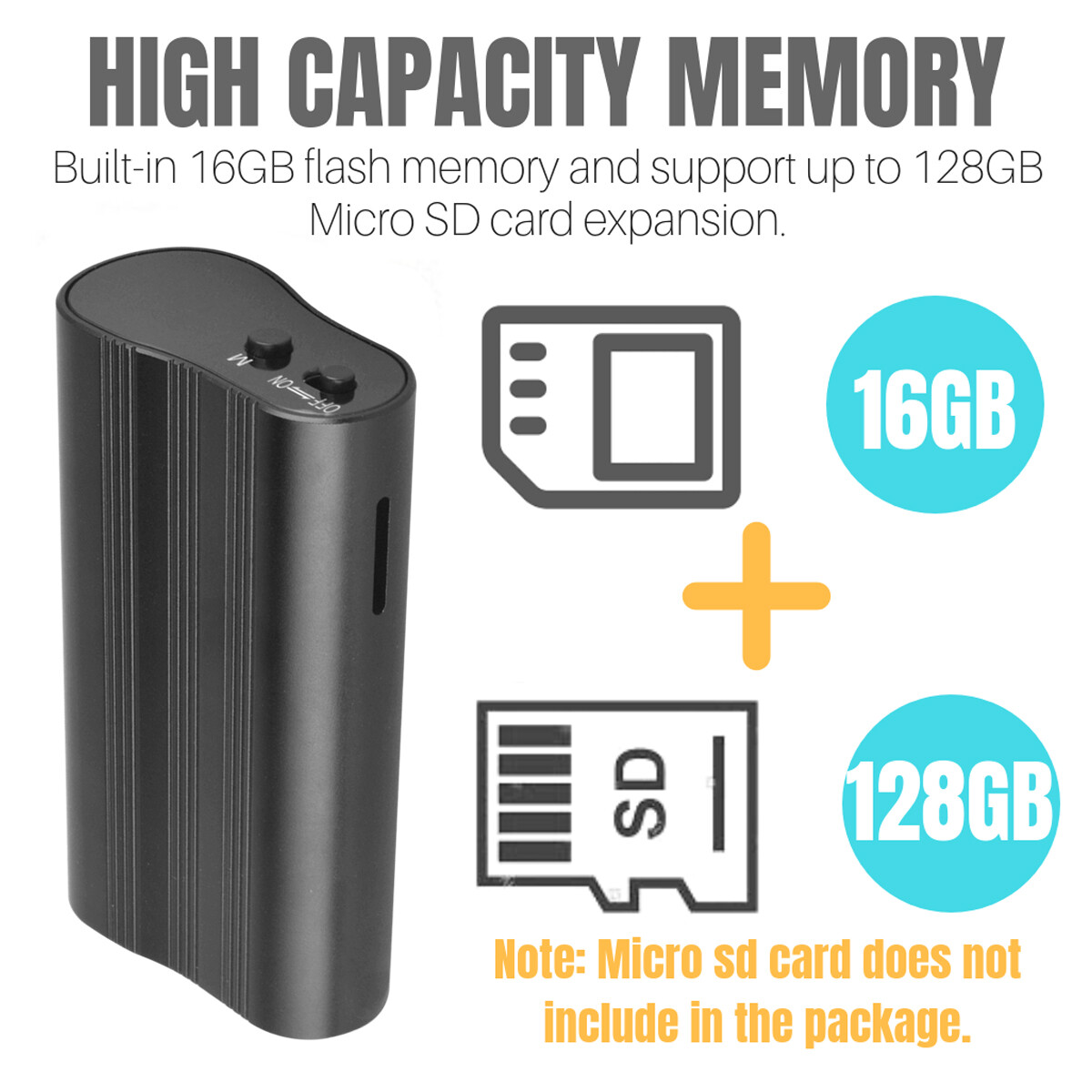
A car-USB MP3 player is a flash-based digital audio player that mounts as a USB mass-storage device so a car head unit can index and play its files. The core trade-off is USB Mass Storage Class (UMS) compatibility versus smartphone-style MTP-only players that head units cannot read, plus DAC/amp quality versus basic codec playback. Decide by protocol first: if the car stereo has a USB-A port, buy a UMS-visible player with MP3/WMA/FAT32 support; skip MTP-only Android DAPs and voice-recorder crossovers.

Buying guide image
Ham Radio Transceivers

Portable Ham Radio Transceiver

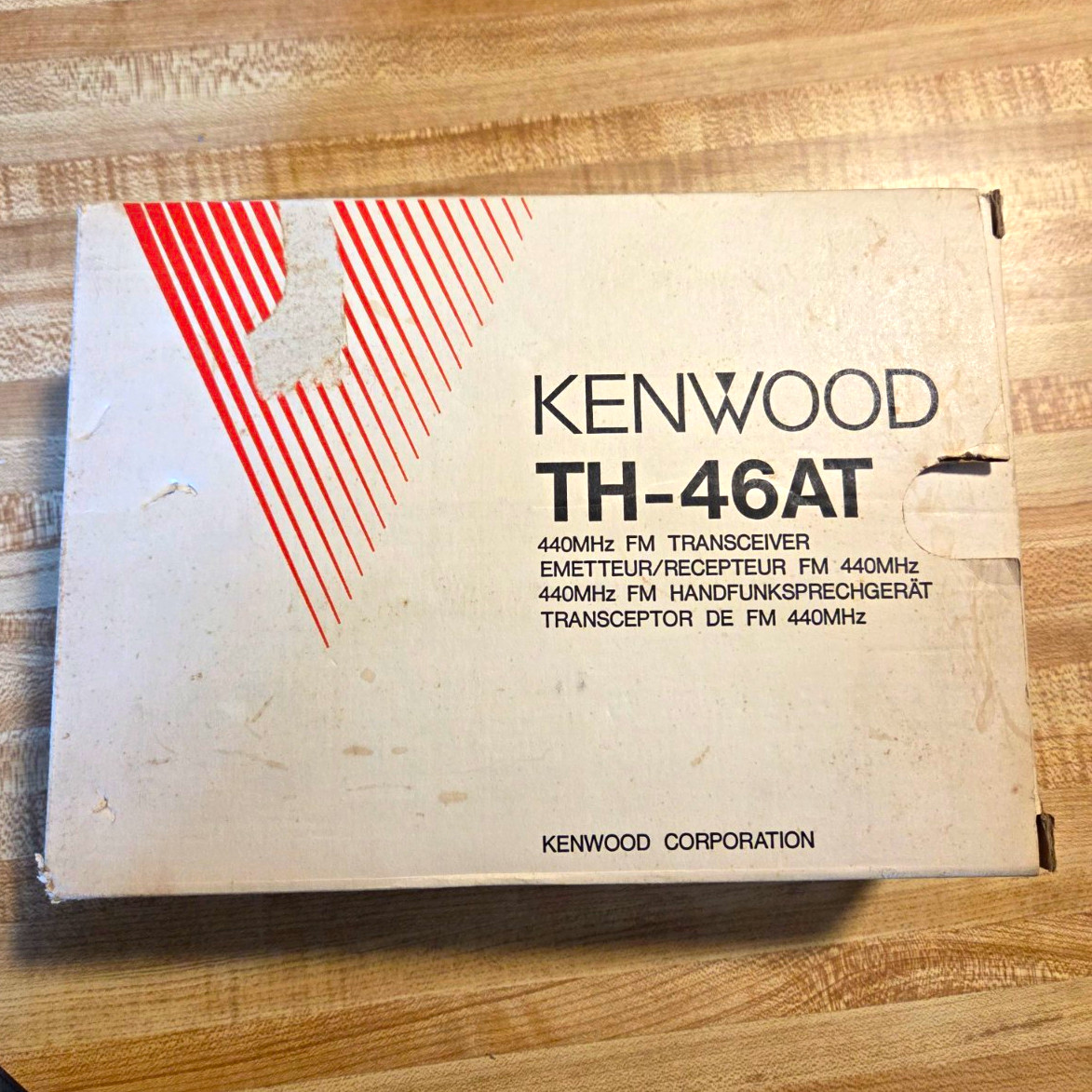
A portable ham radio transceiver is a self-contained, battery-capable VHF/UHF or HF radio designed for field operation, where the core trade-off is transmit power and receiver sensitivity versus size, weight, and battery endurance. Durable field radios use sealed metal chassis, proper heatsinking, and standard power connectors, while compromises cut corners with plastic housings, unregulated charging, and non-replaceable batteries.

Buying guide image
Sim Racing Shifters & Handbrakes

Handbrake

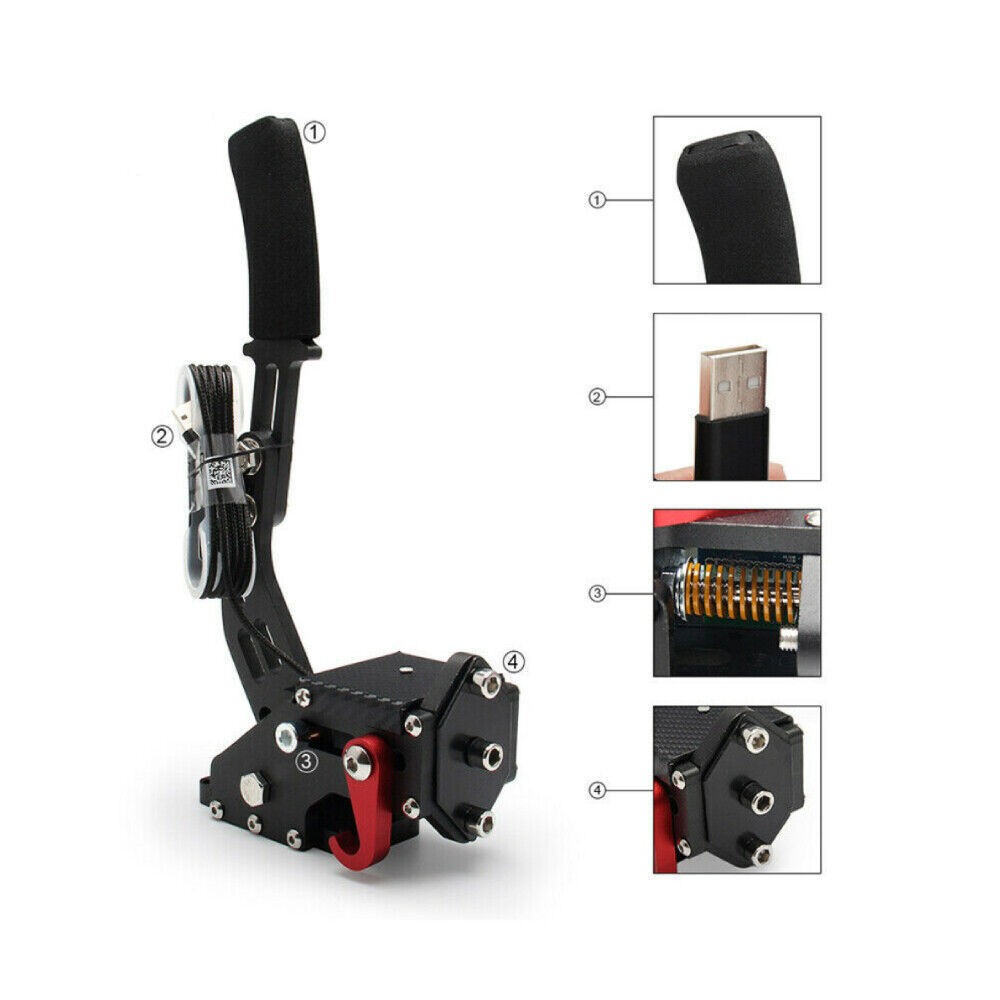
A sim racing handbrake is a dedicated analog lever for rally, drift, and stunt driving, replacing button presses with progressive rear-brake or clutch-kick input. The core trade-off is resolution and construction: 14/16-bit Hall-effect sensors with aluminum arms and load-cell or spring tension versus 64-bit boards that are often just higher-resolution versions of the same cheap mechanics. Buy a clamp-mount USB handbrake with a metal lever and 14-bit-or-better Hall sensor for PC; skip plastic-lever, 8-bit, or console-locked units unless you own that exact console ecosystem.

Buying guide image
Microcontrollers & Dev Boards

8051 Development Board

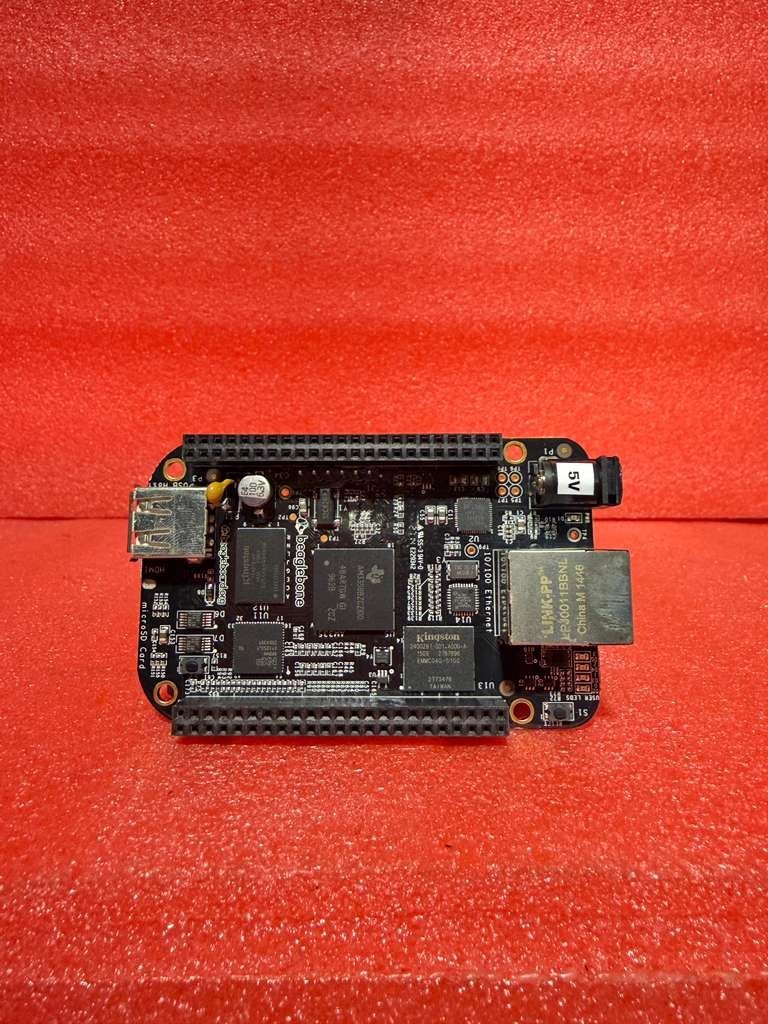
An 8051 development board is a carrier PCB that breaks out an 8051-core MCU (classic 12T or modern 1T enhanced) with a clock source, reset, ISP/UART programming header, and I/O expansion. The core trade-off is legacy 12-clock 8051 compatibility vs. 1T enhanced 8051 variants that deliver 8–12× throughput at the same crystal frequency, plus 5V vs. 3.3V I/O domains. Buy 1T enhanced silicon with 5V-tolerant I/O for new designs; choose a true 12T 8051 only when reproducing textbook or legacy hardware timing.

Buying guide image
Antenna Tuners & SWR Meters

Portable Antenna Tuner

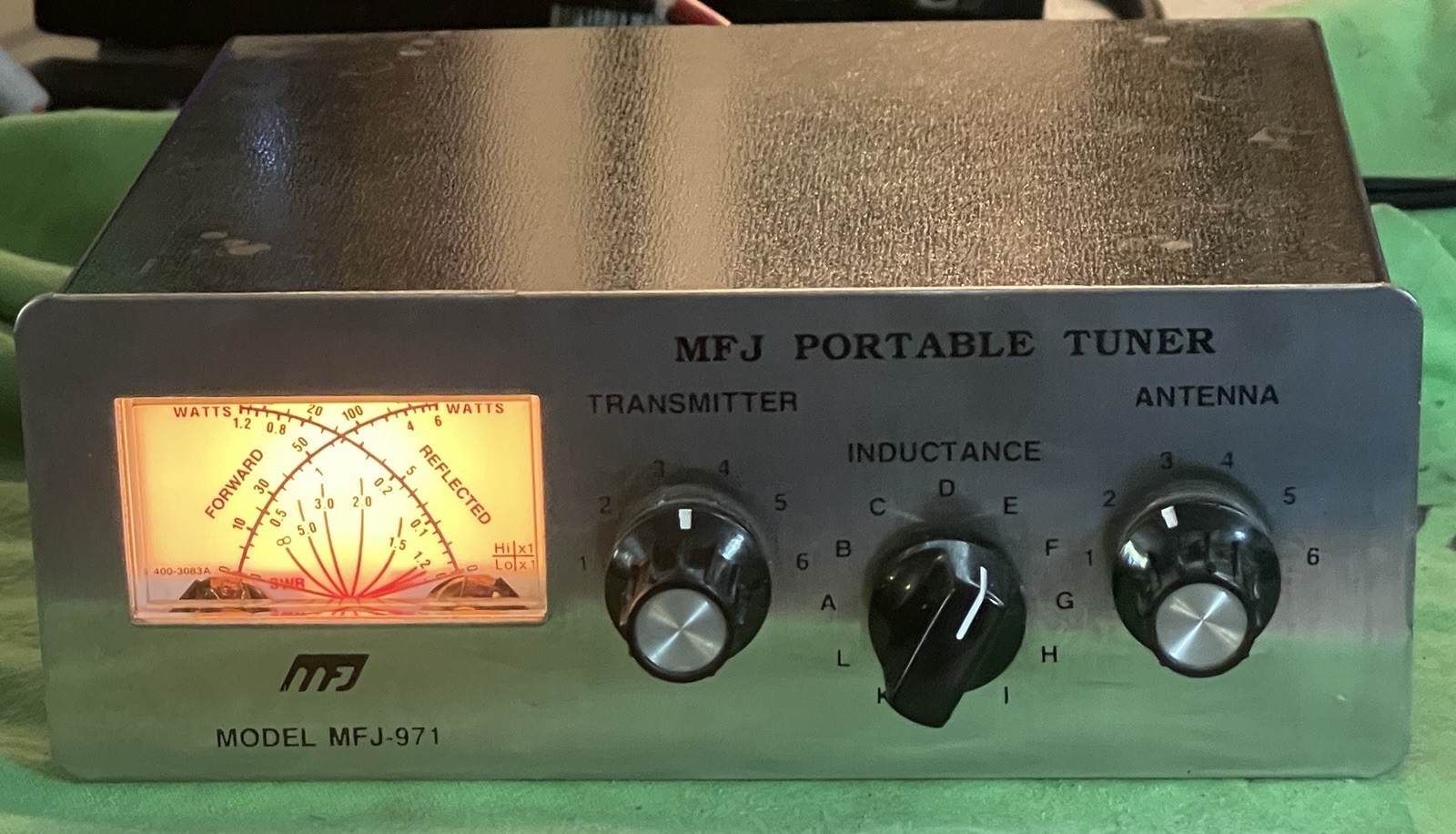
A portable antenna tuner matches your transceiver to an antenna that isn't resonant on the operating band, and the key trade-off is between wide matching range and low loss. Manual T-network tuners handle high SWR but require tuning by ear or meter, while automatic tuners are faster but add cost and need power. Choose a manual tuner if you operate QRP or portable and want no battery dependence; choose an auto-tuner if you change bands often and value speed over simplicity.

Buying guide image
Vinyl Records

Appetite Destruction Original

Appetite for Destruction Original refers to first-press or early-run copies of Guns N' Roses' 1987 debut, prized for their pre-censorship cover art and original mastering. The core trade-off is collector-grade originality versus playable condition: sealed first presses carry a premium, while VG+ originals offer authentic sound at a fraction of the cost. The decision rule is simple—buy only copies with verifiable matrix/runout codes and the original banned cover if authenticity matters; skip any reissue or later pressing labeled 'original' without matrix confirmation.

Buying guide image
Record Storage & Accessories

45 Record Sleeve

45 record sleeves are protective inner or outer covers sized specifically for 7-inch vinyl singles, where the key trade-off is material thickness and fit versus cost and clarity. Durable options use virgin polyethylene or anti-static HDPE in the 3–4 mil range with precise 7-inch dimensions, while compromises use thin recycled films that tear, cloud, or bunch in the jacket. The decision rule: buy sleeves specified for 7-inch records with a stated mil thickness and material grade—skip generic 'record sleeves' that only list a quantity.

Buying guide image
Sim Racing Shifters & Handbrakes

Racing Sim Shifter

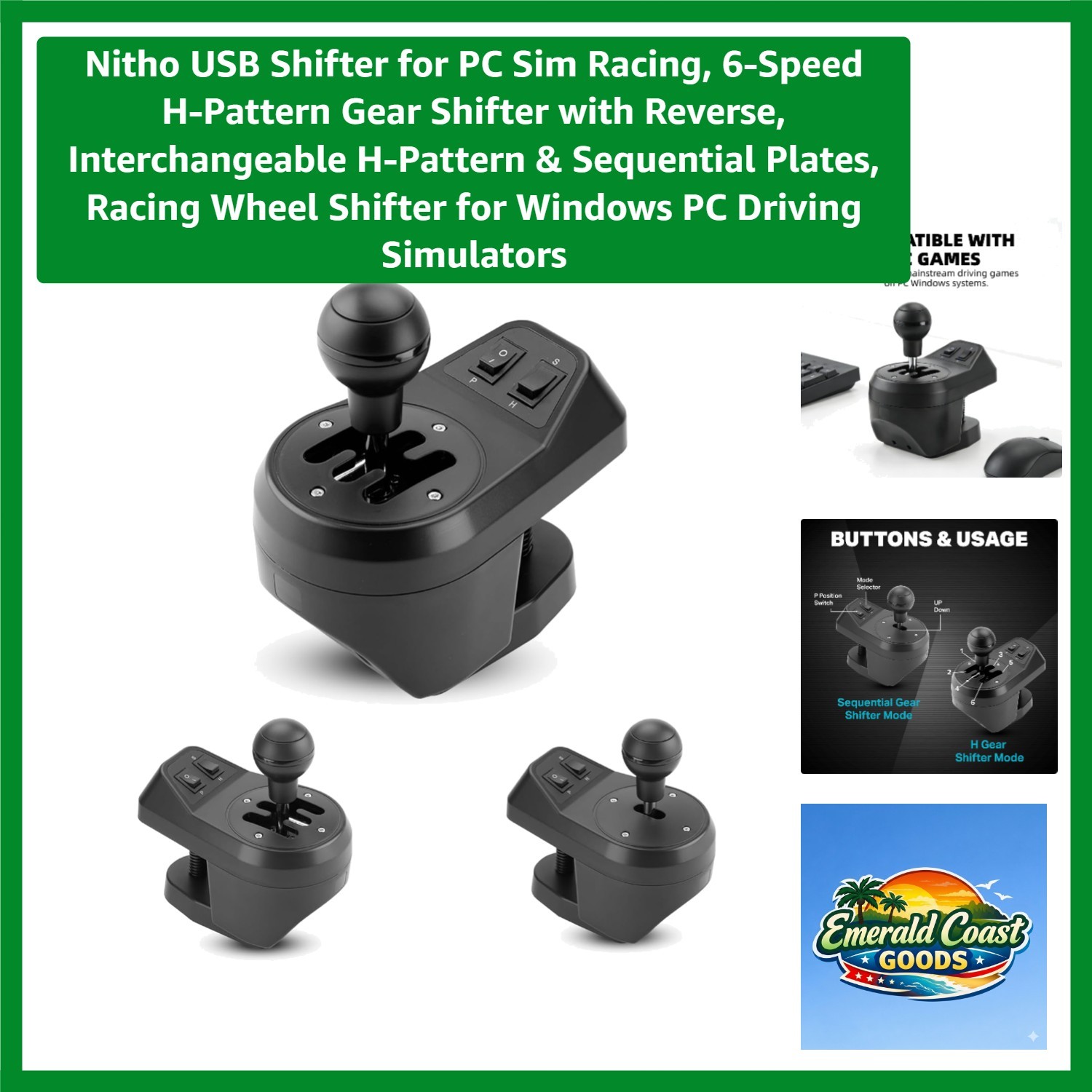
A racing sim shifter is a standalone USB or console-compatible gear selector that adds manual H-pattern or sequential shifting to a sim rig, with the core trade-off being mechanical feel and mounting rigidity versus price tier. Durable options use metal internal detents and rigid clamps or direct-mount plates; compromises rely on plastic internals and weak desk clamps that flex under fast shifts.

Buying guide image
Sim Racing Shifters & Handbrakes

Sim Shifter

A sim shifter is the mechanical gear-selector add-on that turns a wheel-and-pedal rig into a full H-pattern or sequential transmission, and the core trade-off is between tactile load-cell/hall-effect sensing with metal internals and cheap potentiometer springs that wear out. Buy a dedicated USB shifter with stainless-steel internals and aluminum housing if you shift often; skip Arduino-converted or wheel-mounted paddles if you want real gate feel.

Buying guide image
Resin 3D Printers

Resin Printer

Resin 3D printers use a UV LCD or laser to cure photopolymer resin layer-by-layer, delivering far finer detail than filament printers but adding post-processing steps. The primary trade-off is resolution and speed versus consumable cost, odor/fume management, and build-volume limits. Choose an MSLA/LCD model with a monochrome screen and a robust vat/FEP film if detail matters; skip budget RGB-screen or tiny-build units unless you accept slower prints and frequent film swaps.

Buying guide image
Vinyl Records

Appetite Destruction Record

The Appetite Destruction record refers to Guns N' Roses' 1987 debut album, a landmark hard-rock release whose original pressings and reissues differ sharply in mastering, packaging, and collectible value. The core trade-off is original Geffen-era vinyl versus modern remastered reissues: originals carry historical mastering and potential collector premium but risk condition issues, while reissues offer quieter surfaces and reliable playback. The decision rule is simple: buy a clean original only if you value provenance and can verify matrix codes and sleeve condition; otherwise choose a known reissue for guaranteed sound quality.

You may also like

Finding more guides for you…