
Photos from current listings. Actual item, color, and included accessories may vary.
8051 Development Board Buying Guide
An 8051 development board is a carrier PCB that breaks out an 8051-core MCU (classic 12T or modern 1T enhanced) with a clock source, reset, ISP/UART programming header, and I/O expansion. The core trade-off is legacy 12-clock 8051 compatibility vs. 1T enhanced 8051 variants that deliver 8–12× throughput at the same crystal frequency, plus 5V vs. 3.3V I/O domains. Buy 1T enhanced silicon with 5V-tolerant I/O for new designs; choose a true 12T 8051 only when reproducing textbook or legacy hardware timing.
Median $49.99
Key takeaways
- Classic 12T 8051 executes one machine cycle per 12 clocks (1 MIPS at 12 MHz); 1T enhanced cores execute most instructions in 1 clock (12 MIPS at 12 MHz).
- STC89C52RC is the common 5V 12T board MCU with 8 KB Flash and 512 B RAM; STC12C5A60S2 offers 1T core, 60 KB Flash, and dual UART on the same footprint.
- Most 8051 boards program over UART ISP via CH340/CP2102 USB-bridge; true parallel programmers (AT89S52) need a separate USBASP-class dongle.
At a glance
- Category
- Microcontrollers & Dev Boards
- Last updated
- Nov 25, 2026
Current offers
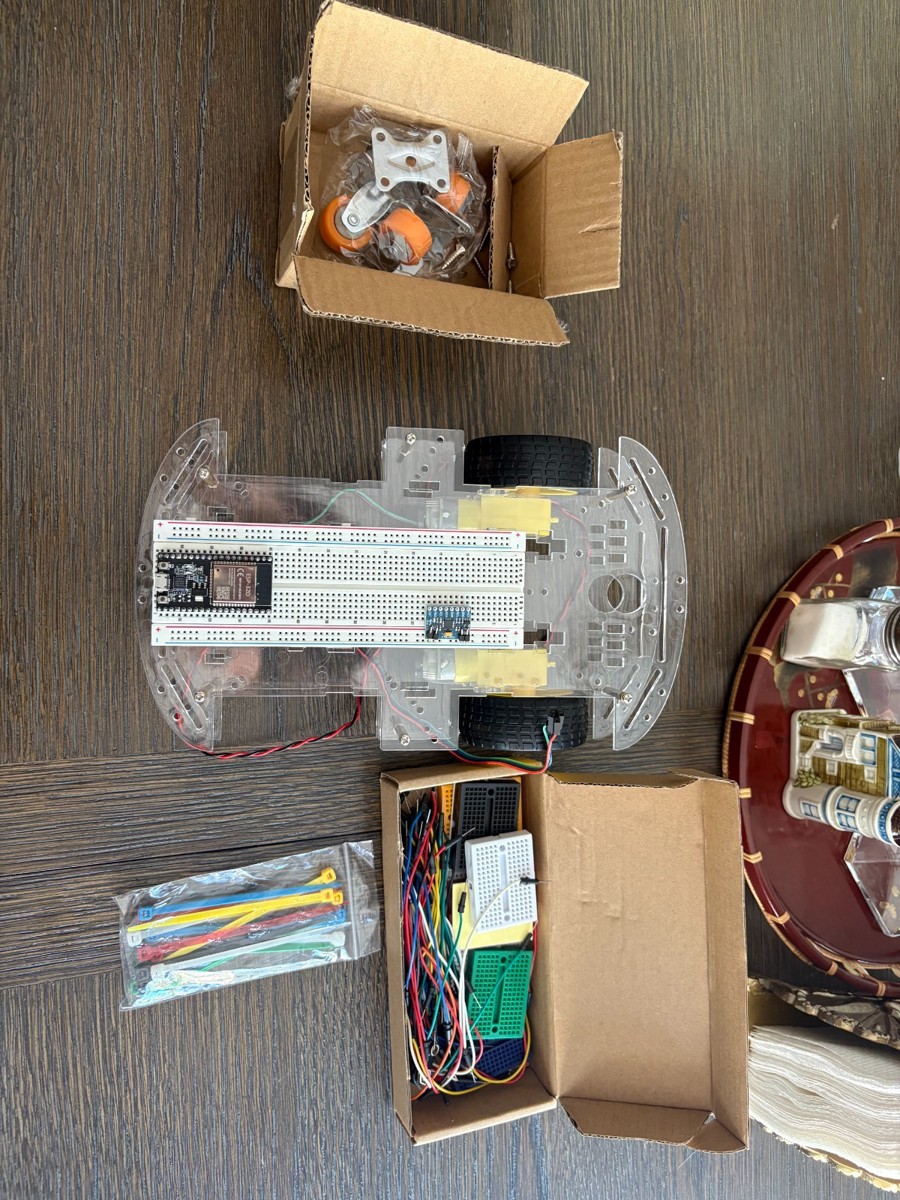 ESP-32S Electronics Starter Kit WIFI Development Board Arduino Robotics Projects$25.00View on eBay
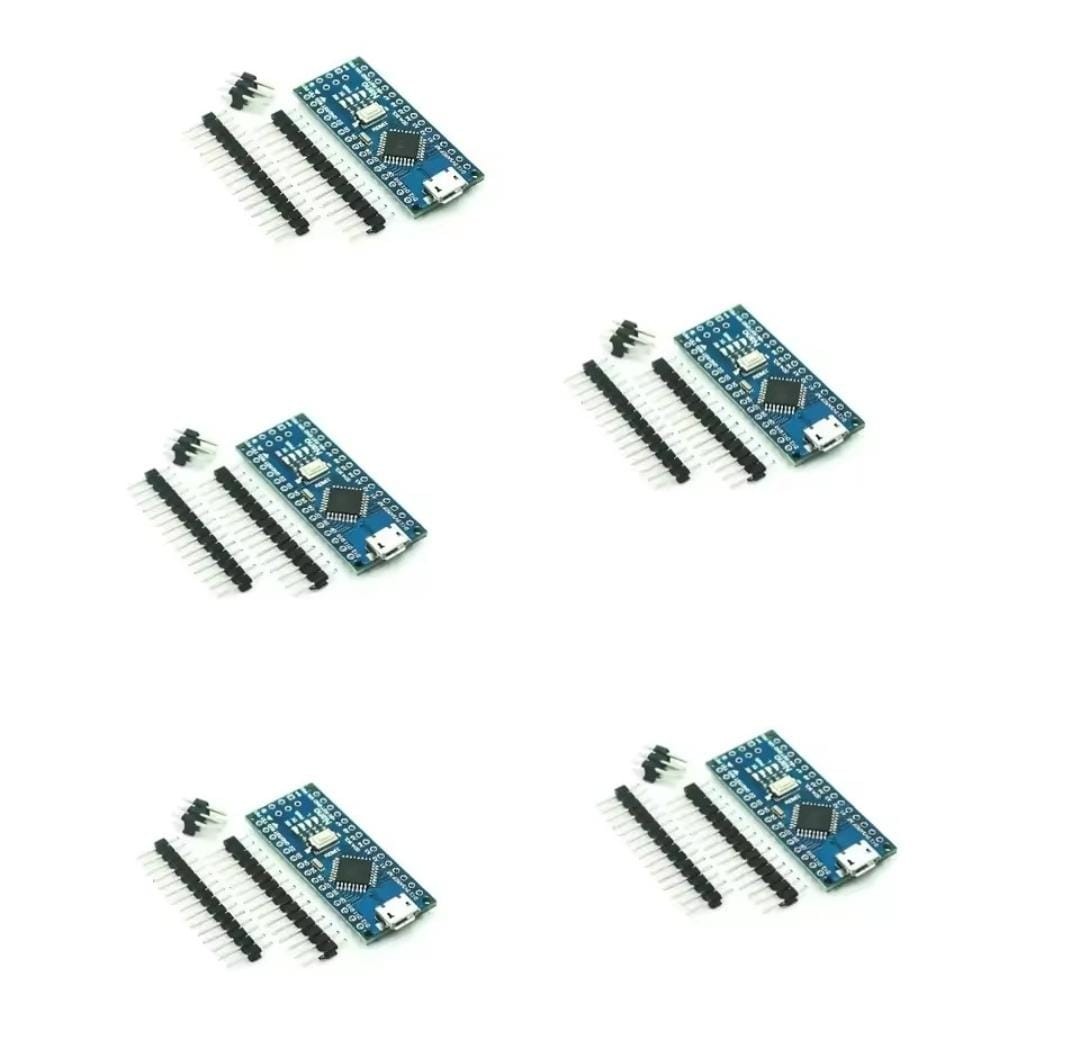 Arduino Nano V3.0 ATmega328P CH340 USB Board 5PCS – Development Kit$26.89View on eBay
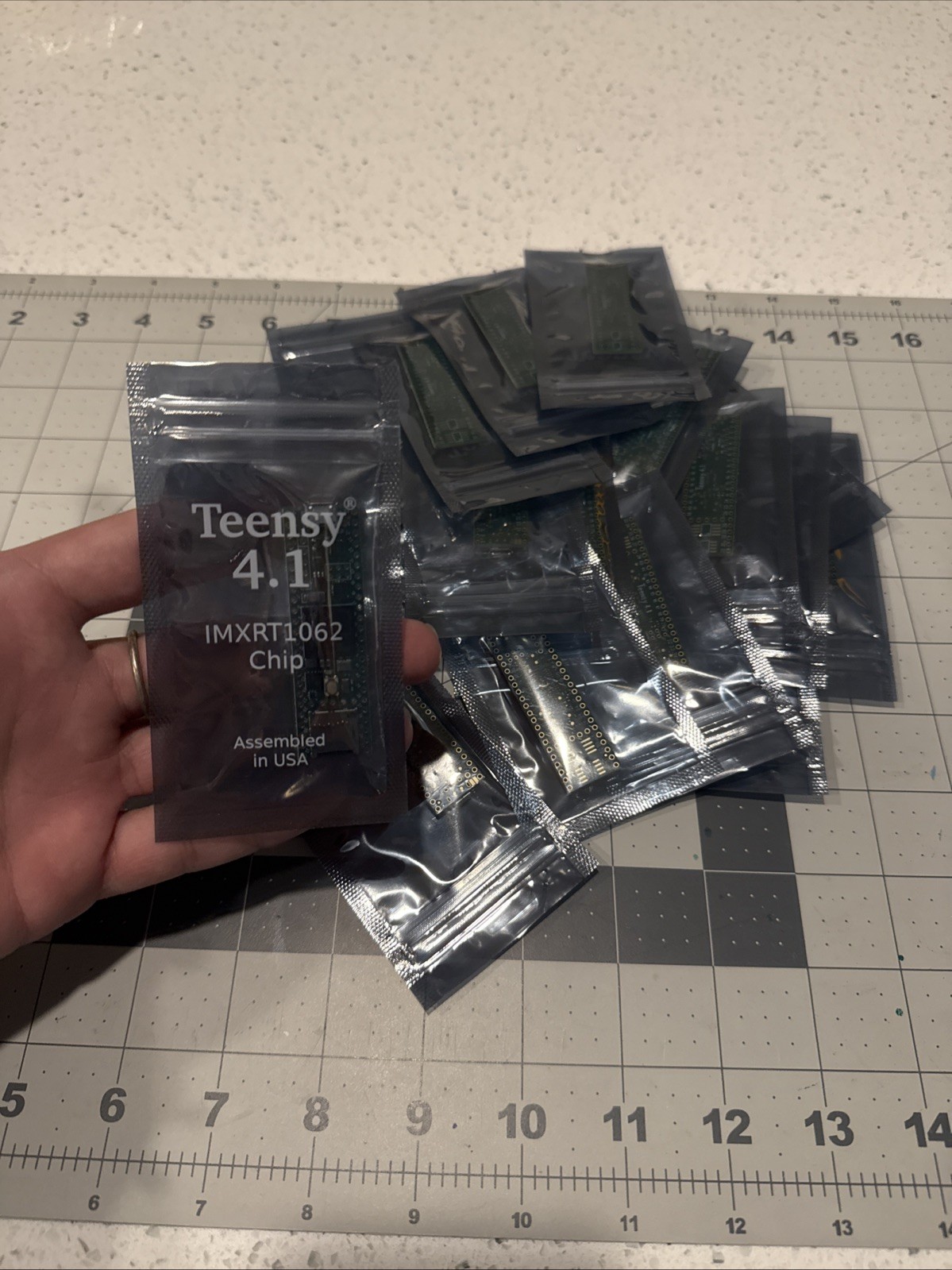 PJRC Teensy 4.1 iMXRT1062 Microcontroller Development Board w/ SD Card, Ethernet$30.00View on eBay
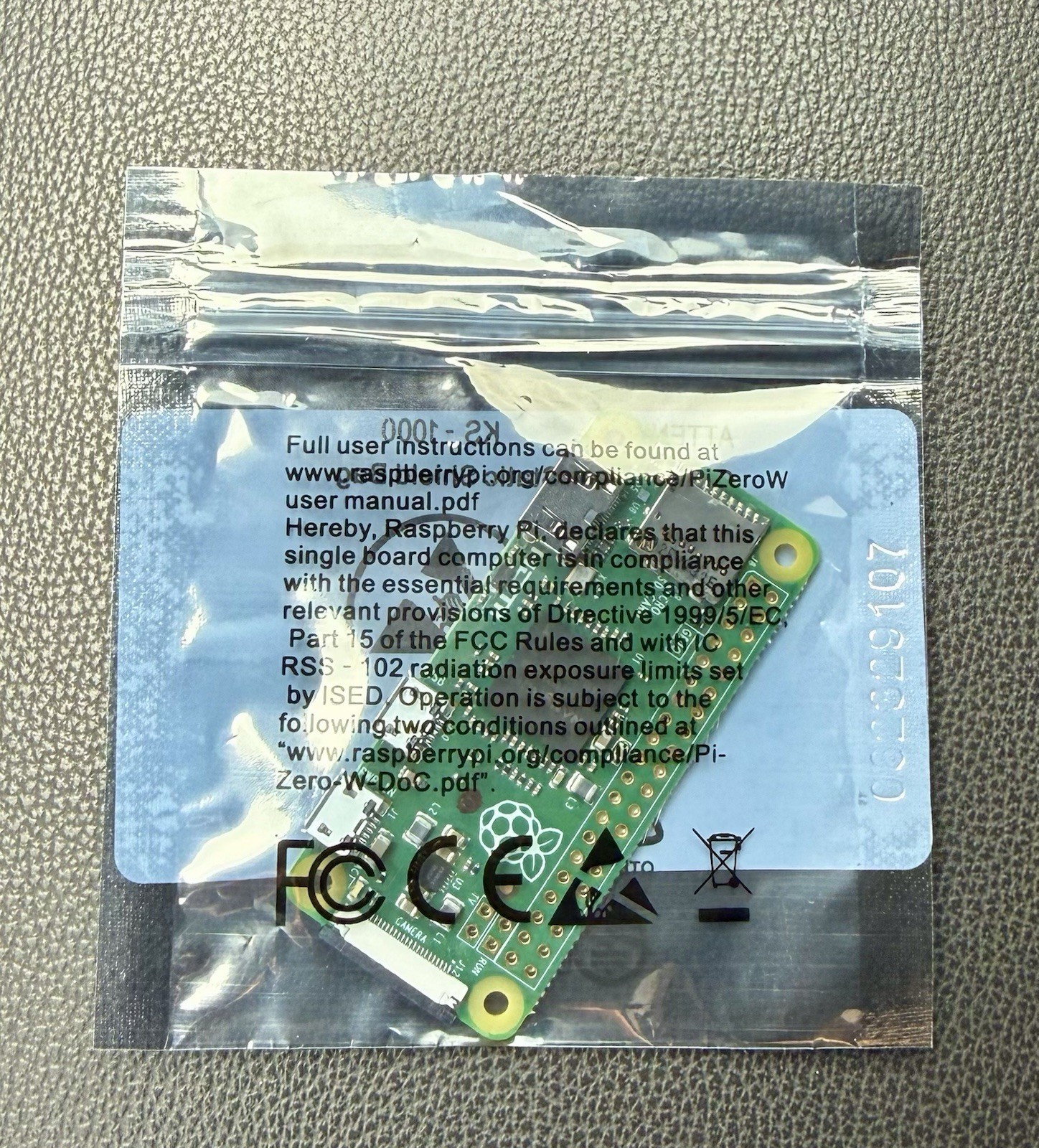 Raspberry Pi Zero V1.3 Camera Ready - Newest - Development Board - *NEW IN HAND*$42.99View on eBay
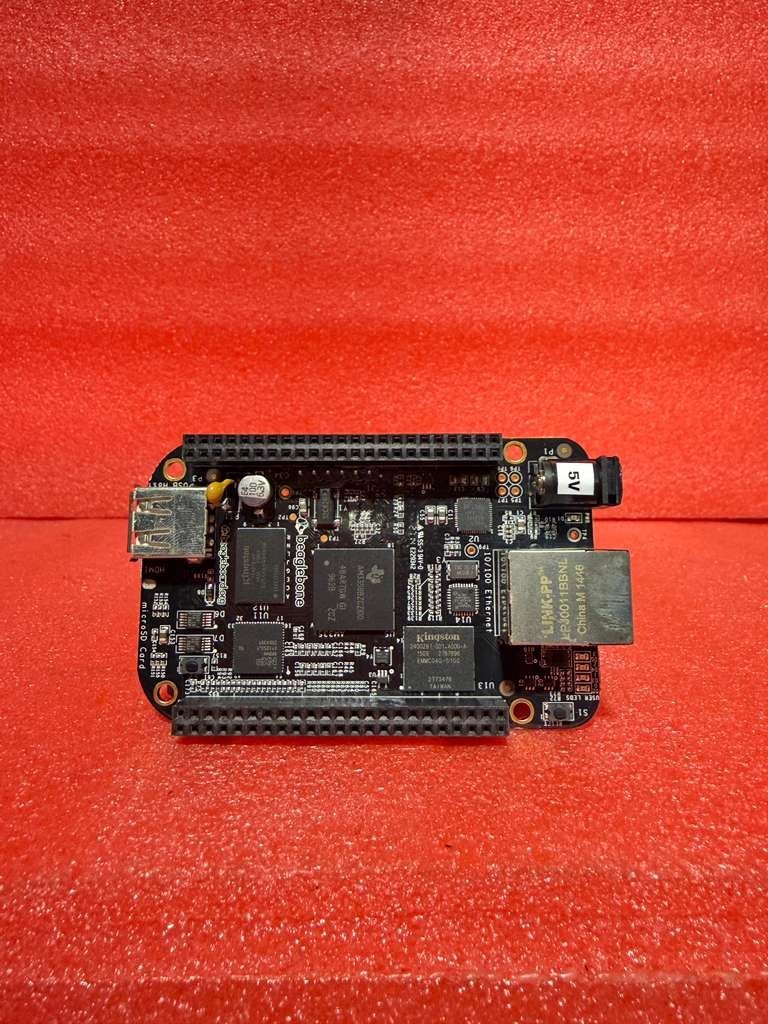 BeagleBone Black AM3358 Cortex-A8 Embedded Development Board 512MB DDR3 8Gb SD$49.99View on eBay
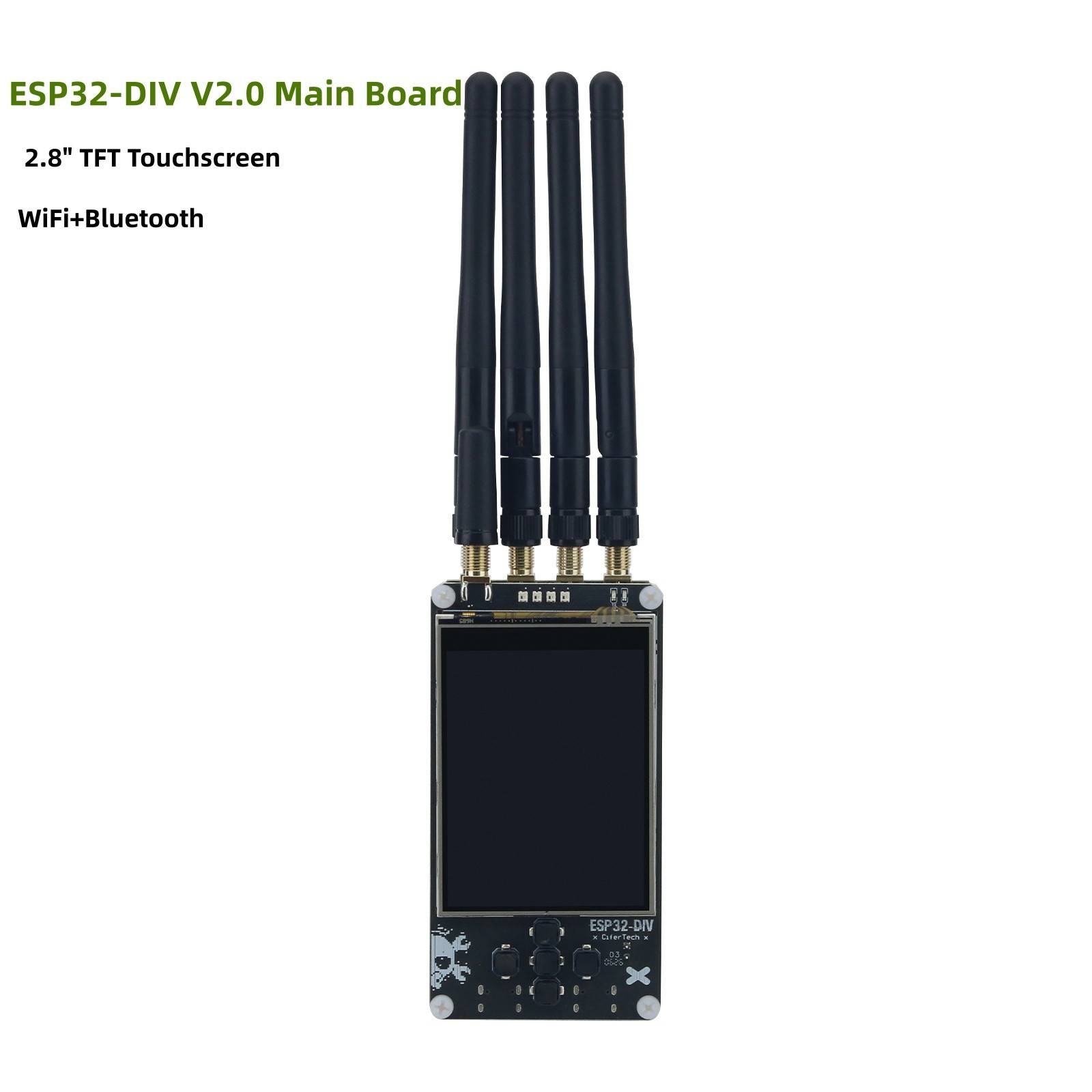 ESP32-DIV V2.0 WiFi+Bluetooth NRF24 ESP32 Development Board Wireless$91.99View on eBay
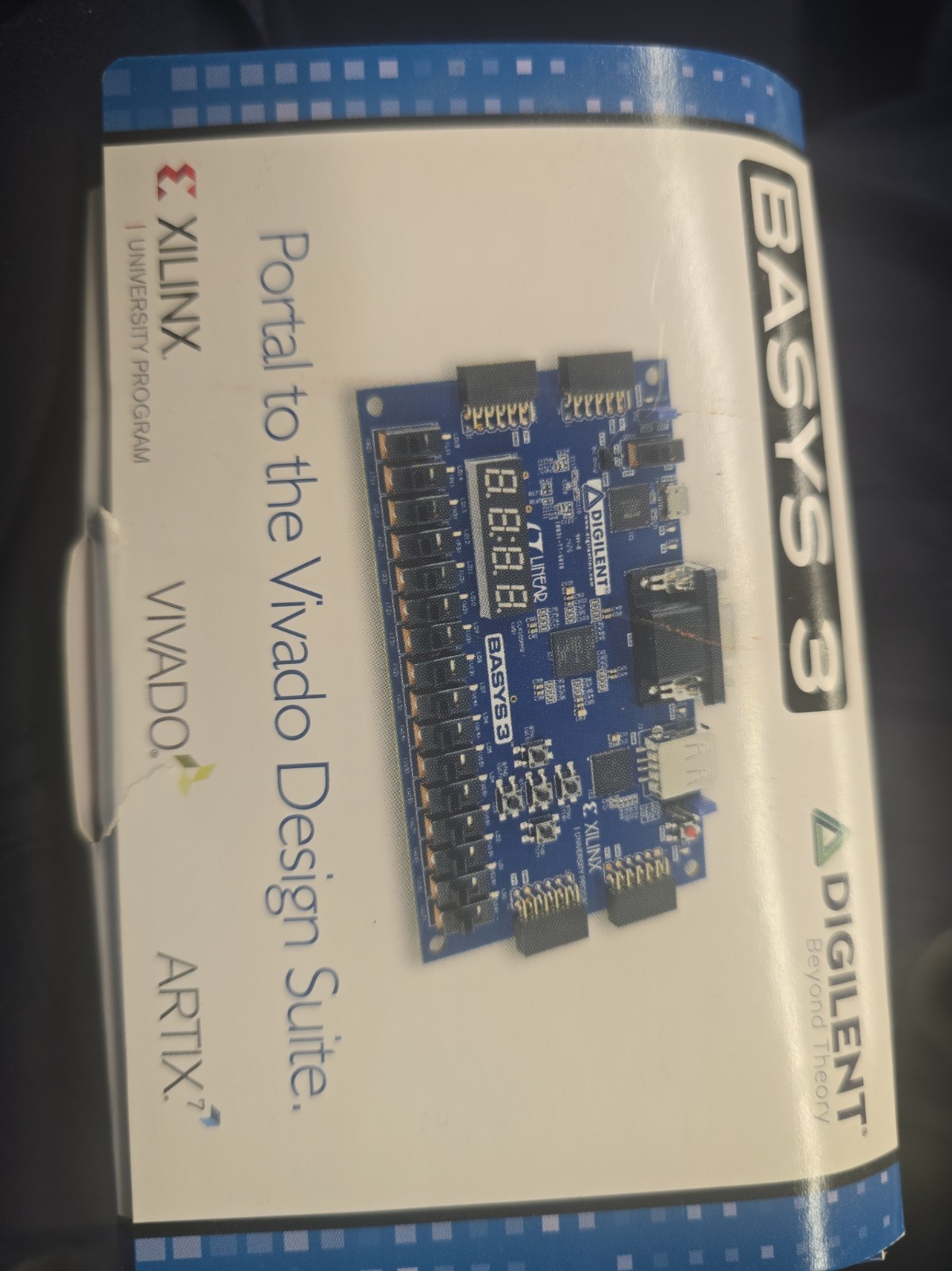 Digilent Basys 3 FPGA Development Board Xilinx Artix-7 XC7A35T$99.00View on eBay
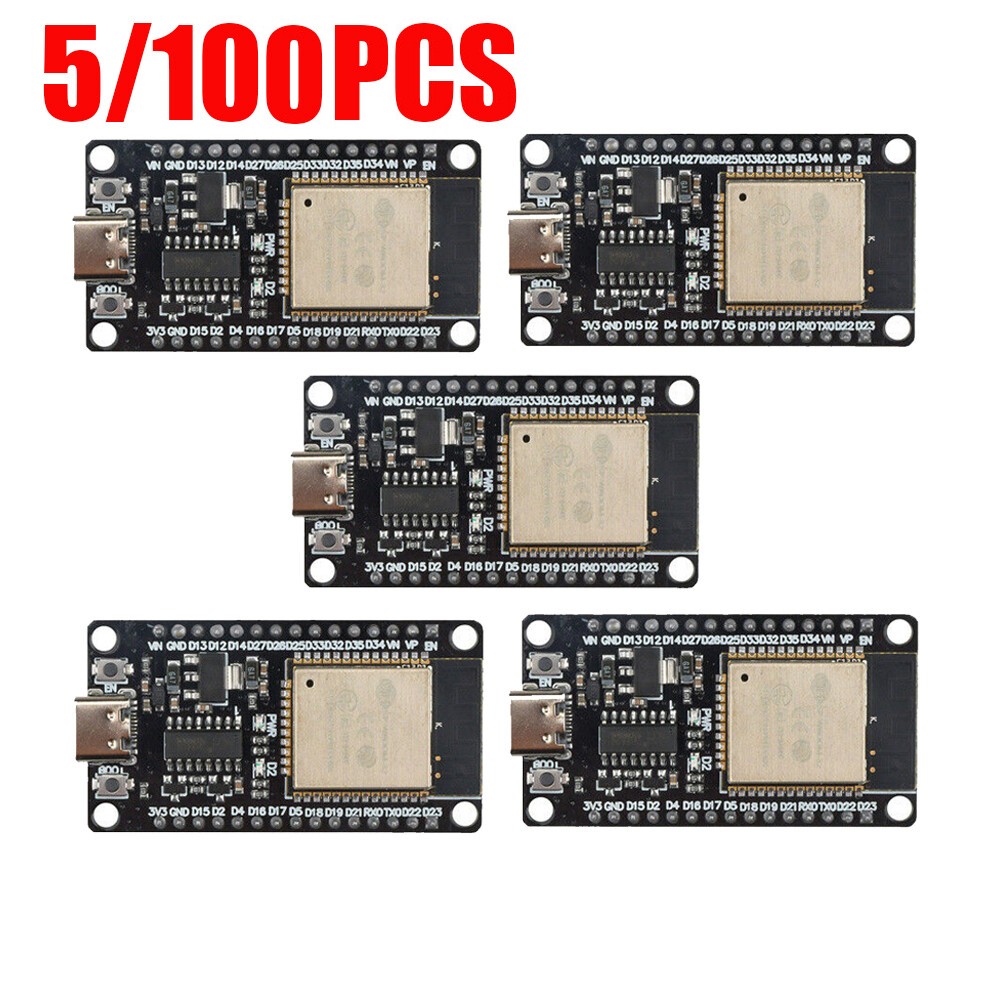 ESP32 WROOM-32 Type-C CH340C Development Board Dual Core WiFi Bluetooth 5/100PCS$549.99Last checked Nov 18, 2026View on eBay
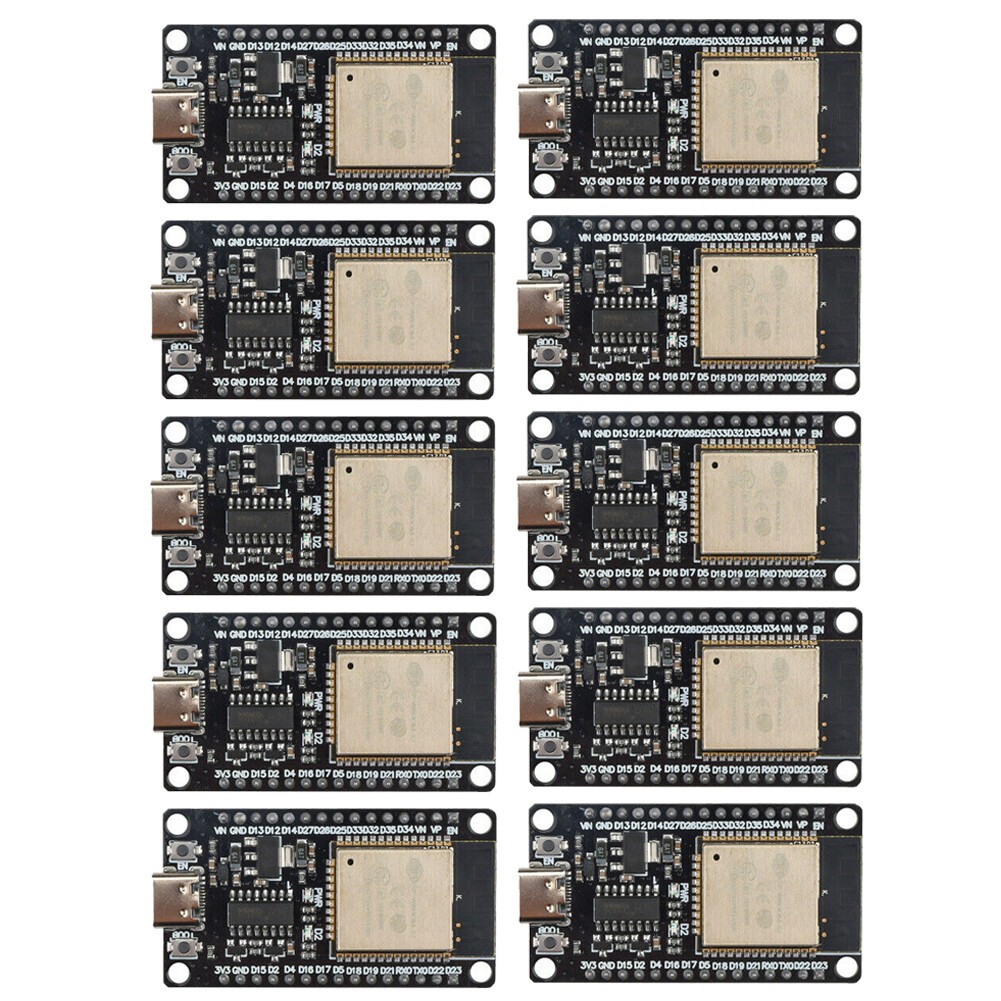 100PCS ESP32 CH340C WROOM-32 Type-C Development Board Dual Core WiFi Bluetooth$549.99Last checked Nov 17, 2026View on eBay
Highlights
- Classic 12T 8051 executes one machine cycle per 12 clocks (1 MIPS at 12 MHz); 1T enhanced cores execute most instructions in 1 clock (12 MIPS at 12 MHz).
- STC89C52RC is the common 5V 12T board MCU with 8 KB Flash and 512 B RAM; STC12C5A60S2 offers 1T core, 60 KB Flash, and dual UART on the same footprint.
- Most 8051 boards program over UART ISP via CH340/CP2102 USB-bridge; true parallel programmers (AT89S52) need a separate USBASP-class dongle.
- 5V I/O is standard on STC89 and AT89 series; 3.3V-only 8051 derivatives require level shifters for 5V peripherals such as HD44780 LCDs and legacy sensors.
Best use cases
- Pick a 1T enhanced STC12/STC15 board with onboard USB-ISP for new projects needing fast GPIO, dual UART, and 5V-tolerant I/O.
- Choose a classic STC89C52RC 12T board only for textbook timing reproduction, 8051 instruction-set coursework, or legacy code with cycle-count delays.
- Skip bare-MCU minimal boards if you need onboard USB bridge, reset button, and power regulation—prefer integrated boards for first-time bring-up.
- For AT89S52/AT89C51 parts, buy a board with an ISP header and a USBASP programmer; UART-only boards cannot program these without a bootloader.
Buying tips
- Match crystal to ISP baud tolerance: 11.0592 MHz gives exact UART divisors for standard baud rates; 12 MHz introduces baud error on classic 12T parts.
- Confirm the board includes a USB-to-UART bridge (CH340, CP2102, or PL2303) and an ISP jumper—otherwise budget a separate programmer dongle.
- Check I/O voltage before wiring peripherals: STC89/AT89 are 5V; 3.3V derivatives need level shifters for 5V LCDs, relays, and sensors.
- Choose a board with all 4 8-bit ports (P0–P3) broken out on 0.1-inch headers plus external clock and reset pins for expansion.
Specs
| Core Type | Classic 12T vs 1T enhanced |
|---|---|
| I/O Voltage | 5V standard / 3.3V derivatives |
| Programming | UART ISP vs SPI ISP (USBASP) |
| MCU Package | DIP-40 socketed / SMD |
Related searches
What to check before buying
- Measure your breadboard or enclosure: a typical 8051 board is roughly 80–100 mm wide and needs clearance for USB and barrel-jack connectors.
- Verify your USB port or 5V adapter can supply the board plus peripherals; 8051 boards draw modest current but relay/LCD backlight add load.
- Confirm your PC OS has CH340/CP2102 drivers available and that a USB-A or USB-C cable matches the board's connector.
- Check that the board's MCU is socketed (DIP-40) if you plan to swap between 12T and 1T parts or replace a bricked chip.
FAQ
Data sources: eBay / Amazon listings and product attribute feeds. Updated Nov 25, 2026.
Some links on this page are affiliate links. If you buy after clicking one, we may earn a commission at no extra cost to you. This does not change which products appear here or their order. Affiliate disclosure.