
Photos from current listings. Actual item, color, and included accessories may vary.
Portable Antenna Tuner Buying Guide
A portable antenna tuner matches your transceiver to an antenna that isn't resonant on the operating band, and the key trade-off is between wide matching range and low loss. Manual T-network tuners handle high SWR but require tuning by ear or meter, while automatic tuners are faster but add cost and need power. Choose a manual tuner if you operate QRP or portable and want no battery dependence; choose an auto-tuner if you change bands often and value speed over simplicity.
Median $139.00
Key takeaways
- T-network tuners with a roller inductor and variable capacitors match a wider impedance range than switched-L designs, which is critical for random-wire and short vertical antennas.
- QRP tuners are rated for 1-30W and use small air-variable capacitors; using them above their rated power can arc the capacitor plates and permanently damage the tuner.
- Auto-tuners use latching relays and require a tune cycle of 1-3 seconds; they need 12V DC power and hold their last tuning position without power, but consume current during tuning.
At a glance
- Category
- Antenna Tuners & SWR Meters
- Last updated
- Nov 23, 2026
Current offers
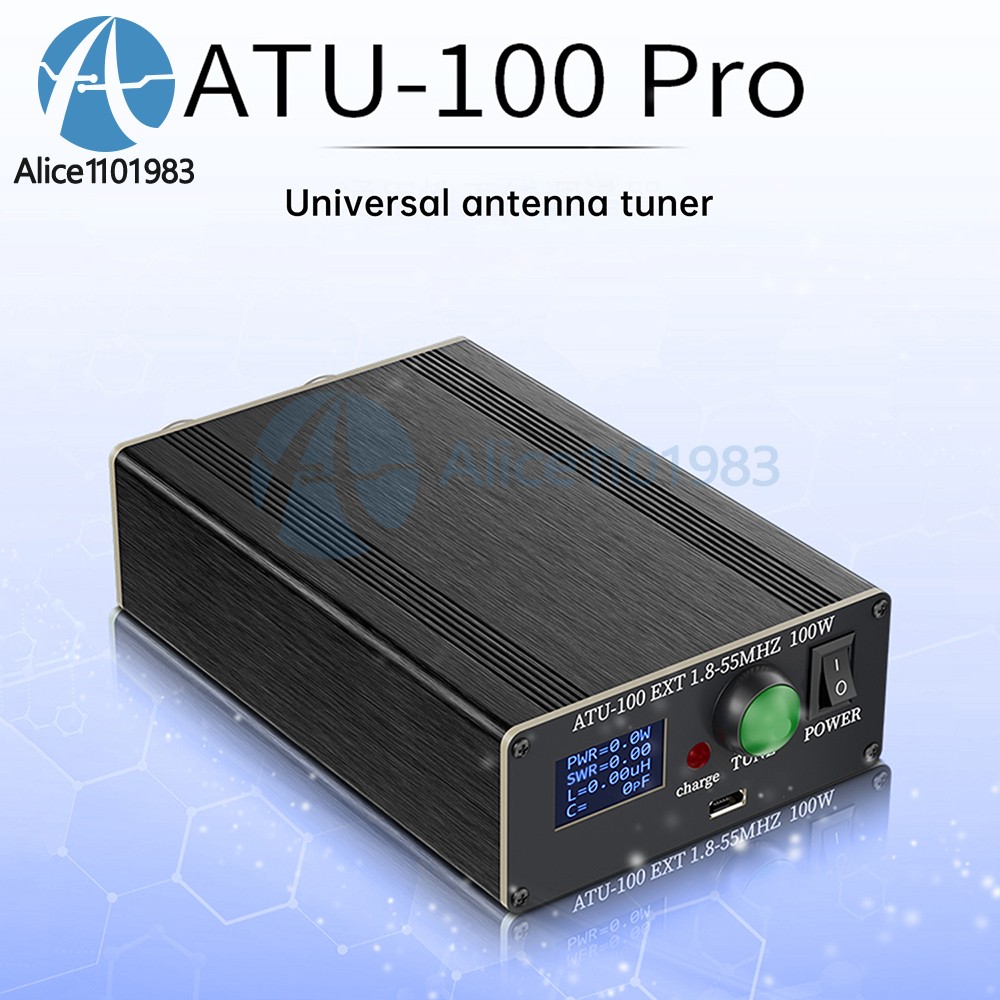 ATU-100Pro Universal Antenna Tuner 1.8MHz-55MHz Auto Tuner W/ 0.96" OLED Display$53.03View on eBay
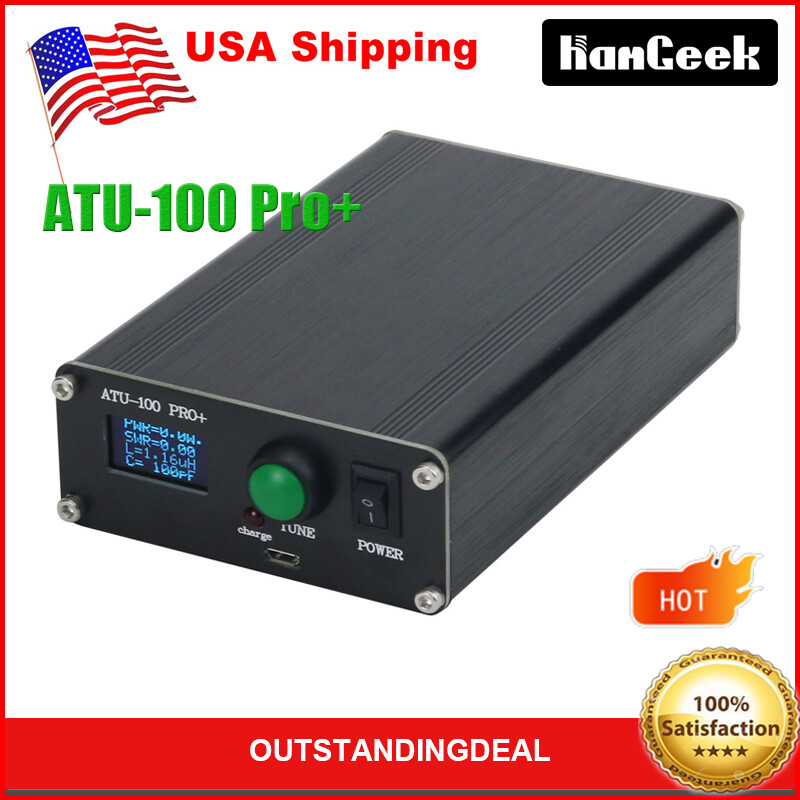 HamGeek ATU-100 Pro+ Automatic Antenna Tuner 100W Shortwave Antenna Tuner USA$64.60View on eBay
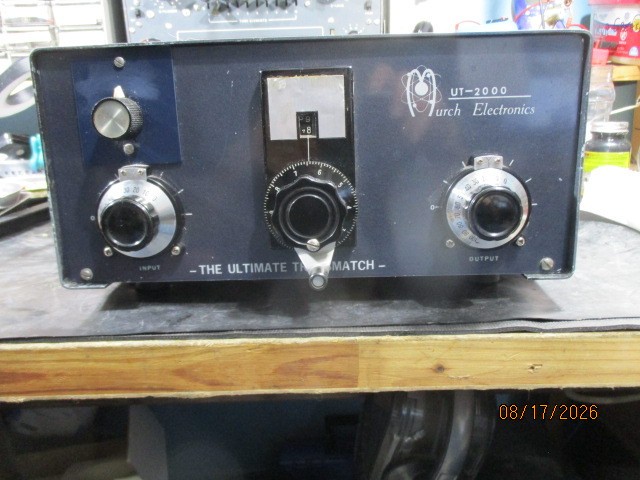 Murch 2000 Antenna Tuner, 2 KW$117.00View on eBay
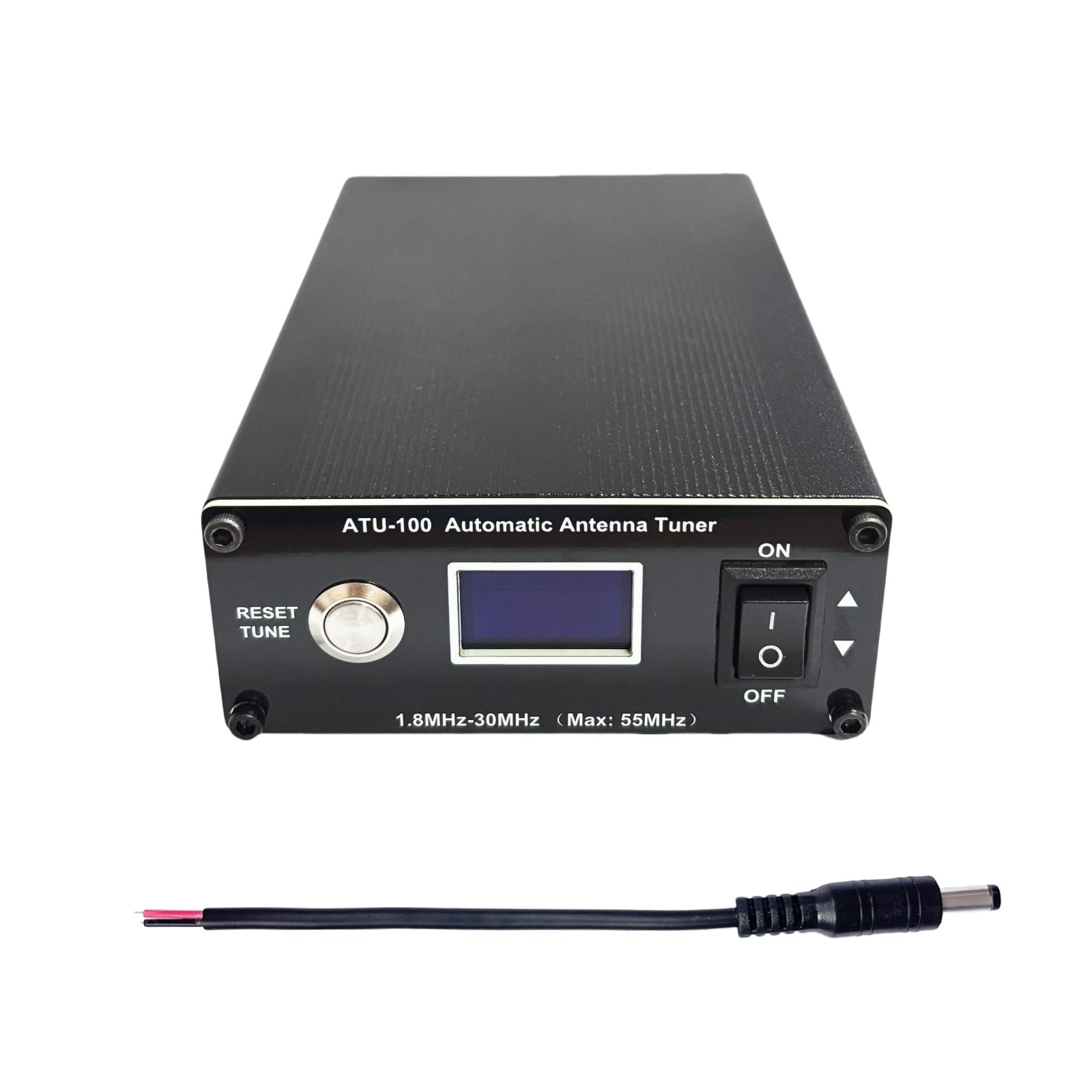 ATU-100 EXT Automatic Antenna Tuner, 1.8-55MHz Ham Radio Tuner$138.79View on eBay
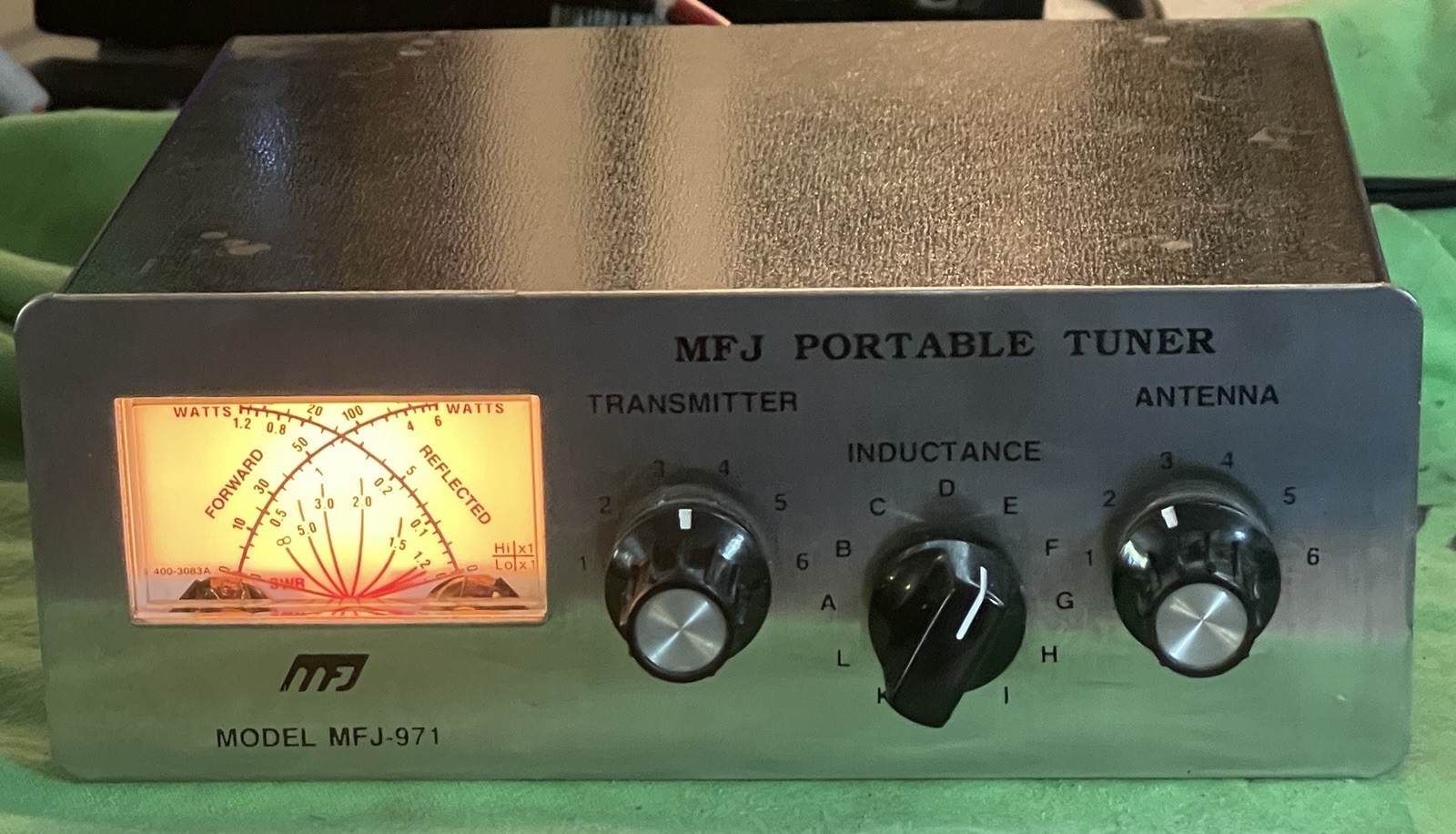 MFJ-971 Ham Radio QRP Portable Antenna Tuner (Excellent condition)$139.00View on eBay
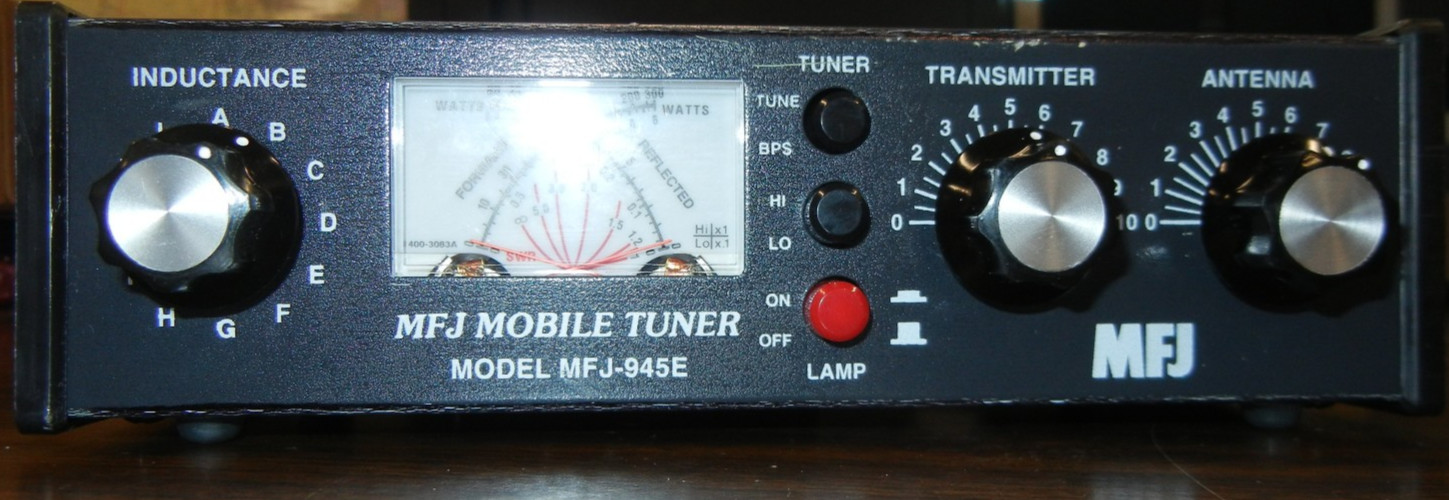 Nice MFJ-945E MOBILE TUNER for Ham Radio Antennas - HF VHF CB SW WARC MFJ945E$149.99View on eBay
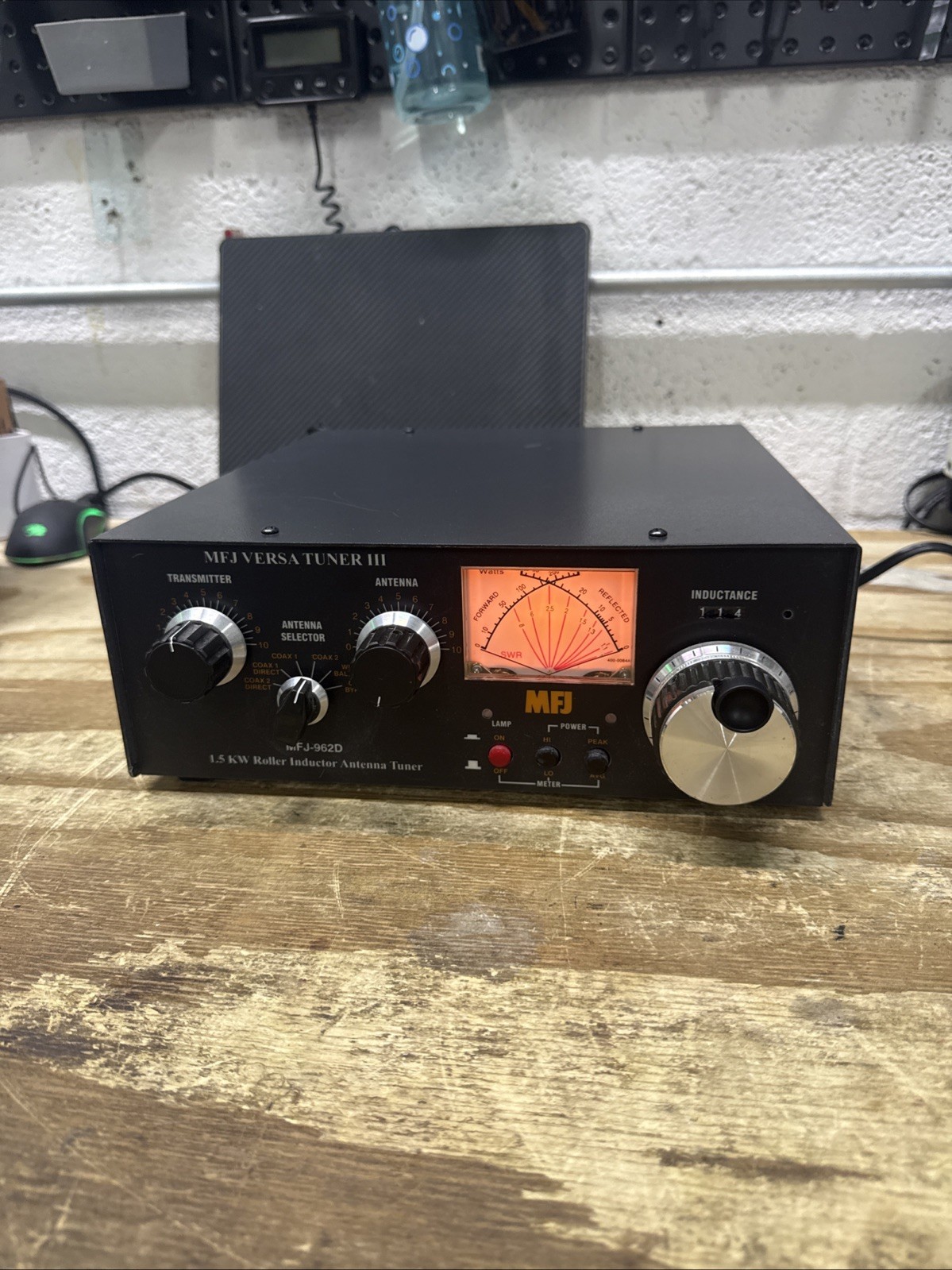 MFJ 962D VERSA TUNER III ANTENNA TUNER - TESTED - READ!$159.99View on eBay
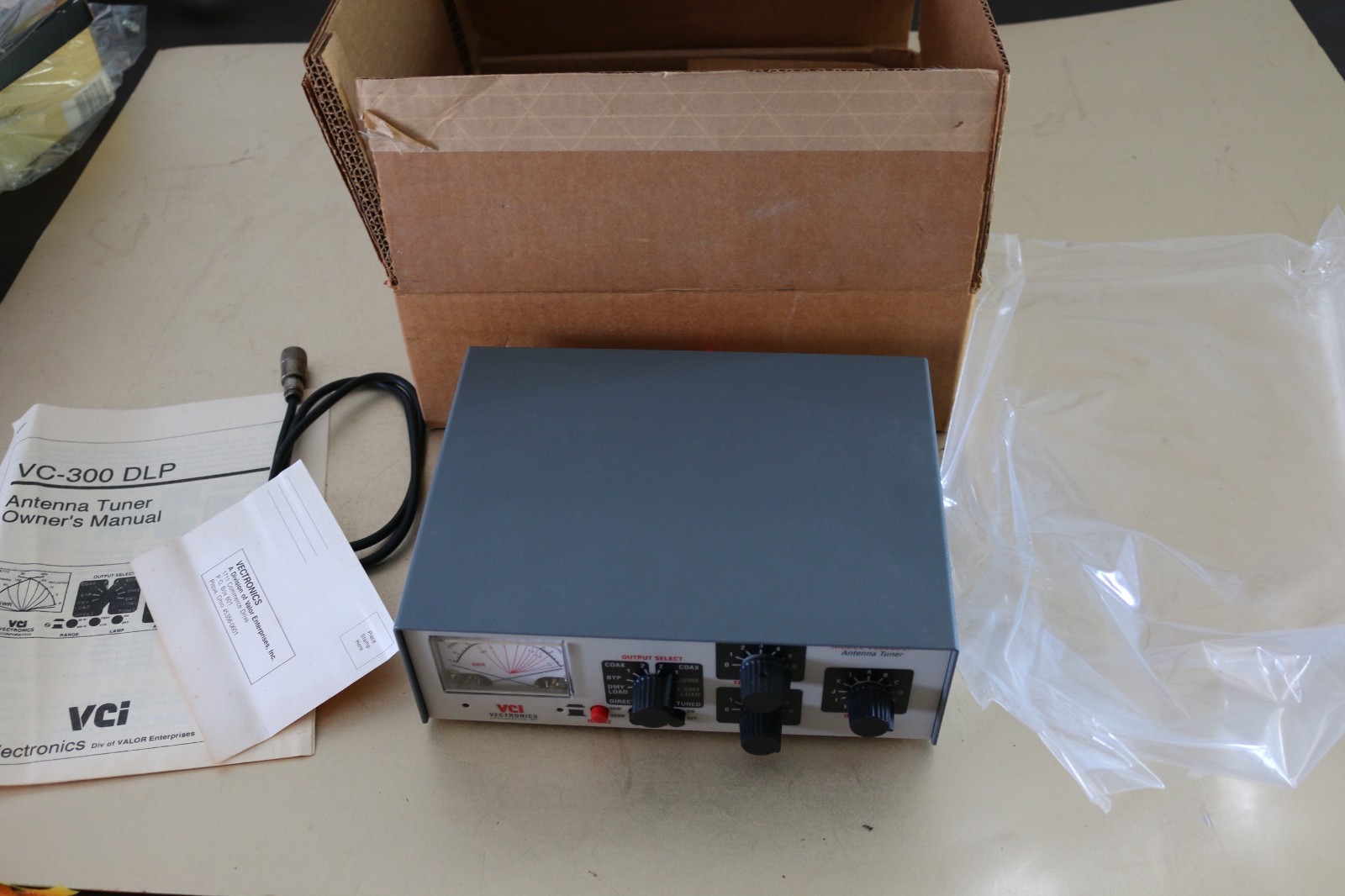 VECTRONICS VC-300DLP CB Ham radio300 WATT antenna tuner w/ box & paperwork MINT!$199.95View on eBay
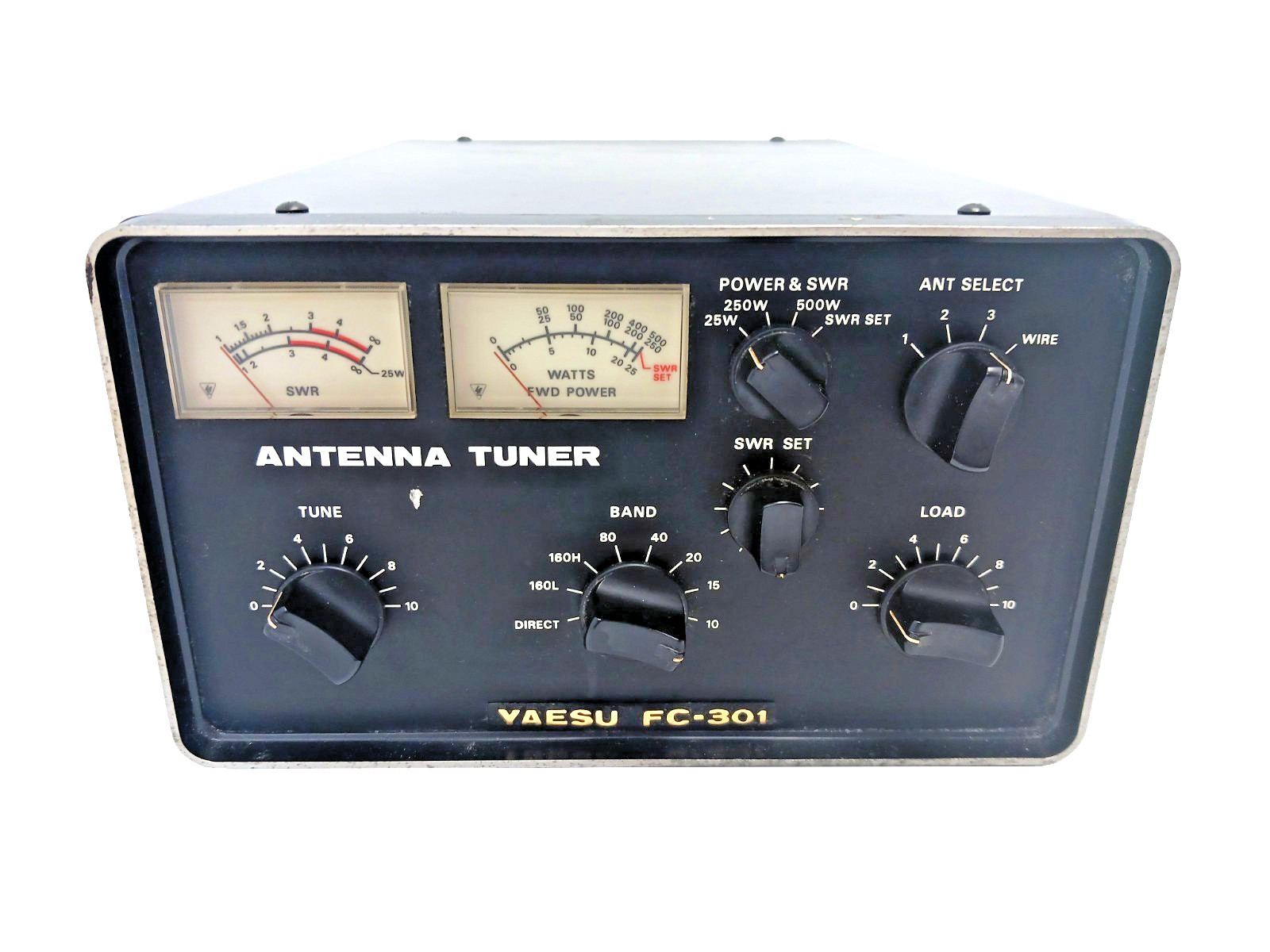 Yaesu FC-301 Ham Radio Antenna Tuner - TESTED & WORKS$199.99View on eBay
Highlights
- T-network tuners with a roller inductor and variable capacitors match a wider impedance range than switched-L designs, which is critical for random-wire and short vertical antennas.
- QRP tuners are rated for 1-30W and use small air-variable capacitors; using them above their rated power can arc the capacitor plates and permanently damage the tuner.
- Auto-tuners use latching relays and require a tune cycle of 1-3 seconds; they need 12V DC power and hold their last tuning position without power, but consume current during tuning.
- SWR meters integrated into portable tuners typically use a directional coupler with 10-20% accuracy; a separate cross-needle meter gives more precise forward/reflected power readings for fine-tuning.
Best use cases
- Best fit: QRP portable operators using random-wire or end-fed antennas should pick a manual T-network tuner rated 1-30W with a built-in SWR meter; skip auto-tuners because their relay current drain shortens battery life.
- Best fit: Base or field operators running 100W SSB on multiple bands should choose an auto-tuner rated at least 100W PEP with a 12V power input; skip QRP-only tuners because 100W will arc the capacitors.
- Best fit: Backpackers and SOTA activators who prioritize weight should pick a tuner under 1 lb with no power requirement; skip large roller-inductor tuners because they add bulk and weight for marginal matching benefit on resonant dipoles.
- Wrong fit: Operators using resonant monoband dipoles with SWR under 1.5:1 should skip a tuner entirely; it adds insertion loss and failure points without improving match.
Buying tips
- Match the tuner's power rating to your radio's PEP output with at least 20% headroom: a 100W radio needs a tuner rated 120W PEP or higher to avoid arcing on high-SWR loads.
- For portable use, choose a tuner with a built-in SWR meter or cross-needle indicator; a tuner without metering requires an external meter, adding cables and weight.
- Check the tuner's matching range: T-network tuners typically match 10:1 SWR or better, while switched-L tuners may only match 3:1 on some bands; random wires need the wider range.
- Prefer tuners with ceramic or air-variable capacitors over film or mica types for portable use; air variables handle higher RF voltages and are less prone to thermal drift.
Specs
| Tuner Type | Manual T-network / Auto / Switched-L |
|---|---|
| Power Rating | QRP 1-30W / 100W PEP / 200W+ PEP |
| Matching Range | 3:1 to 10:1 SWR (type-dependent) |
| Power Requirement | None (manual) / 12V DC (auto) |
Related searches
What to check before buying
- Measure your antenna's feedpoint impedance or expected SWR range on each band; if SWR exceeds 5:1, choose a T-network tuner with a roller inductor for wider matching range.
- Confirm your radio's maximum output power in PEP and ensure the tuner's rating exceeds it by at least 20%; for QRP radios under 10W, a 30W-rated tuner provides safe headroom.
- Verify the tuner's connectors match your coax (SO-239 or BNC) and that it includes a ground lug; portable operation requires a counterpoise or earth ground for reliable matching.
- Check the tuner's physical dimensions and weight against your pack or go-box; manual tuners under 2 lb and auto-tuners under 3 lb are practical for backpacking.
FAQ
Data sources: eBay / Amazon listings and product attribute feeds. Updated Nov 23, 2026.
Some links on this page are affiliate links. If you buy after clicking one, we may earn a commission at no extra cost to you. This does not change which products appear here or their order. Affiliate disclosure.