
Photos from current listings. Actual item, color, and included accessories may vary.
Neckband Earphone Buying Guide
Neckband earphones are wireless in-ear headphones with a flexible band that rests around the neck, housing battery, controls, and Bluetooth radio. The primary trade-off is between lightweight comfort and battery/feature tiers: budget models use Bluetooth 4.x with 8–10 hour batteries and basic IPX4, while modern neckbands use Bluetooth 5.x with 15–20+ hour batteries, magnetic earbuds, and reliable multipoint. The decision rule: buy Bluetooth 5.0 or newer with at least IPX4 and USB-C for durability; skip Bluetooth 4.x unless the price is disposable-tier and you only need basic call audio.
Median $40.99
Key takeaways
- Bluetooth version dictates battery life and connection stability: 4.1/4.2 models typically deliver 6–10 hours and higher latency; 5.0/5.2 models deliver 15–20+ hours and multipoint.
- Water-resistance ratings matter: IPX4 handles sweat and light rain; IPX5+ survives heavier exercise; unrated models fail quickly from perspiration in the ear nozzles.
- Battery capacity in mAh translates directly to runtime: 120–150 mAh gives roughly 8–10 hours; 200–300 mAh gives 15–20+ hours, with fast-charge (10 min for 2–4 hours) appearing on USB-C tiers.
At a glance
- Category
- In-Ear Earphones
- Last updated
- Nov 27, 2026
Current offers
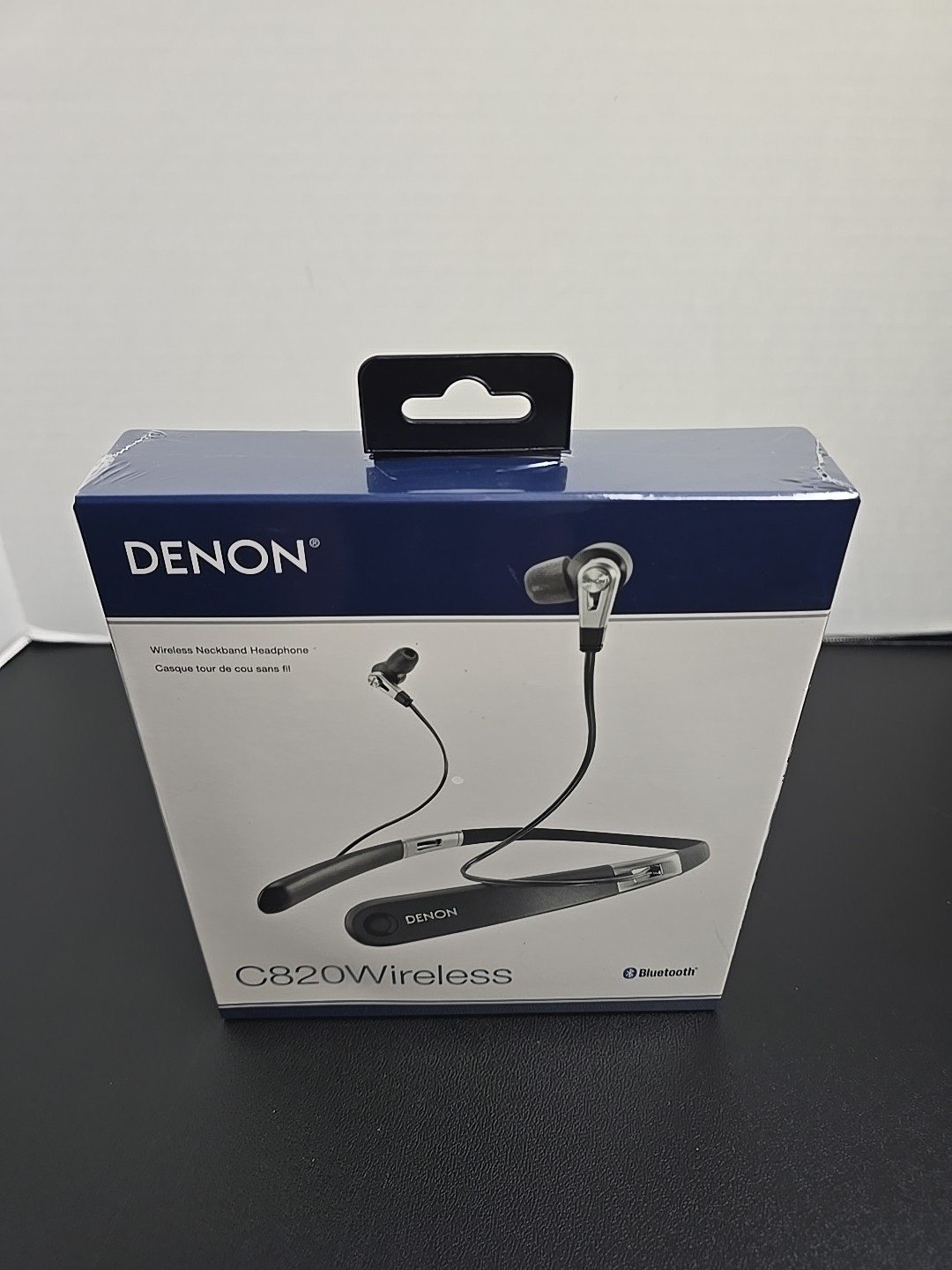 🔥DENON Premium Sound Wireless Neckband Bluetooth Headphones AH-C820W NEW SEALED$49.99Last checked Nov 24, 2026View on eBay
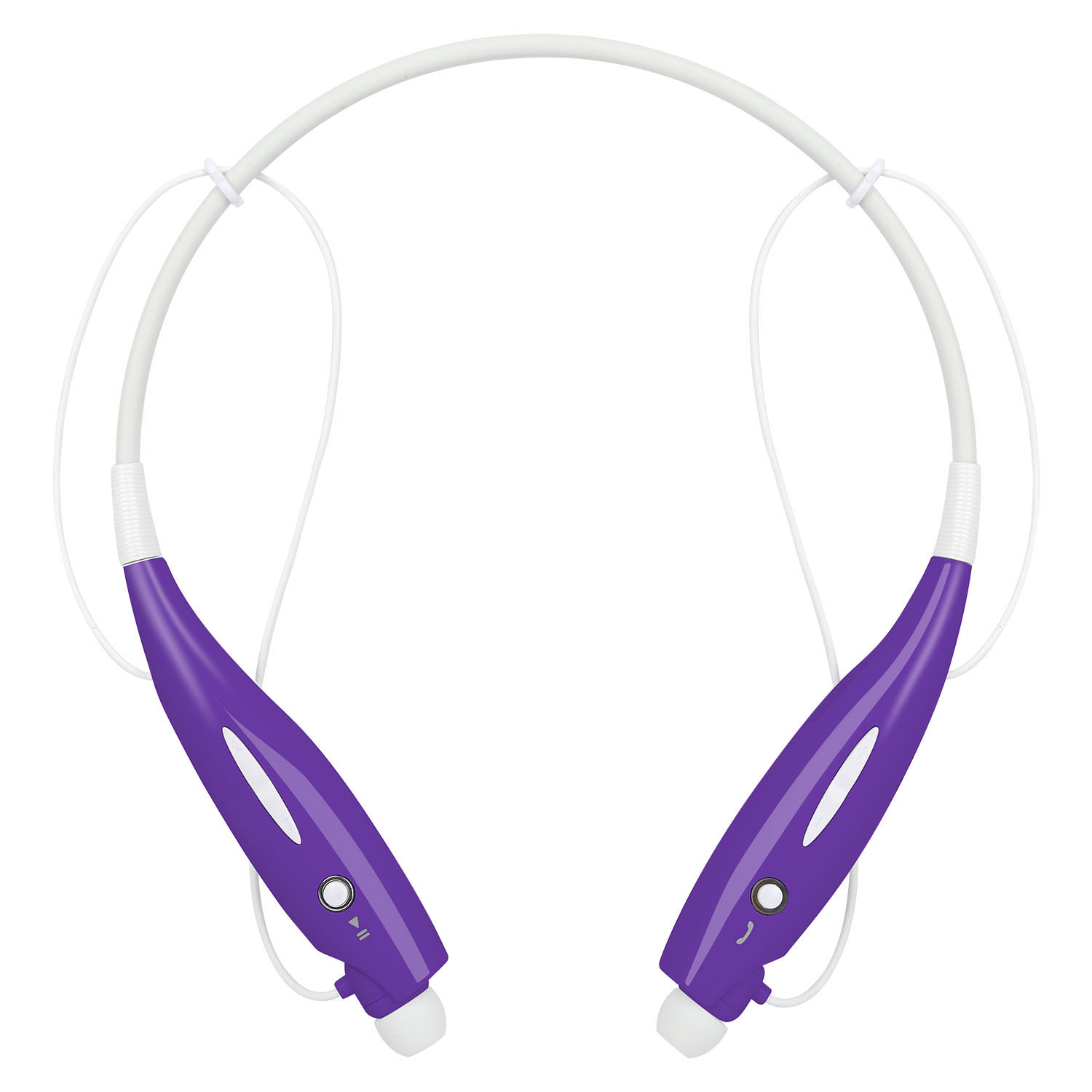 Wireless Stereo Headsets Sport Neckband Headphones In-ear Magnetic IPX4 Waterproof Earbuds With Built-in Mic Call Vibrate Alert Number Broadcast Running Gym$26.99View on Mallflare
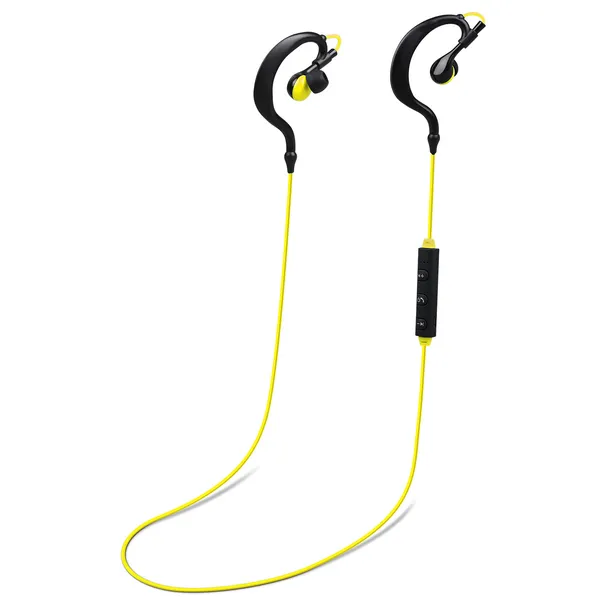 Wireless Headsets V4.1 Sport In-Ear Stereo Headphones Sweat-proof Neckband Earbuds$29.99View on Mallflare
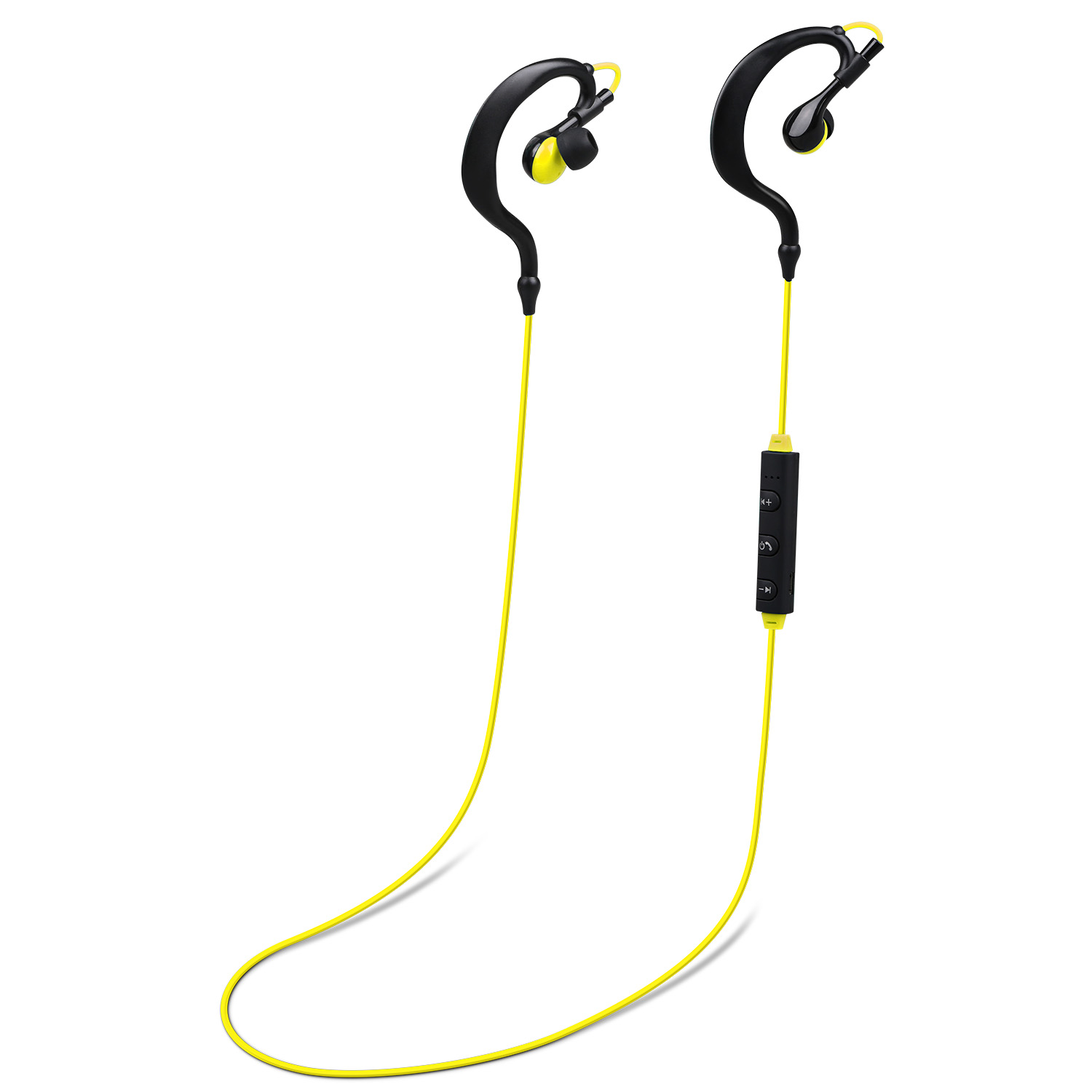 Wireless Headsets V4.1 Sport In-Ear Stereo Headphones Sweat-proof Neckband Earbuds With Mic Deep Bass HiFi Earphones For Running Hiking Travel$30.99View on Mallflare
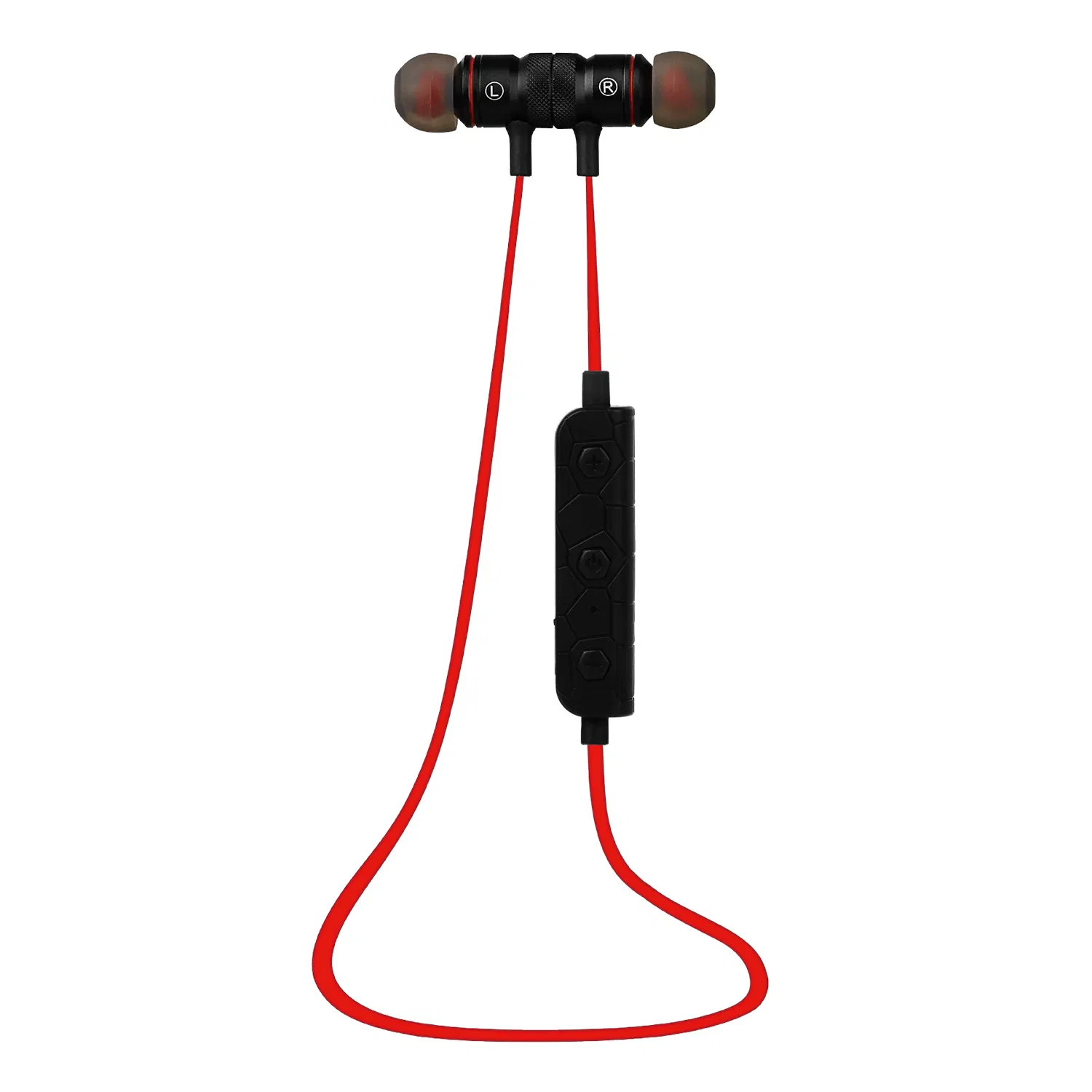 Wireless Headsets In-Ear Neckband Headphones Sweat-proof Sport Earbuds w/ Call Alert Number Broadcast$31.99View on Mallflare
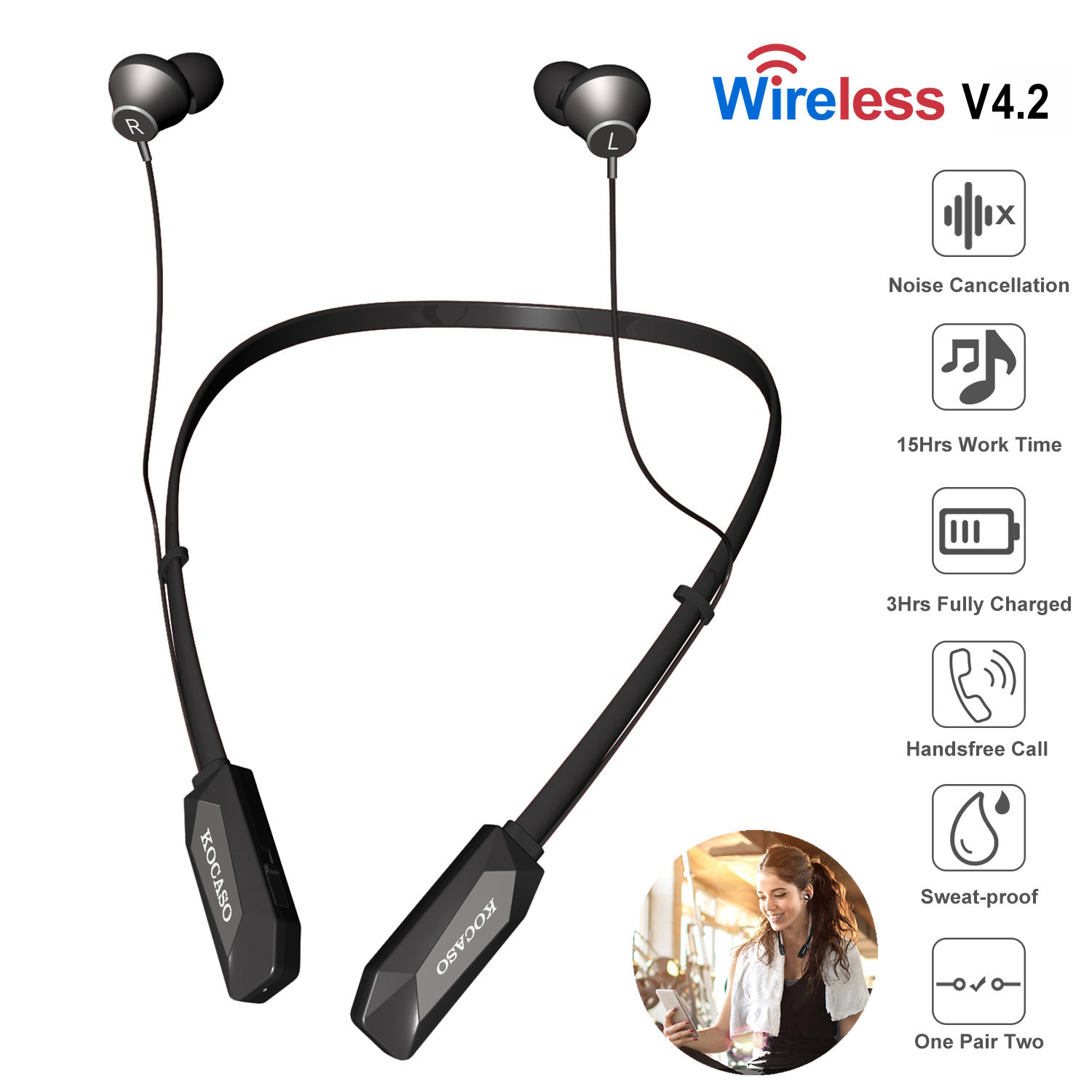 Black-Red Color Options -- 1Pc Wireless Neckband Headphones V4.2 Sweat-proof Sport Headsets Earbuds In-Ear Magnetic Neckbands Stereo Earphone Deep Bass With Mic 15Hrs Work Running Hiking$40.99View on Mallflare
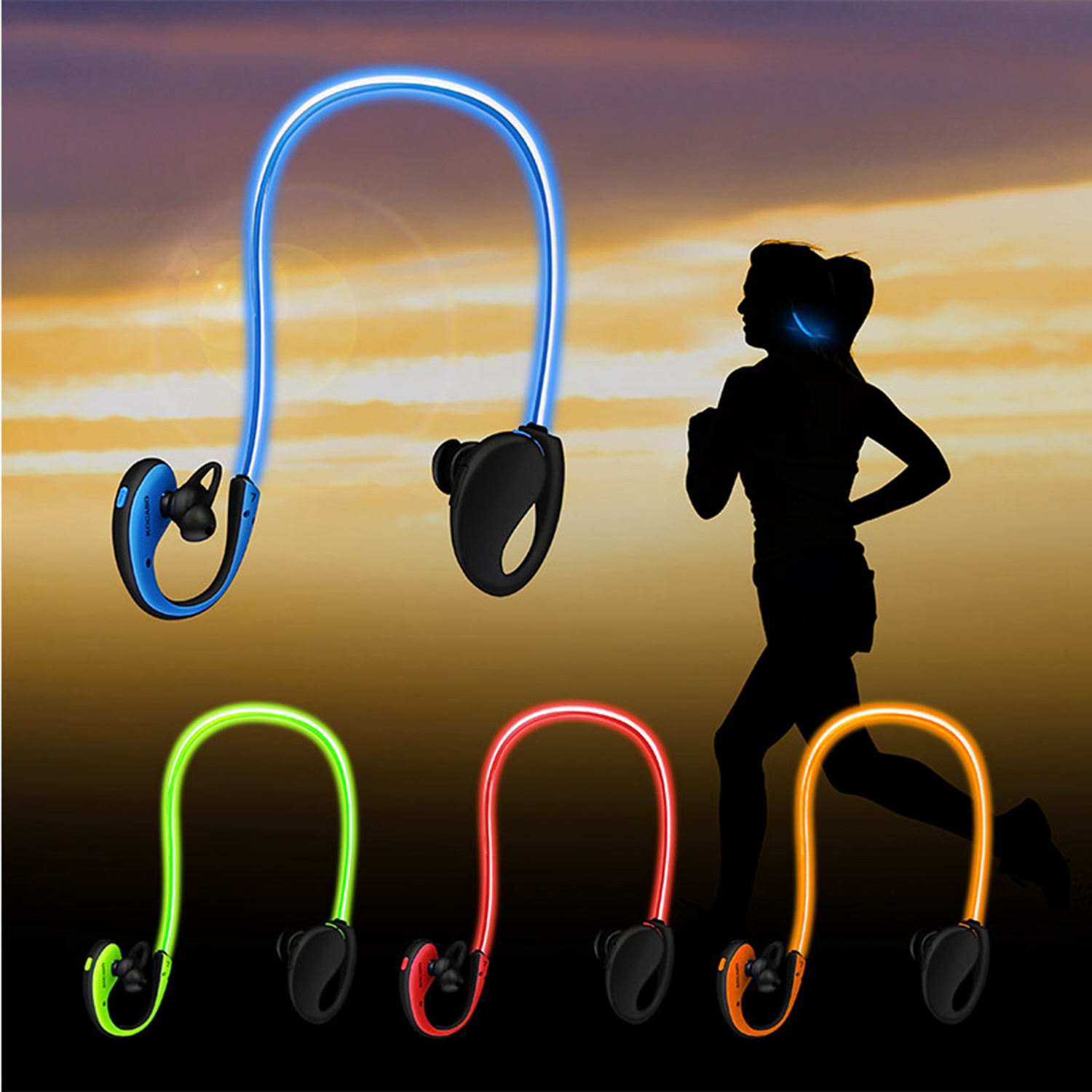 1Pc Wireless Sports Headsets V4.1 Neckband Earphones HD Stereo Sweat-proof Headphones Earbuds With LED Light Mic 8Hrs Work Running$41.99View on Mallflare
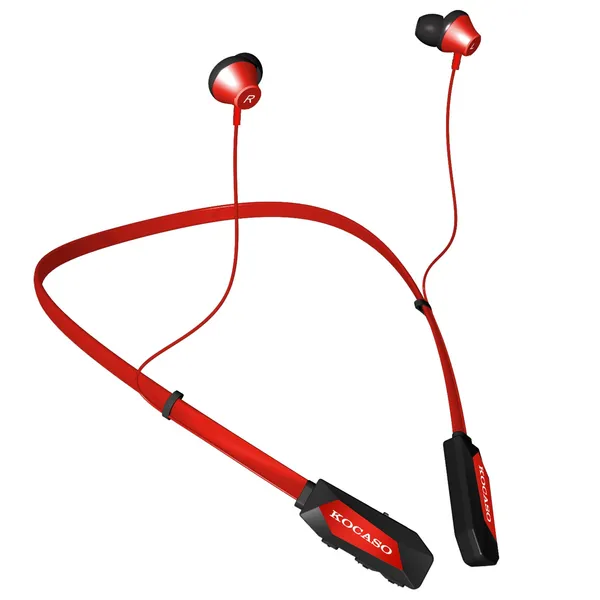 Wireless Neckband Headphones V4.2 Sweat-proof Sport Headsets Earbuds In-Ear Magnetic Neckbands Stereo Earphone$42.99View on Mallflare
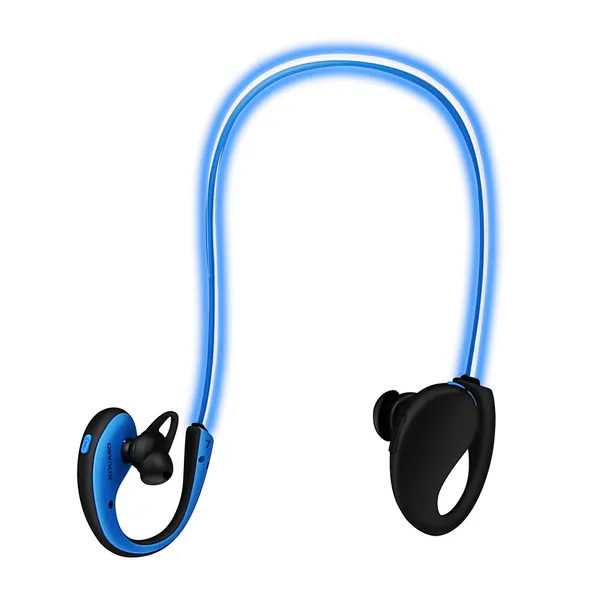 Wireless Sports Headsets V4.1 Neckband Earphones HD Stereo Sweat-proof Headphones Earbuds$43.99View on Mallflare
Highlights
- Bluetooth version dictates battery life and connection stability: 4.1/4.2 models typically deliver 6–10 hours and higher latency; 5.0/5.2 models deliver 15–20+ hours and multipoint.
- Water-resistance ratings matter: IPX4 handles sweat and light rain; IPX5+ survives heavier exercise; unrated models fail quickly from perspiration in the ear nozzles.
- Battery capacity in mAh translates directly to runtime: 120–150 mAh gives roughly 8–10 hours; 200–300 mAh gives 15–20+ hours, with fast-charge (10 min for 2–4 hours) appearing on USB-C tiers.
- Magnetic earbud housings and vibration call alerts are practical running features; absence of magnets makes cable management and pause-on-separate difficult.
Best use cases
- Best fit for runners and gym users: pick IPX5+ with magnetic earbuds and Bluetooth 5.x; skip unrated or IPX4-only models if you sweat heavily or train outdoors in rain.
- Best fit for all-day office and commute: choose a 200 mAh+ battery tier with multipoint pairing and USB-C; skip 100 mAh budget models that need daily charging.
- Best fit for calls and driving: select models with vibration alert and number broadcast plus dual-mic noise reduction; skip single-mic budget models for noisy environments.
- Wrong fit for critical listening or wired-only devices: neckbands add compression and latency; skip if you need zero-latency monitoring or a 3.5mm-only source without Bluetooth.
Buying tips
- Buy Bluetooth 5.0 or newer: it cuts latency to roughly 100–200 ms, improves range to 10 m, and enables multipoint; Bluetooth 4.x is a red flag for battery and call quality.
- Match IP rating to activity: IPX4 for light sweat and commuting, IPX5/IPX6 for heavy sweat, rain, and gym; unrated neckbands are indoor-only and fail at the earbud nozzle first.
- Check battery math: a 200–300 mAh cell delivers 15–20 hours at moderate volume; a 120–150 mAh cell delivers 8–10 hours, so pick by your longest day away from a charger.
- Prefer USB-C with fast charge over micro-USB: it reverses plug orientation, standardizes cables, and 10-minute top-ups add 2–4 hours on modern chipsets.
Specs
| Bluetooth Version | 5.0+ (avoid 4.x for battery) |
|---|---|
| Water Resistance | IPX4 sweat / IPX5+ heavy sweat |
| Battery Runtime | 8–10 hr (150mAh) vs 15–20 hr (300mAh) |
| Charging Port | USB-C preferred / micro-USB legacy |
Related searches
What to check before buying
- Confirm your phone supports your chosen Bluetooth codec tier—SBC/AAC is universal; aptX or LDAC requires matching source hardware and is not guaranteed on budget neckbands.
- Measure your neck and shoulder clearance: neckbands need 2–3 cm of slack so the band does not bounce during running or catch on collars and hoodies.
- Check ear tip compatibility: most neckbands use 10–12 mm nozzles; if you need foam or custom tips, verify the nozzle diameter matches your existing tip collection.
- Verify charging standard and voltage: USB-C 5V input is standard; avoid models requiring proprietary docks, and confirm the cable is included if you do not own the right connector.
FAQ
Data sources: eBay / Amazon listings and product attribute feeds. Updated Nov 27, 2026.
Some links on this page are affiliate links. If you buy after clicking one, we may earn a commission at no extra cost to you. This does not change which products appear here or their order. Affiliate disclosure.