
Photos from current listings. Actual item, color, and included accessories may vary.
Portable USB Power Bank Buying Guide
A portable USB power bank is a rechargeable lithium-ion battery pack that delivers DC power through USB ports to phones, tablets, and laptops. The core trade-off is energy density versus charging speed: higher mAh capacity adds weight and volume, while higher wattage PD output (20W to 65W+) requires more robust cells and thermal design. Durable options use branded lithium-polymer or 21700 cells, USB-IF-certified PD controllers, and metal or flame-retardant housings; compromises use unbranded cells, inflated capacity claims, and plastic shells that crack at the port seams.
Median $42.99
Key takeaways
- USB Power Delivery 3.0 (PD 3.0) is the compatibility baseline: 20W covers phones, 45W covers tablets and ultrabooks, and 65W+ is required for 13-14 inch laptops with USB-C charging.
- Real capacity is rated in mAh at 3.7V nominal; usable output at 5V is roughly 60-70% after conversion loss, so a 20000mAh pack delivers about 12000-14000mAh to a phone.
- Cell chemistry separates tiers: lithium-polymer pouches are lighter and thinner, while 18650/21700 cylindrical cells tolerate more charge cycles and heat but add bulk.
At a glance
- Category
- Chargers, Power Banks & Adapters
- Last updated
- Nov 29, 2026
Current offers
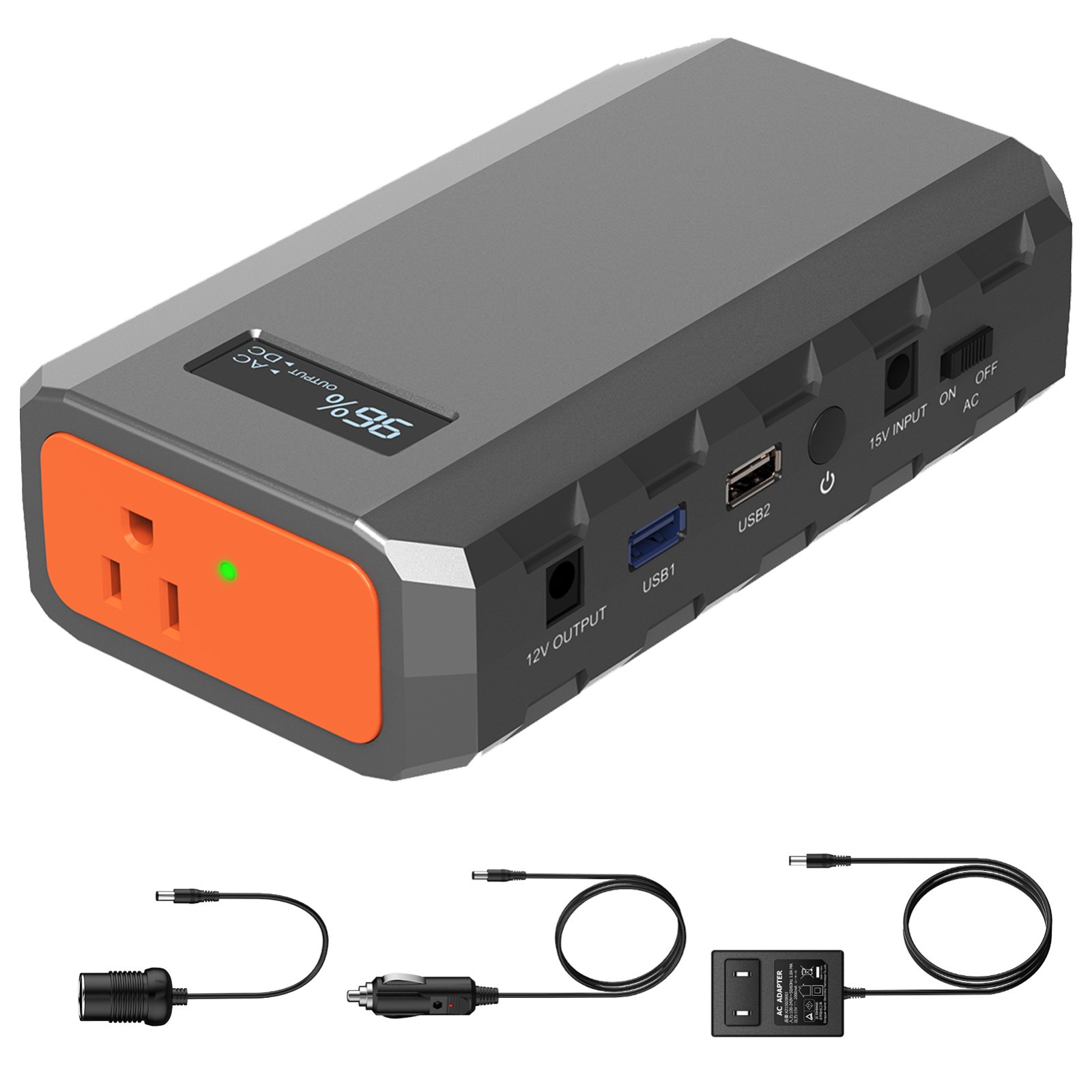 65W 88.8Wh Portable Power Bank for Home Travel Outdoor Backup USB Fast Charger$59.99View on eBay
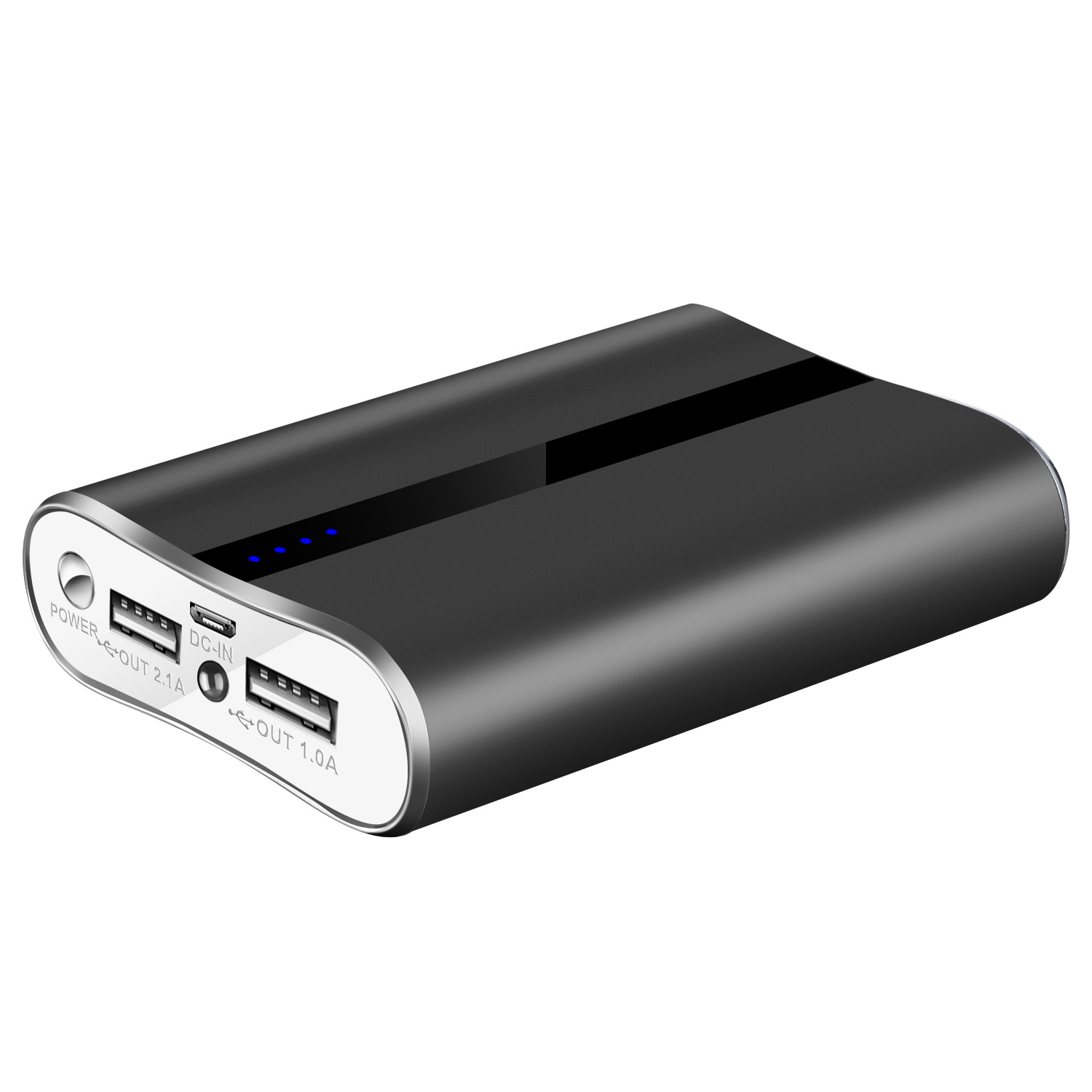 1Pc 12000mAh Portable Charger With Dual USB 3.1A Output Power Bank Ultra-Compact External Battery Pack Fast Charging$38.99View on Mallflare
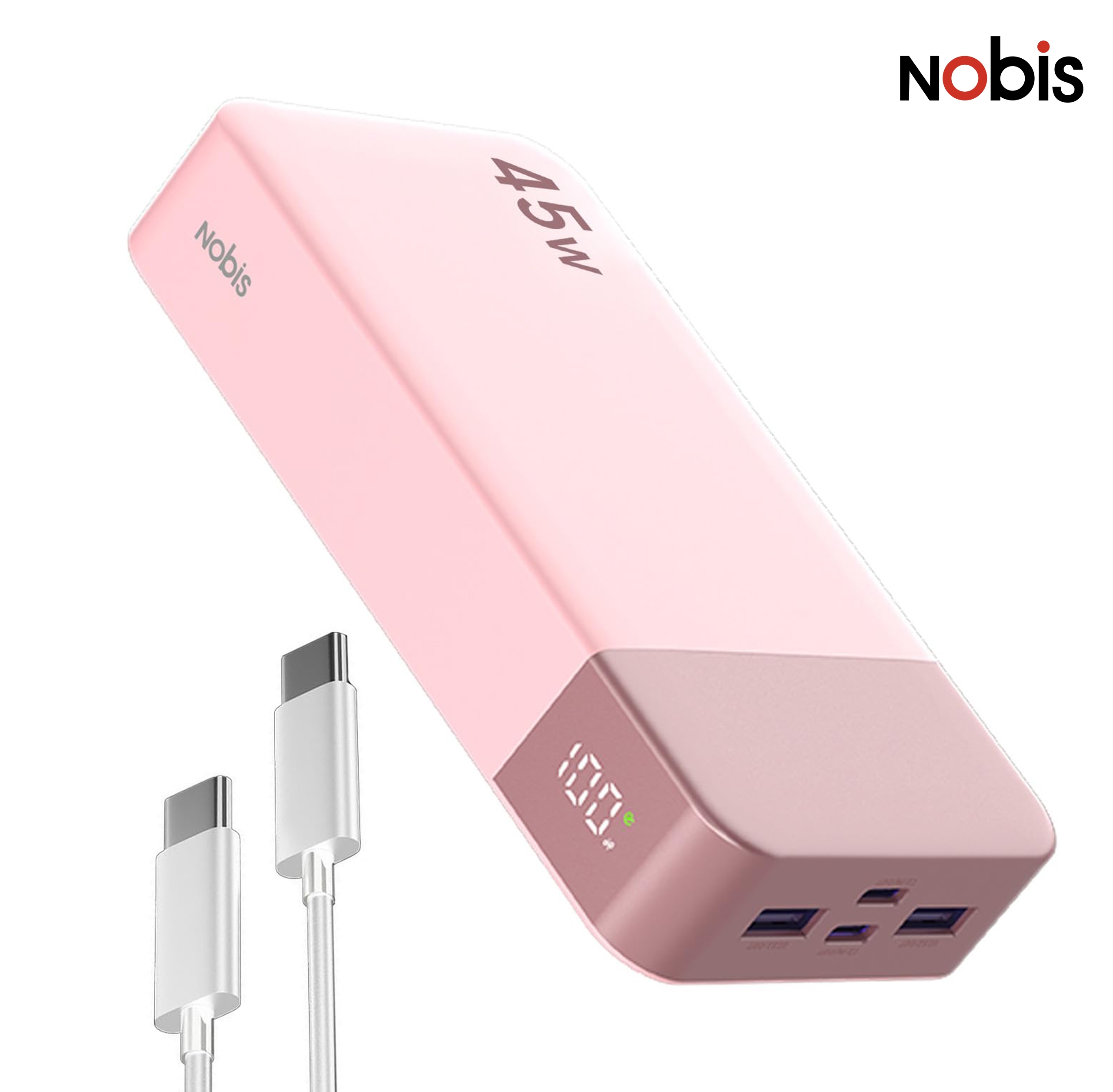 20000mAh Power Bank 45W PD USB-C Fast Charging Portable Charger, Multi Port Output Travel Large Capacity External Battery With Digital LED Display, Compatible Phone And Other USB Enabled Devices$38.99View on Mallflare
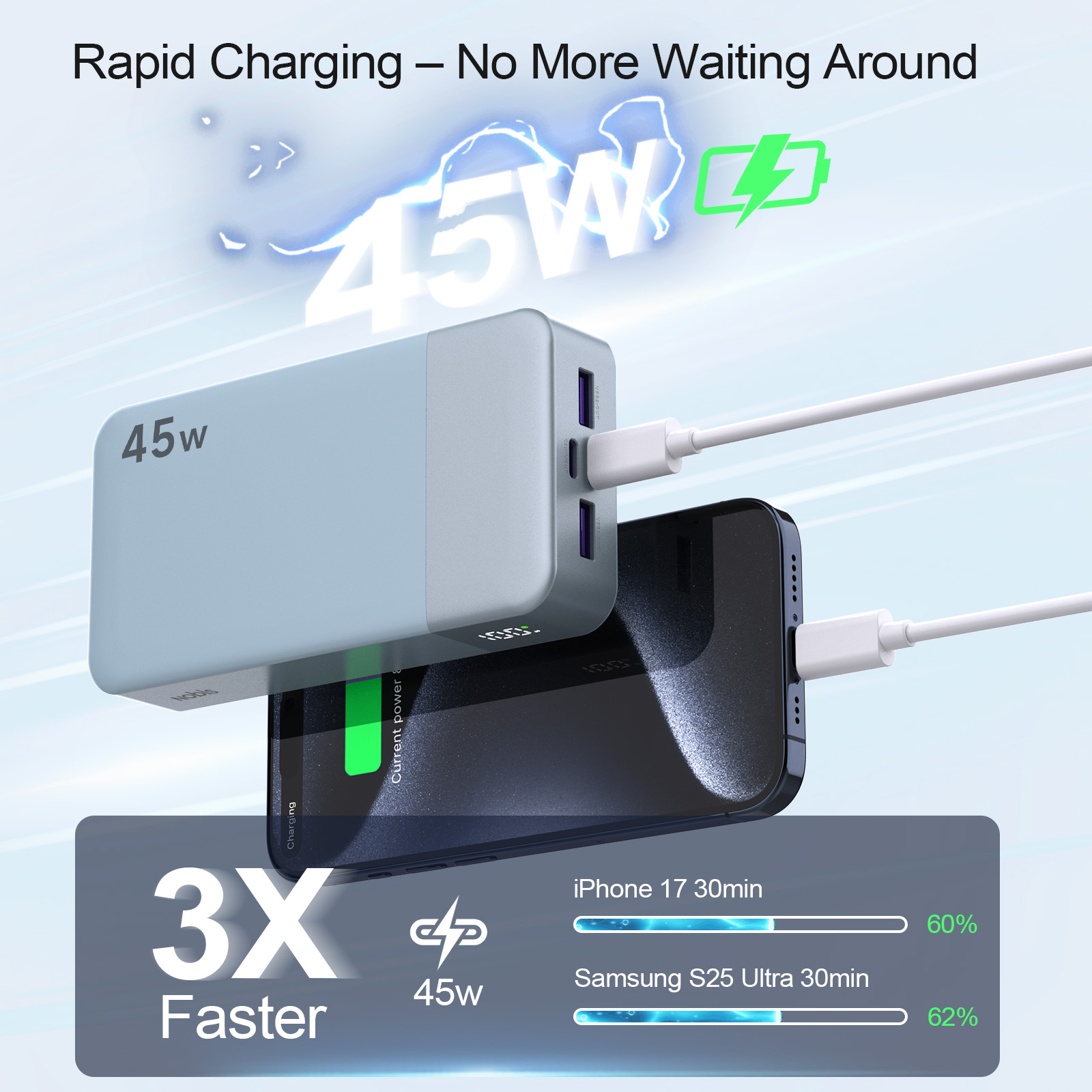 N OBIS 45W Fast Charging Power Bank 20000mAh Laotop Travel Essential Portable Cell Phone Charger With USB-C Input And Output$38.99View on Mallflare
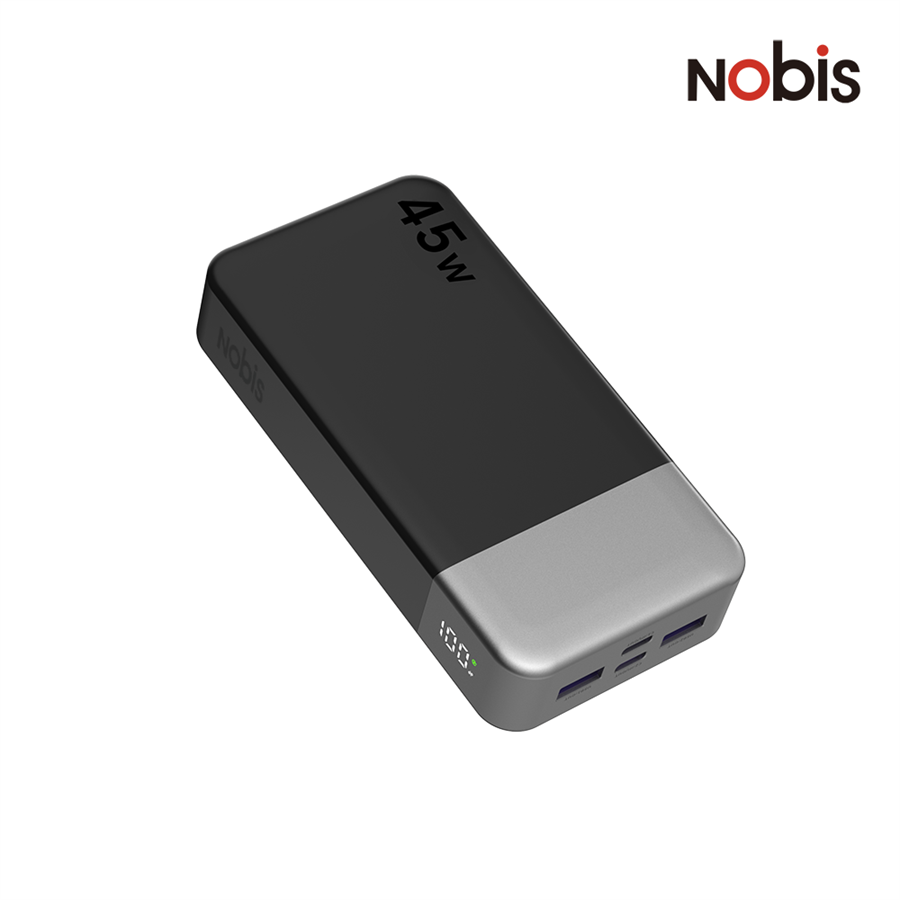 20000mAh Portable Charger High Capacity External Battery 45W PD 3.0 Fast Charging Travel Power Bank With Smart Digital Display And Trickle Mode For Mobile Phone, 2 USB-C And 2 USB-A Ports$38.99View on Mallflare
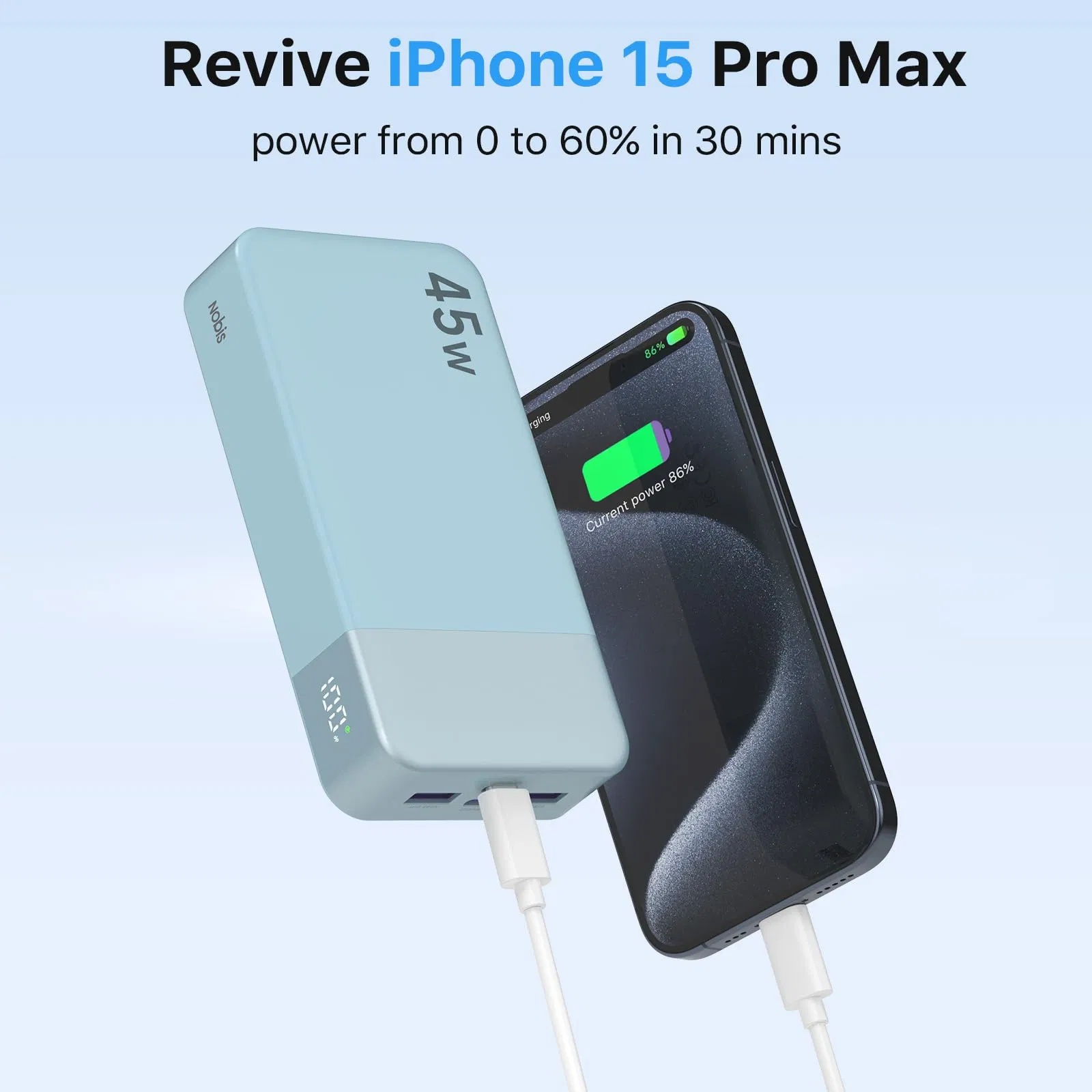 NOBIS 45W Fast Charging Power Bank 20000mAh Laotop Travel Essential Portable Cell Phone Charger With USB-C Input And Output$40.99View on Mallflare
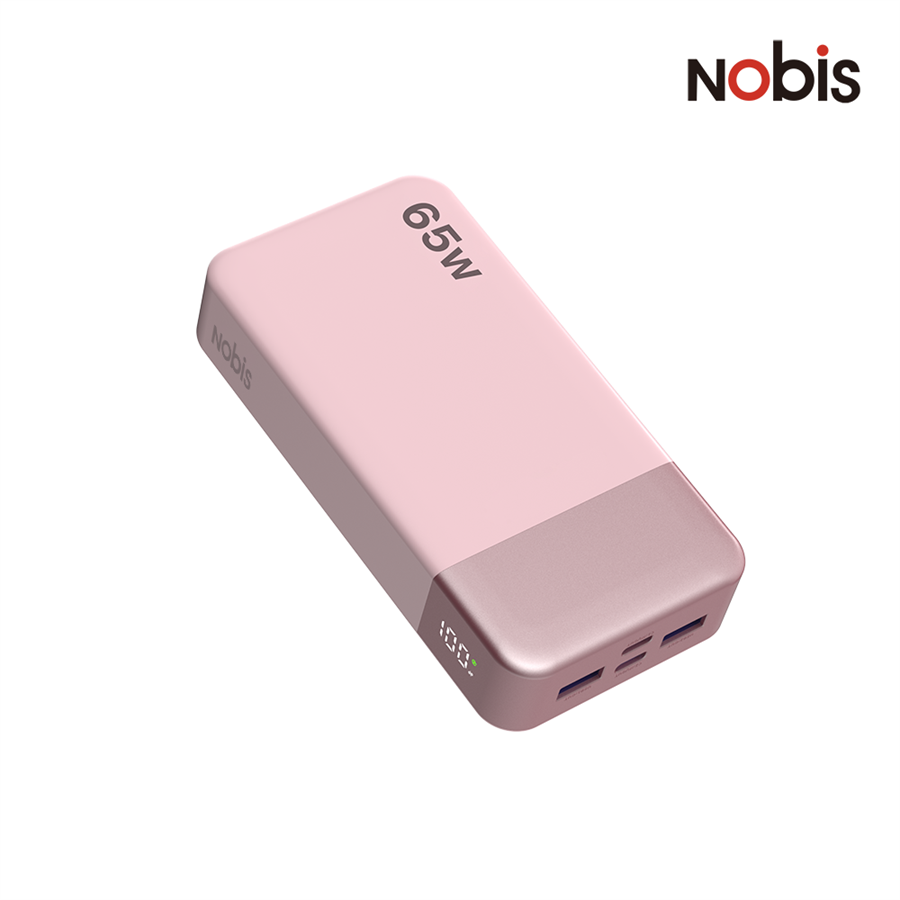 NOBIS 20000mAh Portable Charger High Capacity External Battery 65W PD 3.0 Fast Charging Travel Power Bank For Laptop And Mobile Phone, 2 USB-C And 2 USB-A Ports, Digital Display & Low-current Mode$42.99View on Mallflare
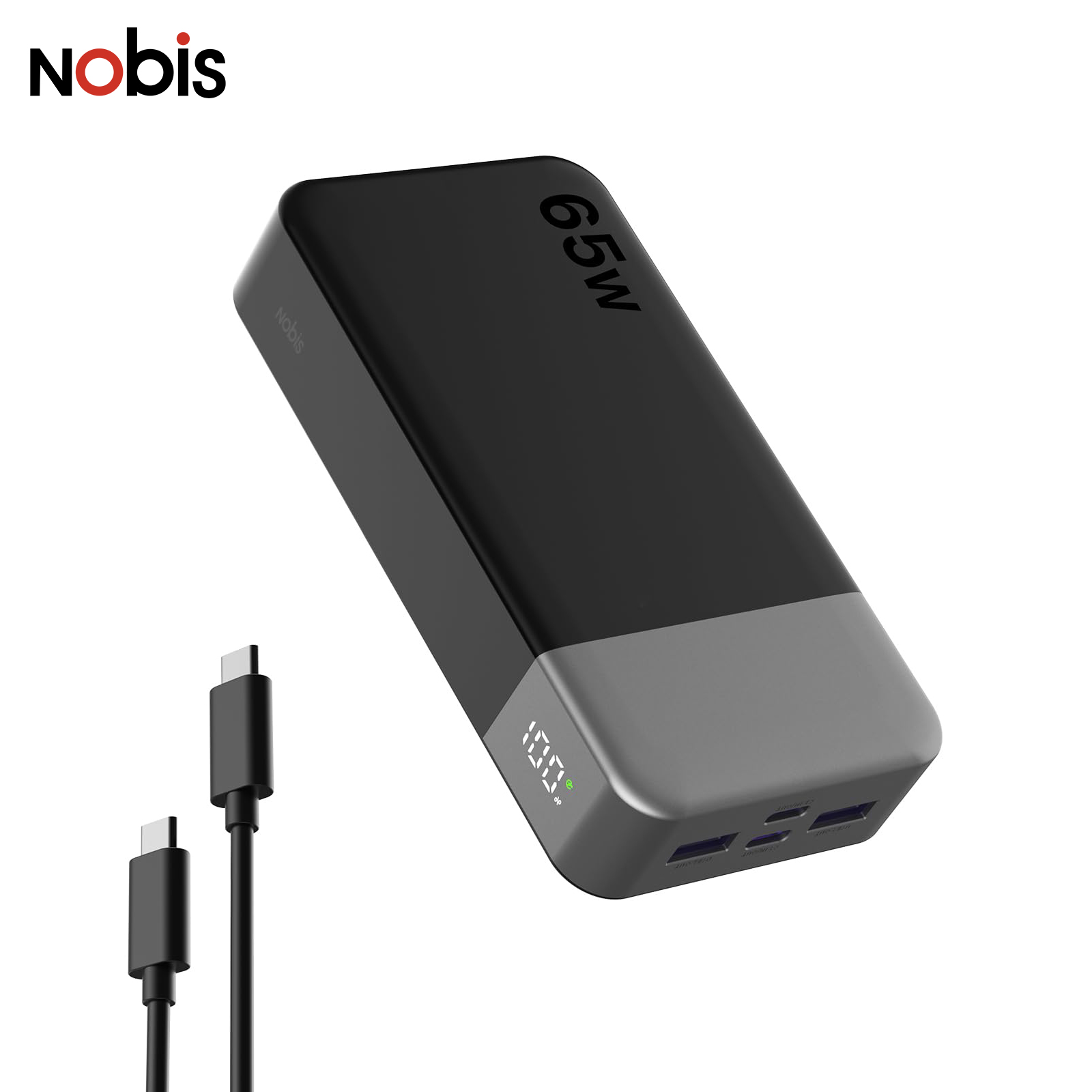 20000mAh 65W PD Portable Charger Power Bank, High Capacity USB C Fast Charging External Battery, Led Digital Display Support For Laptop, Cell Phones, Tablets$42.99View on Mallflare
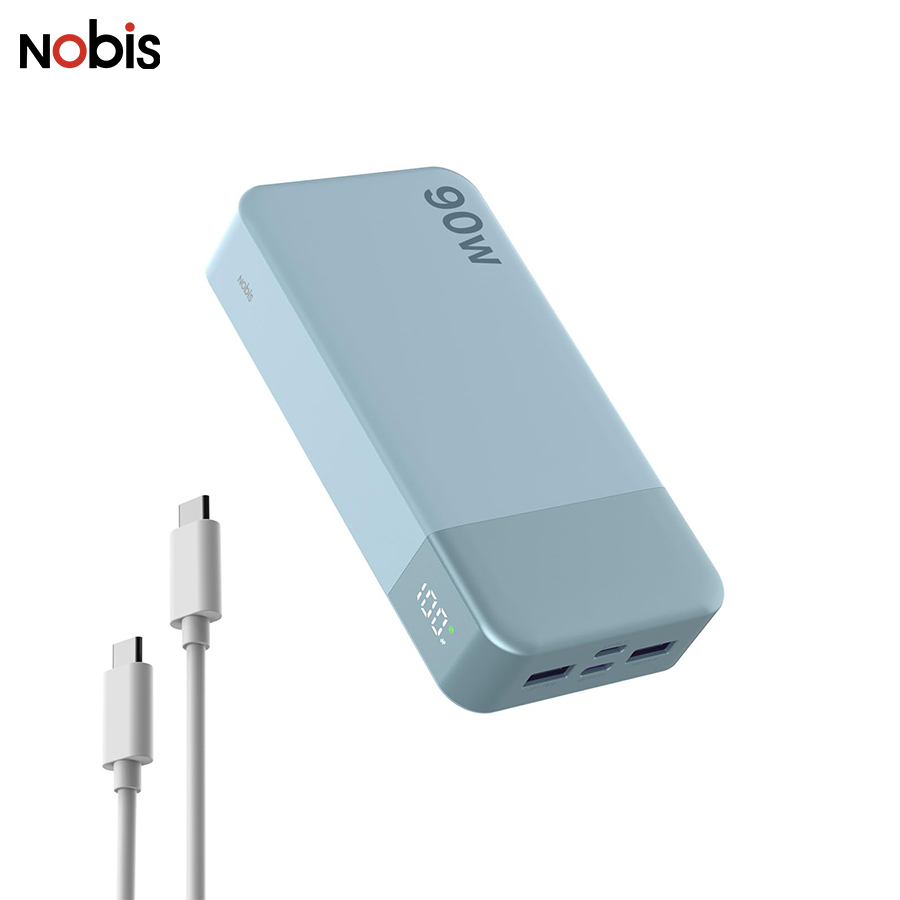 90W USB-C PD Fast Charging 20000mAh Large Capacity Portable Charger Power Bank, External Battery Pack With Digital LED Display, Support Charge Smartphone, Tablet, Laptop, Phone$46.99View on Mallflare
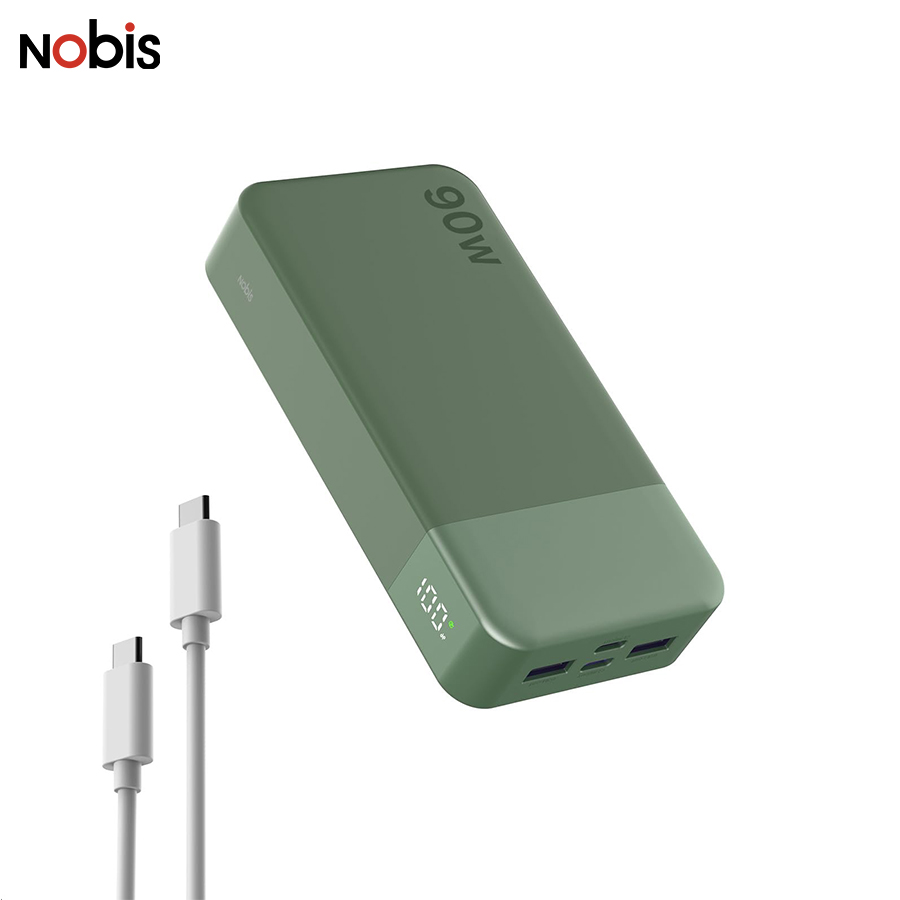 20000mAh Portable External Battery Pack Power Bank, 90W PD USB C High Speed Fast Charging Powerbank, Multi-Port Output For Simultaneous Smart Digital Display, For Laptops And Phones$46.99View on Mallflare
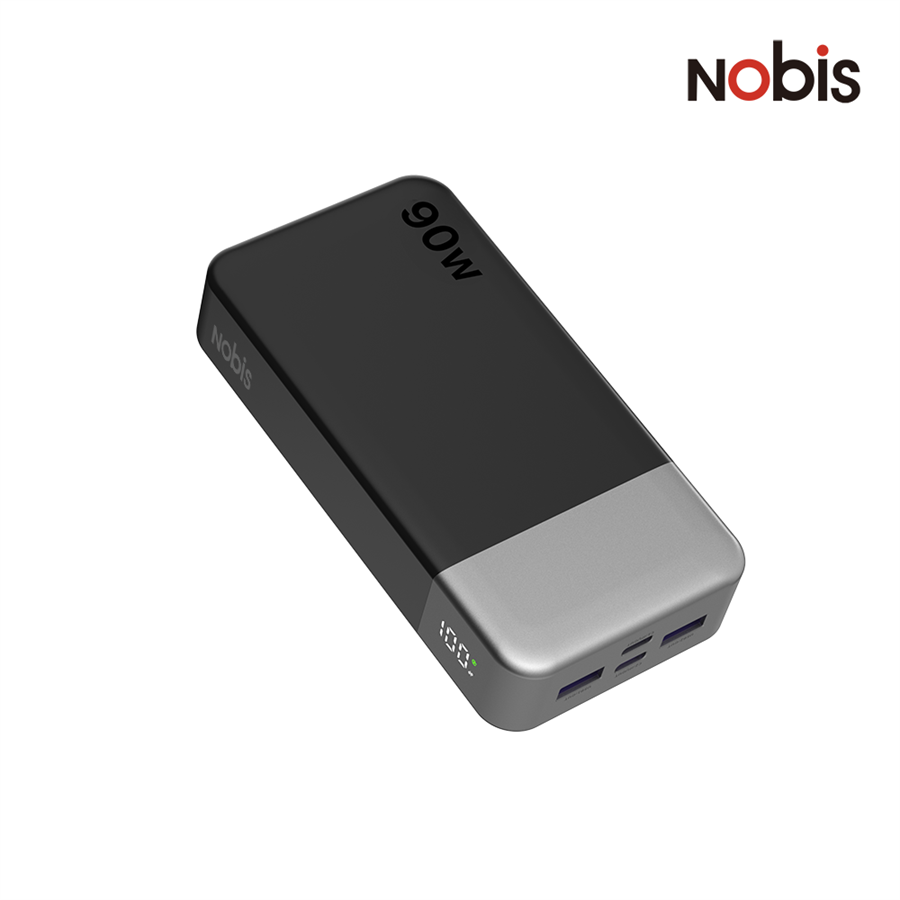 20000mAh Powerbank 90W Fast Charging Portable Charger Power Bank With Smart LED Display & Low-Current Mode, Works USB-C Laptops, Notebooks, Tablets, Handheld Game Consoles, Drones, And Phones$46.99View on Mallflare
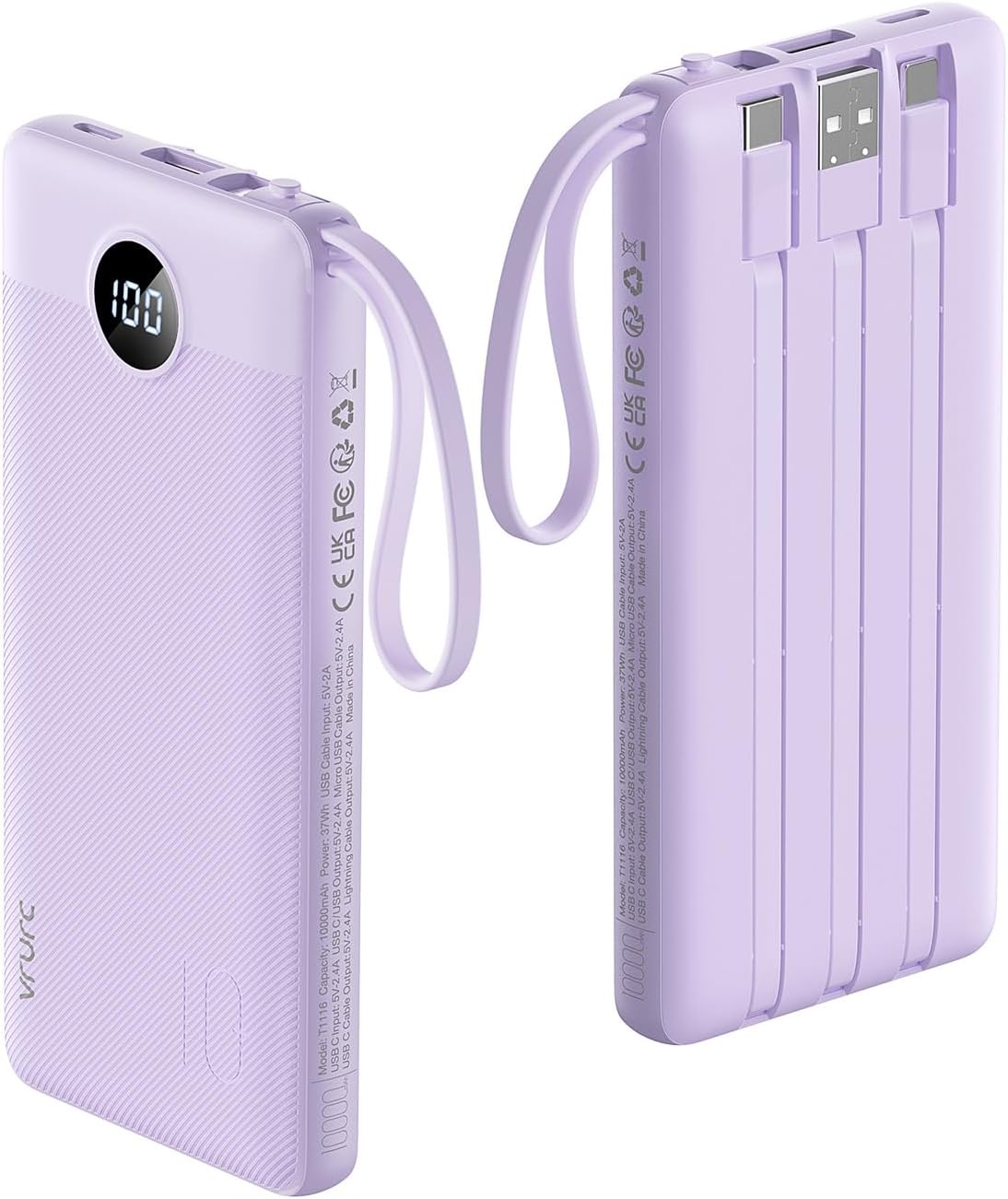 Portable Power Bank With 4 Built-In Charging Cables, Compact Rechargeable External Battery Pack Multiple Connections, Flight-Safe Travel Charger For Smartphones, Tablets, And Other USB D$80.99View on Mallflare
Highlights
- USB Power Delivery 3.0 (PD 3.0) is the compatibility baseline: 20W covers phones, 45W covers tablets and ultrabooks, and 65W+ is required for 13-14 inch laptops with USB-C charging.
- Real capacity is rated in mAh at 3.7V nominal; usable output at 5V is roughly 60-70% after conversion loss, so a 20000mAh pack delivers about 12000-14000mAh to a phone.
- Cell chemistry separates tiers: lithium-polymer pouches are lighter and thinner, while 18650/21700 cylindrical cells tolerate more charge cycles and heat but add bulk.
- Port architecture matters: USB-C PD input/output enables fast recharging of the bank itself, while dual USB-A ports support legacy devices; pass-through charging and low-current/trickle mode protect earbuds and watches.
Best use cases
- Pocket carry for phone top-ups: choose a 4500-10000mAh pack with 20W USB-C PD and an integrated cable; skip 20000mAh packs, which are too heavy for a pocket and unnecessary for one phone charge.
- Commuter and travel kit for phone plus tablet: pick a 10000-20000mAh pack with 30-45W PD and at least one USB-C plus one USB-A port; skip 65W units unless you also carry a laptop.
- Laptop-capable travel power: select a 20000mAh pack rated 65W or higher on the USB-C port with PD 3.0; skip 45W models for 14-inch laptops that draw 60-65W under load, as they will charge slowly or not at all.
Buying tips
- Size by device battery, not marketing: a phone with a 4500mAh battery needs about 5000mAh of bank capacity per full charge after conversion loss; a 13-inch laptop with a 60Wh battery needs a 20000mAh (74Wh) pack for one full charge.
- Match wattage to the device's maximum accepted charge rate: 20W for phones, 30-45W for tablets, 65W for ultrabooks; a higher-wattage bank will not damage a lower-wattage device because PD negotiates voltage and current.
- Check the USB-C port is bidirectional (input and output); banks with output-only USB-C recharge slowly through micro-USB and take twice as long to top up.
- Prioritize metal or flame-retardant polycarbonate housings and explicit UN38.3, CE, and FCC marks; unbranded plastic shells with no certification are the most common failure and safety risk.
Specs
| Capacity Tier | 4500 / 10000 / 20000 mAh |
|---|---|
| USB-C PD Output | 20W / 45W / 65W |
| Cell Chemistry | Li-polymer vs 18650/21700 |
| Housing Material | Plastic / carbon fiber / metal |
Related searches
What to check before buying
- Measure your device's battery in mAh or Wh and confirm the bank's rated output at 5V, not just the cell capacity printed on the label.
- Confirm your device charges over USB-C PD and check its maximum input wattage; buy a bank that meets or exceeds it on the USB-C port.
- Verify the bank's own recharge input (USB-C PD 18W+ preferred) and whether you need to supply a charger and cable separately.
- Check airline carry-on rules: lithium batteries must be under 100Wh (about 27000mAh) for carry-on; 20000mAh (74Wh) is compliant worldwide.
FAQ
Data sources: eBay / Amazon listings and product attribute feeds. Updated Nov 29, 2026.
Some links on this page are affiliate links. If you buy after clicking one, we may earn a commission at no extra cost to you. This does not change which products appear here or their order. Affiliate disclosure.