
Photos from current listings. Actual item, color, and included accessories may vary.
Oculus Rift 2 Buying Guide
The original Oculus Rift (CV1) is a discontinued PC-tethered VR system, and there is no consumer product called \"Oculus Rift 2\" — Meta replaced the Rift line with the standalone Quest series and the short-lived Rift S. Buyers searching this term face a real fork: hunt down legacy CV1 hardware with external sensors and outdated software support, or step up to a current-generation headset that delivers the same PC-VR experience with inside-out tracking. The decision rule is simple — only buy CV1 for a specific legacy-use case with a known-good PC and Windows setup; every general shopper should skip it and choose a modern PC-capable headset.
Median $74.98
Key takeaways
- Oculus Rift CV1 is a PC-tethered headset with two external constellation-tracking sensors, a 2160×1200 combined OLED display (1080×1200 per eye), and 90 Hz refresh.
- The CV1 ships with Touch controllers plus a separate Xbox One gamepad and remote; full room-scale needs a third sensor sold separately, and USB port requirements are demanding (multiple USB 3.0 ports).
- There is no Rift 2: Meta's actual successor paths are the Rift S (inside-out tracking, 2560×1440 LCD, 80 Hz) and the standalone Quest line, which also works as a PC VR headset via Link or Air Link.
At a glance
- Category
- VR Gaming Hardware & Accessories
- Last updated
- Nov 28, 2026
Current offers
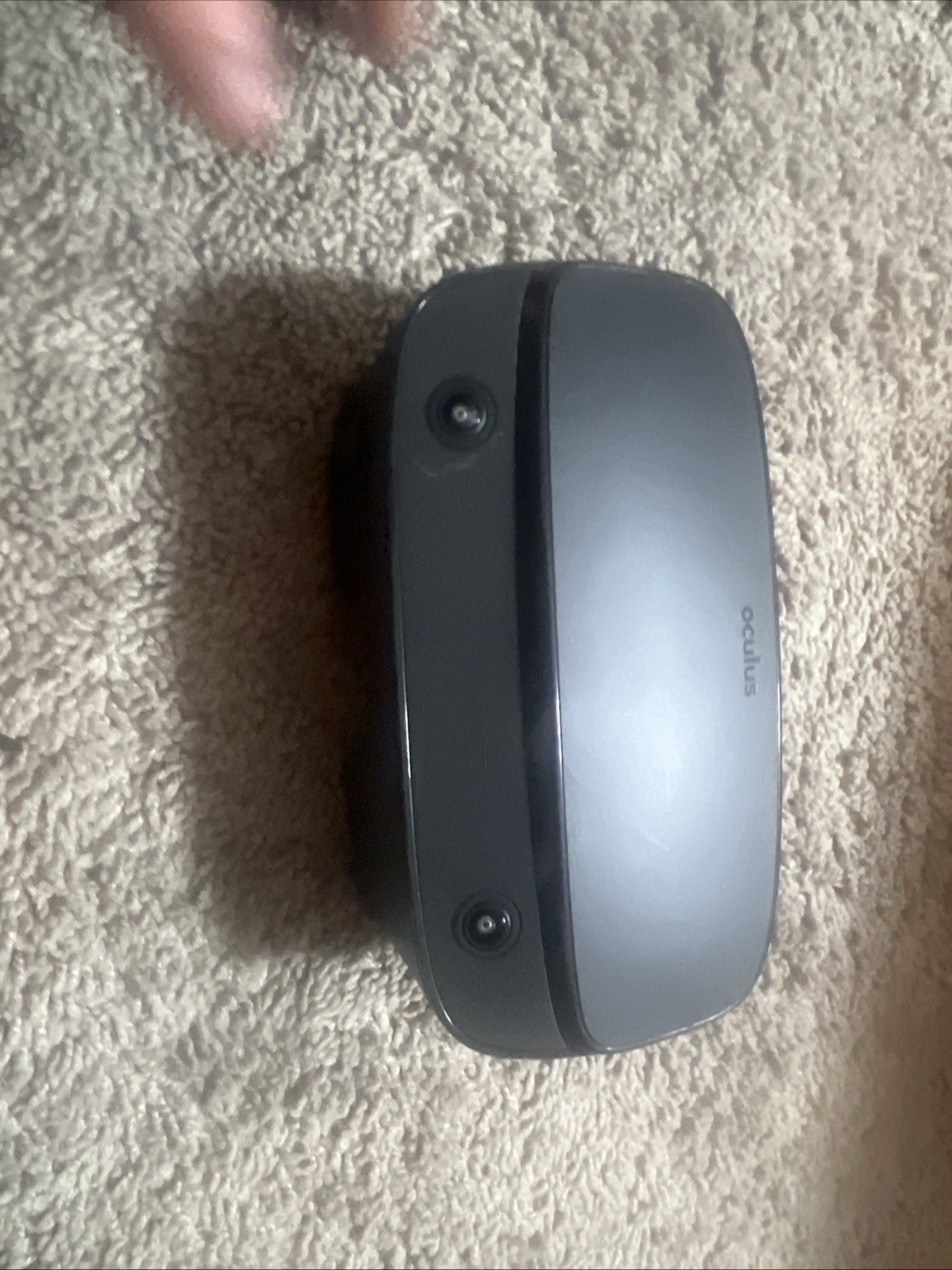 Oculus Rift S PC Powered VR Gaming Headset ONLY$8.99View on eBay
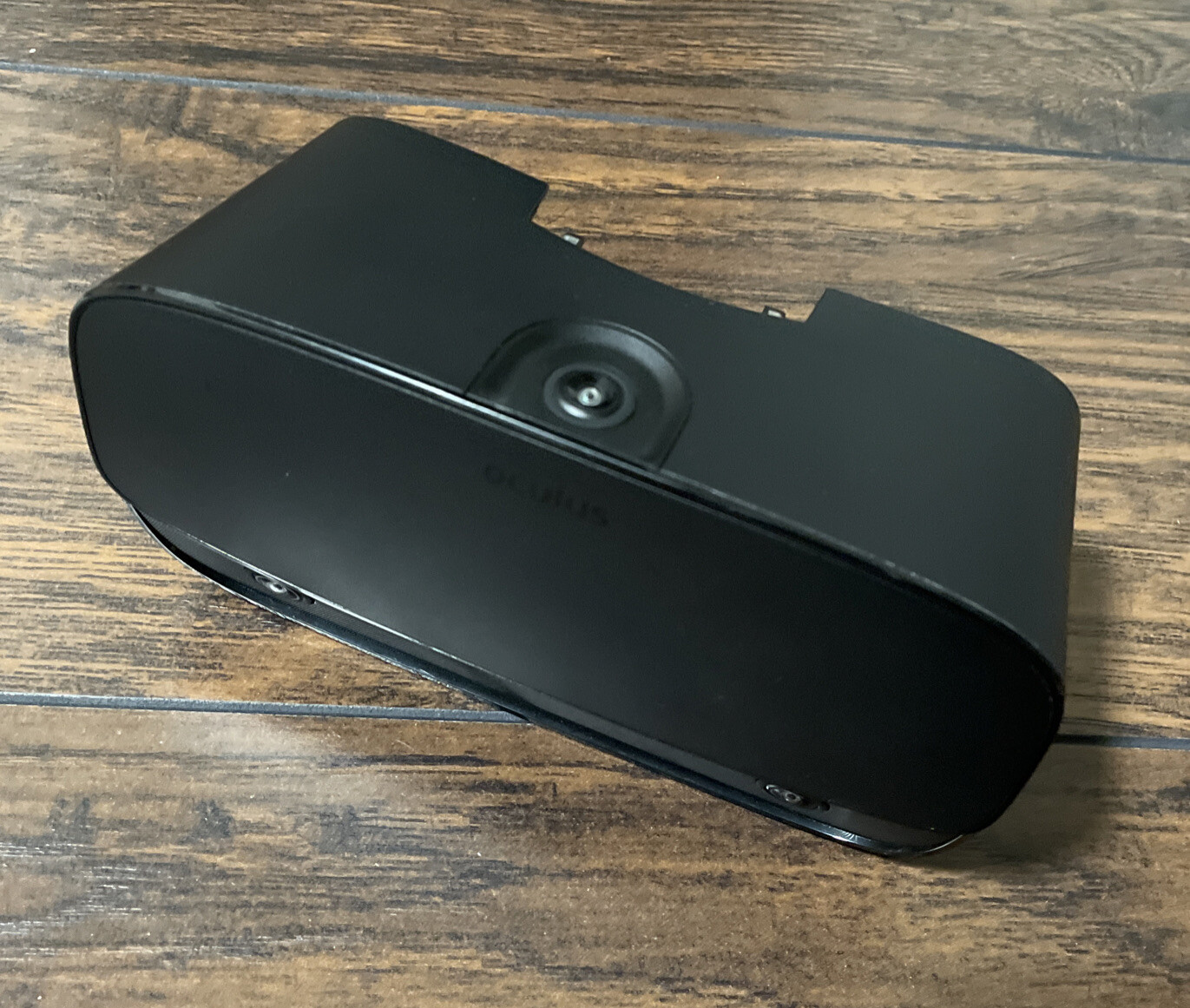 Oculus Rift S PC Powered VR Gaming Headset ONLY$11.95View on eBay
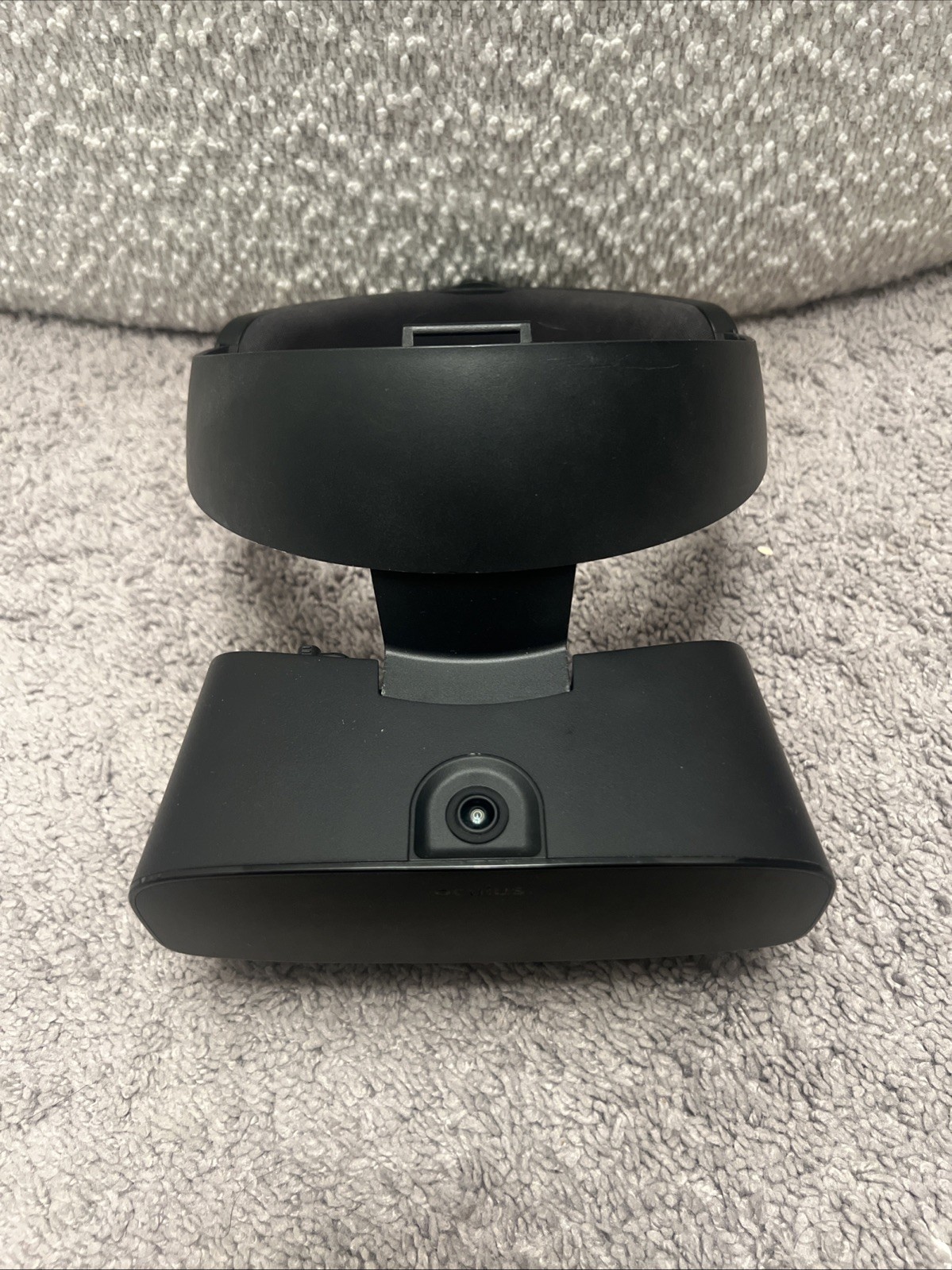 Oculus Rift S PC-Powered VR Gaming Headset ONLY Tested$13.99View on eBay
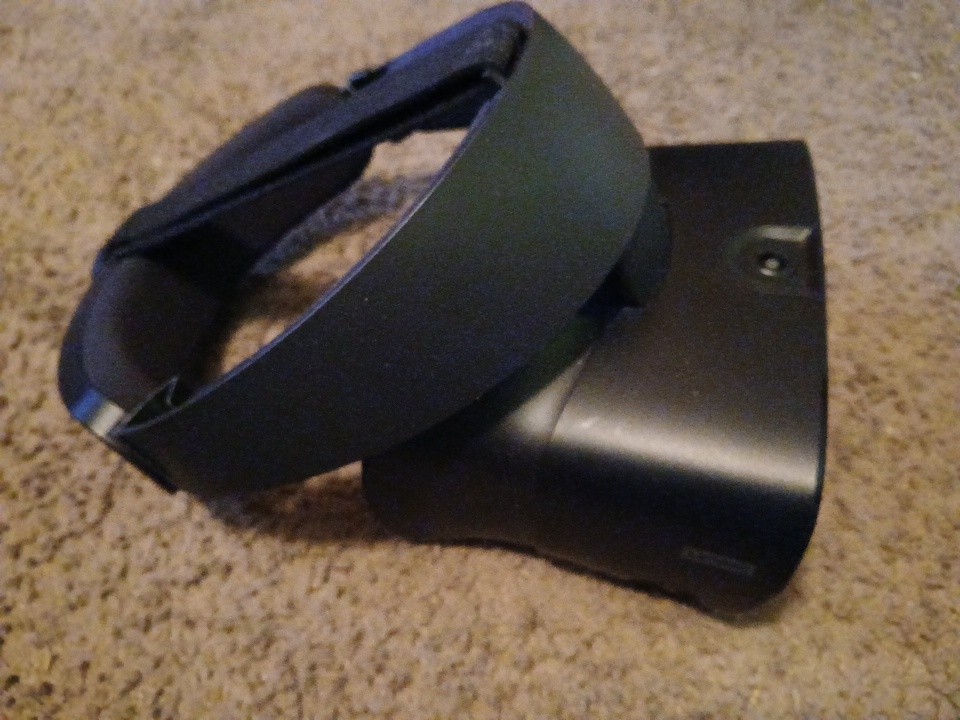 Oculus Rift S PC Powered VR Gaming Headset ONLY - No Controllers or Cables$28.99View on eBay
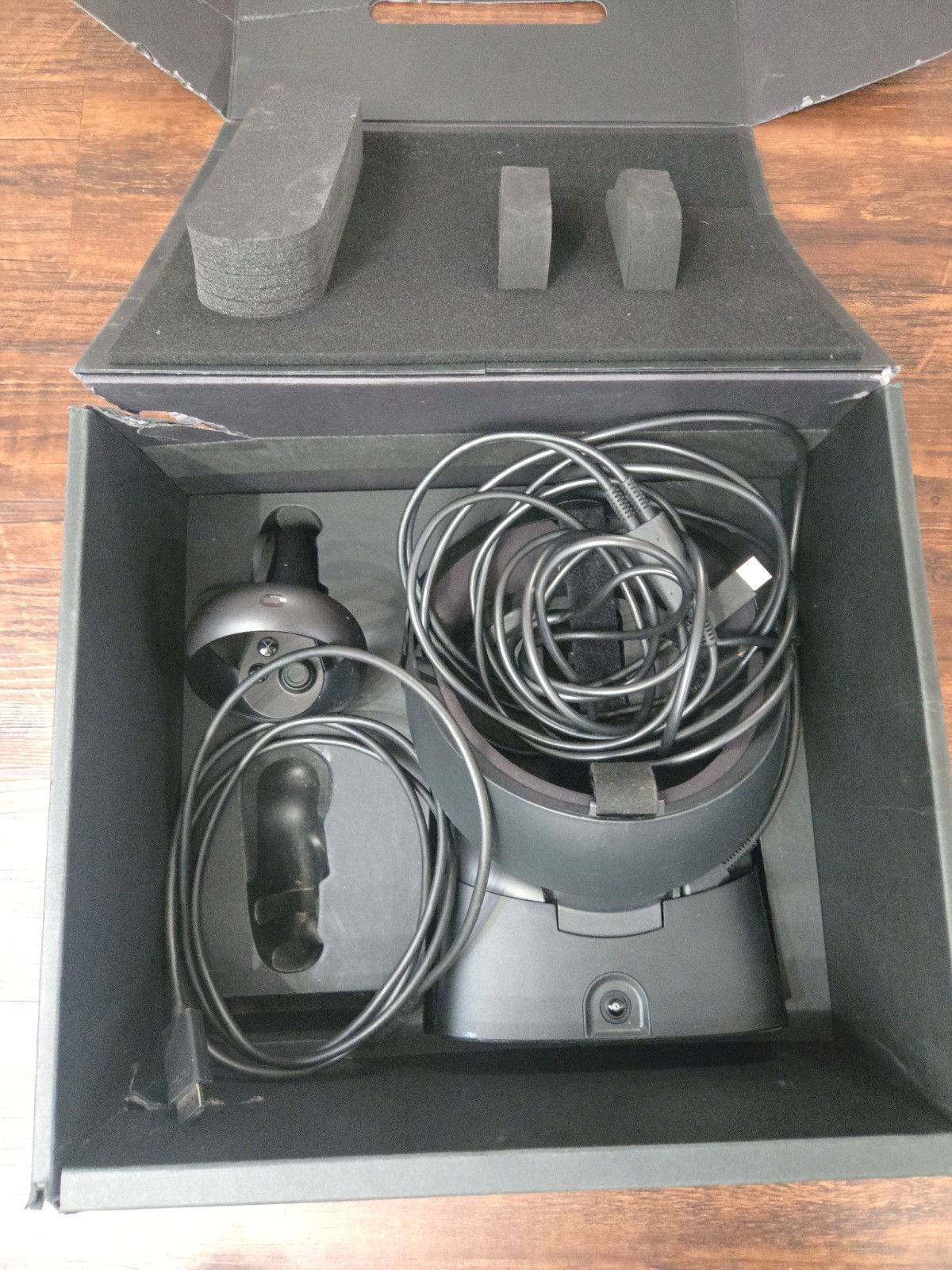 Oculus Rift S PC-Powered VR Gaming Headset - Black *1 Controller Preowned$68.88View on eBay
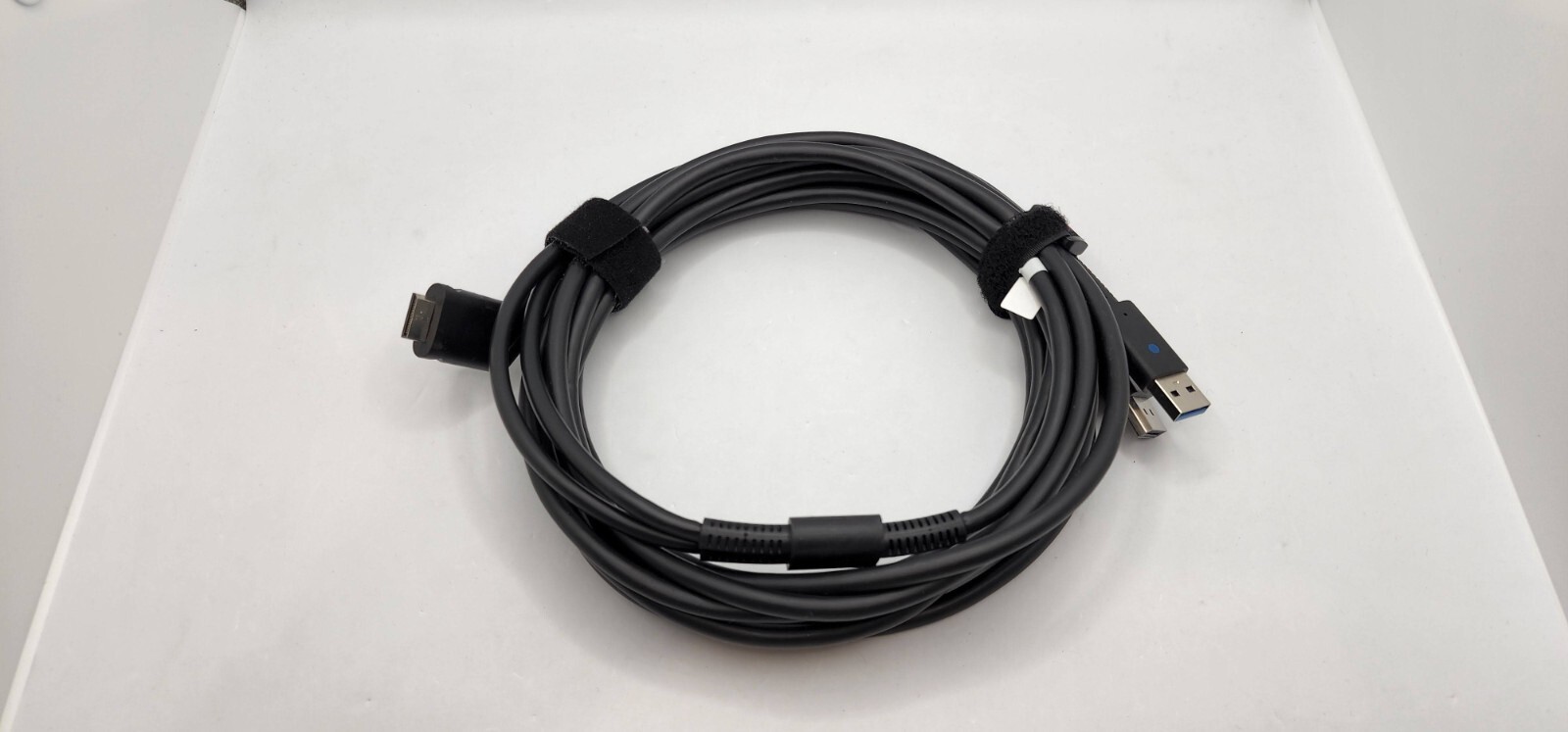 Oculus Rift S PC-Powered VR Gaming Headset Wired CABLE ONLY (Only For Rift S)$69.95View on eBay
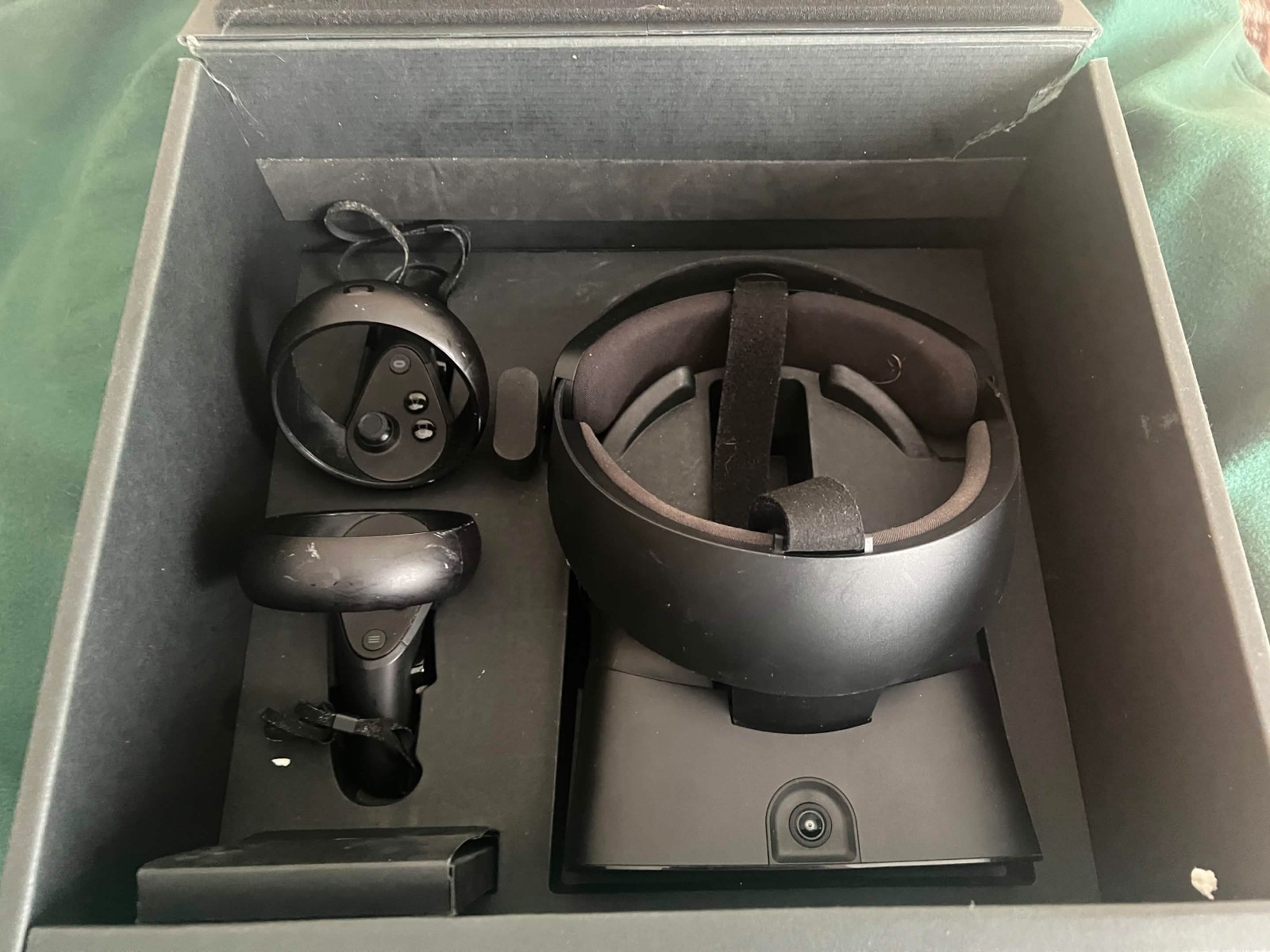 CABLE NOT INCLUDED Oculus Rift S PC-Powered VR Gaming Headset - Black$80.00View on eBay
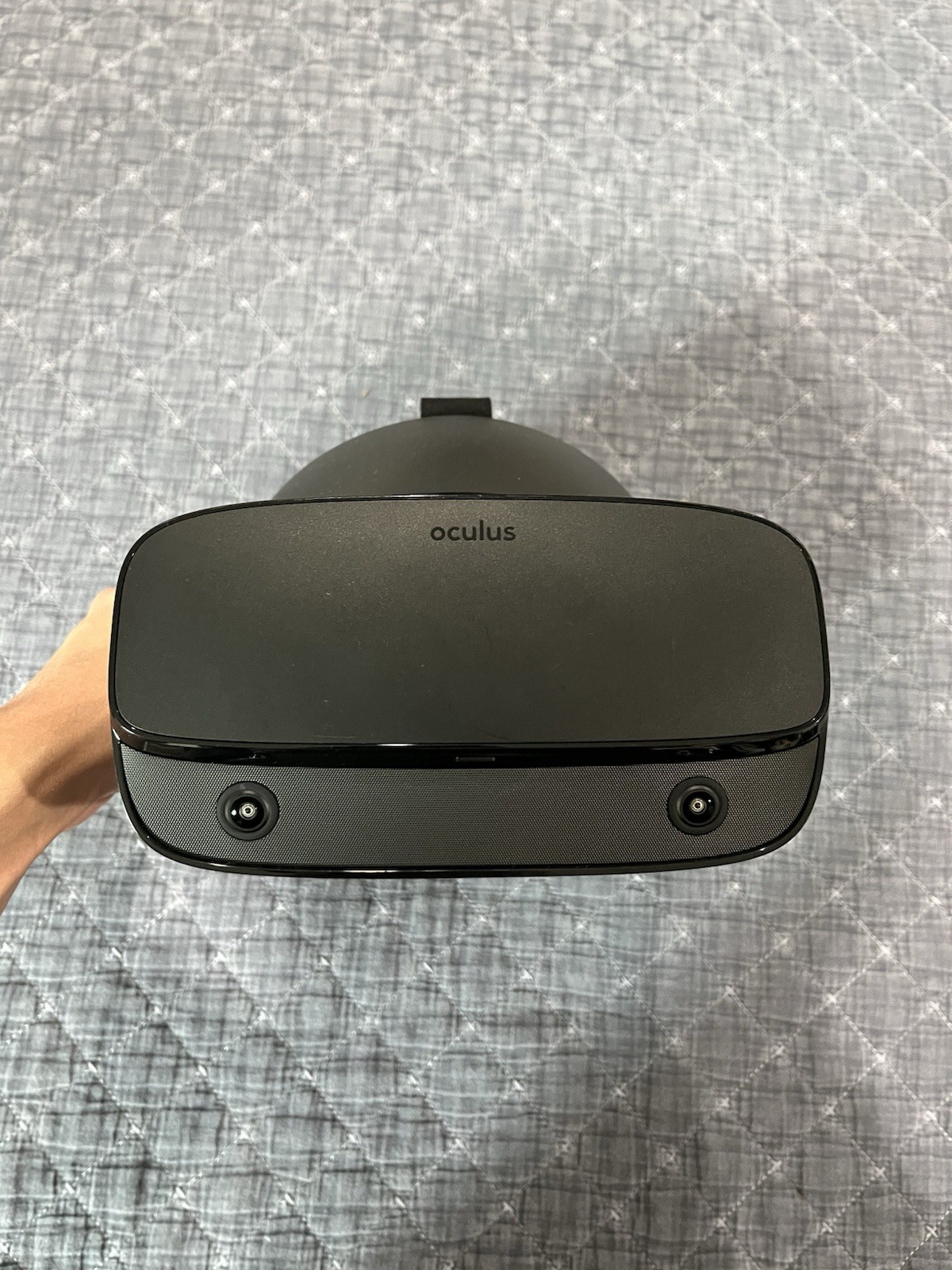 Oculus Rift S PC-Powered VR Gaming Headset - Black - *MESSAGE*$85.00View on eBay
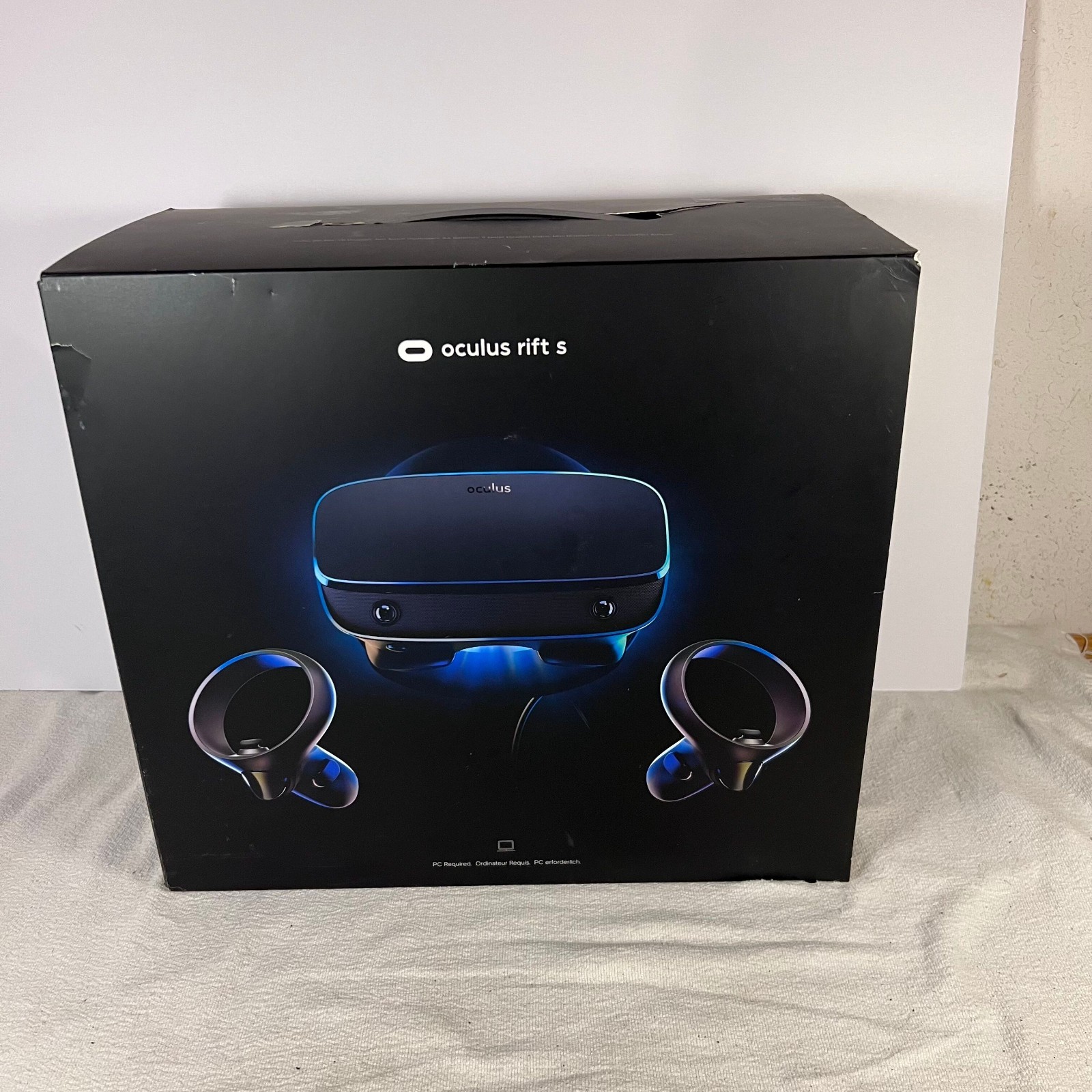 Oculus Rift S PC-Powered VR Gaming Headset Black + Original Box$129.99View on eBay
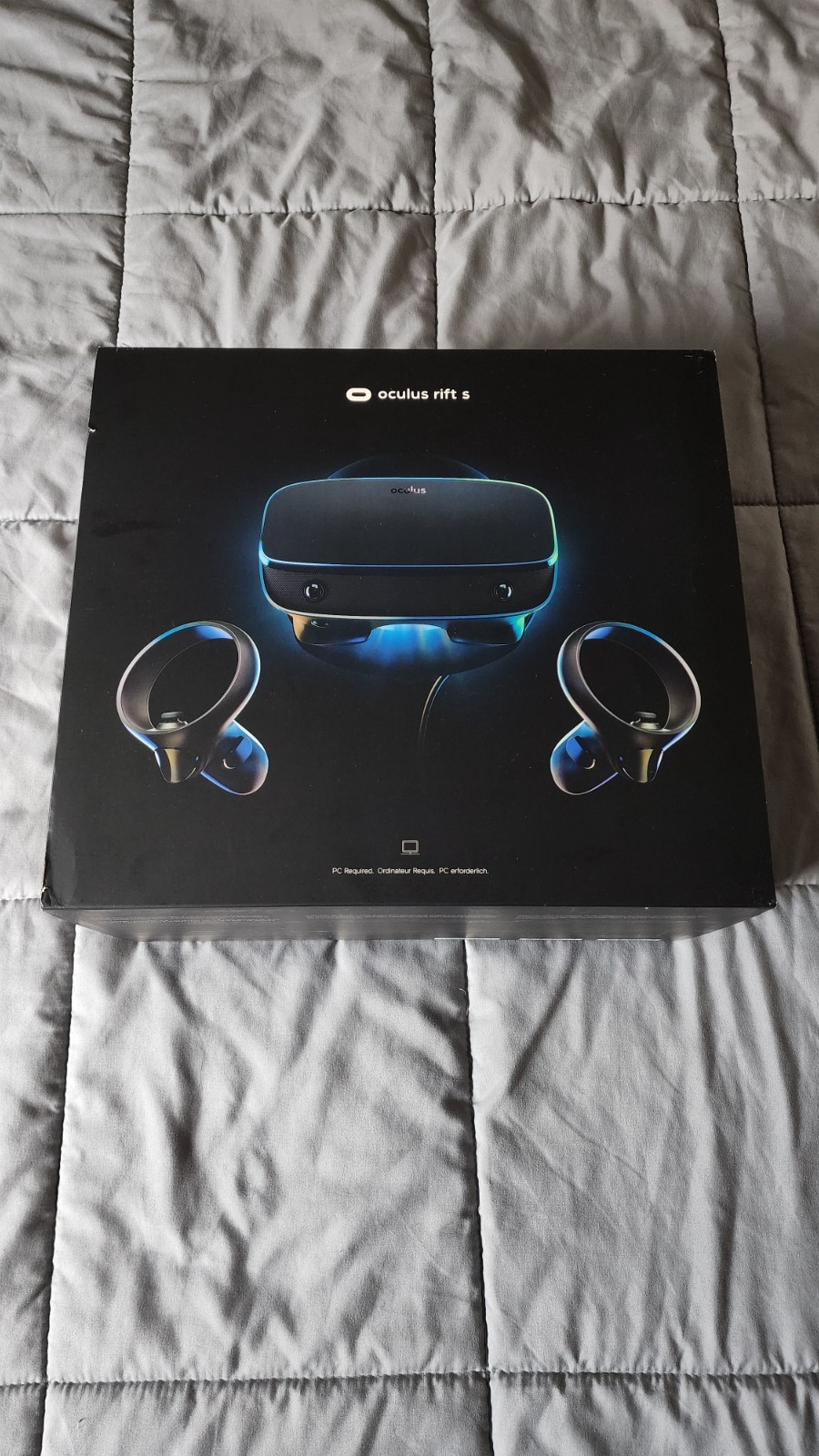 Oculus Rift S PC VR Gaming Headset (SIM FAVORITE) *MINT IN ORIGINAL PACKAGE*$150.00View on eBay
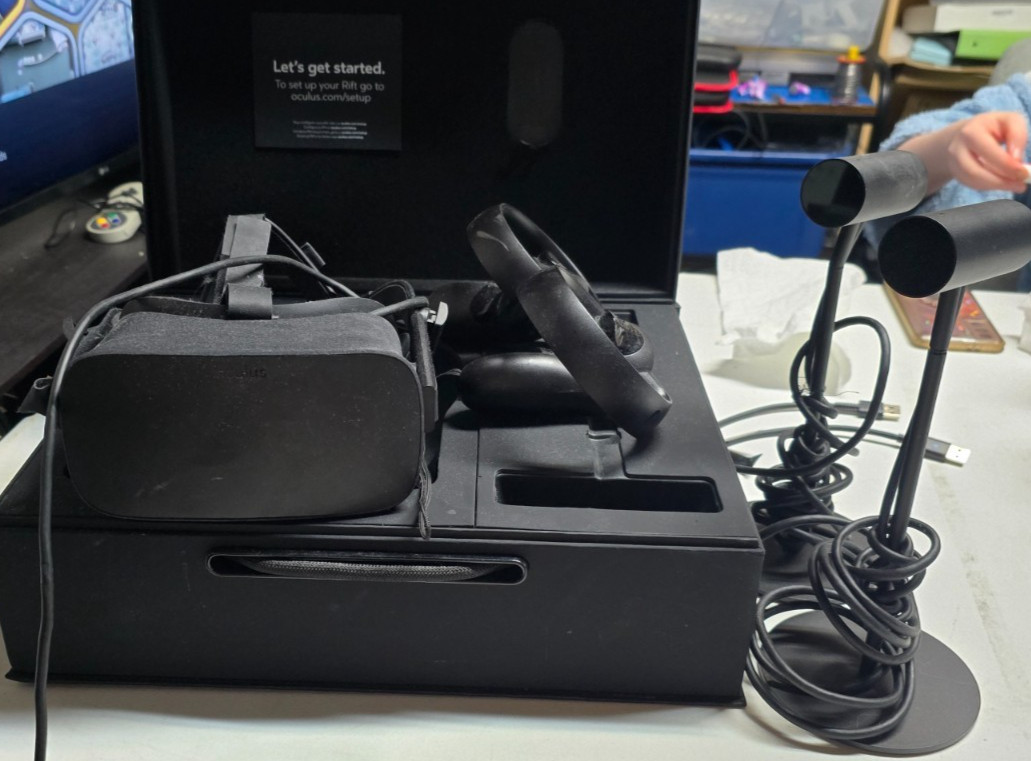 Oculus Rift S PC-Powered VR Gaming Headset Black FULL SET IN BOX$199.95View on eBay
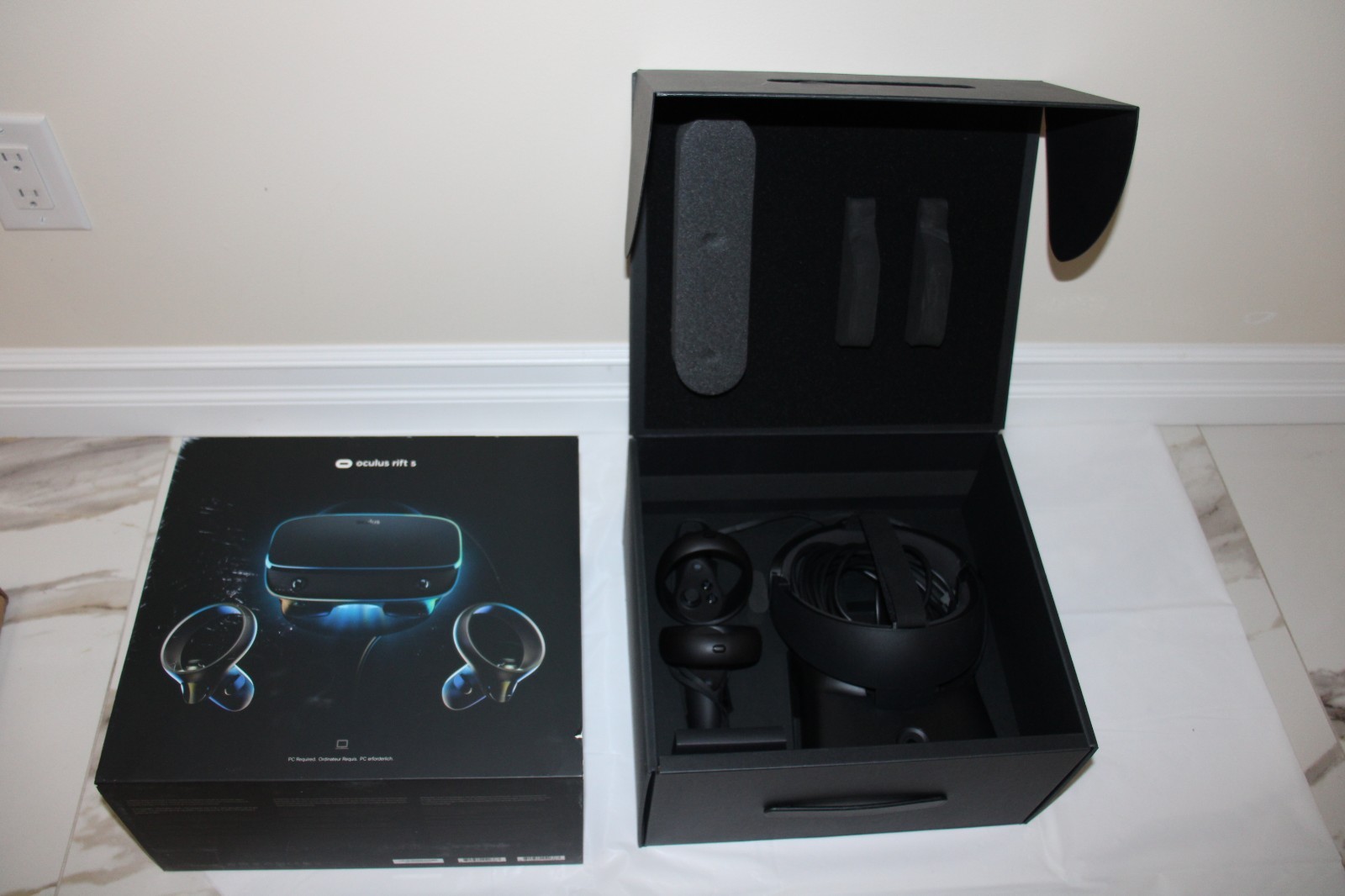 Oculus Rift S PC-Powered VR Gaming Headset Black FULL SET IN BOX "NEW"$249.00Last checked Nov 15, 2026View on eBay
Highlights
- Oculus Rift CV1 is a PC-tethered headset with two external constellation-tracking sensors, a 2160×1200 combined OLED display (1080×1200 per eye), and 90 Hz refresh.
- The CV1 ships with Touch controllers plus a separate Xbox One gamepad and remote; full room-scale needs a third sensor sold separately, and USB port requirements are demanding (multiple USB 3.0 ports).
- There is no Rift 2: Meta's actual successor paths are the Rift S (inside-out tracking, 2560×1440 LCD, 80 Hz) and the standalone Quest line, which also works as a PC VR headset via Link or Air Link.
- Legacy CV1 software support has wound down — the Oculus PC app still runs it, but new titles and Meta accounts increasingly target Quest hardware, so driver and compatibility risk is real.
Best use cases
- Best fit: retro-PC VR tinkerers who specifically want CV1 OLED blacks, external-sensor tracking, and already own a compatible Windows 10 PC with spare USB 3.0 bandwidth.
- Wrong fit: first-time VR buyers — skip CV1 entirely and buy a Quest 3/3S or a modern PC-tethered headset; you get current software support, inside-out tracking, and higher resolution.
- Best fit: seated cockpit/sim players on a budget who find a complete CV1 kit (headset, two sensors, Touch controllers) — the OLED panel and 90 Hz still work well for Elite Dangerous, iRacing, and sim racing.
- Wrong fit: room-scale players who want to move freely — CV1's two-sensor setup gives only front-facing 180° tracking; you must add a third sensor and run USB extension cables for 360° coverage.
Buying tips
- Budget for a third constellation sensor and active USB 3.0 extension cables if you want 360° room-scale — the included two-sensor kit is front-facing only.
- Confirm your PC has at least three USB 3.0 ports (plus one for the headset) and a GPU with HDMI 1.3+ output; CV1 will not run on USB 2.0-only laptops or adapters reliably.
- Inspect used CV1 kits for cable damage at the headset strain relief and lens scratches — the proprietary CV1 cable is no longer manufactured and replacements are scarce.
- If you want modern PC VR instead, a Quest 3/3S with Link cable or Air Link, or a native PC headset like the Valve Index or Bigscreen Beyond, is the correct current-generation substitute.
Specs
| Tracking Type | External constellation sensors (2 incl., 3 for room-scale) |
|---|---|
| Display | Dual OLED, 1080×1200 per eye, 90 Hz |
| Controllers | Touch + Xbox gamepad + remote |
| PC Connection | HDMI 1.3 + USB 3.0 (3+ ports) |
Related searches
What to check before buying
- Measure your play space: CV1 with two sensors needs roughly 2 m × 1.5 m for standing front-facing; 360° room-scale needs about 2.5 m × 2.5 m plus a third sensor.
- Check your PC: Windows 10/11, GTX 1060 / RX 480 class GPU or better, 8 GB RAM, HDMI 1.3, and three free USB 3.0 ports.
- Verify your region's plug type and voltage for the CV1 sensor USB power — sensors are USB-powered, but the headset needs the included HDMI and USB cables intact.
- Confirm the kit includes the Touch controllers, two sensors, and the remote — replacement Touch controllers and sensors are increasingly hard to source.
FAQ
Data sources: eBay / Amazon listings and product attribute feeds. Updated Nov 28, 2026.
Some links on this page are affiliate links. If you buy after clicking one, we may earn a commission at no extra cost to you. This does not change which products appear here or their order. Affiliate disclosure.