
Photos from current listings. Actual item, color, and included accessories may vary.
Sim Racing Cockpit Motion Buying Guide
Sim racing cockpit motion systems add physical pitch, roll, and heave to a static rig, transforming a monitor-and-wheel setup into a tactile driving simulator. The core trade-off is actuator type and stroke length versus chassis rigidity and total system cost: budget motion relies on short-throw linear actuators or seat movers, while serious setups use long-stroke industrial actuators or multi-axis platforms. The decision rule is simple: match actuator stroke and payload rating to your cockpit’s fully loaded weight, and never mount motion hardware to a flex-prone entry-level frame.
Median $204.81
Key takeaways
- Actuator architecture splits into three tiers: 2-DOF seat movers (pitch/roll only), 3-DOF cockpit movers (added heave), and 6-DOF Stewart platforms for full spatial motion.
- Stroke length determines motion fidelity: 1-2 inch actuators suit subtle seat feedback, while 4-6 inch stroke is required for convincing braking dive and cornering lean at the cockpit level.
- Payload capacity is the hard limit: budget actuators typically rate 150-400 lbs total, while industrial-grade units handle 800+ lbs and demand a welded steel or aluminum-profile chassis.
At a glance
- Category
- Sim Racing Cockpits & Mounts
- Last updated
- Nov 27, 2026
Current offers
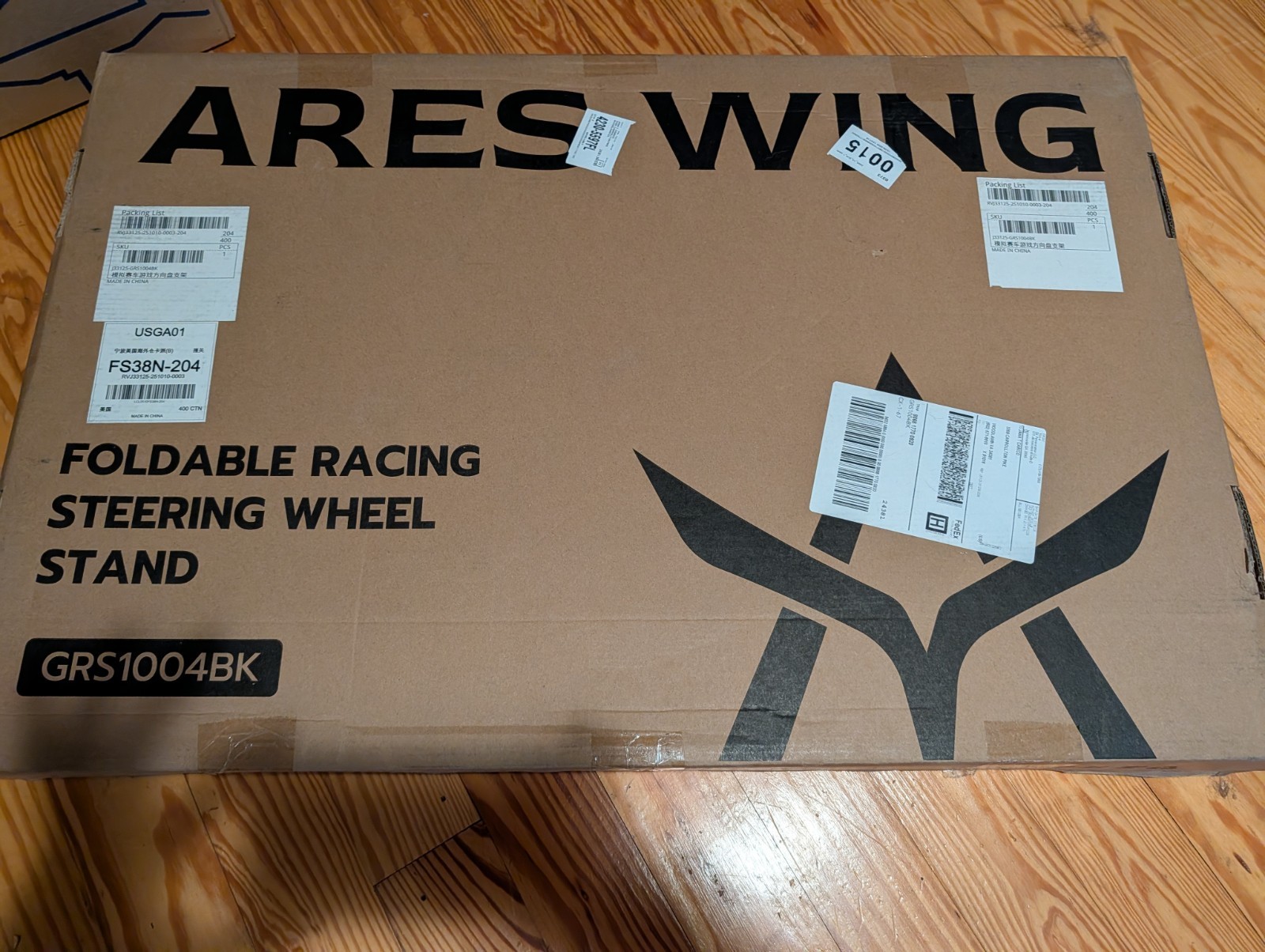 Foldable Sim Racing Wheel Stand Cockpit for Logitech Fanatec Thrustmaster$75.00View on eBay
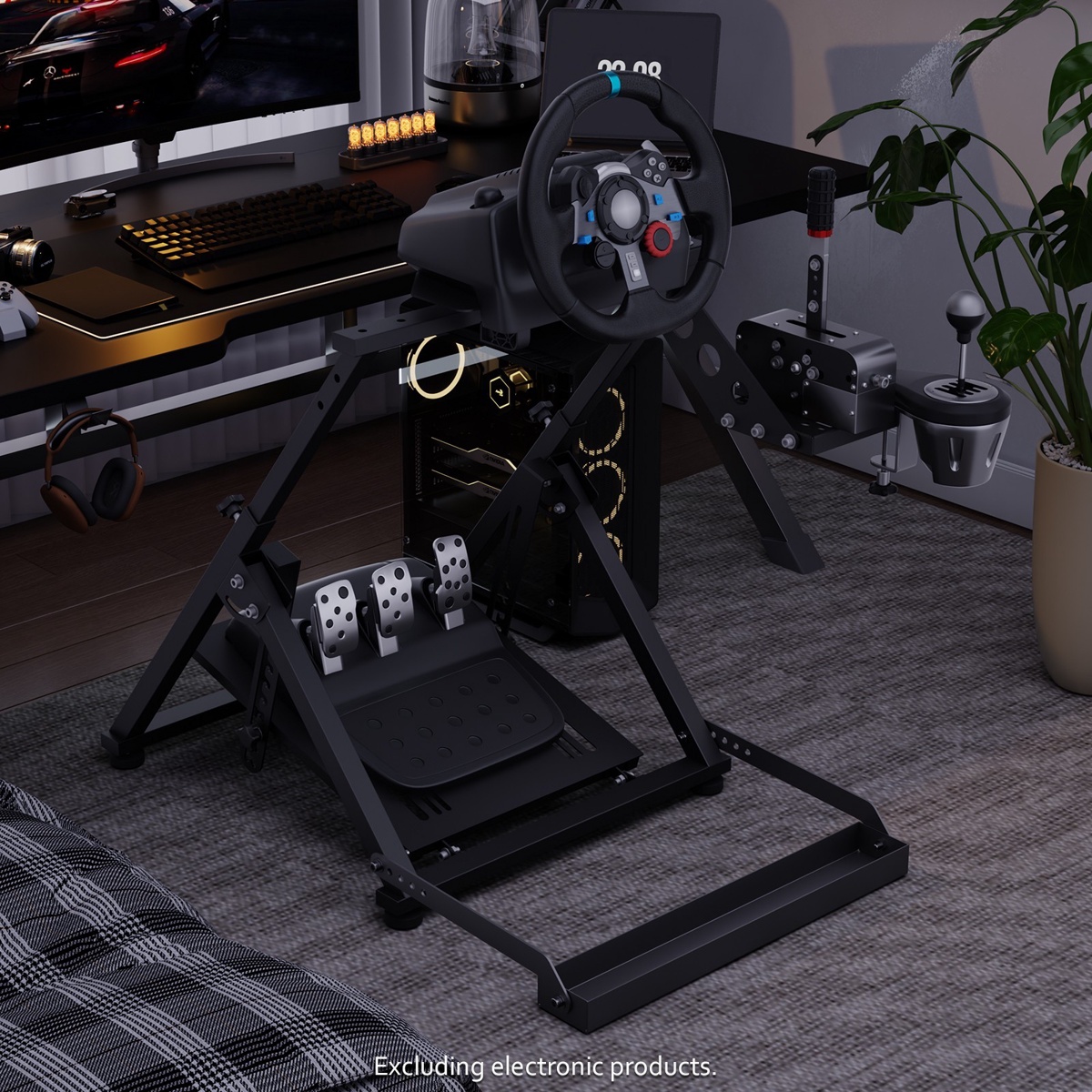 Hottoby Steering Racing Wheel Stand Foldable Sim Cockpit Fits Logitech G920 G923$105.99View on eBay
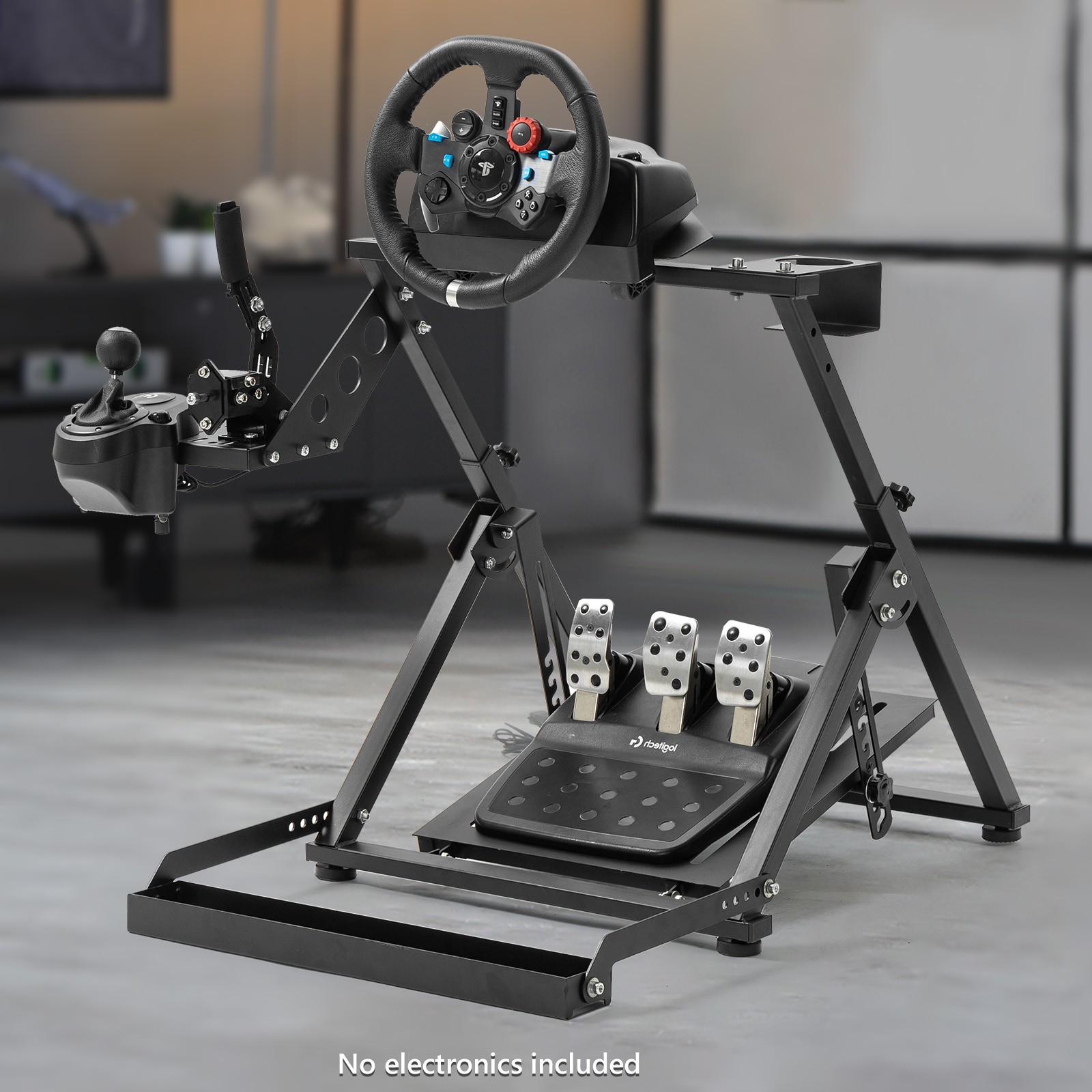 Marada Racing Wheel Stand Sim Adjustable Cockpit Alloy Fits Logitech G920 G923$109.99View on eBay
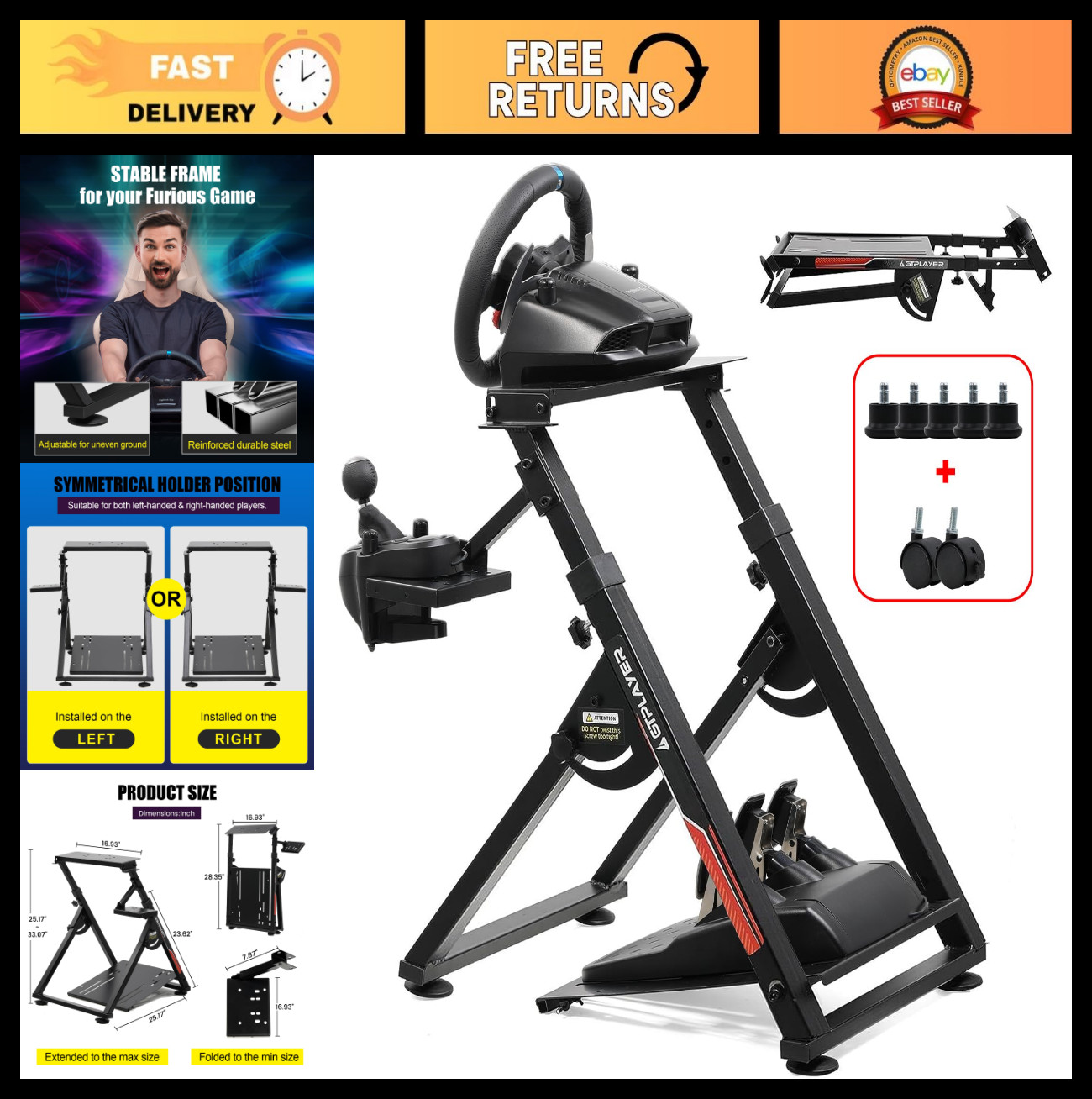 Adjustable Sim Racing Wheel Stand Cockpit for Logitech & Thrustmaster - Black$119.69View on eBay
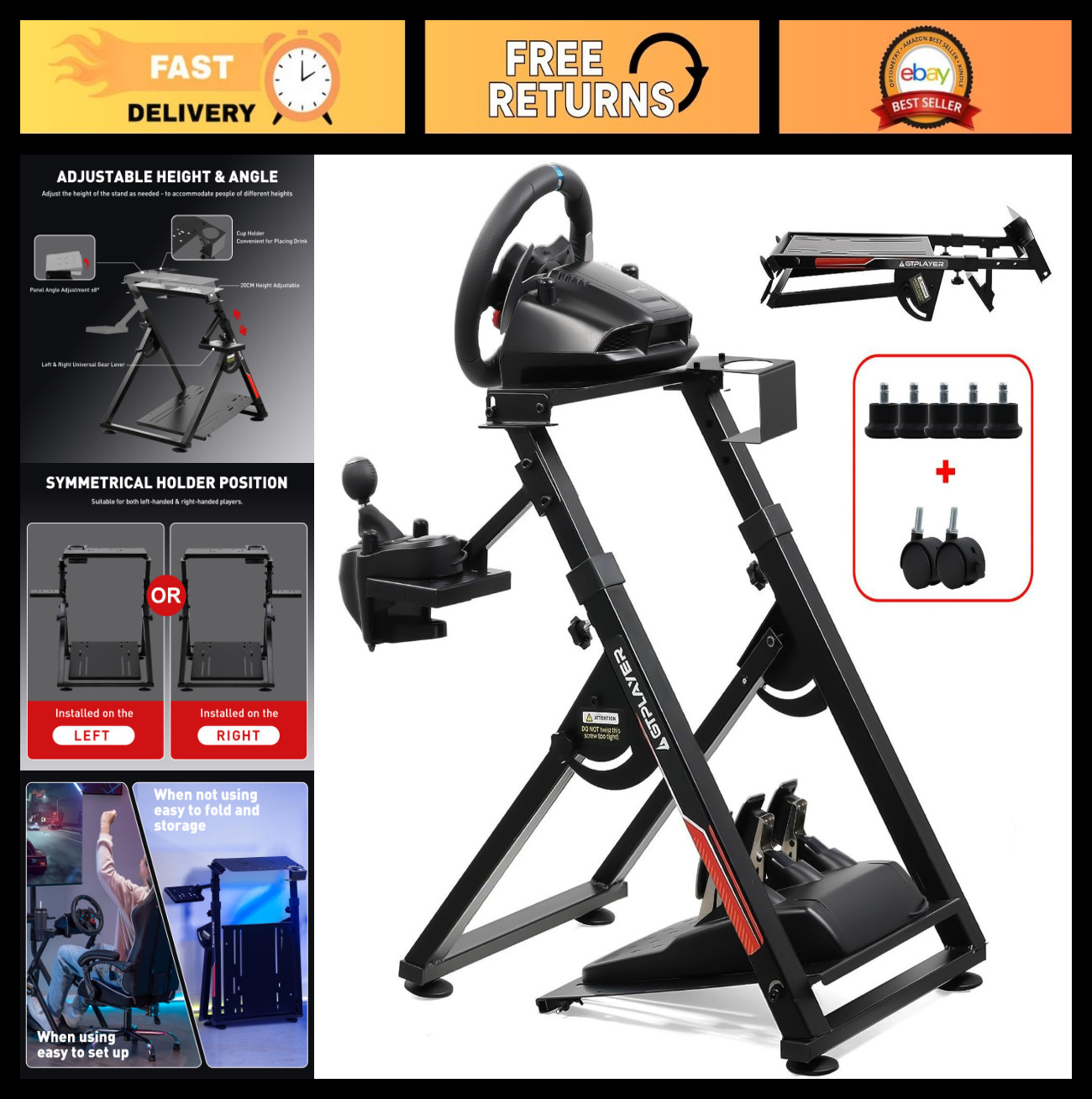 Sim Racing Wheel Stand Cockpit for Logitech & Thrustmaster - Adjustable, Deep Bl$147.24View on eBay
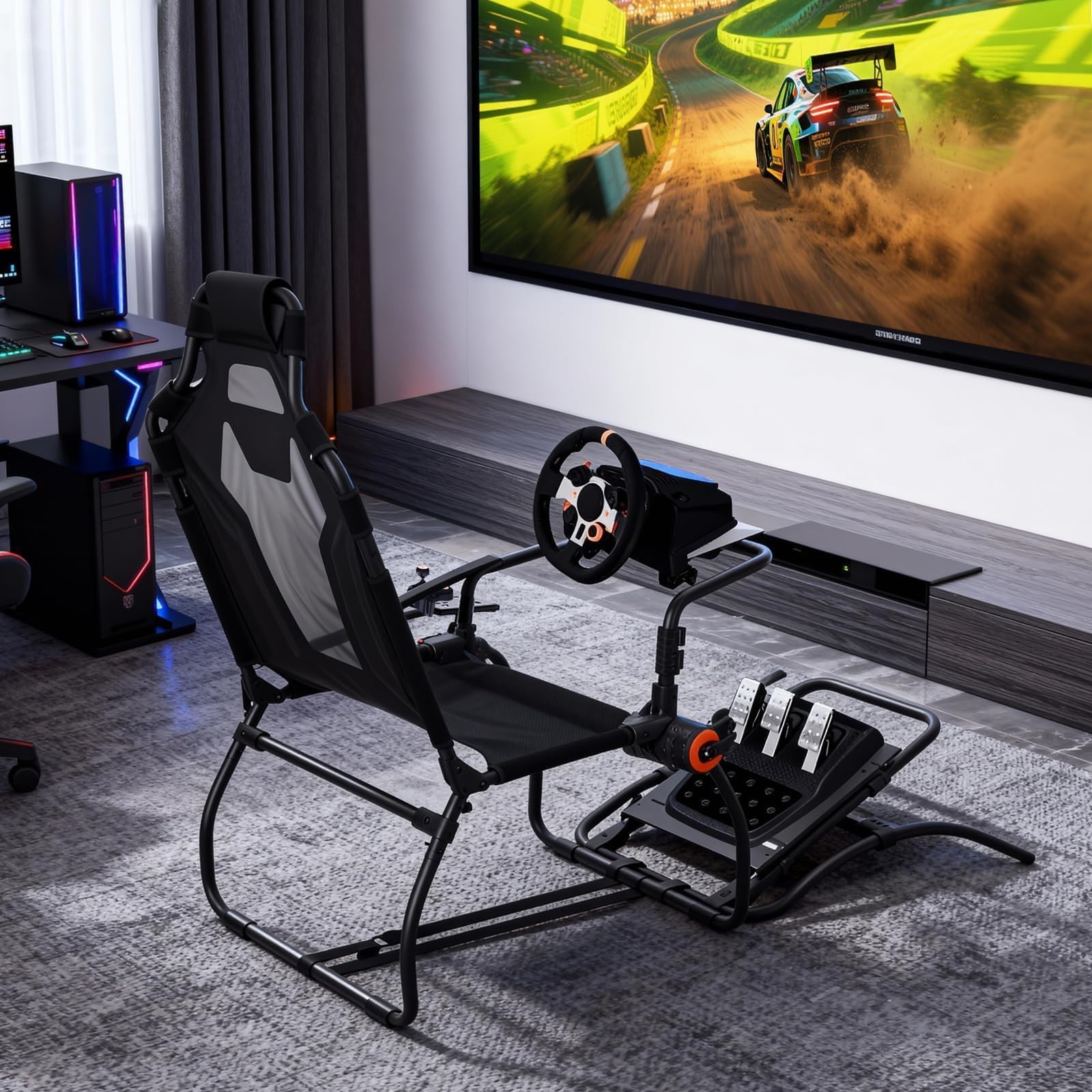 Racing Wheel Stand Sim Racing Simulator Cockpit for G923/G920/G29 & Thrustmaster$149.62View on eBay
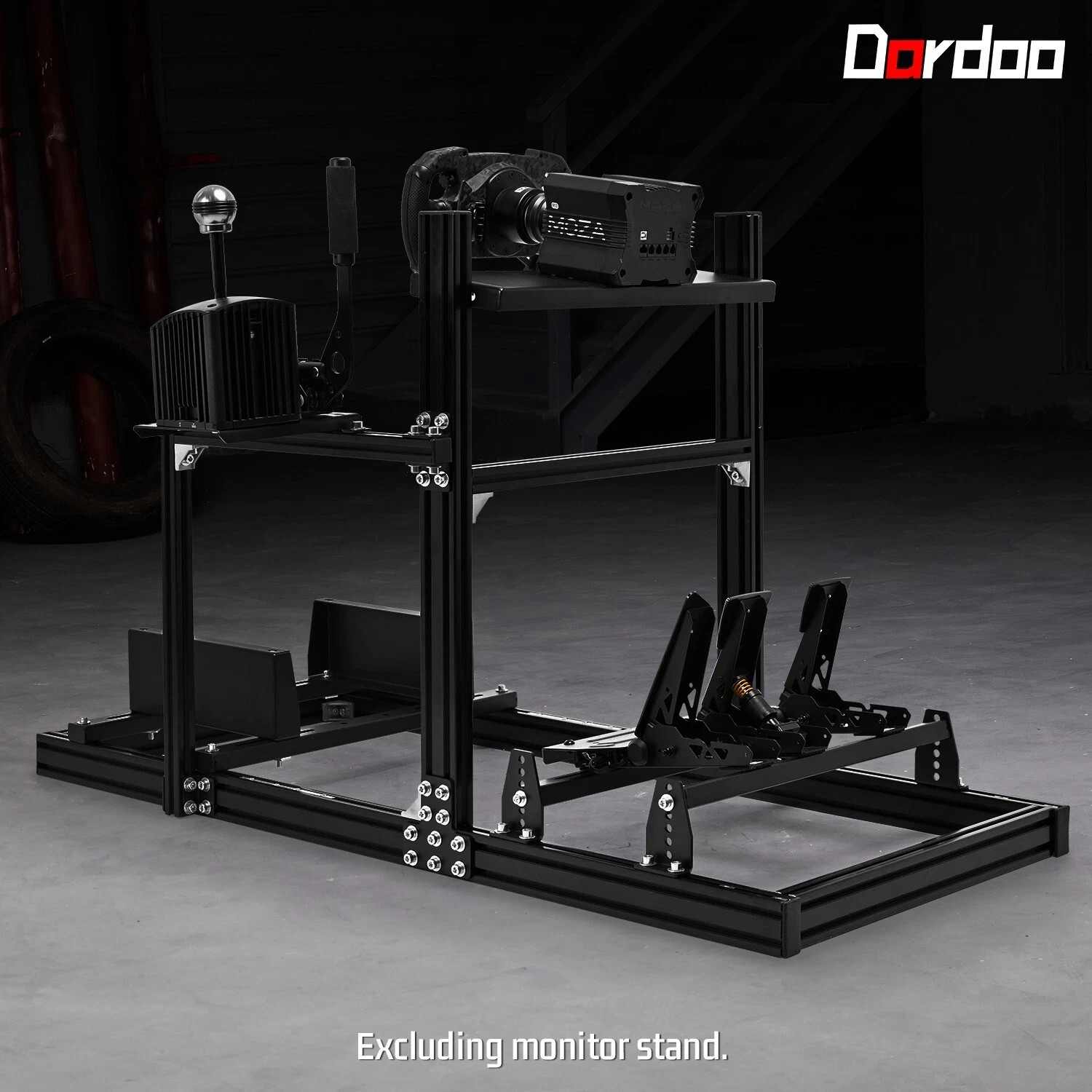 Dardoo 3060 Aluminum Racing Sim Cockpit Fits Logitech G923 Thrustmaster Fanatec$259.99Last checked Nov 18, 2026View on eBay
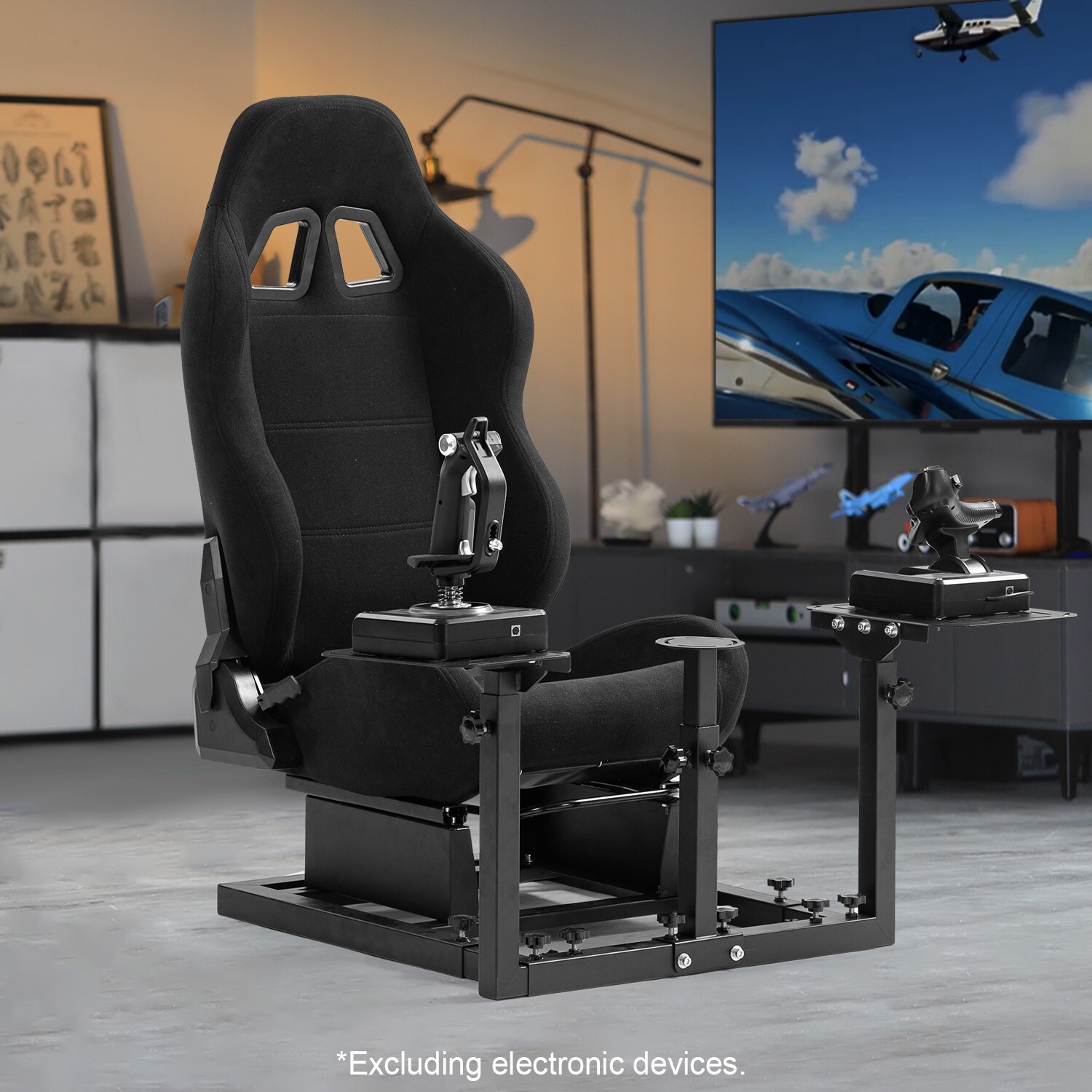 Marada Racing Flight Sim Cockpit With Adjustable Black Seat Fit For Thrustmaster$269.99Last checked Nov 18, 2026View on eBay
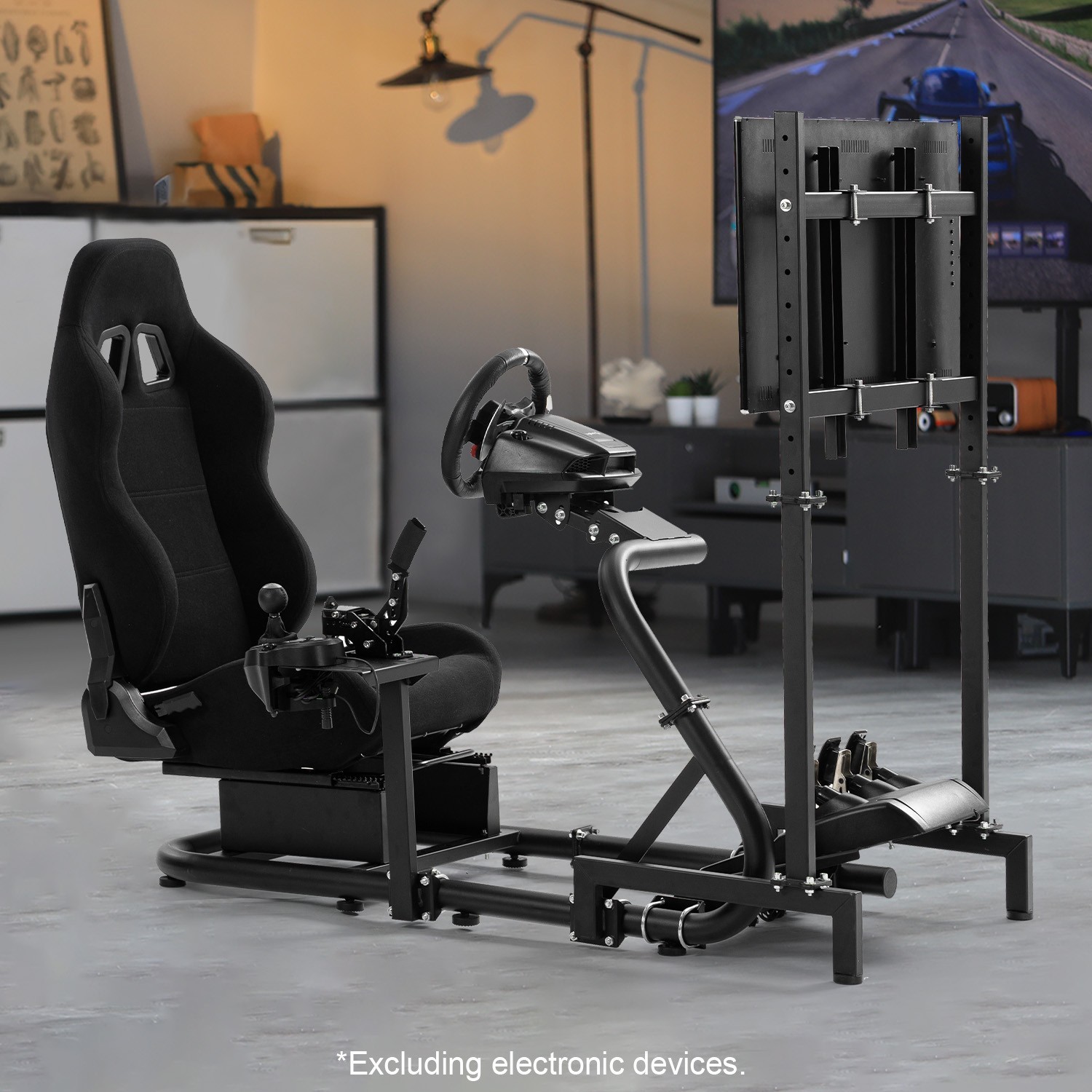 Marada Racing Sim Cockpit Semi Open With Monitor Stand & Black Seat Fit Logitech$385.99Last checked Nov 18, 2026View on eBay
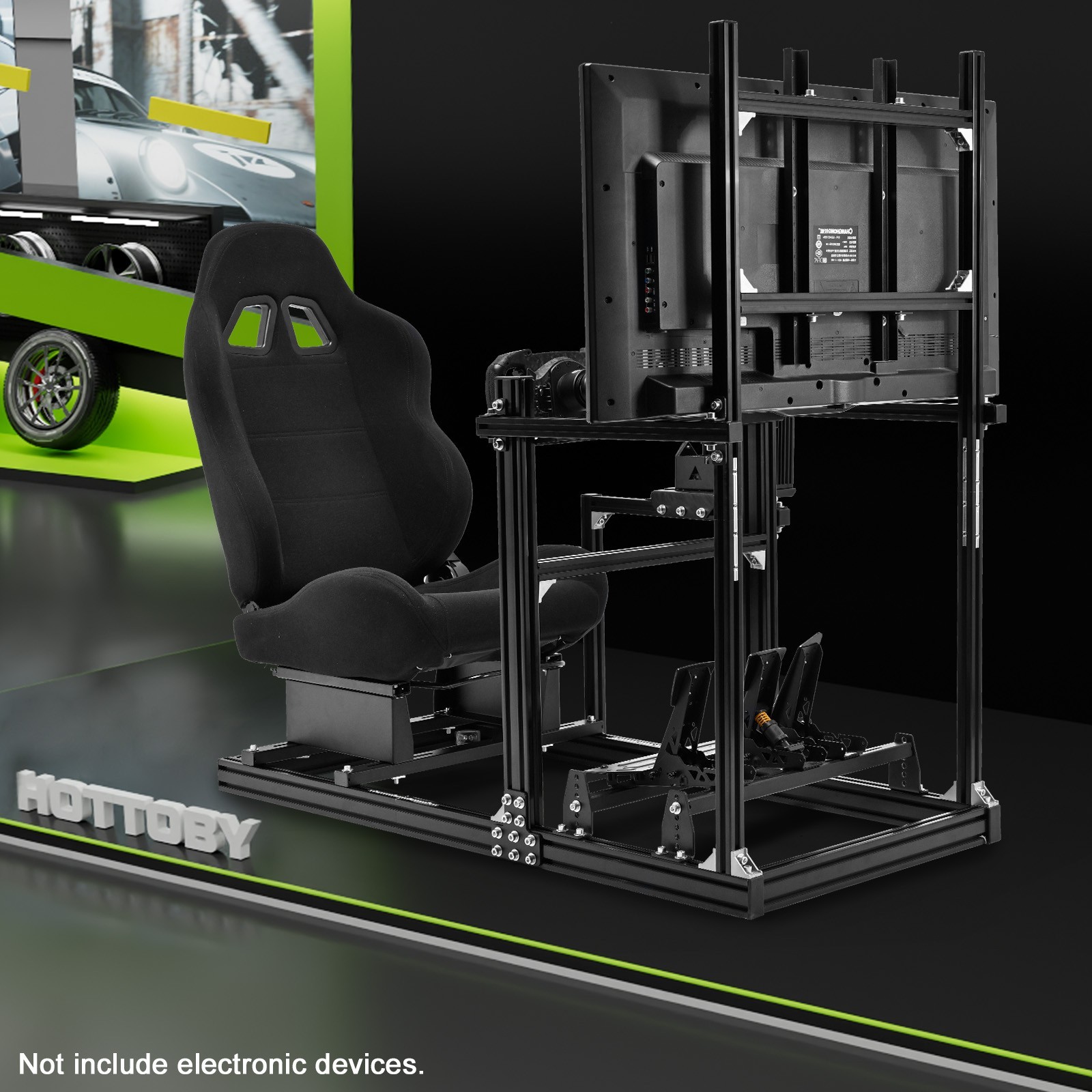 Hottoby 3060 Aluminum Racing Sim Cockpit With Black Seat & TV Stand Fit Logitech$489.99Last checked Nov 18, 2026View on eBay
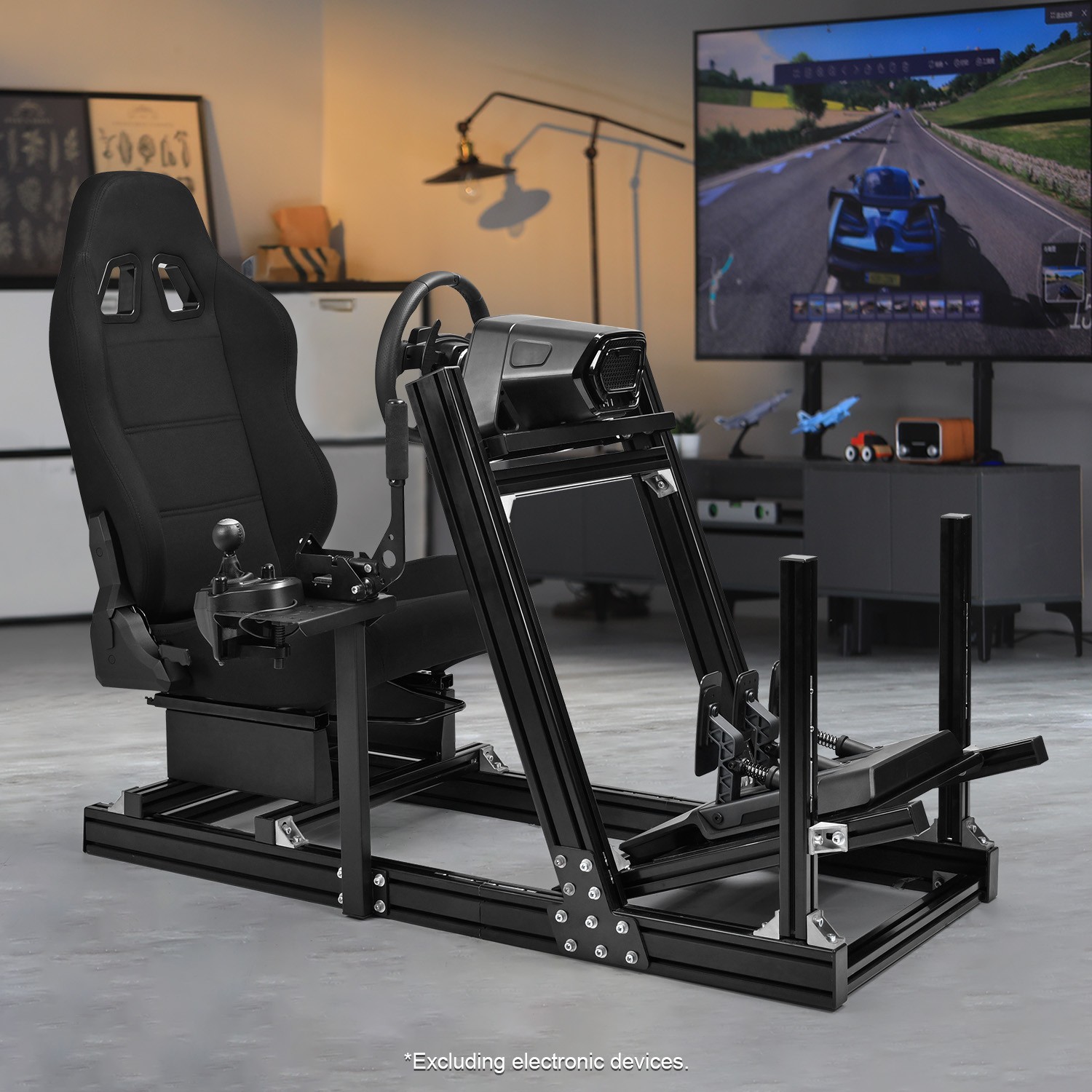 Marada 4080 Aluminum F1 Racing Sim Cockpit With Seat Fits Logitech Thrustmaster$499.99Last checked Nov 18, 2026View on eBay
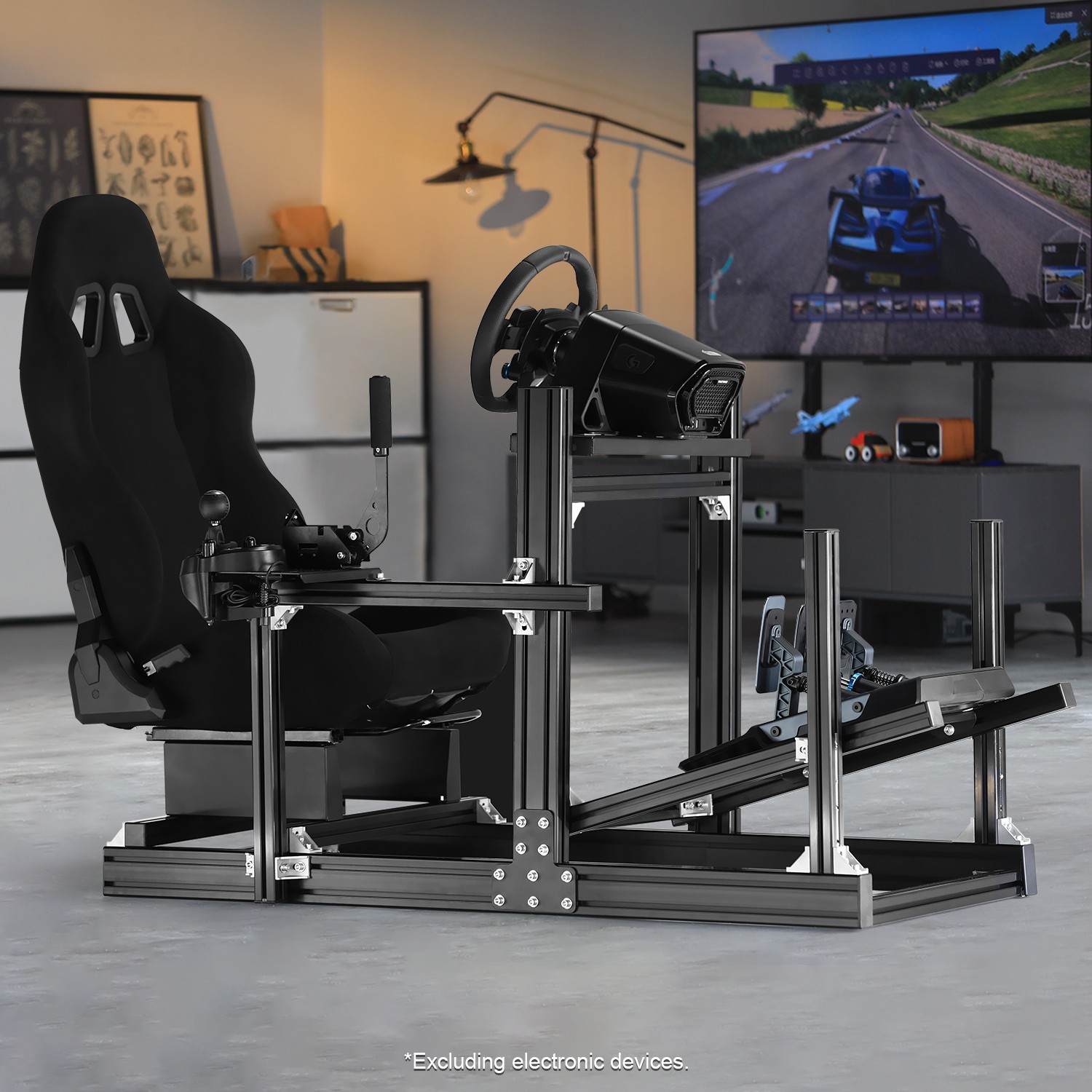 Marada 4080Aluminum F1 Racing Sim Cockpit With Seat Fits Logitech/Thrustmaster$519.99Last checked Nov 18, 2026View on eBay
Highlights
- Actuator architecture splits into three tiers: 2-DOF seat movers (pitch/roll only), 3-DOF cockpit movers (added heave), and 6-DOF Stewart platforms for full spatial motion.
- Stroke length determines motion fidelity: 1-2 inch actuators suit subtle seat feedback, while 4-6 inch stroke is required for convincing braking dive and cornering lean at the cockpit level.
- Payload capacity is the hard limit: budget actuators typically rate 150-400 lbs total, while industrial-grade units handle 800+ lbs and demand a welded steel or aluminum-profile chassis.
- Control electronics fall into two camps: closed-loop servo systems with position feedback for repeatable motion, and open-loop DC motors that are cheaper but drift and lack fine control.
Best use cases
- Best fit: A dedicated aluminum-profile or welded steel cockpit with a fixed seat and direct-drive wheel base — choose a 3-DOF cockpit mover with 4+ inch stroke for immersive braking and cornering feedback.
- Wrong fit: A foldable or entry-level tubular rig — skip motion entirely; the frame flex will amplify vibration, and most budget actuators cannot handle the leverage of a moving cockpit.
- Best fit: Space-constrained sim racers who still want tactile feedback — pick a 2-DOF seat mover with 1-2 inch stroke; it mounts under the seat only and requires no full-cockpit clearance.
- Wrong fit: Console-only racers using a standard TV stand — skip motion; most motion controllers require PC software and a rigid floor-mounted frame, not a living-room setup.
Buying tips
- Calculate total moving mass: cockpit frame + seat + wheel base + pedals + your body weight. Add 20% headroom and select actuators rated above that figure — never at or below it.
- Match stroke to discipline: 1-2 inch stroke for subtle seat feedback in rally or road racing; 4-6 inch stroke for dramatic dive and roll in circuit racing or drifting.
- Verify control protocol: USB HID or serial-based controllers work with major sim titles; analog potentiometer inputs lack game telemetry integration and should be avoided for motion.
- Check actuator speed: 50-100 mm/s is adequate for sim racing; slower units feel laggy, while 200+ mm/s units are overkill and add cost without perceptible benefit.
Specs
| Motion DOF | 2-DOF seat / 3-DOF cockpit / 6-DOF platform |
|---|---|
| Actuator Stroke | 1-2 in subtle / 4-6 in full-cockpit |
| Payload Rating | 150-400 lbs budget / 800+ lbs industrial |
| Control Type | Closed-loop servo vs open-loop DC |
Related searches
What to check before buying
- Measure your cockpit’s footprint and ceiling clearance: a 3-DOF mover needs 6-12 inches of vertical travel plus safety margin; seat movers need only 2-4 inches under the seat.
- Confirm floor type and levelness: motion systems work best on rigid, level floors (concrete or hardwood); thick carpet and uneven surfaces cause drift and premature actuator wear.
- Verify power requirements: most multi-actuator systems draw 10-20 amps at 12-24V DC and ship with dedicated power supplies; check your outlet circuit can handle the total load.
- Ensure your cockpit has pre-drilled mounting points or an adapter plate: universal bolt patterns vary, and drilling a welded frame voids structural integrity.
FAQ
Data sources: eBay / Amazon listings and product attribute feeds. Updated Nov 27, 2026.
Some links on this page are affiliate links. If you buy after clicking one, we may earn a commission at no extra cost to you. This does not change which products appear here or their order. Affiliate disclosure.