
Photos from current listings. Actual item, color, and included accessories may vary.
Wireless Camera Buying Guide
Wireless cameras split into Wi‑Fi and cellular architectures, with power source (battery, solar, wired) and resolution tier (1080p vs 2K/3MP) driving reliability. The core trade‑off is convenience versus sustained uptime: battery/solar models need sun or recharge cycles, while wired and mains‑powered units record 24/7. Choose by power availability first, then resolution and night‑vision type for your lighting conditions.
Median $33.99
Key takeaways
- Wi‑Fi cameras stream over 2.4 GHz and require a router within range; 4G LTE models use a SIM and work where no Wi‑Fi exists.
- 1080p delivers adequate identification at 20–25 ft; 2K/3MP doubles pixel density for license plates and faces at 30–40 ft.
- Battery cameras wake on PIR motion and record clips; wired/mains units support continuous recording and pre‑roll buffers.
At a glance
- Category
- Smart Home Electronics
- Last updated
- Nov 29, 2026
Current offers
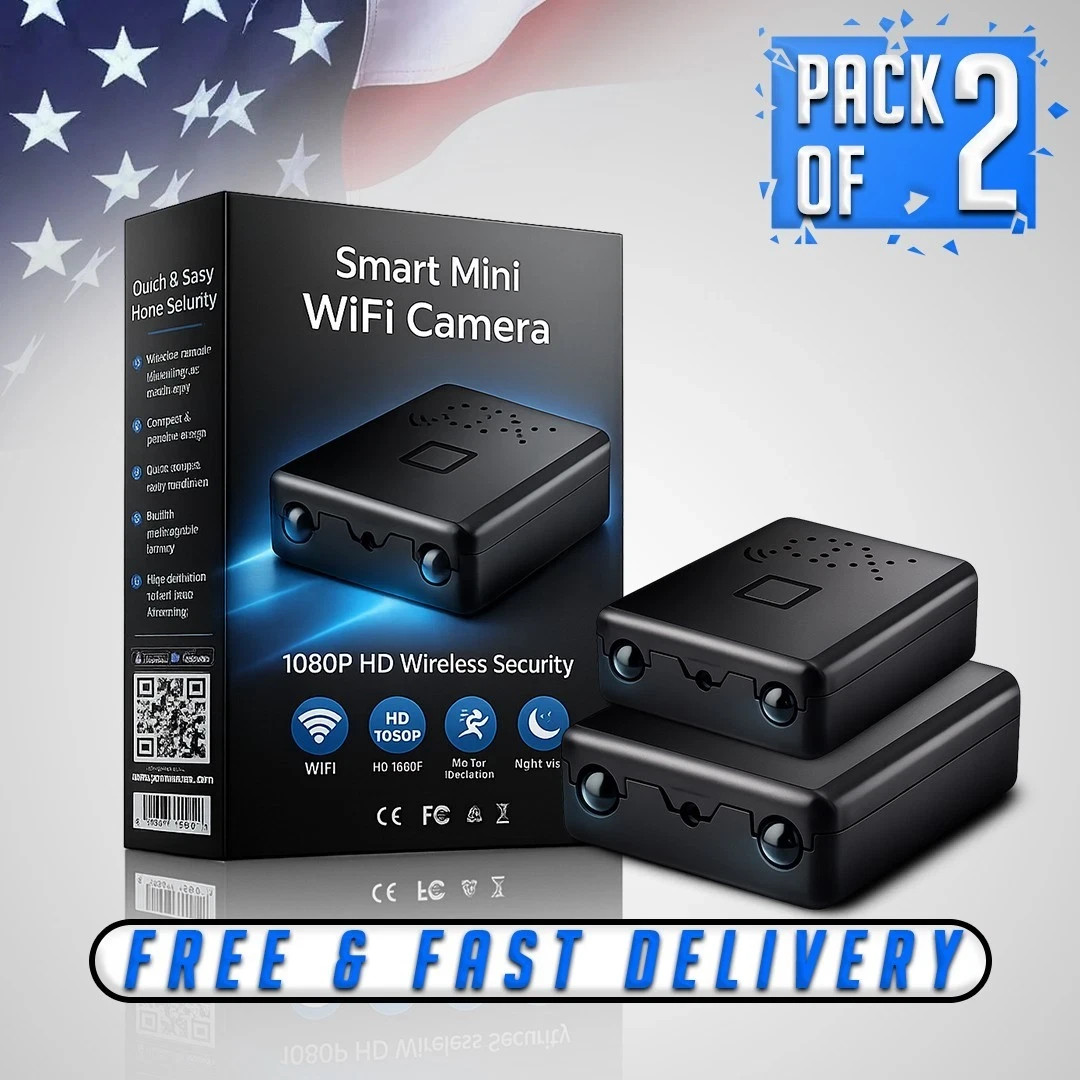 2026 Smart Mini WiFi Camera Wireless 1080P HD Night Cam w/Battery Home Security$17.57Last checked Nov 23, 2026View on eBay
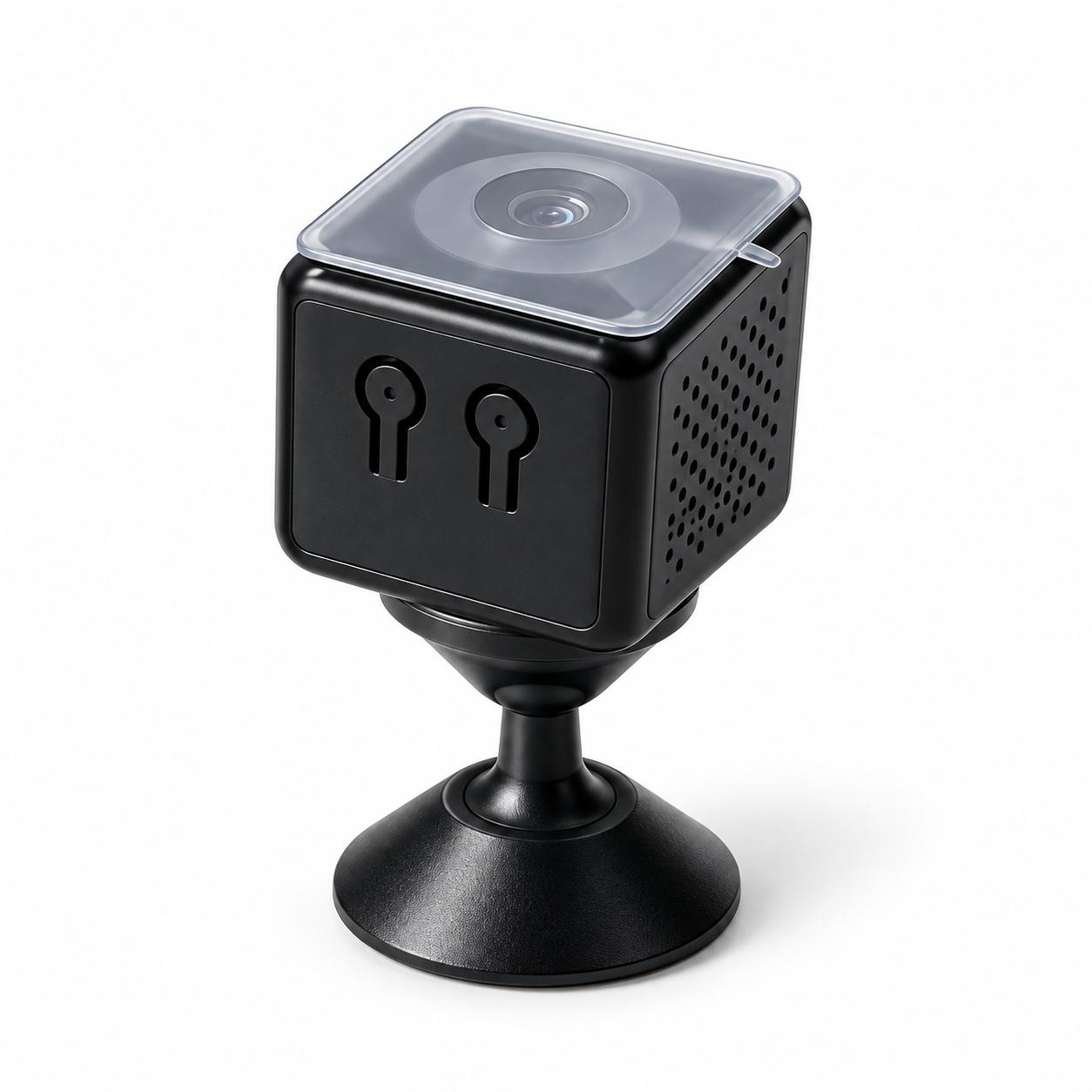 Compact Cube WiFi Security Camera Indoor HD Wireless Surveillance With Protective Lens Cover Home Monitor$21.99View on Mallflare
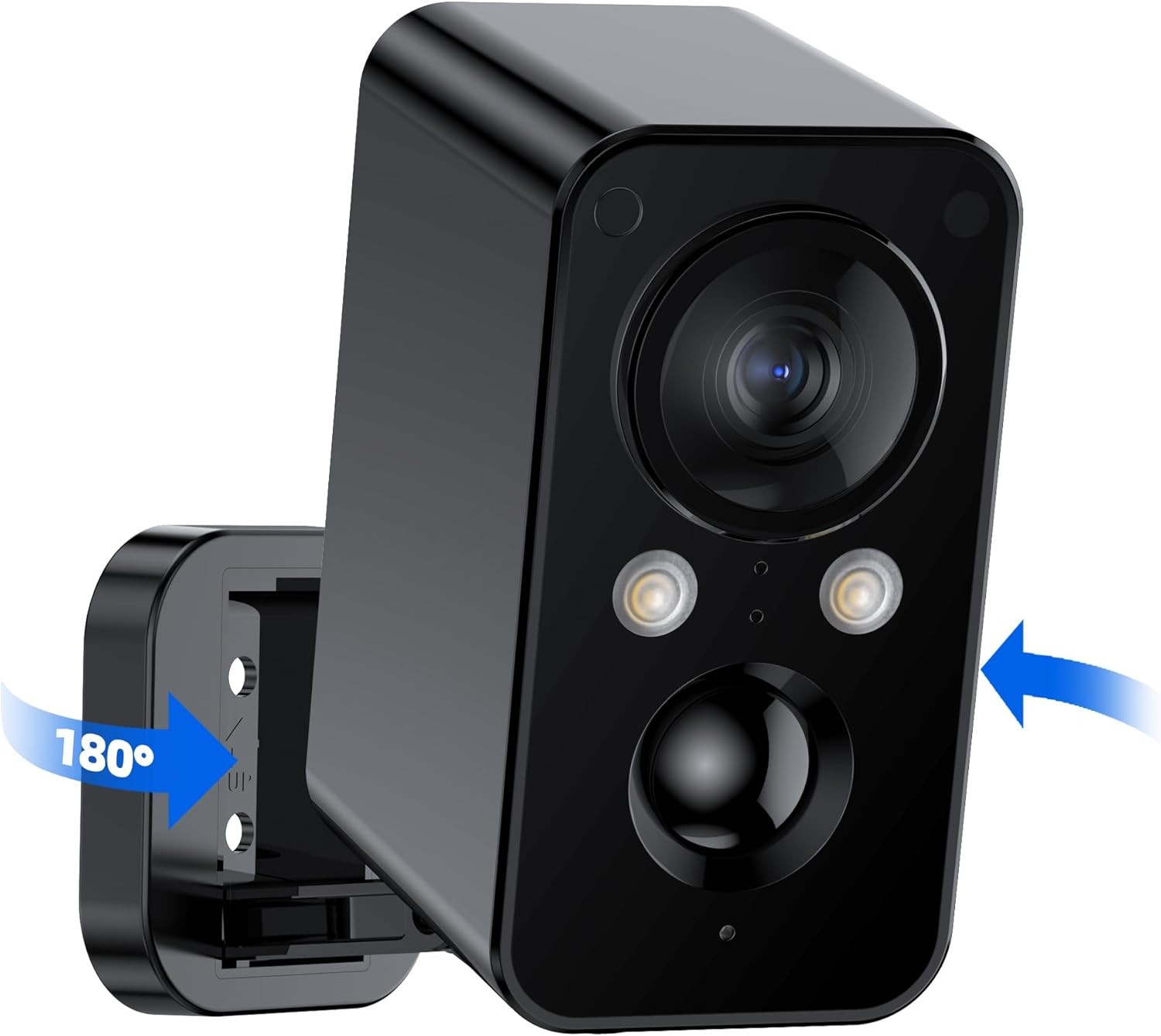 2K Wireless Security Camera For Home Outdoor Security, Color Night Vision, Siren$28.95Last checked Nov 28, 2026View on eBay
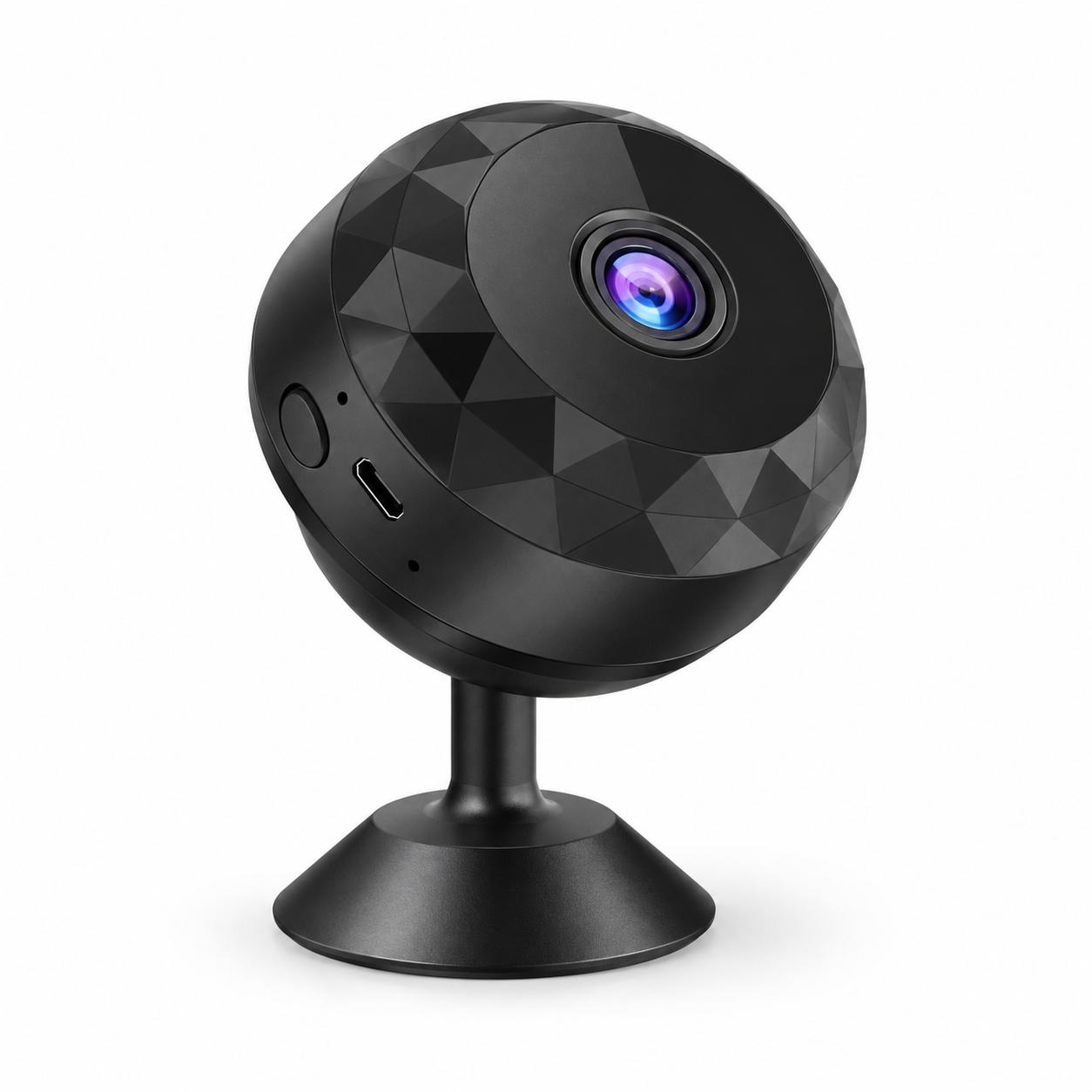 Diamond-Cut Mini Wi-Fi Security Camera HD Indoor Wireless Surveillance$21.99View on Mallflare
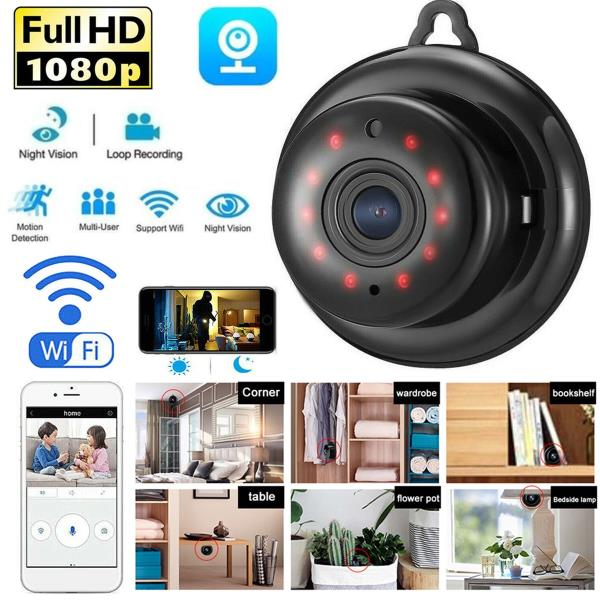 CCTV Camera WiFi 1080P Wireless IR Indoor Outdoor Security Night Vision Home CAM$27.99View on Mallflare
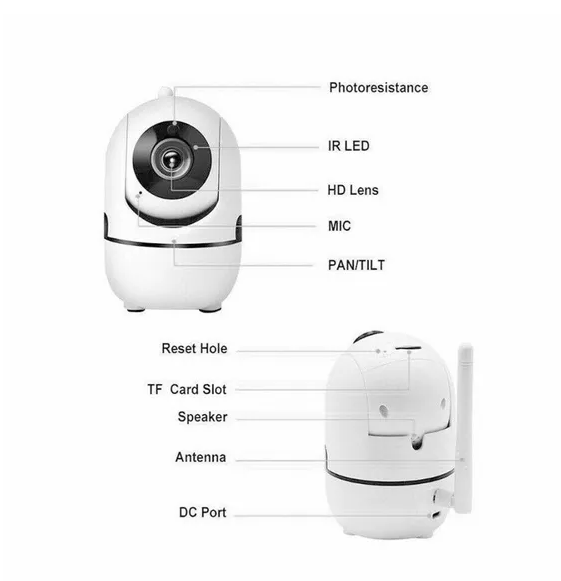 1080P WiFi Wireless Indoor Home Security Camera Night Vision Baby Pet Monitor$31.99View on Mallflare
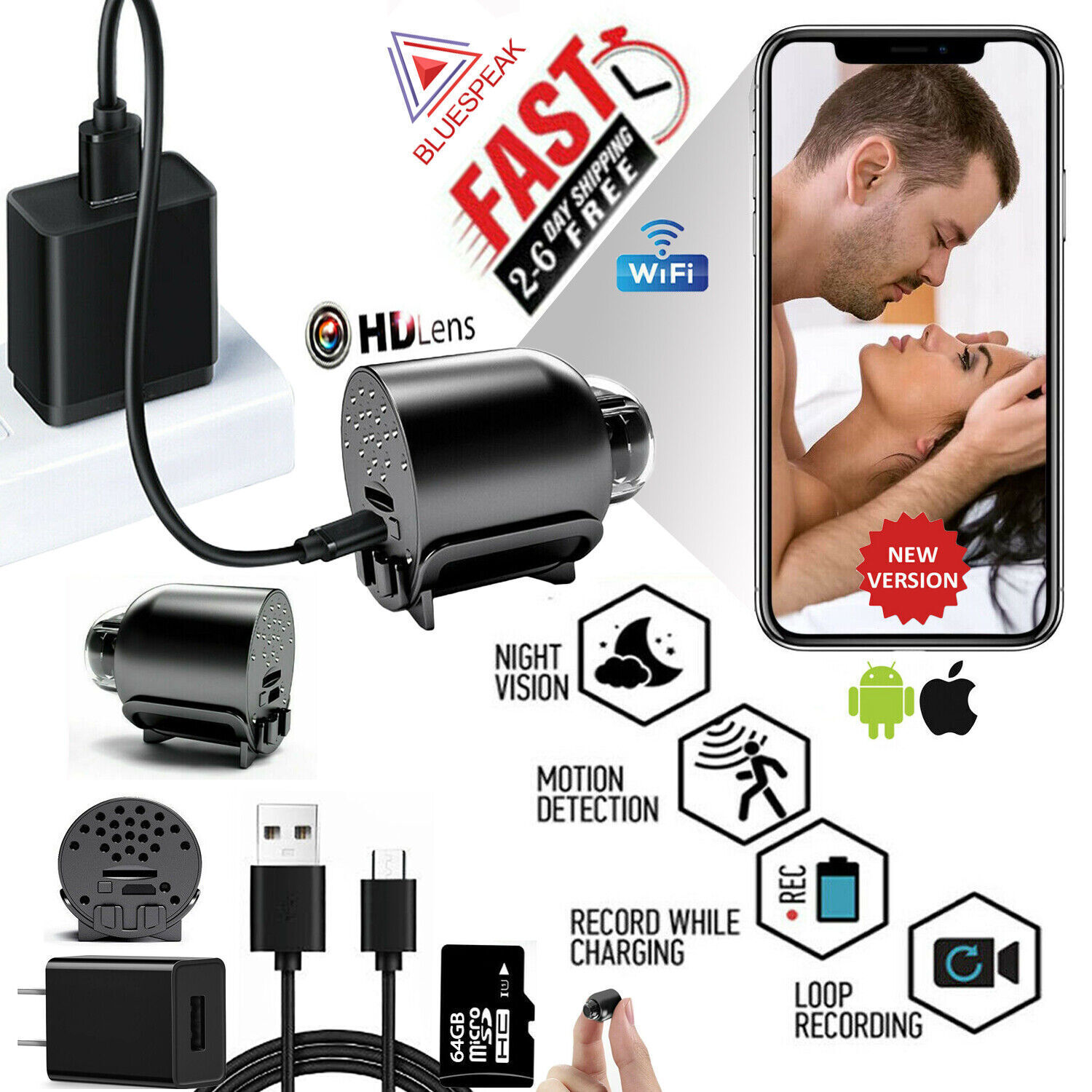 FREE 64G HD Hidden Spy Nanny Camera Wireless Wifi Home Security Night Vision HD 1080P$35.99View on Mallflare
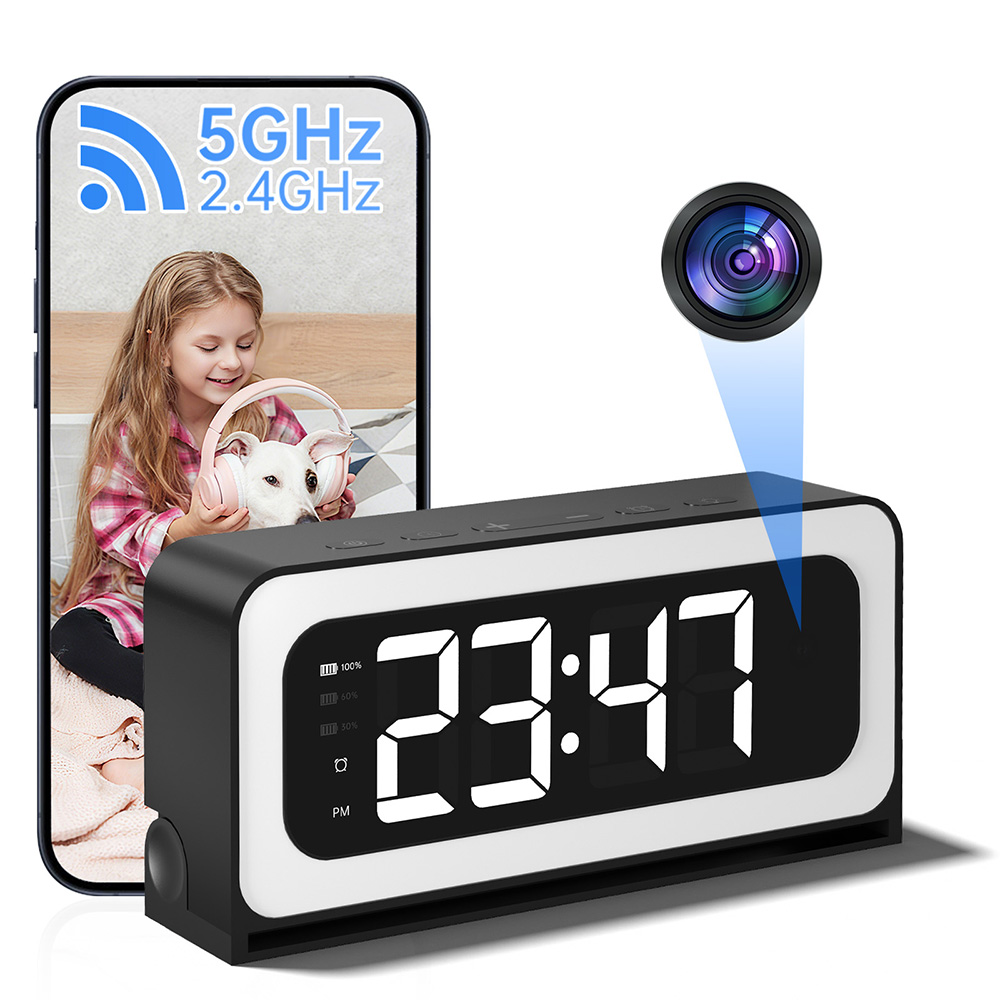 3MP Black Color Wireless Wifi Alarm Clock Camera Video Recording Home Baby Monitor$54.99View on Mallflare
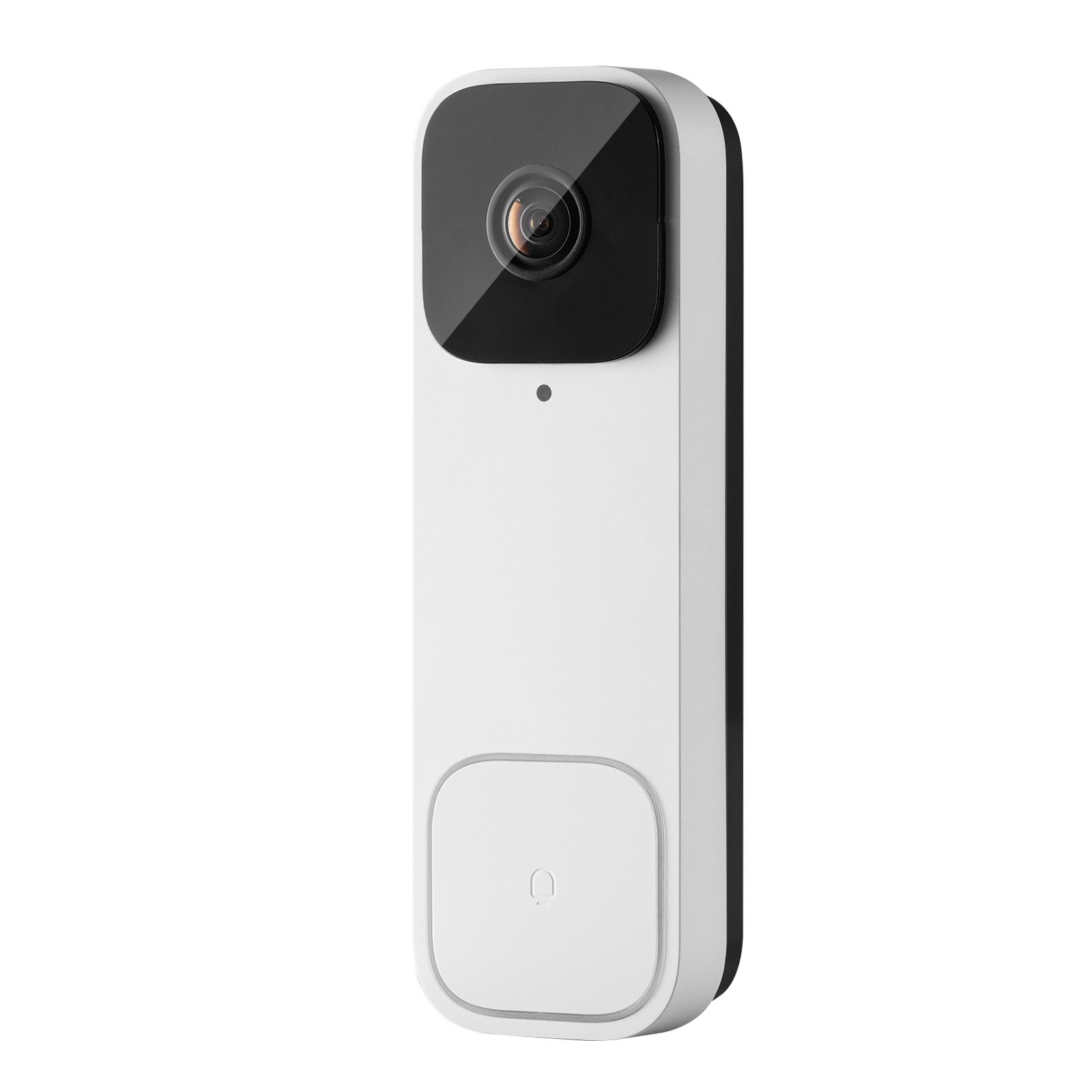 Video Doorbell, 2K Wireless Camera Ring Works With 170° Ultra-Wide View, 2-Way Audio, Motion Detection & Night Vision, Supports Alexei & Google, Cloud Storage, Battery/Wired Powered$63.99View on Mallflare
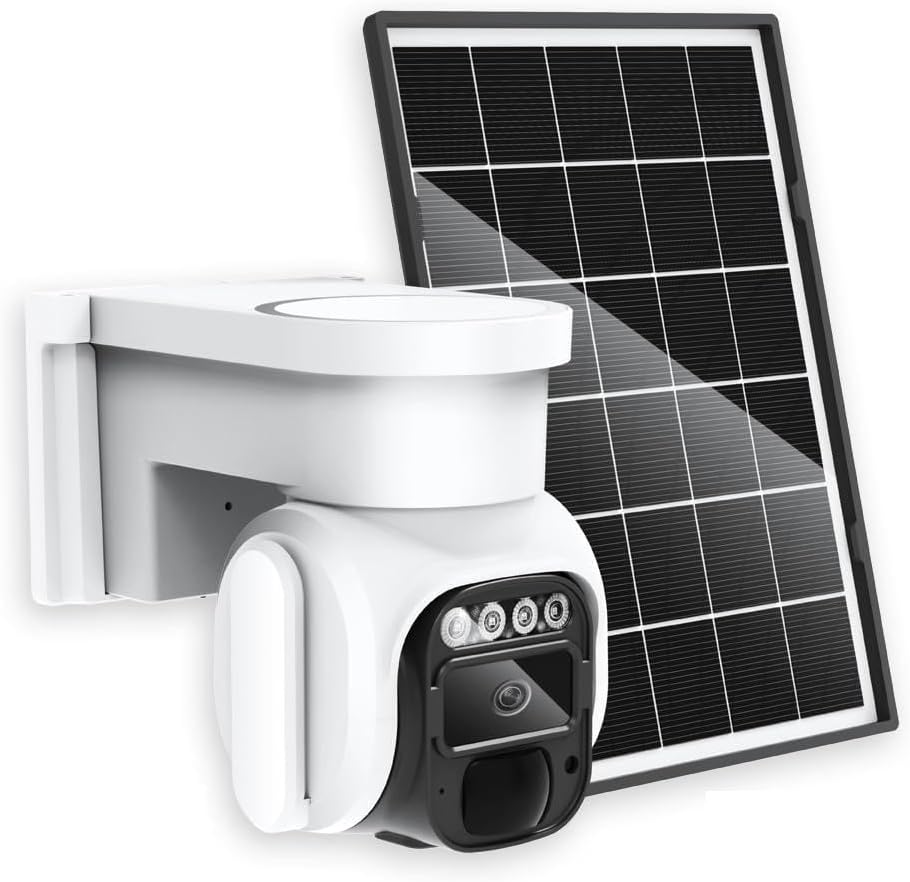 Cellular Security Camera Outdoor Wireless, No WiFi Needed Solar Powered 4G LTE 2K Color Night Vision, PIR Motion Sensor, 360 Live View, Two-Way Audio, SIM Card & SD Included$65.99View on Mallflare
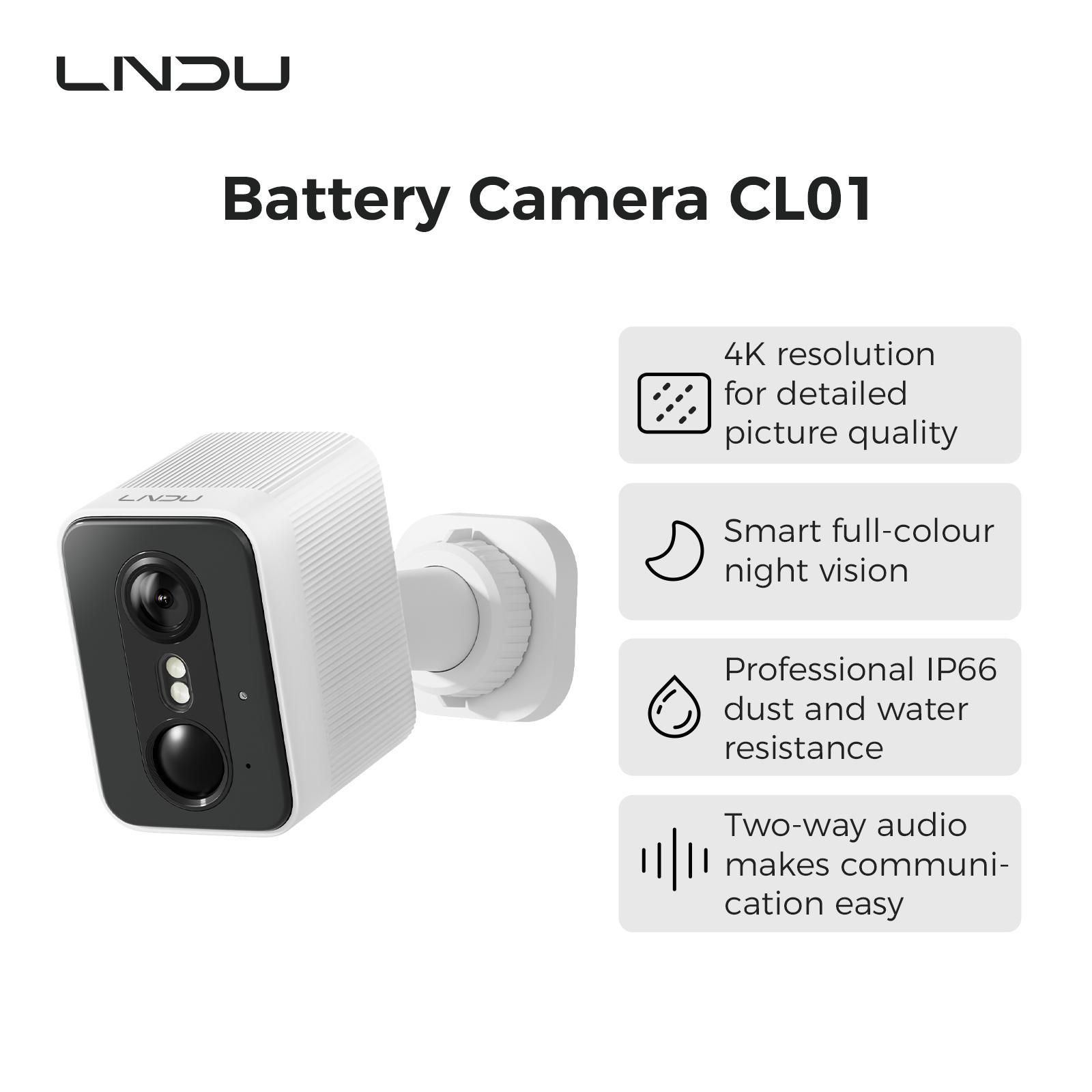 LNDU CL01 4K Wireless Security Camera 143 Degree Wide Angle Infrared Night Vision Human Body Sensing Dual Identification Detection$102.99View on Mallflare
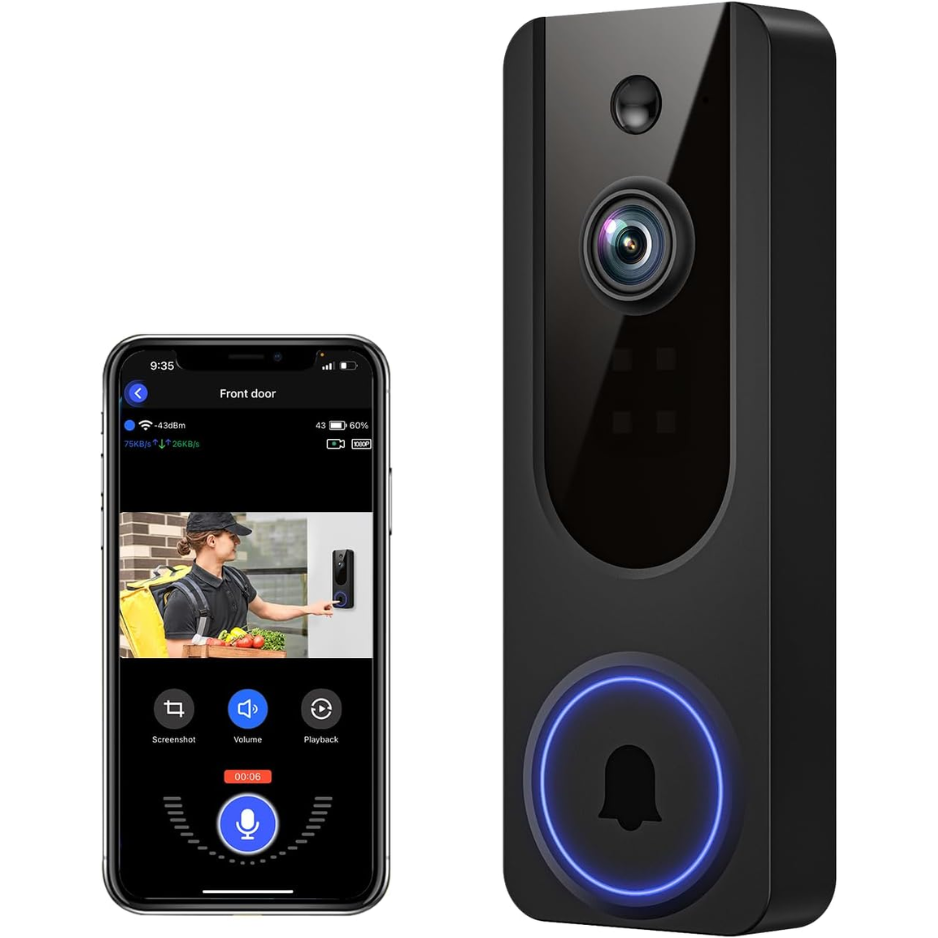 1080P Wireless Wi-Fi Video Doorbell Camera, AI Motion Detection$127.99View on Mallflare
Highlights
- Wi‑Fi cameras stream over 2.4 GHz and require a router within range; 4G LTE models use a SIM and work where no Wi‑Fi exists.
- 1080p delivers adequate identification at 20–25 ft; 2K/3MP doubles pixel density for license plates and faces at 30–40 ft.
- Battery cameras wake on PIR motion and record clips; wired/mains units support continuous recording and pre‑roll buffers.
- Color night vision needs a white LED or ambient light; IR models render monochrome but work in total darkness without light pollution.
Best use cases
- Best fit: suburban home with strong Wi‑Fi and eave access — pick a 2K Wi‑Fi outdoor camera with solar panel and PIR for untethered install.
- Best fit: rental, cabin, or job site without Wi‑Fi — choose a 4G LTE cellular camera with included SIM/SD and solar power; skip Wi‑Fi‑only models.
- Wrong fit: indoor nursery or pet monitoring where continuous 24/7 viewing matters — use a mains‑powered 1080p/2K Wi‑Fi cube, not a battery clip camera.
- Wrong fit: fully shaded doorway with no outlet — avoid solar‑only models; choose a wired doorbell camera or run low‑voltage power.
Buying tips
- Match resolution to distance: 1080p covers a 20‑ft porch; choose 2K/3MP for driveways and yards beyond 30 ft.
- For battery life, pick models with PIR (not pixel‑change) detection and adjustable sensitivity; rated standby is weeks, not months, under heavy traffic.
- Confirm 2.4 GHz Wi‑Fi support — many cameras reject 5 GHz networks; mesh systems must expose a 2.4 GHz SSID.
- Cellular cameras need a nano‑SIM and a data plan; check LTE band support (B2/B4/B12/B13) for your carrier before buying.
Specs
| Connectivity | Wi‑Fi 2.4 GHz vs 4G LTE |
|---|---|
| Resolution | 1080p / 2K / 3MP |
| Power Source | Battery / Solar / Wired |
| Night Vision | IR mono vs color LED |
Related searches
What to check before buying
- Measure the mount height and field of view: a 110° lens at 8 ft covers a 12‑ft wide entry; 170° doorbells cover a full porch.
- Verify power: battery/solar needs 4+ hours direct sun; wired needs an outlet or doorbell transformer (16–24 VAC).
- Check local Wi‑Fi signal strength at the camera location; walls and metal siding cut 2.4 GHz range significantly.
- Confirm storage: local microSD (Class 10, up to 128 GB) or cloud subscription; cellular models often include SD but cloud is extra.
FAQ
Data sources: eBay / Amazon listings and product attribute feeds. Updated Nov 29, 2026.
Some links on this page are affiliate links. If you buy after clicking one, we may earn a commission at no extra cost to you. This does not change which products appear here or their order. Affiliate disclosure.