
Photos from current listings. Actual item, color, and included accessories may vary.
Compact Record Player Buying Guide
A compact record player is a space-conscious vinyl playback system, typically an all-in-one or small-footprint turntable with built-in speakers or a short tonearm, where the core trade-off is portability and size versus tracking stability, speed accuracy, and upgradeability. Durable options use a counterweighted tonearm, a replaceable moving-magnet cartridge, and a belt or direct drive with adjustable speed; compromises use a fixed spring-loaded tonearm with a ceramic cartridge and no counterweight. The decision rule: if the tonearm cannot be balanced and the cartridge cannot be replaced, treat it as a casual listener device, not a record-preserving deck.
Median $254.73 · New listings
Key takeaways
- Tonearm counterweight and anti-skate are the single biggest durability differentiator: a balanced tonearm tracks at 2-3 g and preserves grooves, while fixed spring arms often track at 4-6 g and accelerate wear.
- Cartridge type separates tiers: a replaceable moving-magnet cartridge (standard 1/2-inch mount) allows stylus upgrades and alignment; a ceramic cartridge is usually proprietary and non-replaceable.
- Drive architecture matters for speed stability: belt drive isolates motor vibration but needs a correct belt tension, while direct drive offers instant torque and quartz-locked speed on premium compact models.
At a glance
- Category
- Turntables & Record Players
- Last updated
- Nov 29, 2026
Current offers
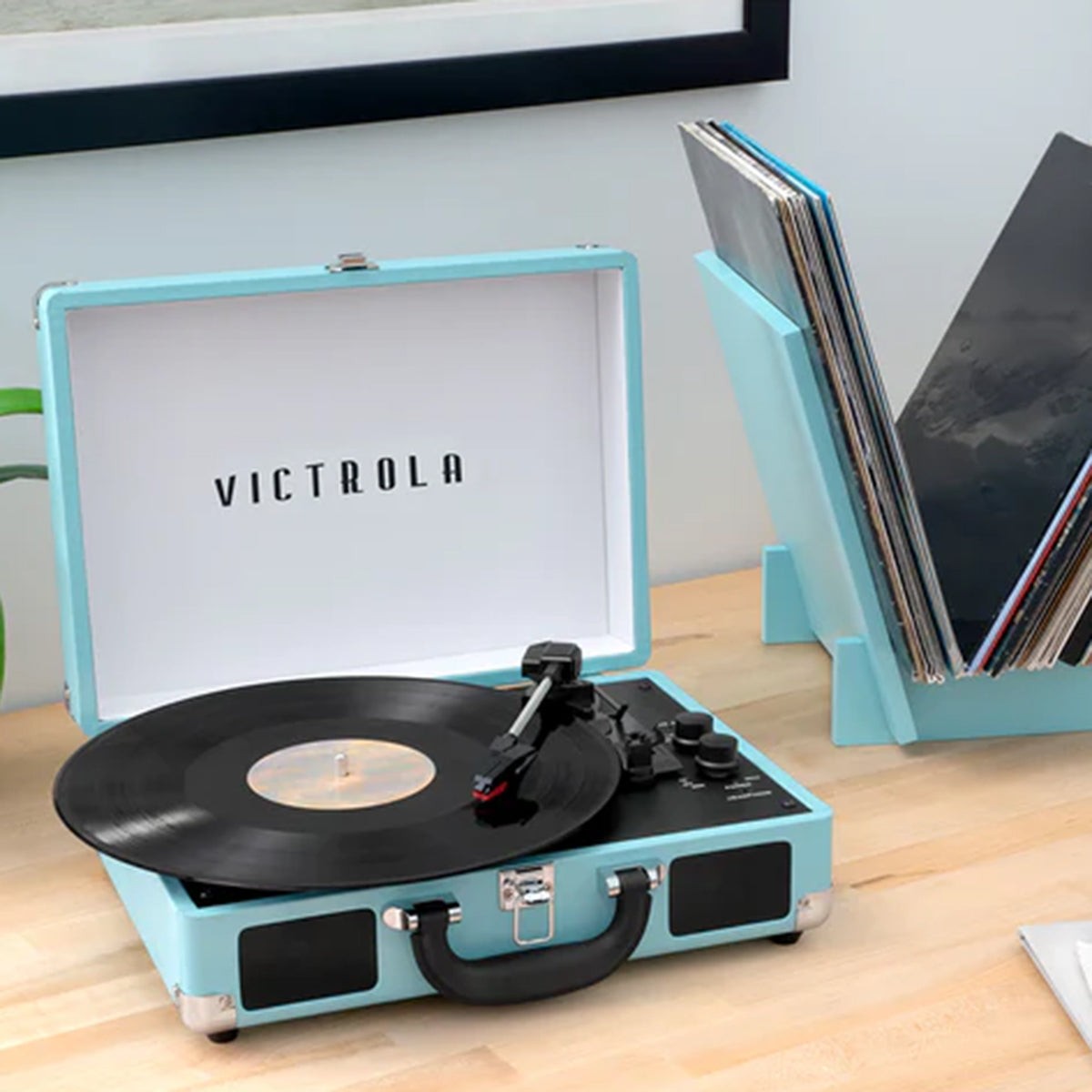 Victrola Journey+ Bundle Suitcase Record Player - Turquoise - Factory Direct$39.99View on eBay
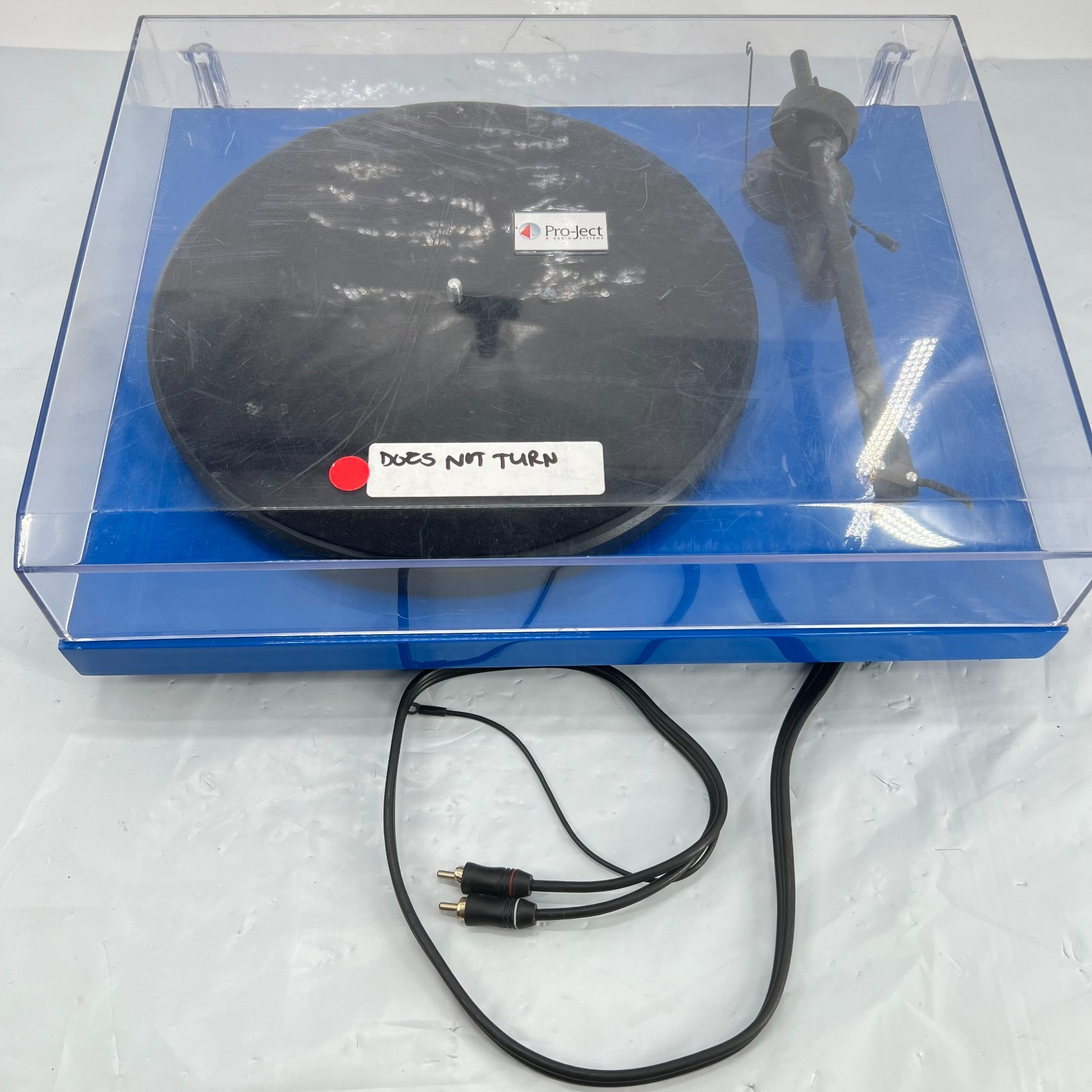 Pro-Ject Debut III Audiophile Turntable Record Player No. 226539$140.00View on eBay
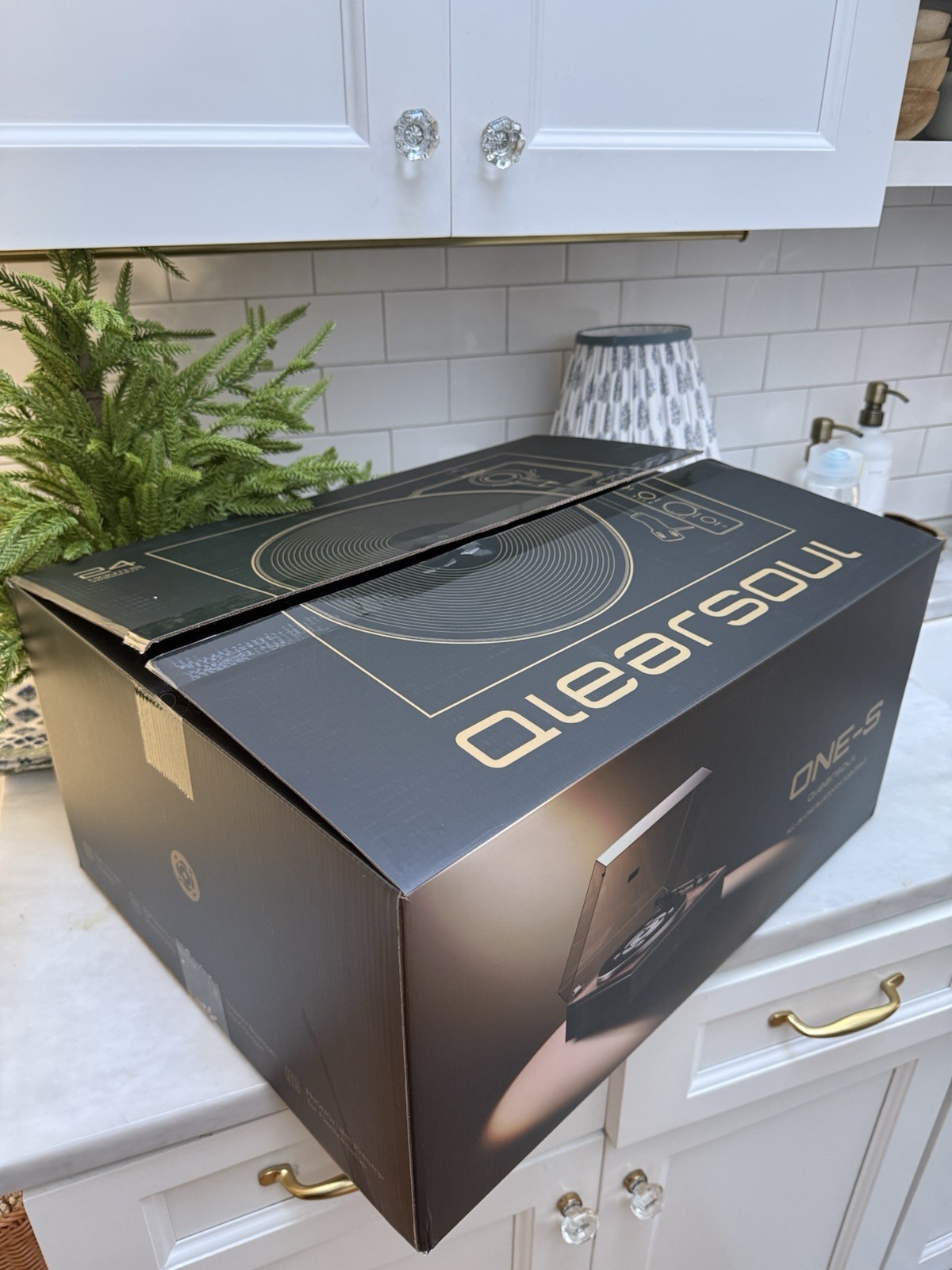 Qlearsoul ONE-S Vinyl Record Player with Bluetooth Input/Output, Al... Fast Ship$200.00New · Last checked Nov 29, 2026View on eBay
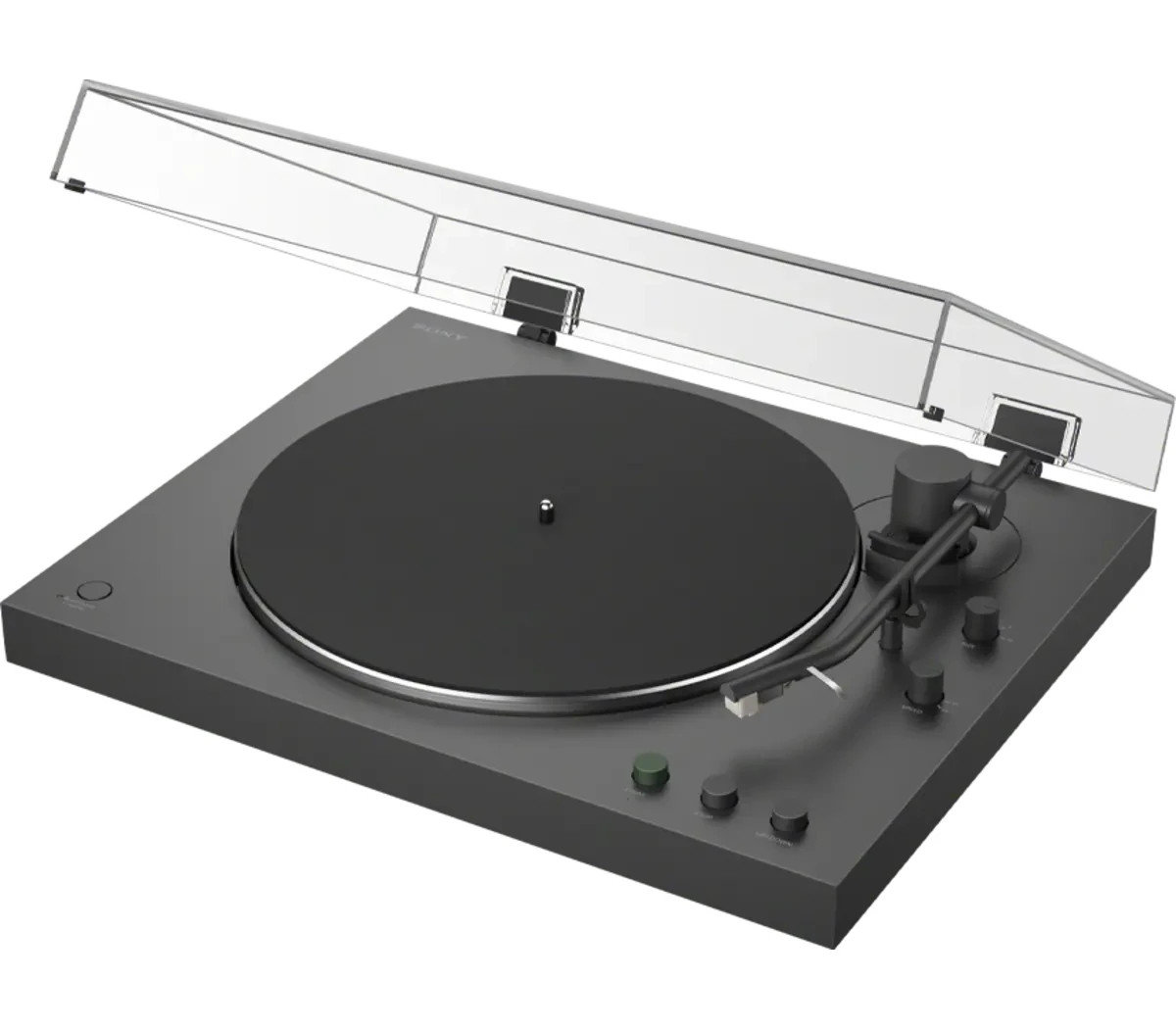 Sony PS-LX3BT Automatic Wireless Vinyl Record Player Bluetooth USB Turntable$219.00Last checked Nov 18, 2026View on eBay
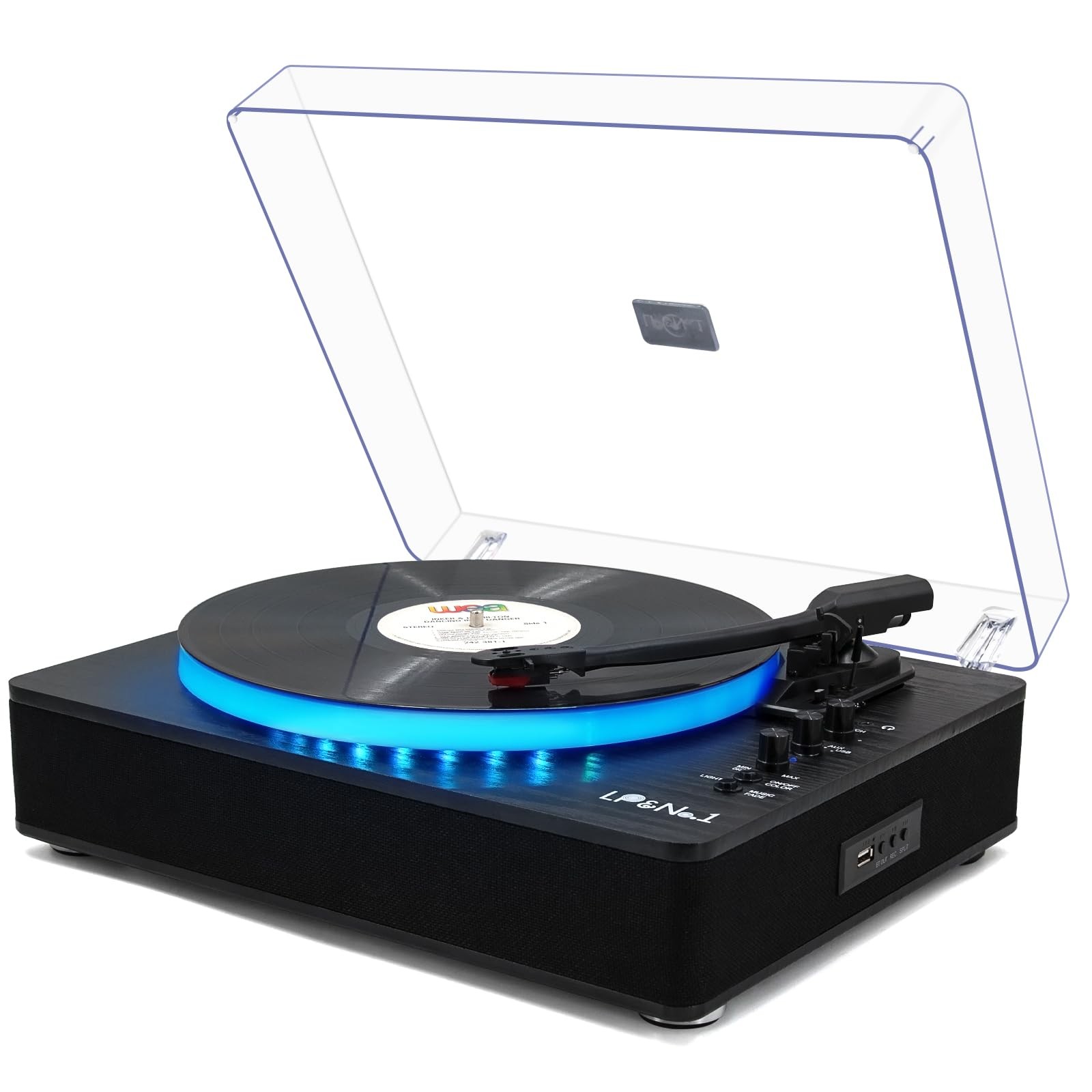 LP&No.1 Record Player with Built-in Stereo Speakers, LED Control, 3-Speed Bel...$236.21New · Last checked Nov 29, 2026View on eBay
 Hunger Games Sunrise On The Reaping Cruiser Record Player with 7" Vinyl RSD 2026$248.00New · Last checked Nov 29, 2026View on eBay
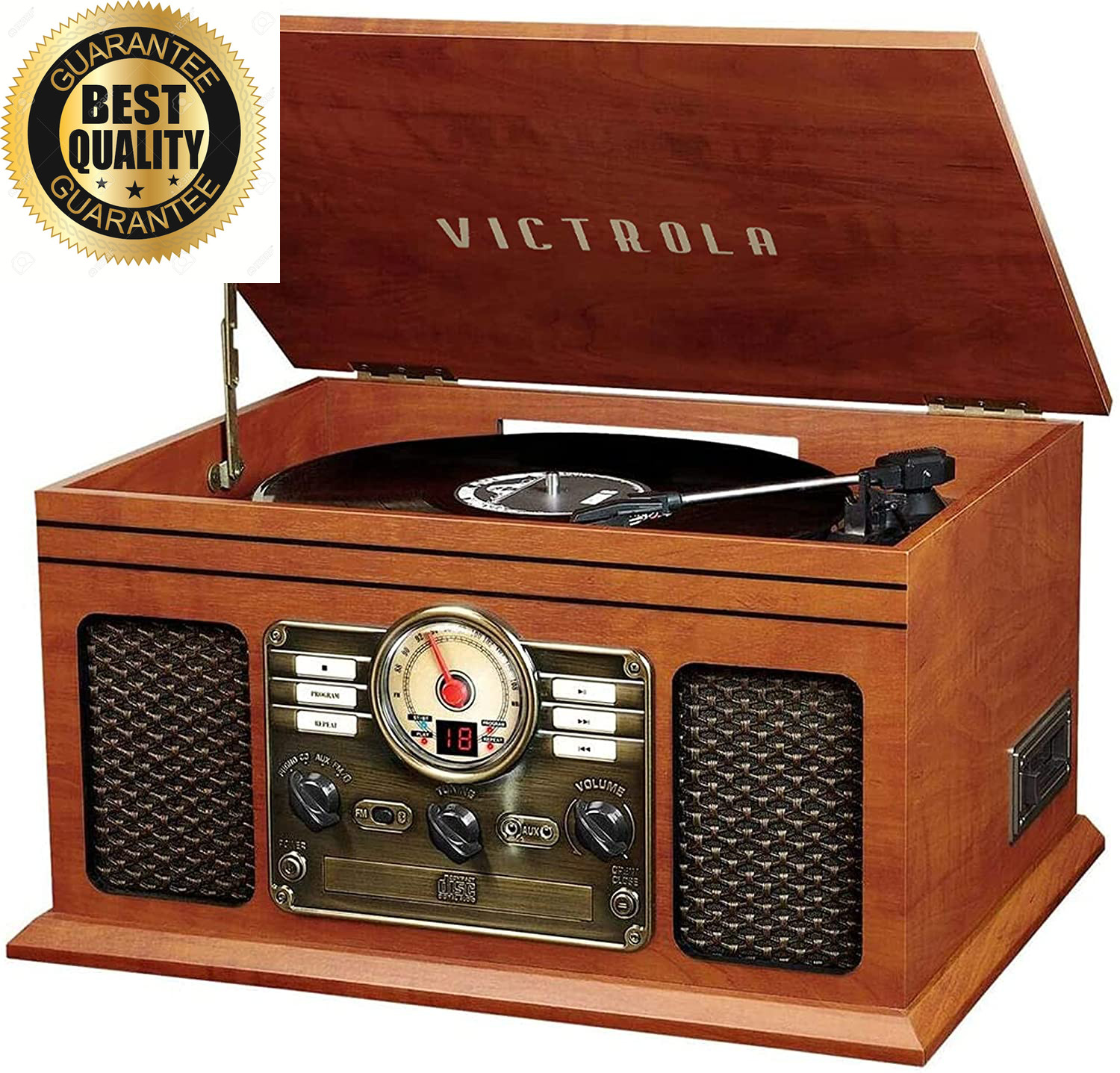 Victrola Nostalgic 7-In-1 Bluetooth Record Player & Multimedia Center with Built$249.99New · Last checked Nov 29, 2026View on eBay
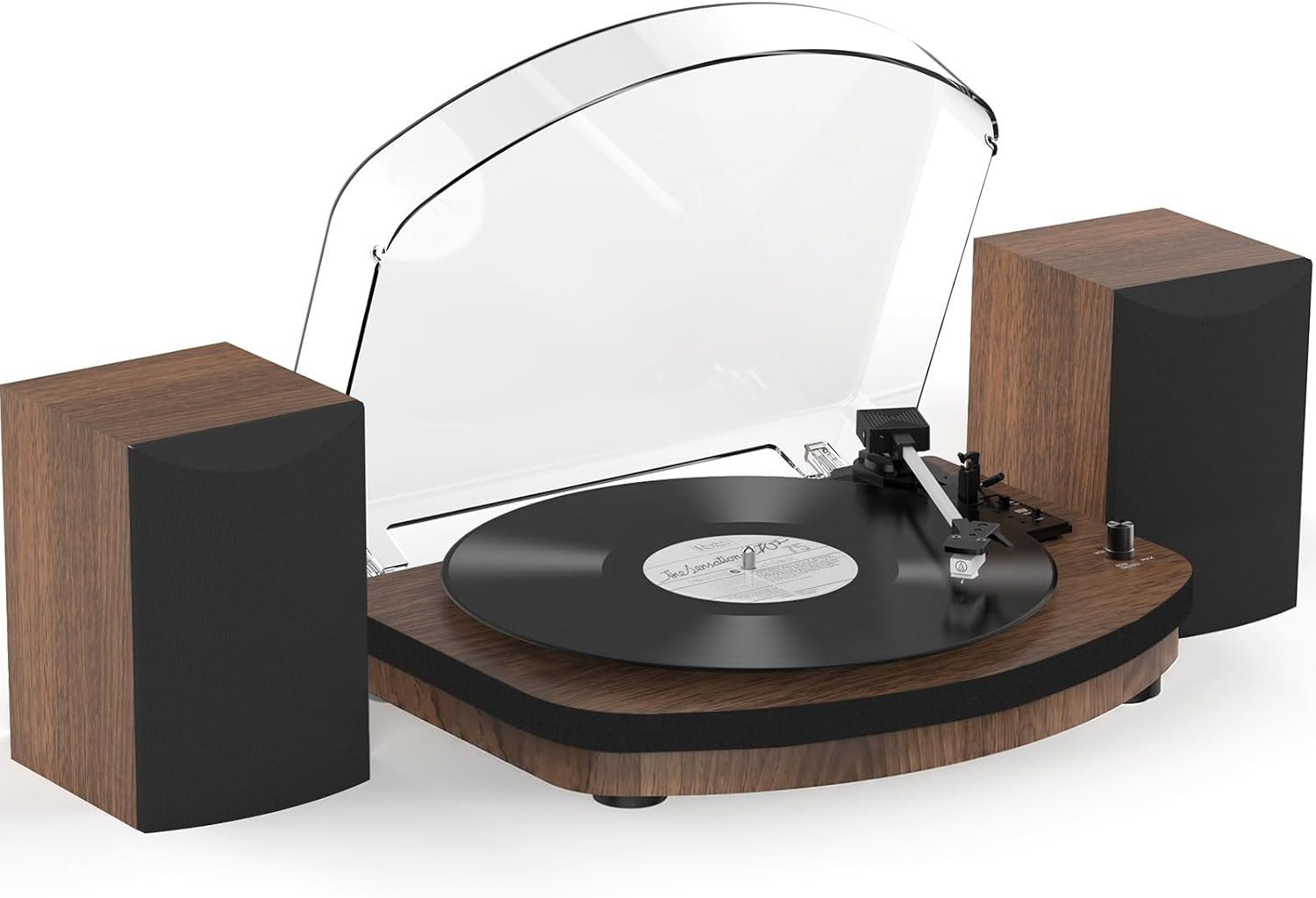 Vinyl Record Player with External Speakers AT-3600L Cartridge$254.27New · Last checked Nov 29, 2026View on eBay
- Vinyl Record Player with External Speakers AT-3600L Cartridge$255.18New · Last checked Nov 29, 2026View on eBay
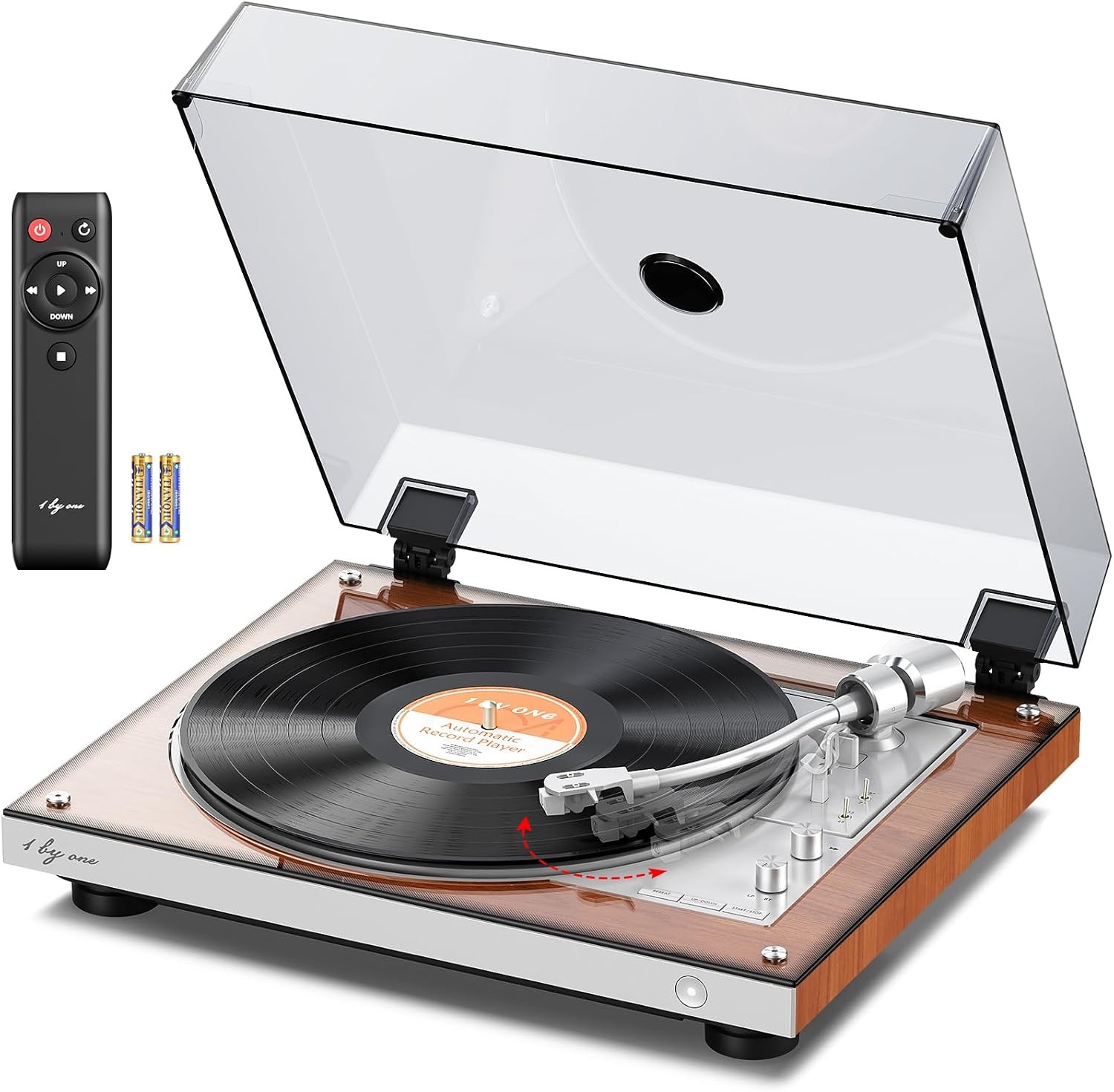 1 by ONE Fully Automatic Belt-Drive Turntable, Wireless Vinyl Record Player$266.69New · Last checked Nov 29, 2026View on eBay
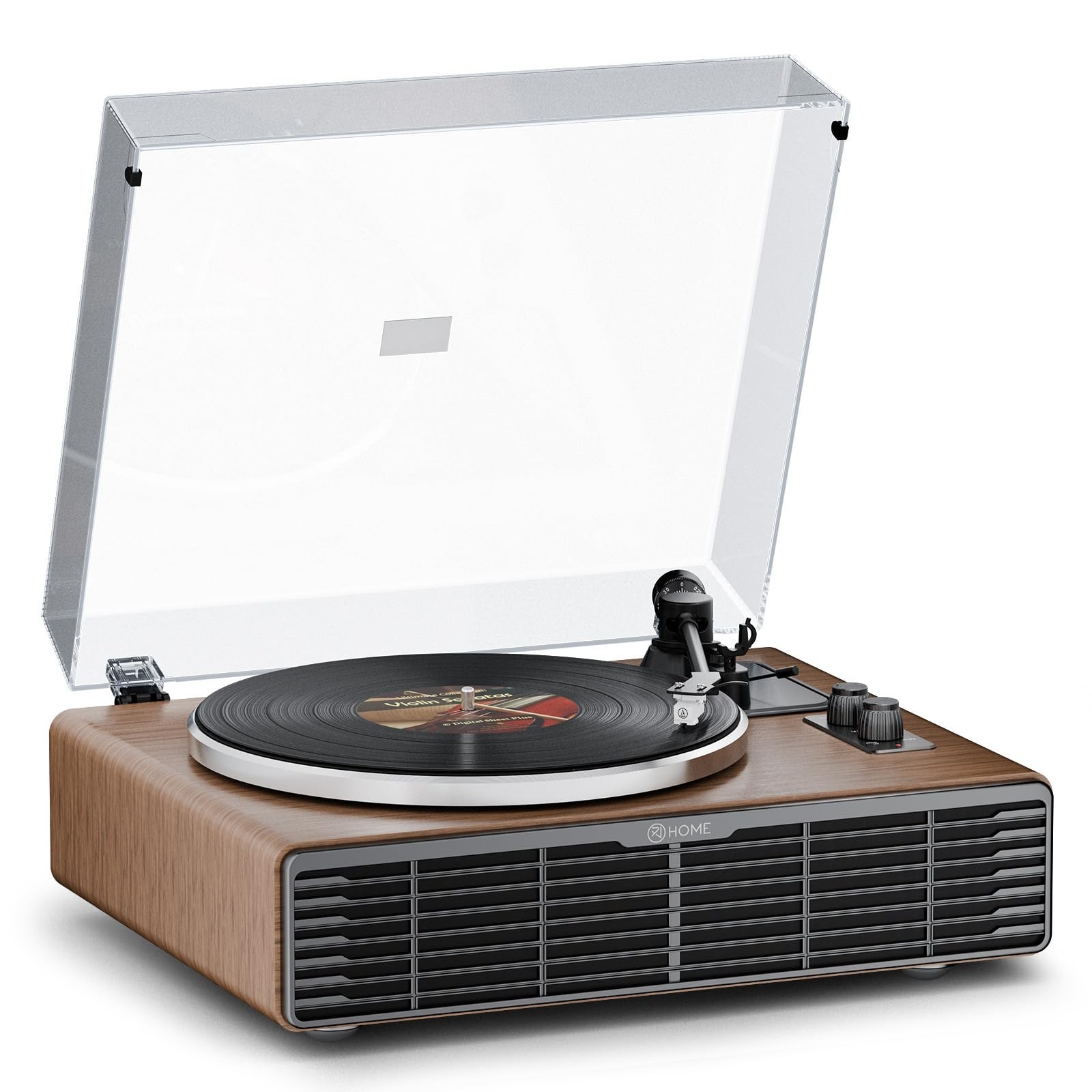 Vinyl Record Player with Speakers Bluetooth Turntable AT-3600L 33/45 RPM$270.73New · Last checked Nov 29, 2026View on eBay
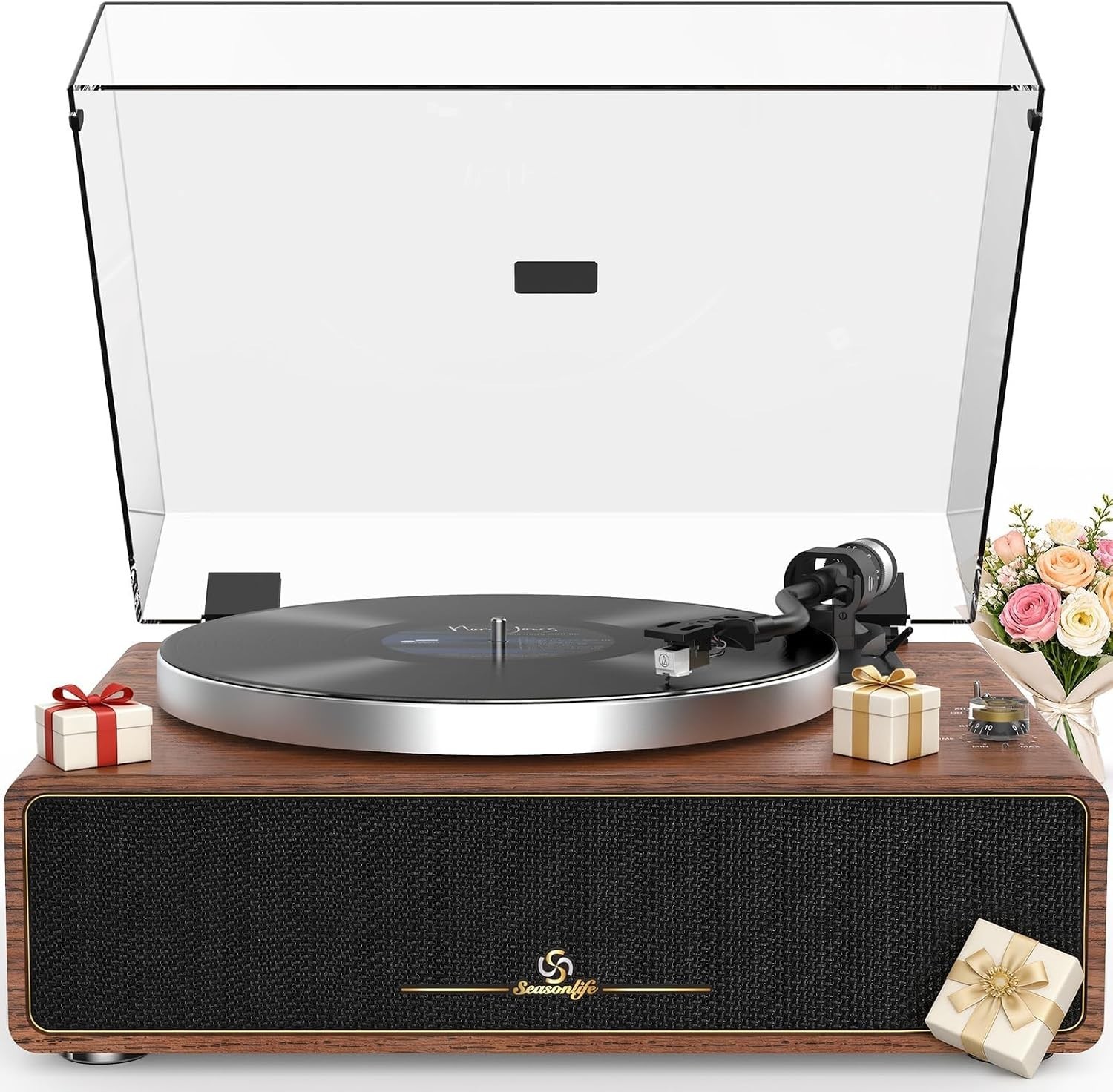 All-in-One Record Player with 4 Speakers & Bluetooth, Brown | Belt-Drive Vinyl P$270.88New · Last checked Nov 29, 2026View on eBay
- 1 by ONE Fully Automatic Belt-Drive Turntable, Wireless Vinyl Record Player$271.05New · Last checked Nov 29, 2026View on eBay
- 1 by ONE Fully Automatic Belt-Drive Turntable, Wireless Vinyl Record Player$273.27New · Last checked Nov 29, 2026View on eBay
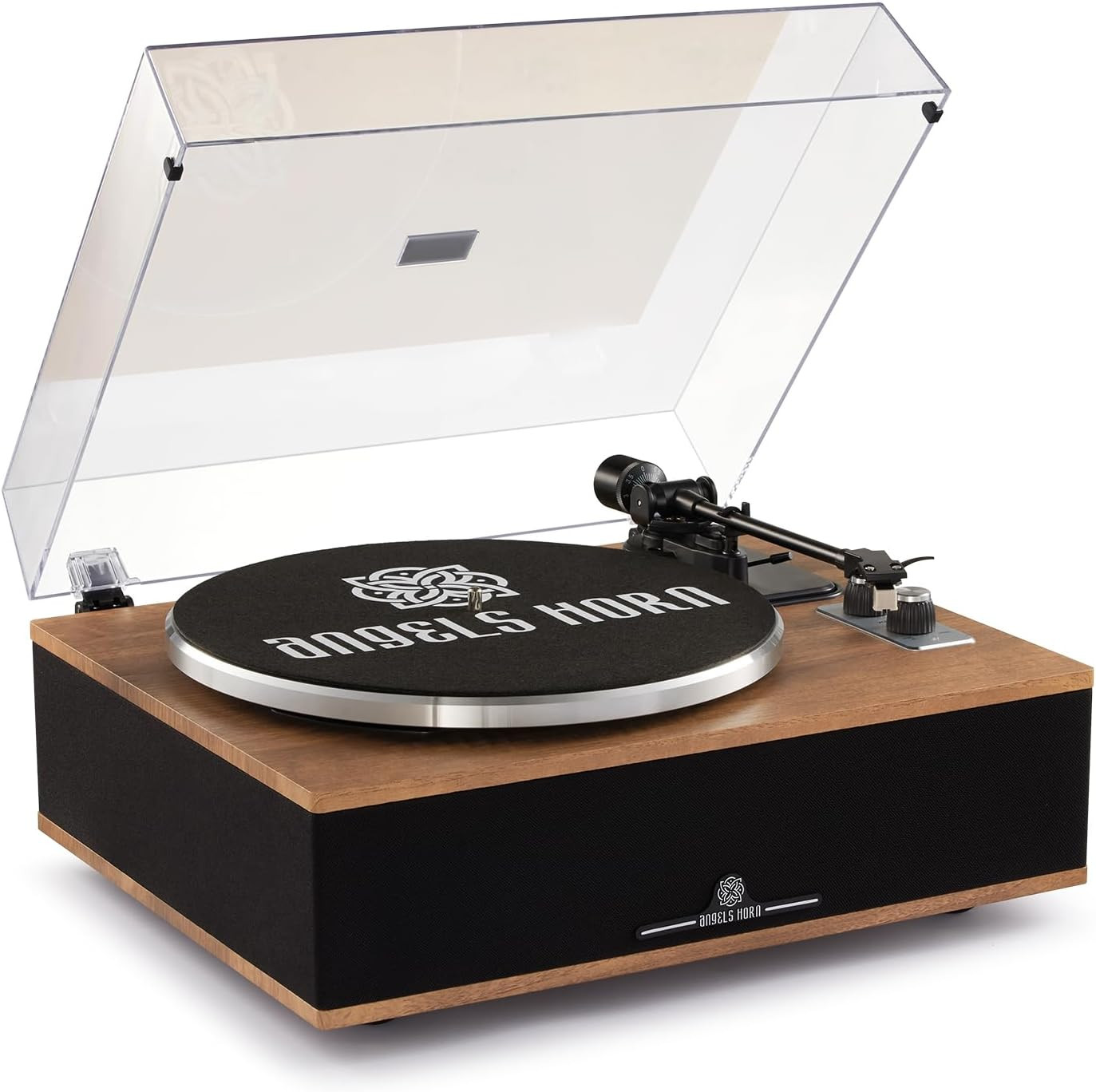 Vinyl Record Player, Bluetooth Turntable with Built in Speakers$279.97New · Last checked Nov 29, 2026View on eBay
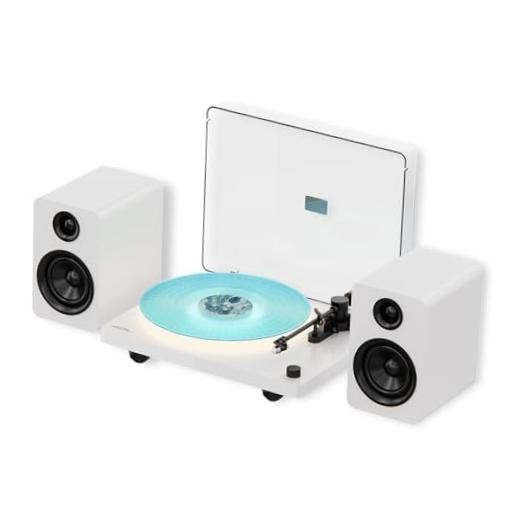 Vinyl Record Player with Bluetooth, Speakers and LED Lighting - Adjustable$367.49New · Last checked Nov 29, 2026View on eBay
Highlights
- Tonearm counterweight and anti-skate are the single biggest durability differentiator: a balanced tonearm tracks at 2-3 g and preserves grooves, while fixed spring arms often track at 4-6 g and accelerate wear.
- Cartridge type separates tiers: a replaceable moving-magnet cartridge (standard 1/2-inch mount) allows stylus upgrades and alignment; a ceramic cartridge is usually proprietary and non-replaceable.
- Drive architecture matters for speed stability: belt drive isolates motor vibration but needs a correct belt tension, while direct drive offers instant torque and quartz-locked speed on premium compact models.
- Built-in speakers are convenient but physically limited by cabinet volume; models with RCA/Bluetooth output let you add powered speakers without replacing the deck.
Best use cases
- Best fit: a small apartment or dorm where space is tight and you want one-box playback—choose an all-in-one with a counterweighted tonearm and replaceable cartridge, skip sealed plastic decks with ceramic cartridges.
- Best fit: a secondary system in a study or bedroom where you already own powered speakers—pick a compact belt-drive turntable with RCA out and a built-in phono stage, skip models with permanently attached speaker cables.
- Best fit: casual listening and occasional use with thrifted records—an all-in-one with Bluetooth output is acceptable if you accept higher tracking force; skip it for valuable or thin vinyl.
- Wrong fit: archiving, DJ use, or critical listening—compact all-in-ones lack the isolation, torque, and alignment precision; choose a standard-footprint turntable with a proper tonearm instead.
Buying tips
- Measure your shelf depth first: compact decks range roughly 12-16 inches deep, and you need 2-3 inches of clearance behind for cables and a lid hinge, plus 18 inches of vertical clearance for an open lid.
- Require a tonearm with a sliding or threaded counterweight and a published tracking-force range; if the spec sheet lists only a fixed '2 g' or no counterweight, the cartridge is likely ceramic and non-upgradeable.
- Prefer a deck with a standard 1/2-inch cartridge mount and a replaceable stylus, so you can fit an elliptical stylus later; sealed proprietary carts limit you to the original supplier.
Specs
| Drive Type | Belt drive vs direct drive |
|---|---|
| Tonearm | Counterweighted vs fixed spring |
| Cartridge | Moving-magnet vs ceramic |
| Speeds | 33/45 RPM (78 RPM rare) |
Related searches
What to check before buying
- Shelf or table footprint: confirm at least 14 x 14 inches of flat surface for most compact decks, and keep the deck away from speaker vibration if using external speakers.
- Output path: decide whether you need built-in speakers, RCA line-out, or Bluetooth; a built-in phono preamp is required if your amp or speakers lack a PHONO input.
- Power and plug: match the deck's voltage and plug type to your region; many compact models ship with external power adapters, so check the adapter input voltage range.
- Record condition and value: if you play valuable or thin vinyl, avoid high-tracking-force ceramic carts and choose a balanced tonearm with a replaceable stylus.
FAQ
Data sources: eBay / Amazon listings and product attribute feeds. Updated Nov 29, 2026.
Some links on this page are affiliate links. If you buy after clicking one, we may earn a commission at no extra cost to you. This does not change which products appear here or their order. Affiliate disclosure.