TechShelf Guide

TechShelf Guide

Consumer Electronics Reviews & Buying Guides

Compare consumer electronics by use case, features, trade-offs, price, returns, and seller terms before you buy.

Buying guides

Buying guide image
Microcontrollers & Dev Boards

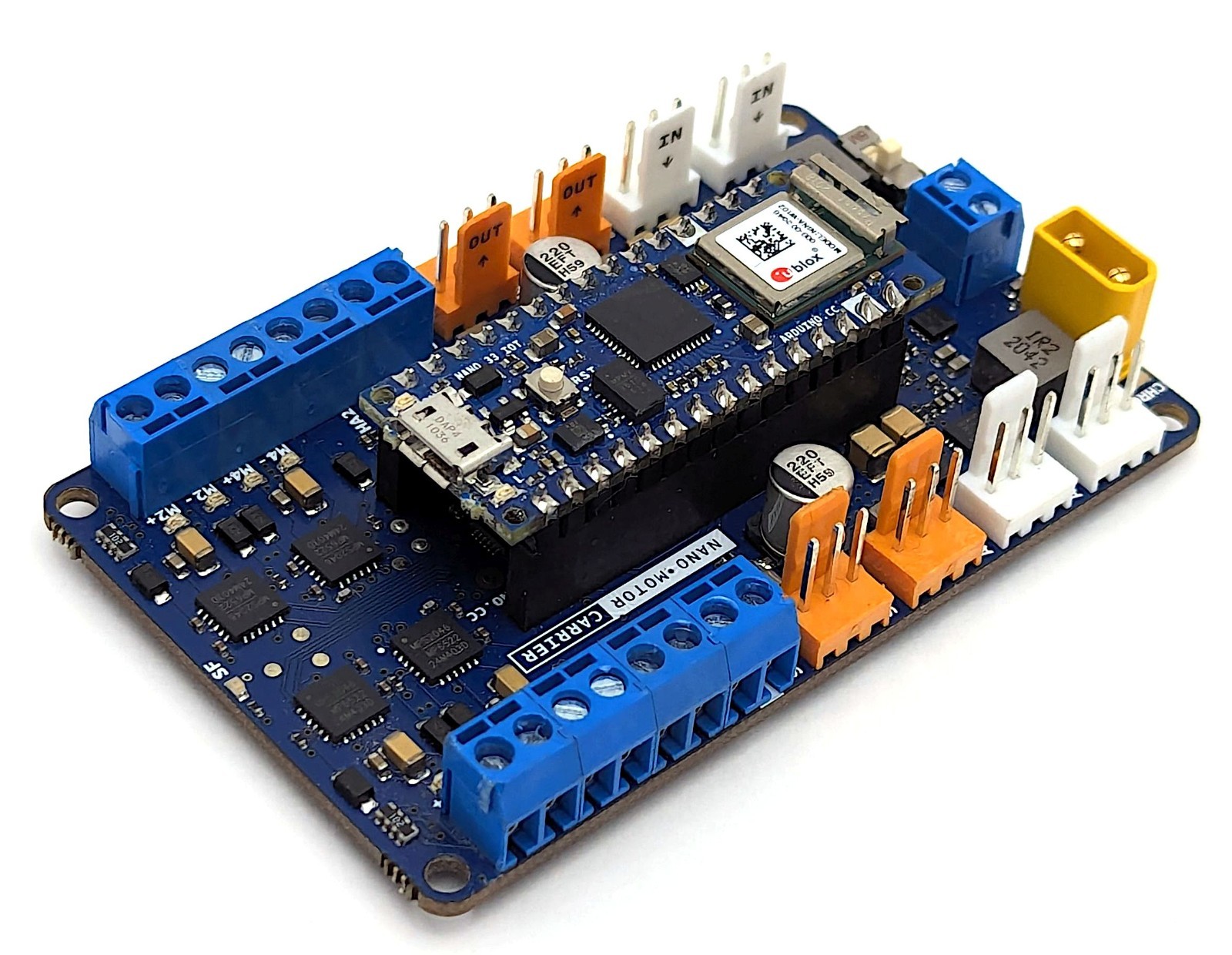
Arduino Board

Arduino boards are open-source microcontroller development platforms used for prototyping electronics, robotics, and IoT devices. The core trade-off is between 8-bit AVR simplicity (UNO/Nano/Mega) and 32-bit ARM performance (Due, GIGA, Nano 33), which determines memory, speed, and library compatibility. Choose an 8-bit board for learning and basic control; choose a 32-bit board only when you need floating-point math, USB host, or wireless connectivity.
Buying guide image
Drones & Consumer Robotics

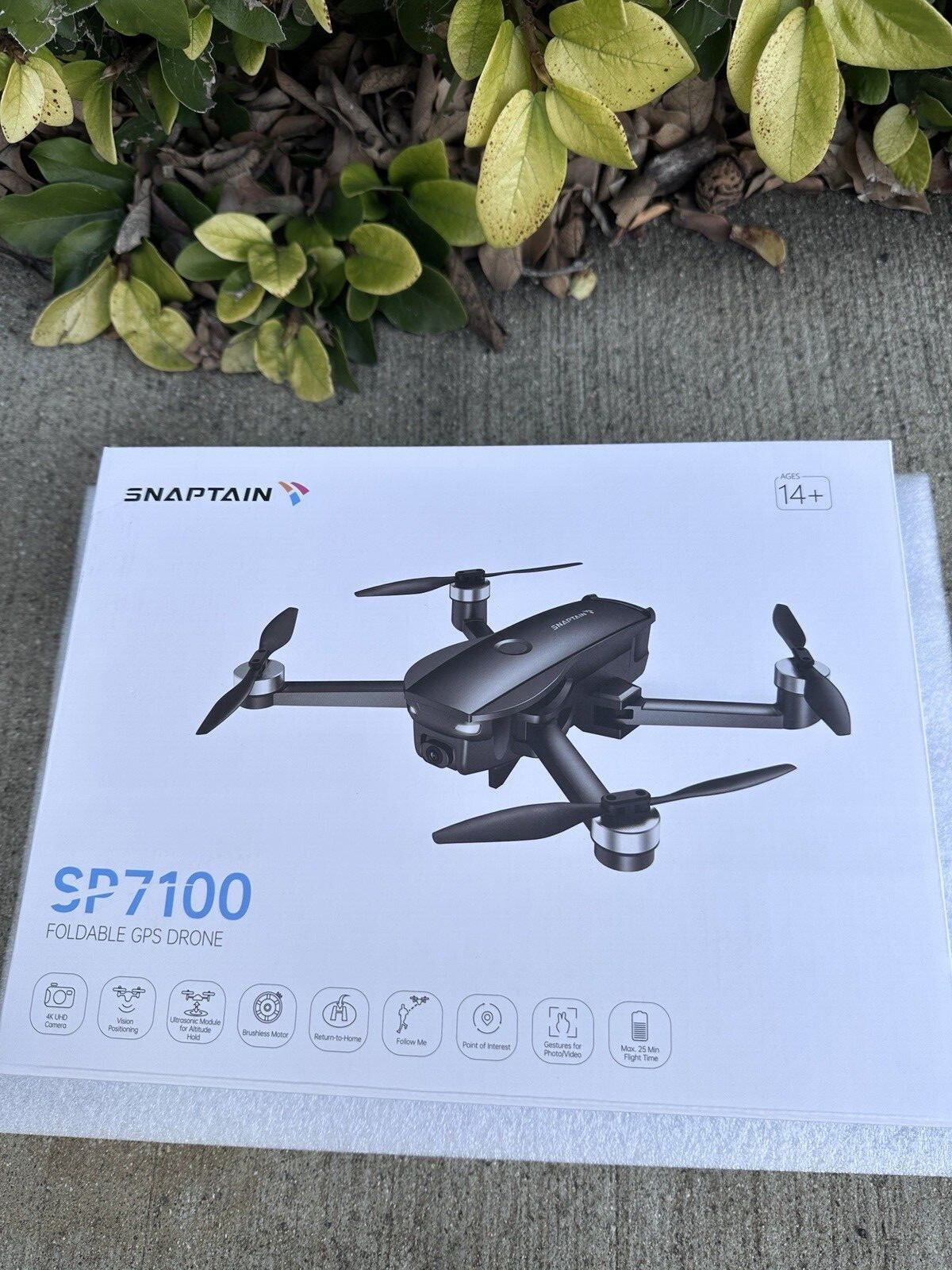
FPV Camera Kit

An FPV camera kit pairs a camera, video transmitter, and often goggles or a monitor so you can fly from the aircraft's viewpoint. The core trade-off is analog vs digital video: analog is low-latency, cheap, and survives crashes, while digital HD systems cost more but deliver clear, recordable feeds. Buy analog for budget acro and tiny whoops, digital for cinematic HD and long-range reliability.

Buying guide image
In-Ear Earphones

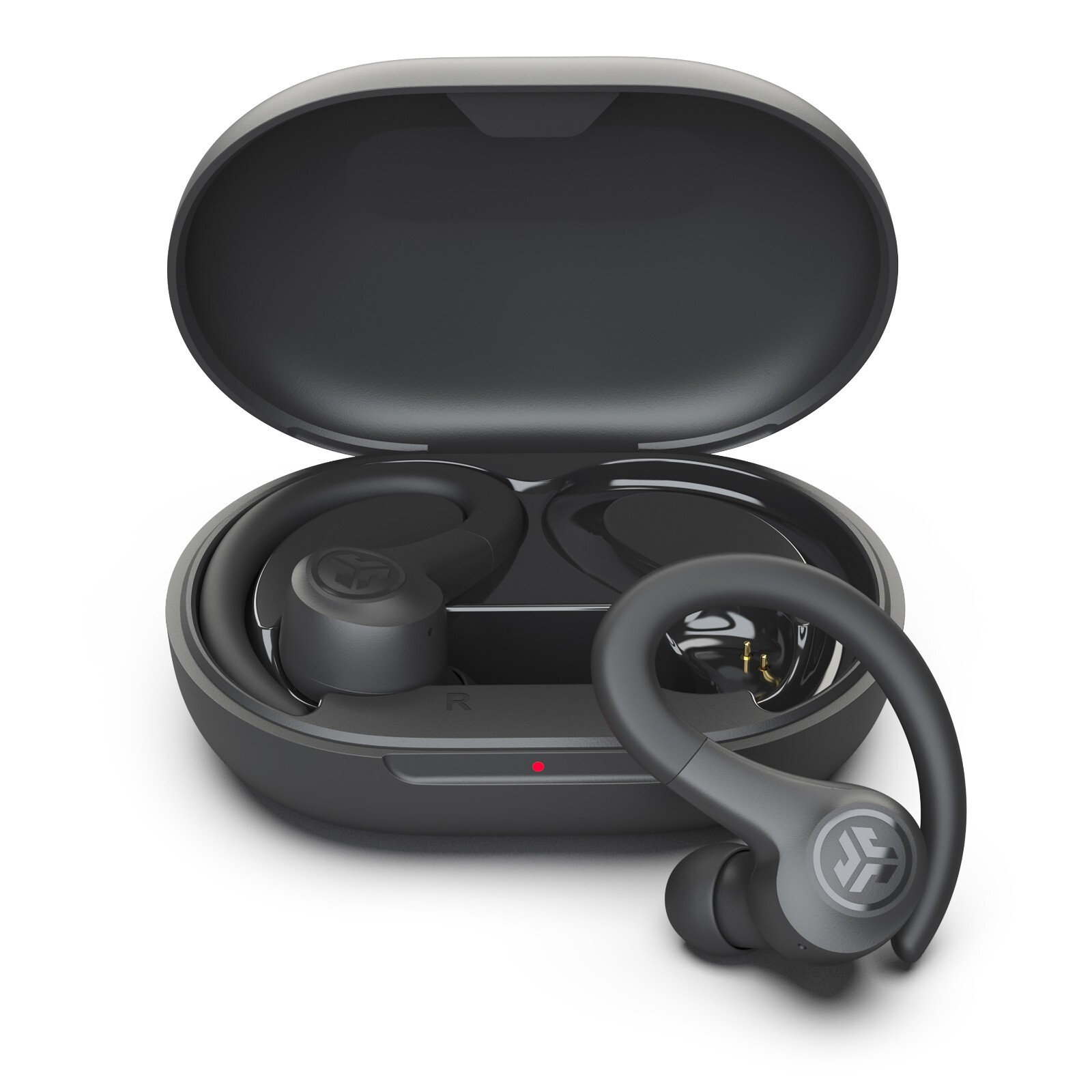
Sport Headphone

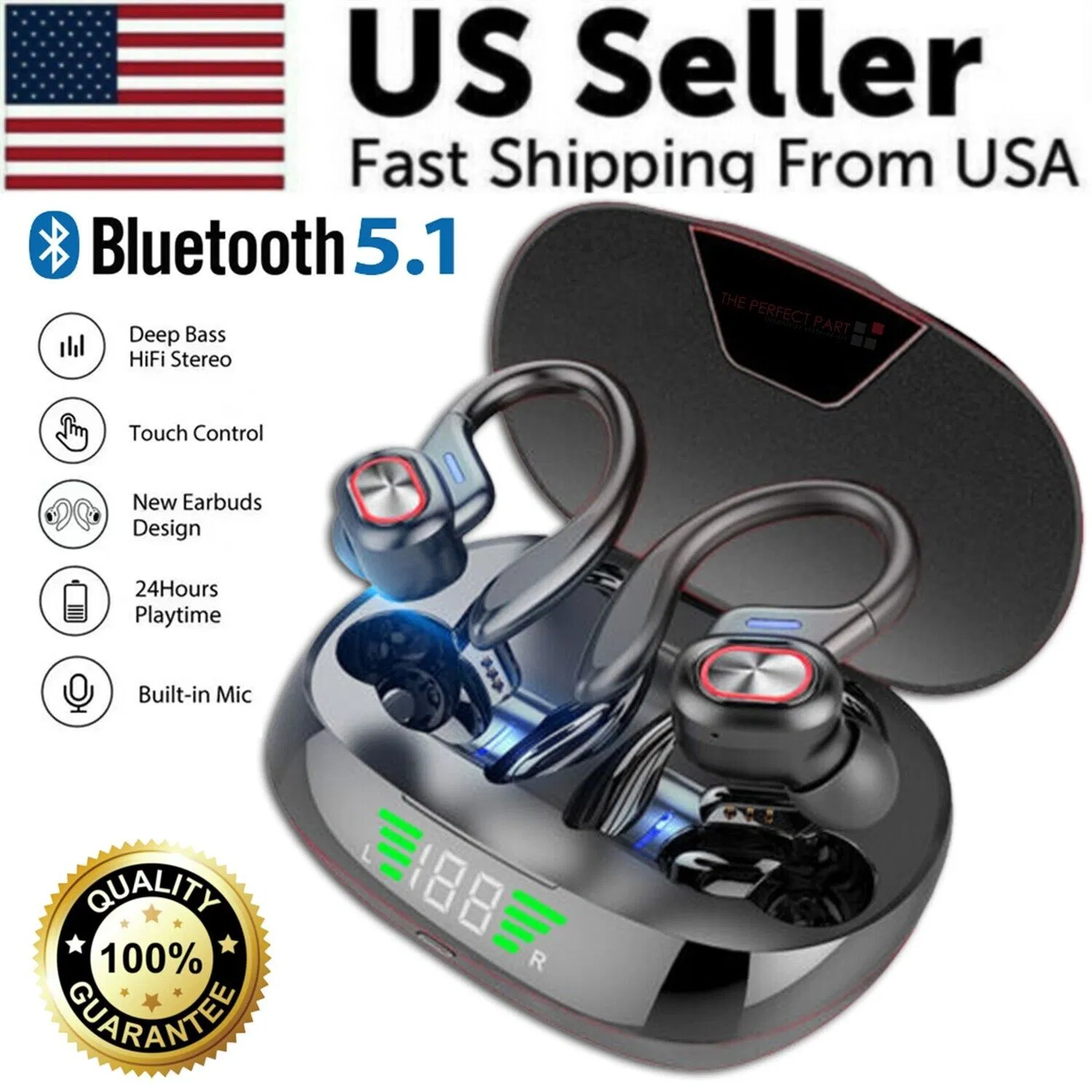
Sport headphones are in-ear or open-ear audio devices engineered to stay put and survive sweat during running and gym work. The core trade-off is between a secure, sealed in-ear fit with high IP ratings and situational awareness from open-ear or neckband designs. The decision rule is simple: prioritize IPX5 or better and a mechanical retention system (earhook, wingtip, or neckband) over any spec sheet claiming noise cancellation or standby hours.

Buying guide image
VR Gaming Hardware & Accessories

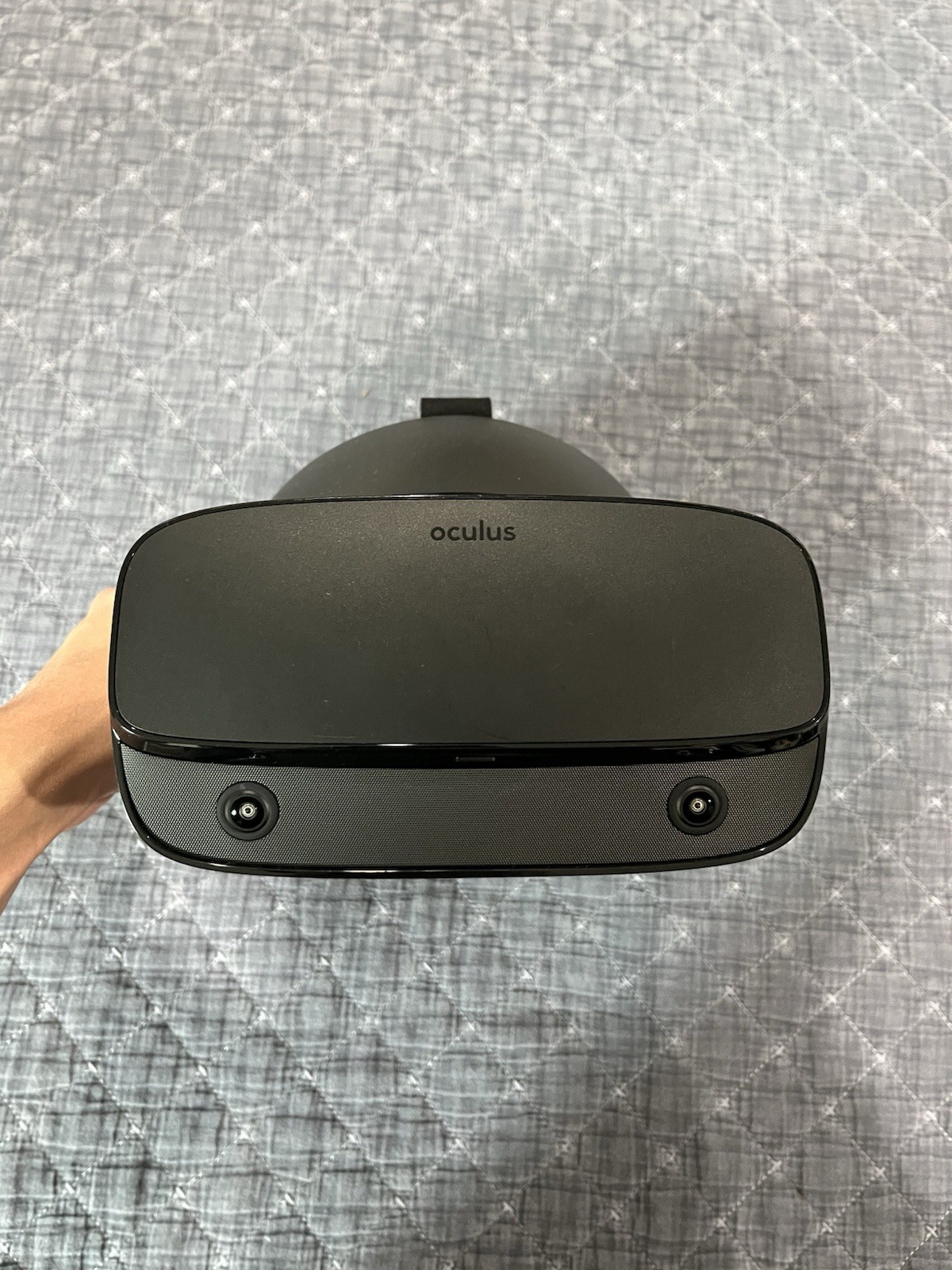
Oculus VR Headset

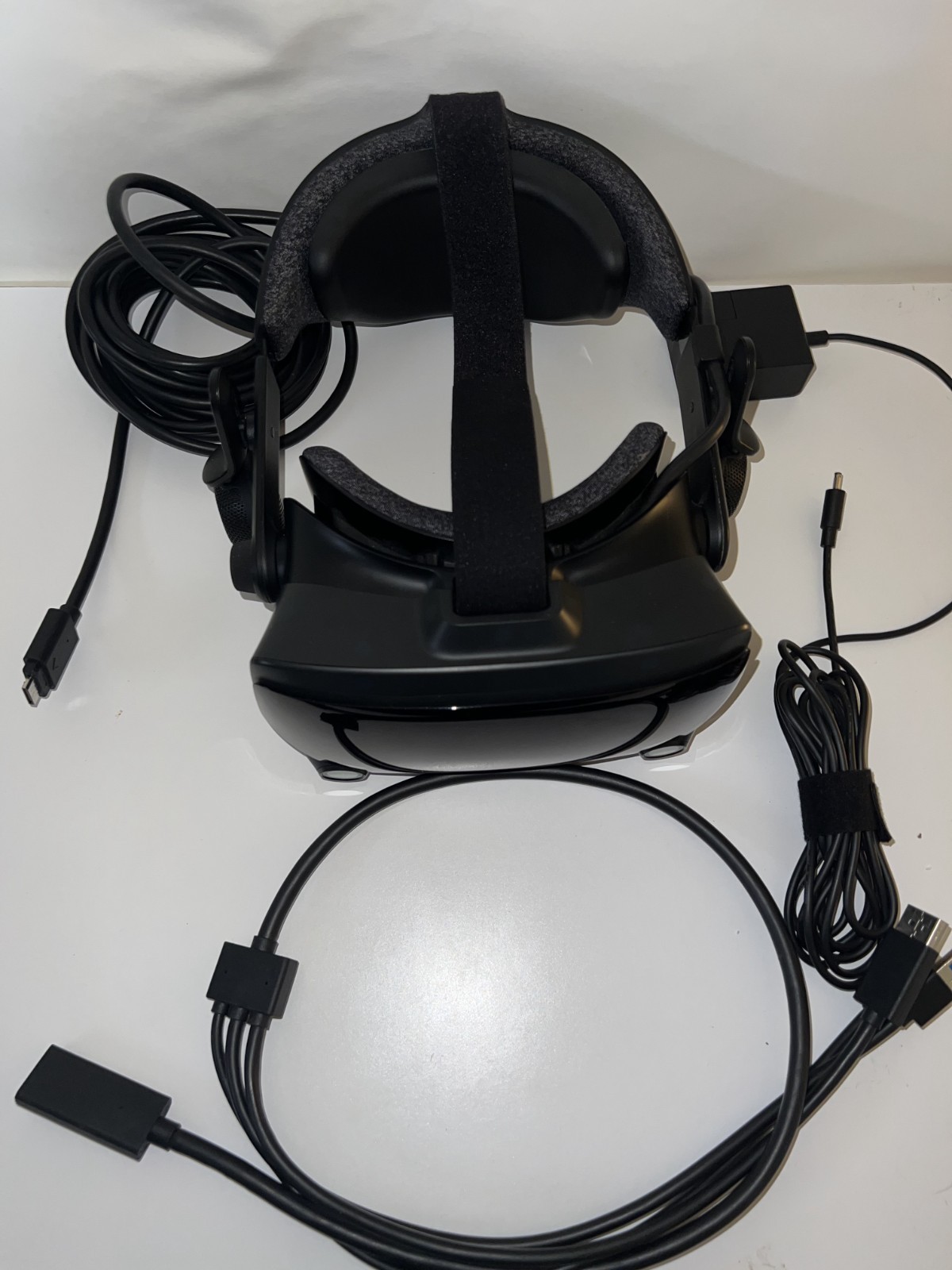
Oculus VR headsets span two distinct architectures: PC-tethered units (Rift S) and standalone all-in-one units (Quest 1/2). The trade-off is between a lightweight PC-tethered display with no onboard compute versus a self-contained mobile chipset with inside-out tracking. Buy a complete, generation-appropriate kit with controllers and cables; skip headset-only listings unless you already own matching accessories.

Buying guide image
DACs & Headphone Amplifiers

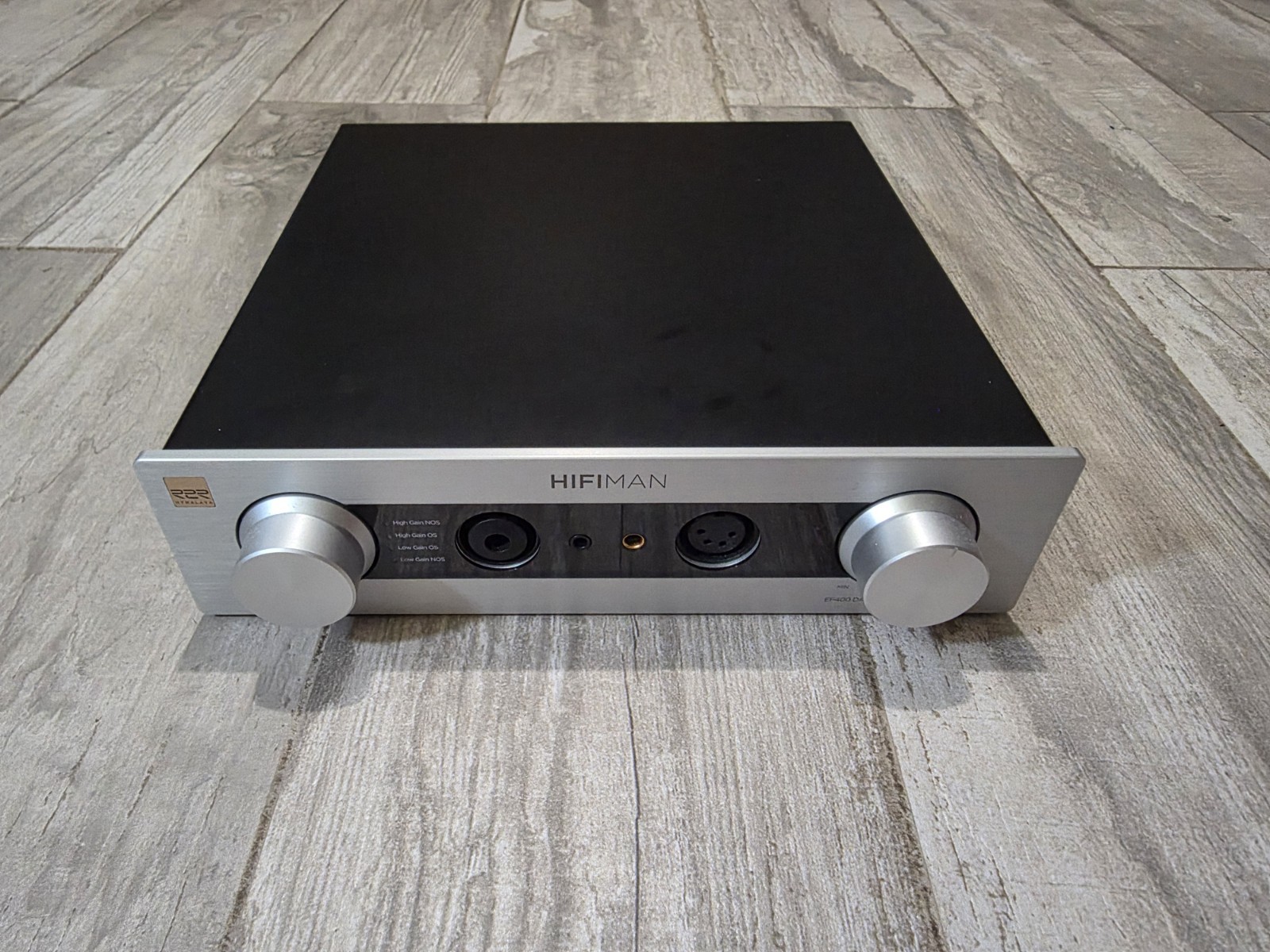
DAC

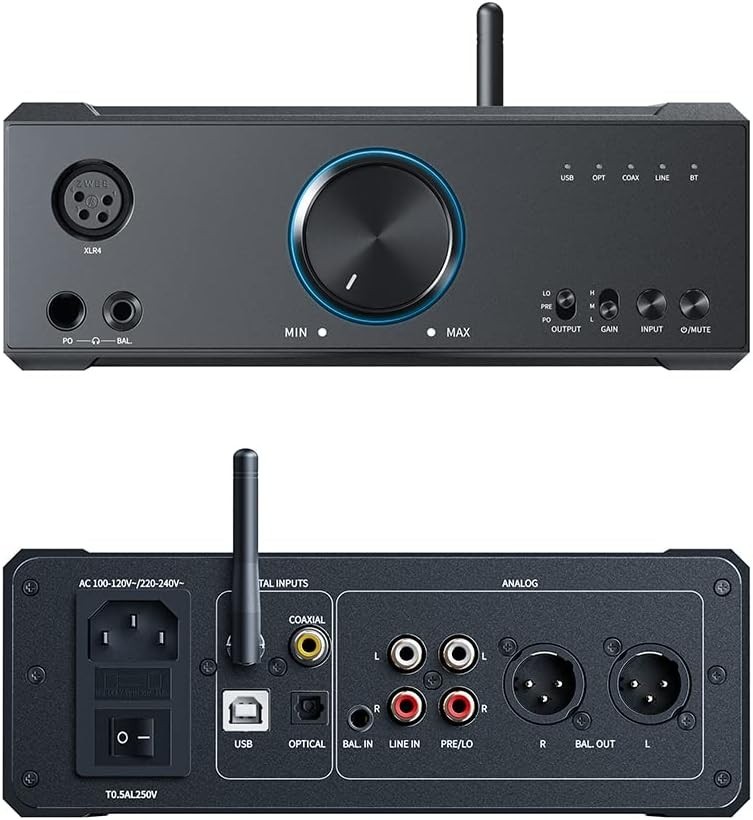
A DAC (digital-to-analog converter) converts digital audio into an analog signal, and when paired with a headphone amplifier it drives headphones to clean, loud levels. The core trade-off is between chipset quality, amplification power, and connectivity versus portability and cost. The decision rule: buy a desktop unit with a dedicated amp stage and balanced outputs if you use hard-to-drive headphones; buy a dongle or portable DAC-amp only for efficient IEMs and on-the-go use.

Buying guide image
Mechanical Keyboards

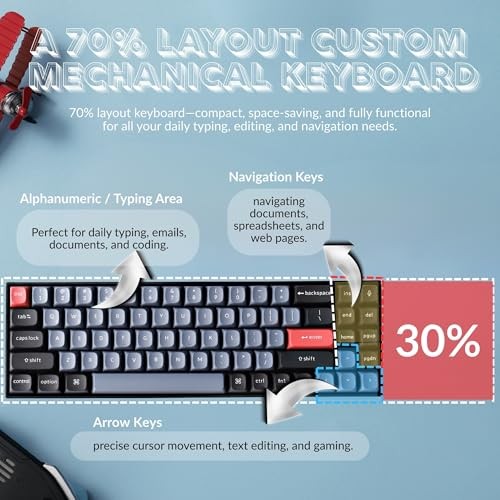
Custom Keyboard

A custom keyboard is a mechanical board where you choose the case material, layout, mounting style, and switches, rather than accepting a fixed retail configuration. The core trade-off is between a plastic tray-mount board with soldered switches (cheap but rigid and non-upgradable) and an aluminum gasket-mount board with hot-swap sockets and QMK/VIA firmware (heavier, pricier, but repairable and tunable). The decision rule: buy a hot-swap PCB with QMK/VIA support and a gasket-mounted aluminum or reinforced plastic case if you want a long-term platform; skip any board with soldered switches and proprietary software if you plan to modify or repair it.

Buying guide image
Mechanical Keyboards

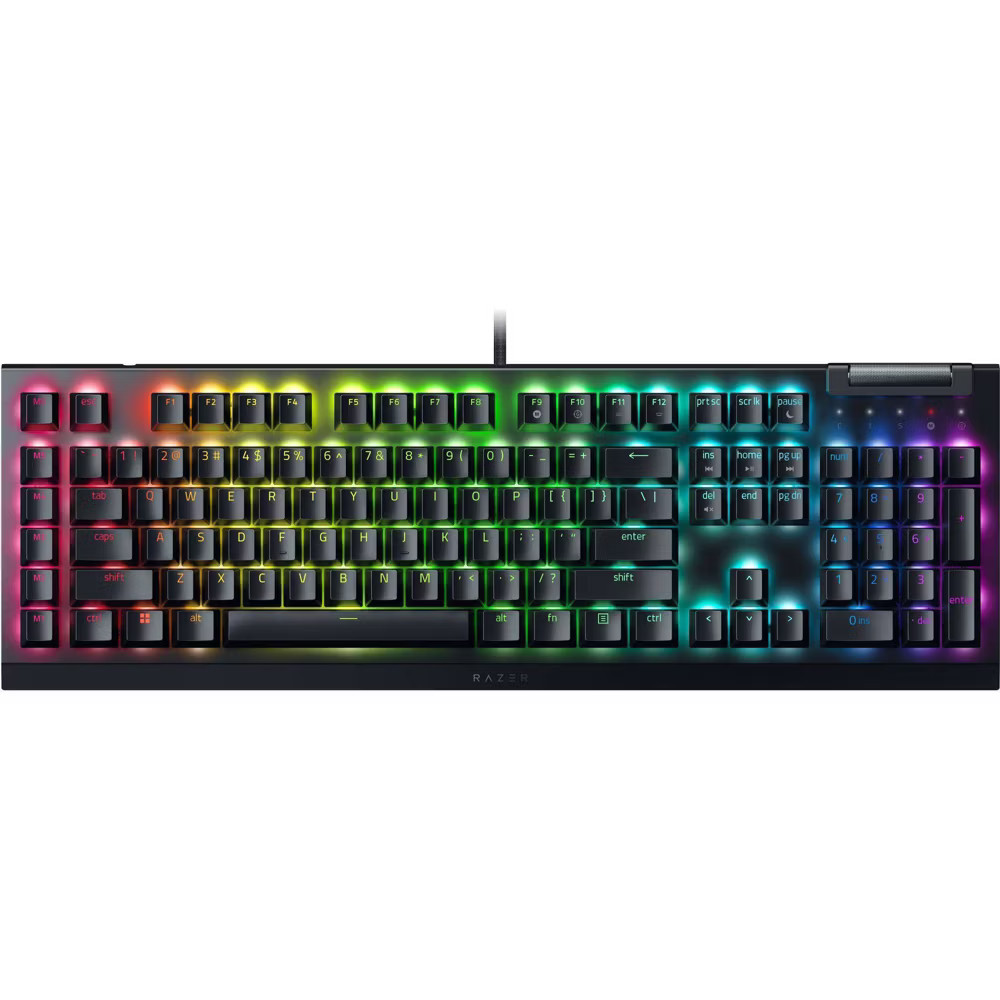
Gaming

A gaming mechanical keyboard is defined by its switch actuation mechanism (mechanical contact vs. magnetic Hall-effect) and its PCB feature set (hot-swap, polling rate, firmware). The core trade-off is between cheap ABS-plastic 60–75% boards with fixed switches and metal-framed, hot-swap, high-polling boards that survive years of aggressive use. The decision rule: buy hot-swap and at least 1000 Hz polling for competitive play; treat any sealed, non-hot-swap ABS board as a disposable tier.

Buying guide image
Turntables & Record Players

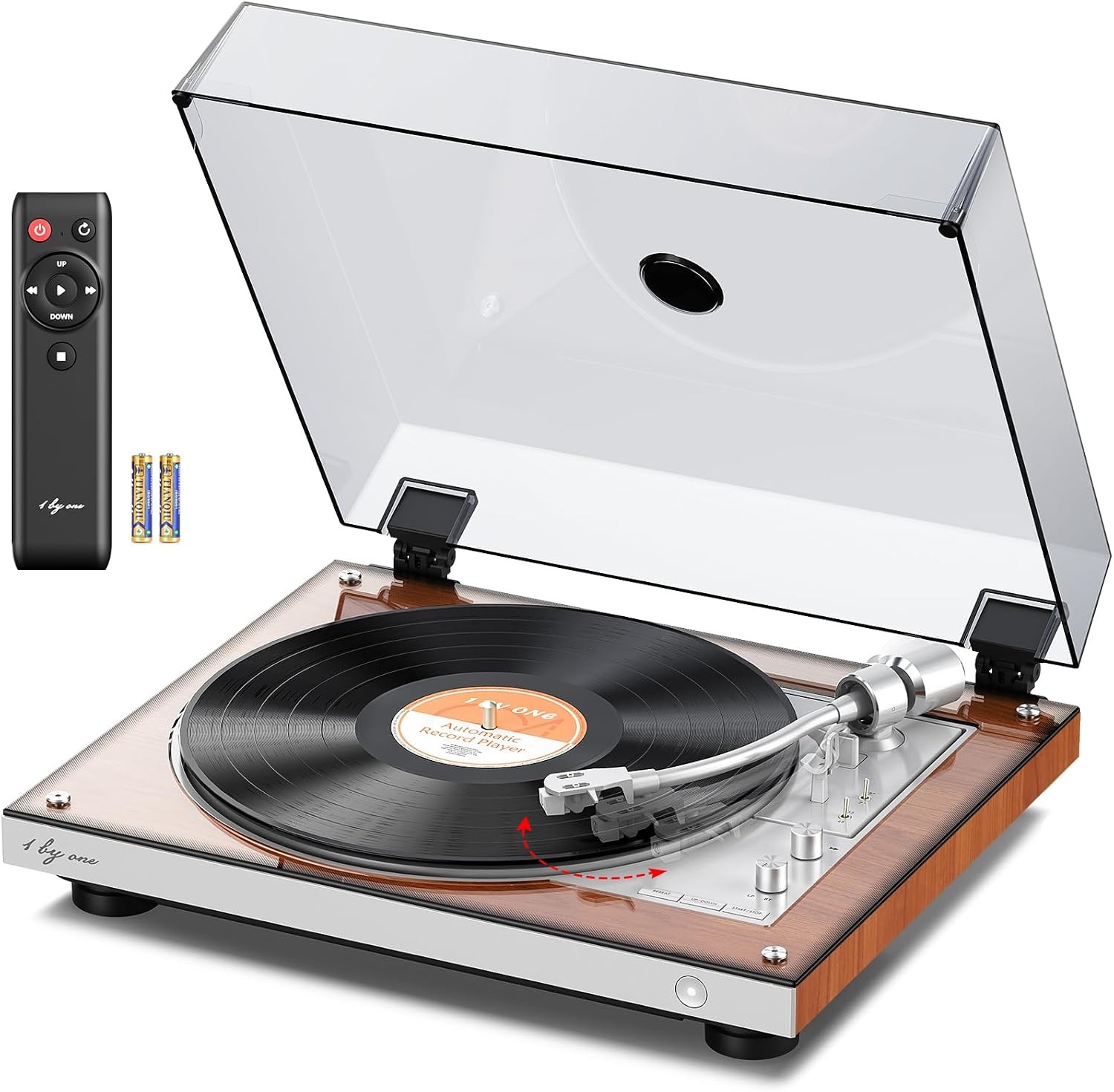
Record Player

A record player is an electromechanical transducer: a stylus reads groove modulations, a cartridge converts them to voltage, and a tonearm/drive system preserves tracking stability. The core trade-off is between cheap all-in-one suitcase decks (ceramic cartridge, high wow & flutter, fixed tracking) and component-style turntables (moving-magnet cartridge, adjustable counterweight, belt or direct drive). The decision rule: buy a deck with a replaceable 1/2-inch cartridge, adjustable tracking force, and a switchable phono/line output—skip any player with a permanently glued ceramic cartridge and non-adjustable tonearm.

Buying guide image
Over-Ear Headphones

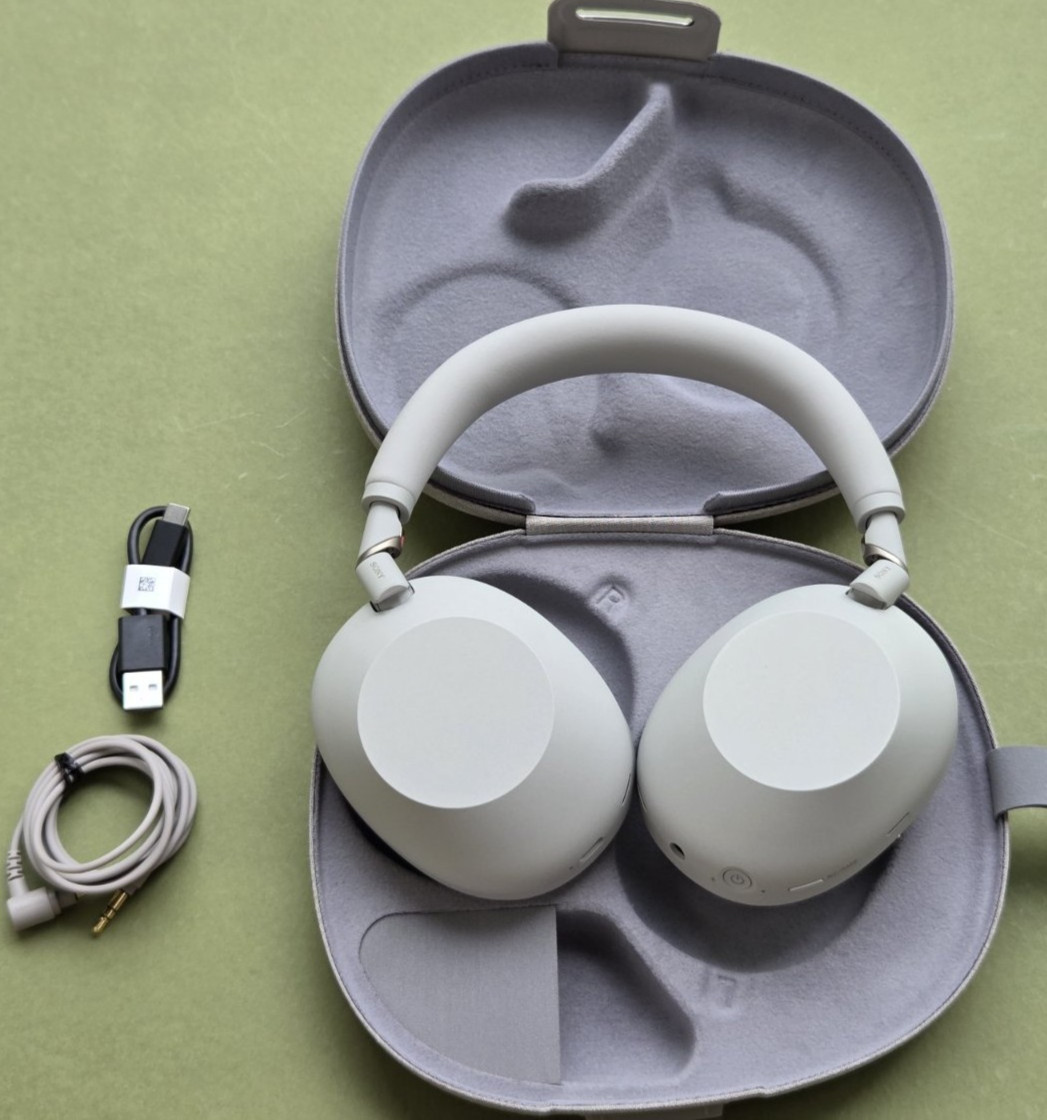
Sony Headphones

Sony over-ear headphones span four distinct architectures: budget wired monitors like the MDR-ZX110, professional closed-back studio cans like the MDR-7506, wireless ANC models like the WH-CH720N, and RF home-theater sets like the RF400. The core trade-off is wired acoustic durability and zero-latency monitoring versus wireless ANC convenience and codec flexibility. Decide by your source and environment: pick wired 63Ω closed-back for studio/critical listening, Bluetooth 5.0–5.2 ANC for commute/travel, and RF base-station sets only for TV in a fixed room.

Buying guide image
Sim Racing Cockpits & Mounts

Racing Simulator Cockpit

A racing simulator cockpit is the rigid frame that connects your wheel, pedals, and seat so force feedback is transferred to you rather than wasted flexing the chassis. The core trade-off is frame architecture: stamped alloy-steel wheel stands flex under high-torque direct-drive bases, while aluminum-profile and reinforced tubular cockpits stay stiff. Buy aluminum profile or heavy-gauge steel if you run a direct-drive wheel or load-cell pedals; choose a steel wheel stand only for entry belt-driven Logitech or Thrustmaster setups.

Buying guide image
Flight Sim Joysticks & HOTAS

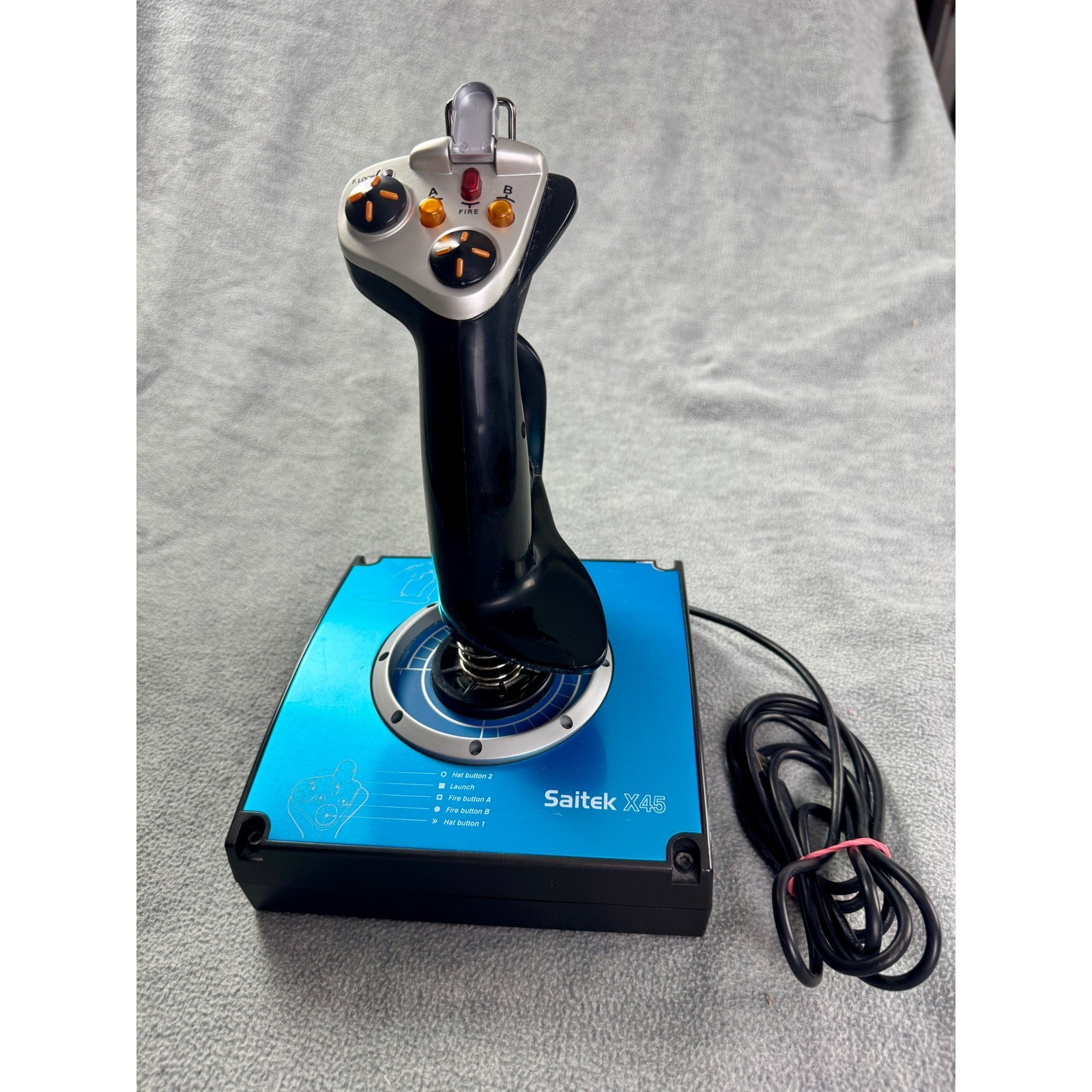
Flight Stick

A flight stick is a dedicated single-hand controller with an X/Y gimbal, twist or rudder axis, and button/hat clusters, distinct from a full HOTAS with a separate throttle. The core trade-off is gimbal construction — potentiometer-based plastic sticks drift and spike within months, while Hall-effect or contactless sensors in metal or reinforced housings hold center for years. The decision rule: buy any stick with contactless sensors and a twist-rudder axis for modern sims; skip legacy gameport/DB15 and plain-potentiometer sticks unless you are collecting vintage hardware.

Buying guide image
Sim Racing Cockpits & Mounts

Simulator Cockpit

A simulator cockpit is the rigid chassis that locks your wheel, pedals, and seat into a fixed driving position, and the core trade-off is flex versus footprint: steel tube stands flex under strong force feedback and load-cell brakes, while aluminum-profile rigs stay rigid but cost more and occupy fixed floor space. The decision rule is simple: buy a profile or reinforced steel rig if you run a direct-drive wheel or load-cell pedal, and only choose a folding tube stand for belt-driven gear and shared living space.

Buying guide image
VR Gaming Hardware & Accessories

Gaming VR Headset

Gaming VR headsets split into standalone all-in-one units with onboard compute and PC/console-tethered headsets that offload rendering to a host system. The core trade-off is portability and simplicity versus raw fidelity and tracking precision; standalone headsets win on convenience but cap out on graphical horsepower, while tethered units deliver higher frame rates and resolution at the cost of cables and a capable PC or console.

Buying guide image
In-Ear Earphones

Sport Earphone

Sport earphones are in-ear or neckband/back-band headsets engineered for sweat resistance, secure fit, and stable wireless during movement. The key trade-off is between true-wireless freedom and the secure, battery-endowed neckband/back-band architecture, with waterproof ratings and Bluetooth generation being the clearest durability dividers. Choose IPX4 or better and Bluetooth 5.0+ for reliable gym use; treat IPX2 and Bluetooth 4.x as light-exercise compromises.

Buying guide image
Console & Handheld Hardware

Portable Game Console

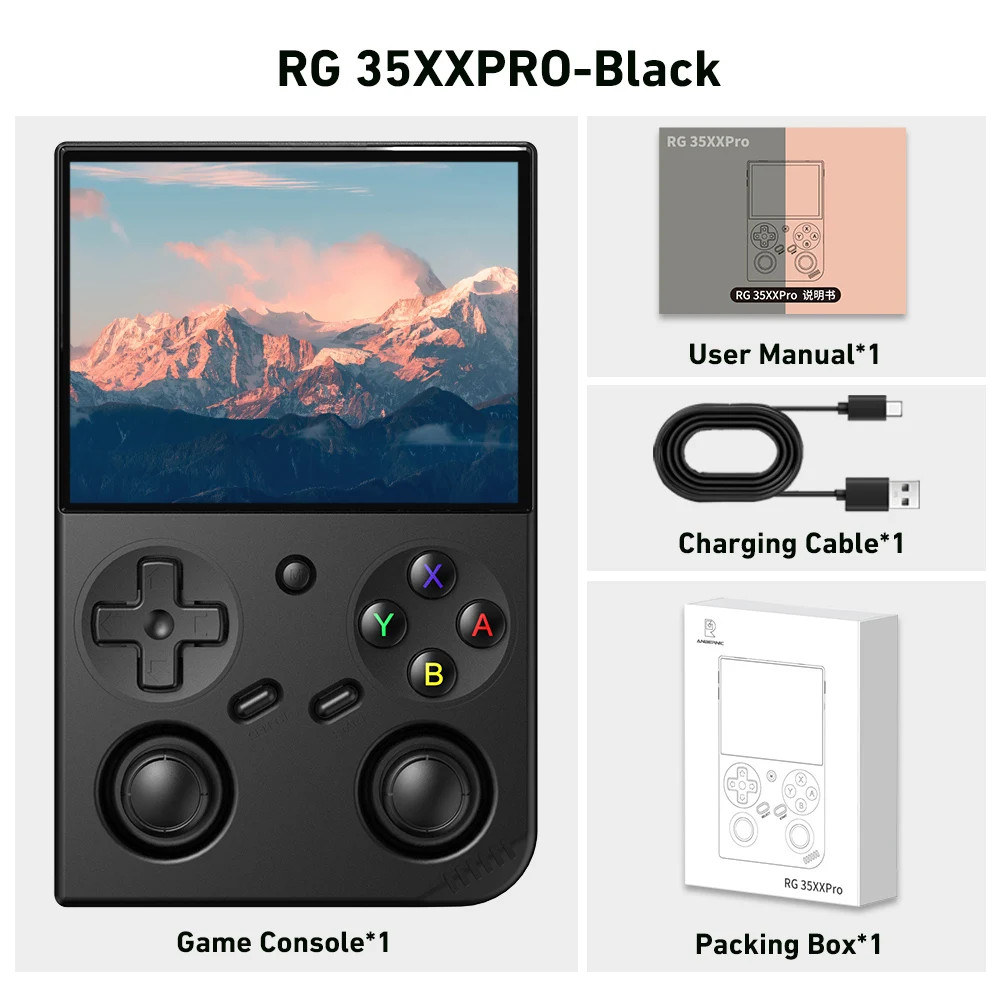
A portable game console is a self-contained handheld system with an integrated screen and controls, ranging from fixed-function retro toys to open-source Linux emulation devices. The core trade-off is fixed-function simplicity versus open-source flexibility: fixed ROM handhelds are cheap but non-expandable, while Linux/Android handhelds cost more but support ROM libraries and emulators. The decision rule: buy a fixed-function unit only for casual nostalgia under 200 built-in games, and step up to an open-source or name-brand handheld if you need expandable storage, IPS display quality, or emulator compatibility.

Buying guide image
Sim Racing Cockpits & Mounts

Racing Simulator Cockpit Motion

A motion-enabled racing simulator cockpit adds physical pitch, roll, and heave feedback to a rigid frame, and the core trade-off is actuator architecture (2-DOF vs 3-DOF vs full 6-DOF) versus frame stiffness, load capacity, and noise footprint. The decision rule is simple: buy a motion system rated for your seated load plus wheel-rim force with a rigid steel profile frame, and skip any kit that mounts actuators to a flex-prone or particleboard base.

Buying guide image
DACs & Headphone Amplifiers

DAC Amp

A DAC/headphone amp converts digital audio to analog and drives your headphones with enough clean power to hit realistic volume without distortion. The core trade-off is output power versus noise floor and feature set: desktop models use mains power for high voltage swing into high-impedance loads, while dongles and portables trade power for portability and lower gain. Choose by headphone impedance/sensitivity and input needs; skip anything that cannot deliver rated power at your headphone's load or lacks the digital inputs you actually use.

Buying guide image
Console & Handheld Hardware

620 Game Console

The 620-in-1 retro console is a plug-and-play 8-bit system with 620 built-in games, two wired controllers, and composite AV output. It targets nostalgic buyers who want immediate play on a CRT or older TV without cartridges, downloads, or accounts. Buyers should know that the 620-game count includes regional duplicates and sports variants, and that it is not a modern HD console.

Buying guide image
Sim Racing Cockpits & Mounts

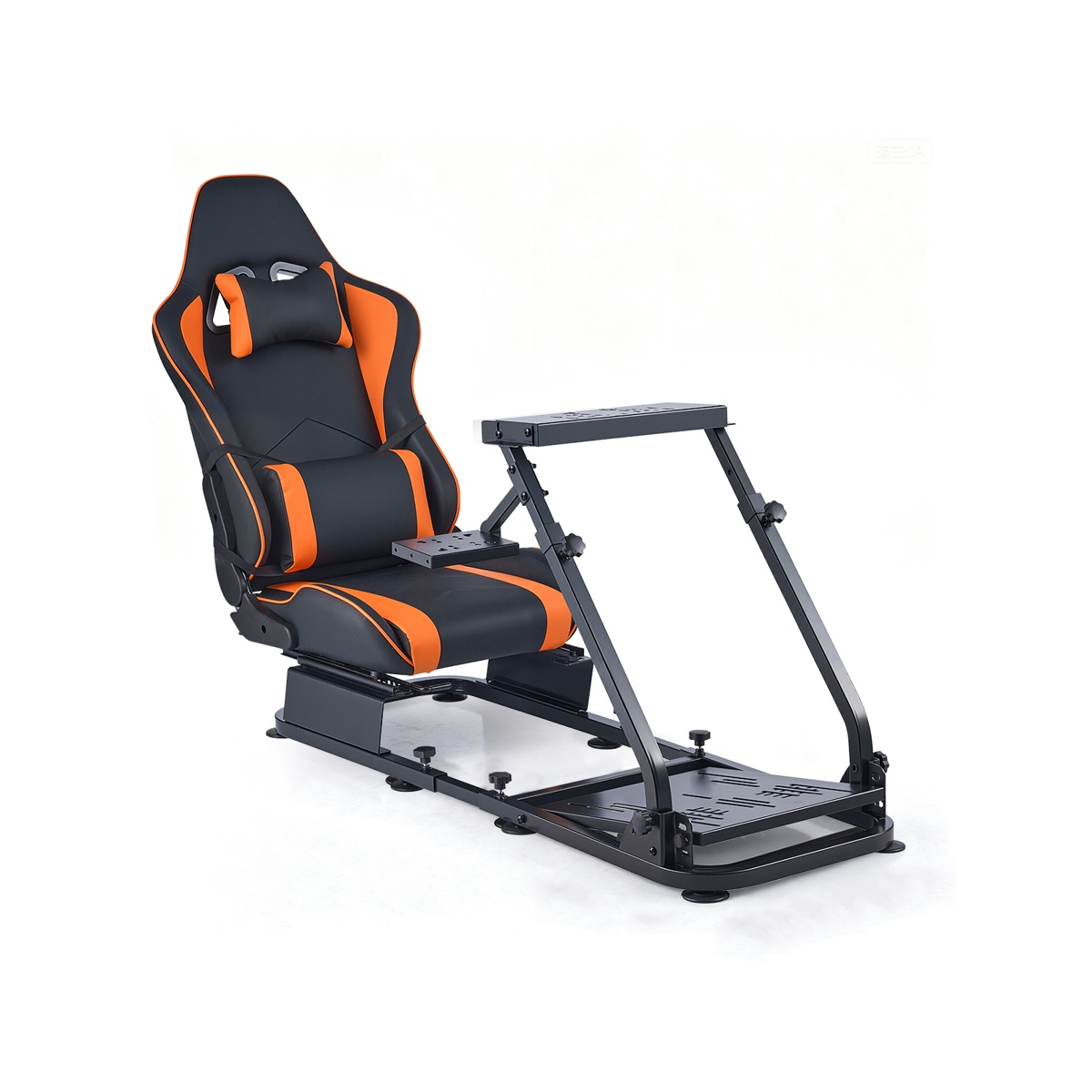
Racing Simulator Cockpit With Seat

A racing simulator cockpit with seat is a rigid frame plus bucket-style seat that locks your wheel, pedals, and body into consistent geometry for repeatable lap times. The core trade-off is frame stiffness versus adjustability: steel tube cockpits flex under heavy load-cell pedals and direct-drive wheels, while aluminum-profile rigs cost more but resist flex and accept modular upgrades. Buy aluminum profile if you run a direct-drive wheel or load-cell brake; buy steel tube only for belt-driven wheels up to roughly 8 Nm.

Buying guide image
Flight Sim Joysticks & HOTAS

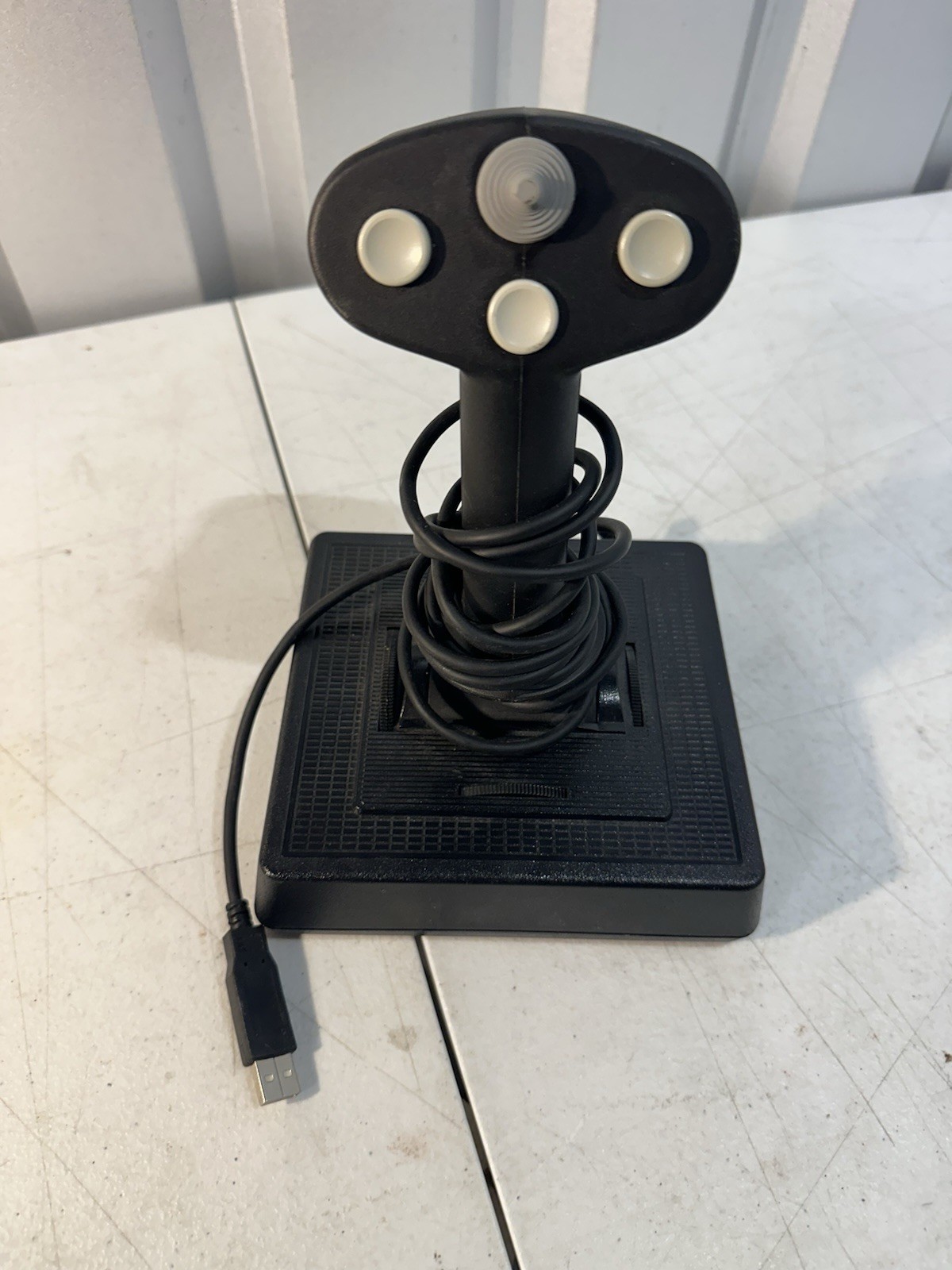
Joystick

A joystick is a single-hand flight input device with two primary axes (pitch and roll), typically plus twist yaw and a throttle lever; the core trade-off is between cheap potentiometer-based sticks that develop dead zones and drift versus Hall-effect magnetic sensors rated for millions of cycles without contact wear. The decisive rule: if the listing does not specify Hall-effect or non-contact sensing, assume potentiometers and buy only at a price you accept replacing within two years.

You may also like

Finding more guides for you…