
Photos from current listings. Actual item, color, and included accessories may vary.
DAC Amp Buying Guide
A DAC/headphone amp converts digital audio to analog and drives your headphones with enough clean power to hit realistic volume without distortion. The core trade-off is output power versus noise floor and feature set: desktop models use mains power for high voltage swing into high-impedance loads, while dongles and portables trade power for portability and lower gain. Choose by headphone impedance/sensitivity and input needs; skip anything that cannot deliver rated power at your headphone's load or lacks the digital inputs you actually use.
Median $339.00 · New & pre-owned listings
Key takeaways
- DAC chip tier separates detail retrieval: dual ES9028/ES9068 or CS43198 chips handle DSD512/PCM768 and balanced output, while single older chips cap at PCM384/DSD256 with higher noise.
- Balanced 4.4mm/4-pin XLR outputs typically double voltage swing versus 3.5mm single-ended, which matters for 250-600 ohm headphones; dongles rarely exceed 2Vrms even balanced.
- THX AAA 788+ and similar feed-forward amp modules deliver near-zero output impedance (<1 ohm) and flat frequency response, avoiding the bass roll-off tube amps show into low-impedance loads.
At a glance
- Category
- DACs & Headphone Amplifiers
- Last updated
- Nov 25, 2026
Current offers
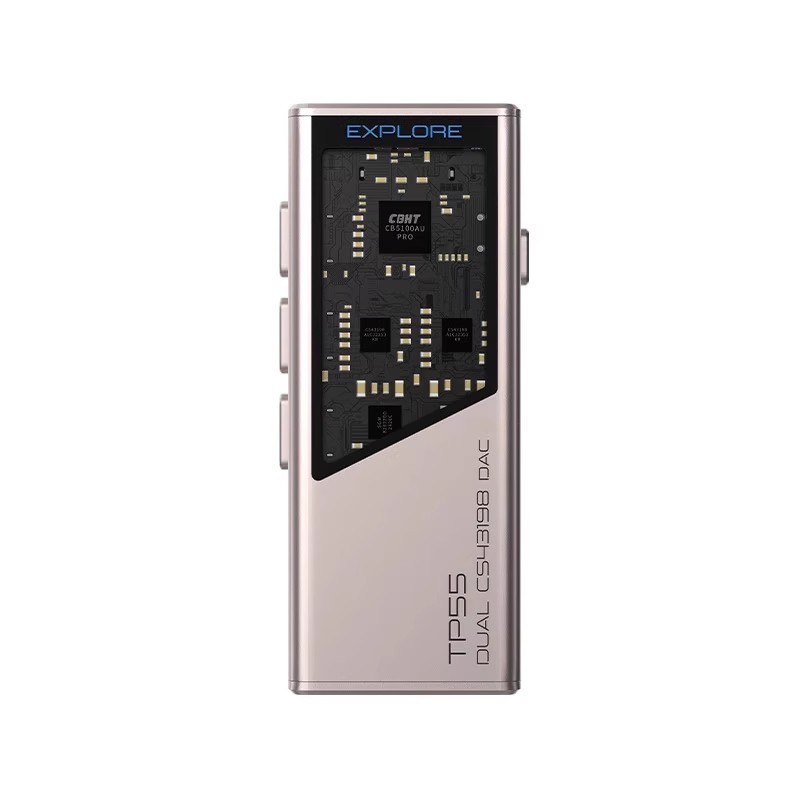 EPZ TP55 Portable Dual CS43198 Dual SGM8262 3.5MM+4.4MM Type C Dongle DAC-AMP$110.88View on eBay
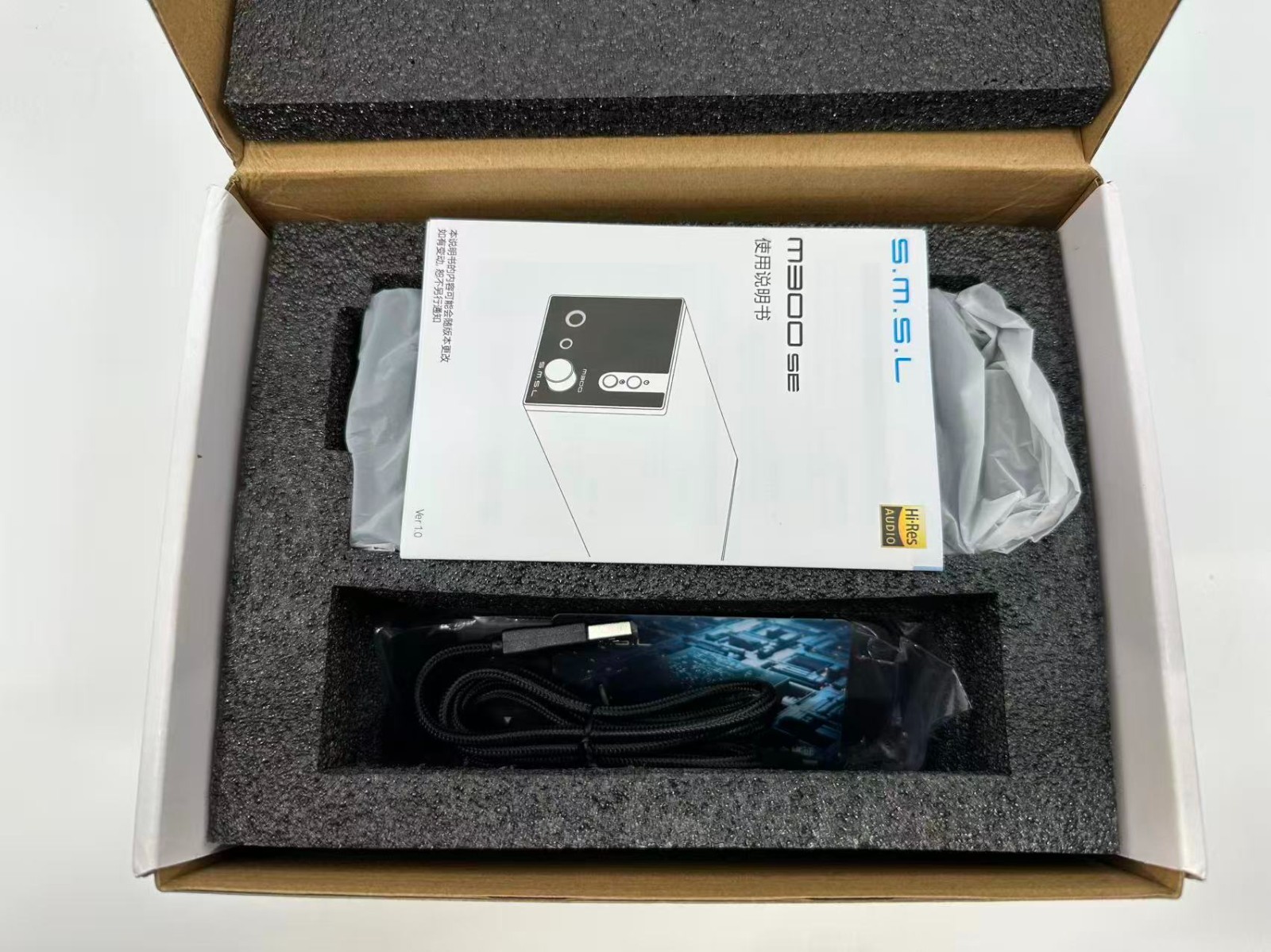 USB DAC Balanced Headphone Amplifier Bluetooth with Remote SMSL M300SE$120.00View on eBay
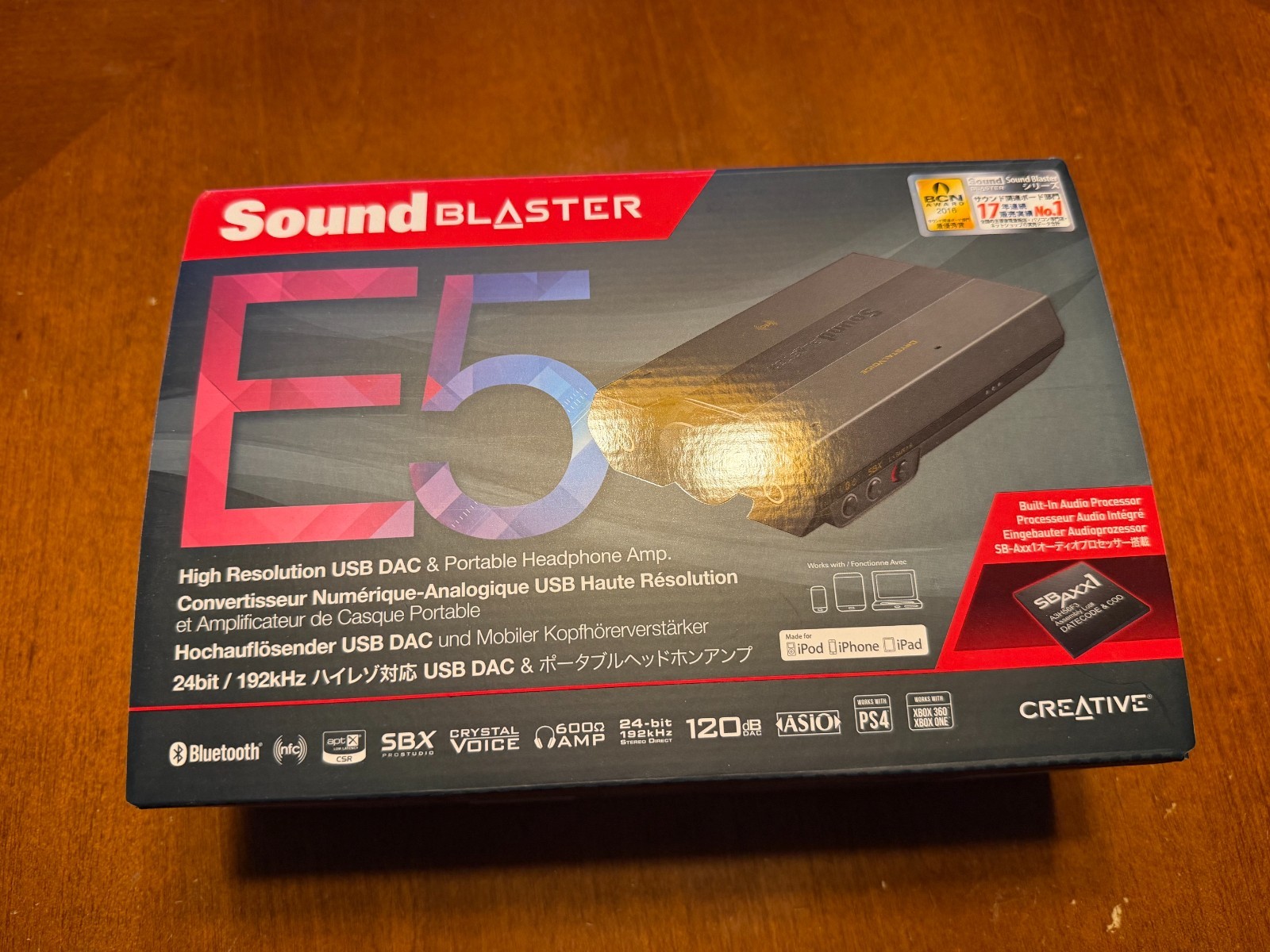 Creative SoundBlaster E5 Hi-Resolution Portable USB DAC Headphone Amplifier MINT$129.99View on eBay
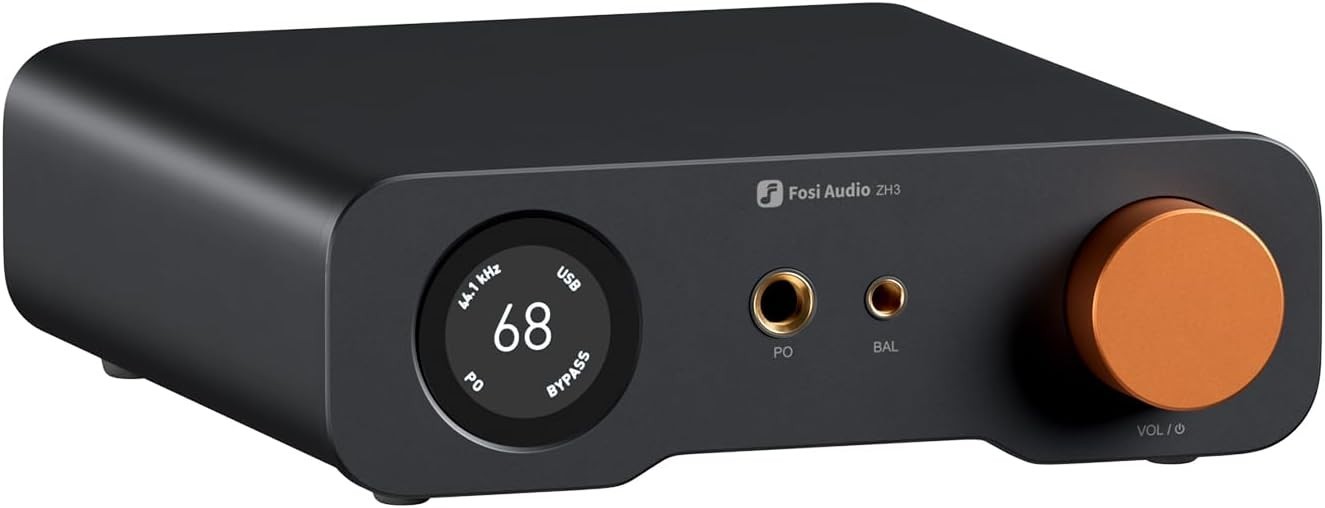 *Missing Remote* Fosi Audio ZH3 DAC Headphone Amp, 4-in 4-out Balanced Preamp$154.99View on eBay
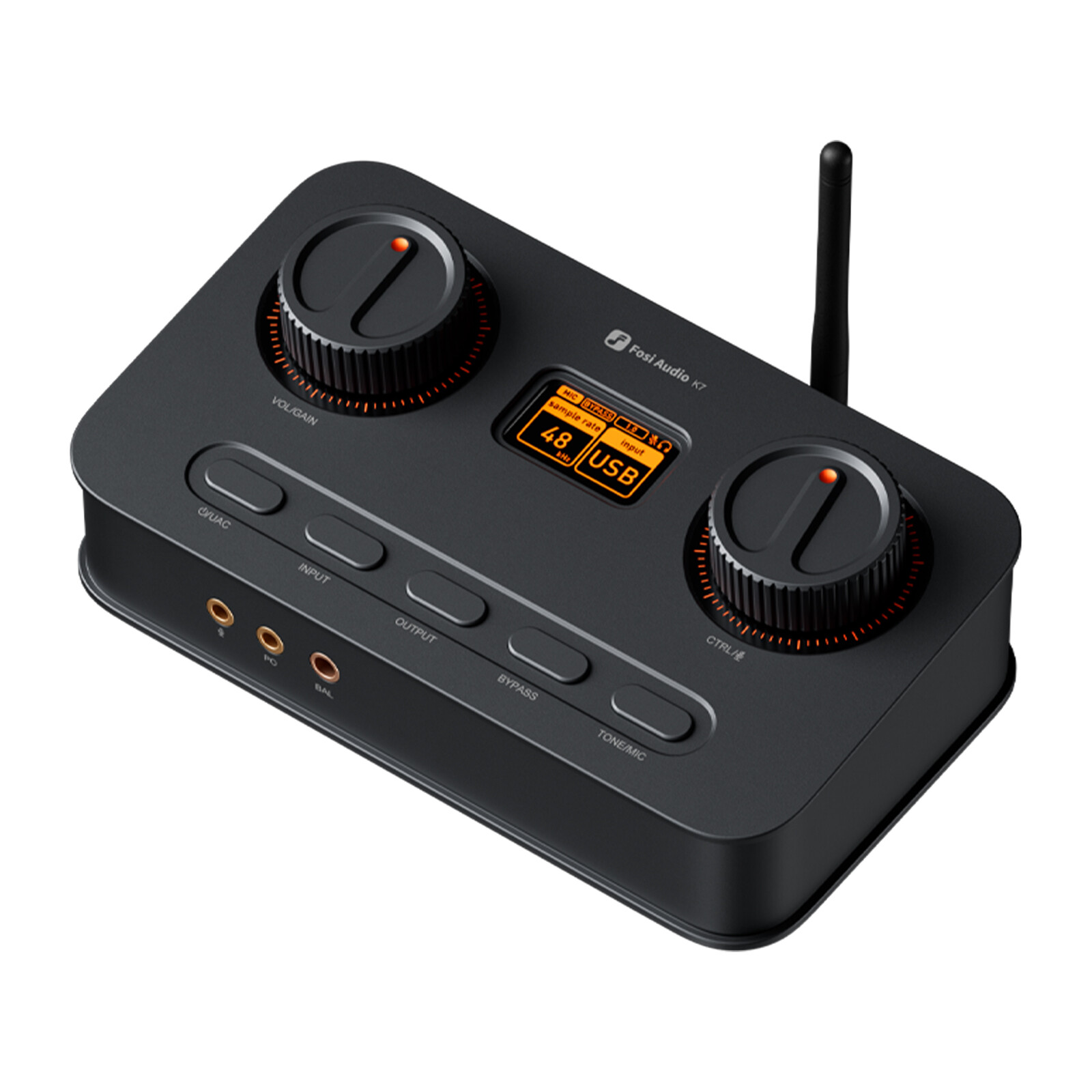 Fosi Audio K7 DAC Headphone Amp Desktop USB C Digital to Analog (Refurbished)$159.99View on eBay
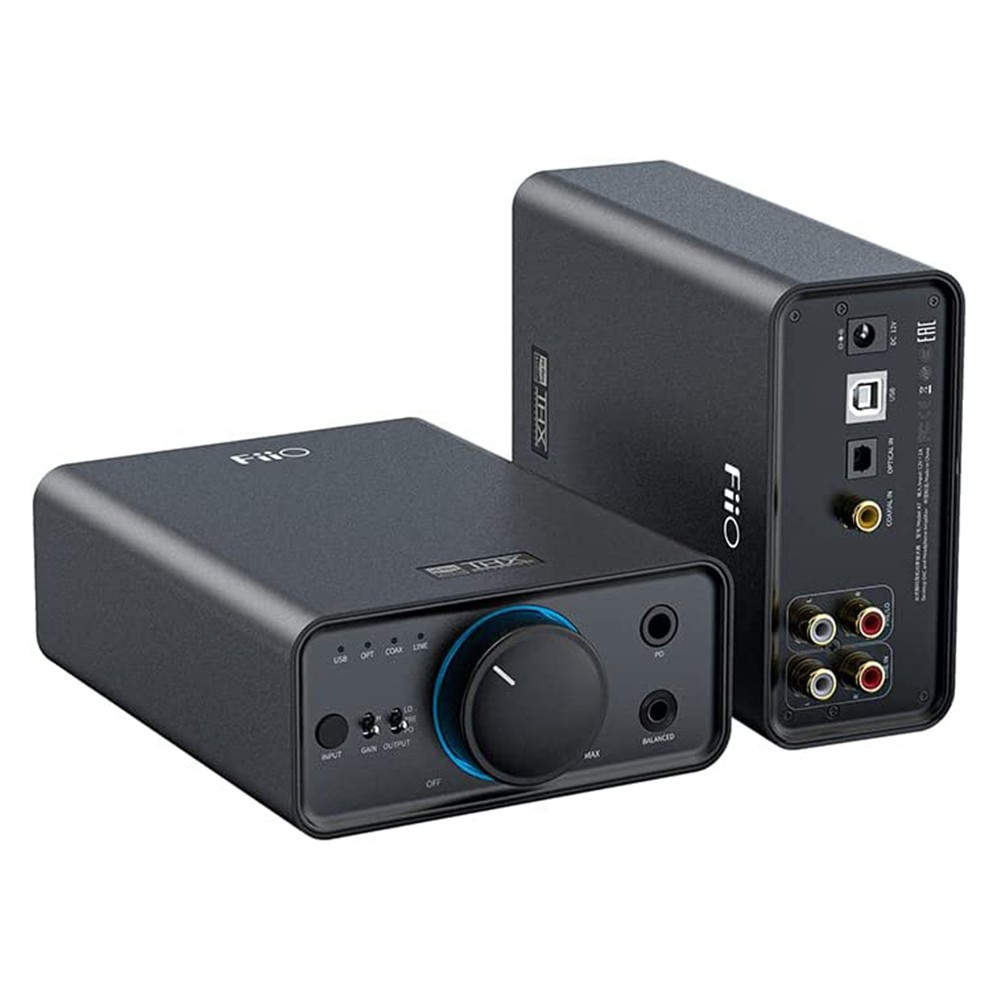 FiiO K7 Full Balanced HiFi DAC Headphone Amplifier$179.99View on eBay
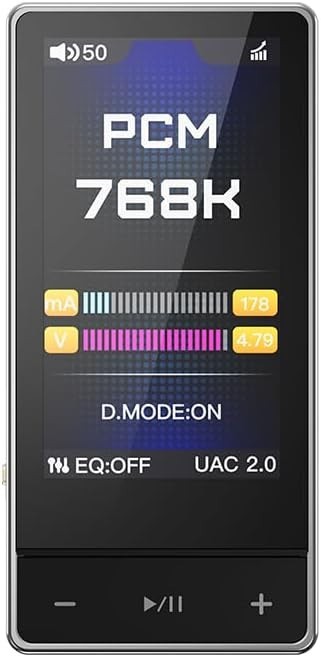 FiiO QX13 Portable DAC Amp,ES9027PRO 8-Ch,DAC 900mW×2,XMOS 16-Core,Titanium Gold$184.99View on eBay
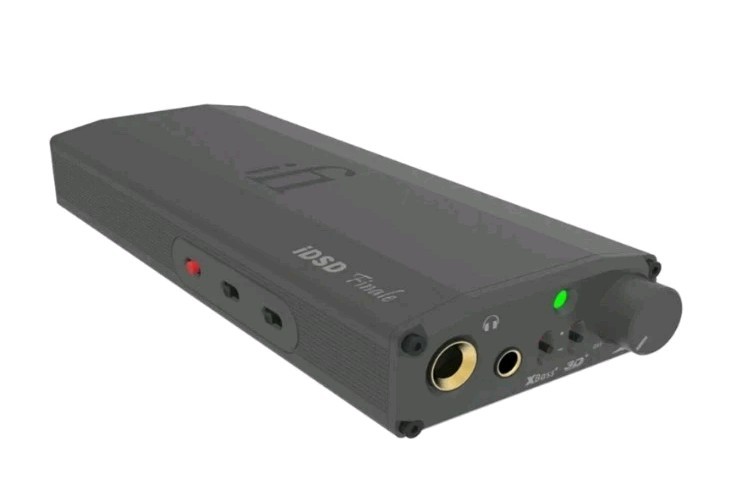 iFi Audio Micro iDSD Signature Finale Portable Headphone Amp and DAC$294.99Last checked Nov 17, 2026View on eBay
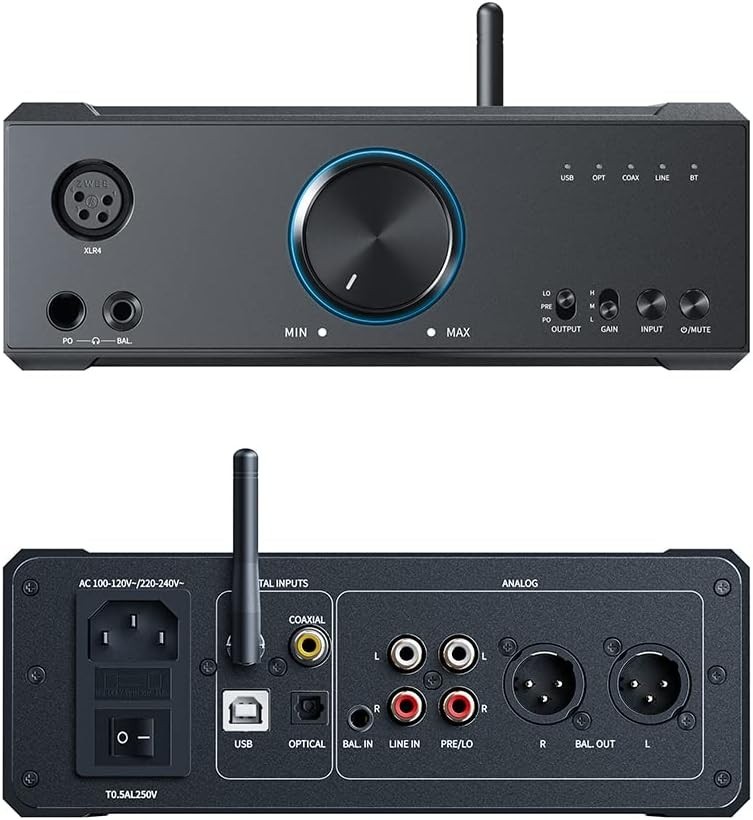 FiiO K9 Desktop Headphone Amp USB/DAC w/ES9068AS*2, THX AAA 788+,LDAC, DSD512$299.90Last checked Nov 18, 2026View on eBay
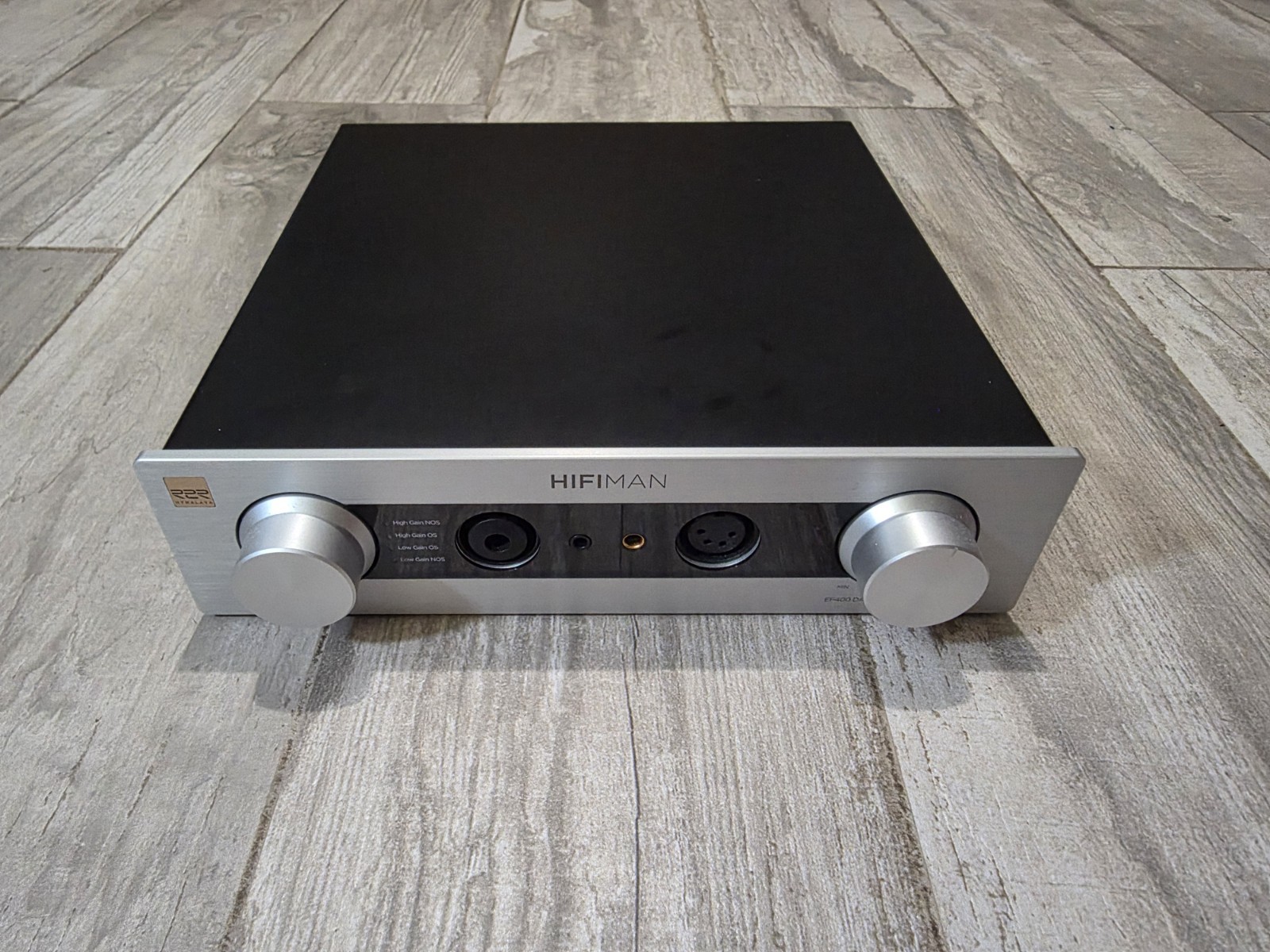 HIFIMAN EF400 Desktop Headphone DAC& Amplifier with Himalaya R2R DAC$339.00Used · Last checked Nov 21, 2026View on eBay
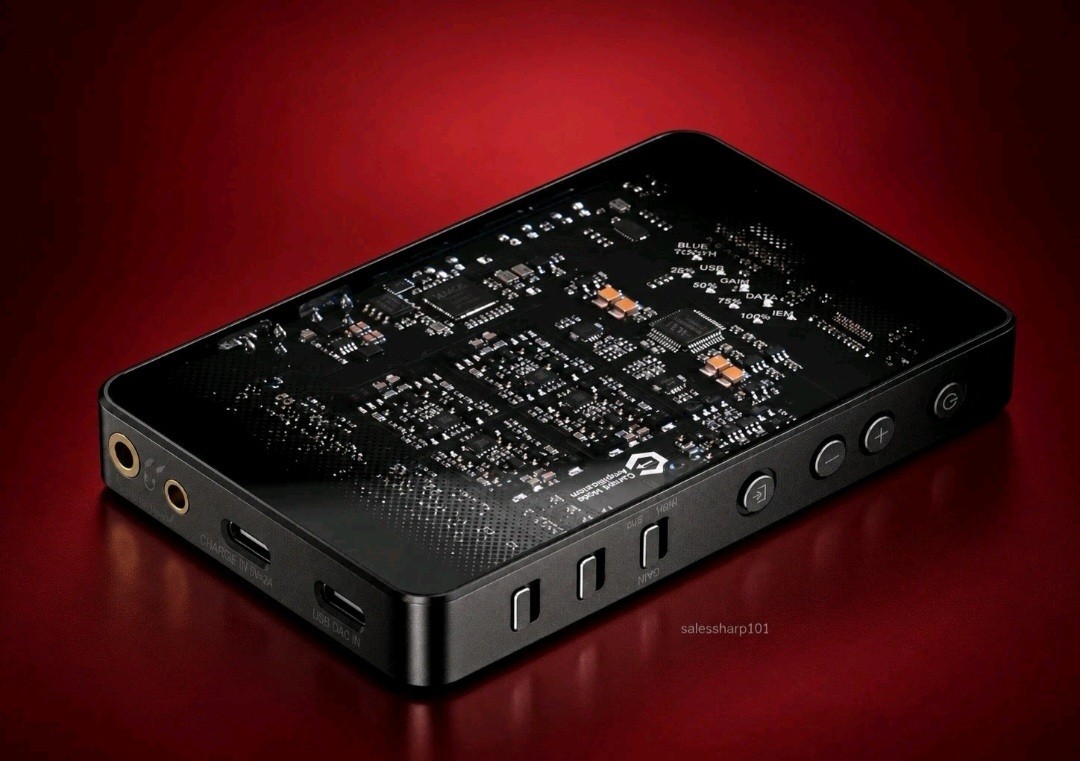 Questyle Sigma DAC/Amp Portable Rechargeable DAC & Bluetooth Headphone Amplifier$360.00New · Last checked Nov 21, 2026View on eBay
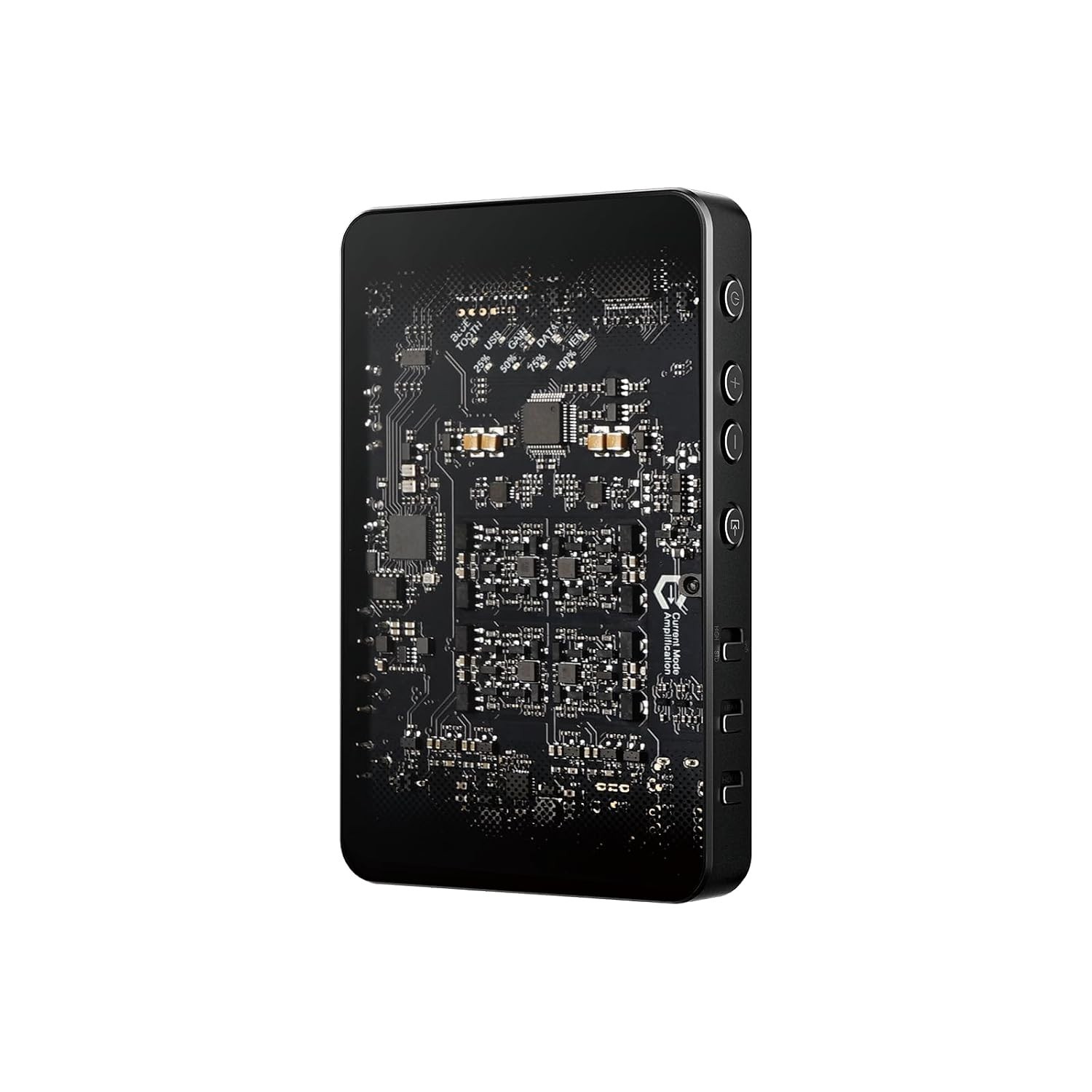 Questyle SIGMA Bluetooth 5.4 Portable DAC & Headphone Amplifier – USB-C$364.99Open box · Last checked Nov 21, 2026View on eBay
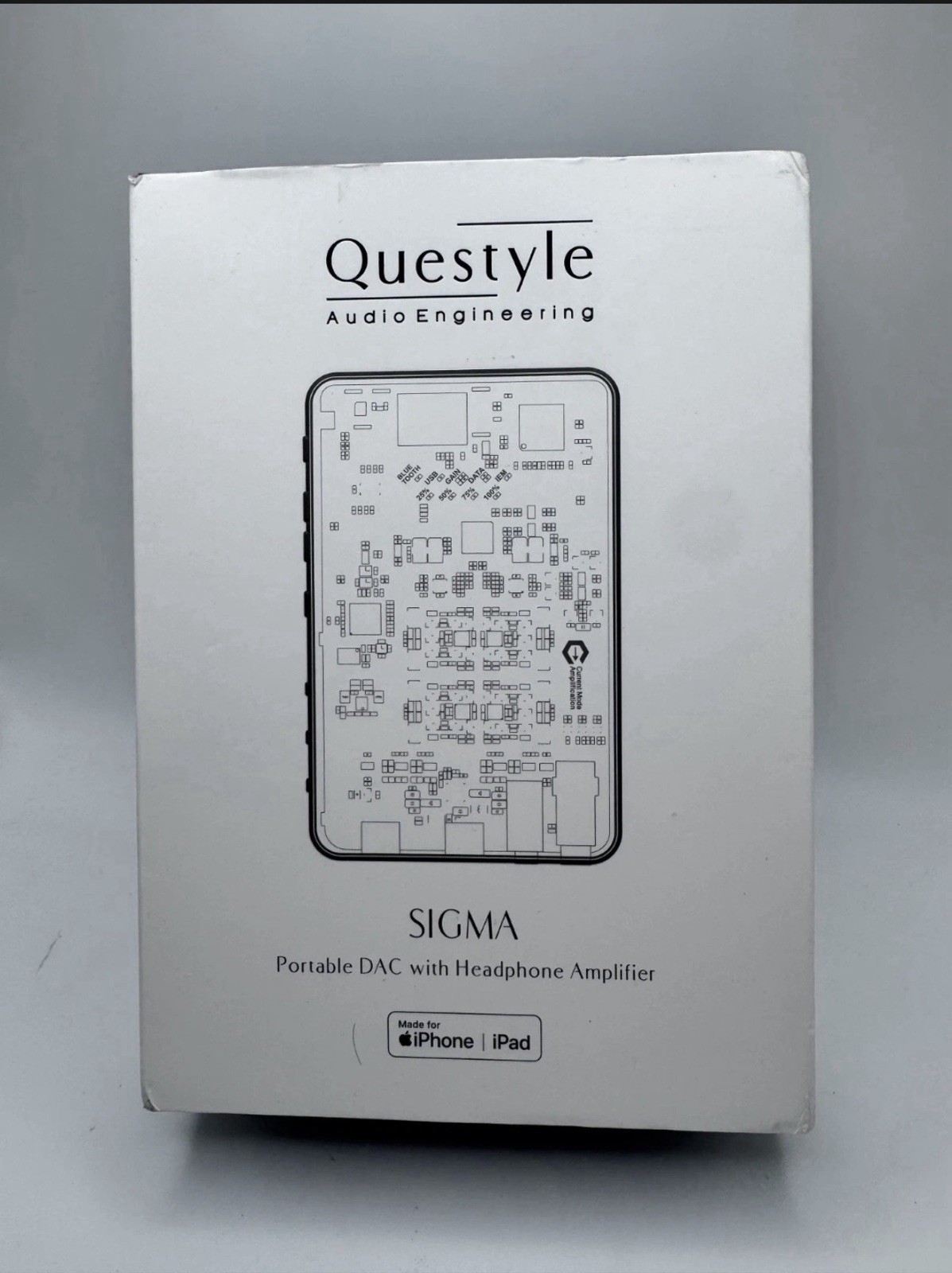 Questyle Sigma DAC/Amp Portable Rechargeable DAC & Bluetooth Headphone Amplifier$379.00Used · Last checked Nov 21, 2026View on eBay
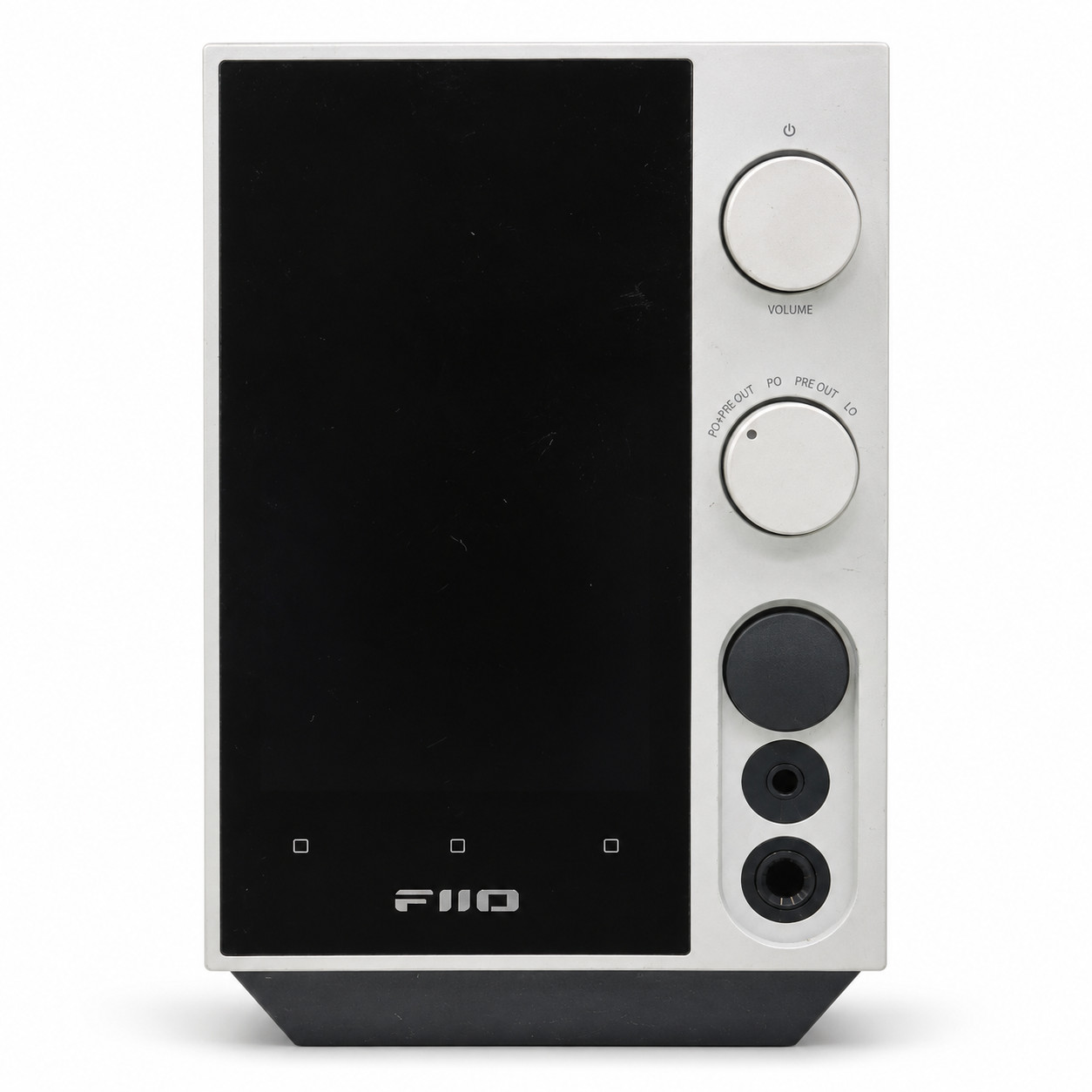 FiiO R7 Desktop Music Streamer DAC Headphone Amplifier White - Working$499.00Used · Last checked Nov 21, 2026View on eBay
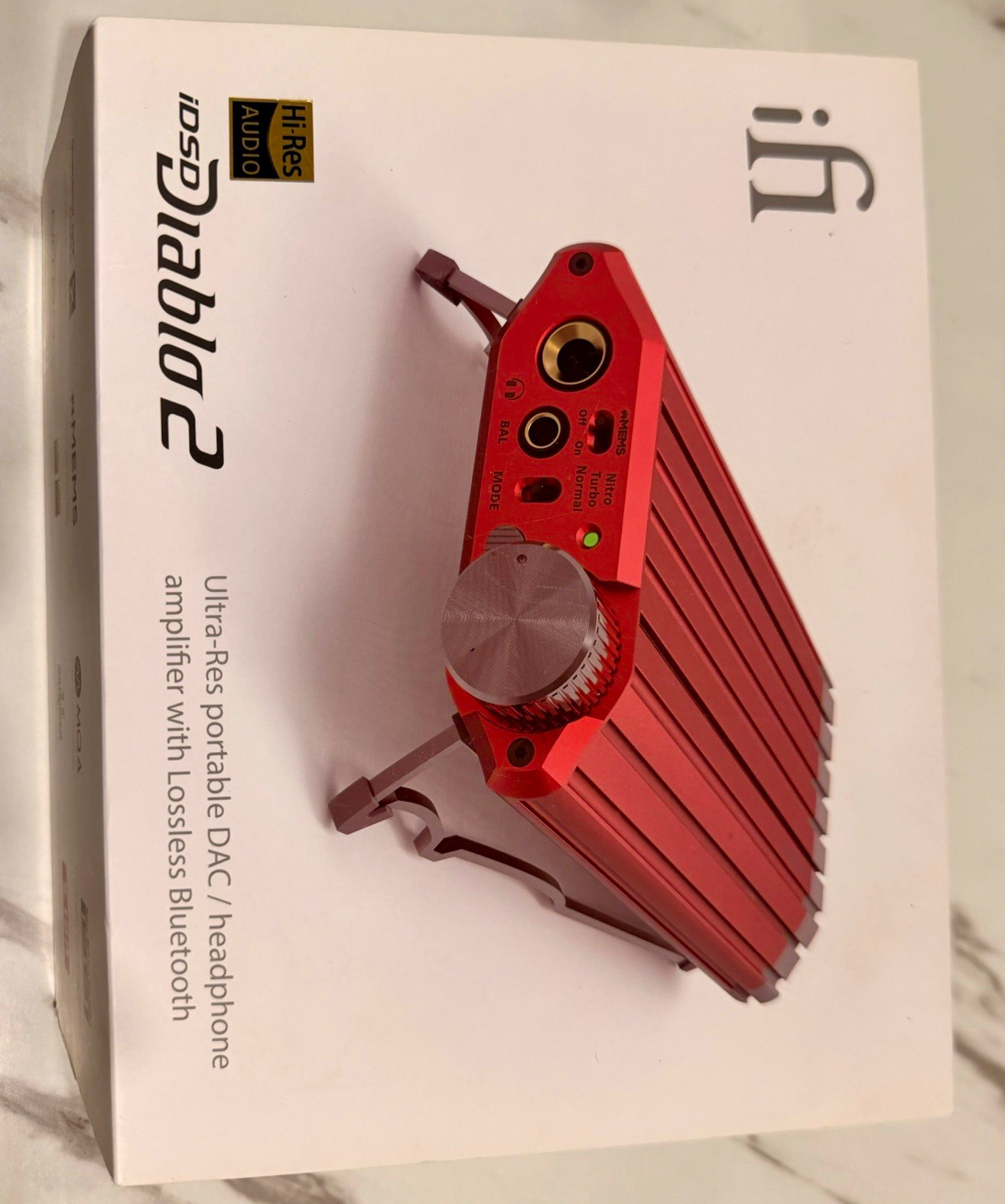 iFi iDSD Diablo 2 Portable DAC & Headphone Amplifier, Bluetooth, Red$670.00Open box · Last checked Nov 21, 2026View on eBay
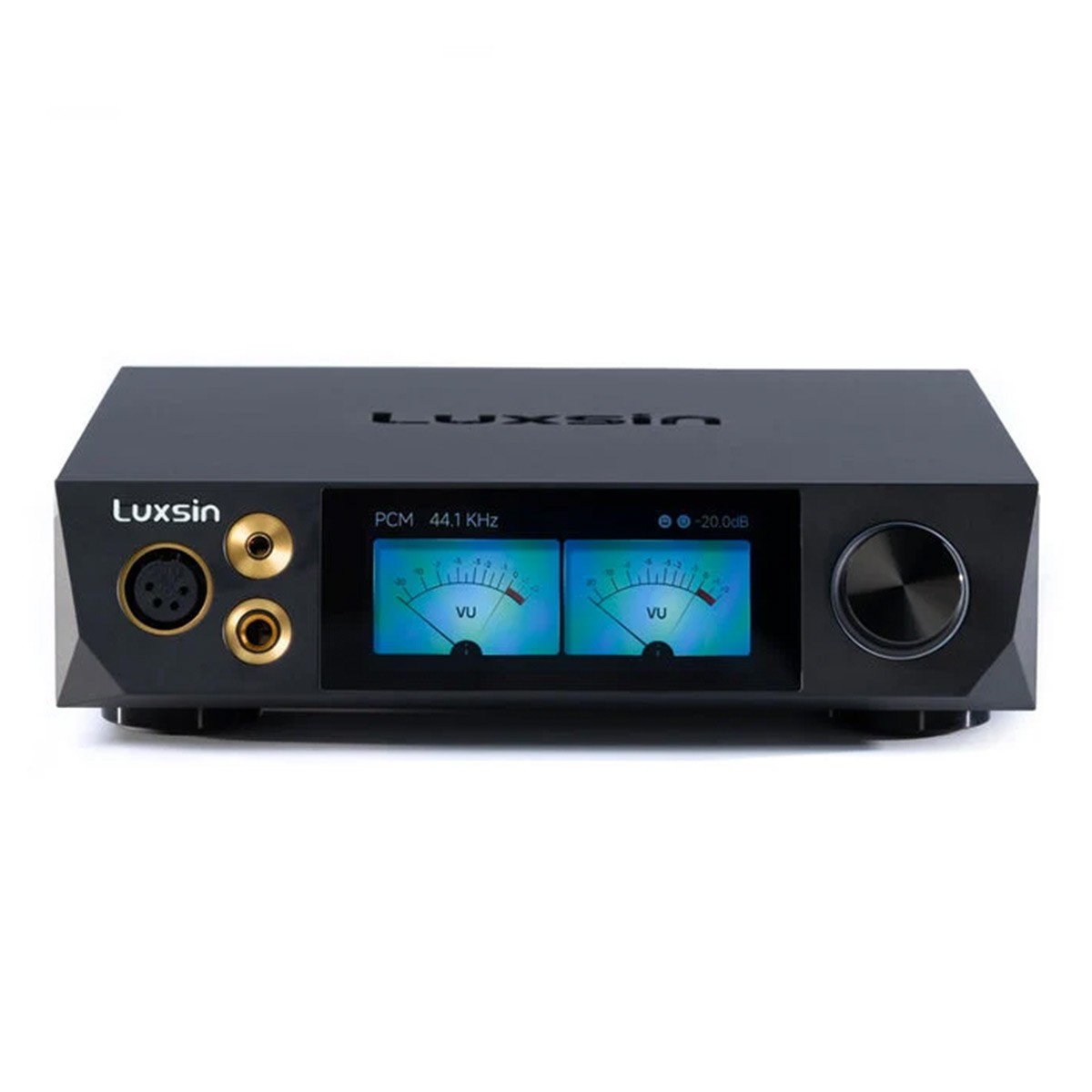 Luxsin Audio X8 Desktop DAC & Headphone Amplifier$699.00New · Last checked Nov 21, 2026View on eBay
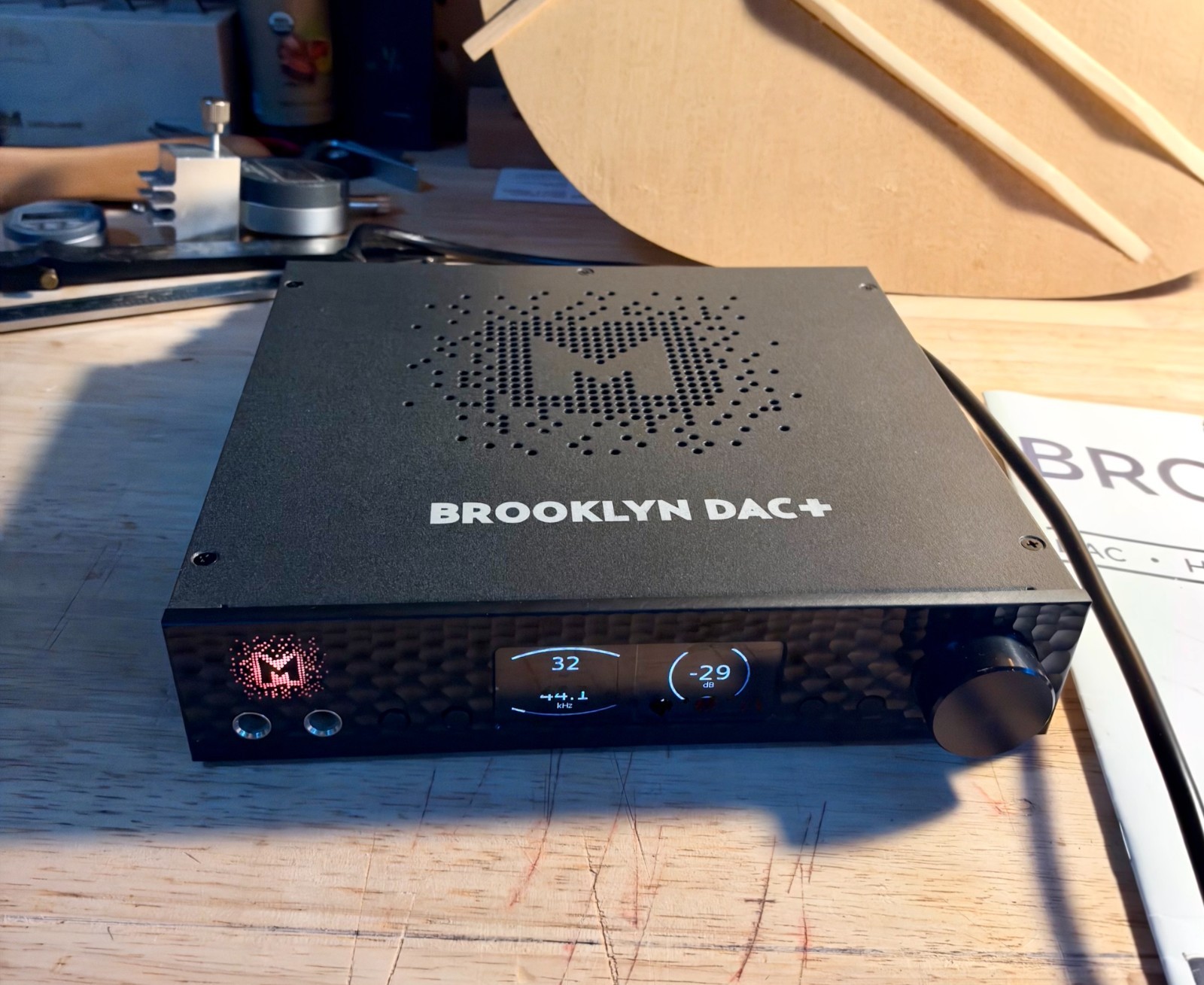 Mytek Brooklyn DAC+ Black DAC Preamp Headphone Amp MM/MC Phono DSD256 XLR$749.00Used · Last checked Nov 20, 2026View on eBay
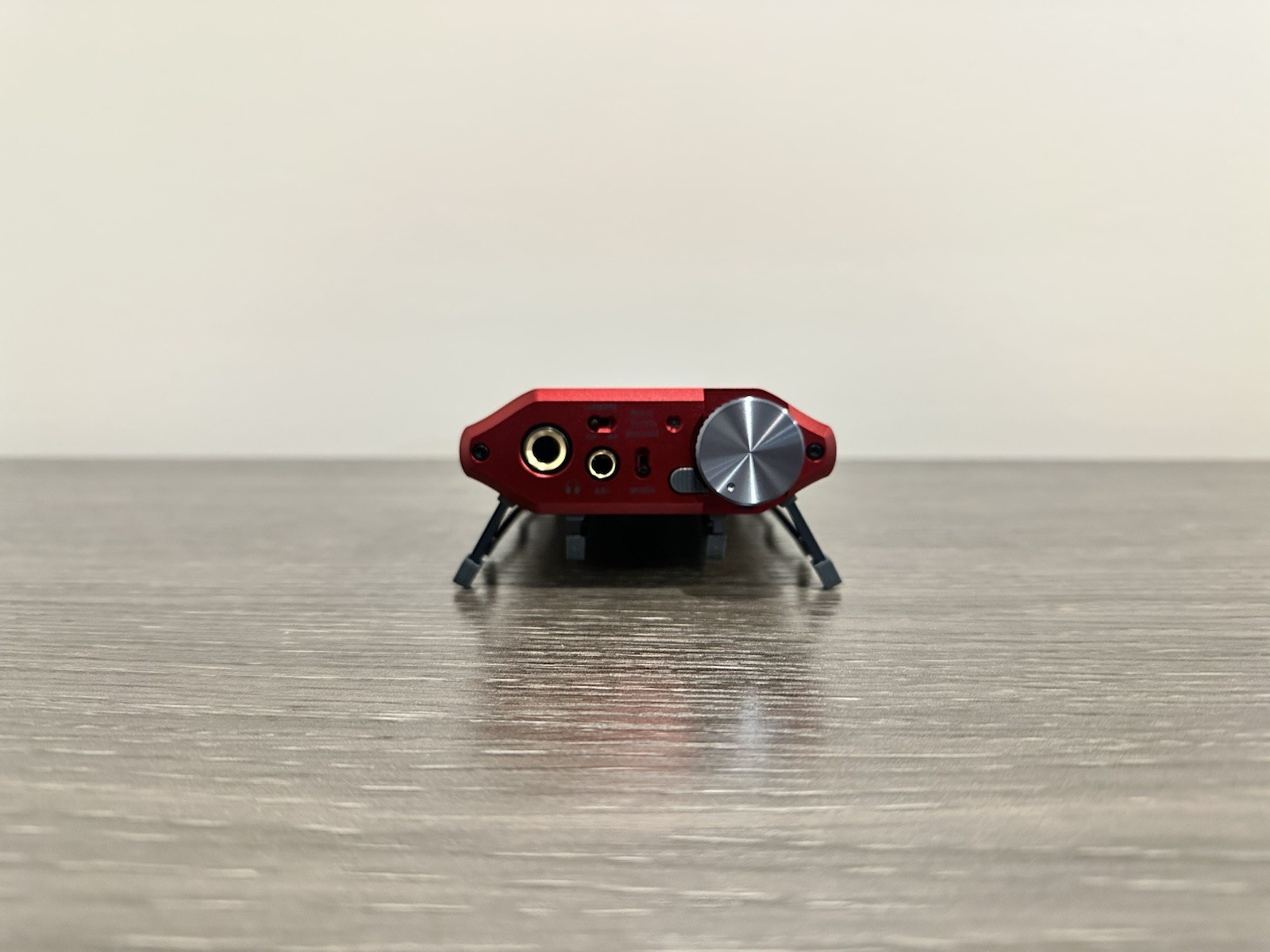 iFi Audio iDSD Diablo 2 USB DAC / Headphone Amplifier - Open Box$749.99Last checked Nov 18, 2026View on eBay
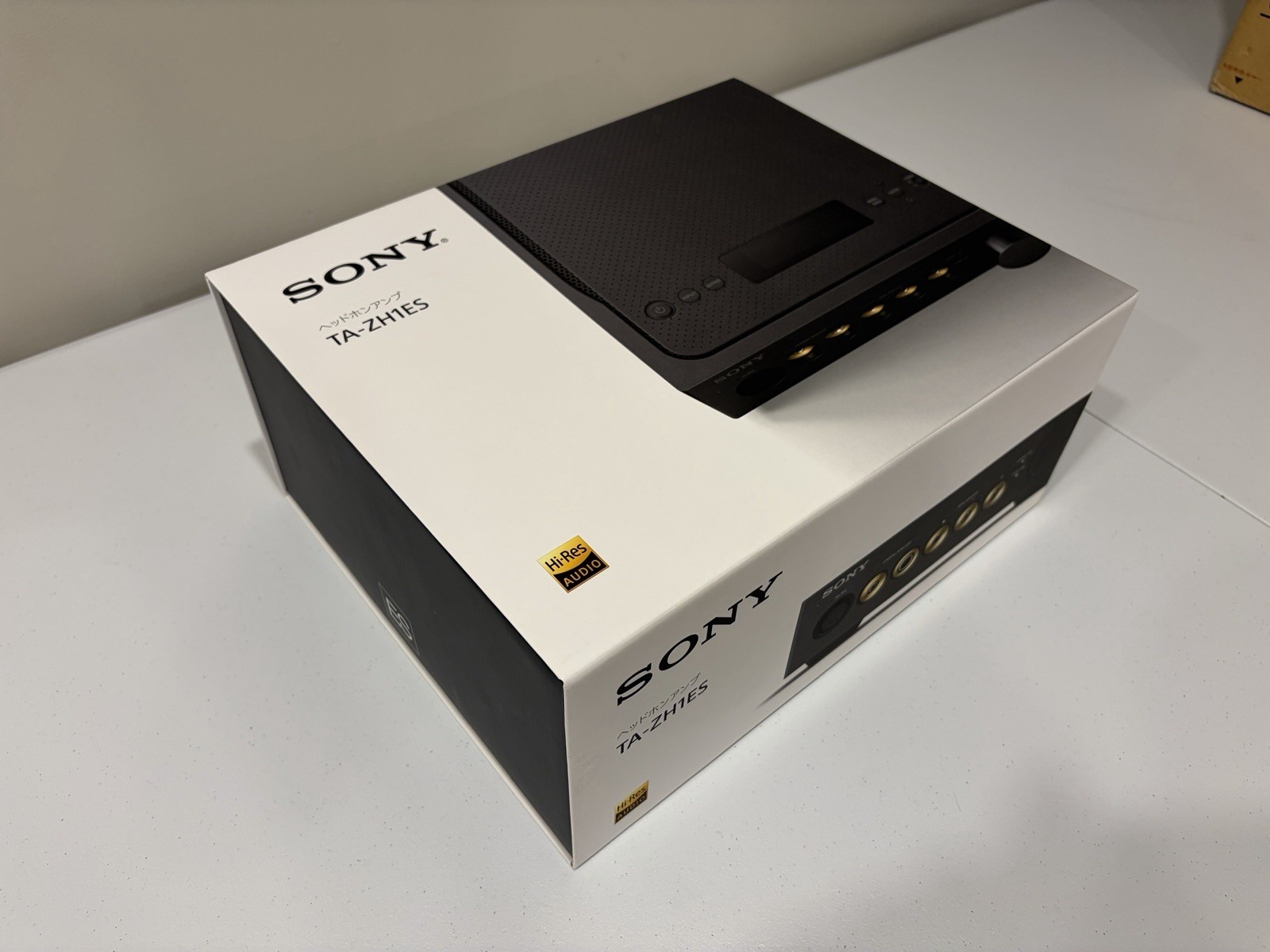 Sony TA-ZH1ES Signature Series Premium DAC Headphone Amplifier JP$1,394.31Used · Last checked Nov 21, 2026View on eBay
Highlights
- DAC chip tier separates detail retrieval: dual ES9028/ES9068 or CS43198 chips handle DSD512/PCM768 and balanced output, while single older chips cap at PCM384/DSD256 with higher noise.
- Balanced 4.4mm/4-pin XLR outputs typically double voltage swing versus 3.5mm single-ended, which matters for 250-600 ohm headphones; dongles rarely exceed 2Vrms even balanced.
- THX AAA 788+ and similar feed-forward amp modules deliver near-zero output impedance (<1 ohm) and flat frequency response, avoiding the bass roll-off tube amps show into low-impedance loads.
- Desktop units with external 5V-15V DC or USB-C PD input sustain 900mW-2W per channel; USB-bus-powered dongles cap around 100-250mW and clip on dynamic peaks.
Best use cases
- Pick a desktop balanced DAC amp (e.g., dual ES9068, THX AAA, 4.4mm/XLR) if you drive 250-600 ohm open-backs or planar magnetics at a desk; skip bus-powered dongles that cannot supply the voltage.
- Pick a USB-C dongle DAC (CS43198/ES9270 class, 3.5mm+4.4mm) for IEMs and efficient closed-backs on a laptop or phone; skip desktop stacks that add bulk and need mains power.
- Pick a Bluetooth-capable desktop unit (LDAC/aptX Adaptive) for a living-room or console setup where you stream from a phone; skip it for competitive gaming or monitoring where wired latency matters.
- Skip any amp rated below your headphone's power need at its impedance—if the spec sheet lists only 32-ohm power and your cans are 300 ohm, the real output may be one-tenth of the headline number.
Buying tips
- Match power to load: aim for at least 100mW into your headphone's actual impedance (e.g., 300 ohm) or roughly 110dB SPL peak; a 1W-at-32-ohm rating often means only ~100mW at 300 ohm.
- Keep output impedance under 1/8 of headphone impedance (under 4 ohm for 32-ohm IEMs) to avoid frequency-response shifts; THX AAA and most modern op-amp stages meet this.
- Choose inputs by source: USB-C for laptops/phones, optical/coaxial for TVs and consoles, Bluetooth LDAC for streaming; a unit missing your primary input forces adapter chains that add noise.
- For portability, prioritize bus-powered USB-C dongles with separate 4.4mm balanced and 3.5mm outputs; for desktop, pick a unit with its own DC input so it is not limited by USB port current.
Specs
| DAC Chip Class | Dual ES9068/CS43198 vs single legacy |
|---|---|
| Max Output Power | 100mW-2W per ch at headphone load |
| Output Impedance | Under 1 ohm (THX/op-amp) vs tube |
| Inputs & Codecs | USB-C/optical/coax; LDAC/aptX |
Related searches
What to check before buying
- List headphone impedance and sensitivity (dB/mW); calculate required power before comparing amp wattage so you compare at the same load.
- Measure desk or shelf space and confirm the unit's footprint plus room for rear cable bends; desktop DAC amps often run 15-20cm deep with connectors.
- Confirm your source outputs: USB-C, USB-A, optical, coaxial, or Bluetooth codec support (LDAC/aptX); buy the cable or adapter in the same order.
- Check mains voltage and plug type for desktop units with internal power supplies; dongles and USB-powered units avoid this but need a free USB-C port that supplies adequate current.
FAQ
Data sources: eBay / Amazon listings and product attribute feeds. Updated Nov 25, 2026.
Some links on this page are affiliate links. If you buy after clicking one, we may earn a commission at no extra cost to you. This does not change which products appear here or their order. Affiliate disclosure.