
Photos from current listings. Actual item, color, and included accessories may vary.
Flight Pedal Buying Guide
Flight sim rudder pedals are the yaw axis controller that separates a real cockpit workflow from a twist-stick compromise. The core trade-off is sensor type and pedal mechanics: potentiometers wear and drift, while Hall-effect or contactless sensors plus metal-on-metal cam tracks deliver years of repeatable centering. Buy contactless-sensor pedals with adjustable tension and toe brakes for long-term use; skip budget potentiometer units if you fly more than a few hours a week.
Median $126.99
Key takeaways
- Sensor architecture decides lifespan: potentiometer pedals (TFRP, CH Pro Pedals, Logitech G Pro) wear and develop dead zones; Hall-effect magnetic sensors (Thrustmaster TPR, Virpil, MFG Crosswind) are contactless and drift-free.
- Toe brakes are a separate analog axis per pedal; pedals without toe brakes force a keyboard or button binding and break realistic differential braking on the ground.
- Pedal travel and resistance are mechanical, not software: cam-and-follower designs with adjustable preload (MFG, Virpil) beat simple spring-center designs for helicopter and taildragger control.
At a glance
- Category
- Flight Sim Rudder Pedals
- Last updated
- Nov 23, 2026
Current offers
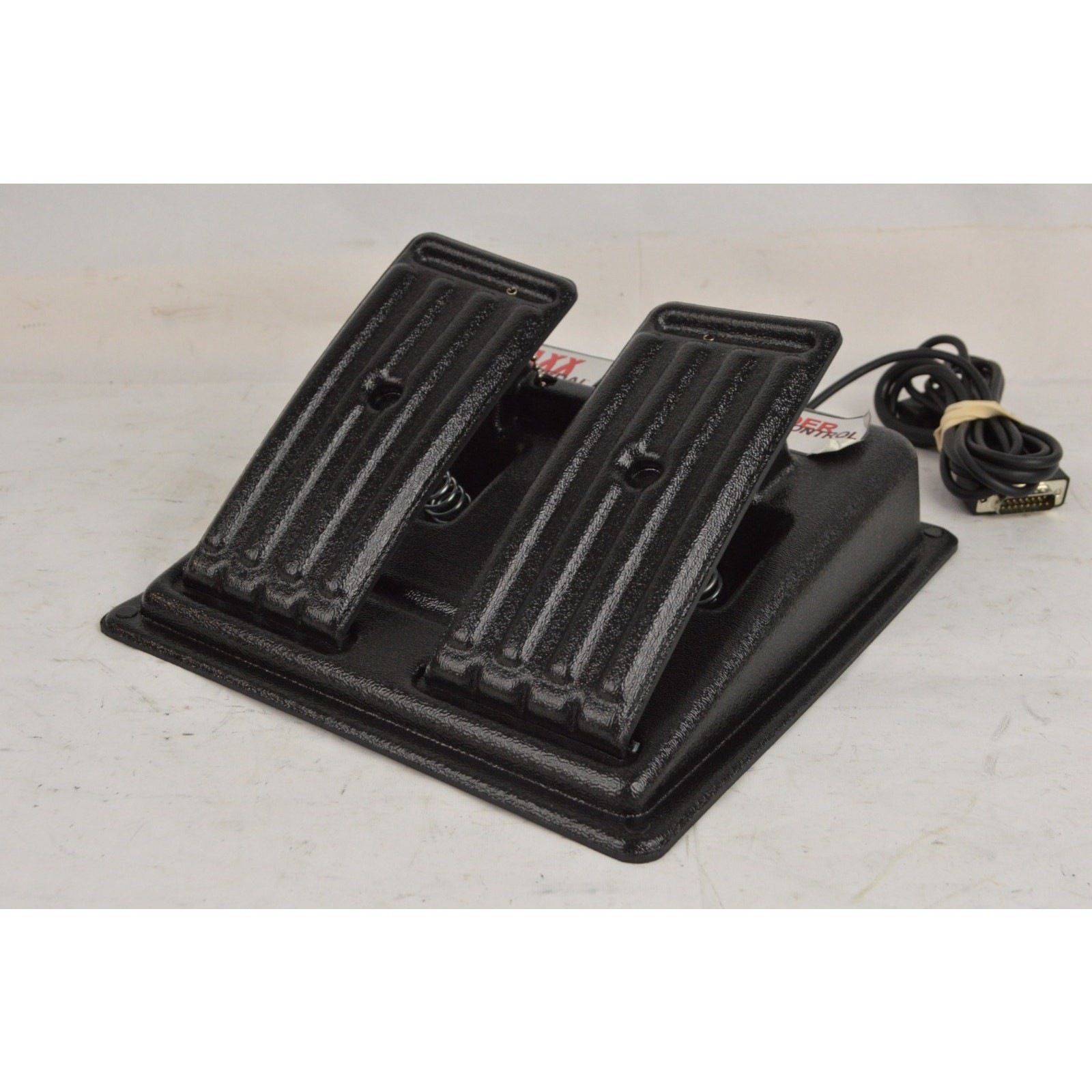 MAXX MP-1095 Rudder Simulator Foot Pedals Controller PC Flight Sim Game SEMPRO$49.00View on eBay
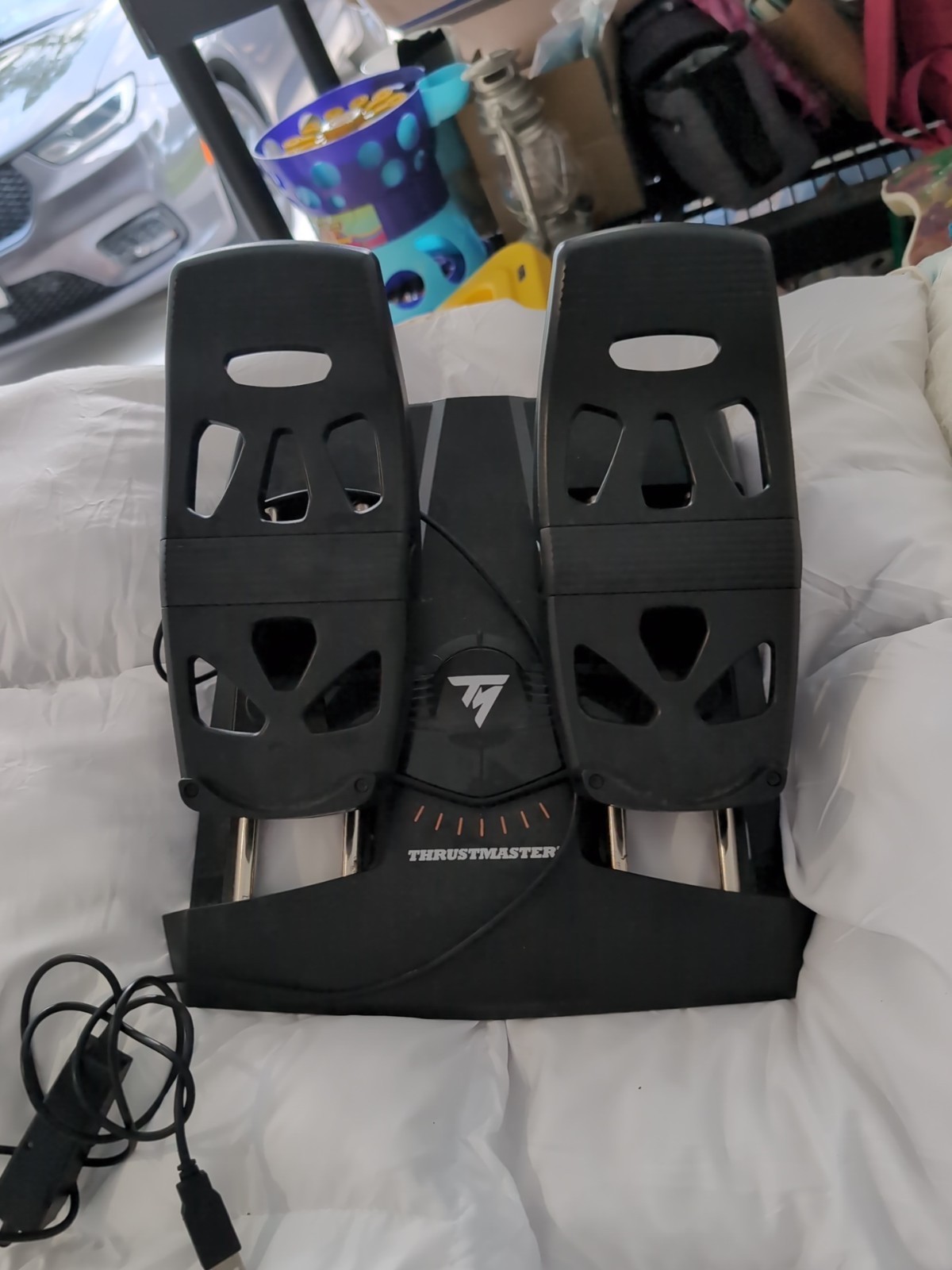 Thrustmaster TFRP Precision Flight Sim Rudder Pedals - Black$76.99View on eBay
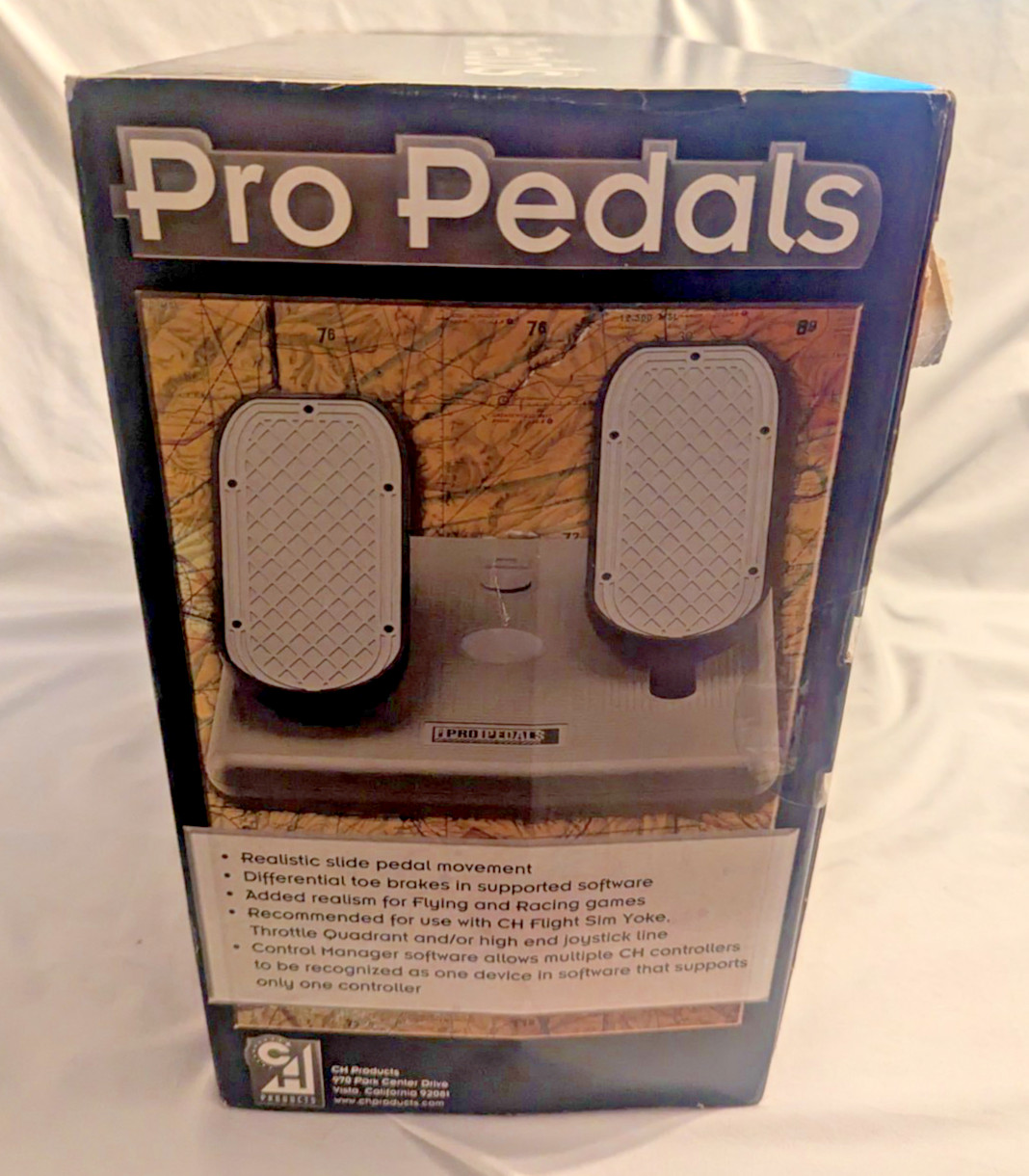 CH Products Pro Pedals 300-111 PP99USB Flight Simulator Rudder Pedals PC USB$79.99View on eBay
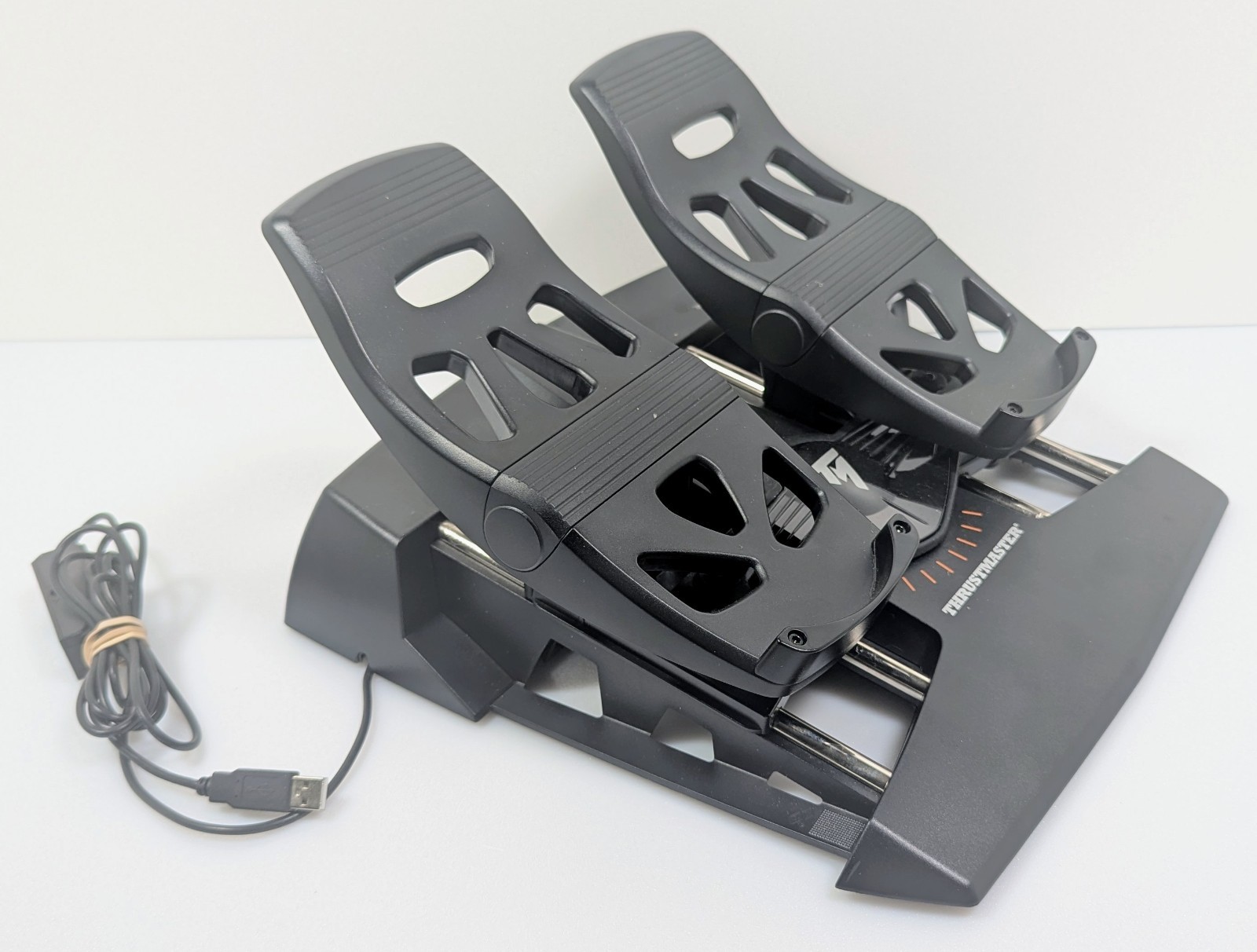 Thrustmaster TFRP T.Flight Rudder Pedals Flight Sim PC PS4 Black W/ USB Adapter!$89.99View on eBay
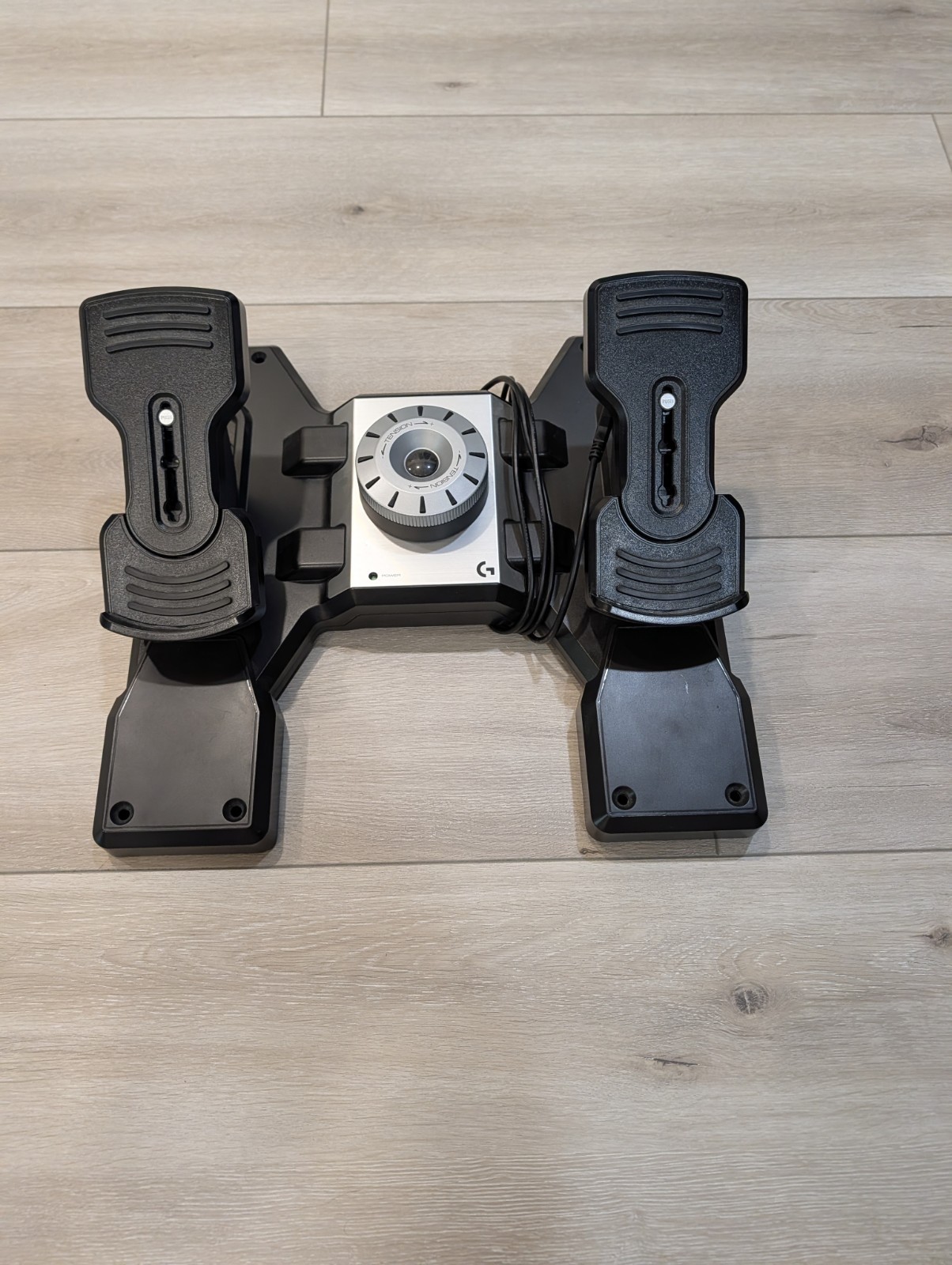 Logitech G Pro Flight Rudder Pedals - SHIPS FREE$95.00View on eBay
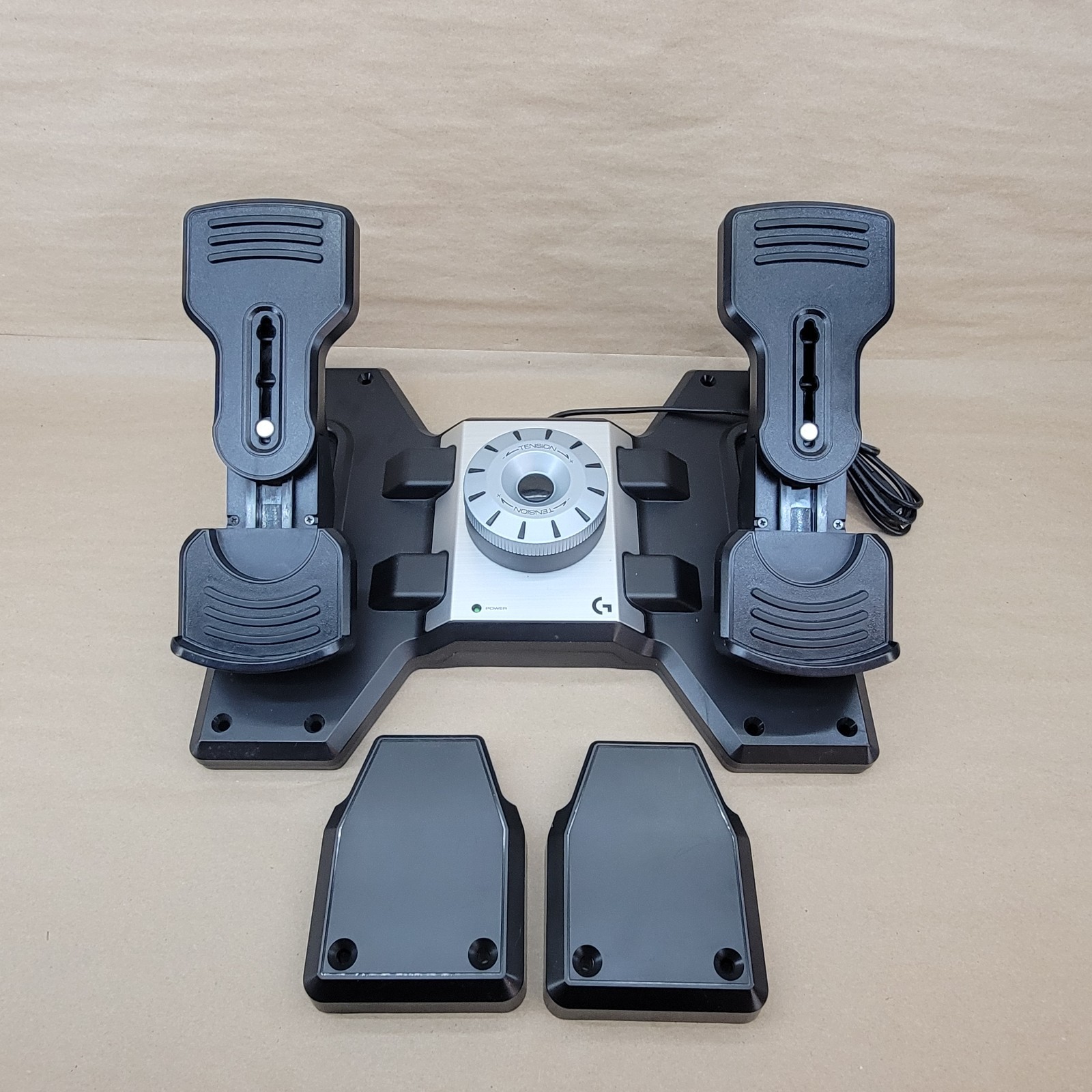 Logitech Flight Rudder Pedals J-U0005 Wired USB for PC Adjustable Tension Tested$99.99View on eBay
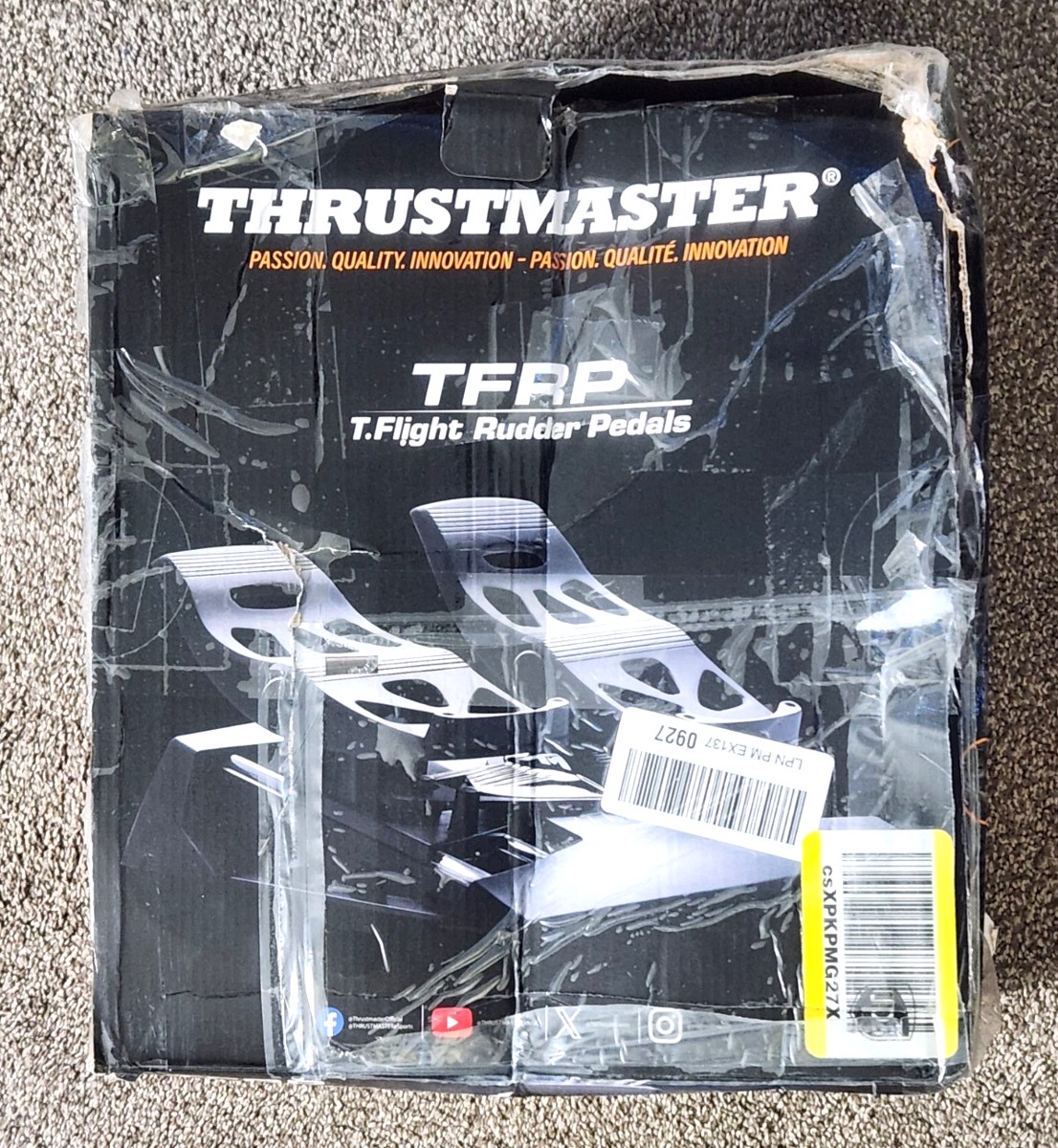 Thrustmaster - TFRP Rudder Pedals for Flight Simulators Compatible with PC, PS4,$109.99View on eBay
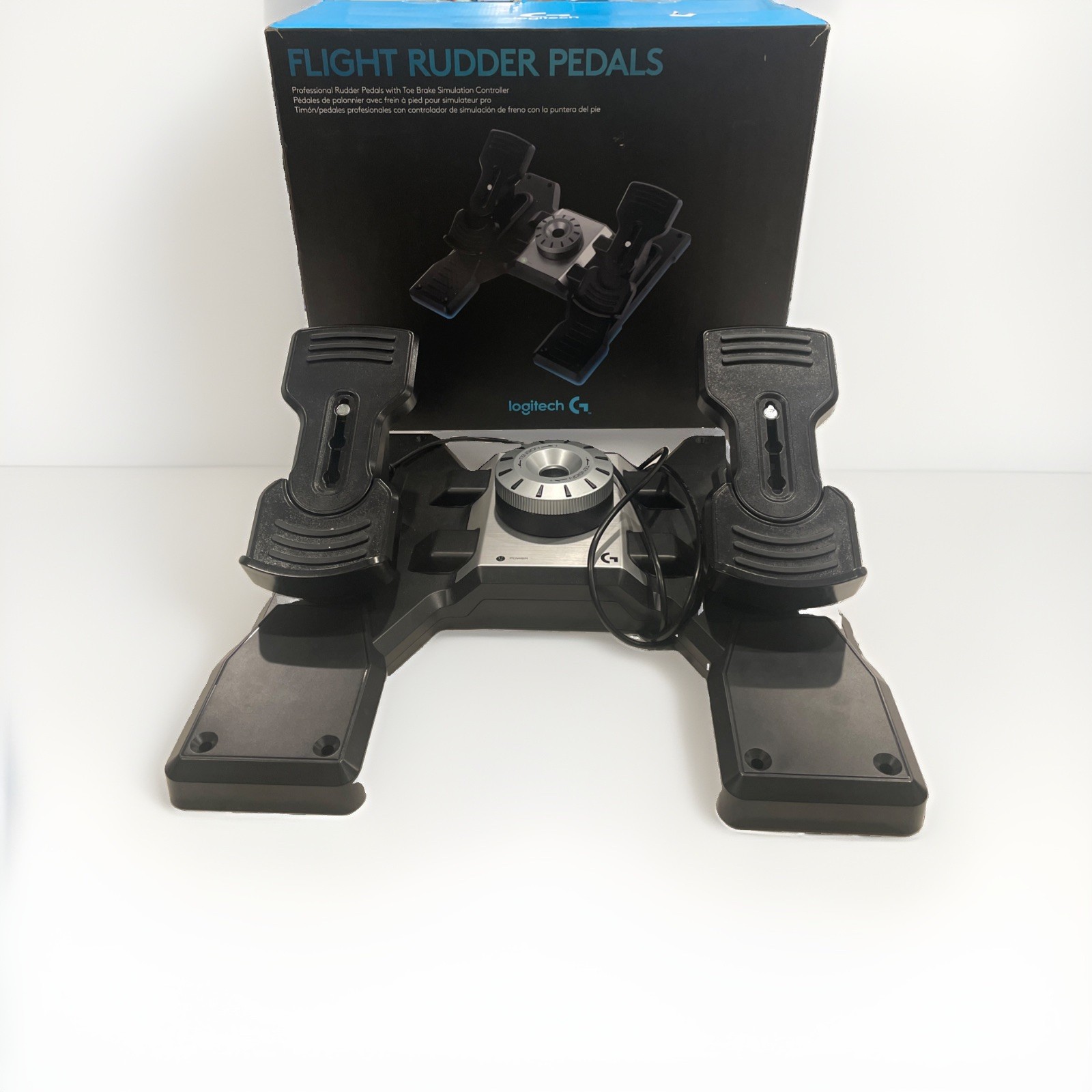 Logitech G-Pro Flight Simulator Sim Rudder Pedals With Toe Brake Microsoft$125.00View on eBay
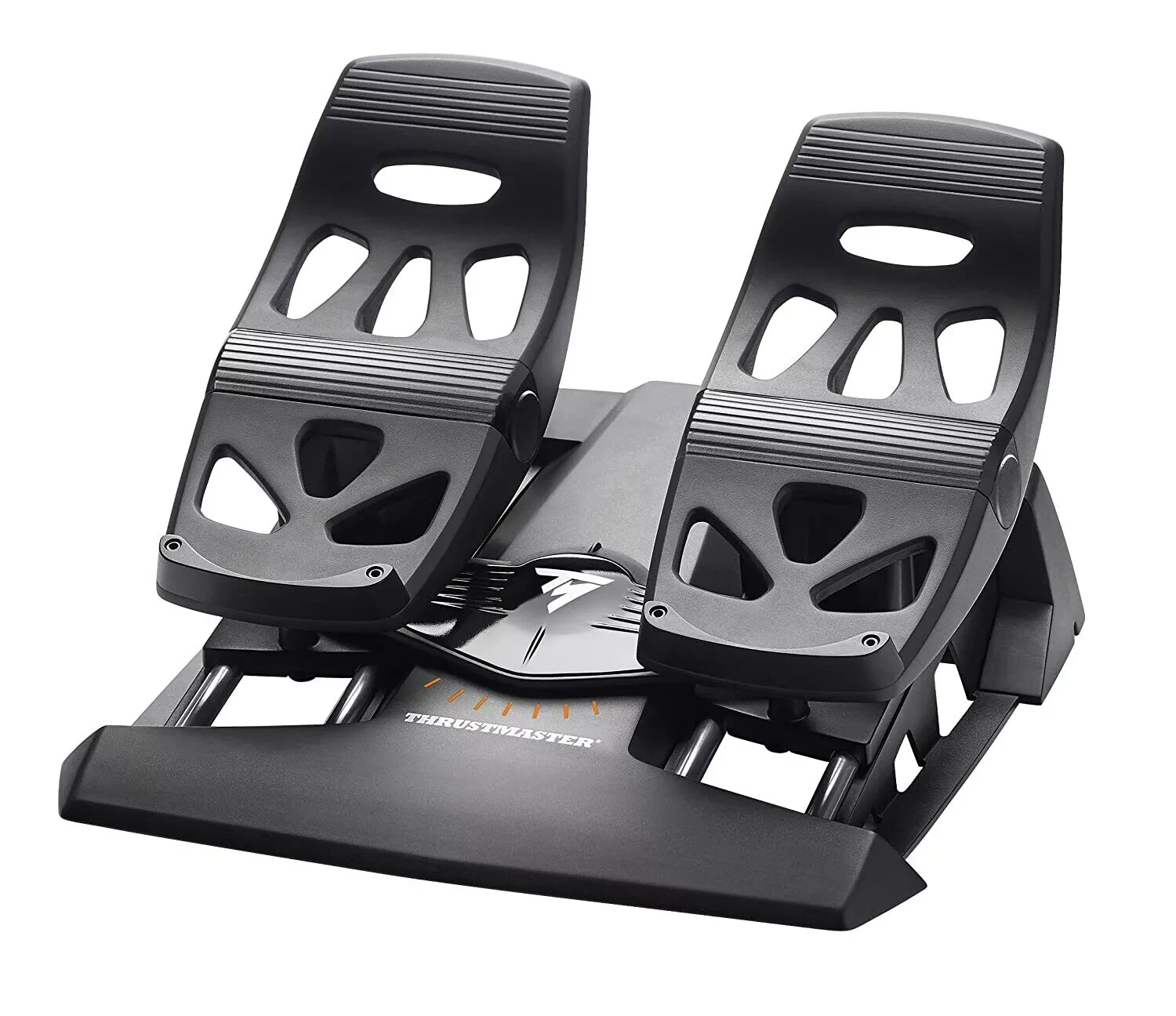 Thrustmaster T.Flight Rudder Pedals for PS5 PS4 XBOX Series X/S One PC$126.99View on eBay
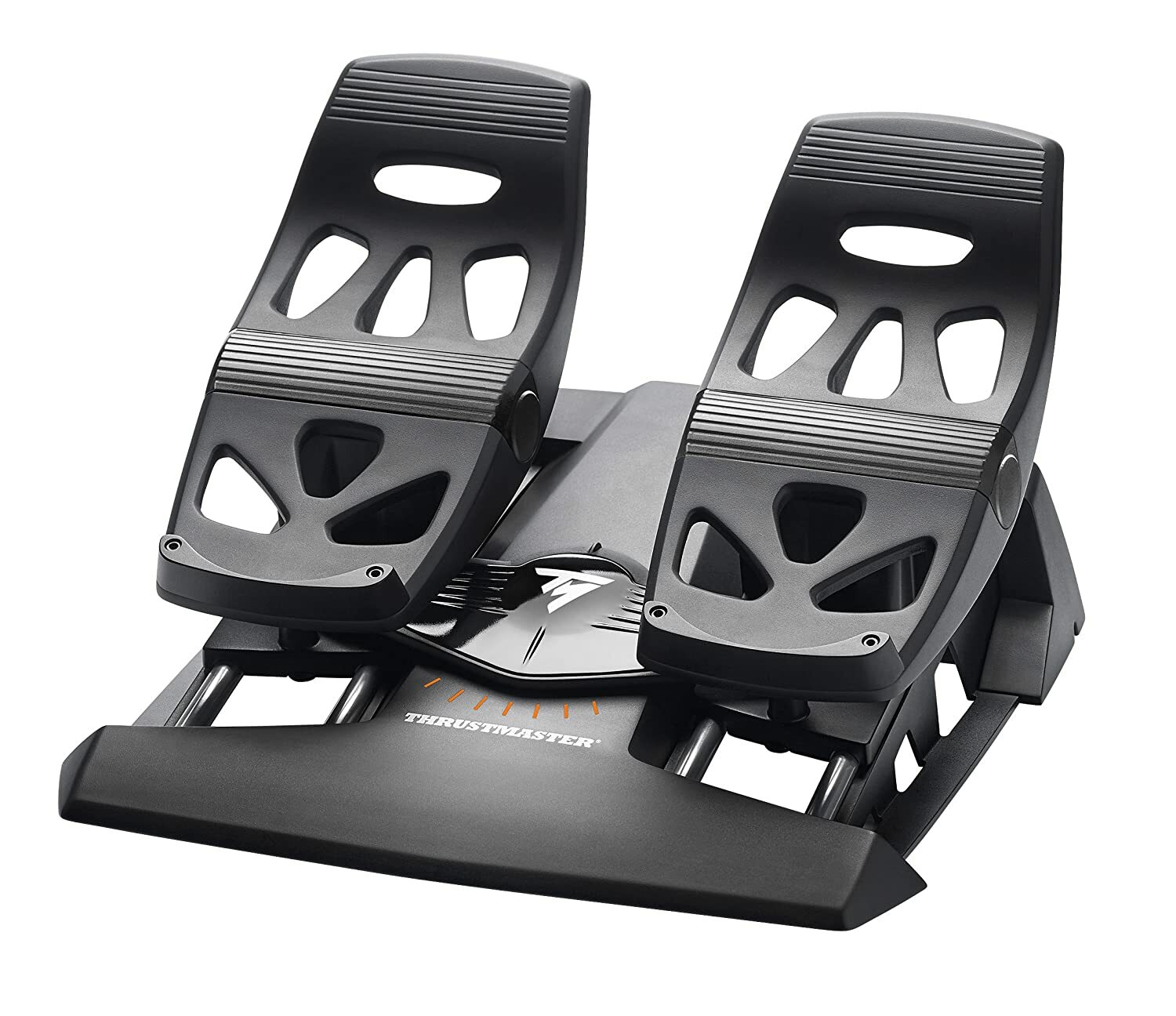 Thrustmaster T.Flight Rudder Pedals for PS5 PS4 XBOX Series X/S One PC$129.99View on eBay
 Thrustmaster - TFRP Rudder Pedals for Flight Simulators Compatible with PC, PS4,$129.99View on eBay
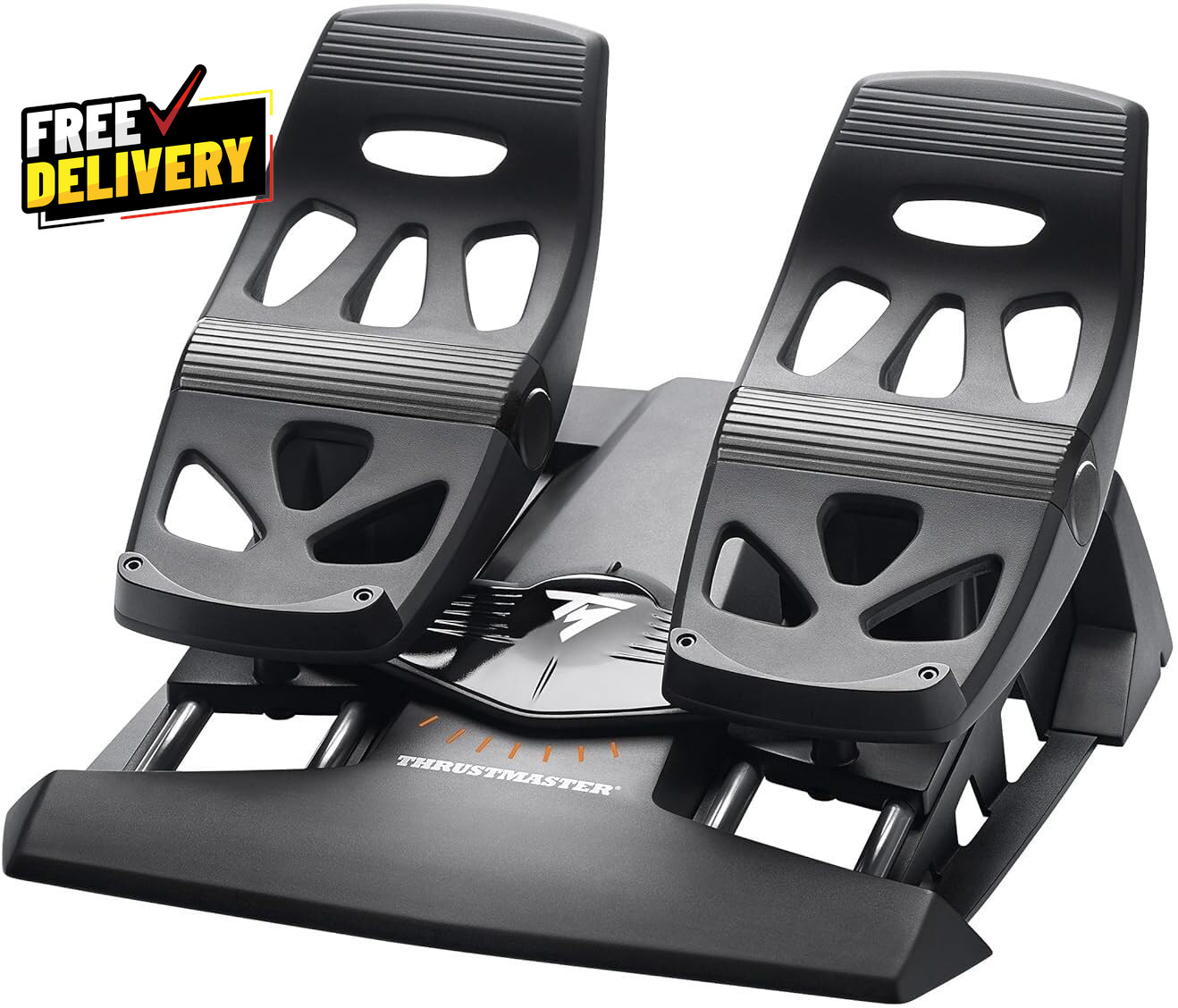 TFRP Flight Rudder Pedals Realistic Aviation Control for Flight Simulators (C..$172.52View on eBay
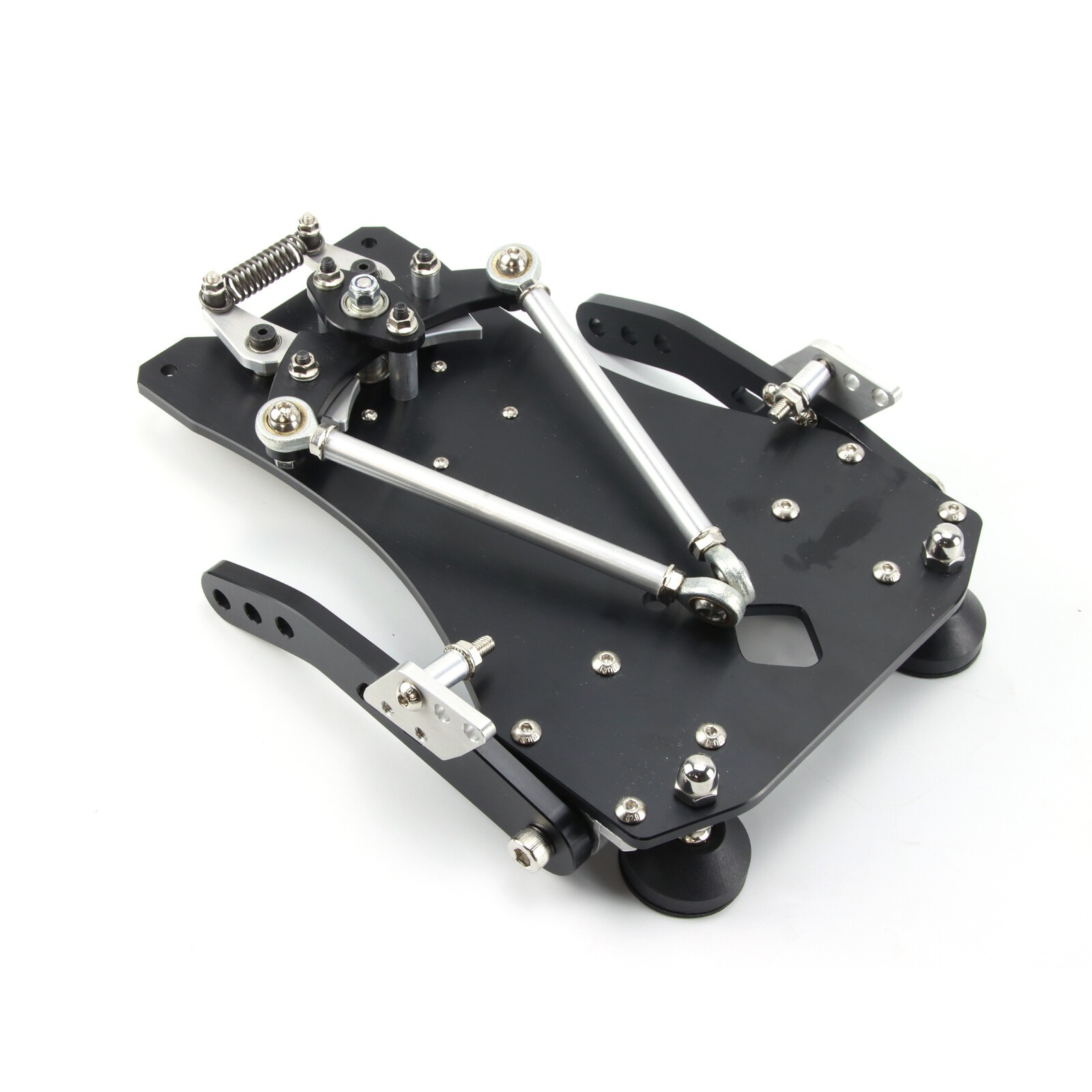 SN-1 Flight Foot Rudder Pedal Falcon Metal Hall Sensor Ka50 Mi8 Uh1 Fsx P3d NEW$179.99View on eBay
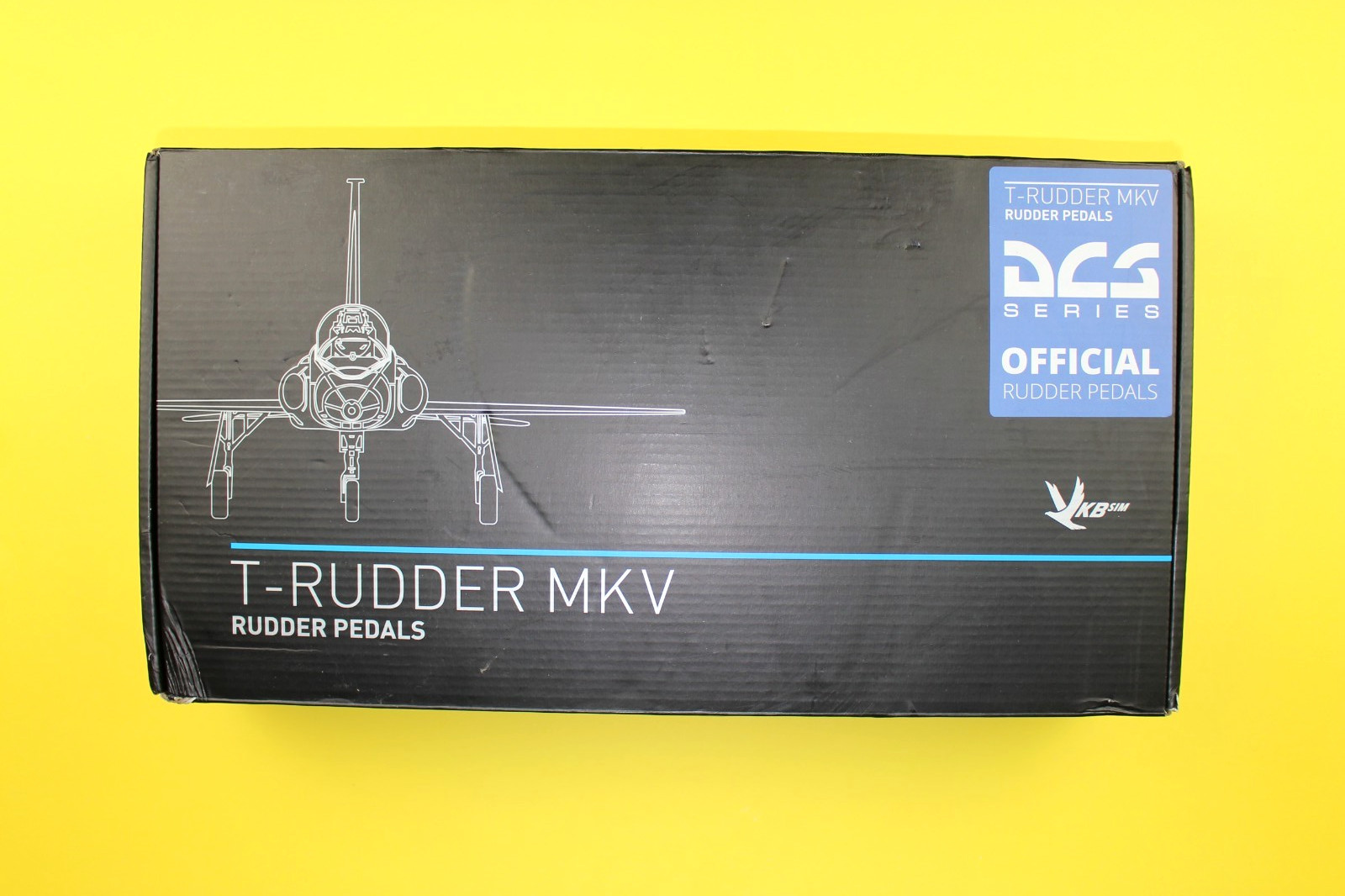 VKB T-Rudders Mk.V Rudder Pedals — All-Metal Flight Sim Rudder Pedals$180.00View on eBay
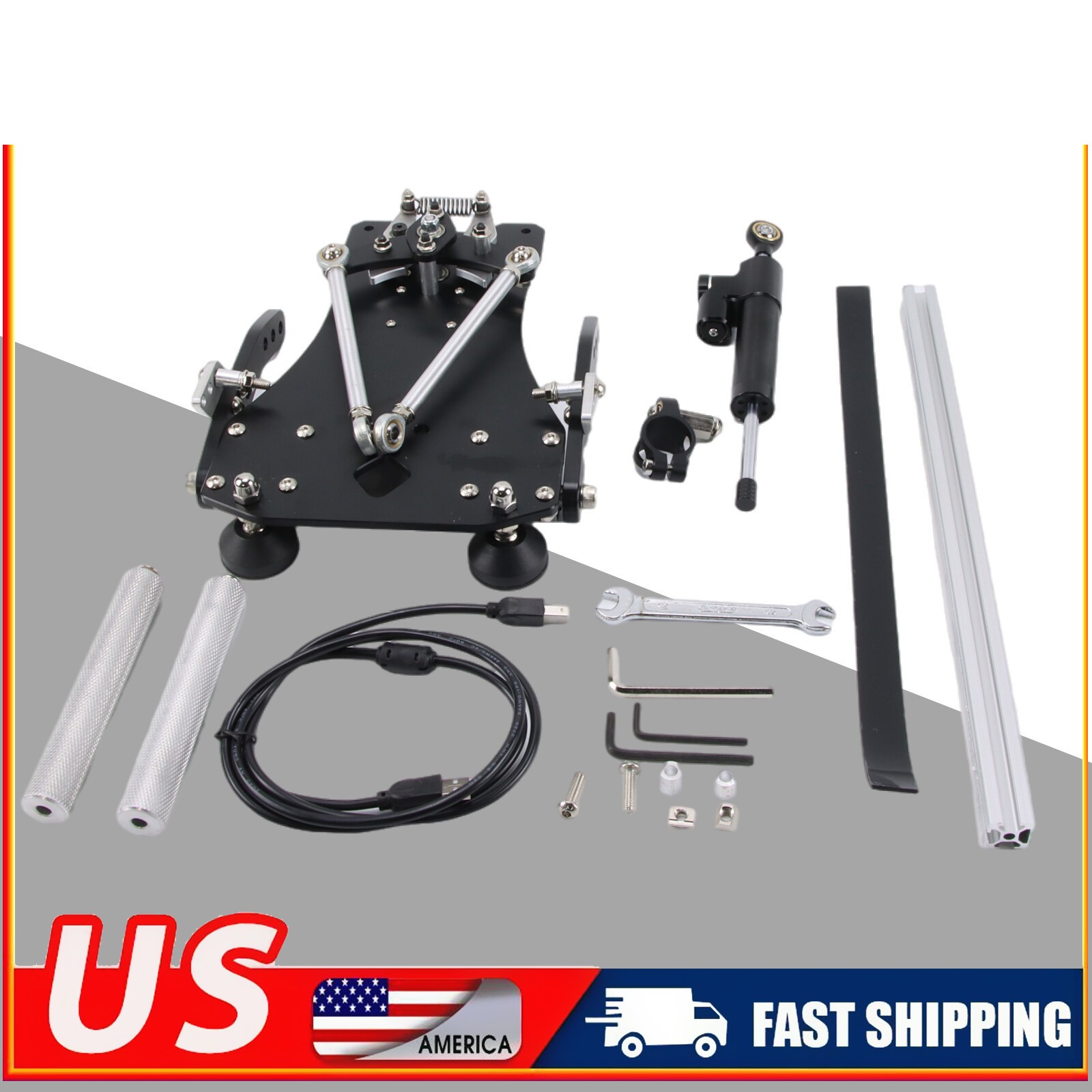 SN-1 Flight Foot Rudder Pedal Falcon Metal Hall Sensor Ka50 Mi8 Uh1 Fsx P3d NEW$180.49View on eBay
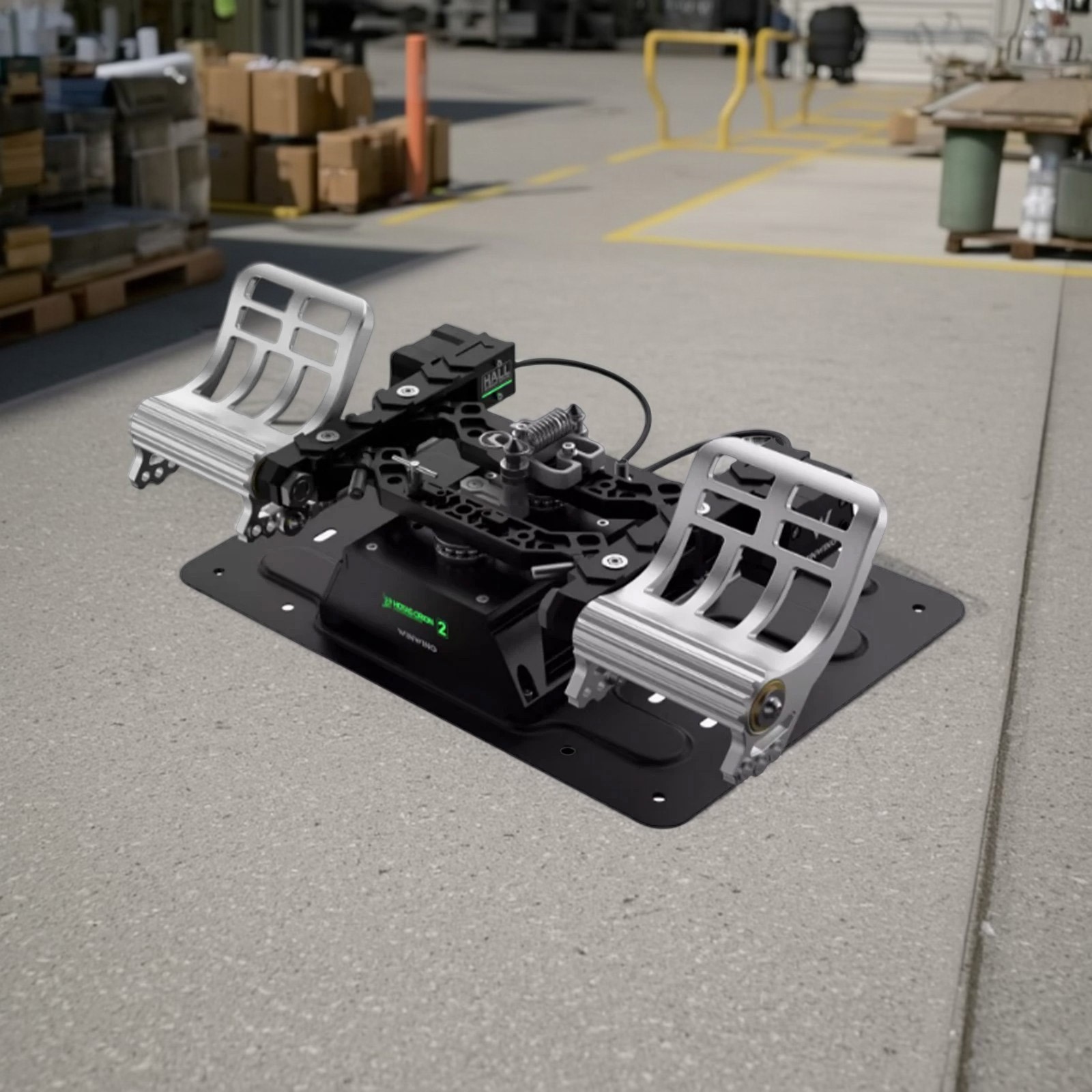 WINWING R1 Damper Edition Orion Metal Flight Simulator Rudder Pedal$419.99Last checked Nov 18, 2026View on eBay
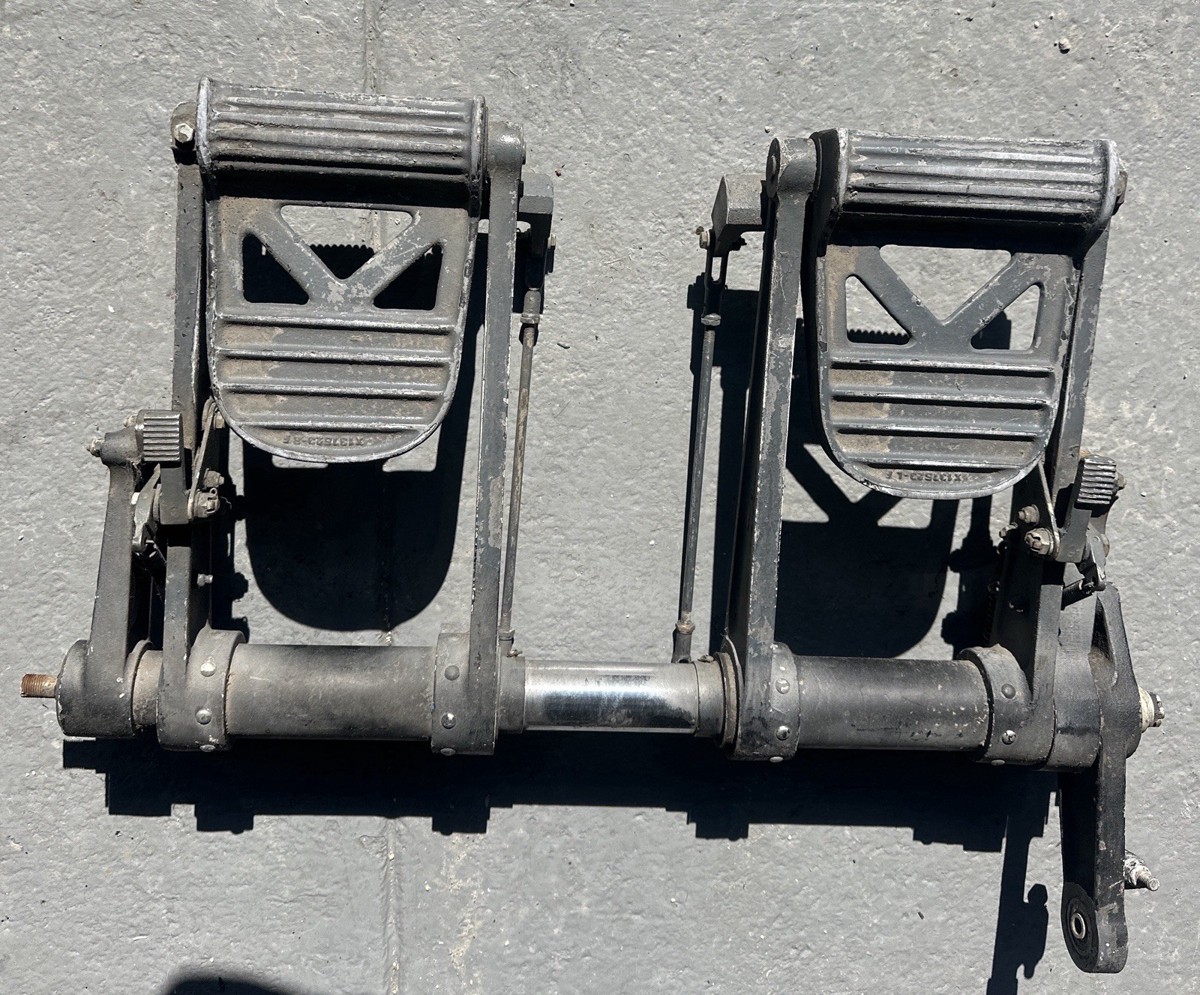 Lockheed P-2V Neptune Rudder Pedal Assembly Aviation Decor Flight Simulator$499.99Last checked Nov 18, 2026View on eBay
Highlights
- Sensor architecture decides lifespan: potentiometer pedals (TFRP, CH Pro Pedals, Logitech G Pro) wear and develop dead zones; Hall-effect magnetic sensors (Thrustmaster TPR, Virpil, MFG Crosswind) are contactless and drift-free.
- Toe brakes are a separate analog axis per pedal; pedals without toe brakes force a keyboard or button binding and break realistic differential braking on the ground.
- Pedal travel and resistance are mechanical, not software: cam-and-follower designs with adjustable preload (MFG, Virpil) beat simple spring-center designs for helicopter and taildragger control.
- Material grade tracks price tier: all-plastic bodies (TFRP, Logitech G Pro) flex under heavy input; metal baseplates and aluminum pedal arms (CH Pro Pedals, Thrustmaster TPR) hold calibration and resist wear.
Best use cases
- Best fit for PC airliner and GA simmers on a desk: Logitech G Pro Flight Rudder Pedals or CH Products Pro Pedals — both USB HID, PC-native, with toe brakes and adjustable tension.
- Best fit for console flight sim (PS5/Xbox Series X/S): Thrustmaster T.Flight Rudder Pedals, which chain into the T.Flight HOTAS ecosystem for shared console compatibility.
- Best fit for helicopter and taildragger pilots: metal cam-based pedals (MFG Crosswind, Virpil, Thrustmaster TPR) with adjustable preload and long throw — plastic spring-center units lack the fine yaw authority.
- Wrong fit: buying a potentiometer pedal set for competitive or high-hour use — the sensor wear produces spiking yaw within a season; step up to Hall-effect instead.
Buying tips
- Match axis count: a rudder pedal set must report three axes (rudder + left toe brake + right toe brake) to bind differential braking; two-axis pedals force a workaround.
- Check mounting: pedals need a non-slip floor or a rig mount; measure your footwell width and ensure at least 30 cm of forward travel clearance before the wall or desk.
- Confirm connection: PC pedals are USB HID plug-and-play; console use requires the Thrustmaster T.Flight ecosystem or an adapter, not a generic USB hub.
- Pick sensor type by hours flown: under ~5 hrs/week a potentiometer set is acceptable; above that, contactless Hall-effect pedals avoid recalibration and dead-zone drift.
Specs
| Sensor Type | Potentiometer vs Hall-effect |
|---|---|
| Toe Brakes | Dual analog axes (L/R) |
| Body Material | Plastic vs metal baseplate |
| Platform | PC USB HID / Console via ecosystem |
Related searches
What to check before buying
- Measure floor-to-desk clearance and footwell width: allow at least 30 cm of pedal travel plus heel rest depth so pedals don't hit the wall.
- Verify surface grip: pedals slide on smooth hardwood; plan a rug, anti-slip mat, or rig mount before buying a plastic-base unit.
- Confirm platform: PC uses standard USB HID; PS5/Xbox require the Thrustmaster T.Flight chain or a compatible adapter.
- Check rig compatibility: if using a wheel stand or cockpit, confirm the pedal baseplate bolt pattern matches your rig's mounting plate.
FAQ
Data sources: eBay / Amazon listings and product attribute feeds. Updated Nov 23, 2026.
Some links on this page are affiliate links. If you buy after clicking one, we may earn a commission at no extra cost to you. This does not change which products appear here or their order. Affiliate disclosure.