
Photos from current listings. Actual item, color, and included accessories may vary.
Quality Record Player Buying Guide
A quality record player is a turntable system whose speed stability, tonearm resonance control, and cartridge/stylus grade preserve groove detail without accelerating wear. The core trade-off is between all-in-one convenience (built-in preamp, Bluetooth, speakers) and upgradeable component architecture (adjustable tonearm, standard mount cartridge, isolated plinth). The decision rule: buy a deck with a damped plinth, a counterweighted tonearm, and a replaceable standard-mount cartridge, and skip any player whose stylus cannot be user-replaced or whose platter speed cannot be verified.
Median $254.73 · New listings
Key takeaways
- Drive architecture: belt-drive decouples motor vibration for lower rumble; direct-drive offers instant torque and quartz-locked speed for DJ use—belt is the audiophile default.
- Tonearm mass must match cartridge compliance: low-compliance carts need medium/heavy arms; high-compliance carts need light arms, or bass resonance and mistracking result.
- Plinth material and mass determine feedback rejection: MDF or constrained-layer damped plinths outperform hollow plastic shells that ring and skip.
At a glance
- Category
- Turntables & Record Players
- Last updated
- Nov 29, 2026
Current offers
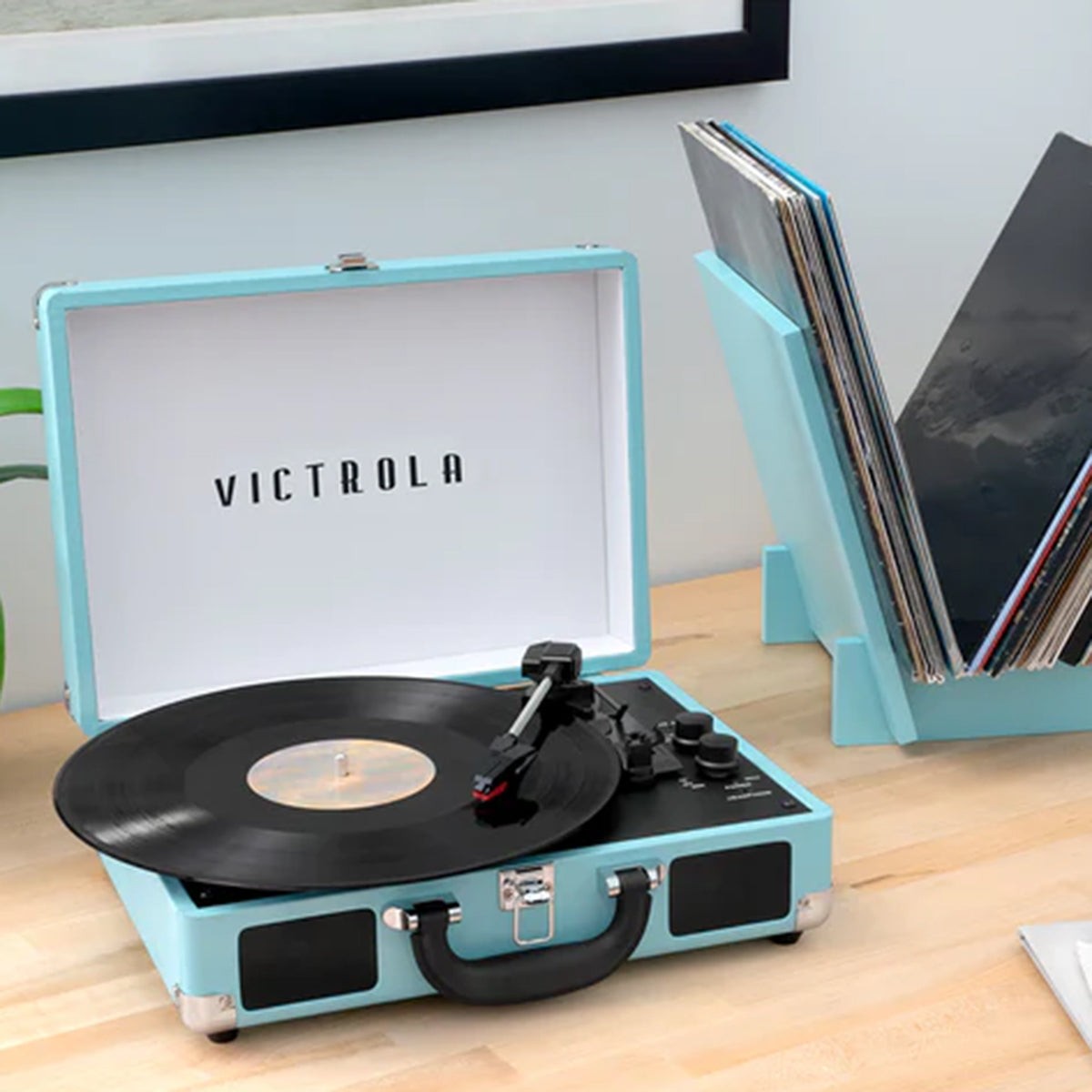 Victrola Journey+ Bundle Suitcase Record Player - Turquoise - Factory Direct$39.99View on eBay
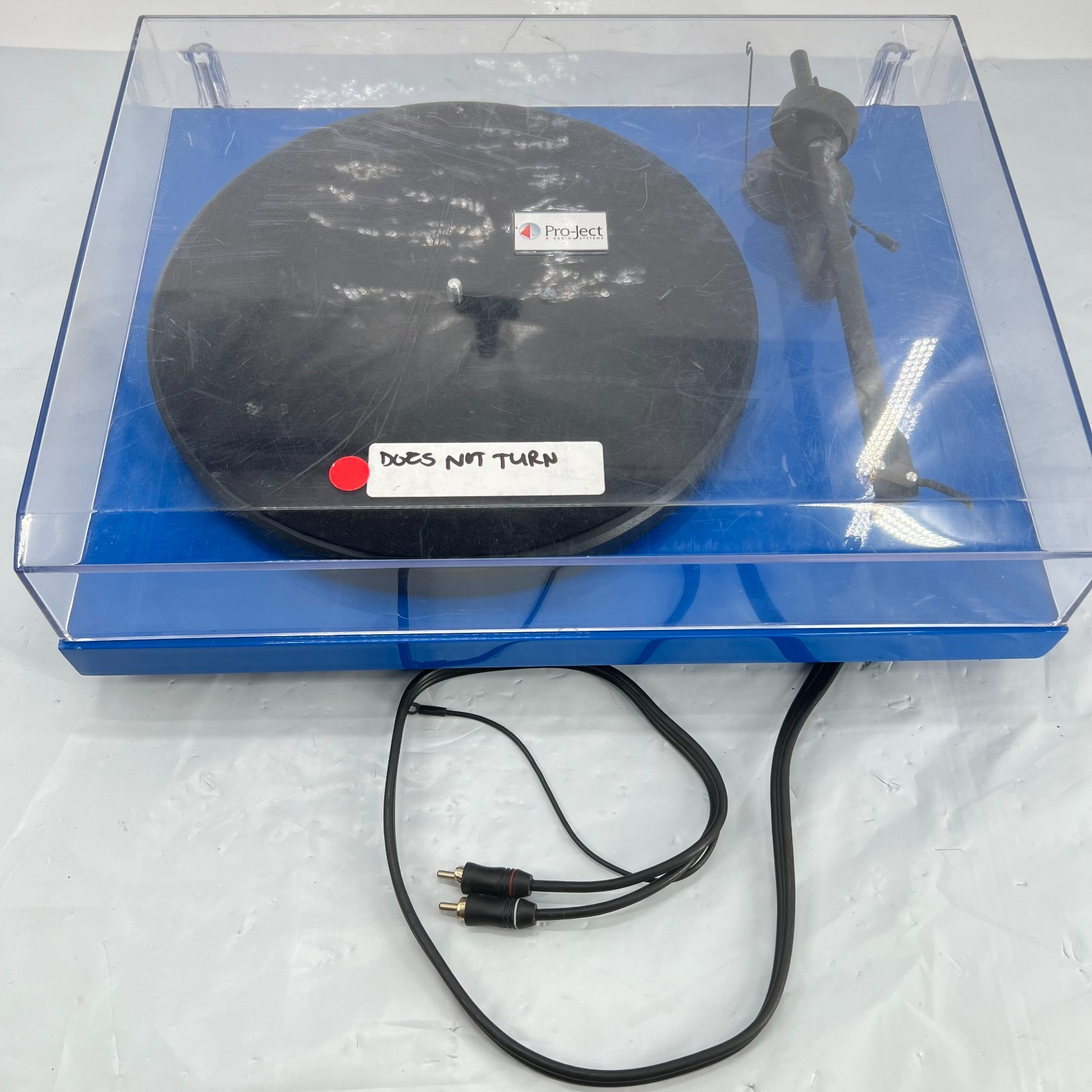 Pro-Ject Debut III Audiophile Turntable Record Player No. 226539$140.00View on eBay
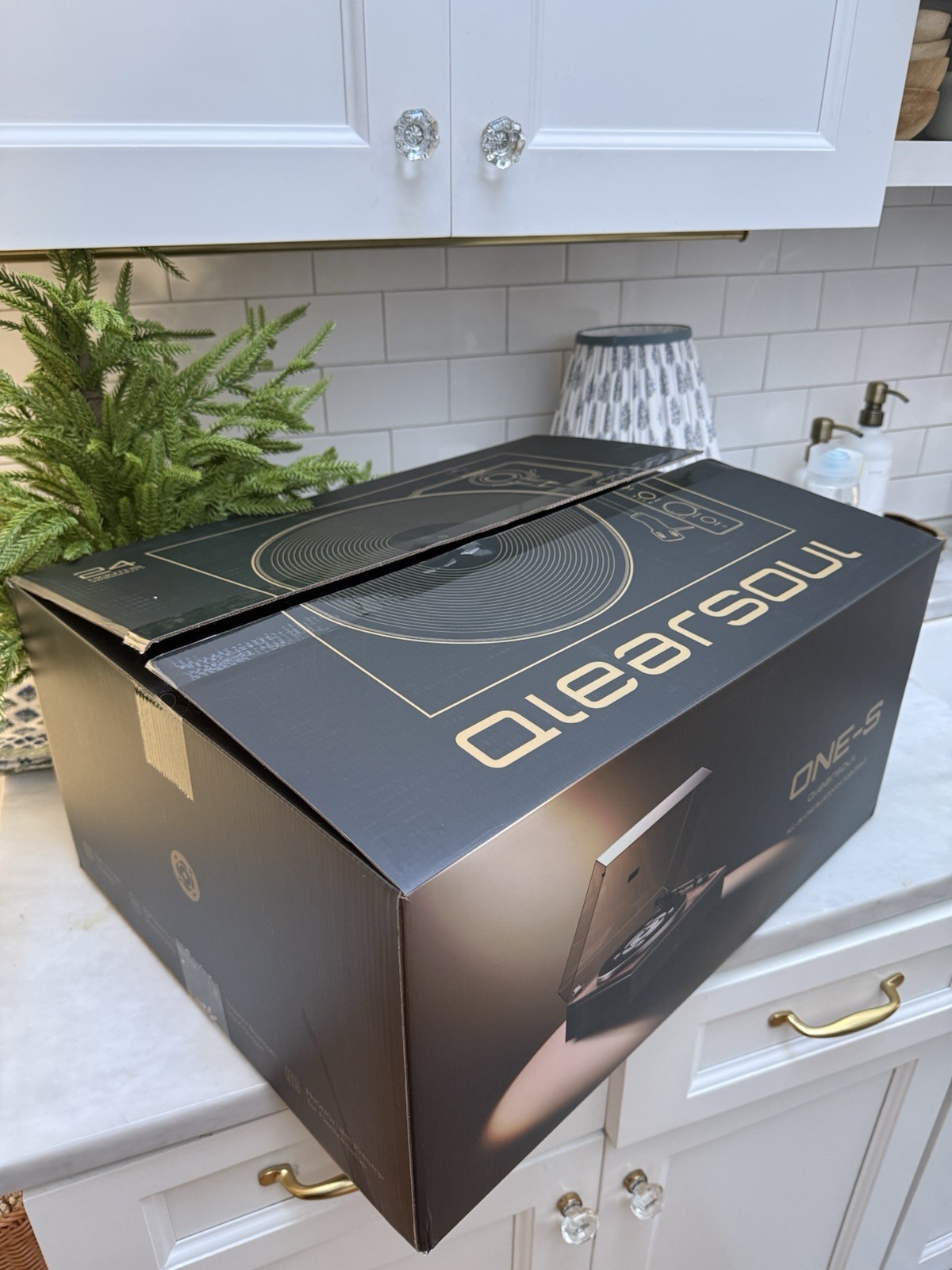 Qlearsoul ONE-S Vinyl Record Player with Bluetooth Input/Output, Al... Fast Ship$200.00New · Last checked Nov 29, 2026View on eBay
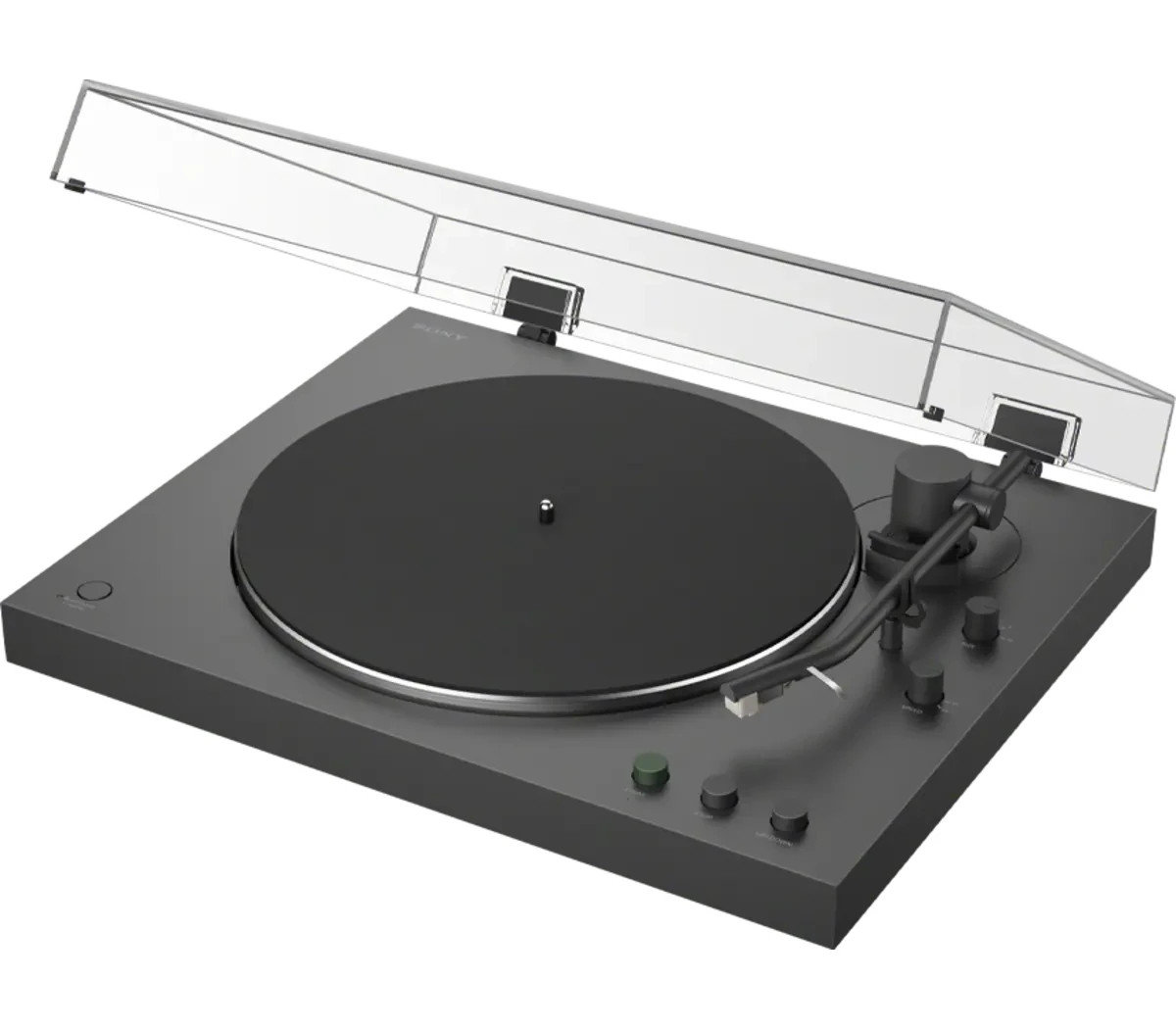 Sony PS-LX3BT Automatic Wireless Vinyl Record Player Bluetooth USB Turntable$219.00Last checked Nov 18, 2026View on eBay
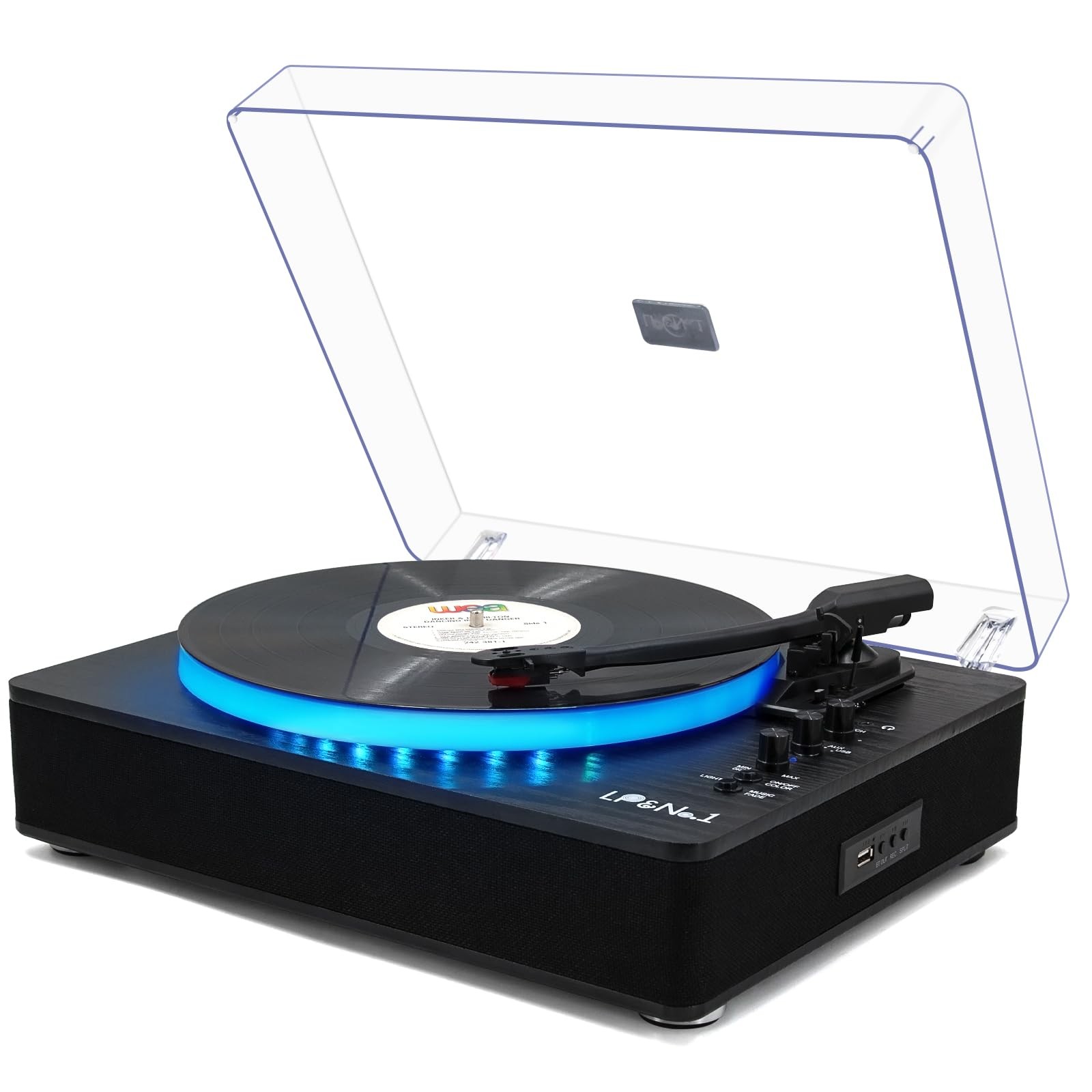 LP&No.1 Record Player with Built-in Stereo Speakers, LED Control, 3-Speed Bel...$236.21New · Last checked Nov 29, 2026View on eBay
 Hunger Games Sunrise On The Reaping Cruiser Record Player with 7" Vinyl RSD 2026$248.00New · Last checked Nov 29, 2026View on eBay
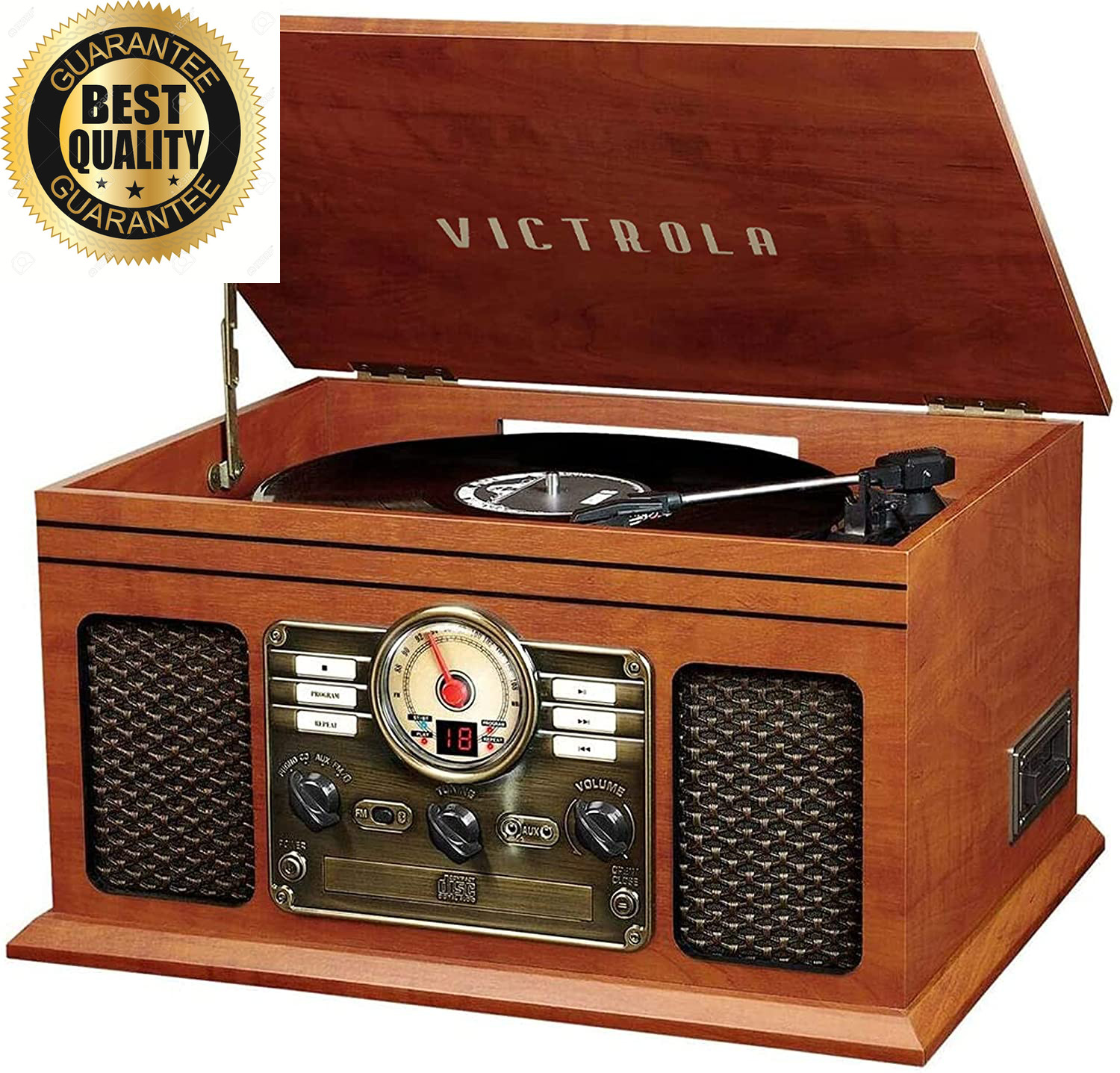 Victrola Nostalgic 7-In-1 Bluetooth Record Player & Multimedia Center with Built$249.99New · Last checked Nov 29, 2026View on eBay
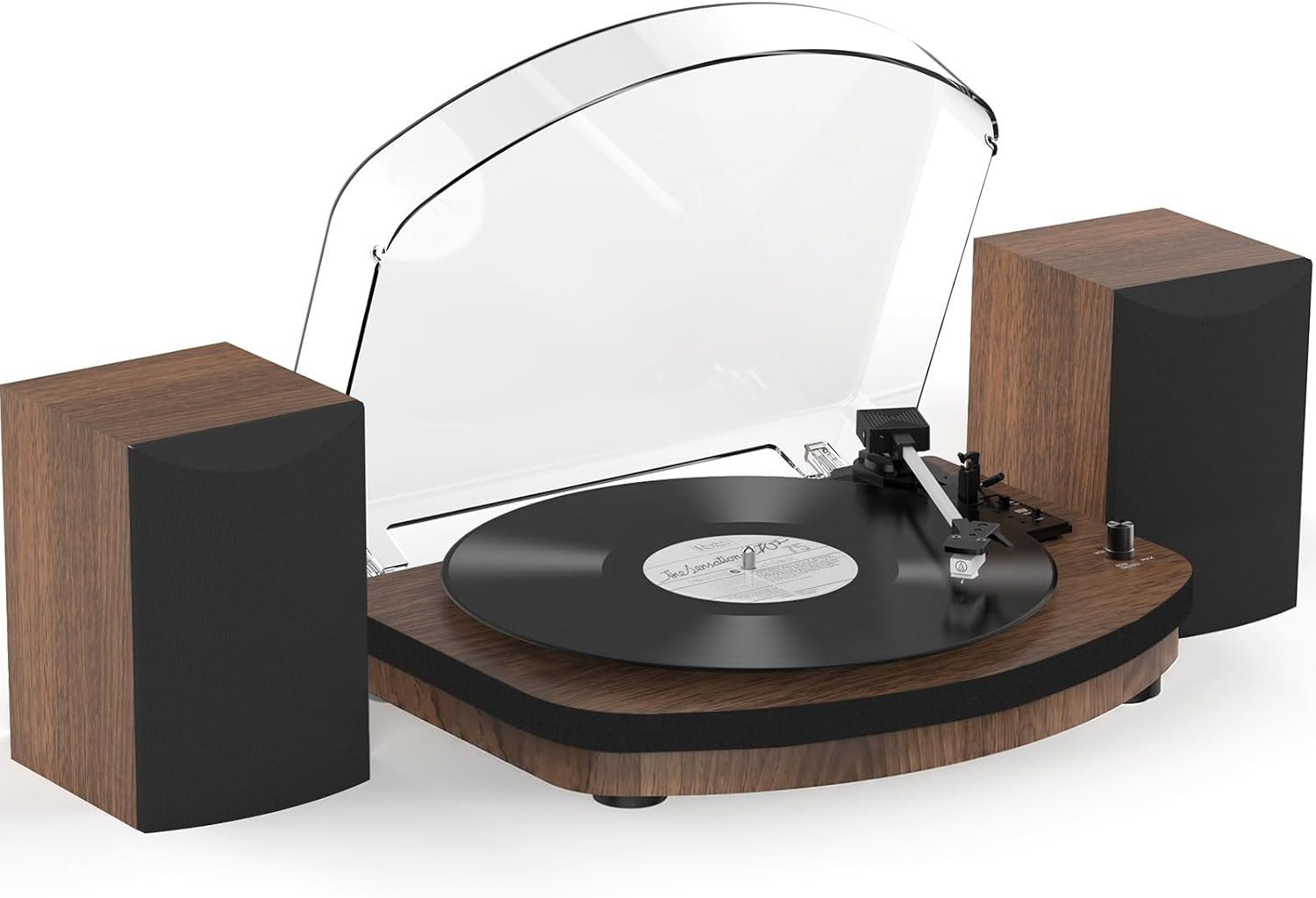 Vinyl Record Player with External Speakers AT-3600L Cartridge$254.27New · Last checked Nov 29, 2026View on eBay
- Vinyl Record Player with External Speakers AT-3600L Cartridge$255.18New · Last checked Nov 29, 2026View on eBay
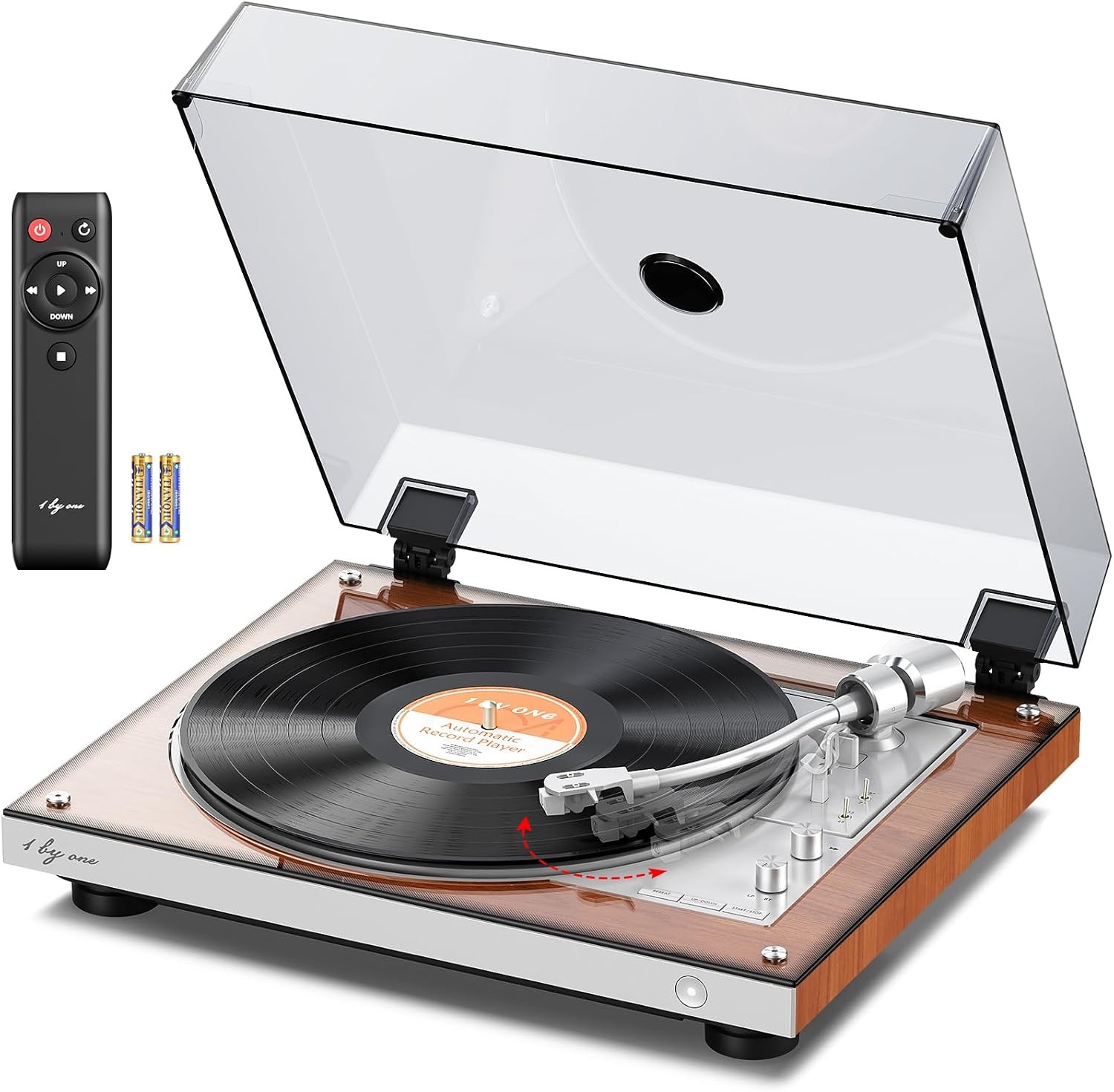 1 by ONE Fully Automatic Belt-Drive Turntable, Wireless Vinyl Record Player$266.69New · Last checked Nov 29, 2026View on eBay
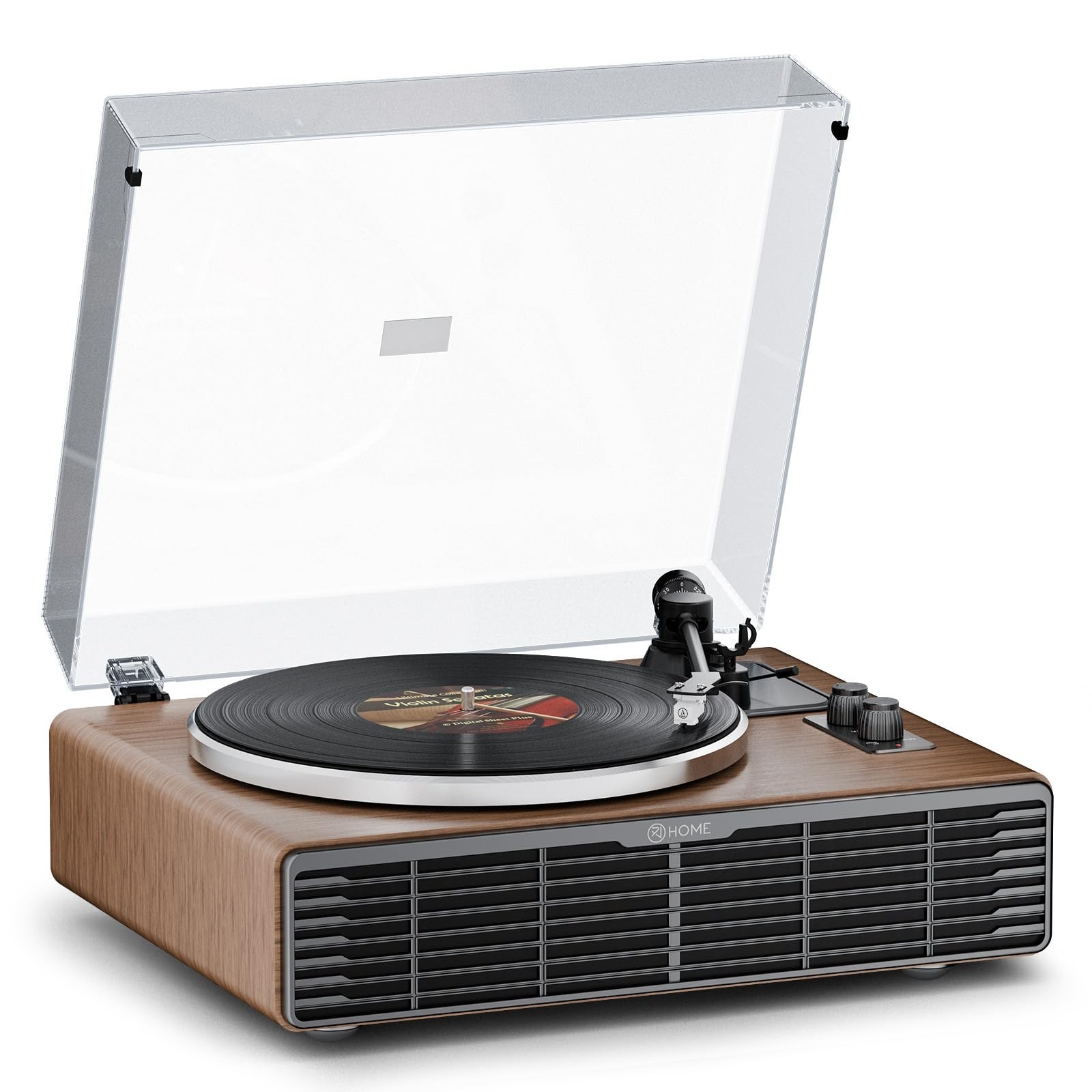 Vinyl Record Player with Speakers Bluetooth Turntable AT-3600L 33/45 RPM$270.73New · Last checked Nov 29, 2026View on eBay
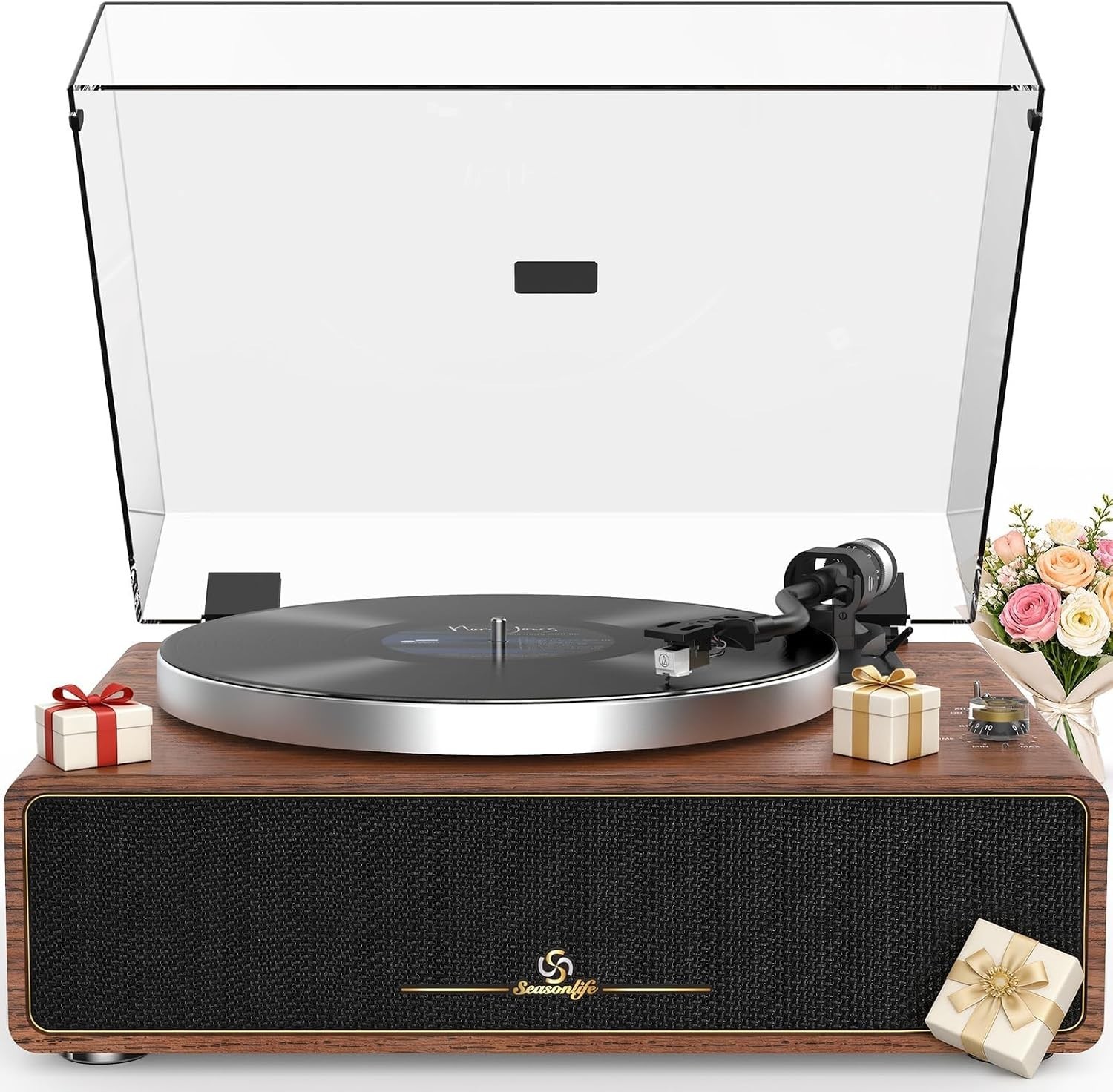 All-in-One Record Player with 4 Speakers & Bluetooth, Brown | Belt-Drive Vinyl P$270.88New · Last checked Nov 29, 2026View on eBay
- 1 by ONE Fully Automatic Belt-Drive Turntable, Wireless Vinyl Record Player$271.05New · Last checked Nov 29, 2026View on eBay
- 1 by ONE Fully Automatic Belt-Drive Turntable, Wireless Vinyl Record Player$273.27New · Last checked Nov 29, 2026View on eBay
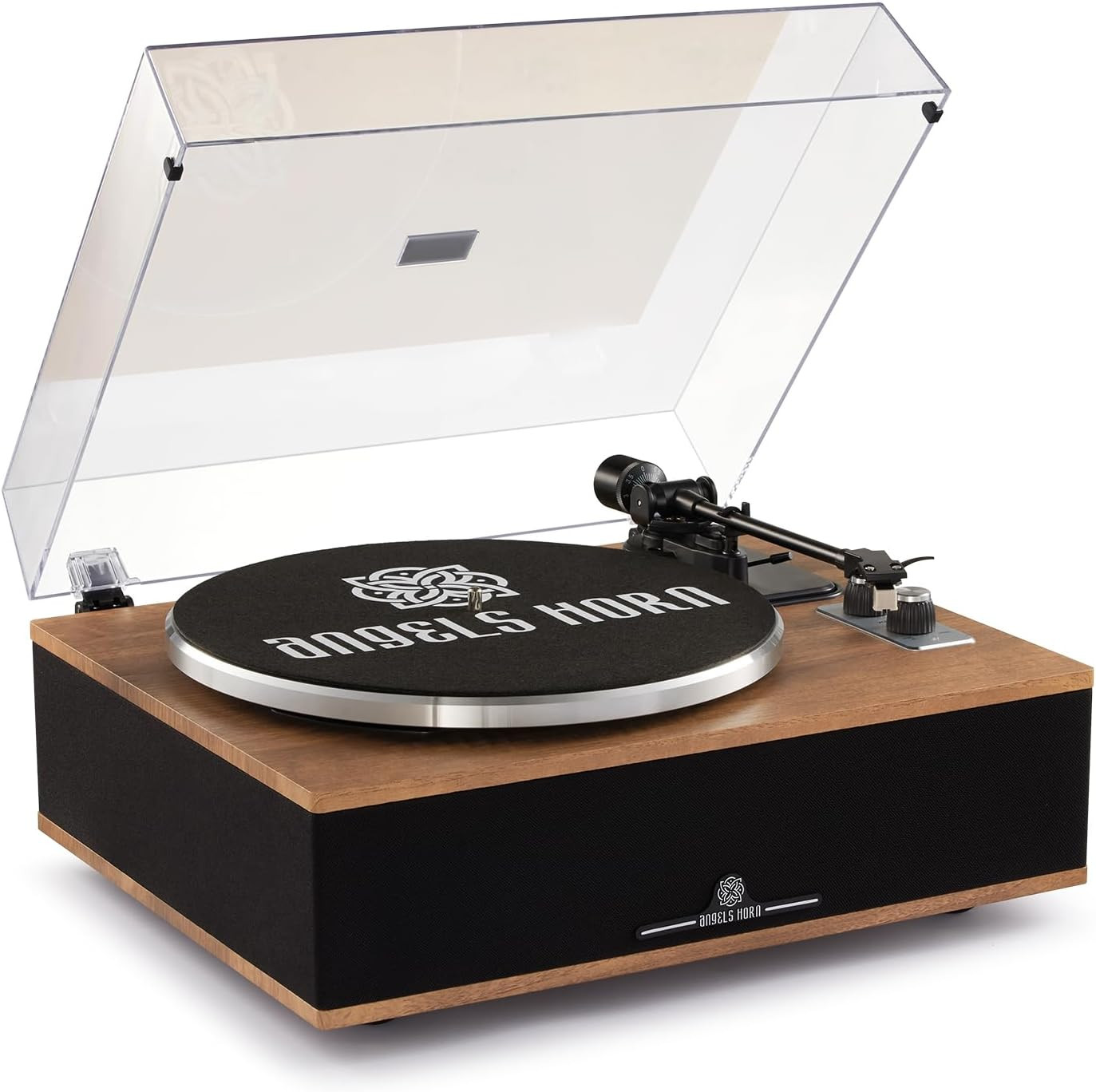 Vinyl Record Player, Bluetooth Turntable with Built in Speakers$279.97New · Last checked Nov 29, 2026View on eBay
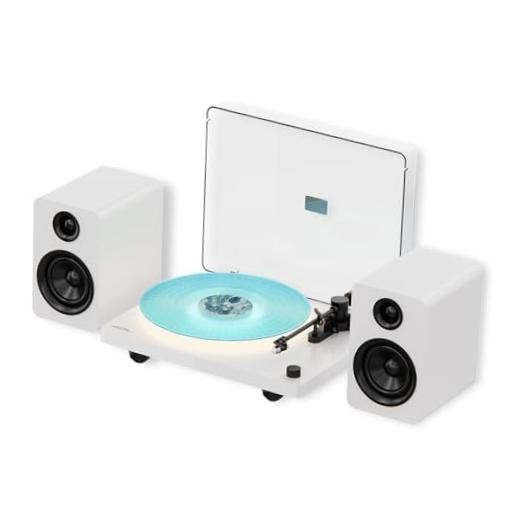 Vinyl Record Player with Bluetooth, Speakers and LED Lighting - Adjustable$367.49New · Last checked Nov 29, 2026View on eBay
Highlights
- Drive architecture: belt-drive decouples motor vibration for lower rumble; direct-drive offers instant torque and quartz-locked speed for DJ use—belt is the audiophile default.
- Tonearm mass must match cartridge compliance: low-compliance carts need medium/heavy arms; high-compliance carts need light arms, or bass resonance and mistracking result.
- Plinth material and mass determine feedback rejection: MDF or constrained-layer damped plinths outperform hollow plastic shells that ring and skip.
- Stylus profile drives groove retrieval and wear: conical is durable and forgiving; elliptical and microlinear (Shibata) extract more detail but demand accurate alignment.
Best use cases
- Best fit: casual listeners with powered speakers—choose a belt-drive deck with a built-in phono preamp and user-replaceable cartridge; skip decks lacking a switchable preamp if your amp has no phono stage.
- Best fit: vinyl archivists and critical listeners—pick a manual belt-drive with adjustable counterweight, anti-skate, and a standard 1/2-inch mount for cartridge upgrades; skip fixed-headshell all-in-ones.
- Best fit: DJ and scratch performance—choose a direct-drive with high starting torque, quartz speed lock, and a slipmat-friendly platter; skip low-torque belt drives and lightweight plinths.
- Wrong fit: rooms with heavy floor flex or loudspeaker bass—any lightweight plastic deck will skip; prioritize a suspended or high-mass plinth and wall-mount the shelf.
Buying tips
- Match tonearm effective mass to cartridge compliance: medium-mass arms (10–14 g) suit most moving-magnet carts; high-compliance carts need arms under 10 g.
- Verify platter speed stability with a strobe or app: wow and flutter under 0.15% is the audible threshold for pitch-stable playback.
- Buy a deck with a standard 1/2-inch cartridge mount and adjustable counterweight—proprietary or fixed cartridges limit upgrades and stylus replacement.
- Account for the phono stage: if your amplifier lacks a PHONO input, you need a built-in preamp or an external moving-magnet stage with proper RIAA equalization.
Specs
| Drive Type | Belt-drive vs Direct-drive |
|---|---|
| Tonearm | Adjustable counterweight / anti-skate |
| Cartridge Mount | Standard 1/2-inch / replaceable stylus |
| Phono Stage | Built-in switchable vs external MM |
Related searches
What to check before buying
- Measure your shelf or stand depth and clearance for the dust cover's open height; allow 2–3 inches behind the plinth for cable and counterweight swing.
- Confirm your amplifier or speakers have a PHONO input or that the turntable includes a switchable built-in preamp.
- Check floor rigidity and speaker placement—place the deck on a rigid, level surface away from speaker vibration and direct sunlight.
- Verify voltage and plug standard for your region and that the supplied stylus is user-replaceable before first use.
FAQ
Data sources: eBay / Amazon listings and product attribute feeds. Updated Nov 29, 2026.
Some links on this page are affiliate links. If you buy after clicking one, we may earn a commission at no extra cost to you. This does not change which products appear here or their order. Affiliate disclosure.