
Photos from current listings. Actual item, color, and included accessories may vary.
Racing Wheel Stand Buying Guide
A racing wheel stand is a free-standing metal frame that clamps a wheel and pedals at adjustable heights and angles, without a seat or full cockpit chassis. The core trade-off is steel tube gauge and shaker rigidity versus foldability: thicker alloy steel and cross-bracing resist force-feedback vibration, while lighter folding frames trade some stiffness for storage. Buyers who run 8–10 Nm direct-drive or load-cell pedals need a braced, wide-stance stand; gear-driven Logitech and belt Thrustmaster setups are well served by standard folding stands.
Median $101.99
Key takeaways
- Folding stands use thinner round or square steel tubing with hinge locks; fixed stands use thicker gauge alloy steel and bolt-together cross members for higher torsional stiffness.
- Wheel deck and pedal plate adjustability in height, tilt, and reach is what fits different driver heights and wheelbase bolt patterns; most stands ship with slotted plates for Logitech/Fanatec/Thrustmaster mounts.
- Force-feedback torque capacity is the deciding spec: gear-driven wheels (G29/G920/G923) run low torque, belt wheels (T300) mid, direct-drive bases 8 Nm+ demand a stand with minimal deck flex.
At a glance
- Category
- Sim Racing Cockpits & Mounts
- Last updated
- Nov 27, 2026
Current offers
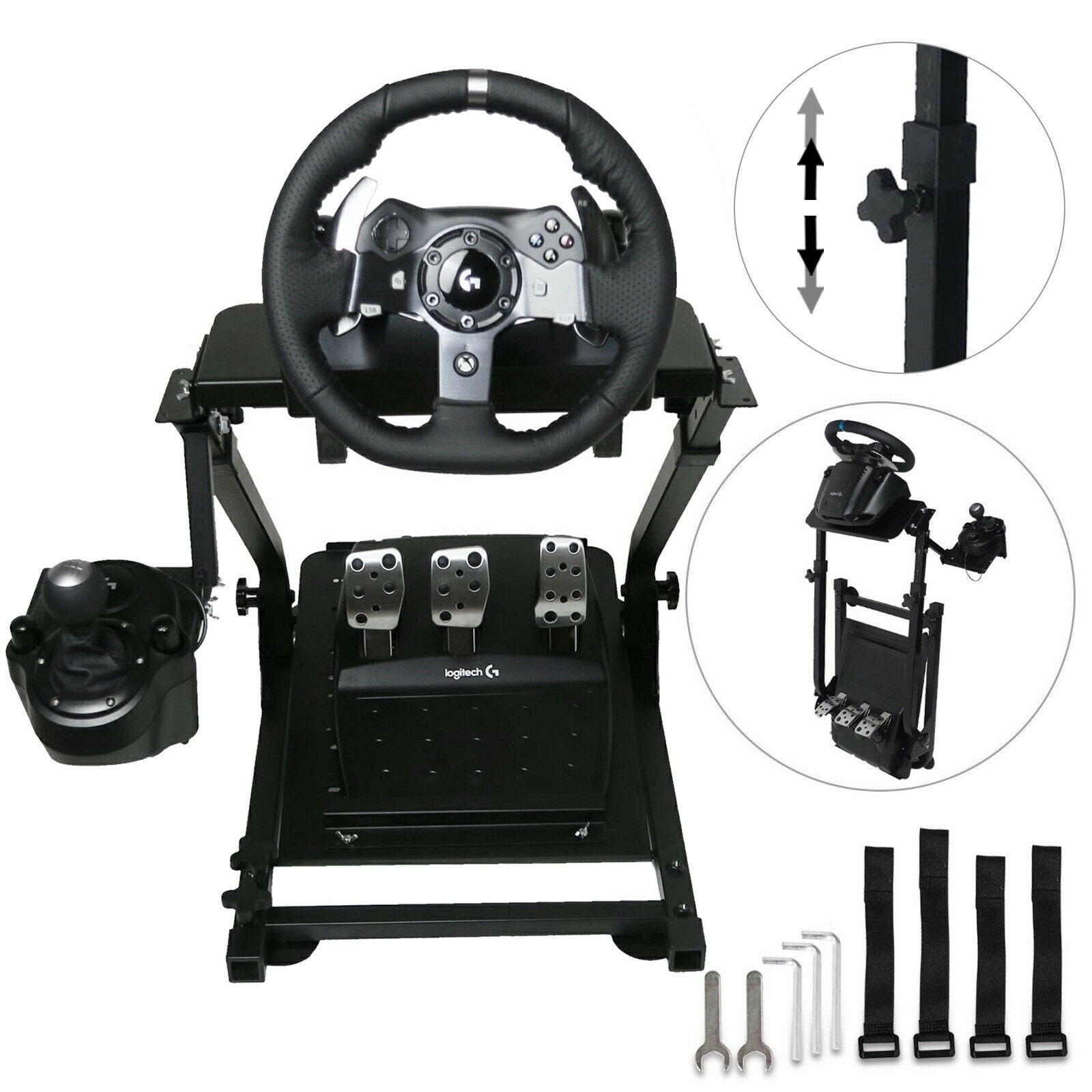 Racing Simulator Cockpit Steering Wheel Stand for Logitech G29 G920 Thrustmaster$59.60View on eBay
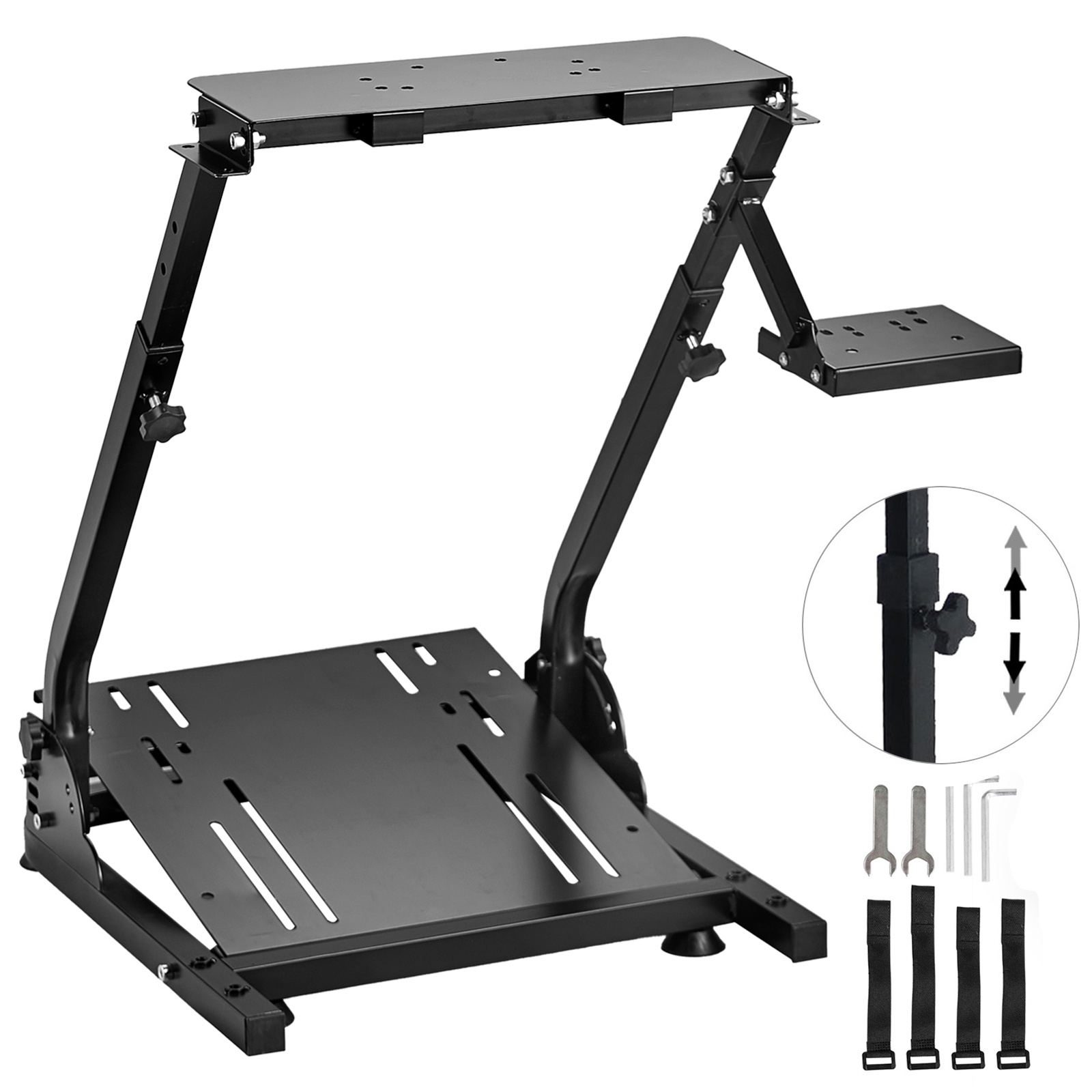 VEVOR Racing Simulator Steering Wheel Stand For Mainstream Brands$54.99View on Mallflare
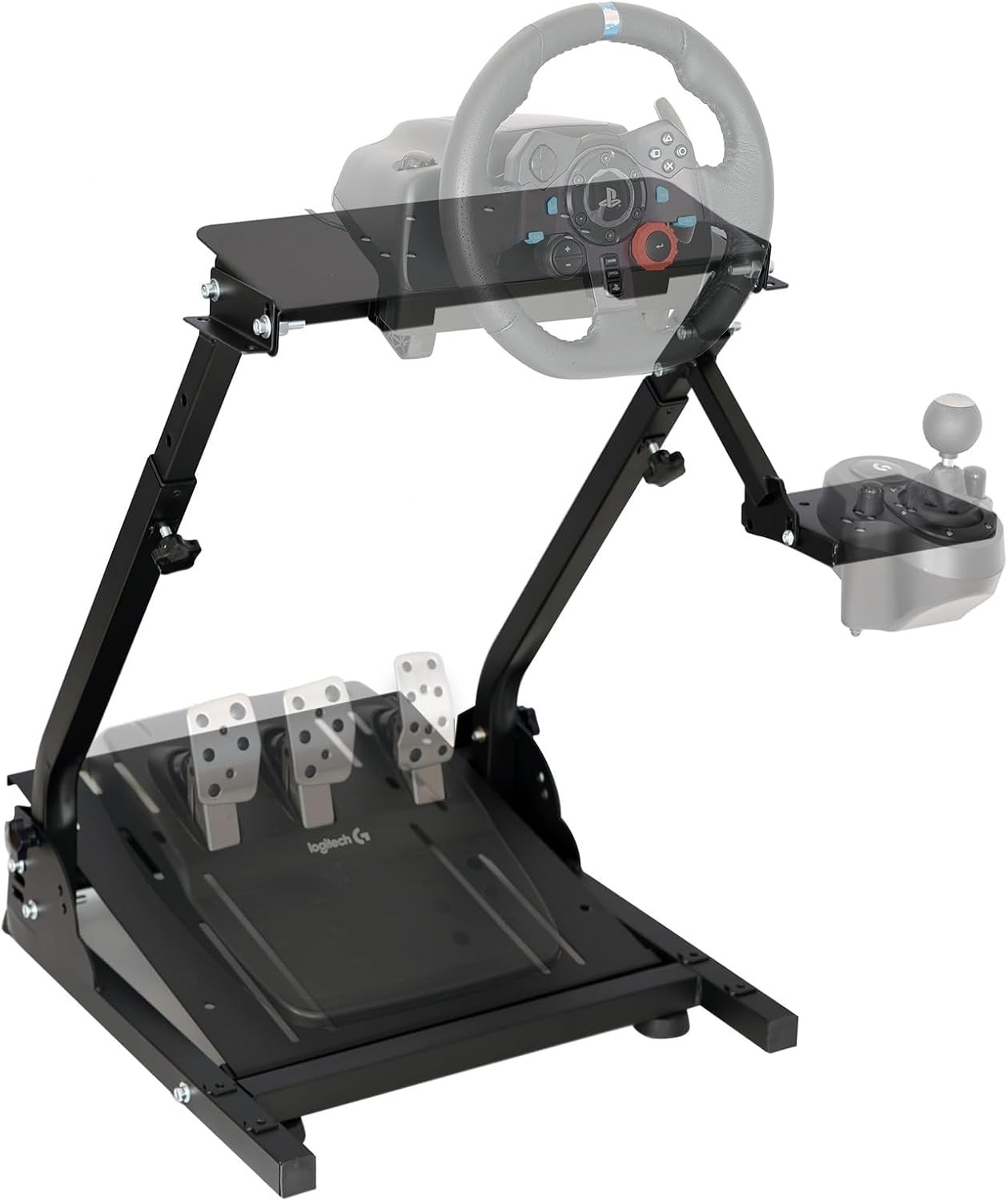 Racing Simulator Cockpit Steering Wheel Stand for Logitech G25 G27 G29 G920$59.80View on eBay
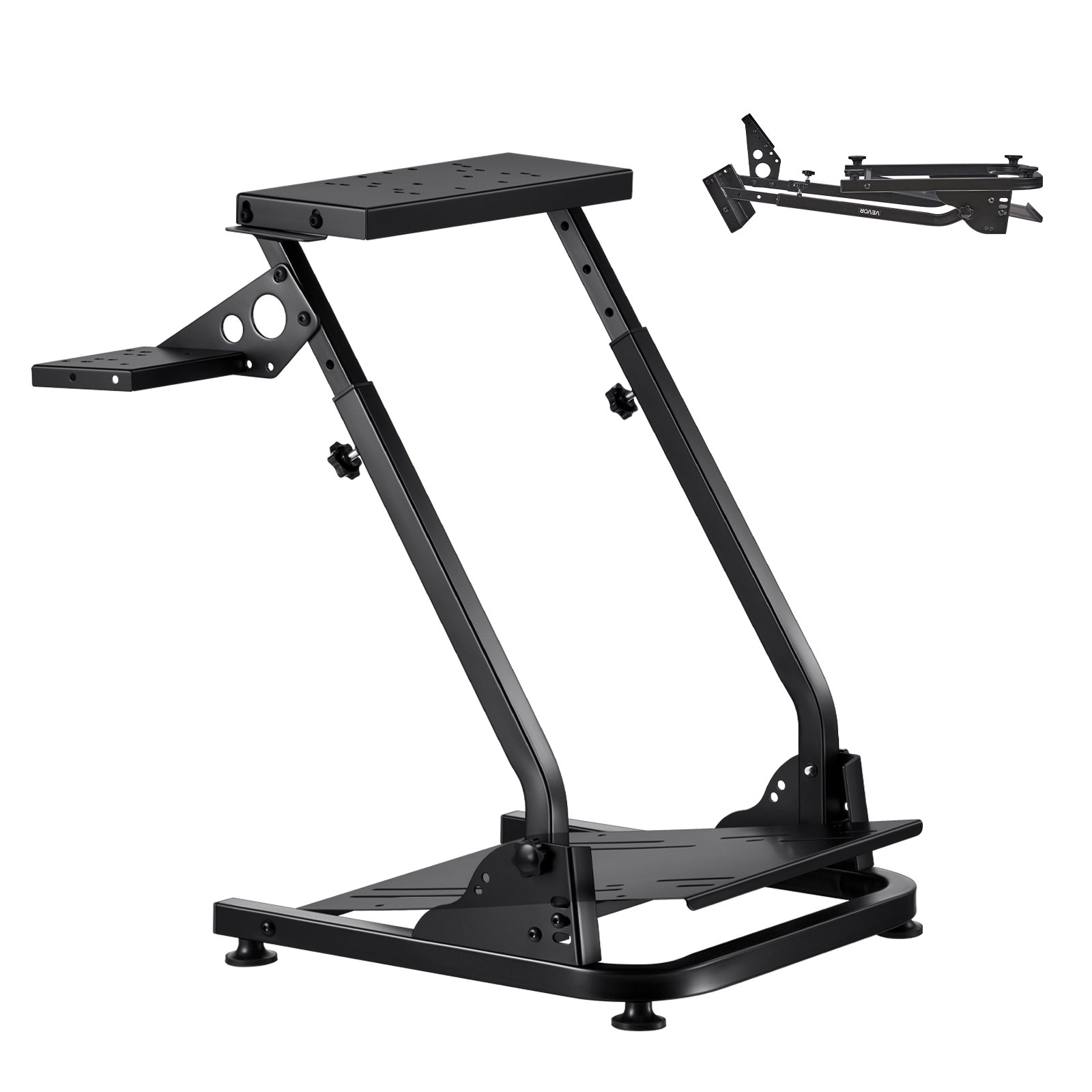 Racing Wheel Stand, Adjustable & Foldable Simulator For Logitech G29 G27 G920 G923, Thrustmaster T300RS T300GT T248 TS-PC TSXW Gaming Cockpit,Pedals NOT Included$63.99View on Mallflare
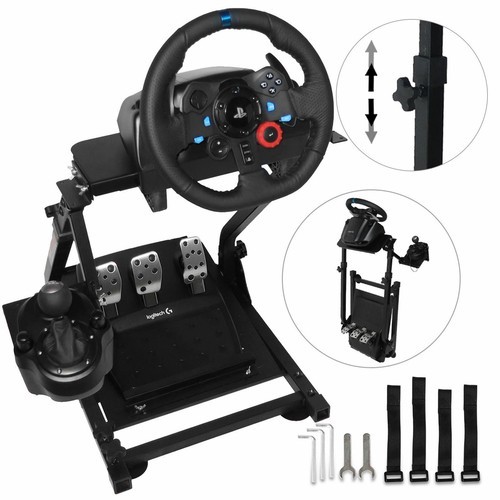 Racing Simulator Cockpit Steering Wheel Stand for Logitech G29 G920 Thrustmaster$60.90View on eBay
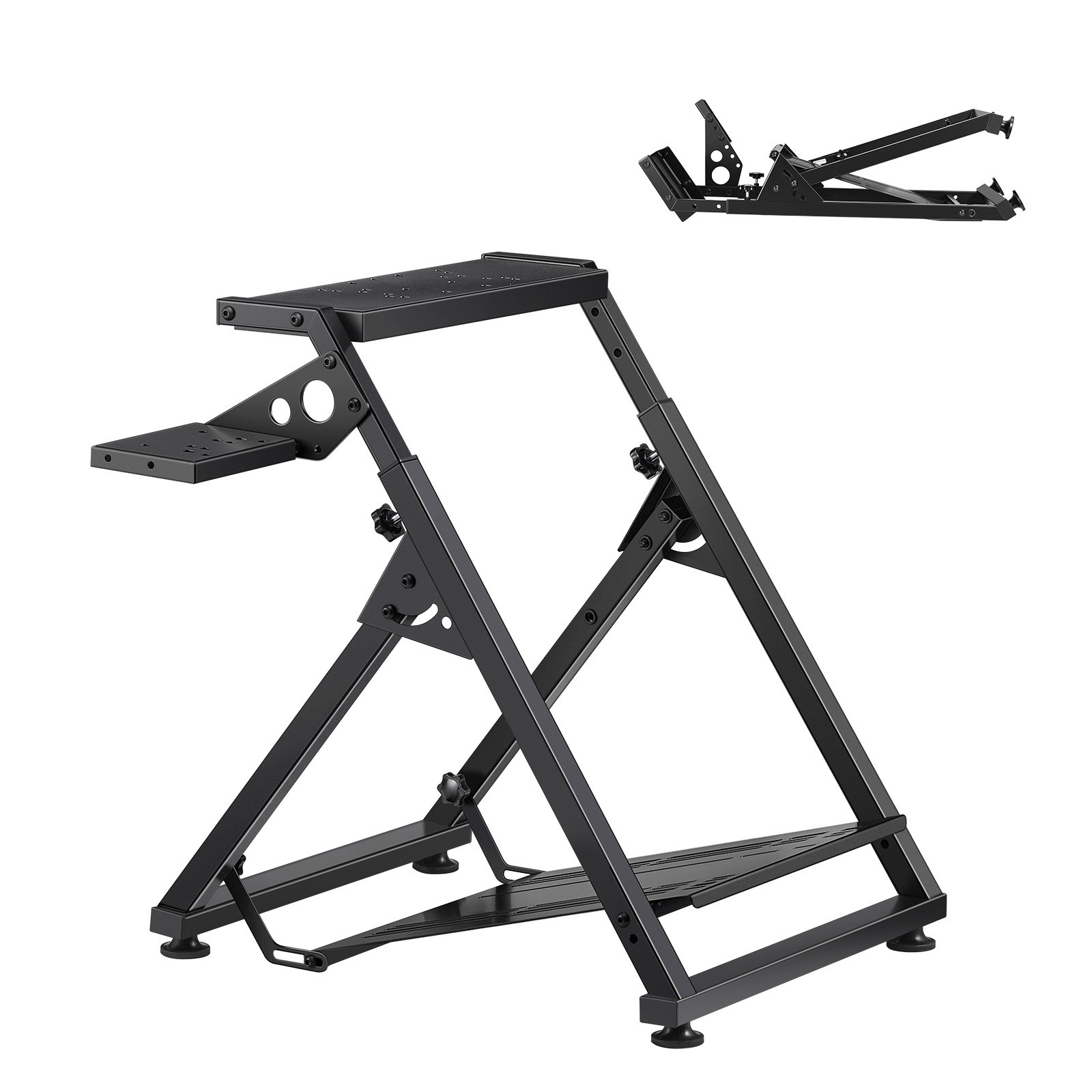 Racing Wheel Stand Adjustable & Foldable For Logitech G923 G920 G29 G27 Compact$68.99View on Mallflare
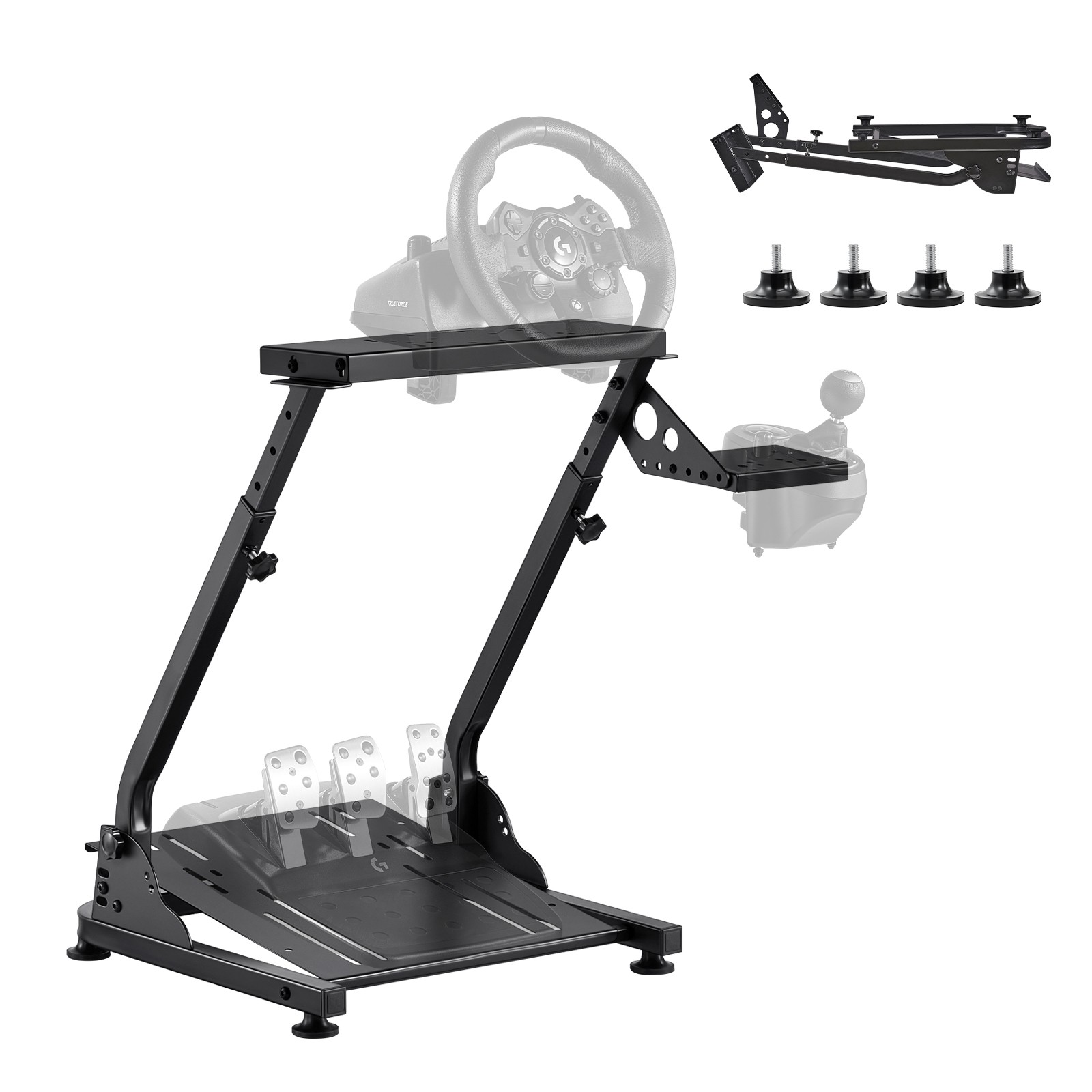 Racing Simulator Cockpit Steering Wheel Stand for Logitech G920 G29 Thrustmaster$60.90View on eBay
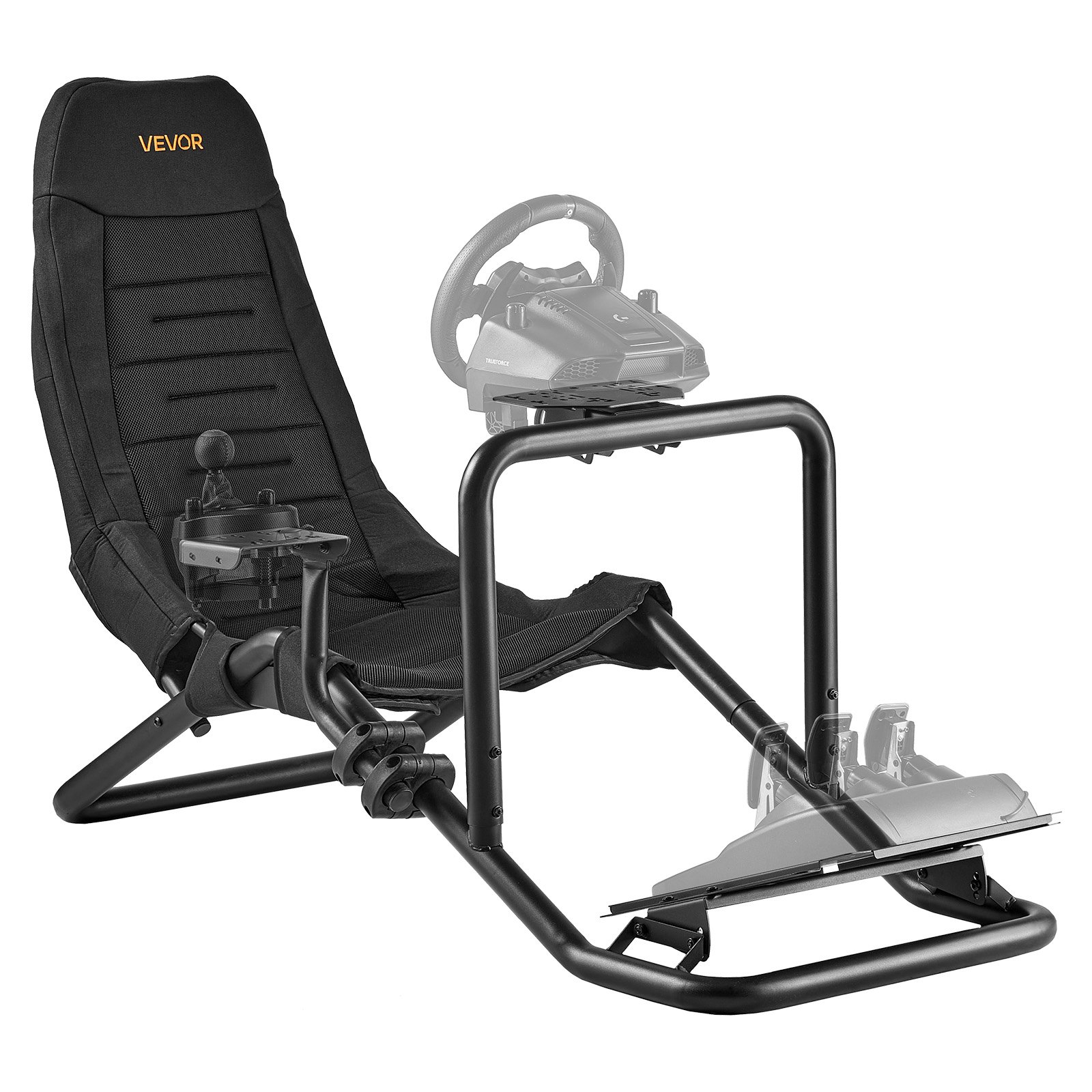 Racing Wheel Stand, Heavy-Duty Integrated Simulator Cockpit Steering Fit Logitech G25,G27,G29,G920,G923, Thrustmaster T300RS,TX F458,T500RS,T3PA-PRO (F1/GT) And CSR Pedals, Black$187.99View on Mallflare
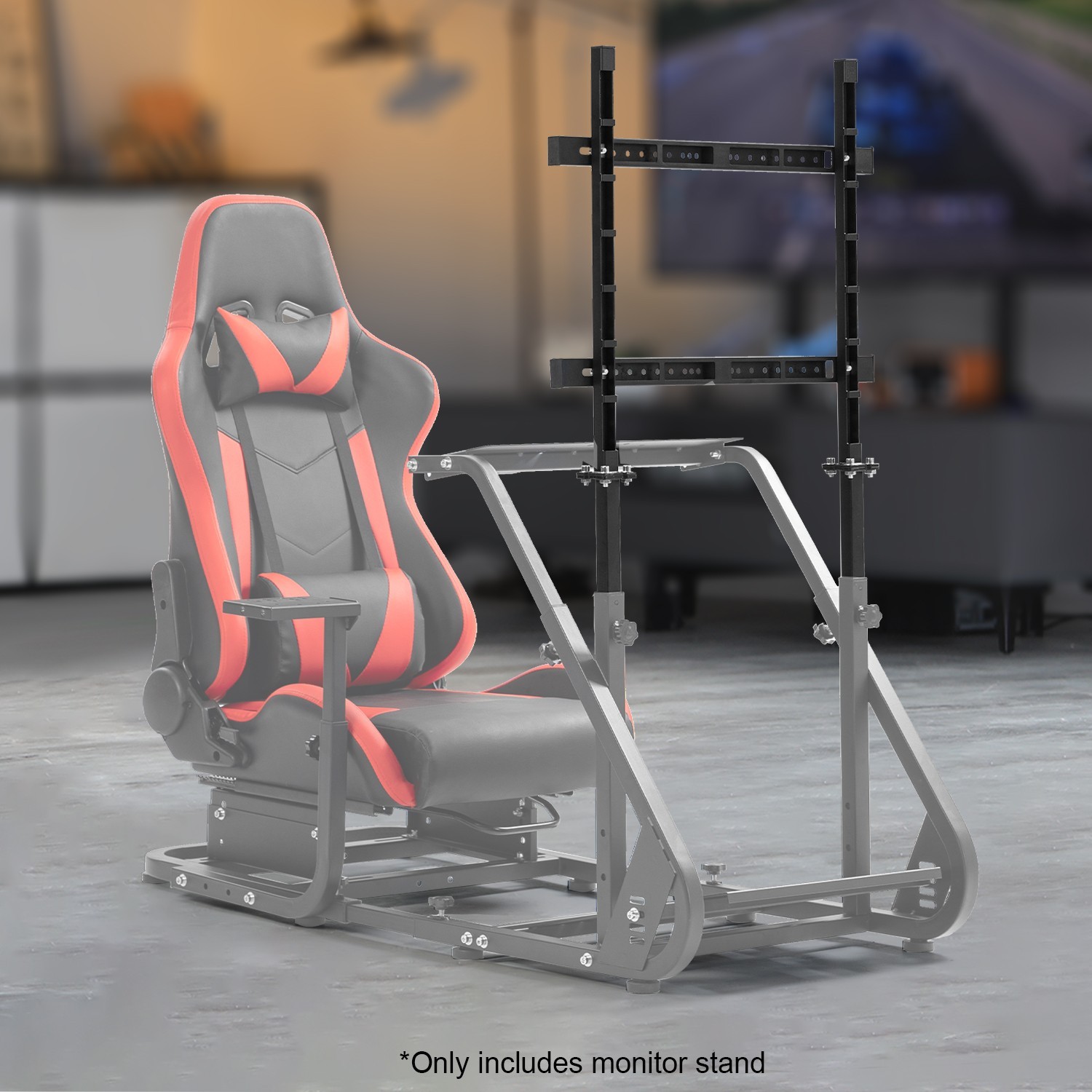 Marada Racing Simulator Cockpit Wheel Stand Fits Logitech G923 G920 Thrustmaster$60.99View on eBay
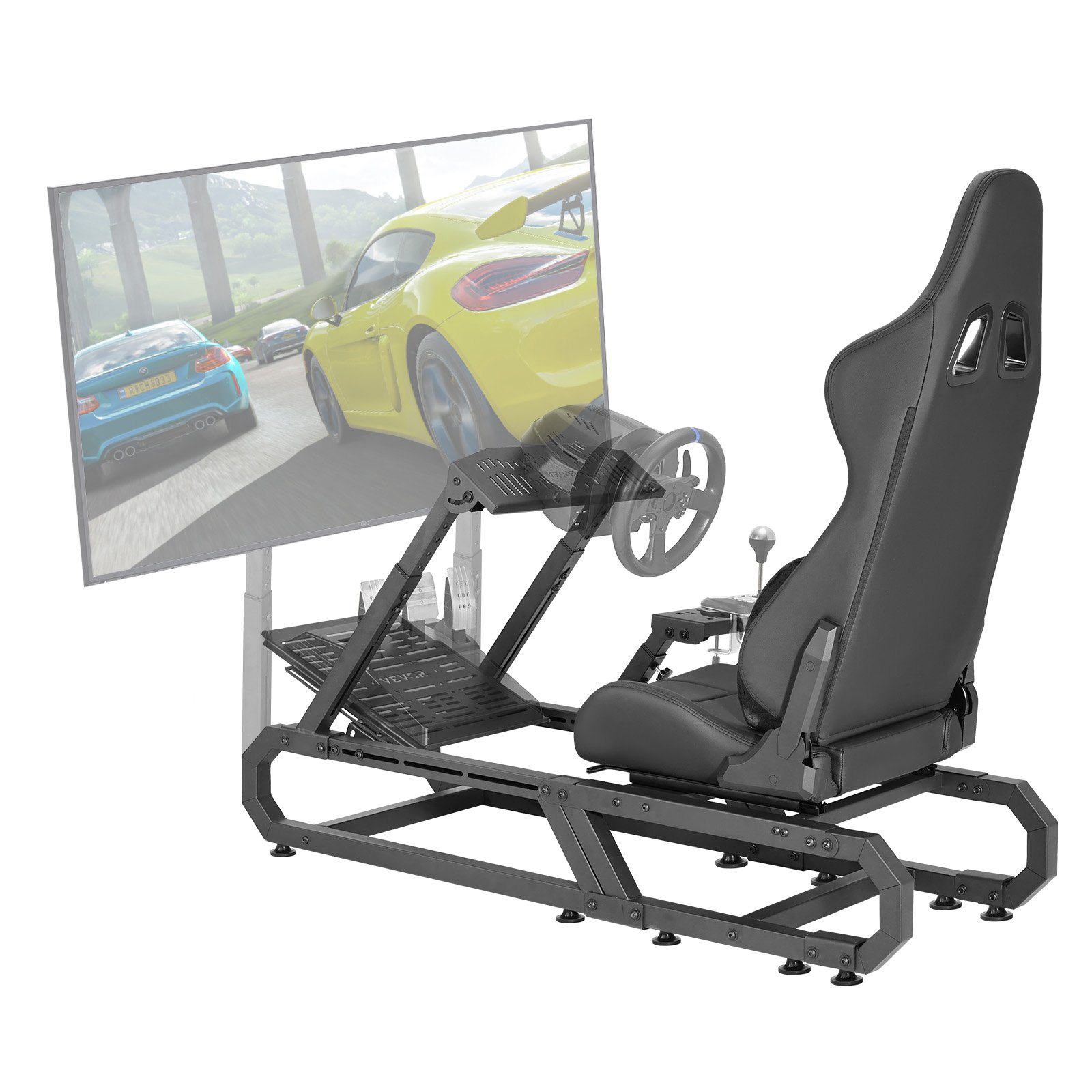 Heavy Duty Racing Wheel Stand For Logitech G923/G920/G29 Max330LBS Compact$327.99View on Mallflare
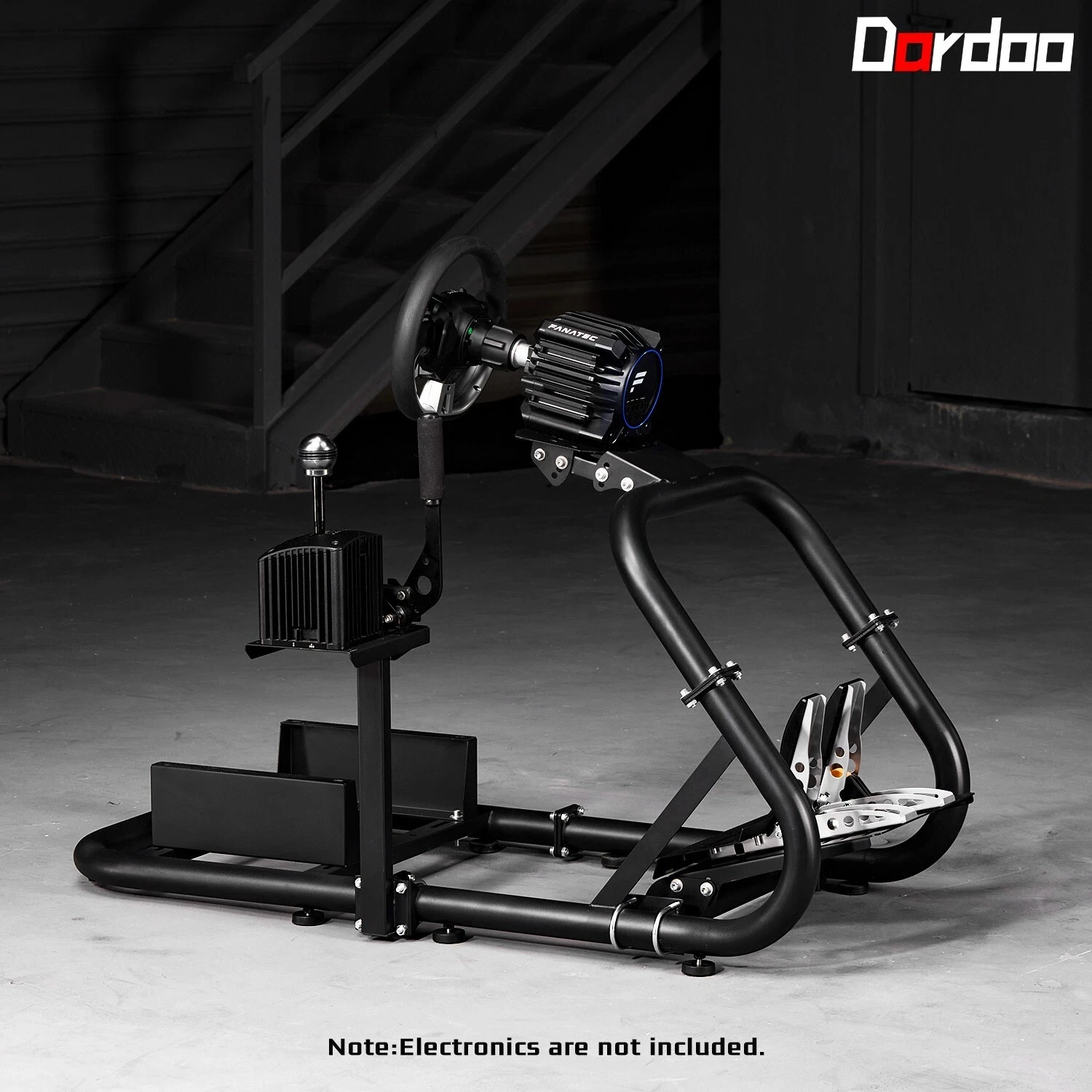 Dardoo Racing Simulator Cockpit Wheel Stand Fits Logitech G920 G29 Thrustmaster$134.99View on eBay
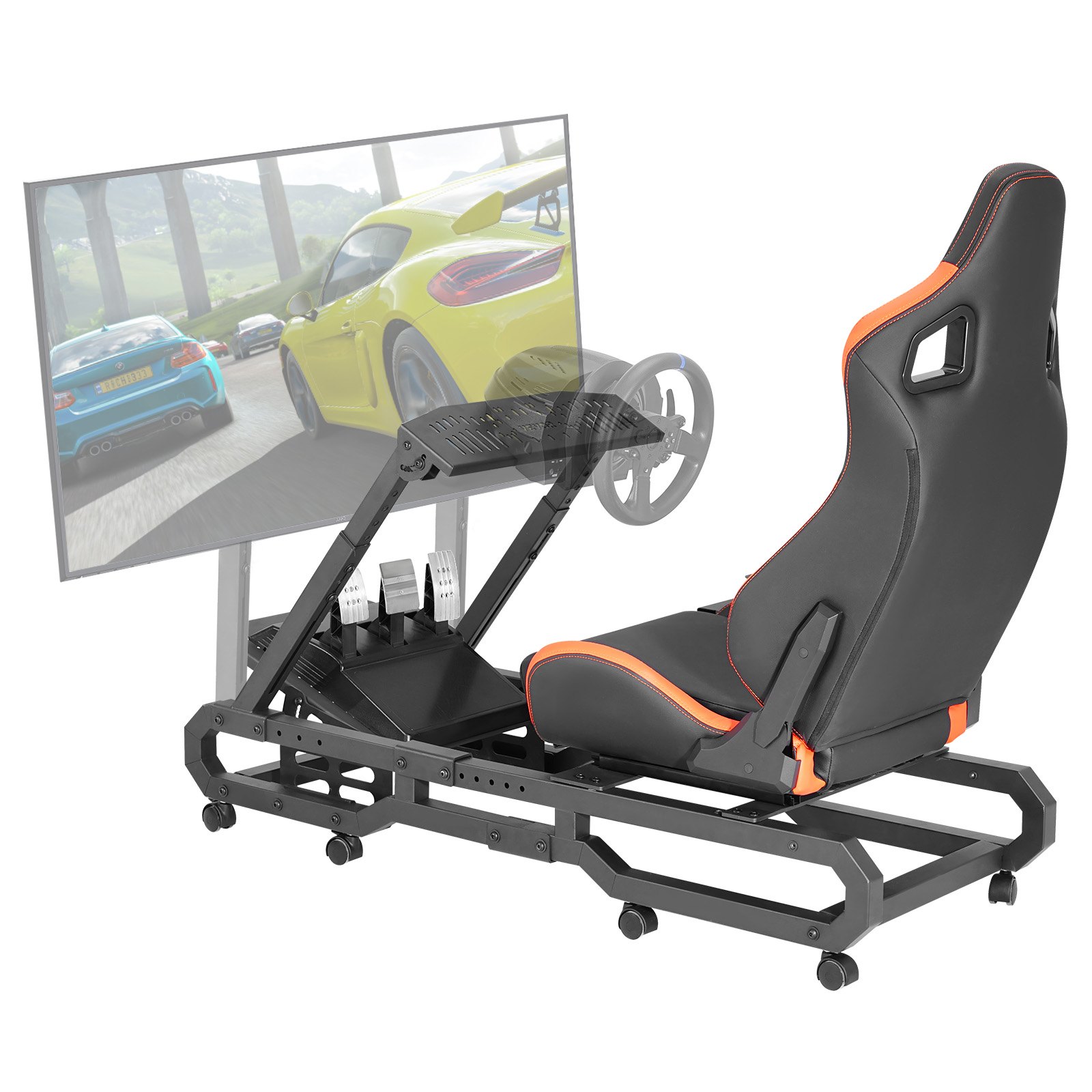 Heavy Duty Racing Wheel Stand For Logitech G923/G920/G29 Max Load 330LBS$416.99View on Mallflare
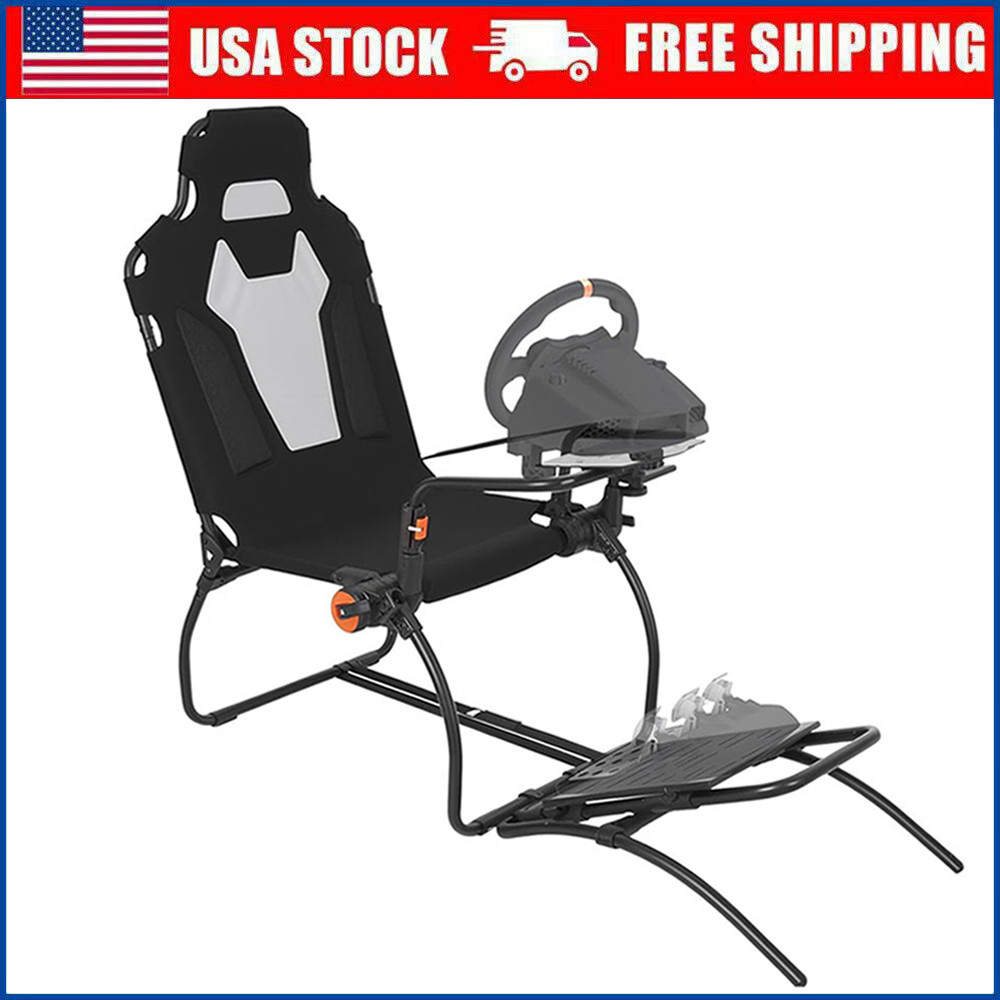 Racing Wheel Stand, Foldable Sim Racing Simulator Cockpit Fits for G923/G920/G29$149.90View on eBay
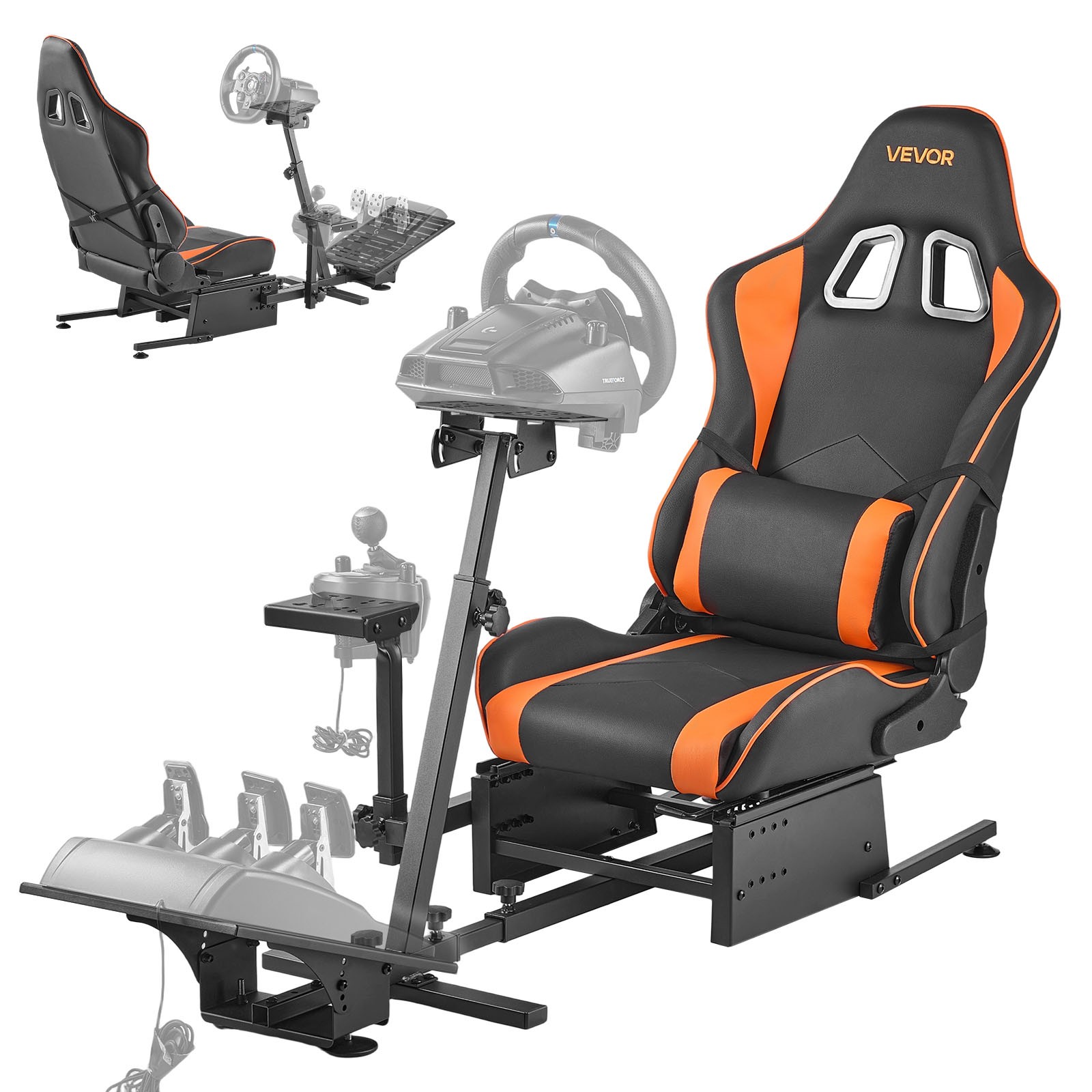 VEVOR Racing Wheel Stand Simulator Cockpit Fit Logitech Thrustmaster CSR Pedals$179.90View on eBay
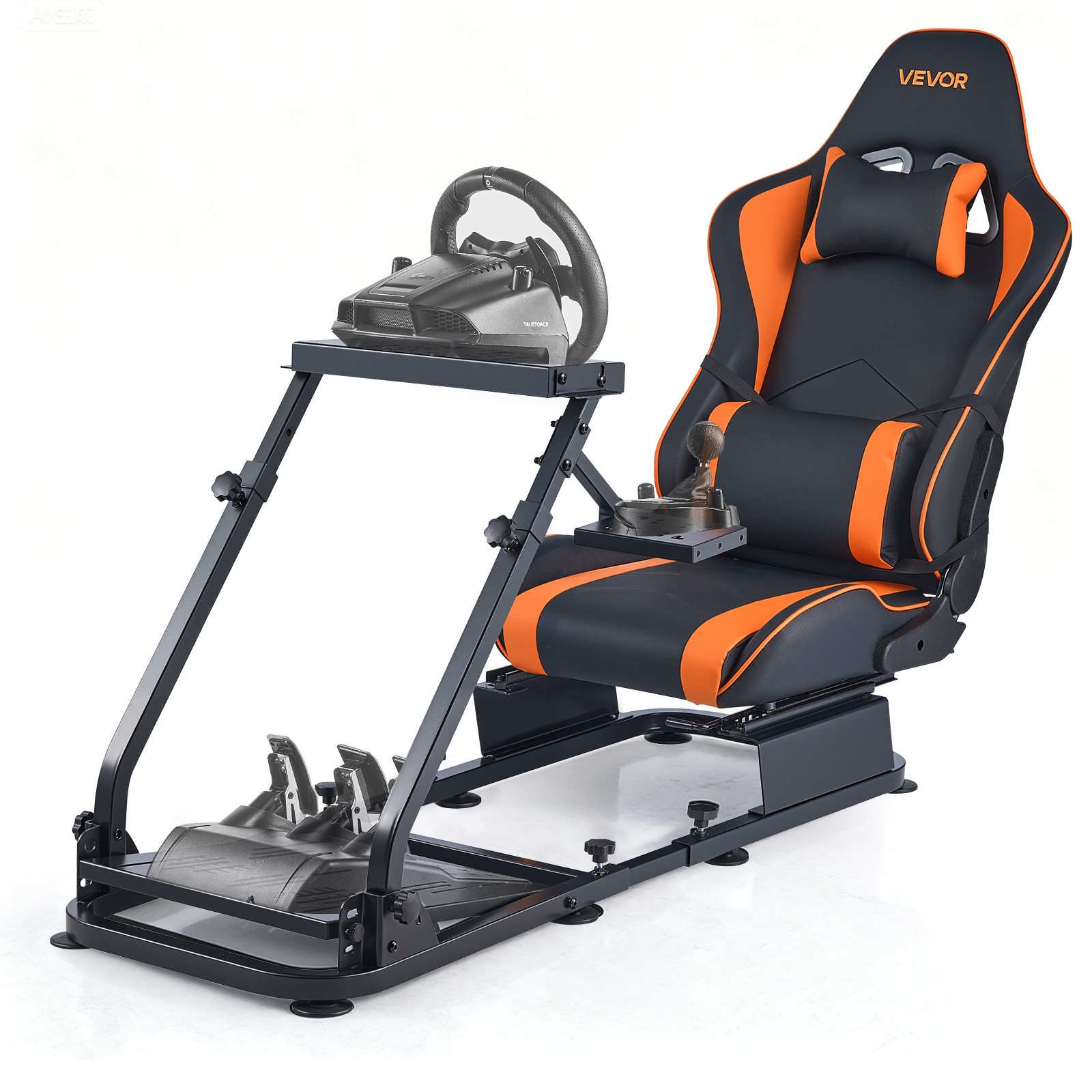 VEVOR Racing Simulator Cockpit Wheel Stand Fit Logitech Thrustmaster CSR Pedals$199.90View on eBay
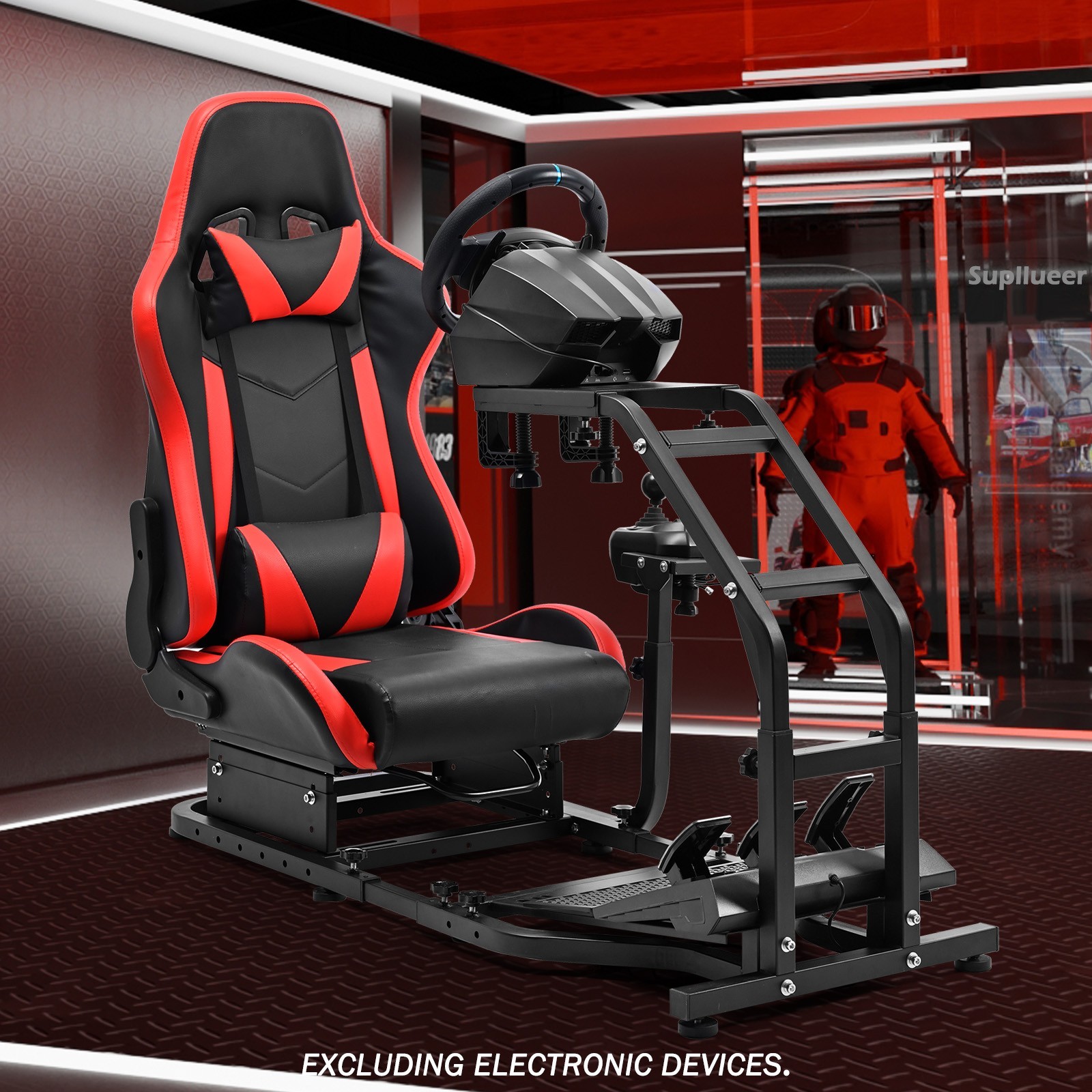 Supllueer Racing Simulator Cockpit Wheel Stand with Seat Fits Logitech G29 G920$236.99Last checked Nov 18, 2026View on eBay
Highlights
- Folding stands use thinner round or square steel tubing with hinge locks; fixed stands use thicker gauge alloy steel and bolt-together cross members for higher torsional stiffness.
- Wheel deck and pedal plate adjustability in height, tilt, and reach is what fits different driver heights and wheelbase bolt patterns; most stands ship with slotted plates for Logitech/Fanatec/Thrustmaster mounts.
- Force-feedback torque capacity is the deciding spec: gear-driven wheels (G29/G920/G923) run low torque, belt wheels (T300) mid, direct-drive bases 8 Nm+ demand a stand with minimal deck flex.
- Pedal plate construction matters as much as the wheel deck: load-cell brake pedals need a rigid, non-flexing plate with pre-drilled or slotted mounting to avoid lost braking force.
Best use cases
- Pick a foldable stand if you race on a console or PC in a shared living space and must stow the rig between sessions; hinge-lock steel frames fit Logitech and Thrustmaster bases well.
- Pick a fixed, cross-braced alloy steel stand if you run a direct-drive base or load-cell pedals and leave the rig assembled; the added mass and bracing control vibration and brake flex.
- Skip a basic folding stand for high-torque direct-drive wheels or heavy load-cell pedal sets; deck and plate flex will dull feedback and compromise braking consistency.
- Choose a stand with a wide pedal plate and adjustable reach if you are tall or plan to add a separate seat; a narrow, short-reach stand forces cramped ergonomics.
Buying tips
- Match stand rating to wheel torque: gear-driven Logitech G29/G920/G923 and Thrustmaster TMX are fine on standard folding stands; belt T300 and direct-drive 8 Nm+ bases need braced, thicker-gauge frames.
- Check wheel deck bolt pattern and slot width against your base: Logitech uses a two-bolt clamp pattern, Fanatec and Thrustmaster use multi-hole plates, so confirm the deck supports your mount before buying.
- Verify pedal plate rigidity and mounting slots for load-cell brakes; a flexing plate under 30–50 kg brake pressure loses modulation, so pick a stand with a thick plate and cross-brace.
- Measure folded dimensions and weight against your storage space; folding stands typically collapse to a compact footprint but heavier steel frames remain awkward to move, so prioritize foldability only if you truly stow it.
Specs
| Frame Type | Foldable hinge-lock vs fixed bolted |
|---|---|
| Frame Material | Alloy steel / aluminum profile |
| Wheel Torque Rating | Gear/belt up to ~6 Nm; DD needs braced |
| Pedal Plate | Slotted steel; load-cell needs rigid plate |
Related searches
What to check before buying
- Measure your available floor footprint and folded storage height; folding stands need clearance to swing the wheel deck down and lock hinges.
- Confirm your wheelbase bolt pattern and pedal mounting holes match the stand's slotted deck and plate; adapter plates are often required for Fanatec and some Thrustmaster bases.
- Check floor surface and stand feet: hard floors need rubber pads to prevent sliding under force feedback, carpet may require wider stance or weighted feet.
- Plan for a seat or chair: most stands are seat-less, so confirm your chair height and pedal reach align with the stand's adjustable range before buying.
FAQ
Data sources: eBay / Amazon listings and product attribute feeds. Updated Nov 27, 2026.
Some links on this page are affiliate links. If you buy after clicking one, we may earn a commission at no extra cost to you. This does not change which products appear here or their order. Affiliate disclosure.