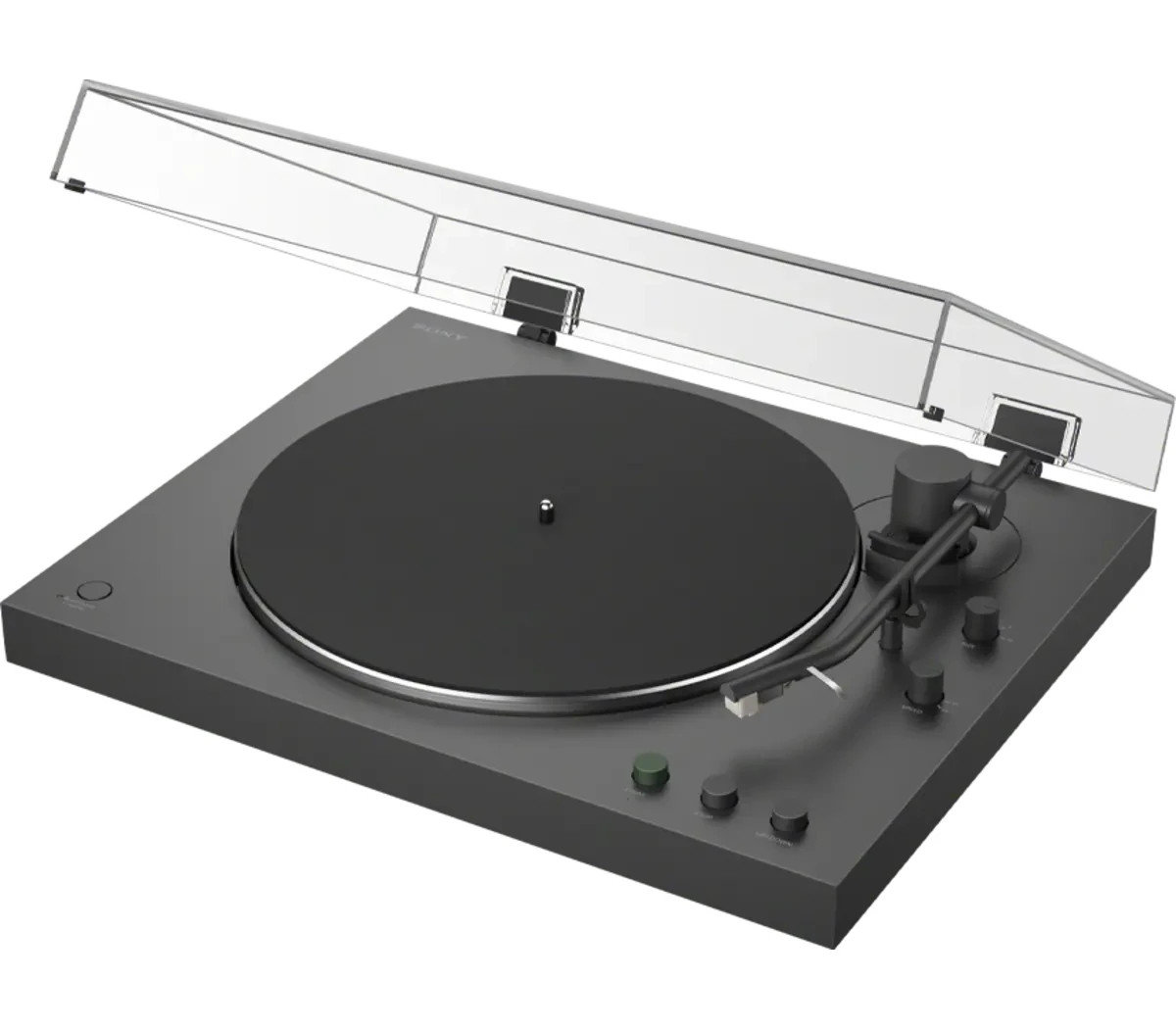

Photos from current listings. Actual item, color, and included accessories may vary.
Vinyl Record Turntable Buying Guide
A vinyl record turntable is an electromechanical playback platform whose performance is defined by tonearm geometry, drive architecture, and cartridge quality. The core trade-off is between convenience features (Bluetooth, USB, auto-start) and the mechanical rigidity and speed stability that preserve records and deliver clean sound. The decision rule: prioritize a rigid plinth, a properly counterweighted tonearm, and a user-replaceable cartridge; treat wireless streaming and auto-return as secondary add-ons, not primary buying criteria.
Key takeaways
- Belt-drive decks isolate motor vibration and dominate entry-to-mid tiers; direct-drive offers higher torque and instant start but requires better motor shielding to avoid hum.
- Tonearm effective mass must match cartridge compliance: low-mass arms suit high-compliance cartridges, while medium-mass arms (10-12 g) work with most moving-magnet designs.
- A user-replaceable standard-mount cartridge (1/2-inch) and adjustable counterweight/anti-skate are the clearest markers of a deck built for long-term use.
At a glance
- Category
- Turntables & Record Players
- Last updated
- Nov 25, 2026
Current offers
Highlights
- Belt-drive decks isolate motor vibration and dominate entry-to-mid tiers; direct-drive offers higher torque and instant start but requires better motor shielding to avoid hum.
- Tonearm effective mass must match cartridge compliance: low-mass arms suit high-compliance cartridges, while medium-mass arms (10-12 g) work with most moving-magnet designs.
- A user-replaceable standard-mount cartridge (1/2-inch) and adjustable counterweight/anti-skate are the clearest markers of a deck built for long-term use.
- Bluetooth and USB outputs are line-level additions; they do not upgrade the analog front end, so a poor cartridge or flimsy plinth still limits sound quality.
Best use cases
- Best fit: a belt-drive deck with adjustable counterweight, anti-skate, and a replaceable MM cartridge for listeners who want accurate playback and record preservation.
- Best fit: a direct-drive deck with high torque and a locking platter for DJ-style back-cueing and scratch work; skip belt-drive for heavy back-cueing.
- Best fit: a compact all-in-one with built-in speakers for casual background listening in small rooms; skip it if you plan to upgrade the cartridge or connect to a hi-fi system.
- Wrong fit: a sealed, non-adjustable tonearm with a permanently glued cartridge on a thin plastic plinth; skip any deck where the counterweight cannot be set to the cartridge's recommended tracking force.
Buying tips
- Match the cartridge's recommended tracking force (typically 1.5-2.5 g for MM) to the tonearm's counterweight range before buying; a deck that cannot reach that range will mistrack.
- Choose belt-drive for isolation and low noise in home hi-fi; choose direct-drive for torque, quick start, and DJ use where speed stability under load matters.
- Confirm the phono stage: a deck with a switchable built-in phono preamp connects to any line input, while a deck without one requires a separate phono preamp or an amp with a phono input.
- For wireless streaming, Bluetooth turntables still need a wired connection to the cartridge and tonearm; treat Bluetooth as a convenience output, not a replacement for proper analog setup.
Specs
| Drive Type | Belt-drive vs Direct-drive |
|---|---|
| Tonearm | Adjustable counterweight / anti-skate |
| Cartridge Mount | 1/2-inch standard / replaceable MM |
| Outputs | RCA line / phono / Bluetooth / USB |
Related searches
What to check before buying
- Measure the shelf or stand depth and height clearance: most decks need at least 14-16 inches of depth and 4-6 inches of height for the dust cover to open.
- Verify the deck sits on a level, vibration-isolated surface away from speakers; belt-drive decks are more forgiving, but direct-drive decks can transmit motor noise if the shelf resonates.
- Check the plug and voltage standard for your region; decks with external power supplies may ship with a wall wart that requires a plug adapter.
- Confirm you have the companion parts: a phono preamp if the deck lacks one, a pair of powered speakers or an amp, and a replacement stylus for the included cartridge.
FAQ
Data sources: eBay / Amazon listings and product attribute feeds. Updated Nov 25, 2026.
Some links on this page are affiliate links. If you buy after clicking one, we may earn a commission at no extra cost to you. This does not change which products appear here or their order. Affiliate disclosure.