
Photos from current listings. Actual item, color, and included accessories may vary.
Fully Automatic Turntable Buying Guide
Fully automatic turntables handle tonearm cueing, play, and return at the touch of a button, removing the risk of stylus drops and making vinyl accessible for multi-use rooms. The core trade-off is between convenience electronics (auto mechanism, built-in preamp, Bluetooth) and audiophile-grade rigidity (heavy plinth, adjustable counterweight, upgradeable cartridge). Buyers should choose a fully automatic model only when one-touch operation is a priority; otherwise a manual or semi-automatic deck delivers better sound per dollar.
Median $266.69 · New listings
Key takeaways
- Fully automatic decks use a belt-drive motor with optical or mechanical sensors to trigger auto start, auto return, and auto stop; direct-drive automatic models are rare and typically DJ-focused.
- Key tier difference: entry models (e.g., Audio-Technica AT-LP60X) ship with a fixed, non-adjustable cartridge and built-in switchable phono preamp; step-up models (e.g., Pro-Ject Automat A1) add an adjustable counterweight, anti-skate, and replaceable cartridge.
- Automatic mechanisms add complexity and are the first failure point; belt-drive motors with electronic speed change (33/45) and a rubber belt are the most serviceable and quietest at this price tier.
At a glance
- Category
- Turntables & Record Players
- Last updated
- Nov 29, 2026
Current offers
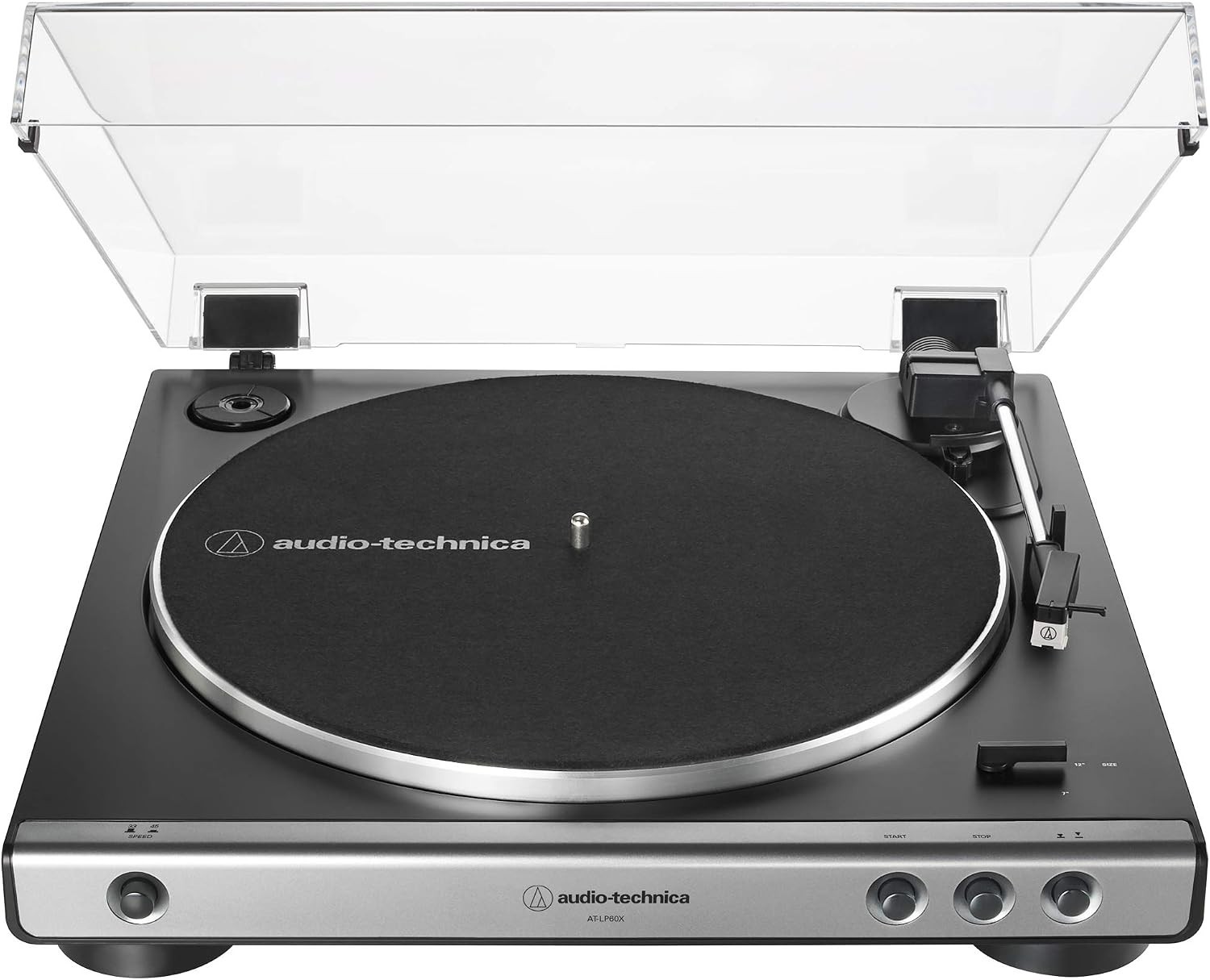 Audio-Technica AT-LP60X Fully Automatic Belt-Drive Turntable - Gunmetal$164.00View on eBay
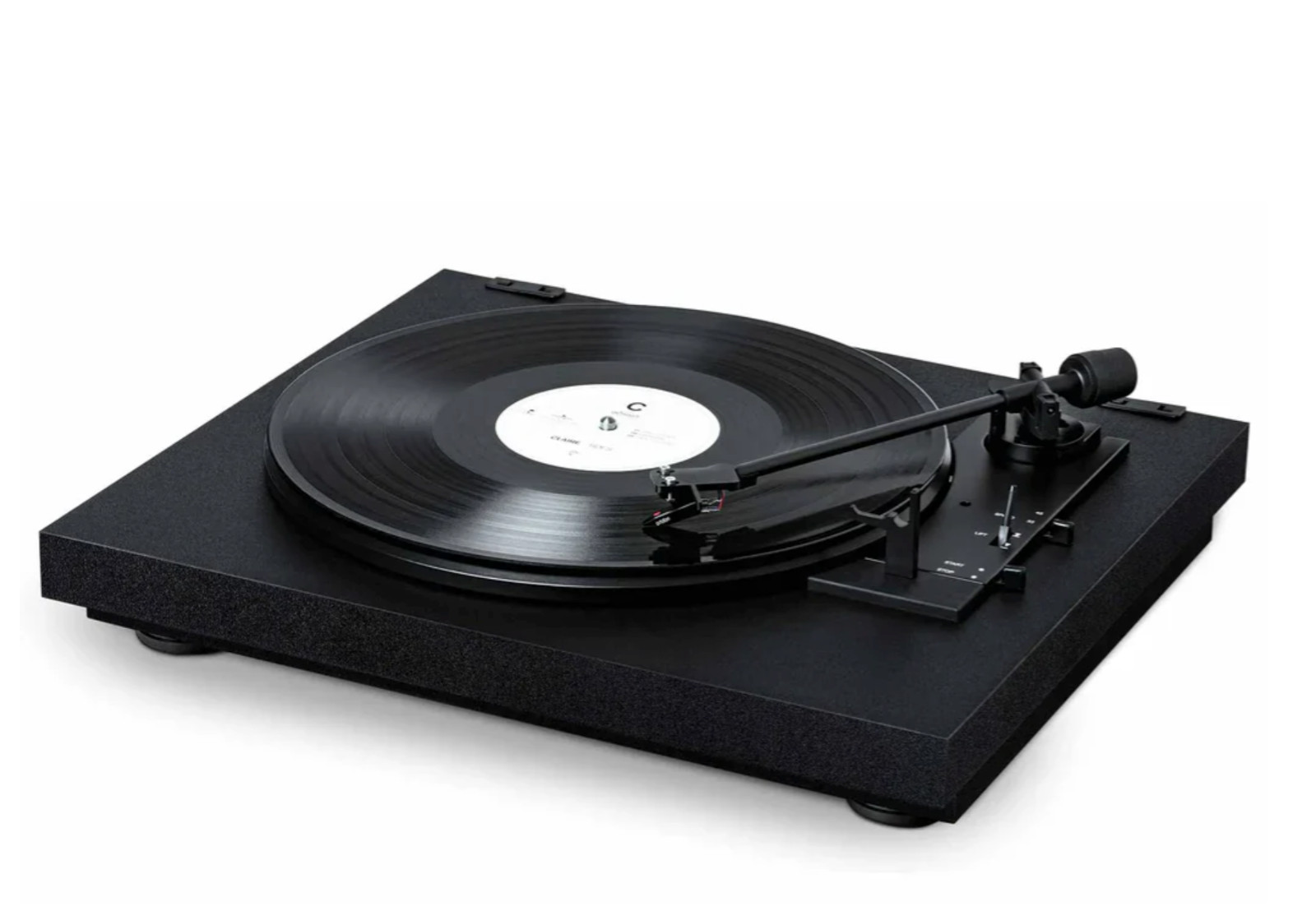 Pro-Ject Automat A1 Fully Automatic Belt-Drive Turntable$199.00View on eBay
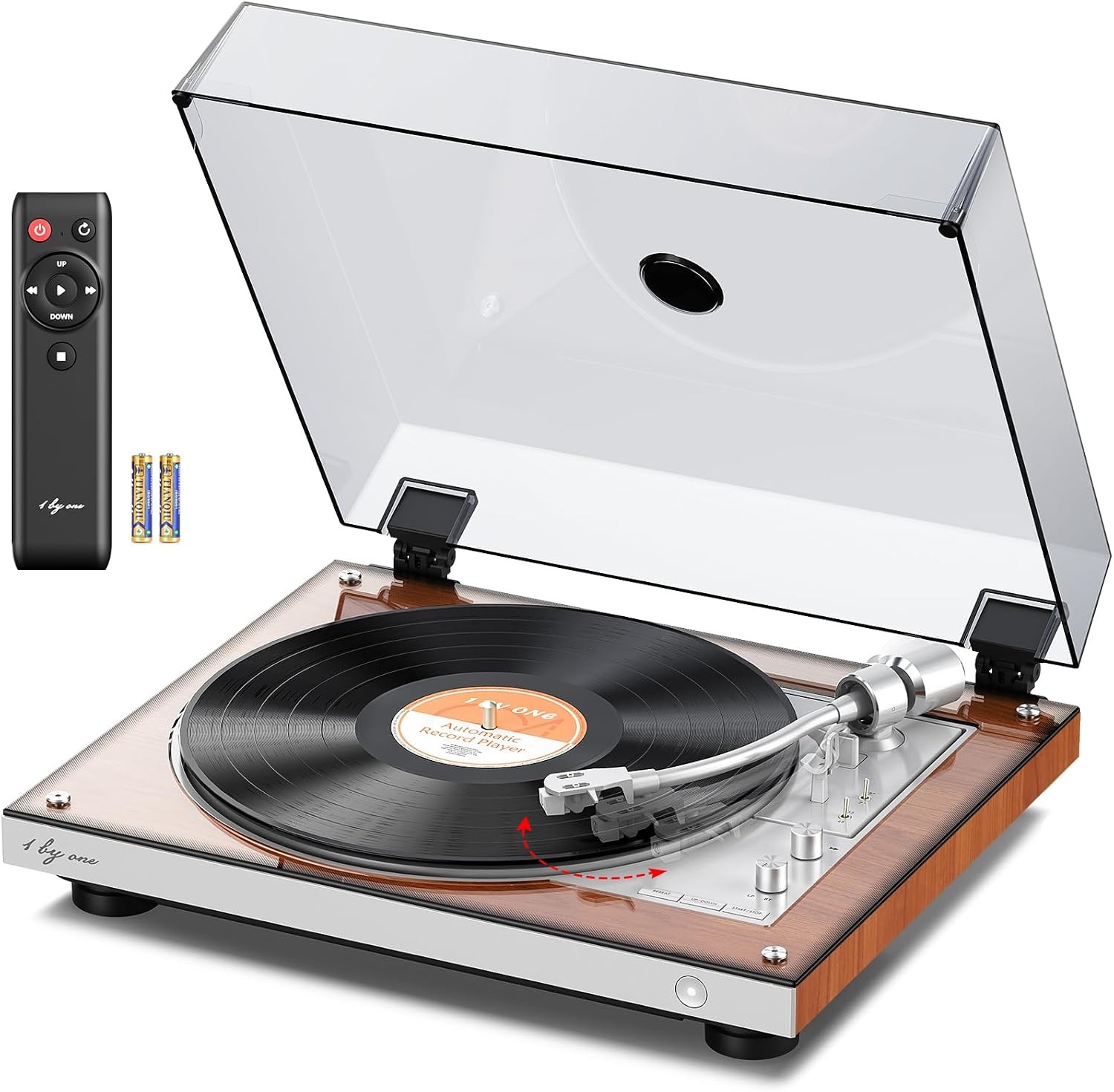 1 by ONE Fully Automatic Belt-Drive Turntable, Wireless Vinyl Record Player$266.69New · Last checked Nov 29, 2026View on eBay
- 1 by ONE Fully Automatic Belt-Drive Turntable, Wireless Vinyl Record Player$271.05New · Last checked Nov 29, 2026View on eBay
- 1 by ONE Fully Automatic Belt-Drive Turntable, Wireless Vinyl Record Player$273.27New · Last checked Nov 29, 2026View on eBay
Highlights
- Fully automatic decks use a belt-drive motor with optical or mechanical sensors to trigger auto start, auto return, and auto stop; direct-drive automatic models are rare and typically DJ-focused.
- Key tier difference: entry models (e.g., Audio-Technica AT-LP60X) ship with a fixed, non-adjustable cartridge and built-in switchable phono preamp; step-up models (e.g., Pro-Ject Automat A1) add an adjustable counterweight, anti-skate, and replaceable cartridge.
- Automatic mechanisms add complexity and are the first failure point; belt-drive motors with electronic speed change (33/45) and a rubber belt are the most serviceable and quietest at this price tier.
- Built-in phono preamps vary widely in quality; a switchable preamp with a defeat option lets you bypass it for an external phono stage, while a fixed preamp locks your upgrade path.
Best use cases
- Best fit: living-room or family setup where multiple people play records—one-touch auto start/return prevents stylus damage and missed cueing; pick a model with a hinged dust cover and built-in preamp for minimal setup.
- Best fit: first turntable paired with powered speakers or a compact hi-fi system—choose a fully automatic belt-drive deck with a switchable preamp and 33/45 electronic speed change; skip models with fixed, non-replaceable cartridges if you plan to upgrade the stylus.
- Wrong fit: critical vinyl listening on a resolving system—skip fully automatic mechanisms and fixed cartridges; a manual deck with adjustable counterweight, anti-skate, and a standard headshell delivers lower noise and longer cartridge life.
- Wrong fit: DJ scratching or back-cueing—fully automatic belt-drive decks cannot handle torque demands; choose a direct-drive manual turntable with a slipmat and high-torque motor instead.
Buying tips
- Check the cartridge mount: a fixed cartridge (common on entry automatic decks) limits you to proprietary styli; a standard 1/2-inch mount with adjustable counterweight accepts third-party cartridges and is the better long-term buy.
- Match the preamp to your system: if your amplifier or powered speakers lack a PHONO input, choose a deck with a built-in switchable preamp; if you already own a phono stage, pick a model whose preamp can be switched off.
- Verify speed options: 33⅓ and 45 RPM electronic speed change covers nearly all LPs and 12-inch singles; 78 RPM support requires a dedicated stylus and is not standard on fully automatic models.
- Measure your space: a typical fully automatic plinth runs roughly 14–17 inches wide and 12–14 inches deep; allow 3–4 inches behind the deck for the dust cover to open and 6 inches above for cartridge access.
Specs
| Drive Type | Belt-drive (dominant) vs Direct-drive |
|---|---|
| Automation | Fully auto start/return vs Semi-auto |
| Cartridge Mount | Fixed vs 1/2-inch standard headshell |
| Built-in Preamp | Switchable / defeatable vs None |
Related searches
What to check before buying
- Measure the shelf or stand: confirm at least 18 inches width and 16 inches depth for the deck plus clearance, and check the shelf can support 8–12 lbs.
- Confirm your amplifier or speakers have a PHONO input or that the turntable includes a built-in preamp; otherwise add an external phono stage.
- Check the platter and dust cover: a hinged, detachable dust cover and a felt or rubber mat are standard; a heavier platter improves speed stability but adds weight.
- Inspect the tonearm for a standard headshell and adjustable counterweight if you intend to replace the cartridge; fixed tonearms on entry automatic models are not upgradeable.
FAQ
Data sources: eBay / Amazon listings and product attribute feeds. Updated Nov 29, 2026.
Some links on this page are affiliate links. If you buy after clicking one, we may earn a commission at no extra cost to you. This does not change which products appear here or their order. Affiliate disclosure.