
Photos from current listings. Actual item, color, and included accessories may vary.
Automatic Turntable Buying Guide
Automatic turntables handle tonearm cueing, play, and return at the push of a button, making vinyl playback accessible without risking the stylus. The core trade-off is between true fully automatic convenience (sensors, motors, and return mechanisms) and the manual precision of audiophile decks. Buy fully automatic if you want low-friction daily listening; buy manual if you prioritize upgradeability and ultimate sound quality.
Median $242.85 · New listings
Key takeaways
- Fully automatic decks use optical or mechanical sensors to detect record size and trigger tonearm lift, drop, and return—eliminating stylus-damaging manual cueing errors.
- Belt-drive with a DC servo motor is the standard for automatic models; direct-drive automatics exist but are rarer and typically add rumble and cost without matching audiophile manual decks.
- Built-in switchable phono preamps (MM) and Bluetooth/USB outputs define modern convenience tiers, letting you connect powered speakers or computers without a separate receiver.
At a glance
- Category
- Turntables & Record Players
- Last updated
- Nov 29, 2026
Current offers
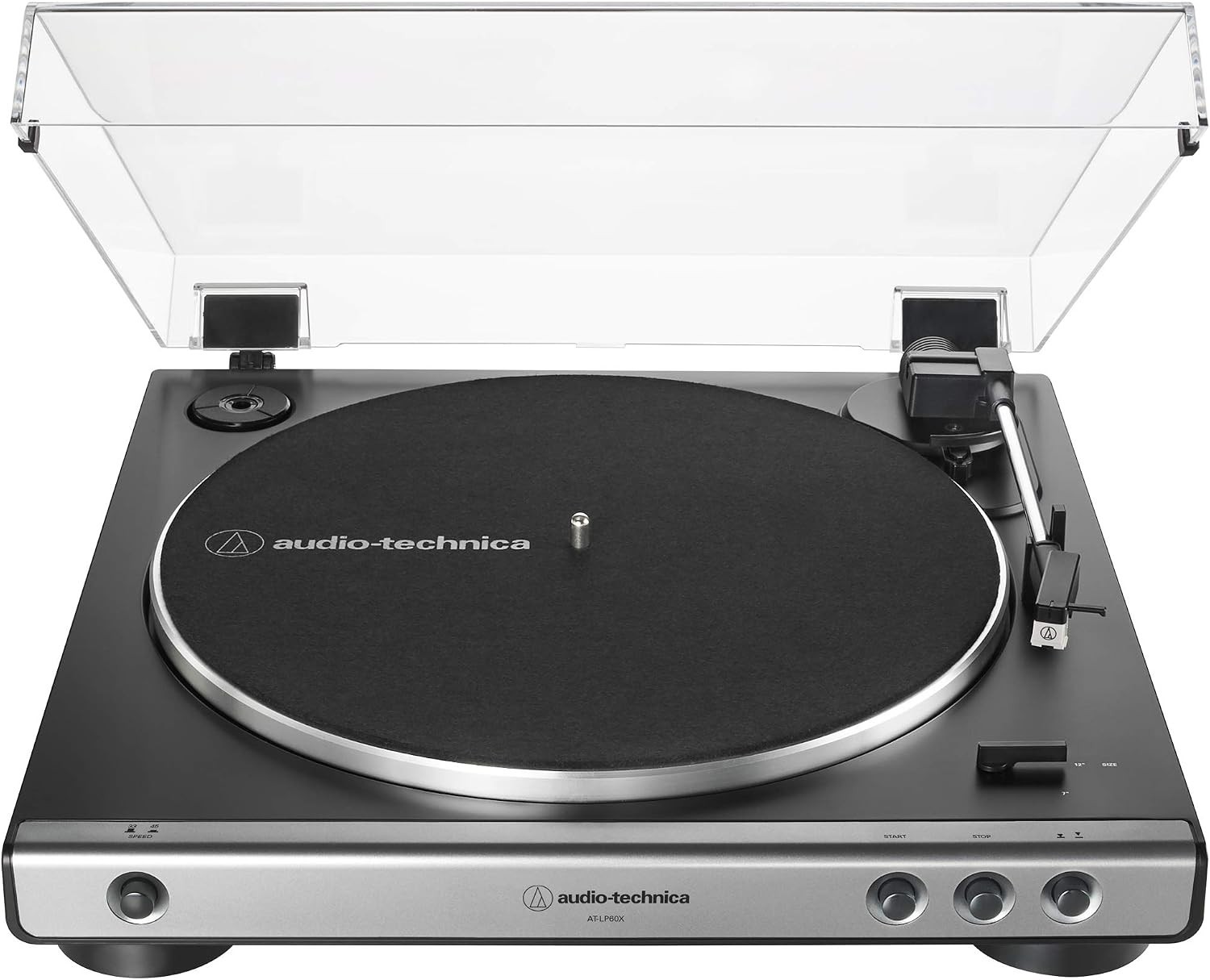 Audio-Technica AT-LP60X Fully Automatic Belt-Drive Turntable - Gunmetal$164.00View on eBay
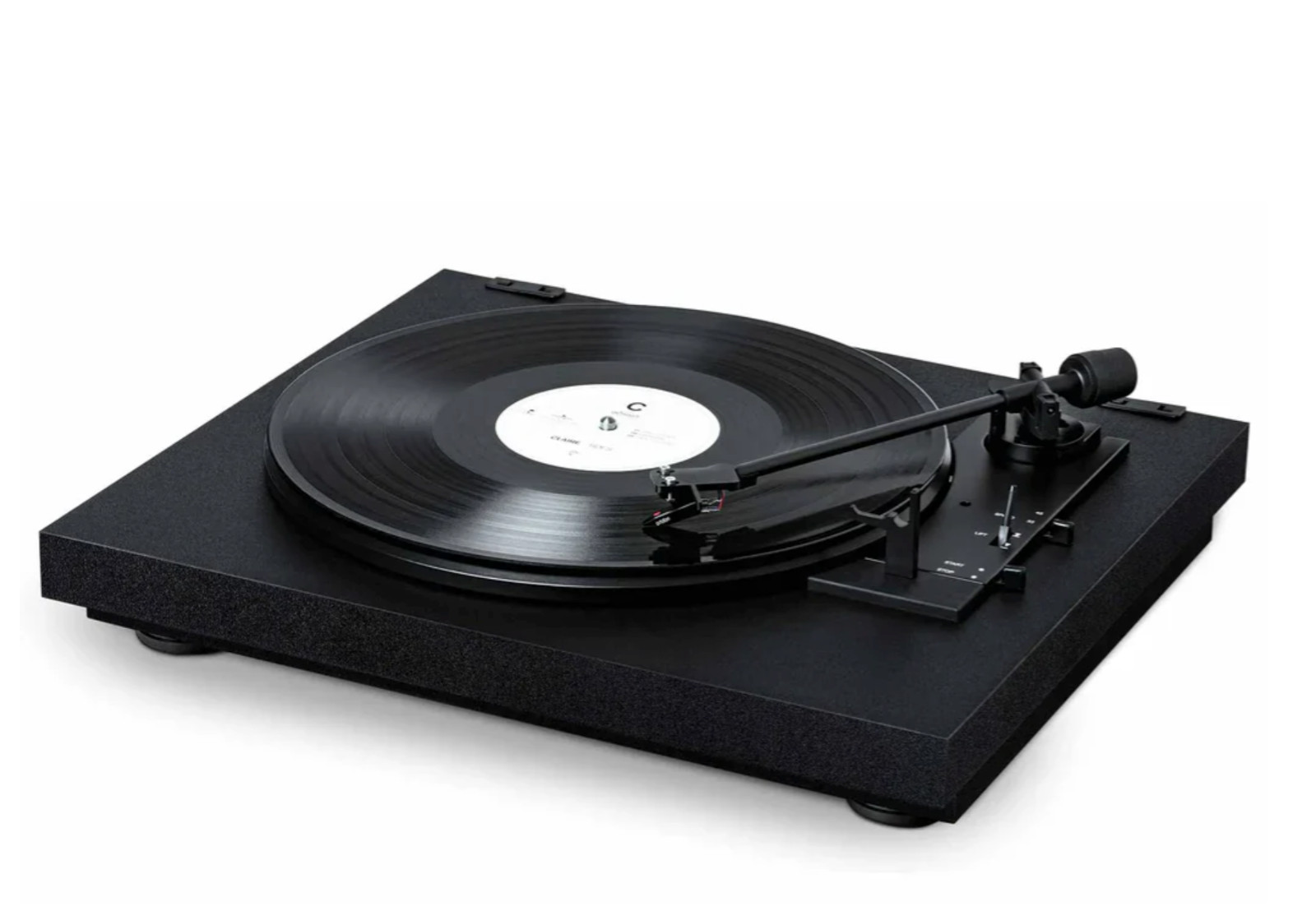 Pro-Ject Automat A1 Fully Automatic Belt-Drive Turntable$199.00View on eBay
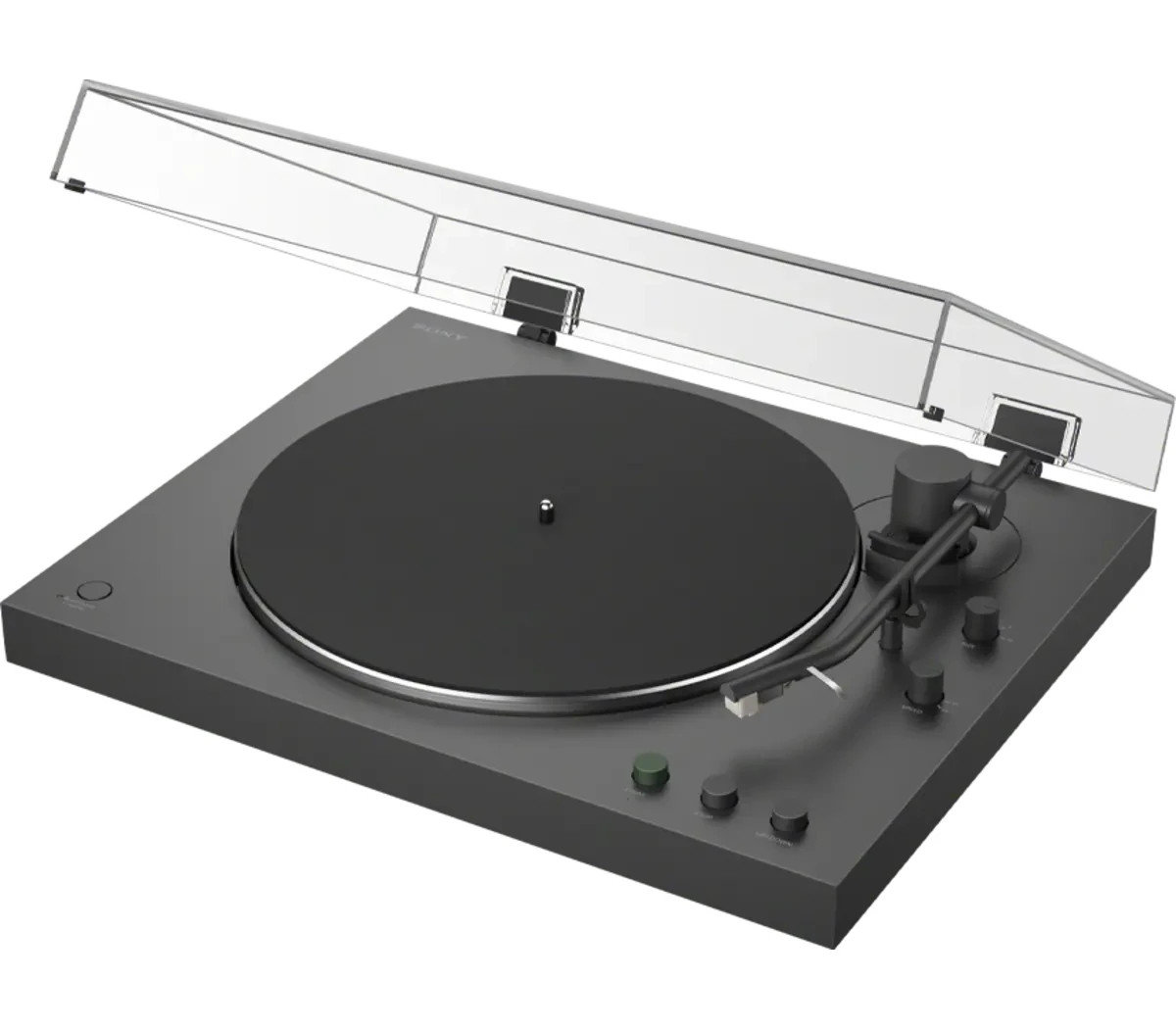 Sony PS-LX3BT Automatic Wireless Vinyl Record Player Bluetooth USB Turntable$219.00Last checked Nov 18, 2026View on eBay
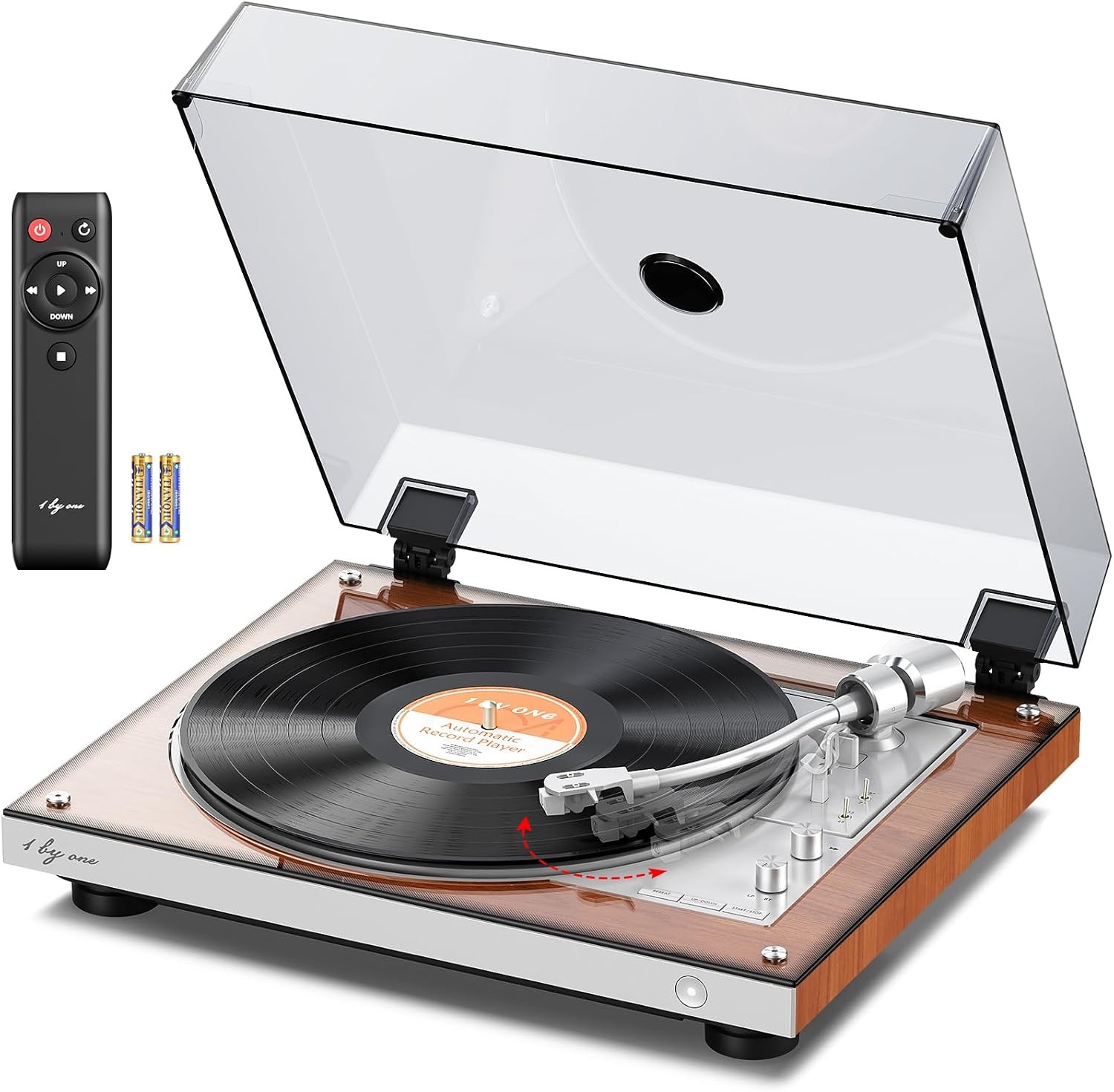 1 by ONE Fully Automatic Belt-Drive Turntable, Wireless Vinyl Record Player$266.69New · Last checked Nov 29, 2026View on eBay
- 1 by ONE Fully Automatic Belt-Drive Turntable, Wireless Vinyl Record Player$271.05New · Last checked Nov 29, 2026View on eBay
- 1 by ONE Fully Automatic Belt-Drive Turntable, Wireless Vinyl Record Player$273.27New · Last checked Nov 29, 2026View on eBay
Highlights
- Fully automatic decks use optical or mechanical sensors to detect record size and trigger tonearm lift, drop, and return—eliminating stylus-damaging manual cueing errors.
- Belt-drive with a DC servo motor is the standard for automatic models; direct-drive automatics exist but are rarer and typically add rumble and cost without matching audiophile manual decks.
- Built-in switchable phono preamps (MM) and Bluetooth/USB outputs define modern convenience tiers, letting you connect powered speakers or computers without a separate receiver.
- Tonearm bearings and auto-mechanism plastic gears are the primary failure points; metal-tonearm automatics (e.g., Pro-Ject Automat) outlast entry-level all-plastic mechanisms.
Best use cases
- Best fit: living-room casual listening with powered speakers—pick a fully automatic belt-drive with built-in phono preamp and Bluetooth to avoid extra gear.
- Best fit: vinyl newcomers or multi-user households—auto start/stop prevents stylus mishaps and makes operation foolproof for guests and family.
- Wrong fit: critical audiophile listening or cartridge-swapping—skip automatics and choose a manual deck with a standard mount and adjustable anti-skate.
- Wrong fit: DJ scratching or back-cueing—automatic mechanisms lack the torque and durability; choose a direct-drive manual DJ turntable instead.
Buying tips
- Check tonearm material: aluminum or carbon-fiber arms with metal pivot bearings resist wear; all-plastic arms and gears are the first components to fail on budget automatics.
- Match cartridge type: most automatics ship with a fixed or proprietary cartridge; choose models with a standard 1/2-inch mount if you plan to upgrade the stylus or cartridge.
- Confirm output compatibility: built-in phono preamp is mandatory for powered speakers and Bluetooth; without it you need a receiver or separate preamp.
- Verify speed stability: belt-drive automatics should spec 33⅓ and 45 RPM with wow-and-flutter below 0.25% for clean piano and sustained notes.
Specs
| Drive Type | Belt-drive vs Direct-drive |
|---|---|
| Automation | Fully / Semi / Manual |
| Phono Preamp | Built-in switchable MM vs None |
| Outputs | RCA / Bluetooth / USB |
Related searches
What to check before buying
- Measure your shelf or stand depth and clearance: most automatic decks need 14–17 inches depth plus room for the dust cover to open fully.
- Confirm your speaker or receiver input: powered speakers need a deck with a built-in phono preamp or Bluetooth; a receiver needs a standard RCA phono output.
- Check voltage and plug type for your region (100–240V switchable or fixed 120V/230V) and whether a power adapter is included.
- Verify the deck includes a dust cover, slipmat, and 45 RPM adapter—these are commonly omitted on budget automatics and add hidden cost.
FAQ
Data sources: eBay / Amazon listings and product attribute feeds. Updated Nov 29, 2026.
Some links on this page are affiliate links. If you buy after clicking one, we may earn a commission at no extra cost to you. This does not change which products appear here or their order. Affiliate disclosure.