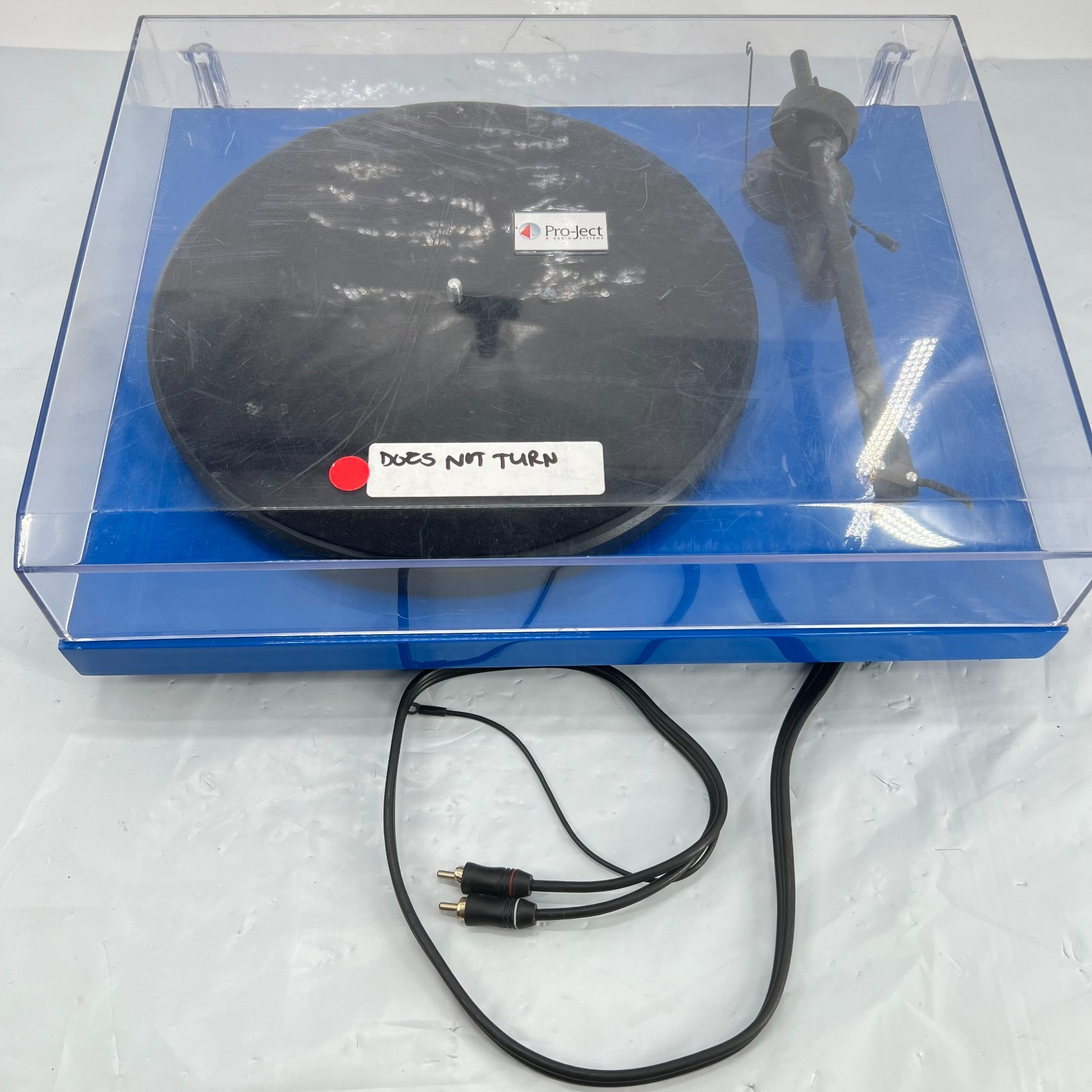

Photos from current listings. Actual item, color, and included accessories may vary.
Audiophile Turntable Buying Guide
Audiophile turntables are precision playback instruments defined by tonearm resonance control, platter speed stability, and vibration isolation—not by vintage styling or cosmetic editions. The primary trade-off is bearing quality and plinth mass versus convenience features like built-in preamps or USB. The decision rule: prioritize a damped tonearm, a rigid low-resonance plinth, and a regulated DC or synchronous AC motor; skip anything with a plastic subchassis, undamped tonearm tube, or non-replaceable stylus.
Median $170.00
Key takeaways
- Belt-drive with an AC synchronous motor decouples motor vibration from the platter; direct-drive quartz-locked motors offer higher torque and faster start but require superior bearing isolation.
- Tonearm effective mass must match cartridge compliance: low-compliance (<10cu) cartridges need high-mass arms (>14g), high-compliance (>20cu) cartridges need low-mass arms (<10g).
- Platter mass above 1.5 kg in machined aluminum or acrylic improves rotational inertia and speed stability; MDF or plastic platters under 0.8 kg suffer audible wow and flutter.
At a glance
- Category
- Turntables & Record Players
- Last updated
- Nov 29, 2026
Current offers
Highlights
- Belt-drive with an AC synchronous motor decouples motor vibration from the platter; direct-drive quartz-locked motors offer higher torque and faster start but require superior bearing isolation.
- Tonearm effective mass must match cartridge compliance: low-compliance (<10cu) cartridges need high-mass arms (>14g), high-compliance (>20cu) cartridges need low-mass arms (<10g).
- Platter mass above 1.5 kg in machined aluminum or acrylic improves rotational inertia and speed stability; MDF or plastic platters under 0.8 kg suffer audible wow and flutter.
- A damped unipivot or gimbal tonearm with adjustable VTA, azimuth, and anti-skate is the clearest differentiator between audiophile-grade and entry-level decks.
Best use cases
- Best fit: a belt-drive deck with a 9-inch damped tonearm and 1.5 kg+ platter for vinyl listeners who want accurate pitch and low surface noise; skip direct-drive DJ-style decks with high-torque motors for critical listening.
- Best fit: a deck with a removable headshell and adjustable counterweight if you plan to swap cartridges; skip fixed-headshell designs if you intend to experiment with moving-coil cartridges.
- Best fit: a manual, non-suspended deck on a rigid wall shelf for rooms with footfall vibration; skip suspended subchassis designs on springy wooden floors unless you can wall-mount.
- Best fit: a deck with a built-in switchable phono stage only if your amplifier lacks one; skip built-in USB if you already own a dedicated ADC—you pay for redundant electronics.
Buying tips
- Match tonearm effective mass to cartridge compliance: choose a high-mass arm (14–20g) for low-compliance MC cartridges and a low-mass arm (8–12g) for high-compliance MM cartridges.
- Verify platter weight and material: machined aluminum or acrylic above 1.5 kg outperforms MDF or stamped steel under 1 kg in speed stability and resonance control.
- Check speed regulation: a regulated DC motor or AC synchronous motor with electronic speed change (33/45) is superior to a simple AC motor with a mechanical belt change.
- Confirm the tonearm has adjustable VTA and anti-skate; fixed VTA arms limit cartridge height compatibility and degrade tracking with non-standard mats.
Specs
| Drive Type | Belt-drive / Direct-drive / Idler |
|---|---|
| Tonearm Mass | Low 8-12g / Med 12-14g / High 14-20g |
| Platter Weight | 1.5-3 kg machined aluminum/acrylic |
| Speed Stability | Wow & flutter <0.1% (audiophile) |
Related searches
What to check before buying
- Measure your shelf depth and height clearance: most audiophile decks require 400–450 mm width and 100–150 mm height with the dust cover closed.
- Confirm your phono stage compatibility: moving-magnet (MM) input is standard; moving-coil (MC) requires a step-up transformer or a phono stage with 60+ dB gain.
- Check floor rigidity: suspended wooden floors need a wall shelf or isolation platform; concrete floors allow standard feet or spikes.
- Verify voltage and plug standard: European decks often ship with 230 V motors; confirm the motor is switchable or the deck includes a 120 V adapter for US use.
FAQ
Data sources: eBay / Amazon listings and product attribute feeds. Updated Nov 29, 2026.
Some links on this page are affiliate links. If you buy after clicking one, we may earn a commission at no extra cost to you. This does not change which products appear here or their order. Affiliate disclosure.