
Photos from current listings. Actual item, color, and included accessories may vary.
Mechanical Keyboard Mac Buying Guide
A Mac mechanical keyboard must bridge macOS-specific key layout, reliable wireless (Bluetooth or 2.4 GHz) with stable macOS drivers, and switch feel that suits typing or gaming. The core trade-off is between low-cost plastic, single-mode boards with generic firmware and aluminum, tri-mode models with QMK/VIA or native macOS support. The decision rule: if you need dependable macOS shortcuts and multi-device switching, pick a board with confirmed macOS compatibility (native or QMK/VIA) and at least Bluetooth 5.0; otherwise, a wired USB board with standard HID will work but sacrifices wireless convenience.
Median $60.00
Key takeaways
- Tri-mode connectivity (Bluetooth 5.0 + 2.4 GHz + USB-C) is the durability and convenience benchmark; single-mode wired boards lack device switching and cable-free use.
- Aluminum case construction with a steel or brass plate reduces flex and ping compared to plastic trays, directly improving typing acoustics and long-term key stability.
- Hot-swappable PCB sockets (5-pin compatible) let you change switch type without soldering, extending the board's usable life across tactile, linear, or clicky preferences.
At a glance
- Category
- Mechanical Keyboards
- Last updated
- Nov 24, 2026
Current offers
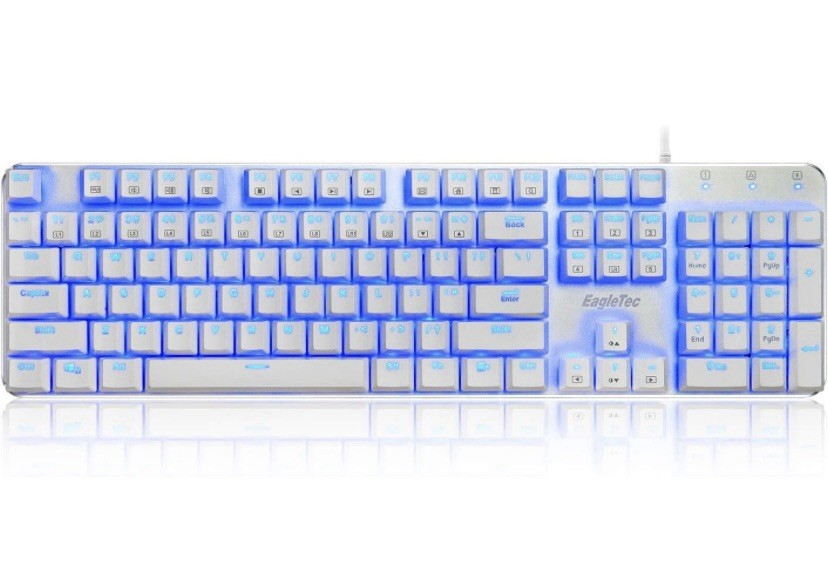 EagleTec kg051-BR -1 Mechanical Keyboard Wired Ergonomic Brown Switches 104 Keys$29.00View on eBay
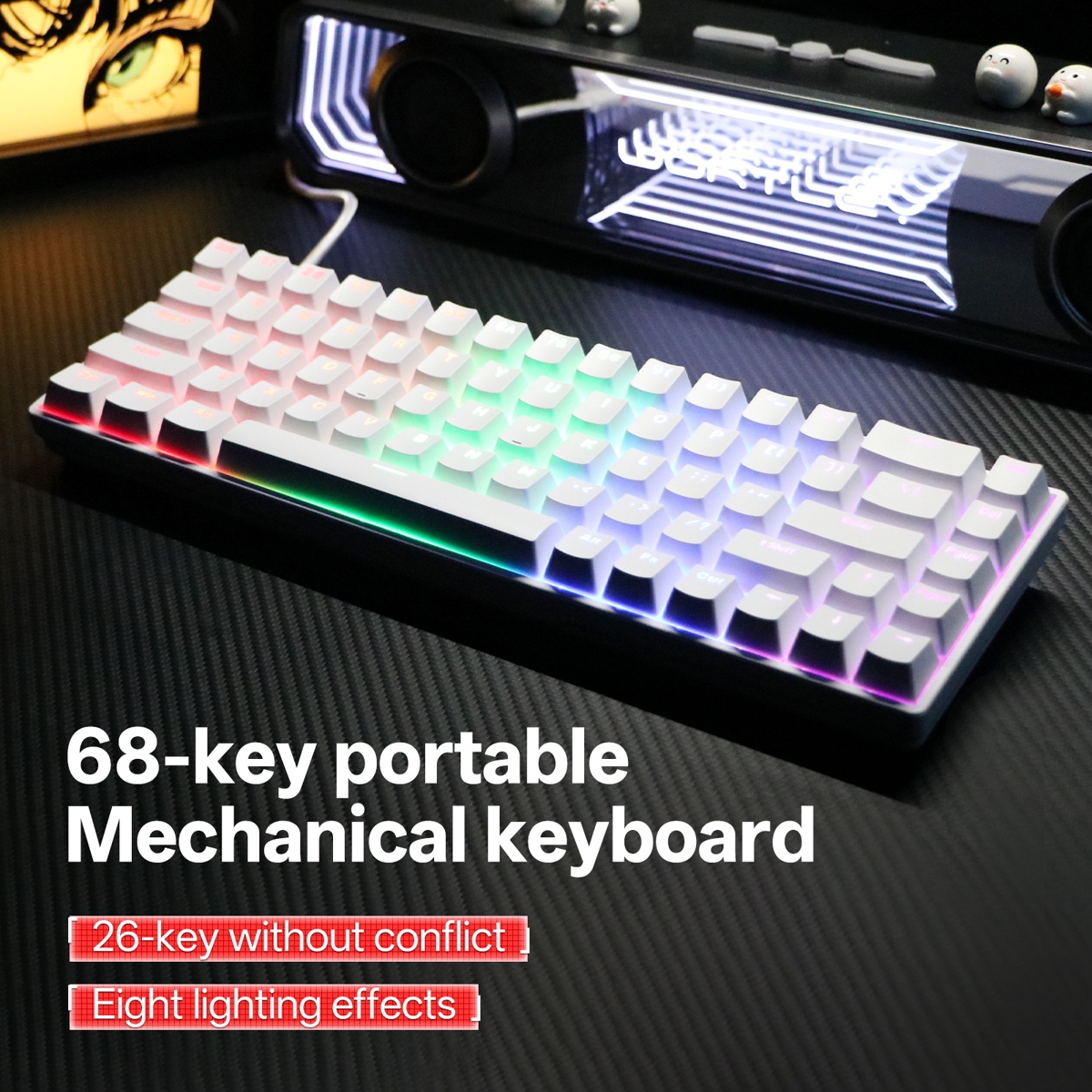 KL61 Single-Mode Mechanical Keyboard$47.99View on Mallflare
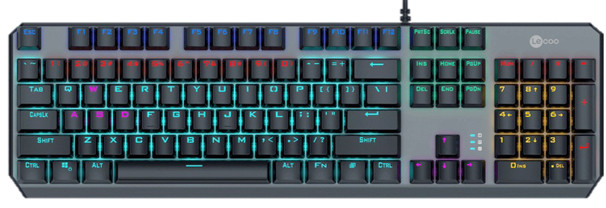 Lenovo (Lecoo) GK301 Wired Mechanical Gaming Keyboard USB wired RGB backlight$29.99View on eBay
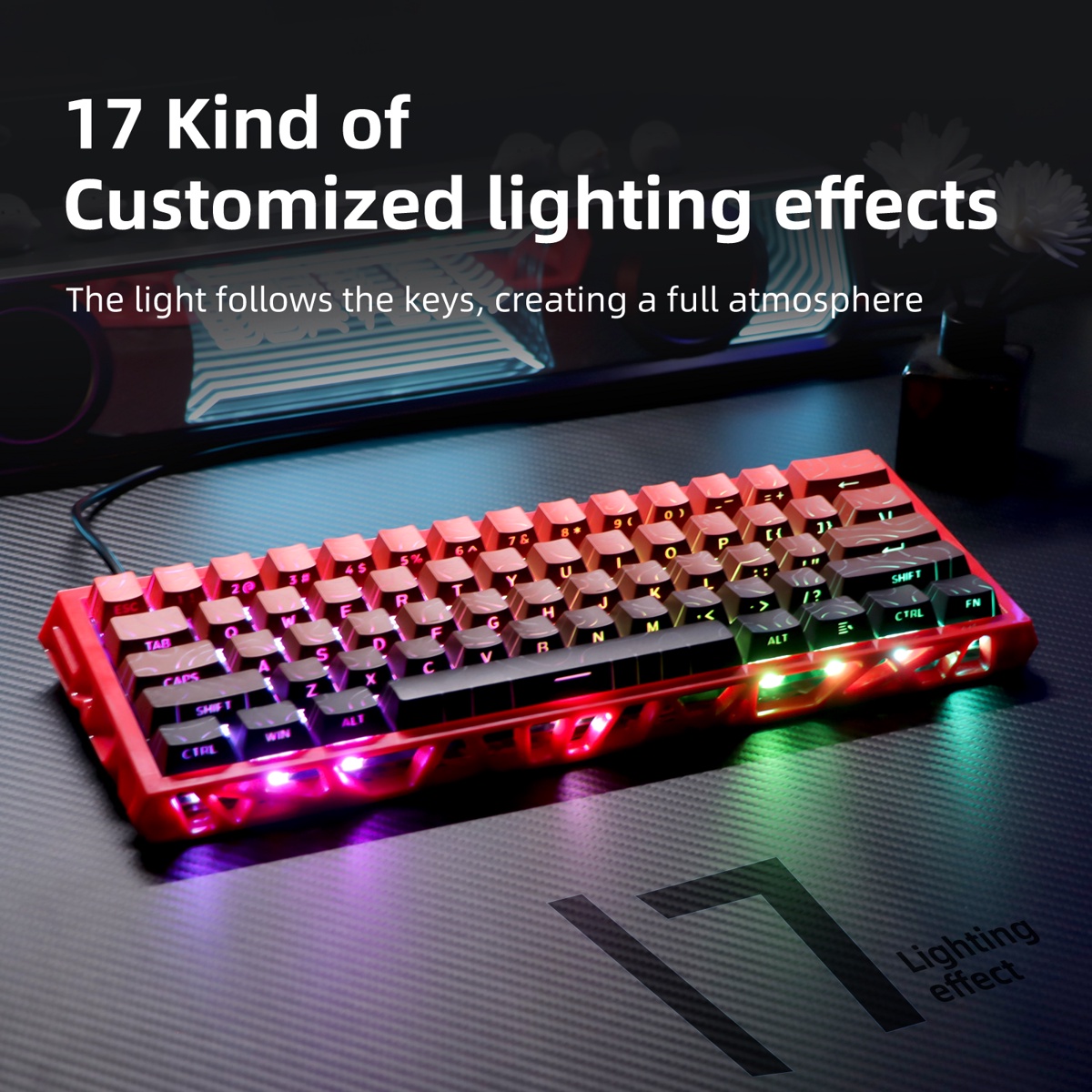 NJ61 Hollow Single-Mode Mechanical Keyboard$65.99View on Mallflare
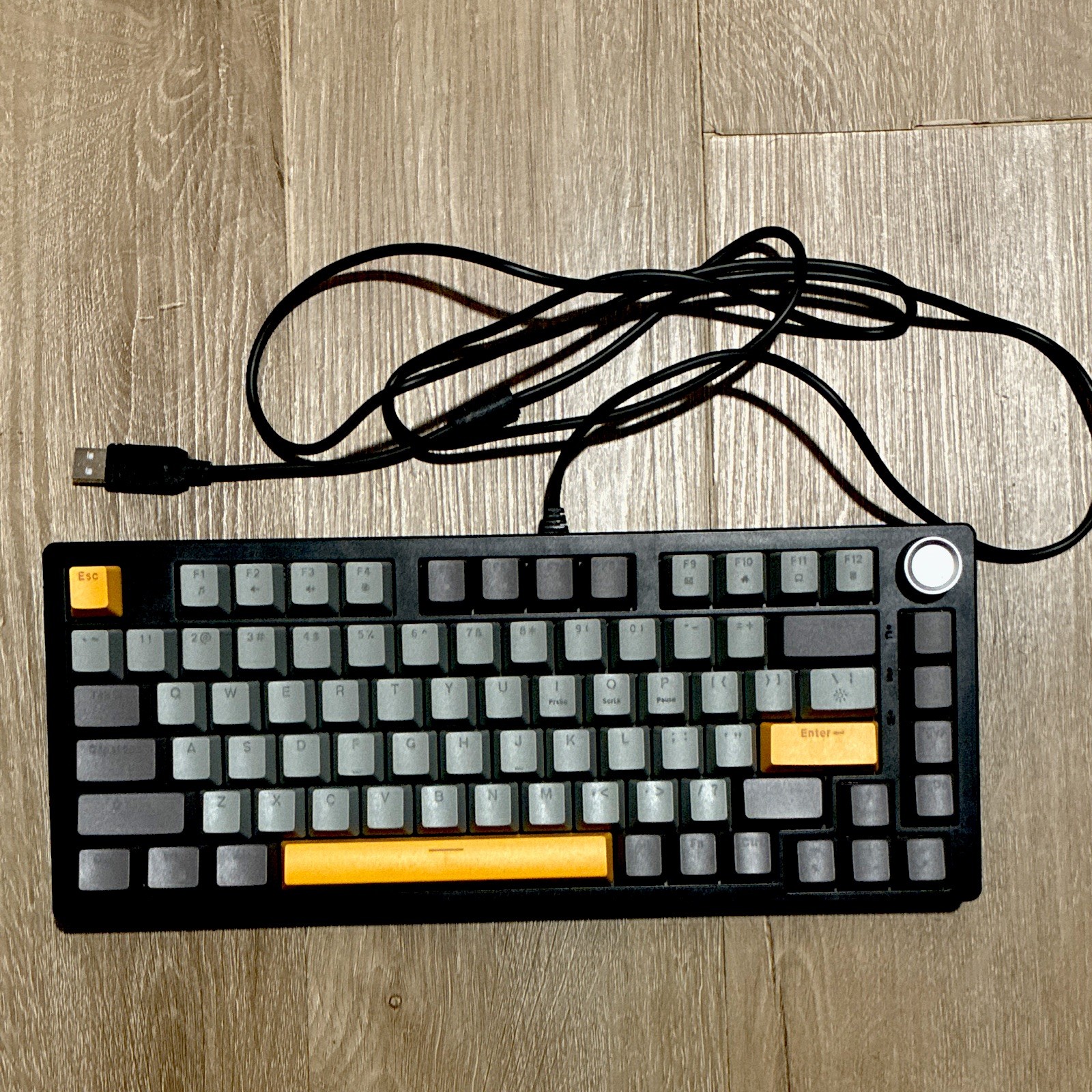 75% Wired USB Mechanical Gaming Keyboard w/ LED Backlights and Volume Knob$30.00View on eBay
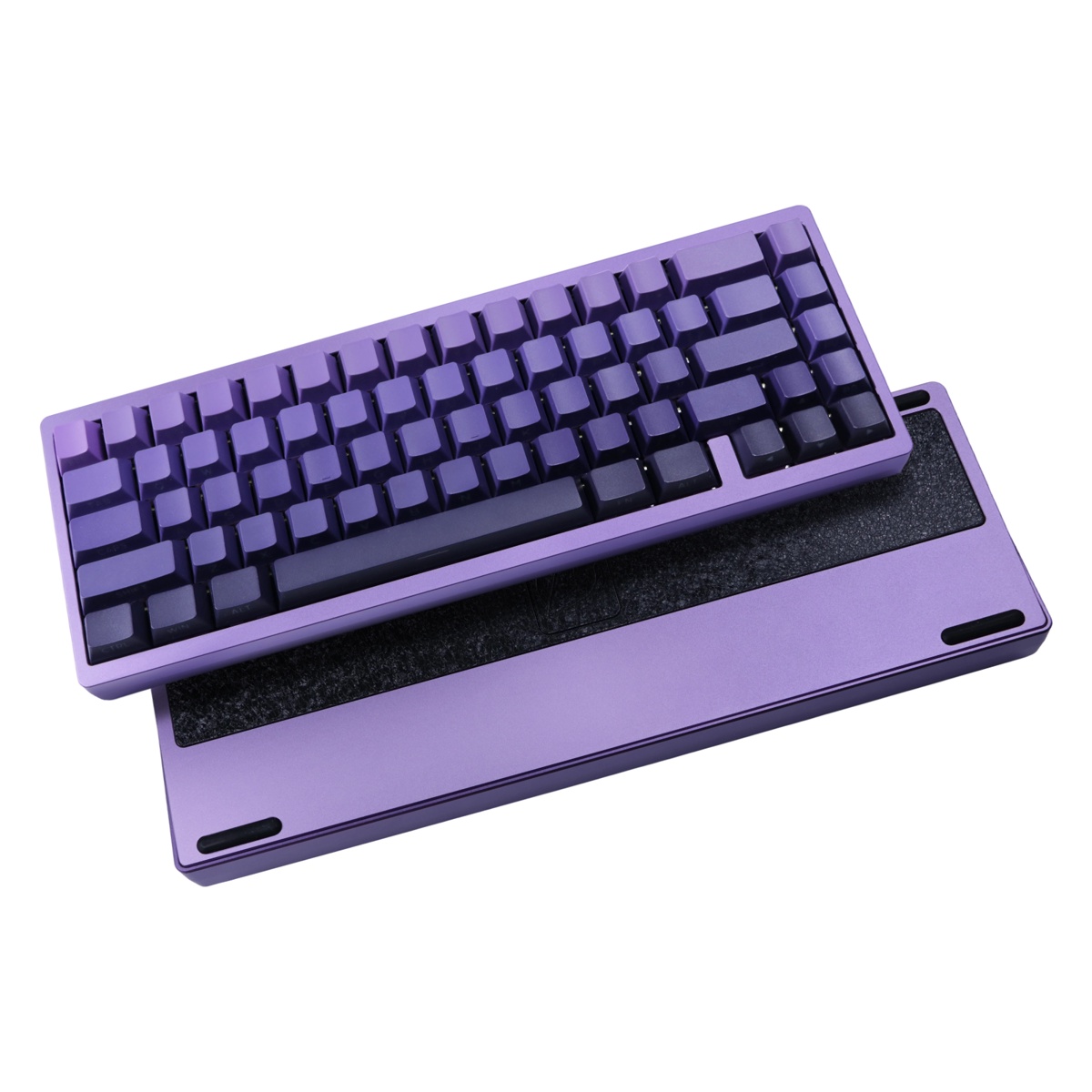 Aluminum Block 65-Key Tri-Mode Mechanical Keyboard$102.99View on Mallflare
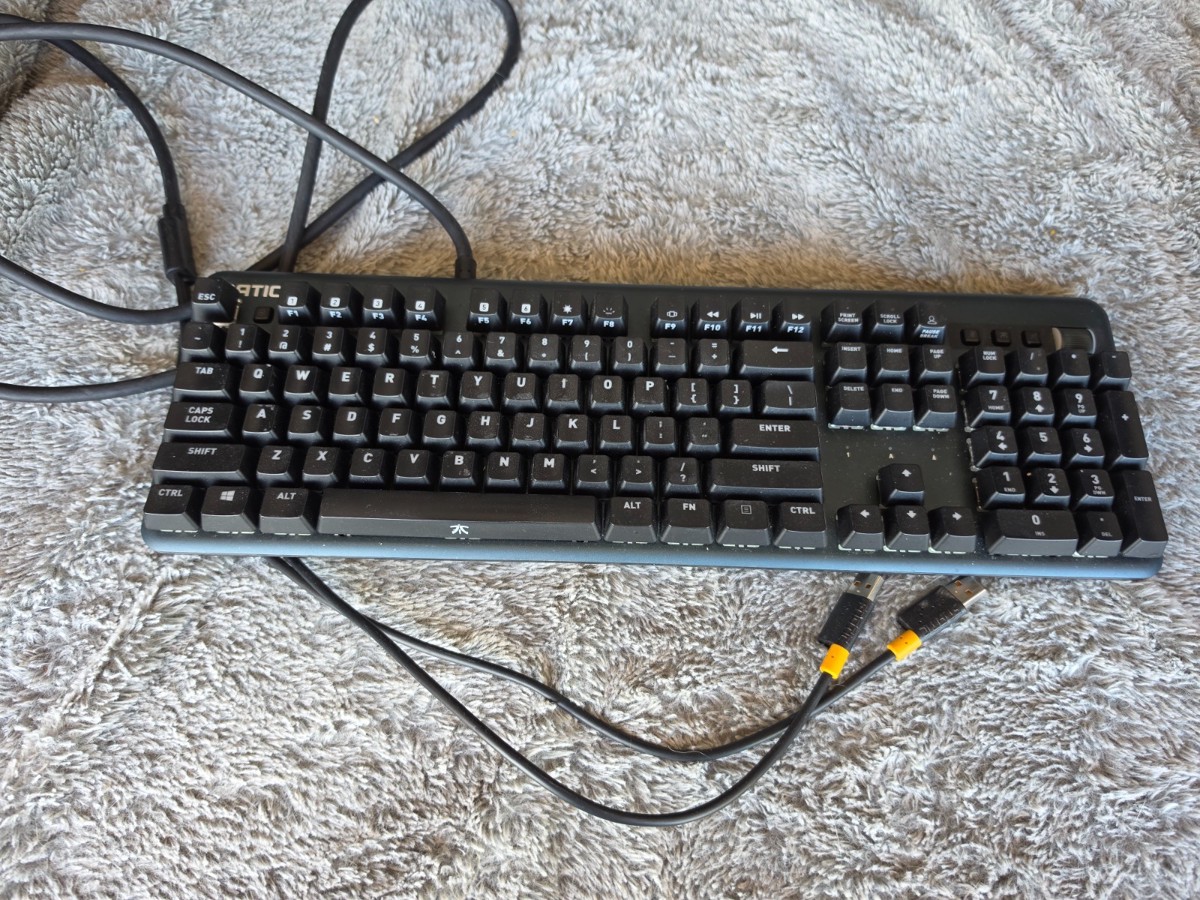 Fnatic Streak Wired Gaming Mechanical Cherry Red MX RGB Switch Keyboard$33.50View on eBay
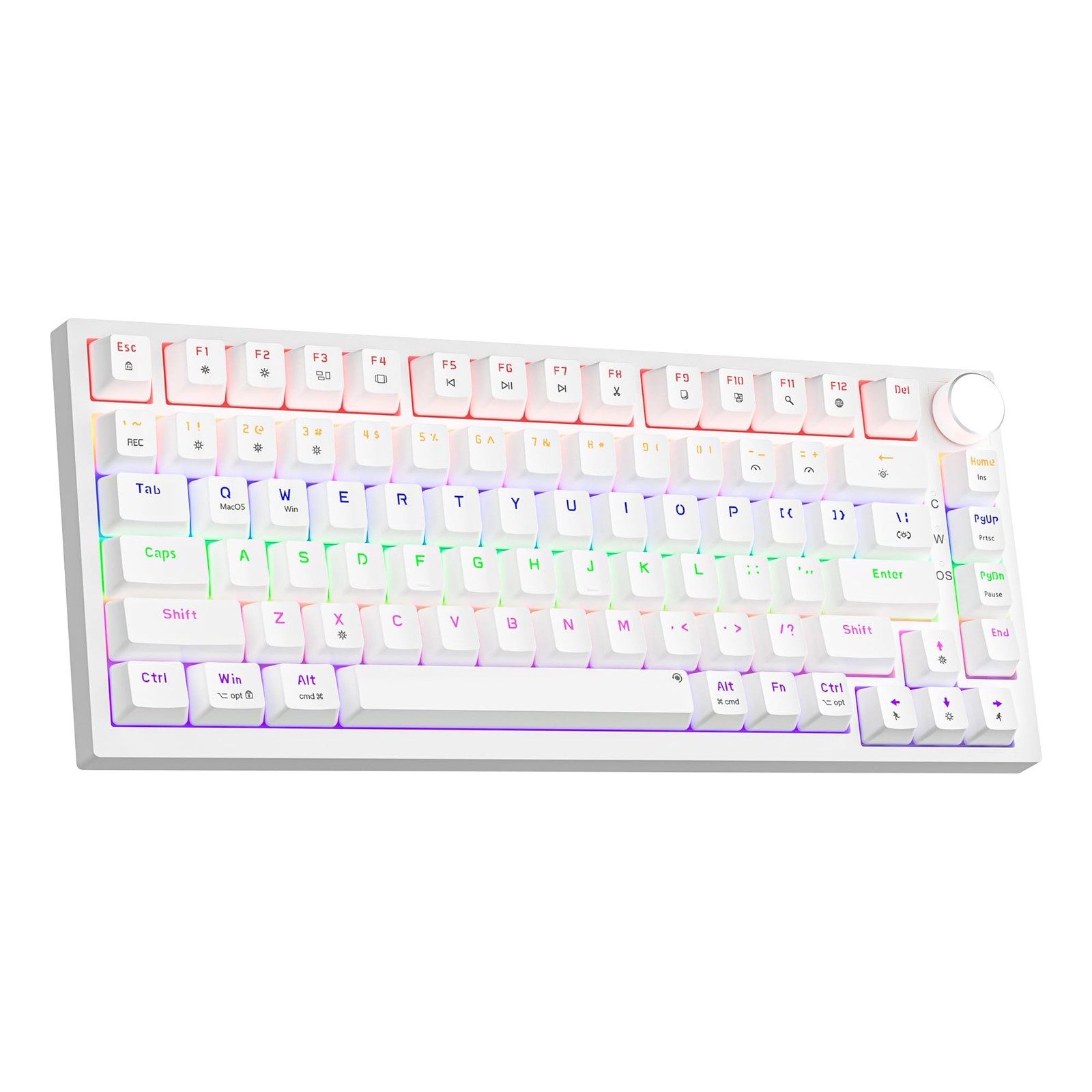 Newmen GM326 75% Percent Mechanical Keyboard,Wired Mini Backlit Hot White$34.52View on eBay
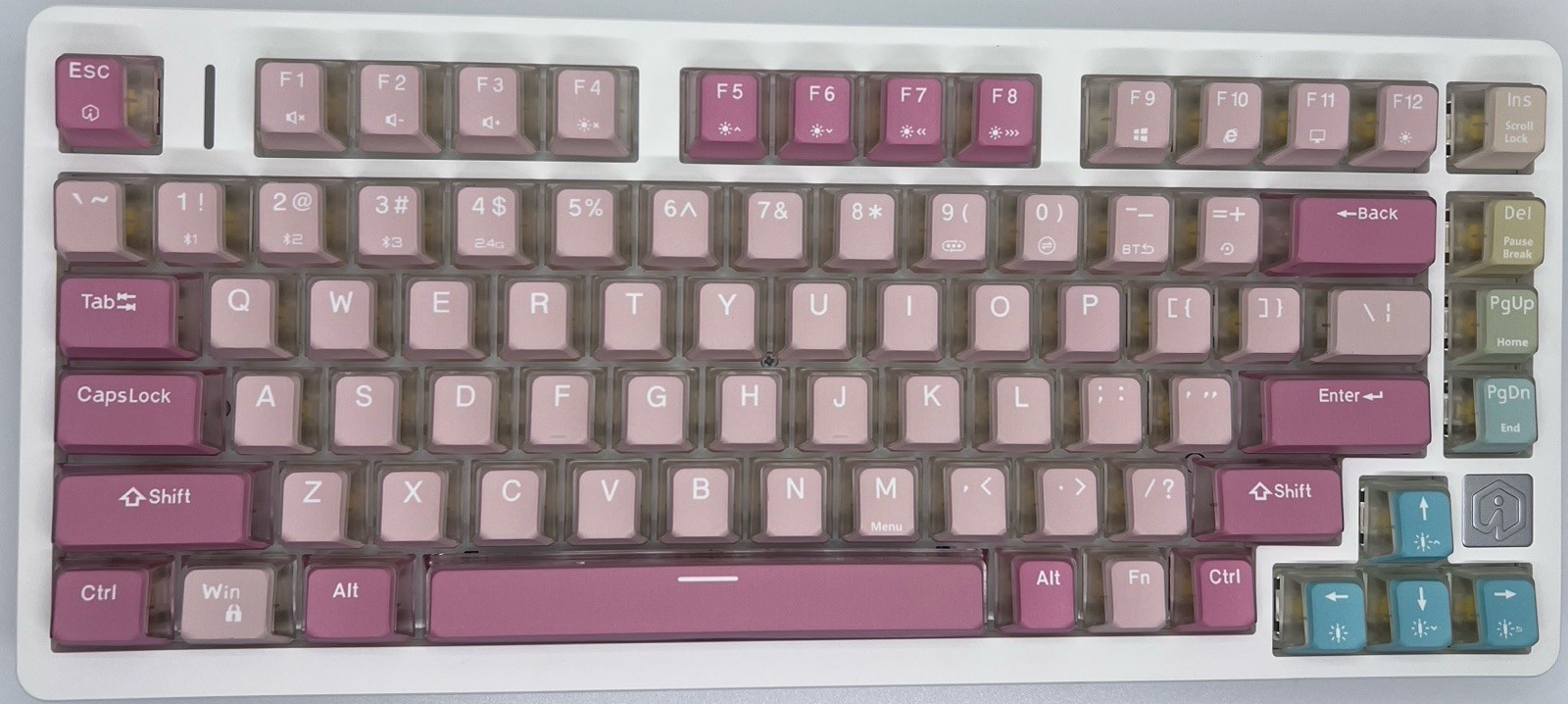 Wireless RGB Hot Swappable Mechanical Keyboard 3 Layers 81 Keys Gaming Keyboard$35.98View on eBay
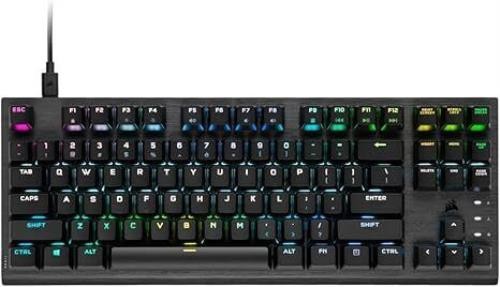 CORSAIR K60 RGB TKL RGB Tenkeyless Optical-Mechanical Wired Gaming Keyboard$37.99View on eBay
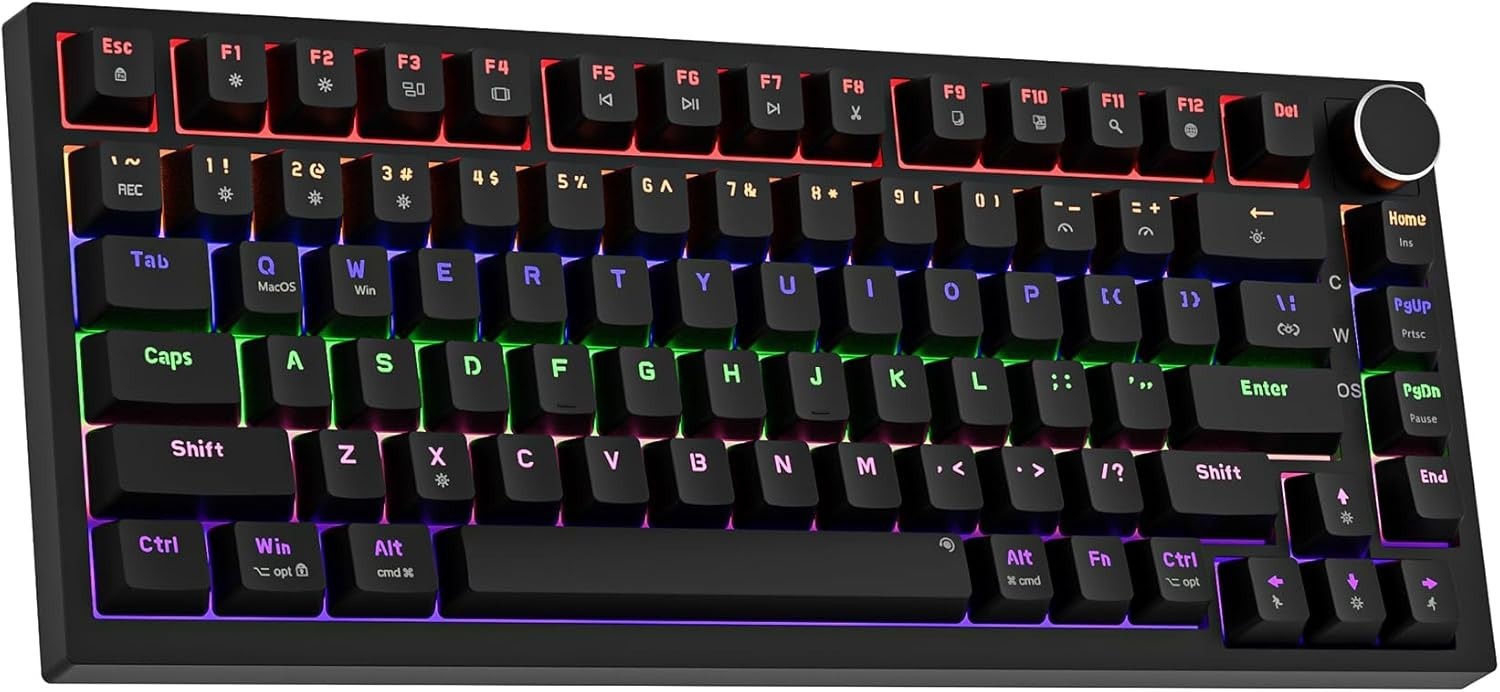 Newmen GM326 75% Percent Mechanical Keyboard Free Shipping$39.10View on eBay
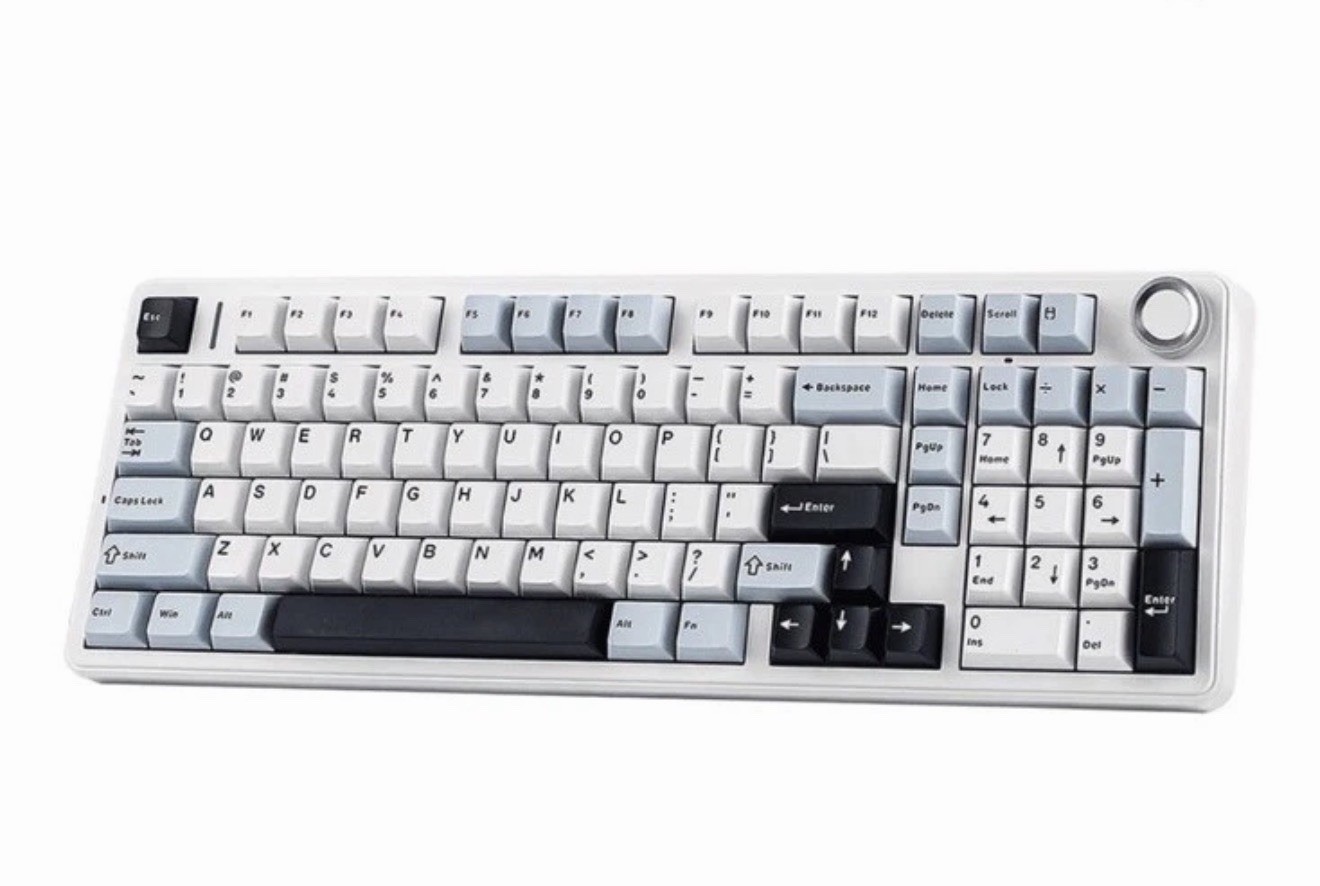 AULA F99 PRO BLUE/WHITE Wireless Mechanical Gaming Keyboard | NEXT DAY SHIP$41.98View on eBay
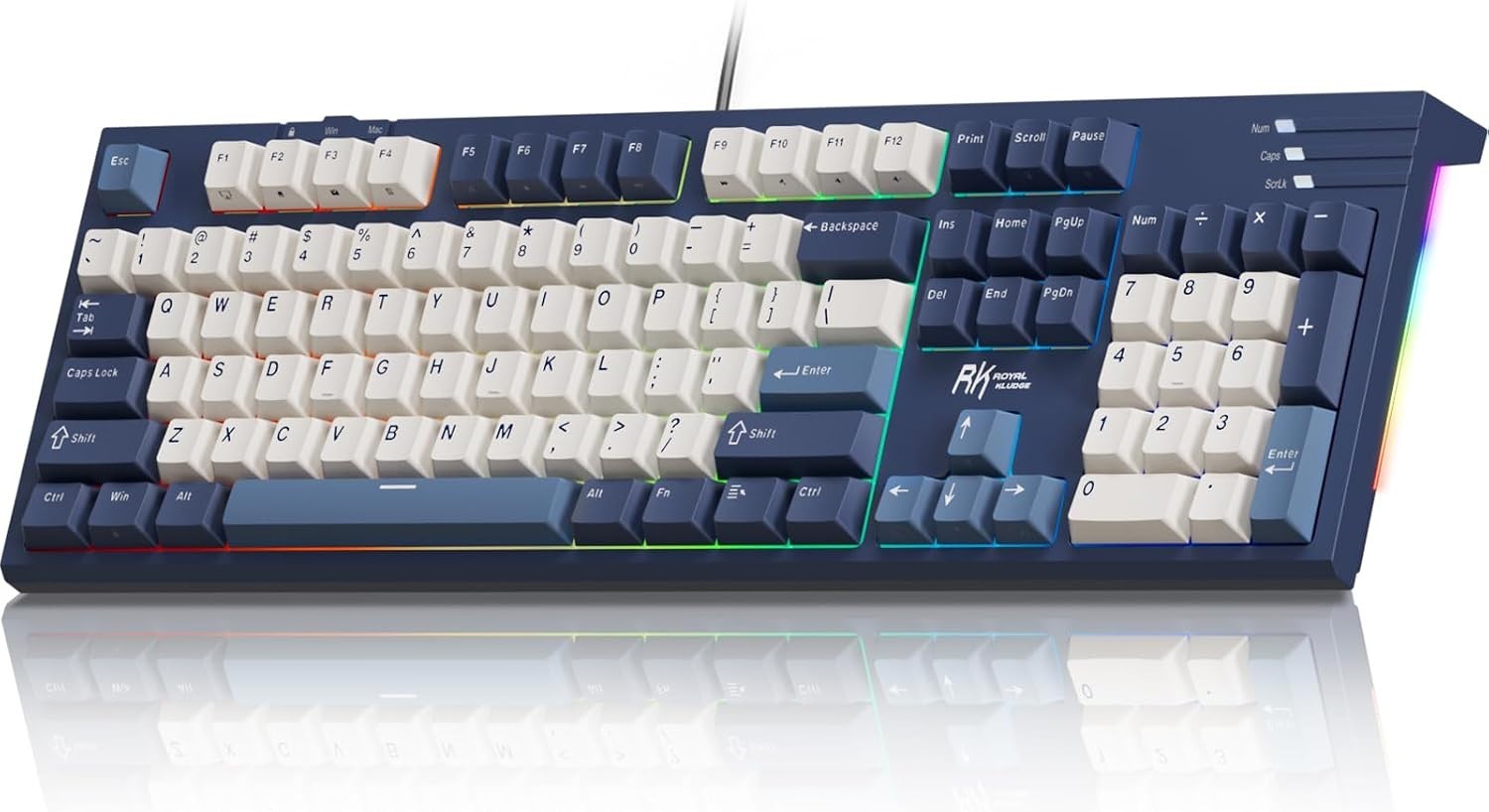 RK ROYAL KLUDGE R104 Wired Mechanical Keyboard$42.99View on eBay
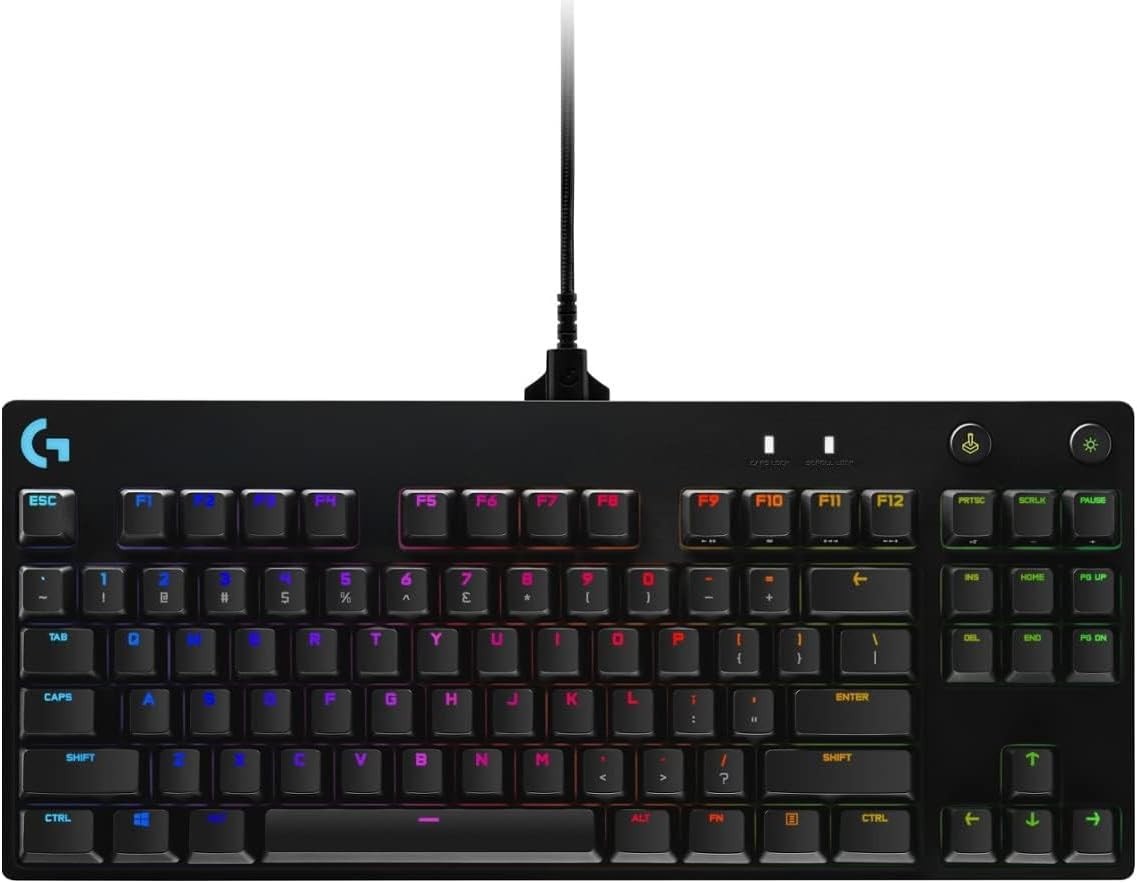 Logitech G Pro TKL Mechanical RGB Gaming Keyboard Black$43.19View on eBay
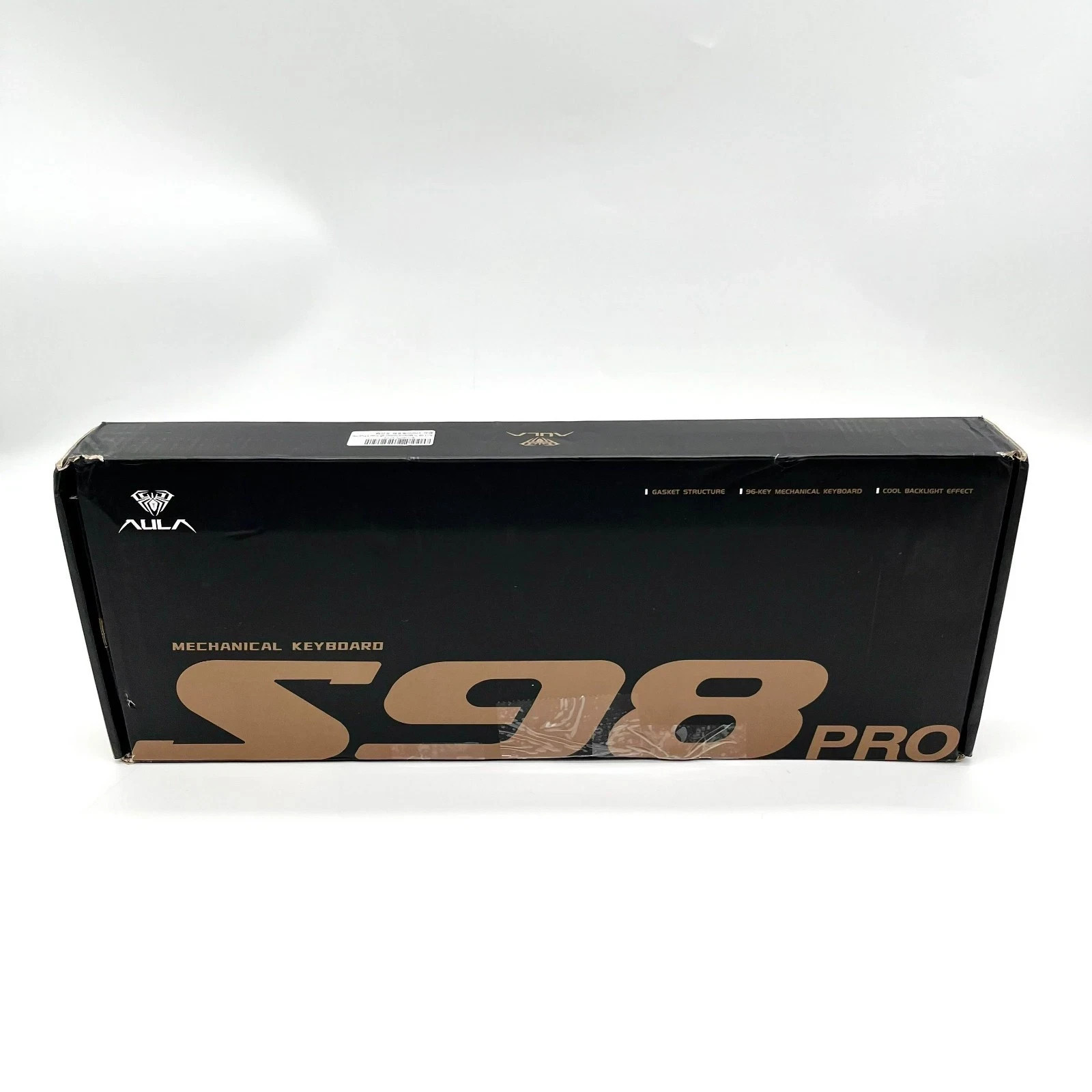 AULA S98 Pro Wireless Mechanical Keyboard with Screen & Knob Blue White$44.95View on eBay
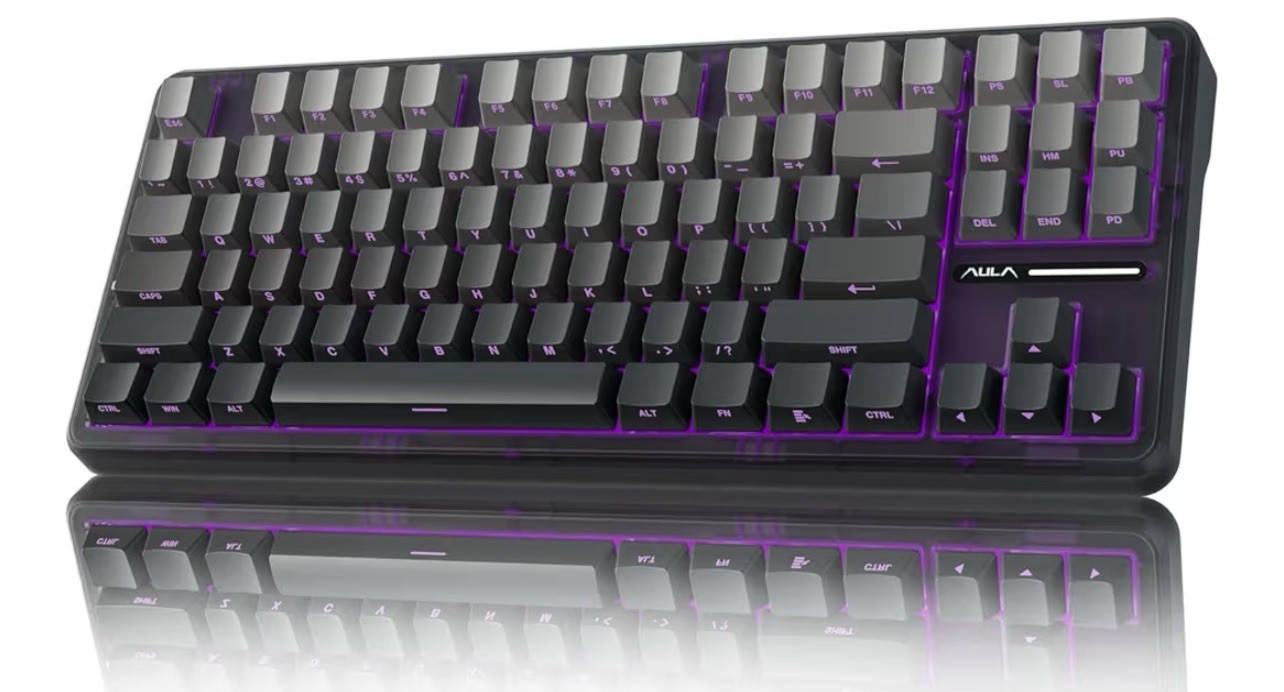 AULA F87 Pro Wireless Mechanical Keyboard Tri-Mode Hot Swappable (F87 Pro-Black)$44.99View on eBay
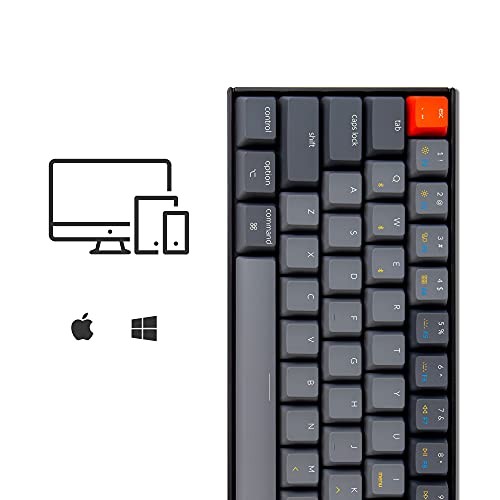 KEYCHRON K12 WIRELESS MECHANICAL KEYBOARD - RGB BACKLIGHT - GATERON -$45.16View on eBay
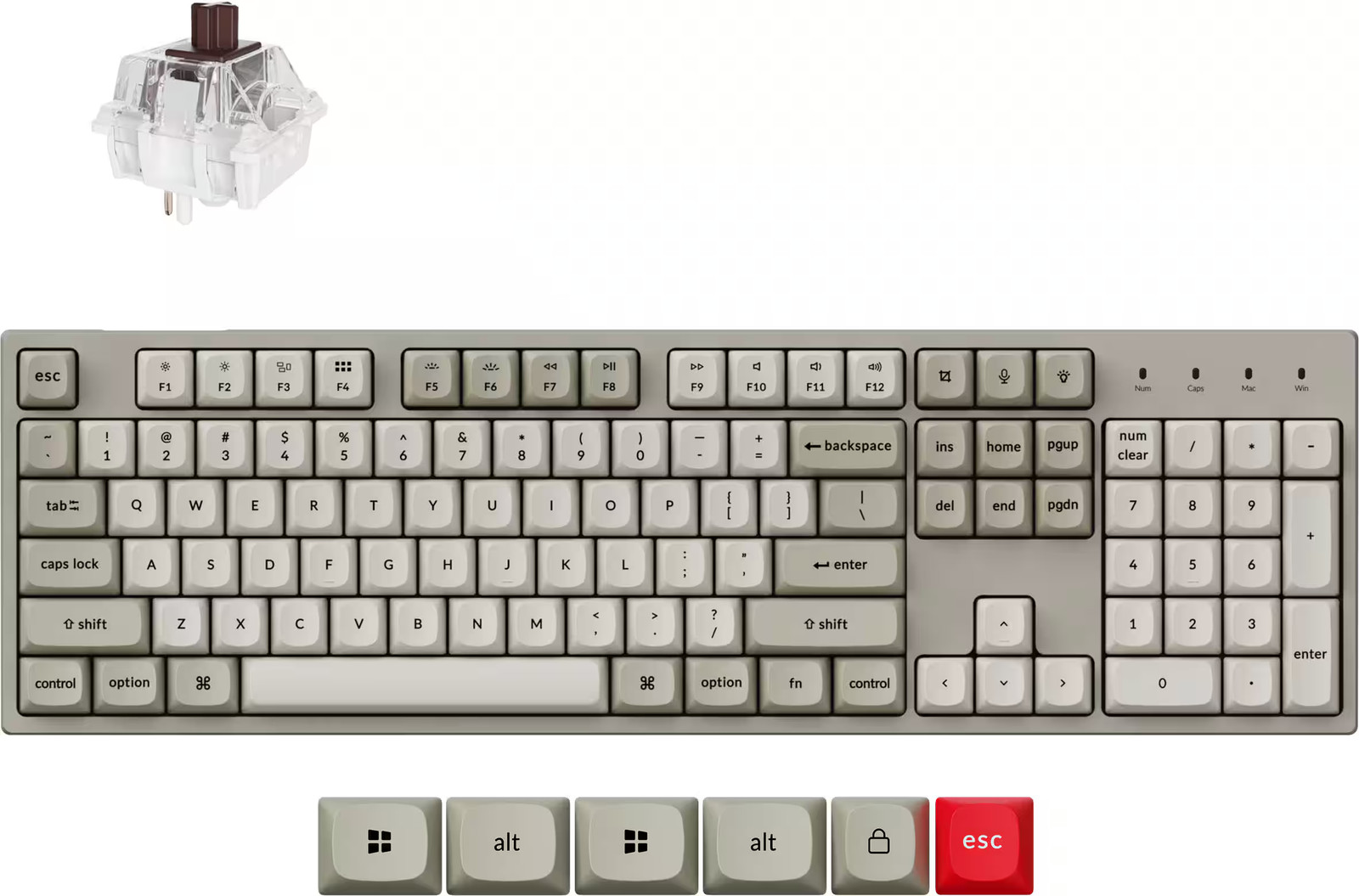 Keychron - C2PX 100% Custom Wired RGB Mechanical Gaming Keyboard with Program...$46.74View on eBay
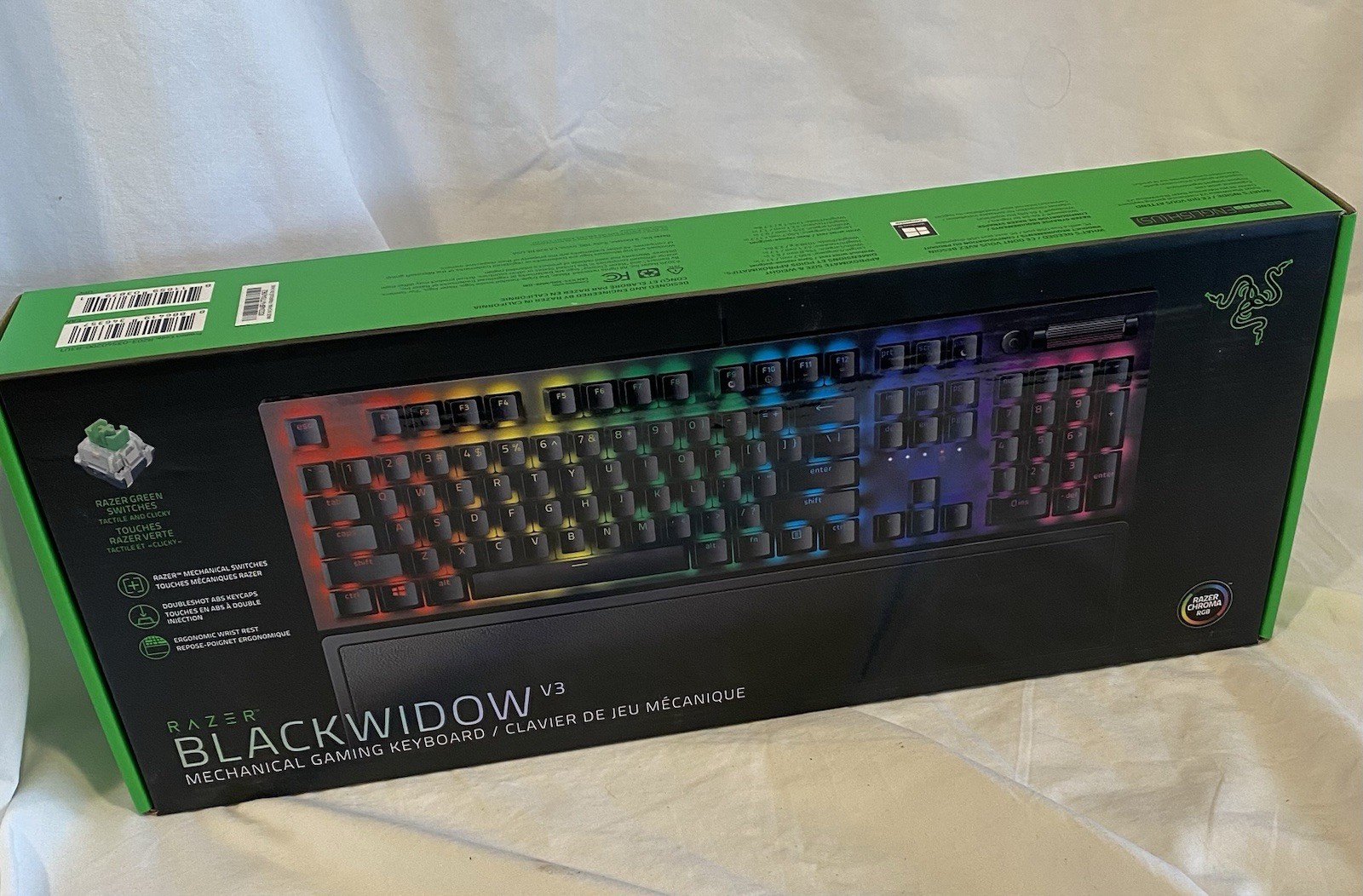 Razer Blackwidow V3 Mechanical Keyboard$49.95View on eBay
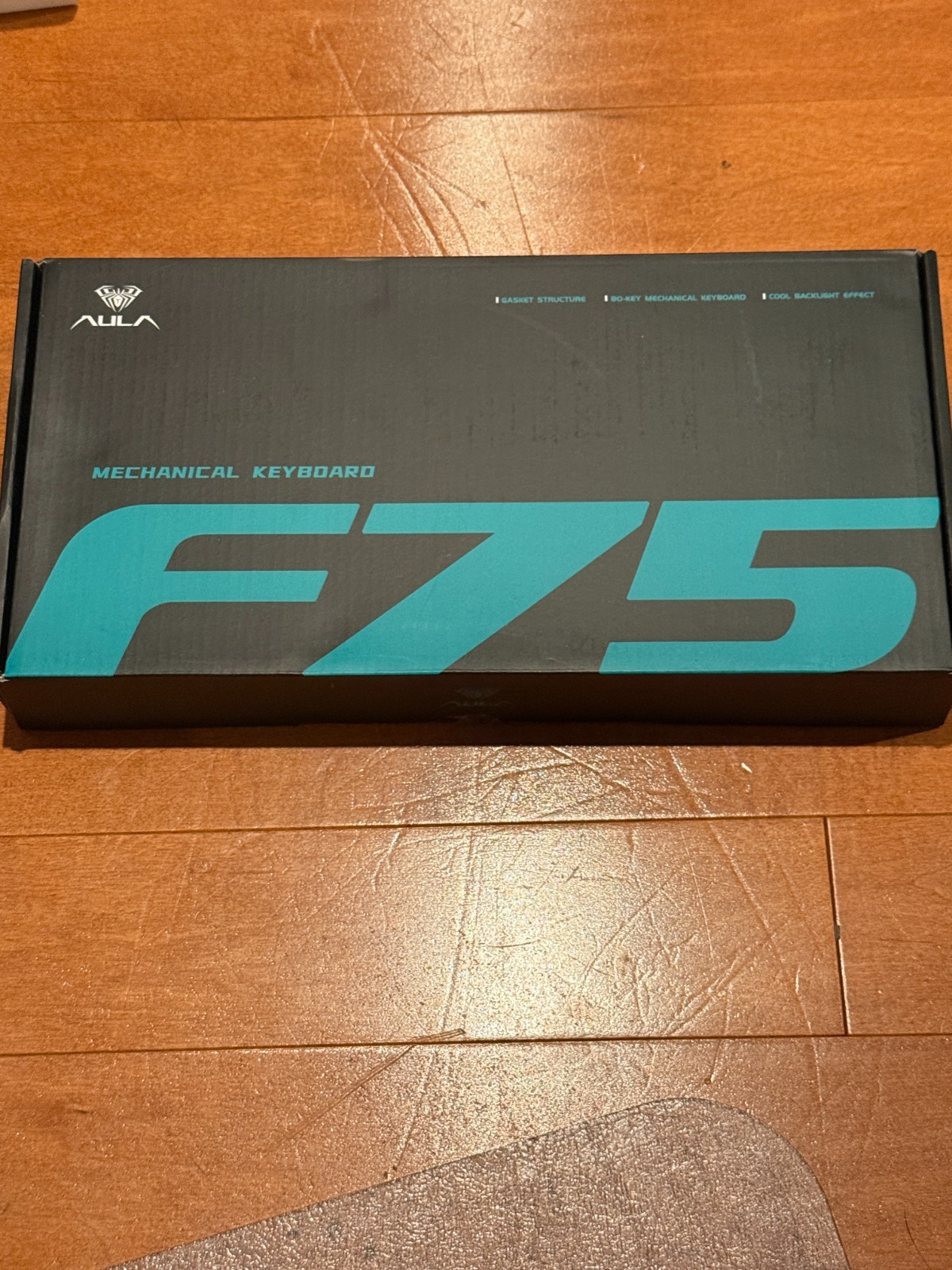 AULA F75 Wireless Gaming Keyboard Mechanical Tri-Mode RGB Backlit NEW SEALED$49.95View on eBay
Highlights
- Tri-mode connectivity (Bluetooth 5.0 + 2.4 GHz + USB-C) is the durability and convenience benchmark; single-mode wired boards lack device switching and cable-free use.
- Aluminum case construction with a steel or brass plate reduces flex and ping compared to plastic trays, directly improving typing acoustics and long-term key stability.
- Hot-swappable PCB sockets (5-pin compatible) let you change switch type without soldering, extending the board's usable life across tactile, linear, or clicky preferences.
- macOS-specific keycap legends and F-row function mapping (e.g., media, brightness, Mission Control) separate true Mac boards from generic Windows layouts that require remapping.
Best use cases
- Best fit: A 75% or 65% aluminum tri-mode board with hot-swap and macOS legends for users who switch between Mac, iPad, and iPhone daily and want one keyboard.
- Wrong fit: A full 104-key plastic wired board with blue clicky switches if you share an office or need silent typing—skip it for open-plan spaces.
- Best fit: A wired USB-C board with Cherry MX Red or Brown switches for gamers on Mac who prioritize low latency and don't need wireless.
- Wrong fit: A single-mode Bluetooth-only board with no 2.4 GHz option if you require lag-free gaming or use your Mac in BIOS/Recovery mode where Bluetooth often fails.
Buying tips
- Confirm macOS support explicitly: native Mac mode (keycaps and F-row) or QMK/VIA firmware; generic HID boards may need manual remapping of Command and Option keys.
- For wireless reliability, choose Bluetooth 5.0 or higher with at least 3 device profiles; Bluetooth 4.0 models suffer higher latency and drop connections.
- Match switch type to use: linear (Red/Speed) for gaming and quiet typing, tactile (Brown) for feedback without click, clicky (Blue) only if noise is acceptable.
- Check hot-swap socket compatibility (5-pin vs 3-pin) if you plan to change switches; 5-pin boards accept more switch varieties without clipping legs.
Specs
| Connectivity | Tri-mode BT 5.0 / 2.4 GHz / USB-C |
|---|---|
| Case Material | Aluminum vs Plastic |
| Switch Type | Linear / Tactile / Clicky, Hot-swap |
| macOS Support | Native legends or QMK/VIA |
Related searches
What to check before buying
- Measure your desk space: a 75% board is about 320 mm wide, a 65% about 300 mm, and a full-size 104-key about 440 mm—ensure room for mouse movement.
- Verify your Mac's Bluetooth version (System Report > Bluetooth) and that macOS is 10.15 Catalina or later for stable third-party keyboard drivers.
- If using a KVM or USB hub, confirm the keyboard's USB-C cable is detachable and the board supports wired mode for firmware updates and low-latency use.
- Check keycap material: PBT keycaps resist shine and wear better than ABS, especially for daily typing on a Mac.
FAQ
Data sources: eBay / Amazon listings and product attribute feeds. Updated Nov 24, 2026.
Some links on this page are affiliate links. If you buy after clicking one, we may earn a commission at no extra cost to you. This does not change which products appear here or their order. Affiliate disclosure.