
Photos from current listings. Actual item, color, and included accessories may vary.
Type 3D Printer Filament Buying Guide
3D printer filament is the consumable feedstock that determines part strength, surface finish, and dimensional accuracy more than most printer upgrades. The core trade-off is between easy-printing commodity plastics (PLA, PETG) and engineering-grade polymers (ABS/ASA, nylon, polycarbonate) that demand heated enclosures, higher nozzle temperatures, and controlled drying. The decision rule: match filament glass-transition and moisture sensitivity to your printer's enclosed volume and hotend ceiling before chasing exotic blends.
Median $144.00 · New listings
Key takeaways
- PLA prints at 190-220°C with low warp but softens near 55-60°C, making it unsuitable for hot-car interiors or direct sunlight.
- PETG bridges the gap at 230-250°C with 75-80°C heat resistance and better layer adhesion than PLA, but strings more and requires slower first-layer speeds.
- ABS/ASA need 240-260°C nozzles, 90-110°C beds, and an enclosure to prevent warping and reduce styrene fumes; ASA adds UV stability for outdoor parts.
At a glance
- Category
- 3D Printing Filament & Resin
- Last updated
- Nov 24, 2026
Current offers
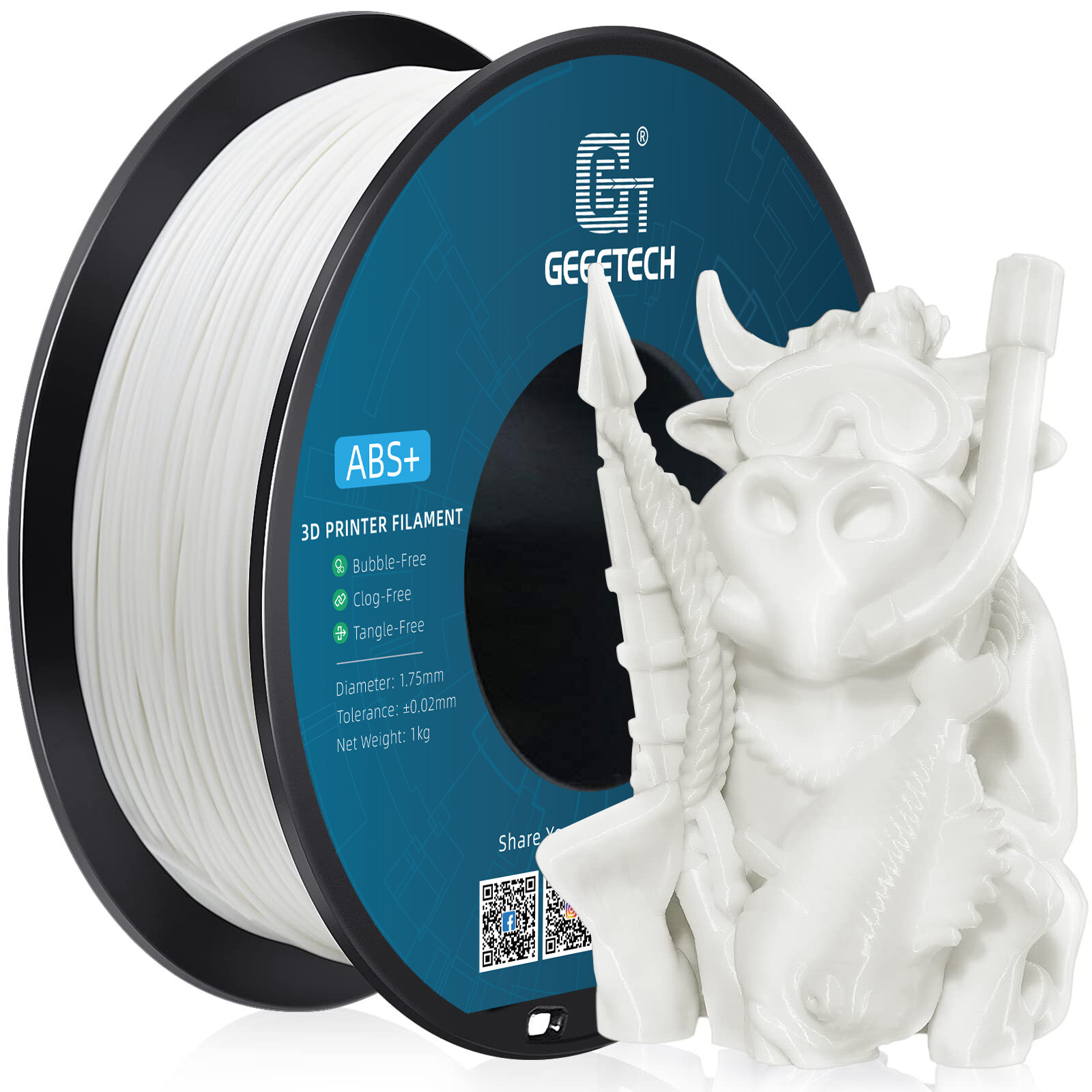 【Buy 5 Get 5 Free!Add 10】GEEETECH 1KG PLA PETG ABS+ TPU ASA 3D Printer Filament$23.74View on eBay
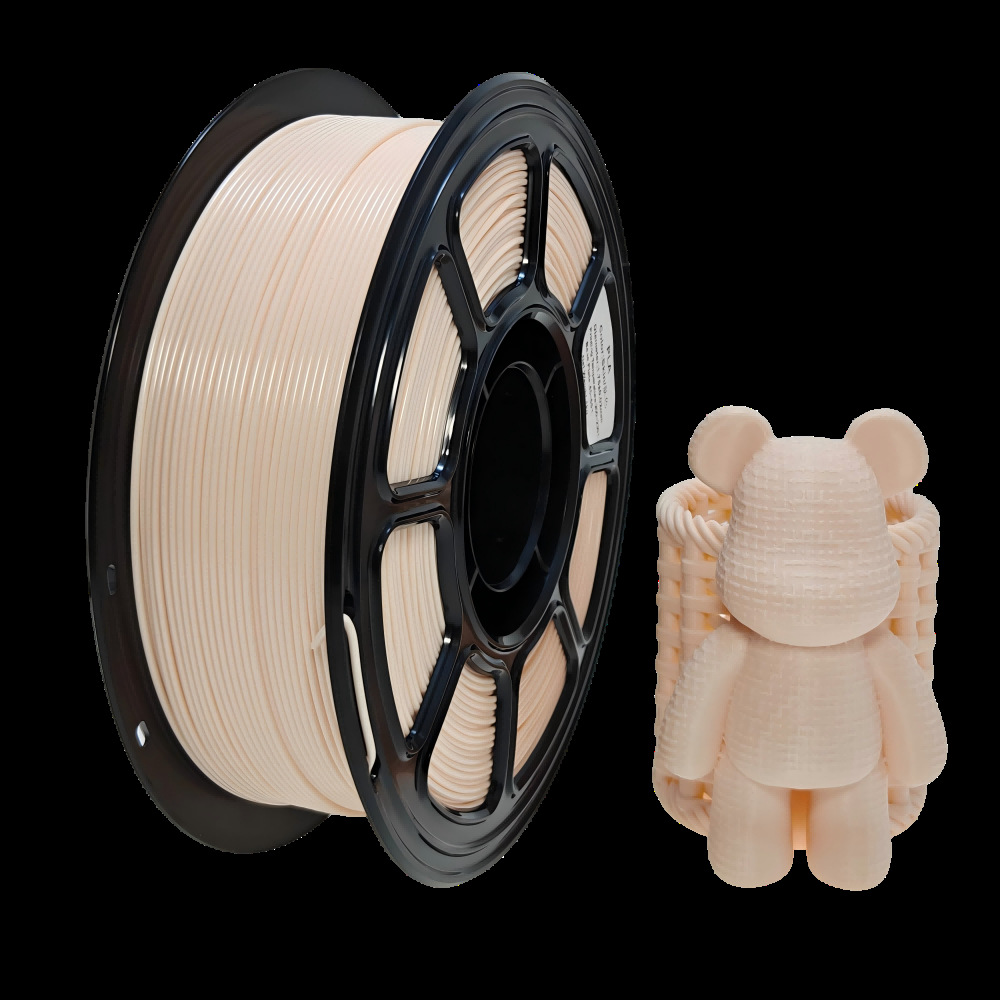 PLA Universal 3D Printer Filament, 1 Kg, High-Speed, High Toughness, 175 Mm, Multi-Color$18.99View on Mallflare
 【Buy 5 Get 5 Free!Add 10】GEEETECH 1KG PLA ABS+ PETG TPU ASA 3D Printer Filament$27.99View on eBay
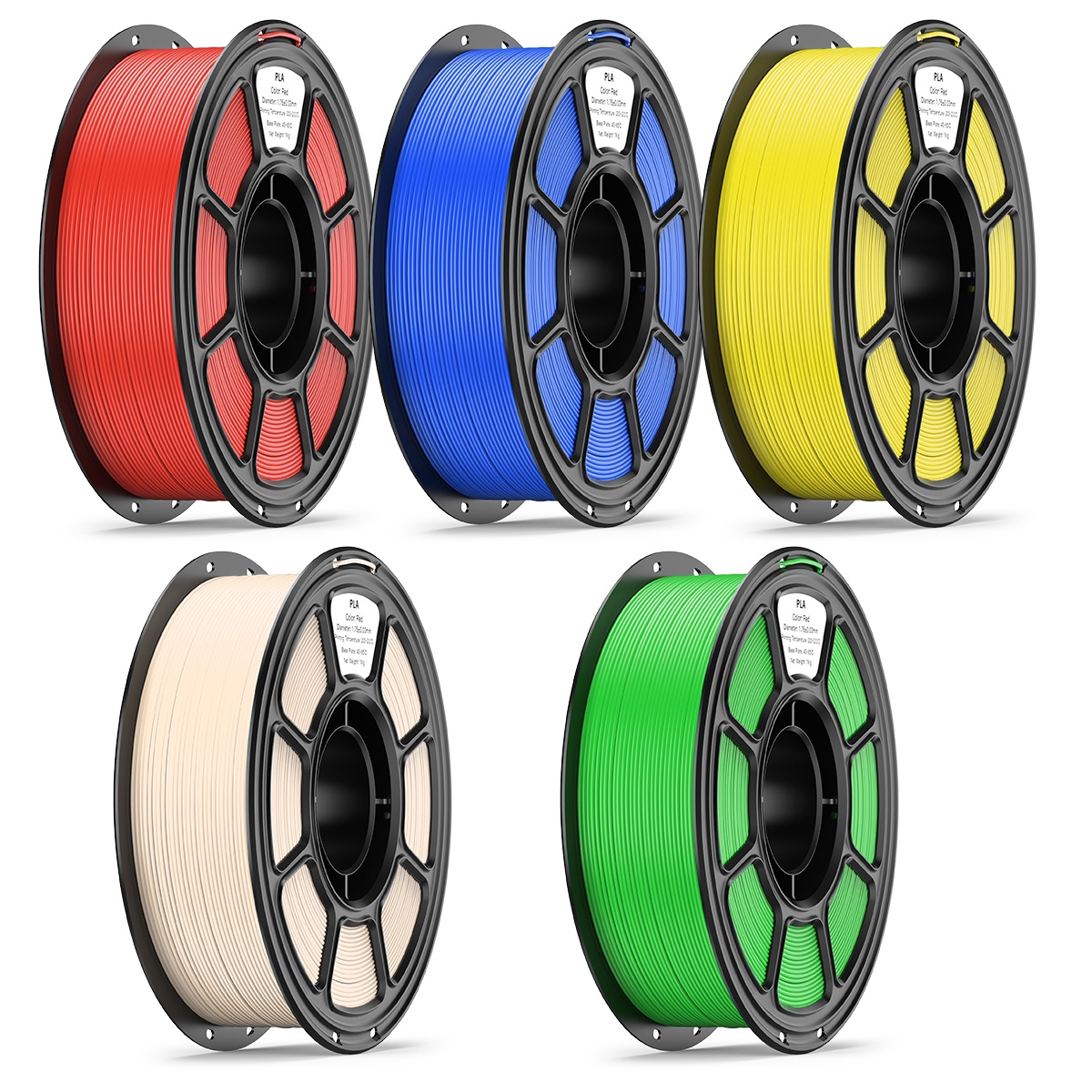 PLA 5 Pack 3D Printer Filament, 1.75mm PLA Bundle, 5 Rolls Set For FDM 3D Printers, Smooth Printing, Low Warping, Easy To Print, Multi Color For DIY, Prototyping, Model Making & Crea$78.99View on Mallflare
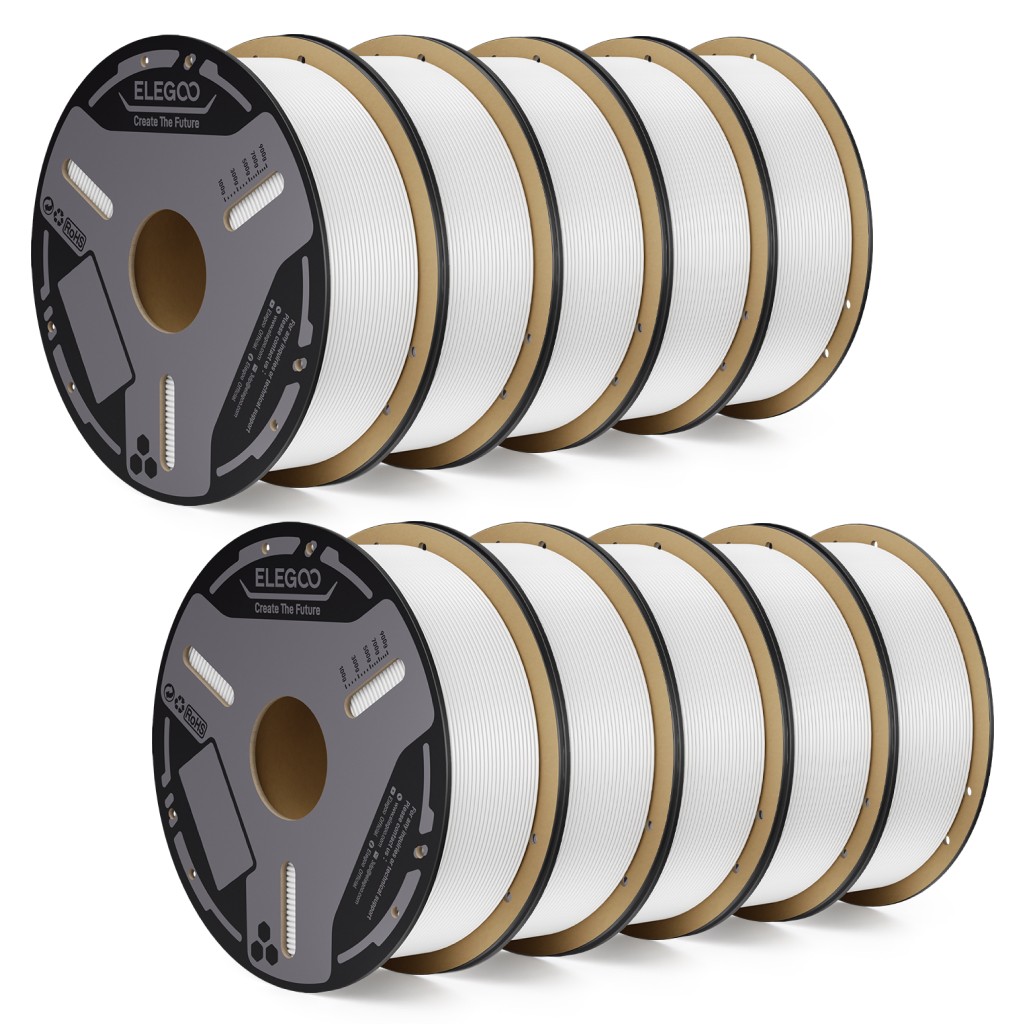 ELEGOO 10KG 3D Printer Filament PLA PETG Matte 1.75 mm FDM Bundle 1KG/Spool$209.00New · Last checked Nov 21, 2026View on eBay
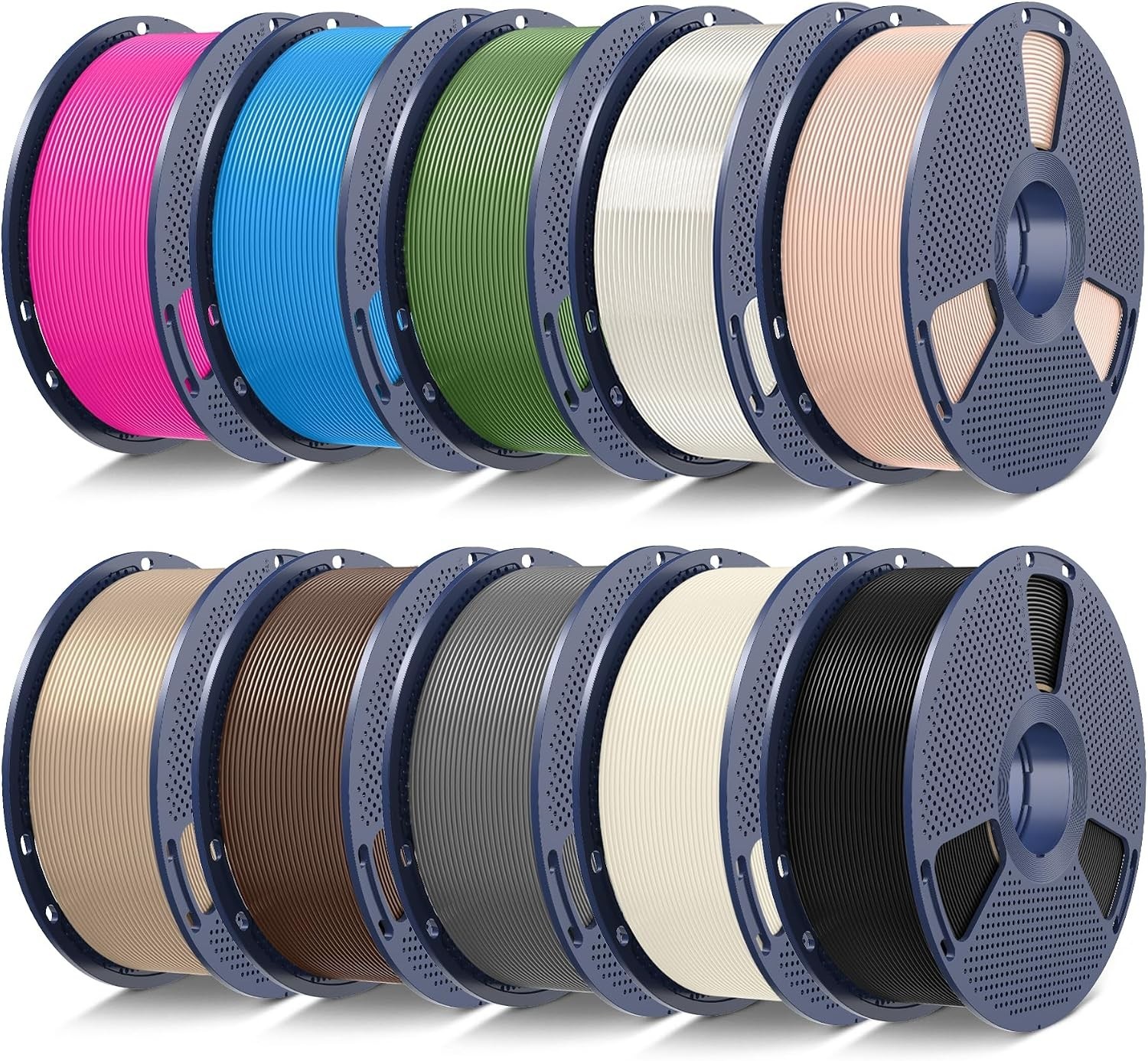 PLA 3D Printer Filament, Multicolor, 10-Pack, 10KG Total Black+Bone White+Grey+$219.95New · Last checked Nov 21, 2026View on eBay
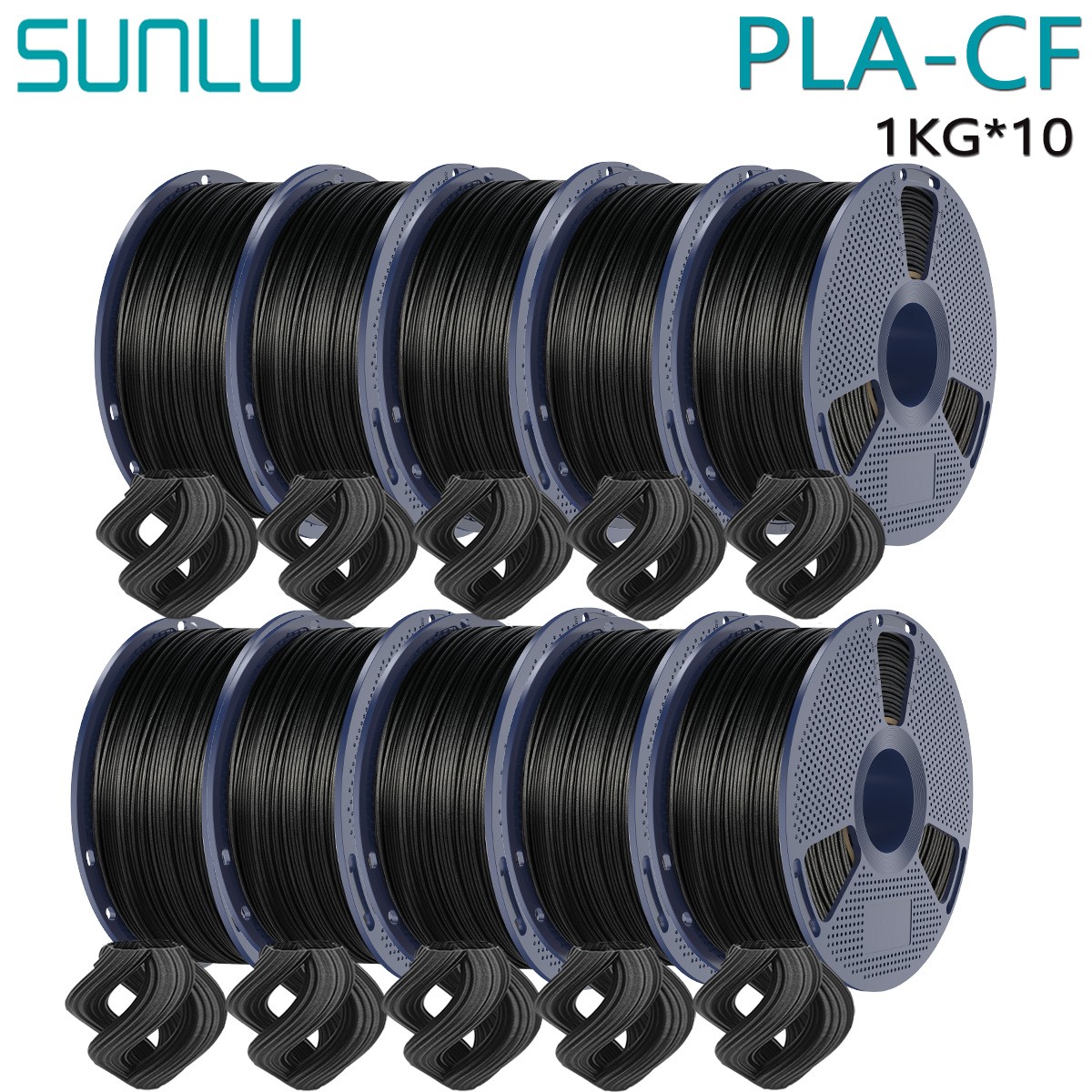 SUNLU 10KG PLA PLA+ ASA SILK PETG2.0 ABS 3D Printer Filament 1.75mm 1KG/Spool$232.69New · Last checked Nov 21, 2026View on eBay
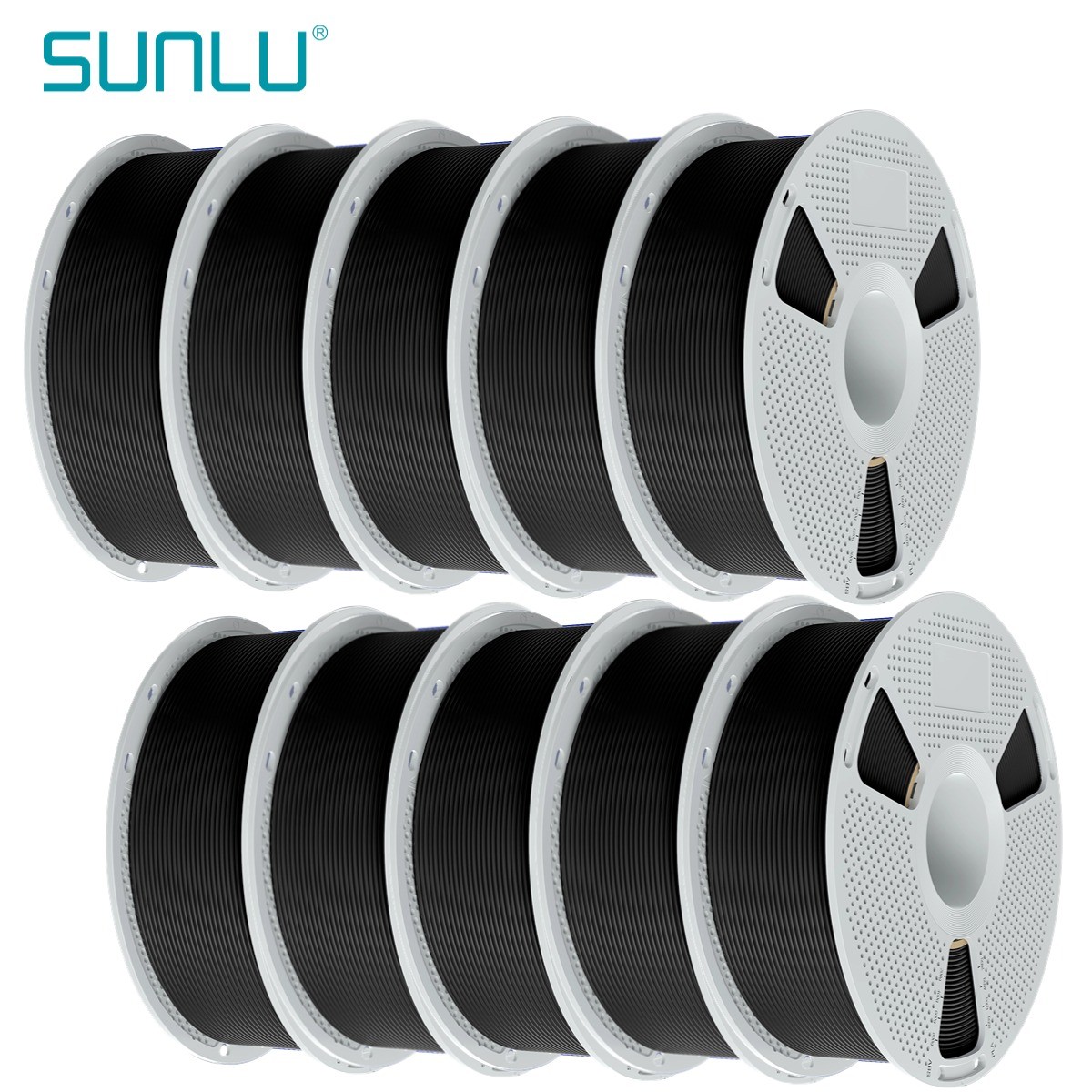 10×1KG SUNLU PLA Matte Meta PLA+ PETG SILK ABS TPU95A 1KG 3D Printer Filament$278.94New · Last checked Nov 21, 2026View on eBay
Highlights
- PLA prints at 190-220°C with low warp but softens near 55-60°C, making it unsuitable for hot-car interiors or direct sunlight.
- PETG bridges the gap at 230-250°C with 75-80°C heat resistance and better layer adhesion than PLA, but strings more and requires slower first-layer speeds.
- ABS/ASA need 240-260°C nozzles, 90-110°C beds, and an enclosure to prevent warping and reduce styrene fumes; ASA adds UV stability for outdoor parts.
- Nylon and polycarbonate are hygroscopic, absorbing 2-8% moisture by weight; they require dry-box storage below 20% RH and 70-90°C drying before printing.
Best use cases
- Best fit: PLA for display models, prototypes, and low-stress household items where dimensional accuracy and easy support removal matter more than heat resistance.
- Best fit: PETG for functional brackets, outdoor enclosures, and food-contact-adjacent parts needing toughness and moderate chemical resistance without an enclosure.
- Best fit: ABS/ASA or PC for automotive underhood-adjacent parts, electrical housings, and outdoor fixtures that require heat deflection above 90°C and UV stability.
- Wrong fit: nylon or TPU on a stock Bowden-tube printer without a hardened nozzle and direct drive; skip until you upgrade the extruder and hotend.
Buying tips
- Match filament diameter to your printer: 1.75 mm is standard for consumer FDM; 2.85 mm appears mostly on specialized or older industrial machines and will not feed reliably through 1.75 mm hotends.
- Check spool compatibility: many direct-drive extruders and auto-feed systems require 200 mm or smaller spool diameters; larger 250 mm spools can bind on rear-mounted holders.
- For structural parts, choose filament with published tensile strength above 40 MPa and elongation at break above 10%; PLA is stiff but brittle, PETG and nylon are tougher.
- Buy sealed spools with desiccant and check for vacuum integrity; unsealed or loose-wound filament can arrive at 0.5-1.5% moisture and print with bubbles and weak layer bonding.
Specs
| Filament Diameter | 1.75 mm standard / 2.85 mm specialty |
|---|---|
| Nozzle Temp Range | PLA 190-220°C / PETG 230-250°C |
| Bed Temp Range | PLA 50-60°C / ABS 90-110°C |
| Spool Size | 200 mm dia (1 kg) / 250 mm (2-3 kg) |
Related searches
What to check before buying
- Verify your hotend's maximum temperature reaches at least 250°C for PETG and 260°C+ for ABS/ASA/PC; stock PTFE-lined hotends above 240°C degrade and release fumes.
- Confirm your build plate and bed reach 80-110°C for engineering plastics; unheated beds cap you at PLA and some PETG blends.
- Measure spool holder clearance and width; a 1 kg spool is typically 200 mm diameter and 65-70 mm wide, and some enclosures cannot fit 3 kg spools.
- Check nozzle material: abrasive filaments like carbon-fiber or glow-in-the-dark PLA require hardened steel or ruby nozzles; brass wears out in under 500 g.
FAQ
Data sources: eBay / Amazon listings and product attribute feeds. Updated Nov 24, 2026.
Some links on this page are affiliate links. If you buy after clicking one, we may earn a commission at no extra cost to you. This does not change which products appear here or their order. Affiliate disclosure.