
Photos from current listings. Actual item, color, and included accessories may vary.
Silk PLA Filament Buying Guide
Silk PLA is a modified polylactic acid filament formulated for a high-gloss, metallic-like finish, trading some layer adhesion and impact strength for visual appeal. The core trade-off is shine versus toughness: standard silk blends print beautifully but are more brittle and less heat-resistant than regular PLA or PLA+. Buy silk PLA when surface finish is the priority and the part is decorative, not load-bearing or heat-exposed.
Median $278.94 · New listings
Key takeaways
- Silk PLA uses elastomer-modified PLA to achieve gloss, lowering tensile strength and layer bonding versus standard PLA.
- Most silk PLA softens near 55-60°C, so it is unsuitable for car interiors, hot electronics enclosures, or direct sunlight.
- 1.75mm diameter is the dominant standard; 2.85mm silk is rare and limited to specific printer ecosystems.
At a glance
- Category
- 3D Printing Filament & Resin
- Last updated
- Nov 24, 2026
Current offers
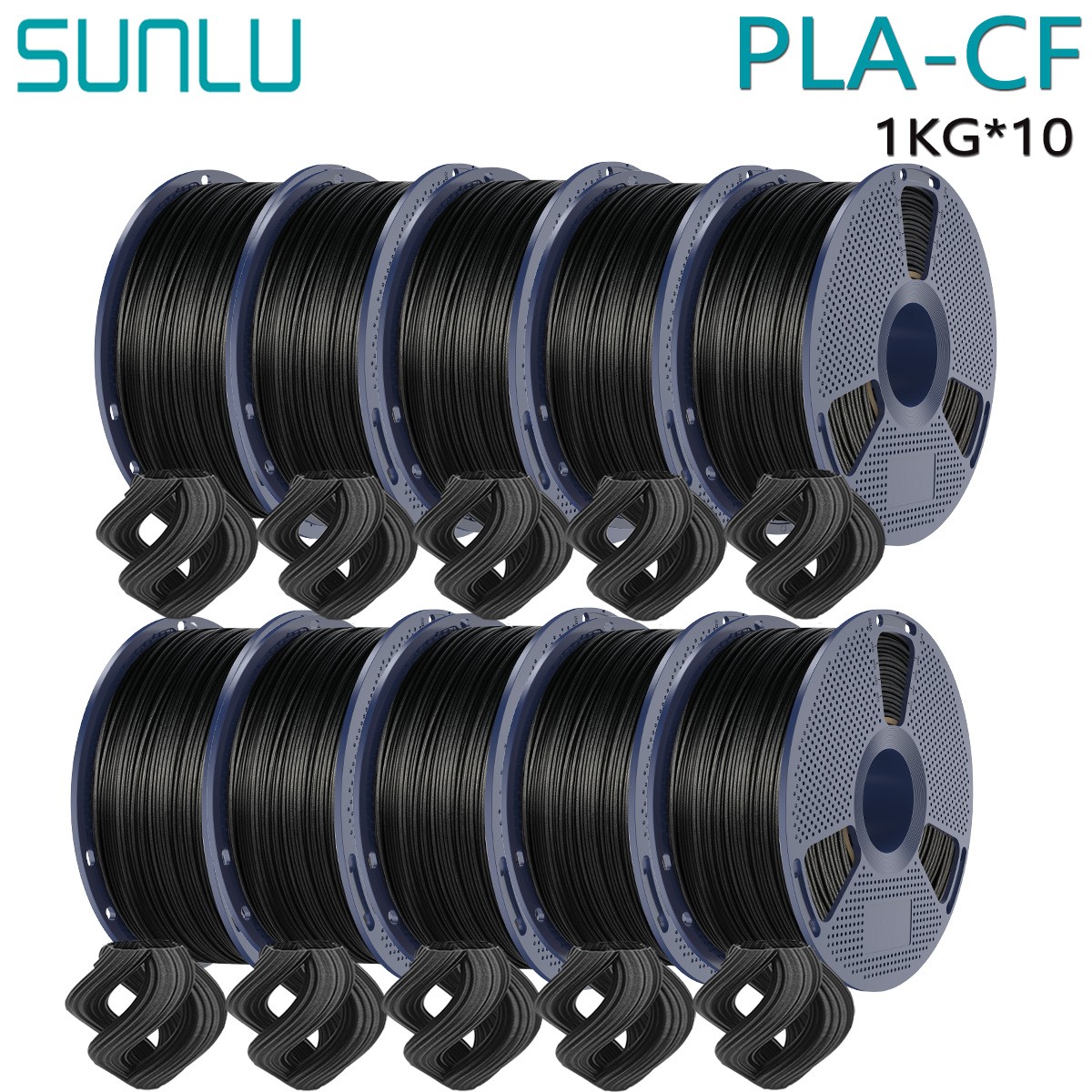 SUNLU 10KG PLA PLA+ ASA SILK PETG2.0 ABS 3D Printer Filament 1.75mm 1KG/Spool$232.69New · Last checked Nov 21, 2026View on eBay
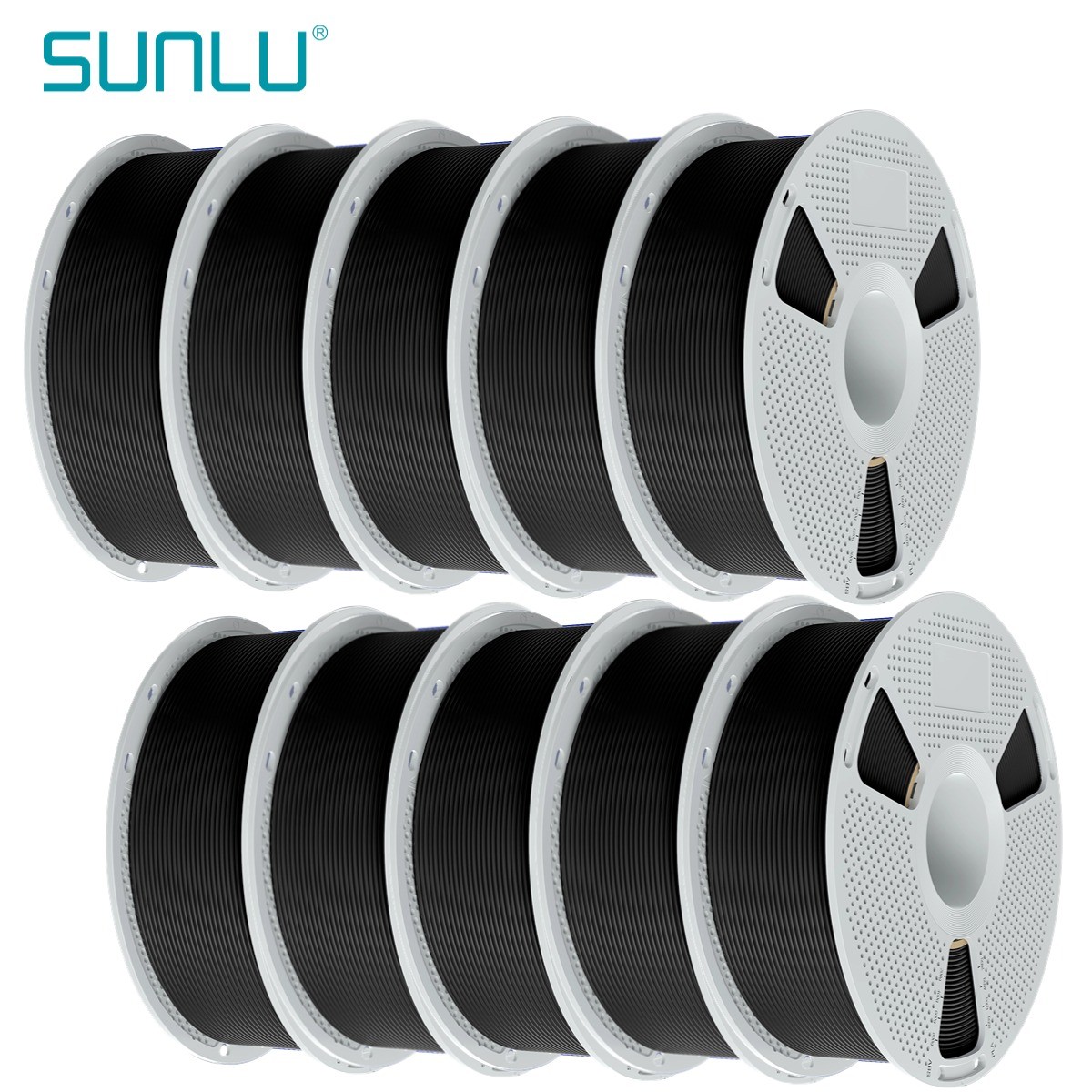 10×1KG SUNLU PLA Matte Meta PLA+ PETG SILK ABS TPU95A 1KG 3D Printer Filament$278.94New · Last checked Nov 21, 2026View on eBay
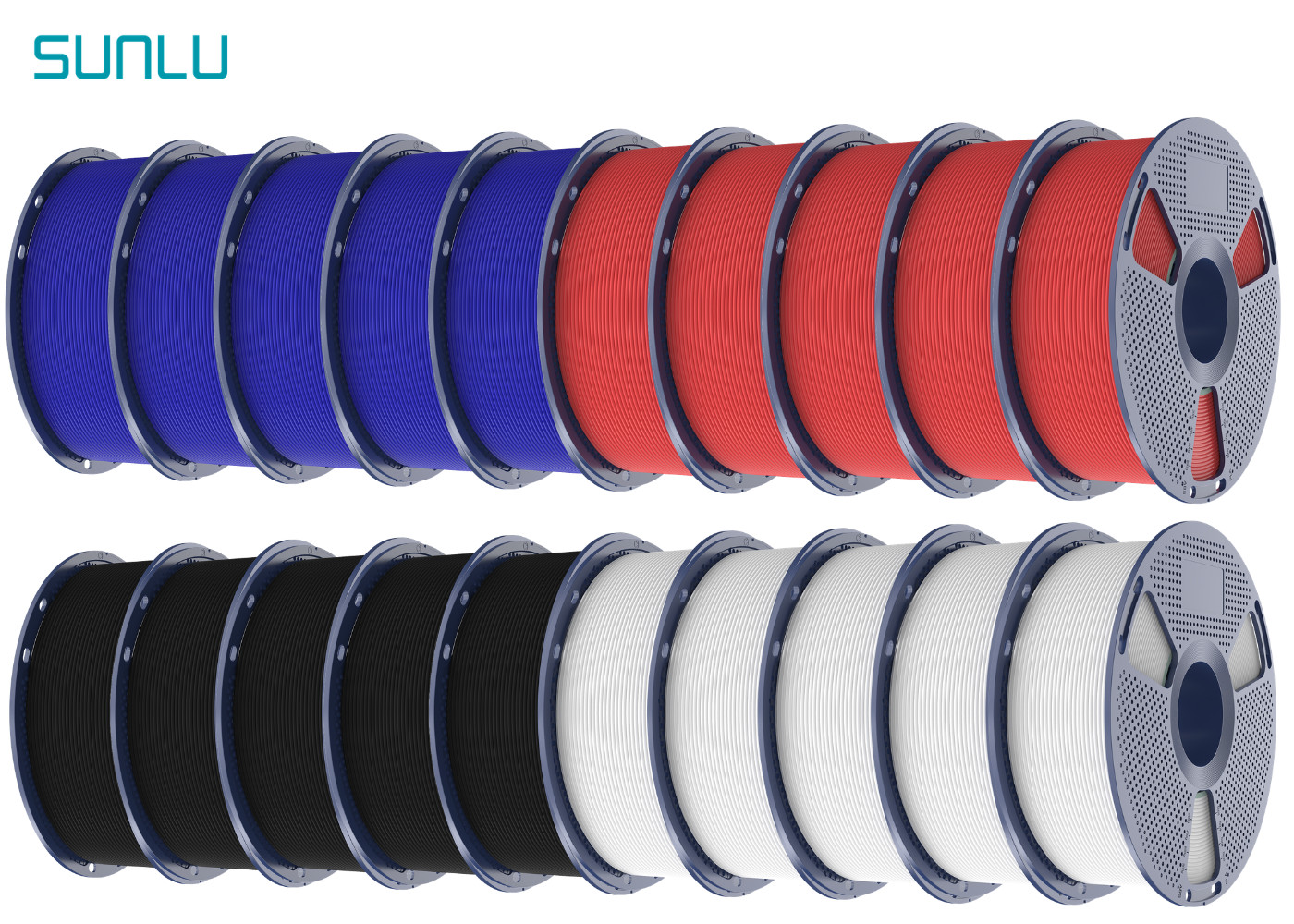 10KG/20KG SUNLU ASA PETG PLA PLA+2.0 PLA-Matte PLA-Meta SILK ABS Filament$348.21New · Last checked Nov 21, 2026View on eBay
Highlights
- Silk PLA uses elastomer-modified PLA to achieve gloss, lowering tensile strength and layer bonding versus standard PLA.
- Most silk PLA softens near 55-60°C, so it is unsuitable for car interiors, hot electronics enclosures, or direct sunlight.
- 1.75mm diameter is the dominant standard; 2.85mm silk is rare and limited to specific printer ecosystems.
- Spool net weight is typically 1kg; some listings advertise 1.1kg gross, so confirm net filament weight, not shipping weight.
Best use cases
- Best fit: decorative figurines, cosplay props, vases, and display models where gloss and color depth matter more than strength.
- Wrong fit: functional brackets, gears, or snap-fit parts — choose PLA+ or PETG instead for layer adhesion and toughness.
- Best fit: low-speed, high-detail prints on direct-drive or Bowden printers with part cooling; skip silk for high-speed production runs.
- Wrong fit: outdoor or hot-environment parts — use ASA or PETG; silk PLA will deform and lose gloss under heat.
Buying tips
- Print silk PLA at 200-220°C with part cooling reduced to 50-70% and speed capped near 50mm/s to preserve gloss and layer bonding.
- Choose spools with tight diameter tolerance (±0.02-0.03mm); loose tolerance causes inconsistent extrusion and visible surface banding.
- Prefer cardboard or recycled spools for easier recycling, and check spool hub diameter fits your holder before buying.
- For multicolor silk effects, dual-color or rainbow silk blends shift hue along the print; single-color silk gives uniform metallic sheen.
Specs
| Filament Diameter | 1.75mm standard / 2.85mm rare |
|---|---|
| Net Spool Weight | 1kg typical / verify net vs gross |
| Print Temp Range | 200-220°C nozzle / 50-60°C bed |
| Heat Deflection | ~55-60°C / indoor decorative use |
Related searches
What to check before buying
- Confirm your printer accepts 1.75mm filament and that the spool outer diameter and width fit the holder and enclosure.
- Verify net filament weight (usually 1kg) rather than gross spool weight; 1.1kg listings often include the spool.
- Ensure you have a hardened or standard brass nozzle in 0.4mm; silk additives can be slightly abrasive, so avoid soft nozzles for long runs.
- Check room ventilation and filament storage: silk PLA absorbs moisture, so keep it in a sealed dry box below 20% RH.
FAQ
Data sources: eBay / Amazon listings and product attribute feeds. Updated Nov 24, 2026.
Some links on this page are affiliate links. If you buy after clicking one, we may earn a commission at no extra cost to you. This does not change which products appear here or their order. Affiliate disclosure.