
Photos from current listings. Actual item, color, and included accessories may vary.
Polypropylene 3D Printer Filament Buying Guide
Polypropylene (PP) filament is a semi-crystalline thermoplastic known for toughness, chemical resistance, and living-hinge durability, but its low surface energy and high shrinkage make bed adhesion and warp control the primary technical hurdles. The core trade-off is between natural PP (max chemical resistance, high warp) and mineral-filled or impact-copolymer PP grades (lower warp, easier adhesion, slightly lower chemical resistance). The clear decision rule: choose a filled/copolymer PP with a heated chamber or enclosure and a PP-specific adhesion interface for reliable prints; skip plain homopolymer PP on open-frame printers unless you accept high failure rates.
Median $130.34 · New listings
Key takeaways
- Polypropylene shrinks 1.5–2.5% linearly, far more than PLA (~0.2%) or PETG (~0.5%), so enclosure temperatures of 40–60°C and a 90–110°C bed are required for dimensional control.
- PP's surface energy (~29–31 dyn/cm) defeats standard glue stick and PEI; dedicated PP adhesion films, PP-based slurry, or PP tape are required for first-layer bonding.
- Mineral-filled and impact-copolymer PP grades reduce warp 30–50% versus homopolymer while retaining chemical resistance, making them the practical choice for functional parts.
At a glance
- Category
- 3D Printing Filament & Resin
- Last updated
- Nov 24, 2026
Current offers
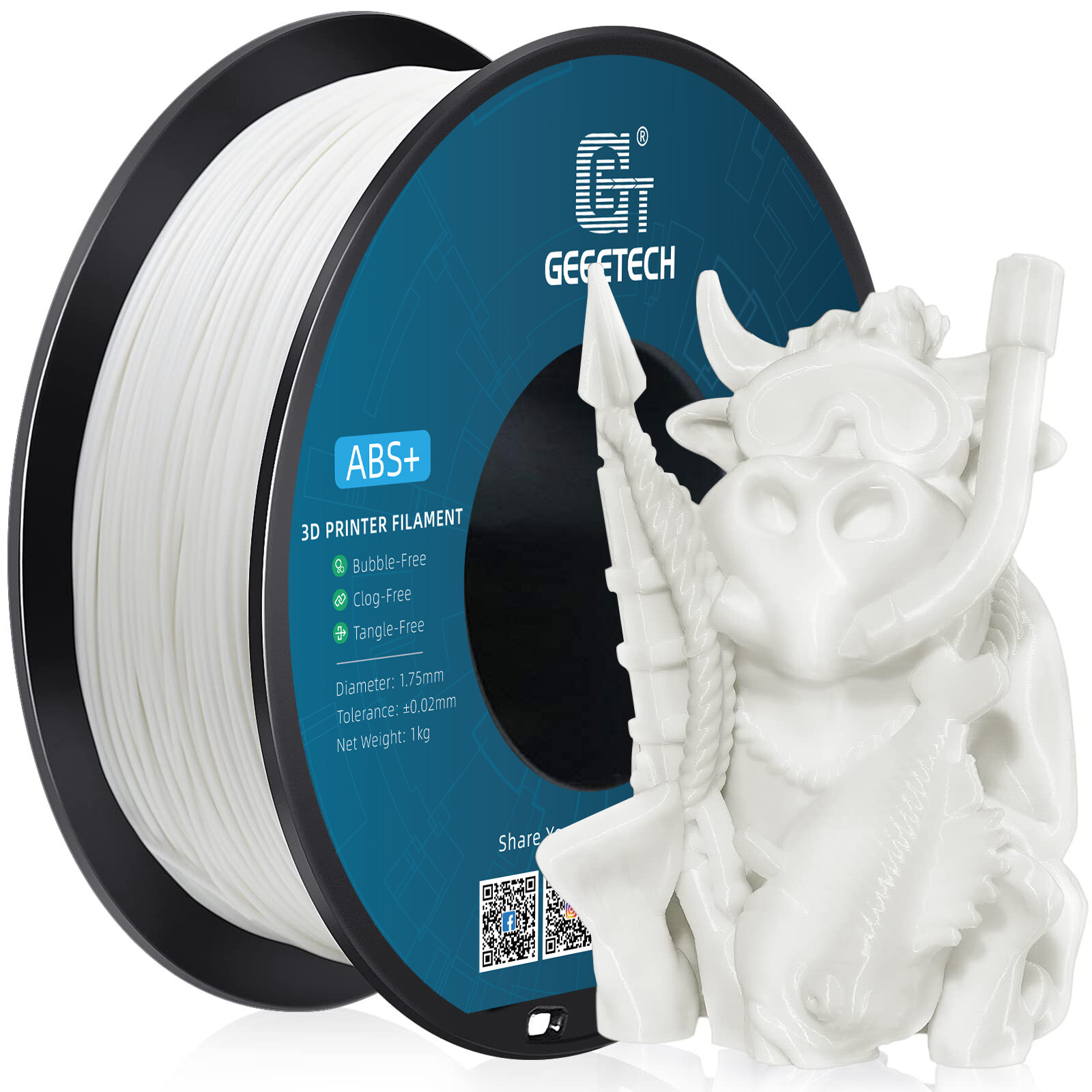 【Buy 5 Get 5 Free!Add 10】GEEETECH 1KG PLA PETG ABS+ TPU ASA 3D Printer Filament$23.74View on eBay
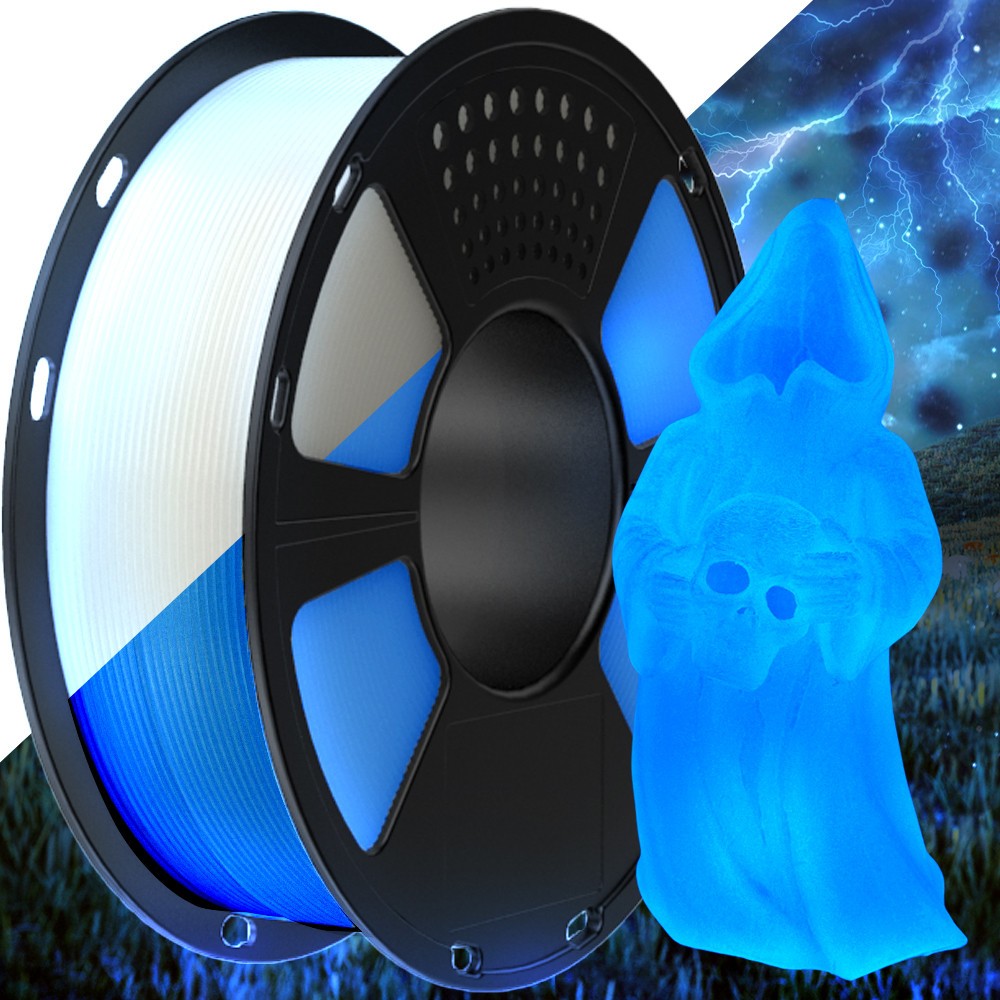 【Buy 5 Get 5 Free!Add 10】GEEETECH 1KG PLA ABS+ PETG TPU ASA 3D Printer Filament$27.99View on eBay
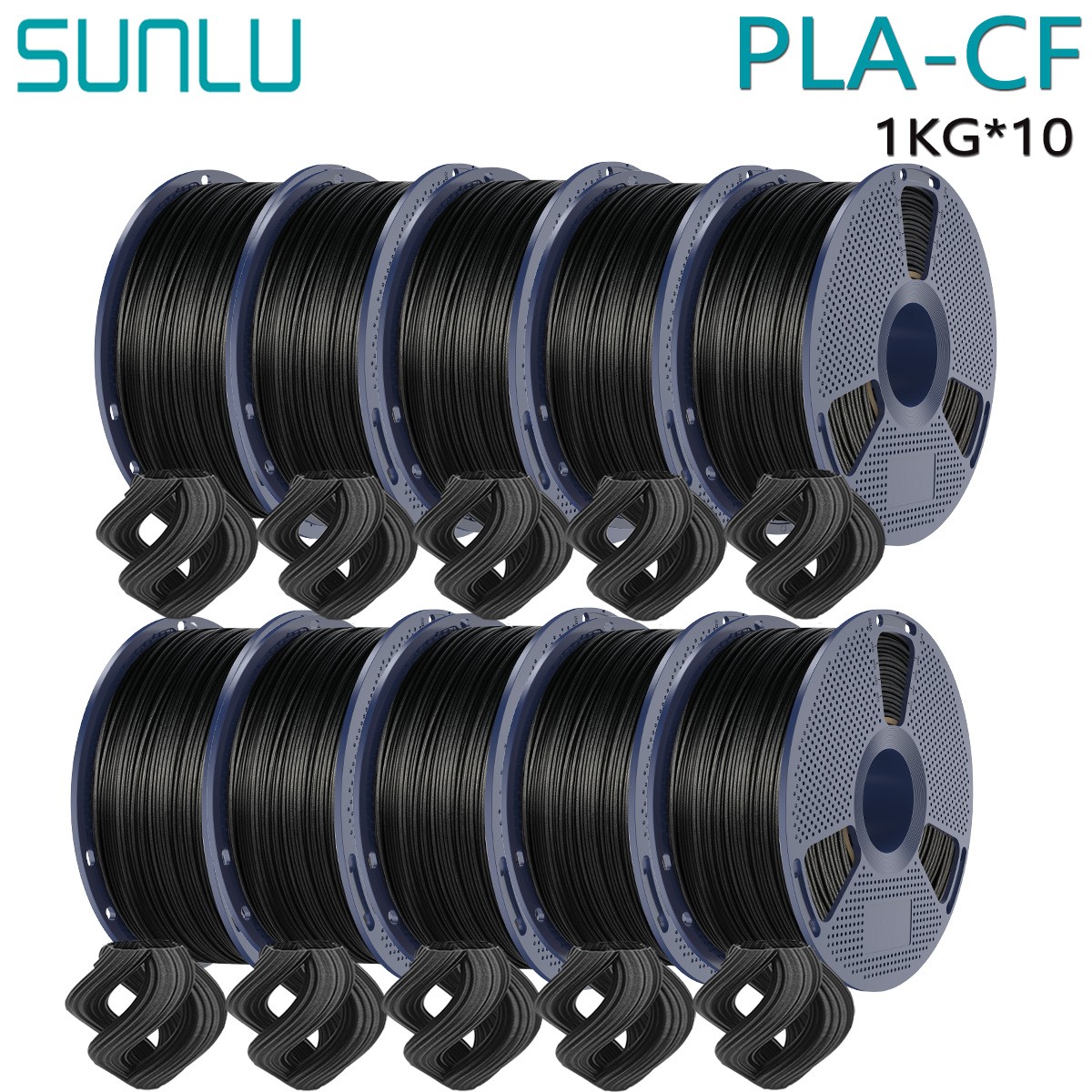 SUNLU 10KG PLA PLA+ ASA SILK PETG2.0 ABS 3D Printer Filament 1.75mm 1KG/Spool$232.69New · Last checked Nov 21, 2026View on eBay
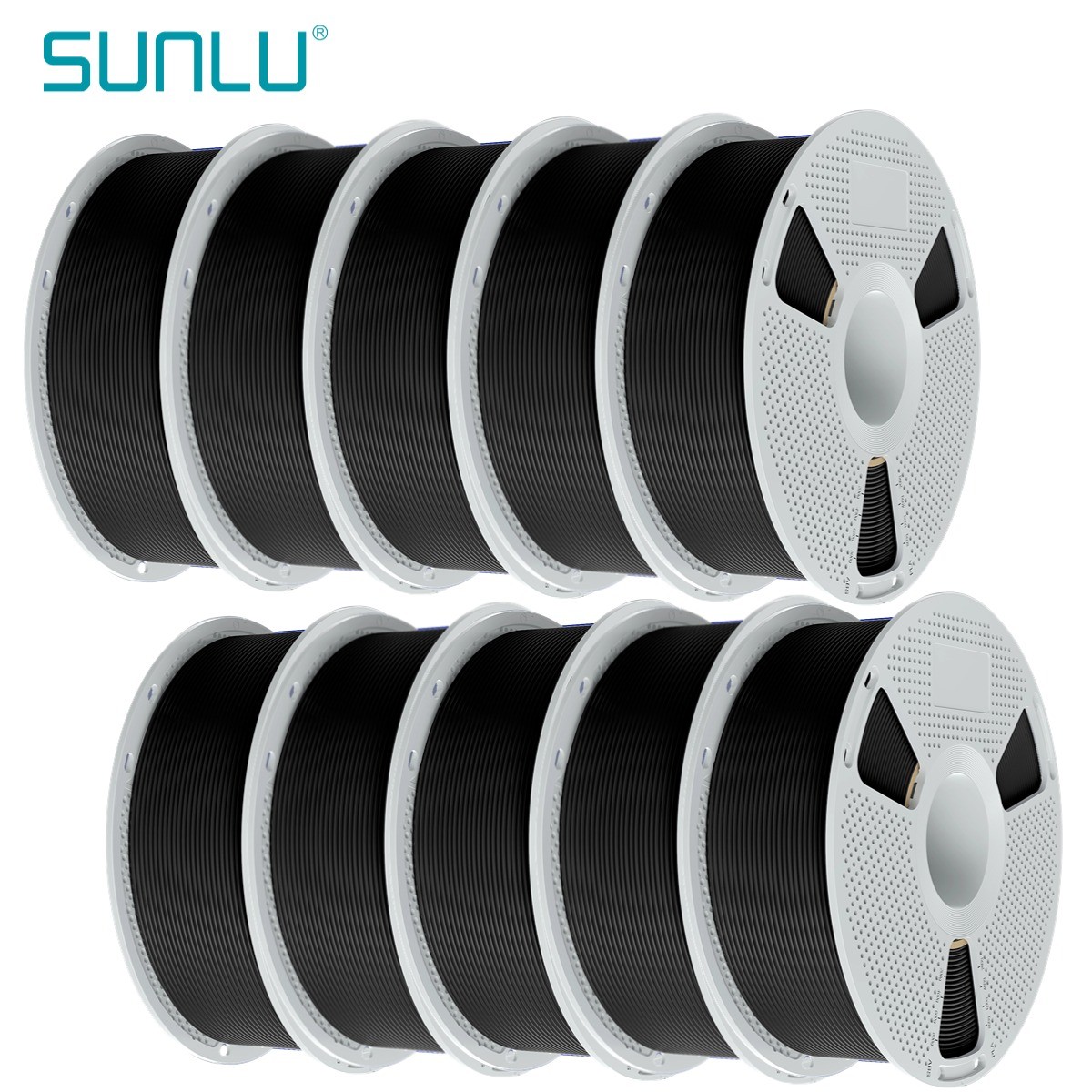 10×1KG SUNLU PLA Matte Meta PLA+ PETG SILK ABS TPU95A 1KG 3D Printer Filament$278.94New · Last checked Nov 21, 2026View on eBay
Highlights
- Polypropylene shrinks 1.5–2.5% linearly, far more than PLA (~0.2%) or PETG (~0.5%), so enclosure temperatures of 40–60°C and a 90–110°C bed are required for dimensional control.
- PP's surface energy (~29–31 dyn/cm) defeats standard glue stick and PEI; dedicated PP adhesion films, PP-based slurry, or PP tape are required for first-layer bonding.
- Mineral-filled and impact-copolymer PP grades reduce warp 30–50% versus homopolymer while retaining chemical resistance, making them the practical choice for functional parts.
- Print temperatures run 220–260°C nozzle, with part cooling near zero to 20% for layer bonding; excessive cooling causes delamination and warping in PP.
Best use cases
- Best fit: living hinges, chemical-resistant containers, and automotive under-hood prototypes — pick impact-copolymer or filled PP with an enclosure and PP-specific adhesion film.
- Best fit: large flat parts needing toughness and fatigue resistance — choose mineral-filled PP, 90–110°C bed, and a draft shield to control shrinkage.
- Wrong fit: open-frame printers without enclosure or PP adhesion interface — skip PP and use PETG or ASA for toughness with manageable warp.
- Wrong fit: high-detail miniature models or organic sculptures — skip PP (poor detail, stringing) and use PLA or resin instead.
Buying tips
- Match PP grade to part: homopolymer for max chemical resistance, impact copolymer for toughness and lower warp, mineral-filled for large flat parts with reduced shrinkage.
- Require a spool diameter and tolerance spec: 1.75 mm ±0.03 mm is standard; ±0.02 mm improves consistency for direct-drive extruders and small nozzles.
- Verify filament dryness: PP absorbs little moisture but ships with surface moisture; dry at 70–80°C for 4–6 hours before printing to prevent voids and poor layer bonding.
- Select bed adhesion consumables at purchase: PP-specific adhesion film or PP tape is mandatory; standard PEI, glue stick, and hairspray will not hold PP.
Specs
| Polymer Grade | Homopolymer / Copolymer / Filled |
|---|---|
| Nozzle Temp | 220–260°C |
| Bed Temp | 90–110°C + PP adhesion film |
| Linear Shrinkage | 1.5–2.5% (enclosure needed) |
Related searches
What to check before buying
- Confirm printer enclosure or heated chamber capability reaching 40–60°C ambient; open-frame printers will struggle with PP warp on parts larger than ~50 mm.
- Verify bed temperature capability of at least 100–110°C and a flat, rigid bed surface that accepts PP adhesion film or tape.
- Check hotend and extruder: all-metal hotend rated 250–260°C and a direct-drive or well-tensioned Bowden extruder for consistent 1.75 mm feed.
- Confirm nozzle diameter 0.4–0.6 mm and part cooling controllable to 0–20%; high-cooling fans must be adjustable or disabled.
FAQ
Data sources: eBay / Amazon listings and product attribute feeds. Updated Nov 24, 2026.
Some links on this page are affiliate links. If you buy after clicking one, we may earn a commission at no extra cost to you. This does not change which products appear here or their order. Affiliate disclosure.