
Photos from current listings. Actual item, color, and included accessories may vary.
PETG Filament Buying Guide
PETG filament is a glycol-modified PET copolyester that balances PLA's printability with ABS-level toughness and chemical resistance. The core trade-off is surface finish and stringing versus layer adhesion and impact strength; buy from brands that specify tight diameter tolerance (±0.02 mm) and low moisture uptake, and skip generic spools with vague 'plastic' specs.
Median $231.84 · New listings
Key takeaways
- PETG prints at 230–250 °C nozzle and 70–85 °C bed, with minimal warping and interlayer adhesion stronger than PLA.
- Diameter tolerance of ±0.02 mm or tighter separates reliable PETG from spools that jam or produce inconsistent extrusion.
- Carbon-fiber PETG (10–20% CF) raises stiffness and heat deflection but requires a hardened steel nozzle due to abrasiveness.
At a glance
- Category
- 3D Printing Filament & Resin
- Last updated
- Nov 24, 2026
Current offers
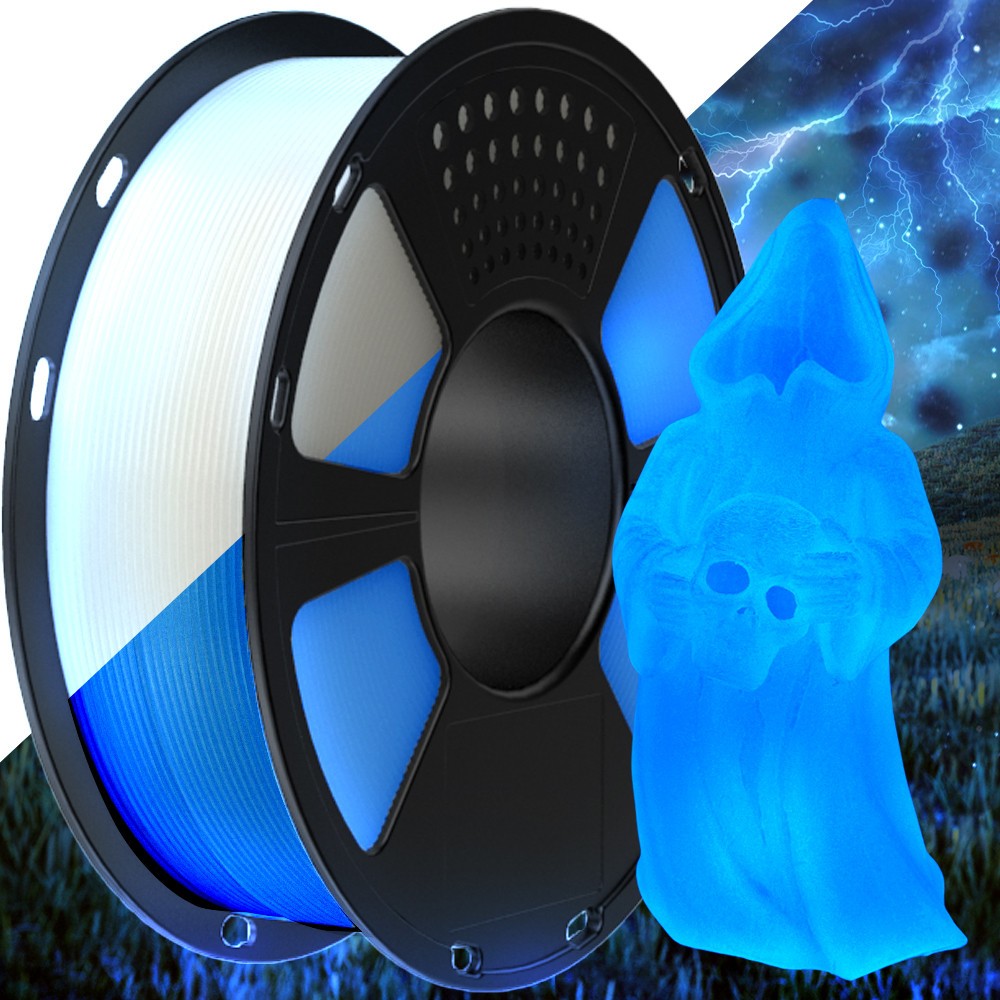 【Buy 5 Get 5 Free!Add 10】GEEETECH 1KG PLA ABS+ PETG TPU ASA 3D Printer Filament$27.99View on eBay
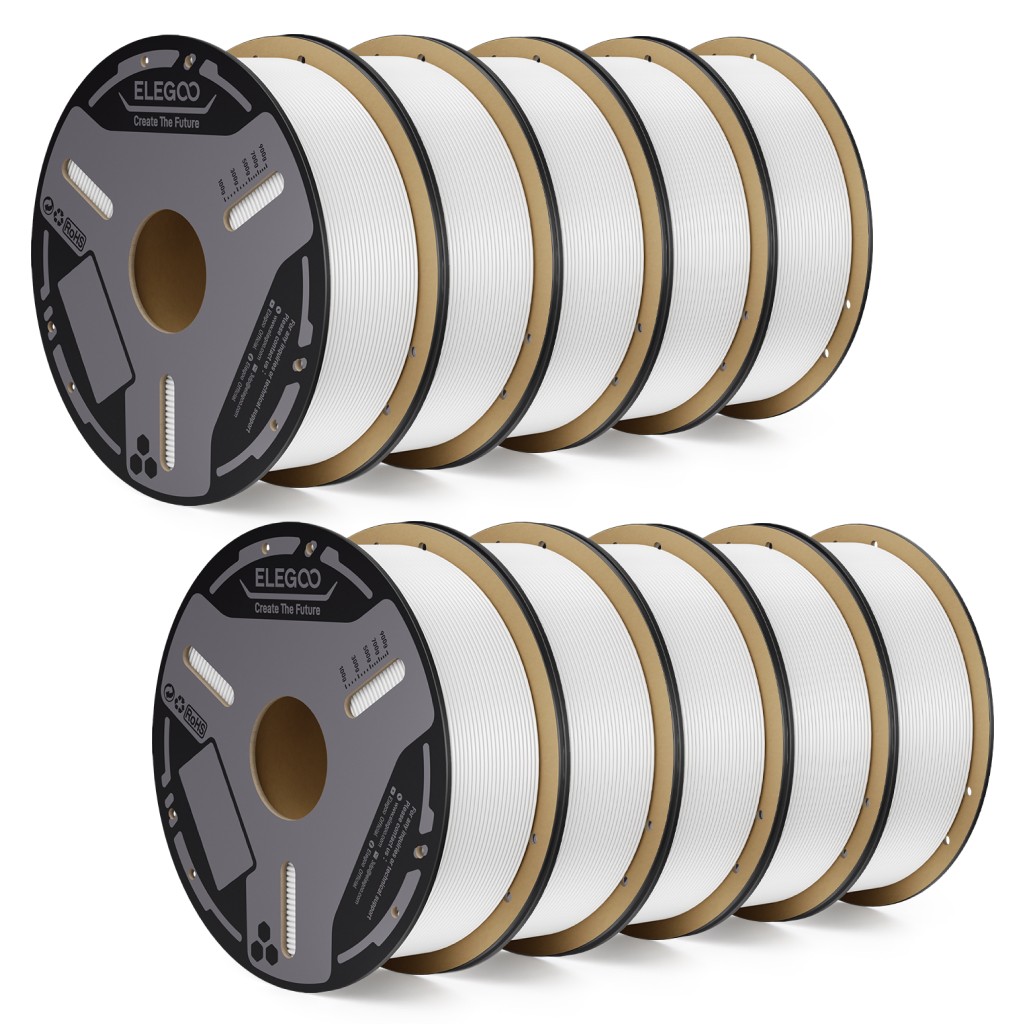 ELEGOO 10KG 3D Printer Filament PLA PETG Matte 1.75 mm FDM Bundle 1KG/Spool$209.00New · Last checked Nov 21, 2026View on eBay
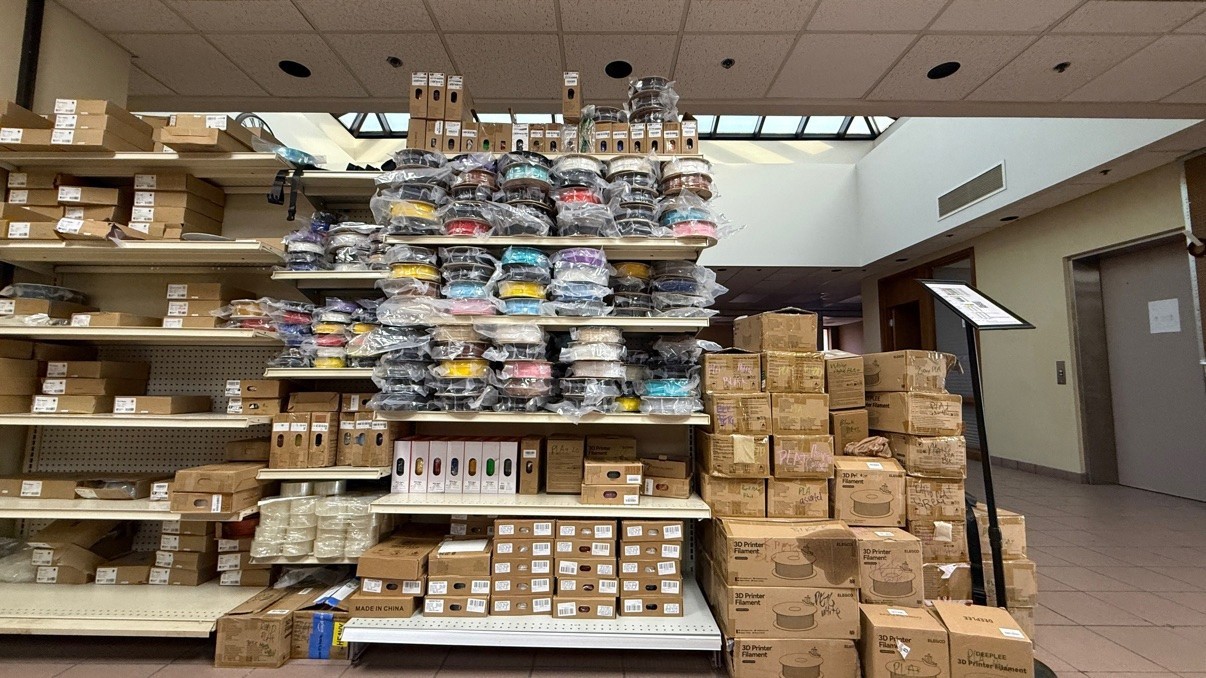 【Bulk Lot Deal】 Elegoo Filament 1.75mm 3D Printing PLA PETG ASA Filament Spools$231.84New · Last checked Nov 21, 2026View on eBay
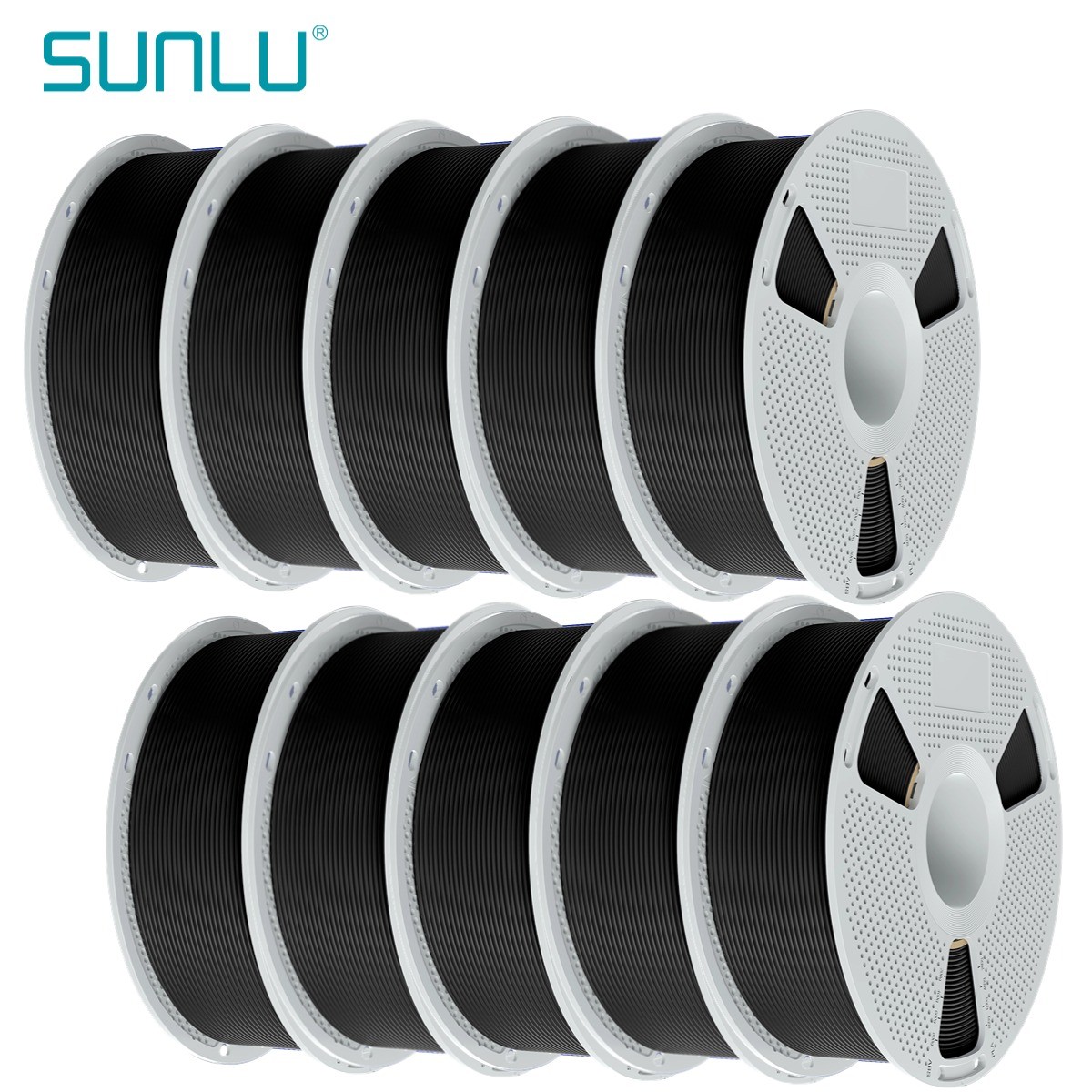 10×1KG SUNLU PLA Matte Meta PLA+ PETG SILK ABS TPU95A 1KG 3D Printer Filament$278.94New · Last checked Nov 21, 2026View on eBay
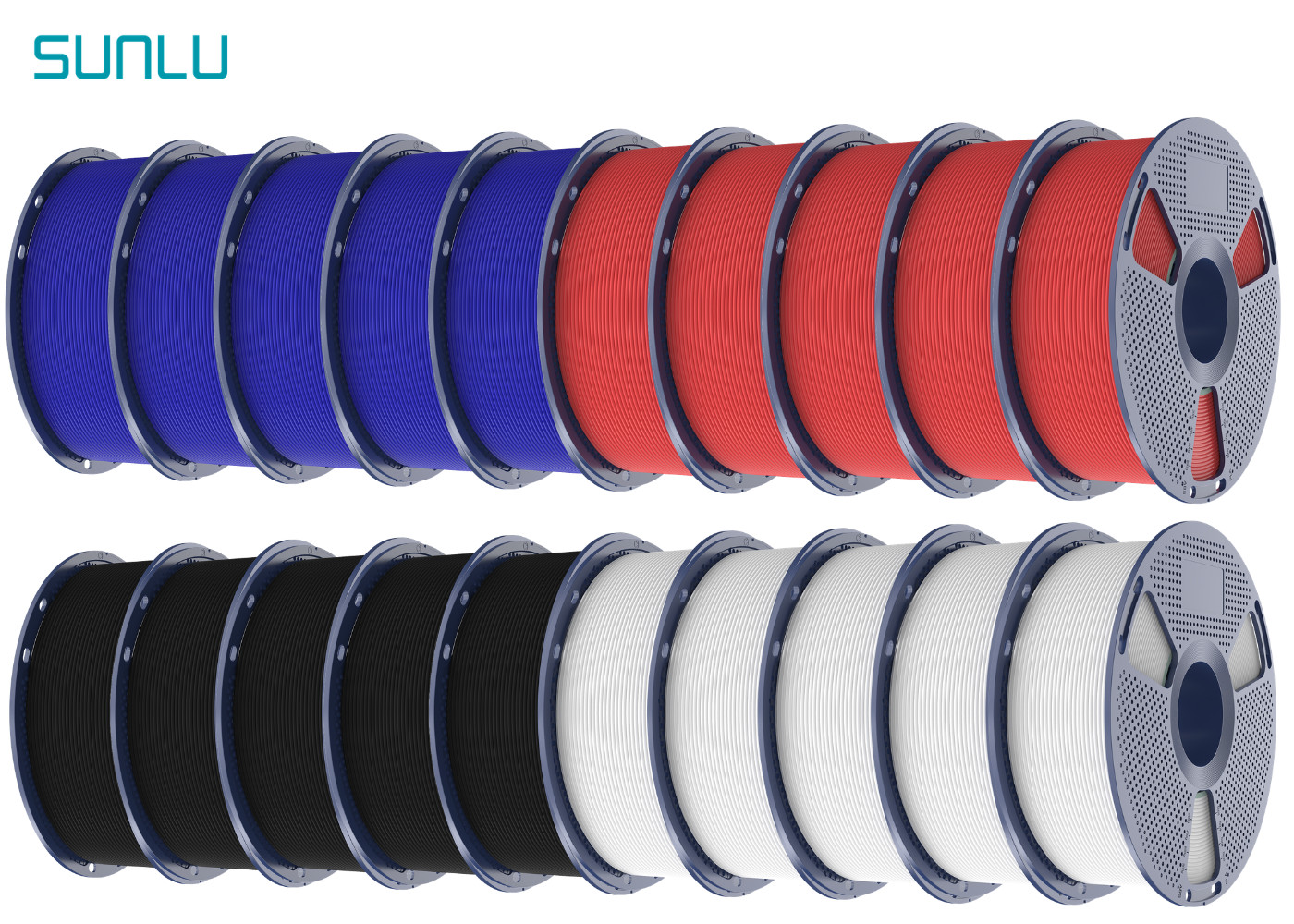 10KG/20KG SUNLU ASA PETG PLA PLA+2.0 PLA-Matte PLA-Meta SILK ABS Filament$348.21New · Last checked Nov 21, 2026View on eBay
Highlights
- PETG prints at 230–250 °C nozzle and 70–85 °C bed, with minimal warping and interlayer adhesion stronger than PLA.
- Diameter tolerance of ±0.02 mm or tighter separates reliable PETG from spools that jam or produce inconsistent extrusion.
- Carbon-fiber PETG (10–20% CF) raises stiffness and heat deflection but requires a hardened steel nozzle due to abrasiveness.
- PETG is hygroscopic; spools absorb moisture in humid rooms, causing popping, stringing, and weak parts unless dried at 65 °C for 4–6 hours.
Best use cases
- Best fit: functional brackets, enclosures, and outdoor parts — pick standard PETG at 1.75 mm with ±0.02 mm tolerance and a 1 kg spool.
- Best fit: rigid structural components needing higher stiffness — choose PETG-CF (15% carbon fiber) and swap to a hardened nozzle before printing.
- Wrong fit: display models needing crisp detail or easy support removal — use PLA instead, since PETG strings and bonds too aggressively to supports.
- Skip multicolor gradient PETG for mechanical parts unless you accept variable pigment loads; reserve it for decorative prints where color shift is the goal.
Buying tips
- Choose 1.75 mm diameter for all modern FDM printers; 2.85 mm only fits specific Bowden setups and is not cross-compatible.
- Verify ±0.02 mm tolerance and a spool net weight of 1 kg; underspecified 'plastic' listings often ship 0.8 kg or wider tolerance.
- For CF-reinforced PETG, confirm 10–20% fiber content and plan a hardened steel or ruby nozzle; brass wears out within a spool or two.
- Prefer vacuum-sealed spools with a desiccant pack; PETG printed wet loses up to half its impact strength and strings heavily.
Specs
| Filament Diameter | 1.75 mm (2.85 mm niche) |
|---|---|
| Print Temperature | Nozzle 230–250 °C / Bed 70–85 °C |
| Diameter Tolerance | ±0.02 mm or tighter |
| Reinforcement Type | Standard / 10–20% Carbon Fiber |
Related searches
What to check before buying
- Confirm your printer reaches 250 °C nozzle and 85 °C bed; PETG will not bond below 70 °C bed temperature.
- Measure spool hub bore (typically 32 mm) and outer diameter (200 mm) against your holder before buying a 1 kg spool.
- Check nozzle material: brass is fine for standard PETG, but CF-PETG requires hardened steel.
- Plan dry storage: a sealed box with silica gel or a filament dryer rated to 70 °C prevents moisture-induced print failures.
FAQ
Data sources: eBay / Amazon listings and product attribute feeds. Updated Nov 24, 2026.
Some links on this page are affiliate links. If you buy after clicking one, we may earn a commission at no extra cost to you. This does not change which products appear here or their order. Affiliate disclosure.