
Photos from current listings. Actual item, color, and included accessories may vary.
Filament Spool Buying Guide
A filament spool is the wound feed package that determines whether your 3D printer runs smoothly or jams, and the real trade-off is spool format and material grade versus bulk pricing. The decisive rule: buy 1 kg sealed spools in the material you have tuned for routine work, and move to 5–10 kg bulk spools only once a single material and profile are proven on your machine.
Median $231.84 · New listings
Key takeaways
- Standard desktop spools are 1 kg net filament on a 200 mm diameter hub with a 52–56 mm center hole; 5 kg and 10 kg bulk spools use wider hubs that exceed many stock spool holders.
- 1.75 mm filament is the desktop norm with roughly ±0.02–0.03 mm diameter tolerance; 2.85 mm stock survives only on specific Bowden machines and must be matched exactly.
- PLA, PETG, ABS, and PLA+ differ in print temperature, bed adhesion, and enclosure needs; PLA+ and PETG trade some rigidity for toughness and layer bonding.
At a glance
- Category
- 3D Printing Filament & Resin
- Last updated
- Nov 24, 2026
Current offers
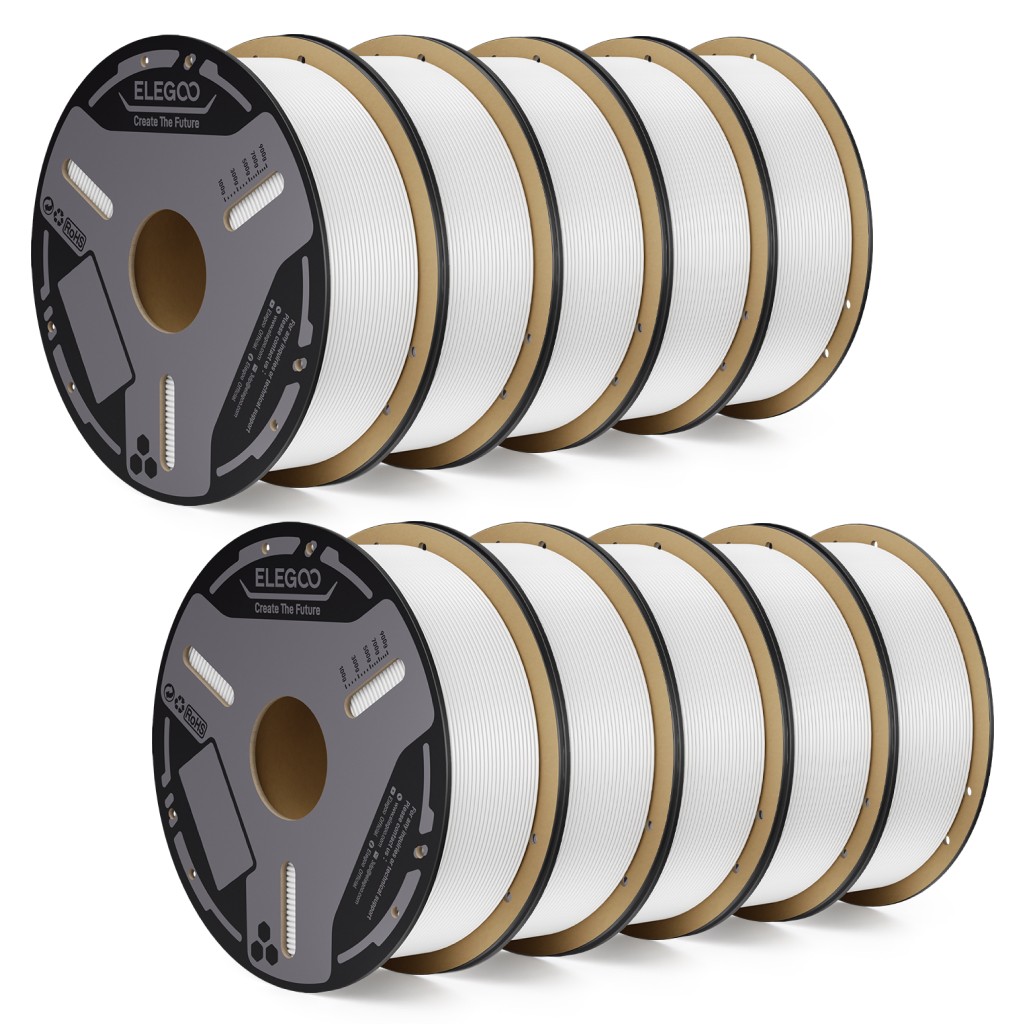 ELEGOO 10KG 3D Printer Filament PLA PETG Matte 1.75 mm FDM Bundle 1KG/Spool$209.00New · Last checked Nov 21, 2026View on eBay
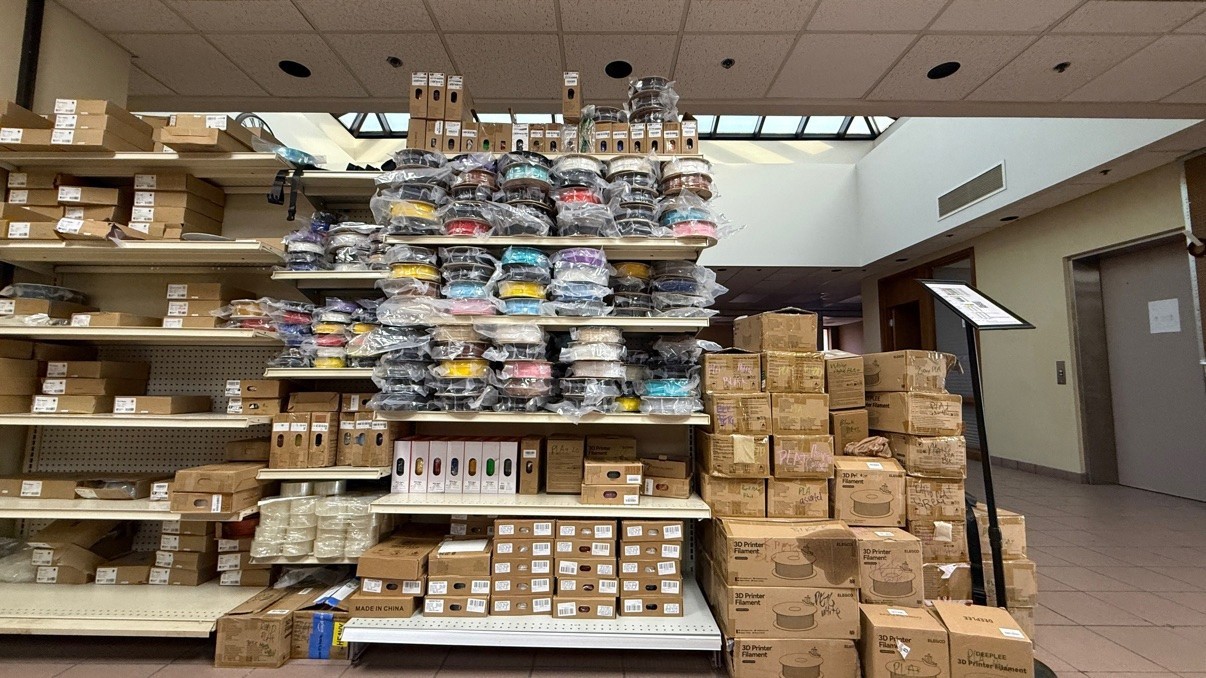 【Bulk Lot Deal】 Elegoo Filament 1.75mm 3D Printing PLA PETG ASA Filament Spools$231.84New · Last checked Nov 21, 2026View on eBay
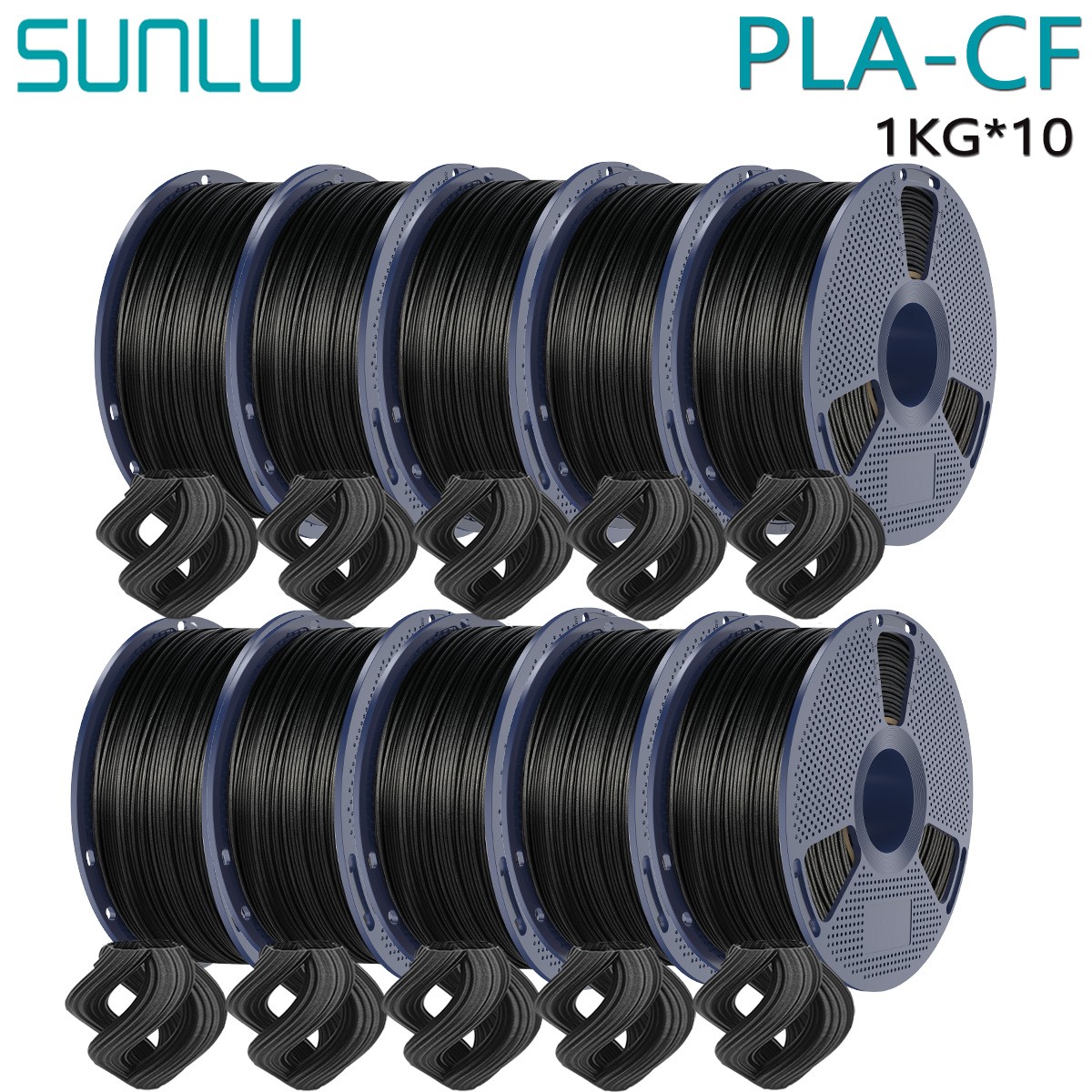 SUNLU 10KG PLA PLA+ ASA SILK PETG2.0 ABS 3D Printer Filament 1.75mm 1KG/Spool$232.69New · Last checked Nov 21, 2026View on eBay
Highlights
- Standard desktop spools are 1 kg net filament on a 200 mm diameter hub with a 52–56 mm center hole; 5 kg and 10 kg bulk spools use wider hubs that exceed many stock spool holders.
- 1.75 mm filament is the desktop norm with roughly ±0.02–0.03 mm diameter tolerance; 2.85 mm stock survives only on specific Bowden machines and must be matched exactly.
- PLA, PETG, ABS, and PLA+ differ in print temperature, bed adhesion, and enclosure needs; PLA+ and PETG trade some rigidity for toughness and layer bonding.
- Filament absorbs moisture; sealed vacuum bags with desiccant keep PLA and PETG printable, while wet spools cause popping, stringing, and weak layers.
Best use cases
- Choose 1 kg spools for a first printer or multi-material workflow: you can swap colors and grades without committing a large spool to one profile.
- Choose 5 kg or 10 kg bulk spools for production runs in a single proven material such as PLA+ or PETG, and plan an external spool holder with a wide hub.
- Skip silk and glitter PLA for structural or load-bearing parts; pick standard PLA, PLA+, or PETG when strength and dimensional accuracy matter more than gloss.
- Skip 2.85 mm filament unless your printer's hotend and extruder are explicitly specified for it; 1.75 mm is the safe default for current desktop machines.
Buying tips
- Match spool diameter to your holder: 1 kg spools fit standard 200 mm holders, while 5–10 kg spools need a holder or feeder that clears the wider hub and greater weight.
- Buy 1.75 mm ±0.02 mm tolerance filament for consistent extrusion; loose tolerance causes under- or over-extrusion that profile tuning cannot fully fix.
- Keep PLA and PETG spools sealed with desiccant until use and store opened spools in a dry box; moisture damage shows as popping and weak layer adhesion.
- For bulk 5–10 kg spools, confirm the spool edge and hub width fit your holder and that your printer's filament path can handle the added spool weight without binding.
Specs
| Filament Diameter | 1.75 mm standard / 2.85 mm specific |
|---|---|
| Spool Format | 1 kg standard / 5–10 kg bulk |
| Material Grade | PLA, PLA+, PETG, ABS, silk PLA |
| Hub Fit | 52–56 mm hub / 200 mm diameter |
Related searches
What to check before buying
- Measure your spool holder's hub width and maximum spool diameter before ordering any 5 kg or 10 kg spool.
- Confirm your printer's filament diameter specification: 1.75 mm for nearly all current desktop models, 2.85 mm only for specific machines.
- Check that your hotend and bed reach the material's range: PLA around 190–220 C, PETG around 230–250 C, ABS requiring an enclosure and higher bed temperature.
- Plan dry storage with sealed bags and desiccant for every opened spool, especially in humid rooms.
FAQ
Data sources: eBay / Amazon listings and product attribute feeds. Updated Nov 24, 2026.
Some links on this page are affiliate links. If you buy after clicking one, we may earn a commission at no extra cost to you. This does not change which products appear here or their order. Affiliate disclosure.