
Photos from current listings. Actual item, color, and included accessories may vary.
Asa Filament Buying Guide
ASA filament is an outdoor-grade styrenic copolymer that delivers ABS-like toughness with far better UV and weather resistance, making it the default choice for functional parts exposed to sunlight. The core trade-off is printability versus durability: ASA still warps and emits styrene VOCs, so an enclosed, heated printer and active filtration are non-negotiable for good results. The decision rule: buy ASA only if you have an enclosure and need long-term outdoor performance; otherwise PETG covers most indoor functional prints with far less hassle.
Median $232.27 · New listings
Key takeaways
- ASA is an acrylonitrile-styrene-acrylate copolymer: the acrylate rubber phase replaces ABS's butadiene, eliminating the double bonds that cause UV degradation and yellowing outdoors.
- Outdoor service life is typically 2-5+ years with minimal color shift and impact-strength retention, versus months for ABS and roughly a year for PETG in direct sun.
- Print profile mirrors ABS: 240-260 C nozzle, 90-110 C bed, enclosure air 40-60 C, and a cooling fan at 0-30% to limit warping and layer splitting.
At a glance
- Category
- 3D Printing Filament & Resin
- Last updated
- Nov 24, 2026
Current offers
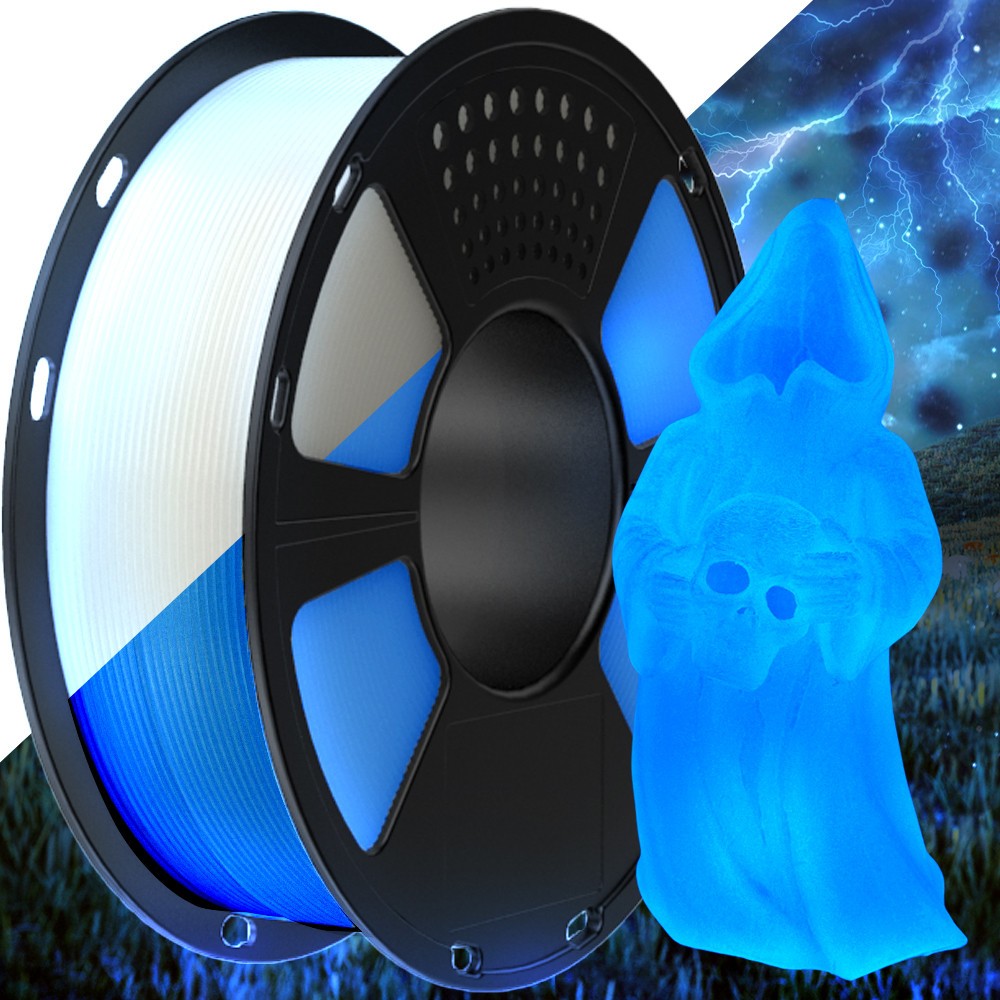 【Buy 5 Get 5 Free!Add 10】GEEETECH 1KG PLA ABS+ PETG TPU ASA 3D Printer Filament$27.99View on eBay
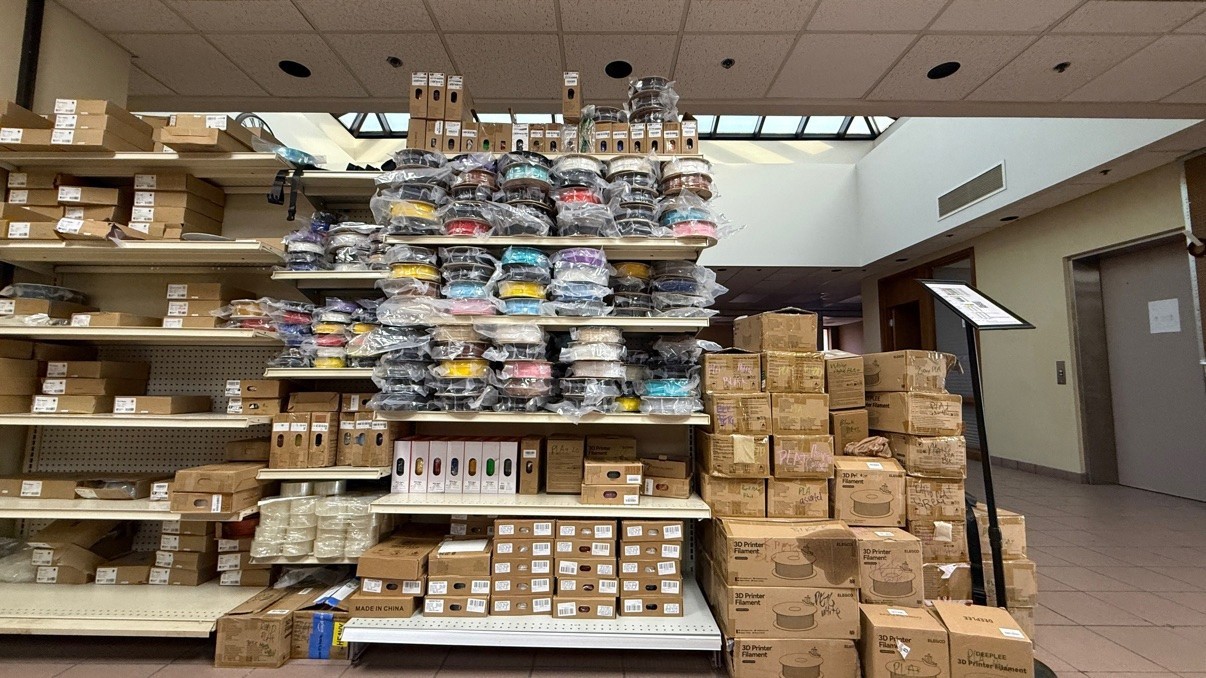 【Bulk Lot Deal】 Elegoo Filament 1.75mm 3D Printing PLA PETG ASA Filament Spools$231.84New · Last checked Nov 21, 2026View on eBay
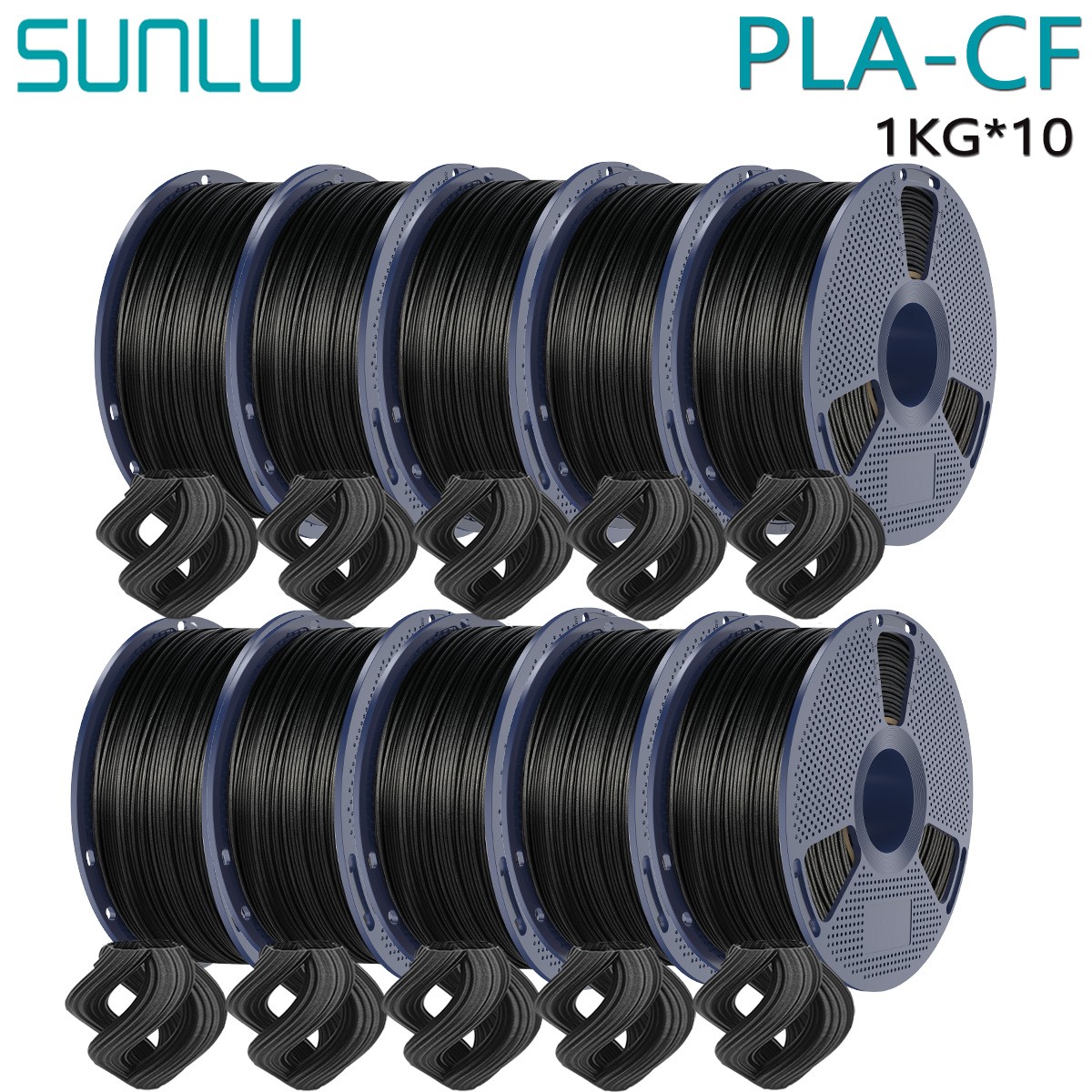 SUNLU 10KG PLA PLA+ ASA SILK PETG2.0 ABS 3D Printer Filament 1.75mm 1KG/Spool$232.69New · Last checked Nov 21, 2026View on eBay
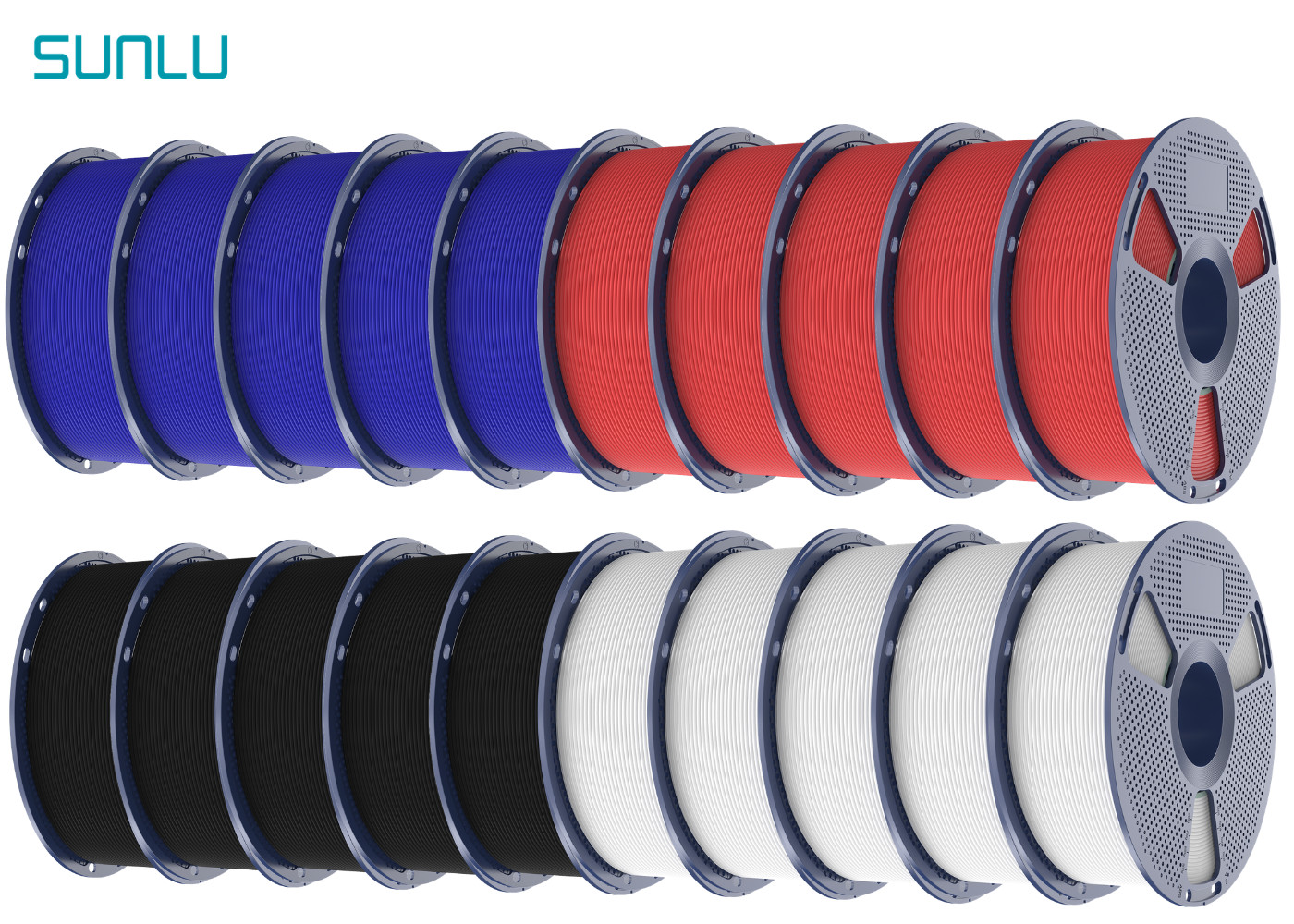 10KG/20KG SUNLU ASA PETG PLA PLA+2.0 PLA-Matte PLA-Meta SILK ABS Filament$348.21New · Last checked Nov 21, 2026View on eBay
Highlights
- ASA is an acrylonitrile-styrene-acrylate copolymer: the acrylate rubber phase replaces ABS's butadiene, eliminating the double bonds that cause UV degradation and yellowing outdoors.
- Outdoor service life is typically 2-5+ years with minimal color shift and impact-strength retention, versus months for ABS and roughly a year for PETG in direct sun.
- Print profile mirrors ABS: 240-260 C nozzle, 90-110 C bed, enclosure air 40-60 C, and a cooling fan at 0-30% to limit warping and layer splitting.
- Styrene emissions require ventilation or an activated-carbon/HEPA filter; ASA also needs a drying cycle (70-80 C for 4-6 h) because moisture causes bubbling and weak layers.
Best use cases
- Best fit: outdoor brackets, garden mounts, automotive trim and underhood-adjacent parts, drone frames, and signage — pick ASA when UV exposure and impact are both factors.
- Best fit: printers with a full enclosure and all-metal hotend running 250 C+ — ASA prints reliably there and matches ABS settings with slightly less odor.
- Wrong fit: open-frame bedslinger users without an enclosure — choose PETG instead, since ASA will warp, delaminate, and release styrene fumes into living space.
- Wrong fit: cosmetic indoor models or high-detail miniatures — use PLA or resin; ASA's warp tendency and matte surface are wasted on display pieces.
Buying tips
- Confirm 1.75 mm diameter with a tolerance of +/-0.02 mm or tighter; loose-tolerance spools cause inconsistent extrusion and jams on direct-drive setups.
- Buy only vacuum-sealed spools with a desiccant pack and a visible batch date; ASA absorbs moisture fast and wet filament prints foamy and weak.
- Prefer spools rated for 250-260 C printing with a listed glass-transition temperature near 100 C; unlisted or vague specs usually signal rebranded ABS blends.
- Match spool weight to your usage: 1 kg spools suit tuning and small runs; multi-kg spools reduce color-lot variation for large outdoor assemblies.
Specs
| Polymer Type | ASA copolymer (styrene-acrylate) |
|---|---|
| Nozzle / Bed Temp | 240-260 C / 90-110 C |
| UV / Weather Rating | 2-5+ yr outdoor, low yellowing |
| Enclosure Requirement | Required (40-60 C chamber) |
Related searches
What to check before buying
- Printer enclosure: confirm an enclosed chamber reaching 40-60 C ambient; open-frame printers will fail on parts taller than a few centimeters.
- Hotend and bed: verify all-metal hotend rated to 260 C+ and bed capable of 100 C+, plus a PEI or glass surface with adhesive for styrenics.
- Ventilation: place the printer near a window, ducted exhaust, or carbon/HEPA filtration; styrene odor and VOCs are the main health concern.
- Filament handling: have a dryer or sealed dry box ready; print ASA within days of opening or dry it before every long print.
FAQ
Data sources: eBay / Amazon listings and product attribute feeds. Updated Nov 24, 2026.
Some links on this page are affiliate links. If you buy after clicking one, we may earn a commission at no extra cost to you. This does not change which products appear here or their order. Affiliate disclosure.