
Photos from current listings. Actual item, color, and included accessories may vary.
ABS Resin Buying Guide
ABS resin for 3D printing refers to styrene-butadiene-acrylonitrile thermoplastics engineered as FDM filament or photopolymer resin, prized for impact toughness, heat resistance near 100°C, and post-processing with acetone vapor. The core trade-off is dimensional stability versus warp: standard ABS shrinks 0.6–1.2% and demands an enclosed, draft-free chamber, while ABS+ blends and resin formulations trade some heat tolerance for lower warpage. The decision rule: buy standard ABS only with a heated bed at 90–110°C, an enclosure, and part-cooling disabled; otherwise choose ABS+ filament or ABS-like resin for open-frame printers.
Median $255.82 · New listings
Key takeaways
- Standard ABS prints at 230–250°C nozzle and 90–110°C bed; below 90°C bed adhesion fails on large flat parts due to 0.6–1.2% shrinkage.
- ABS+ copolymer blends lower warp and print at 220–240°C with 80–100°C bed, but sacrifice roughly 10–15°C of heat deflection versus pure ABS.
- ABS-like photopolymer resin cures at 405nm with 8–12s layer exposure on mono LCD; it mimics ABS toughness but is not acetone-weldable and degrades under UV.
At a glance
- Category
- 3D Printing Filament & Resin
- Last updated
- Nov 24, 2026
Current offers
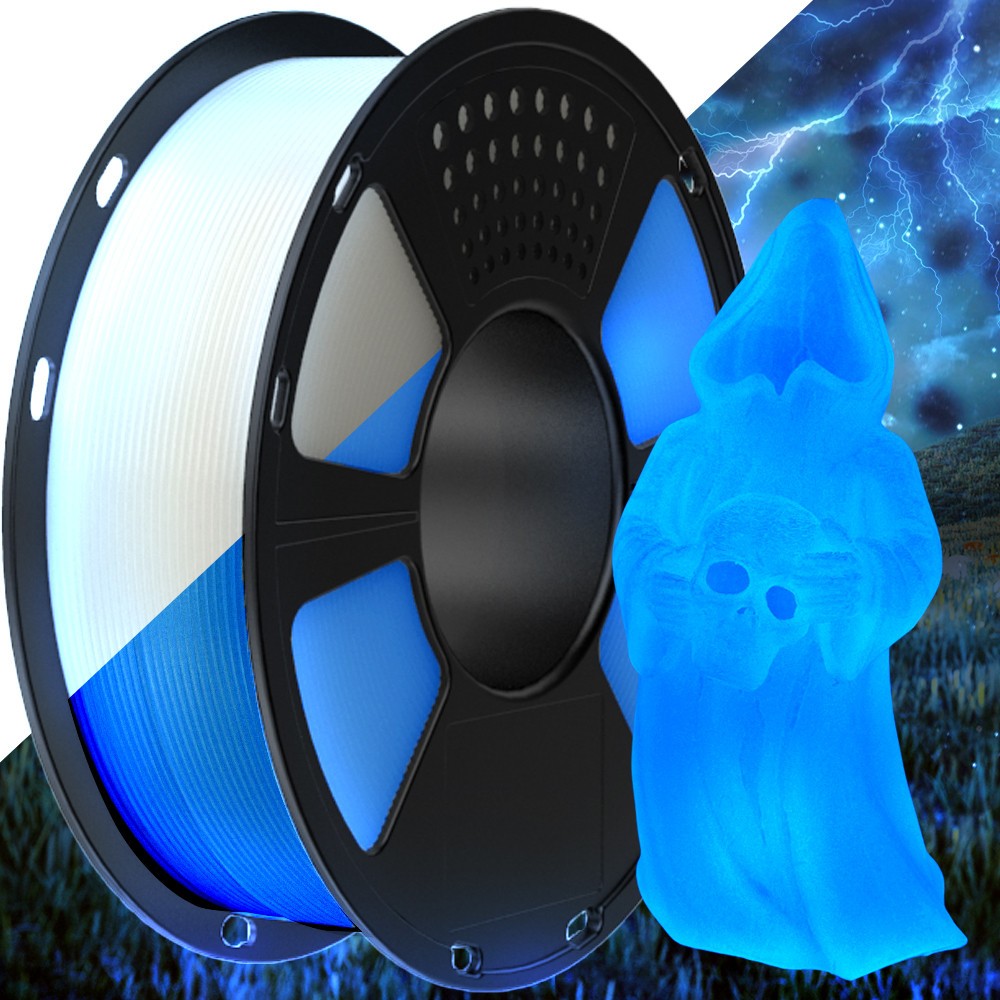 【Buy 5 Get 5 Free!Add 10】GEEETECH 1KG PLA ABS+ PETG TPU ASA 3D Printer Filament$27.99View on eBay
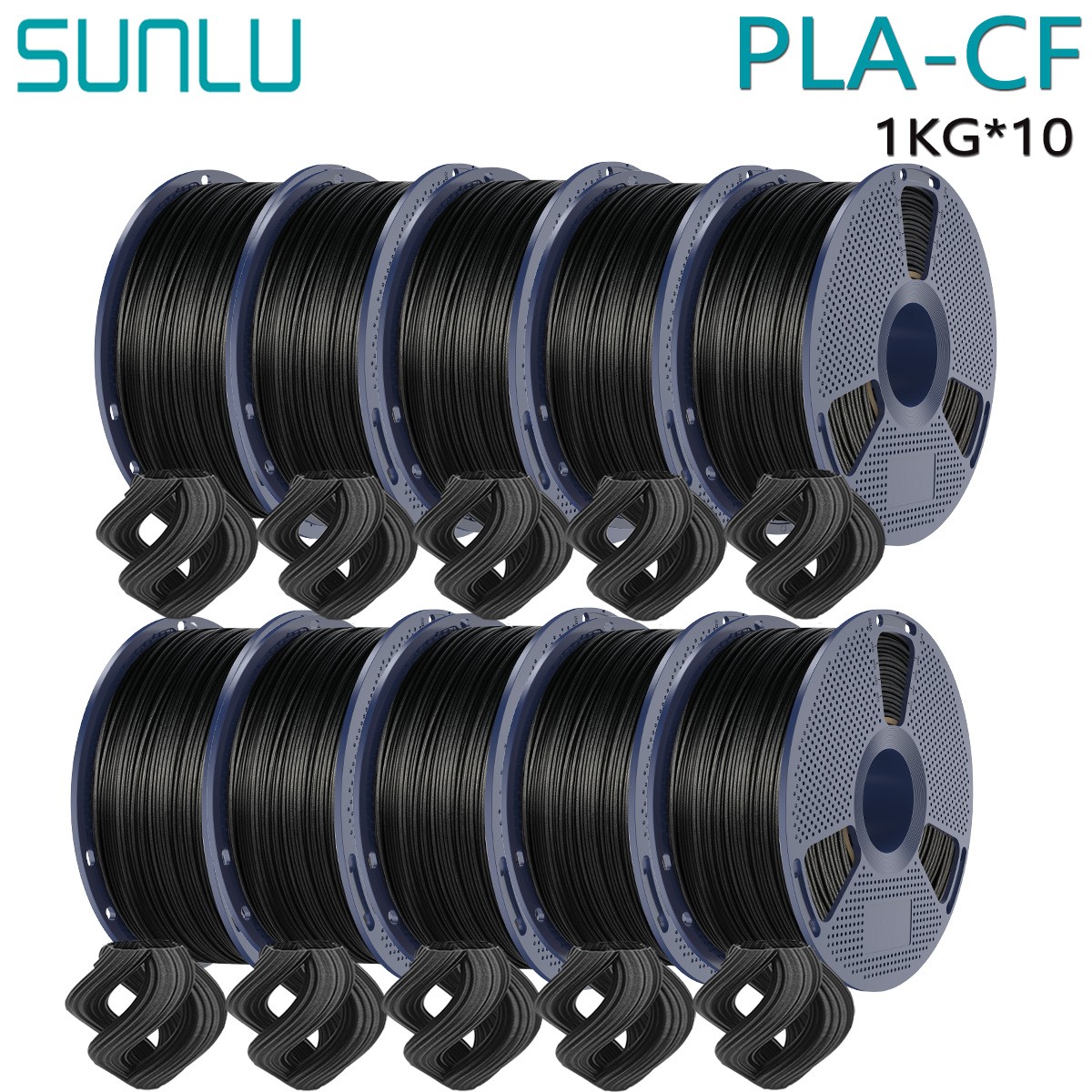 SUNLU 10KG PLA PLA+ ASA SILK PETG2.0 ABS 3D Printer Filament 1.75mm 1KG/Spool$232.69New · Last checked Nov 21, 2026View on eBay
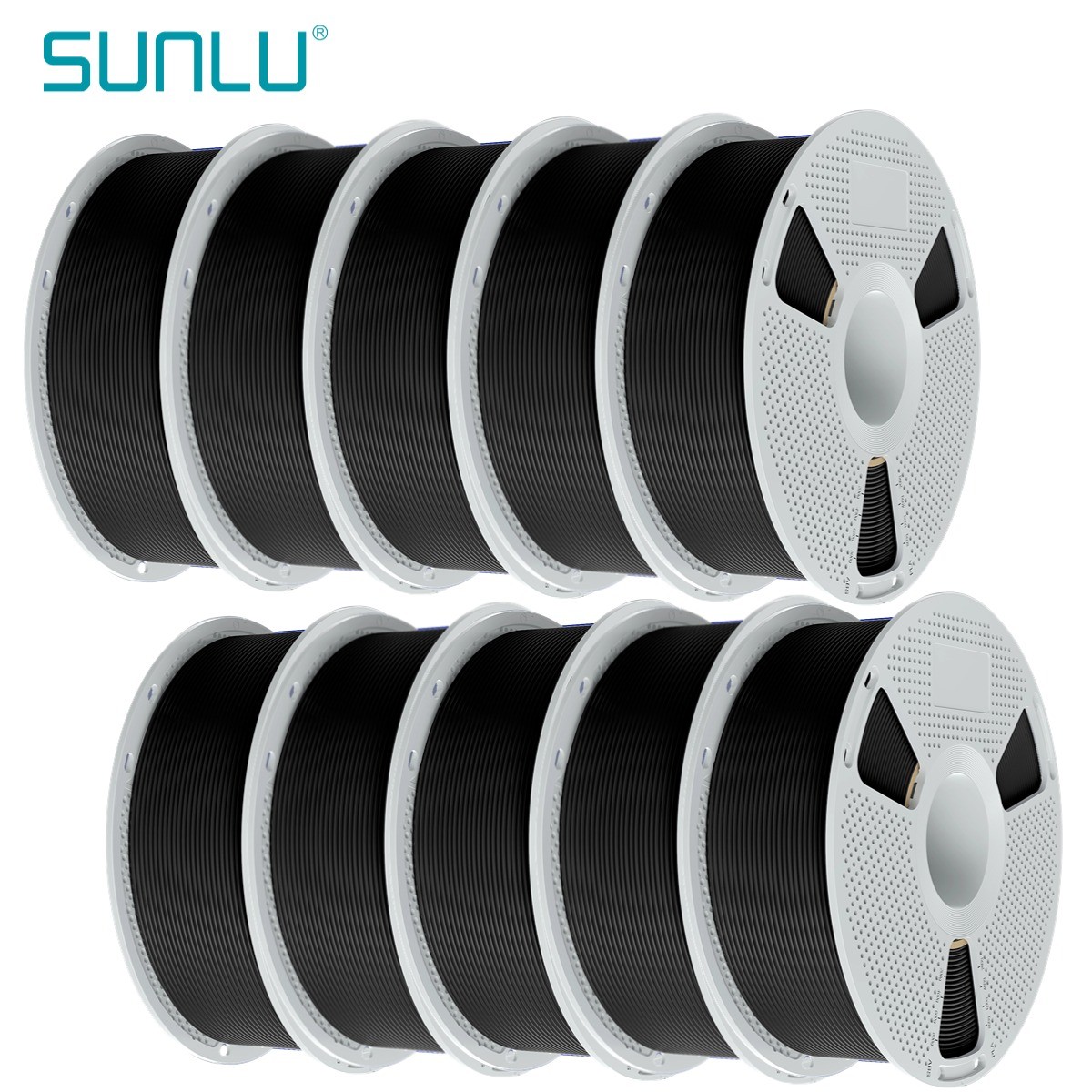 10×1KG SUNLU PLA Matte Meta PLA+ PETG SILK ABS TPU95A 1KG 3D Printer Filament$278.94New · Last checked Nov 21, 2026View on eBay
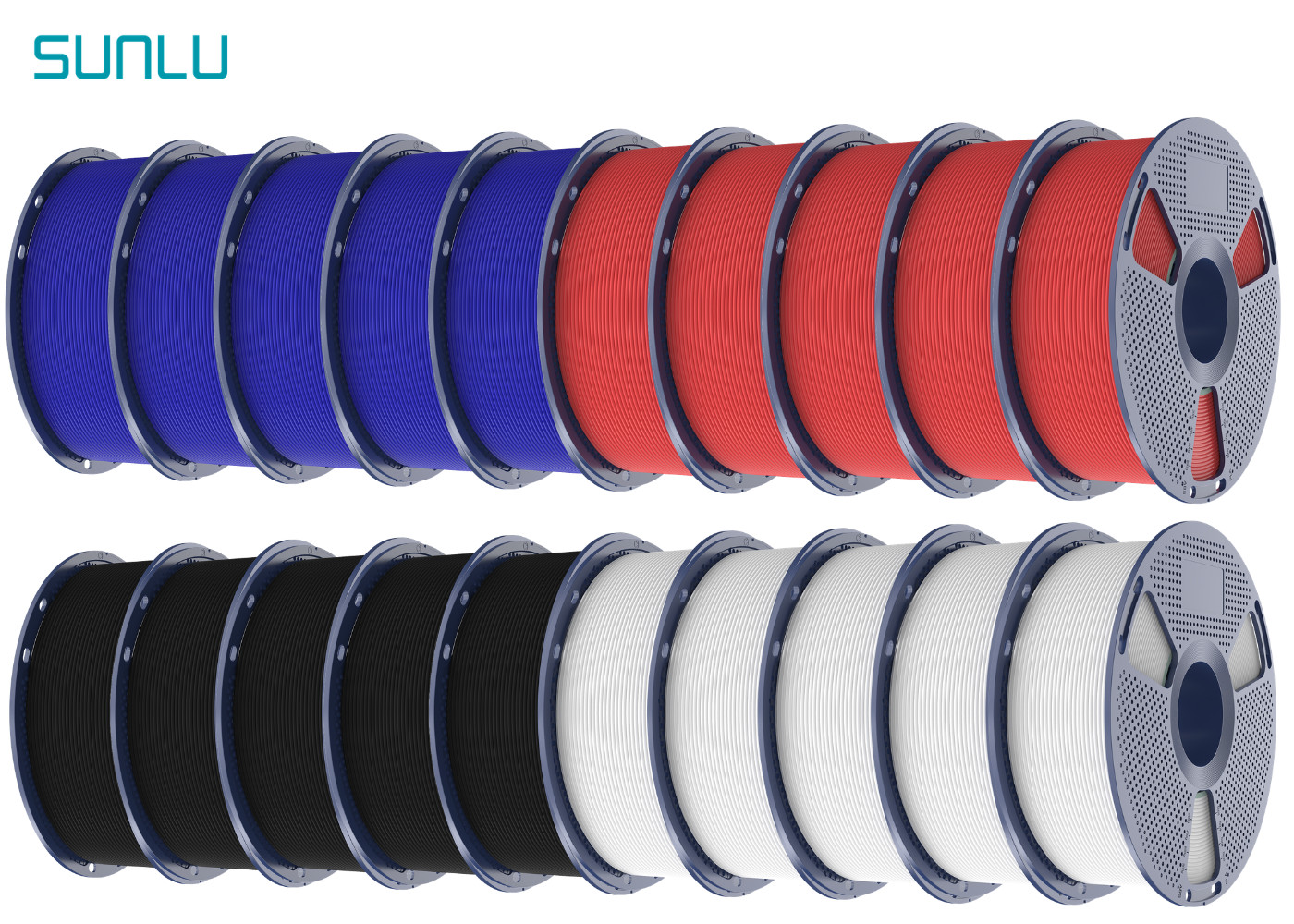 10KG/20KG SUNLU ASA PETG PLA PLA+2.0 PLA-Matte PLA-Meta SILK ABS Filament$348.21New · Last checked Nov 21, 2026View on eBay
Highlights
- Standard ABS prints at 230–250°C nozzle and 90–110°C bed; below 90°C bed adhesion fails on large flat parts due to 0.6–1.2% shrinkage.
- ABS+ copolymer blends lower warp and print at 220–240°C with 80–100°C bed, but sacrifice roughly 10–15°C of heat deflection versus pure ABS.
- ABS-like photopolymer resin cures at 405nm with 8–12s layer exposure on mono LCD; it mimics ABS toughness but is not acetone-weldable and degrades under UV.
- Acetone vapor smoothing works only on styrenic ABS filament; it dissolves surface layers in 5–15 minutes and will not smooth ABS+ blends with high polycarbonate or TPU content.
Best use cases
- Pick enclosed FDM with standard ABS for automotive interior brackets and ducting that must survive 90–100°C underhood-adjacent heat; skip open-frame printers and large flat panels.
- Choose ABS+ filament on open or semi-enclosed printers for cosmetic enclosures and functional prototypes where minor heat-tolerance loss is acceptable; do not use it for vapor smoothing.
- Select ABS-like resin on masked-SLA/LCD printers for miniature impact-resistant parts and snap fits; skip it for outdoor UV-exposed parts or solvent-welded assemblies.
- Skip ABS entirely for food-contact, outdoor long-term UV exposure, and children's items; use PETG or ASA for those applications instead.
Buying tips
- Match spool diameter to your printer: 1.75mm filament is the consumer standard, while 2.85mm suits Ultimaker-style bowden systems; do not mix diameters.
- Require filament dried to below 0.2% moisture; ABS hydrolyzes at 250°C, causing bubbles and weak layer bonding, so buy sealed spools with desiccant and dry at 70–80°C for 4–6 hours.
- For resin, confirm your LCD cures at 405nm and that the bottle states ABS-like elongation above 20%; standard hard resins are brittle and shatter on snap fits.
- Check bed surface compatibility: ABS bonds aggressively to PEI and BuildTak at 100°C; use glue stick as a release agent on PEI to prevent tearing the sheet.
Specs
| Form | FDM filament vs 405nm resin |
|---|---|
| Nozzle Temp | 230–250°C (ABS) / 220–240°C (ABS+) |
| Bed Temp | 90–110°C standard / 80–100°C ABS+ |
| Warp/Shrink | 0.6–1.2% (ABS) / lower (ABS+) |
Related searches
What to check before buying
- Measure your printer's max bed and chamber temperature; standard ABS needs a 100°C-capable heated bed and an enclosure holding 40–50°C ambient.
- Confirm room ventilation or an activated-carbon/HEPA filter; ABS emits styrene and ultrafine particles (UFP) during printing and must not be run in unventilated bedrooms.
- Verify nozzle and hotend can sustain 250°C continuously; PTFE-lined hotends degrade above 240–250°C, so all-metal hotends are required for standard ABS.
- For resin, check printer LCD resolution and light source wattage; ABS-like resin needs adequate exposure energy, and low-power printers require longer layer times that reduce throughput.
FAQ
Data sources: eBay / Amazon listings and product attribute feeds. Updated Nov 24, 2026.
Some links on this page are affiliate links. If you buy after clicking one, we may earn a commission at no extra cost to you. This does not change which products appear here or their order. Affiliate disclosure.