
Photos from current listings. Actual item, color, and included accessories may vary.
ABS Filament Buying Guide
ABS filament is a styrene-based engineering plastic that offers high impact resistance, heat tolerance, and post-processing with acetone, but it warps heavily during printing and emits VOCs. The core trade-off is between cheap commodity ABS with inconsistent diameter and high-grade ABS+ or ASA blends that add impact modifiers for better layer adhesion and reduced warping. Choose ABS only if you have an enclosed printer and active ventilation; otherwise step up to ASA for UV stability or down to PETG for easier printing.
Median $255.82 · New listings
Key takeaways
- Standard ABS shrinks 0.4–1.0% linearly during cooling, so enclosure temperatures of 40–60°C and a heated bed at 90–110°C are mandatory to prevent delamination.
- ABS+ blends add elastomers and styrene-butadiene modifiers that improve interlayer strength and reduce warp by roughly 20–30% versus generic ABS, but slightly lower the glass transition temperature.
- ASA is an acrylic-styrene-acrylonitrile alternative with nearly identical mechanical properties to ABS but 10–20× better UV resistance, making it the correct pick for outdoor parts.
At a glance
- Category
- 3D Printing Filament & Resin
- Last updated
- Nov 24, 2026
Current offers
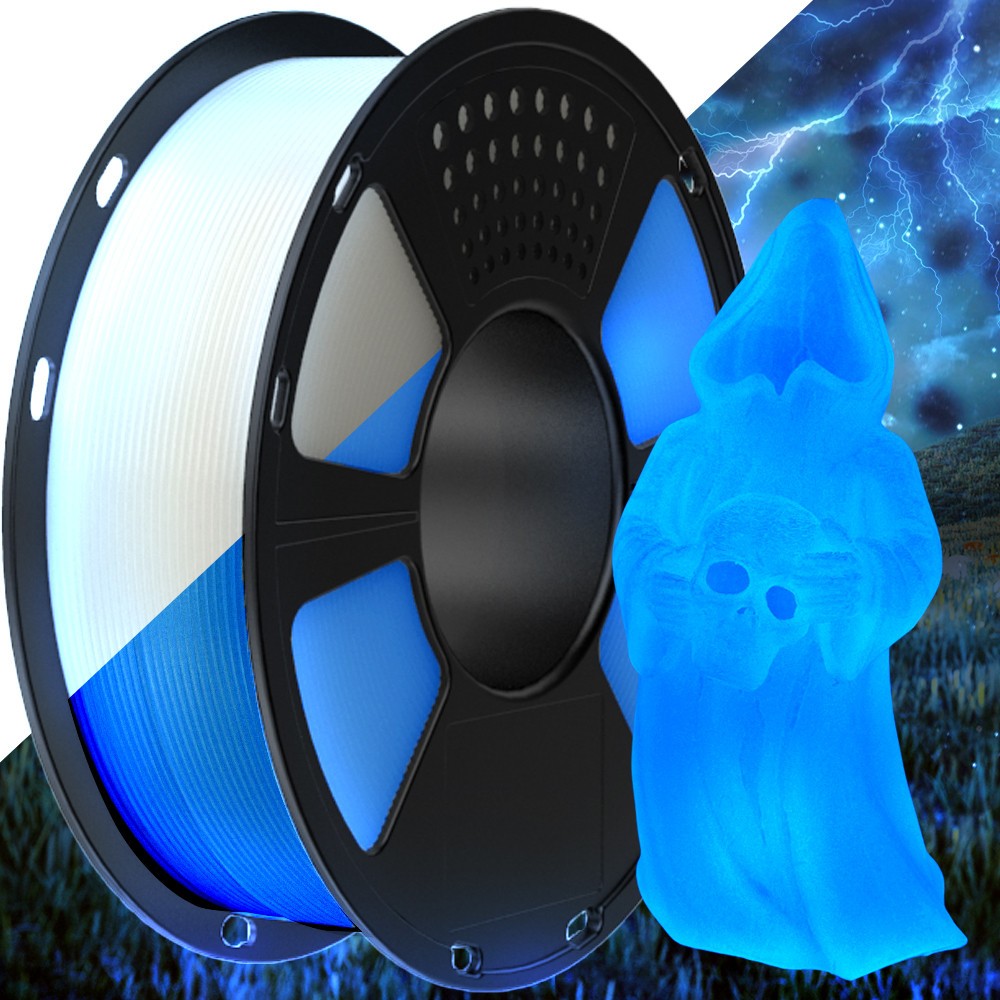 【Buy 5 Get 5 Free!Add 10】GEEETECH 1KG PLA ABS+ PETG TPU ASA 3D Printer Filament$27.99View on eBay
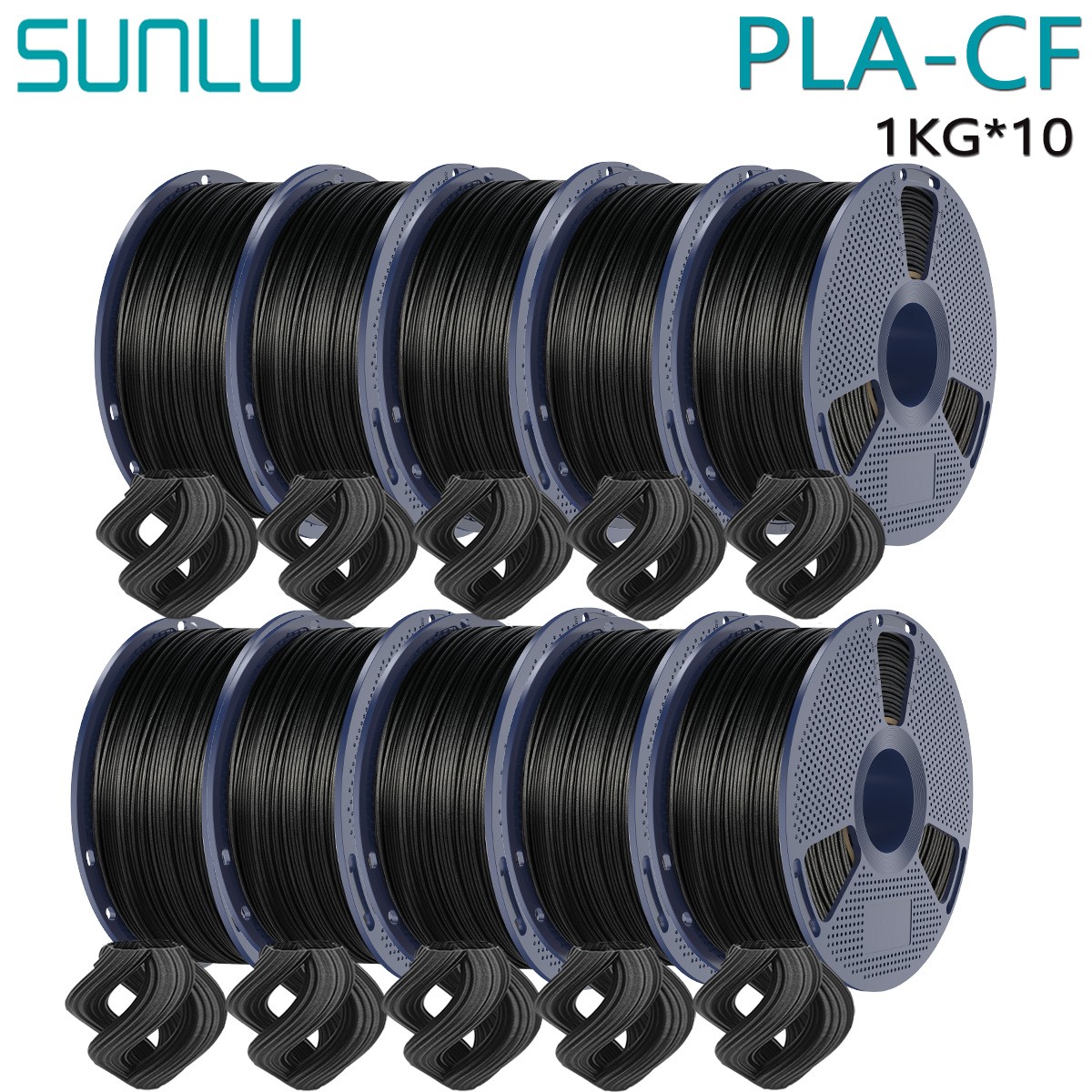 SUNLU 10KG PLA PLA+ ASA SILK PETG2.0 ABS 3D Printer Filament 1.75mm 1KG/Spool$232.69New · Last checked Nov 21, 2026View on eBay
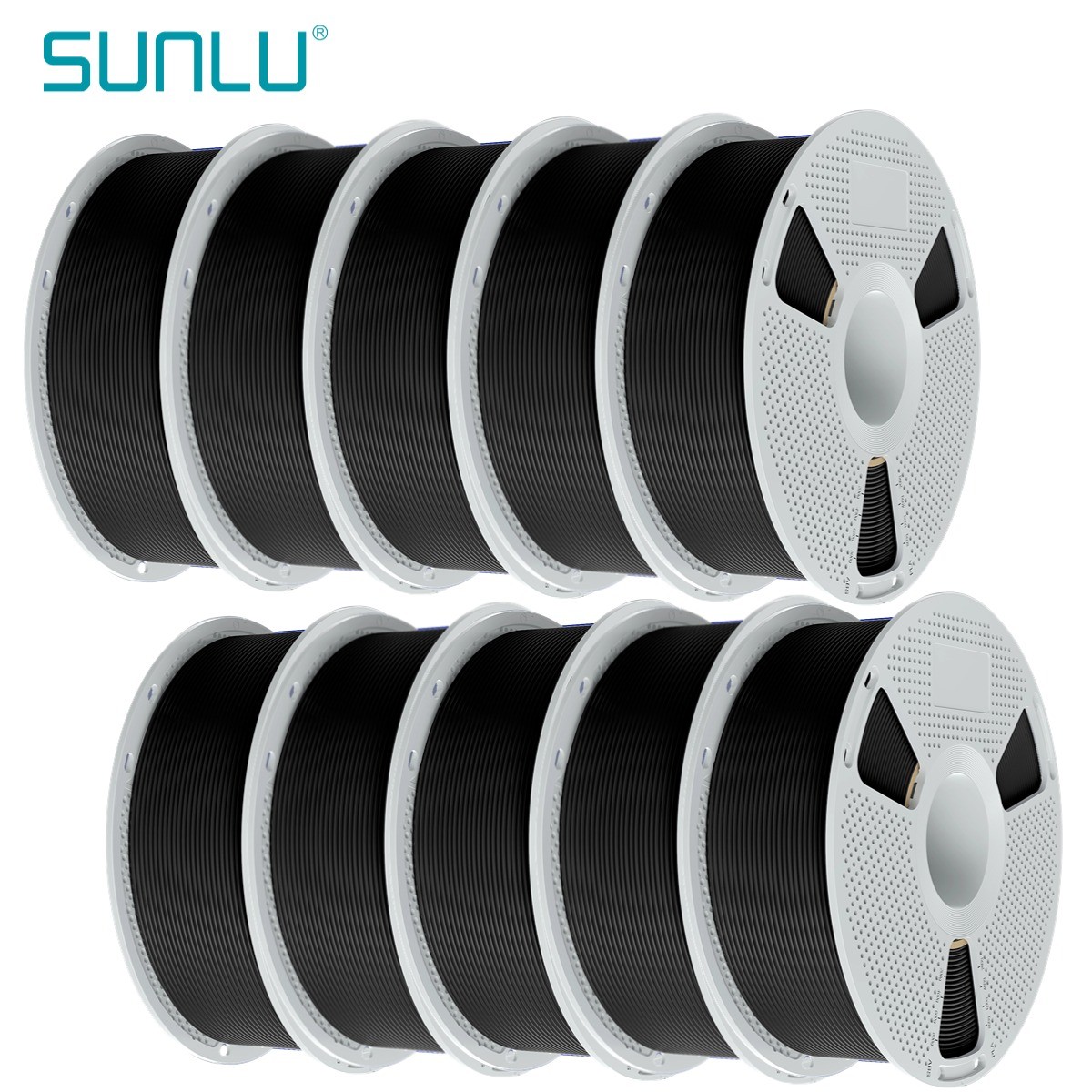 10×1KG SUNLU PLA Matte Meta PLA+ PETG SILK ABS TPU95A 1KG 3D Printer Filament$278.94New · Last checked Nov 21, 2026View on eBay
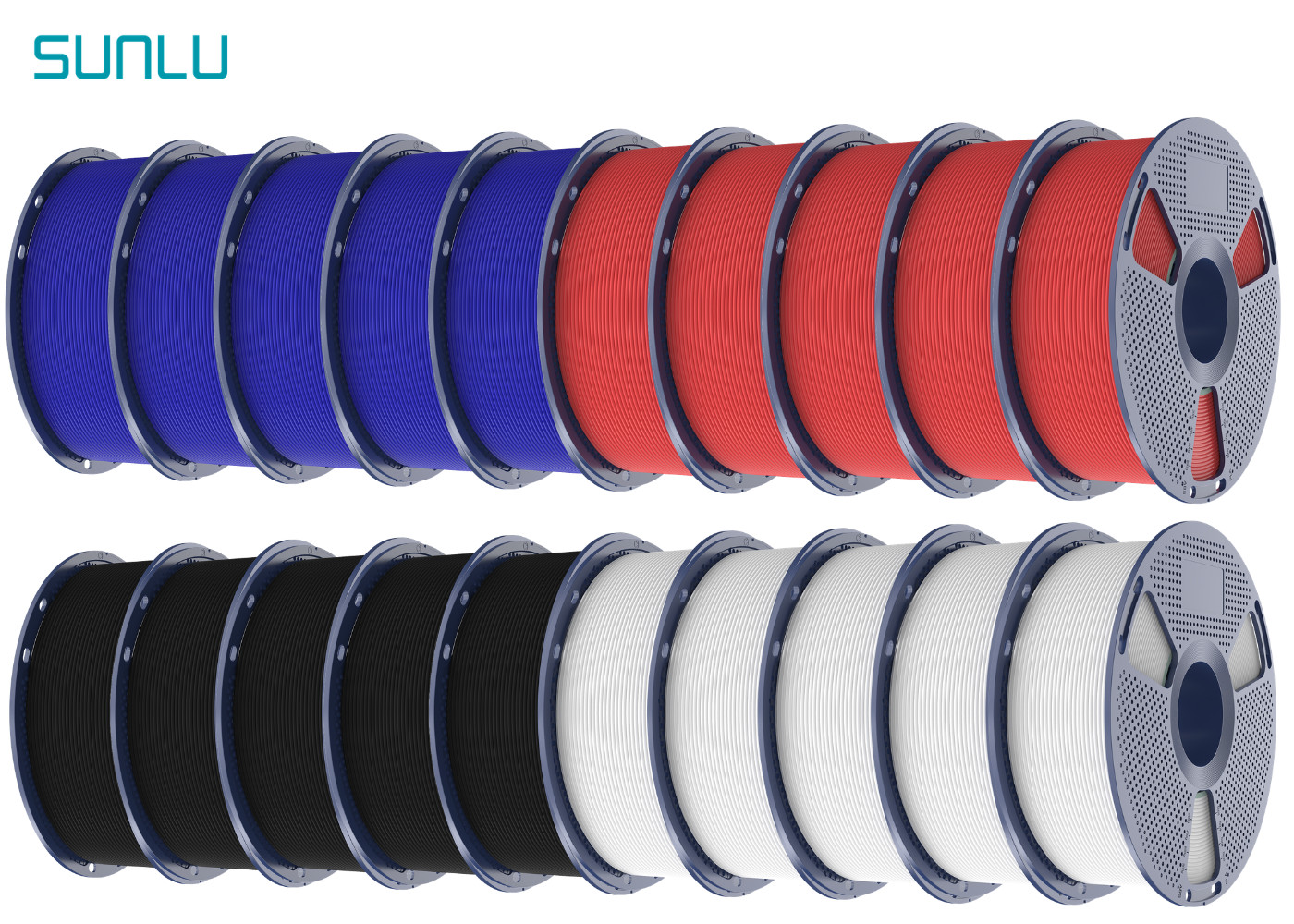 10KG/20KG SUNLU ASA PETG PLA PLA+2.0 PLA-Matte PLA-Meta SILK ABS Filament$348.21New · Last checked Nov 21, 2026View on eBay
Highlights
- Standard ABS shrinks 0.4–1.0% linearly during cooling, so enclosure temperatures of 40–60°C and a heated bed at 90–110°C are mandatory to prevent delamination.
- ABS+ blends add elastomers and styrene-butadiene modifiers that improve interlayer strength and reduce warp by roughly 20–30% versus generic ABS, but slightly lower the glass transition temperature.
- ASA is an acrylic-styrene-acrylonitrile alternative with nearly identical mechanical properties to ABS but 10–20× better UV resistance, making it the correct pick for outdoor parts.
- Filament diameter tolerance determines print consistency: premium ABS holds ±0.02 mm, while budget spools often drift ±0.05 mm or worse, causing under-extrusion and jams in direct-drive extruders.
Best use cases
- Best fit: functional mechanical parts, tool holders, and automotive interior brackets — choose ABS+ on an enclosed printer with a HEPA/carbon filter; skip open-frame printers entirely.
- Best fit: outdoor or UV-exposed parts — switch to ASA instead of ABS, since standard ABS yellows and embrittles within months of sunlight exposure.
- Wrong fit: large flat cosmetic prints or thin-walled models — ABS warp risk is highest on broad, flat geometry; use PETG or PLA instead unless you have a heated chamber.
- Wrong fit: shared living spaces or bedrooms — ABS emits styrene and ultra-fine particles during printing; only print in a garage, workshop, or room with active fume extraction.
Buying tips
- Buy 1.75 mm diameter for all modern desktop printers; 2.85 mm is reserved for older Ultimaker-style bowden systems and will not feed reliably in most current extruders.
- Select spools rated ±0.02–0.03 mm tolerance and vacuum-sealed with desiccant; ABS absorbs moisture quickly, causing popping, stringing, and weak layers.
- For engineering strength, choose ABS+ or ASA blends over generic ABS; they trade a few degrees of heat resistance for markedly better layer adhesion and less warping.
- Verify the spool hub diameter and outer diameter fit your holder: standard 1 kg spools are 200 mm outer diameter with a 54–76 mm hub, but some budget brands use non-standard hubs that bind on holder rollers.
Specs
| Filament Diameter | 1.75 mm (2.85 mm legacy) |
|---|---|
| Nozzle Temp Range | 230–250°C |
| Bed Temp Range | 90–110°C |
| Diameter Tolerance | ±0.02–0.05 mm |
Related searches
What to check before buying
- Confirm your printer has an enclosure or you can build one; ambient drafts below 25°C or open-frame setups will cause ABS parts to crack and delaminate.
- Verify your bed reaches at least 100°C and your hotend reaches 260°C; ABS typically prints at 230–250°C nozzle and 90–110°C bed.
- Check ventilation: plan for an activated-carbon HEPA filter or ducted exhaust, since ABS fumes and styrene emissions require active management.
- Measure your spool holder clearance: 1 kg ABS spools are typically 200 mm diameter and 65–70 mm wide, and some dry-box setups need a roller upgrade for heavier spools.
FAQ
Data sources: eBay / Amazon listings and product attribute feeds. Updated Nov 24, 2026.
Some links on this page are affiliate links. If you buy after clicking one, we may earn a commission at no extra cost to you. This does not change which products appear here or their order. Affiliate disclosure.