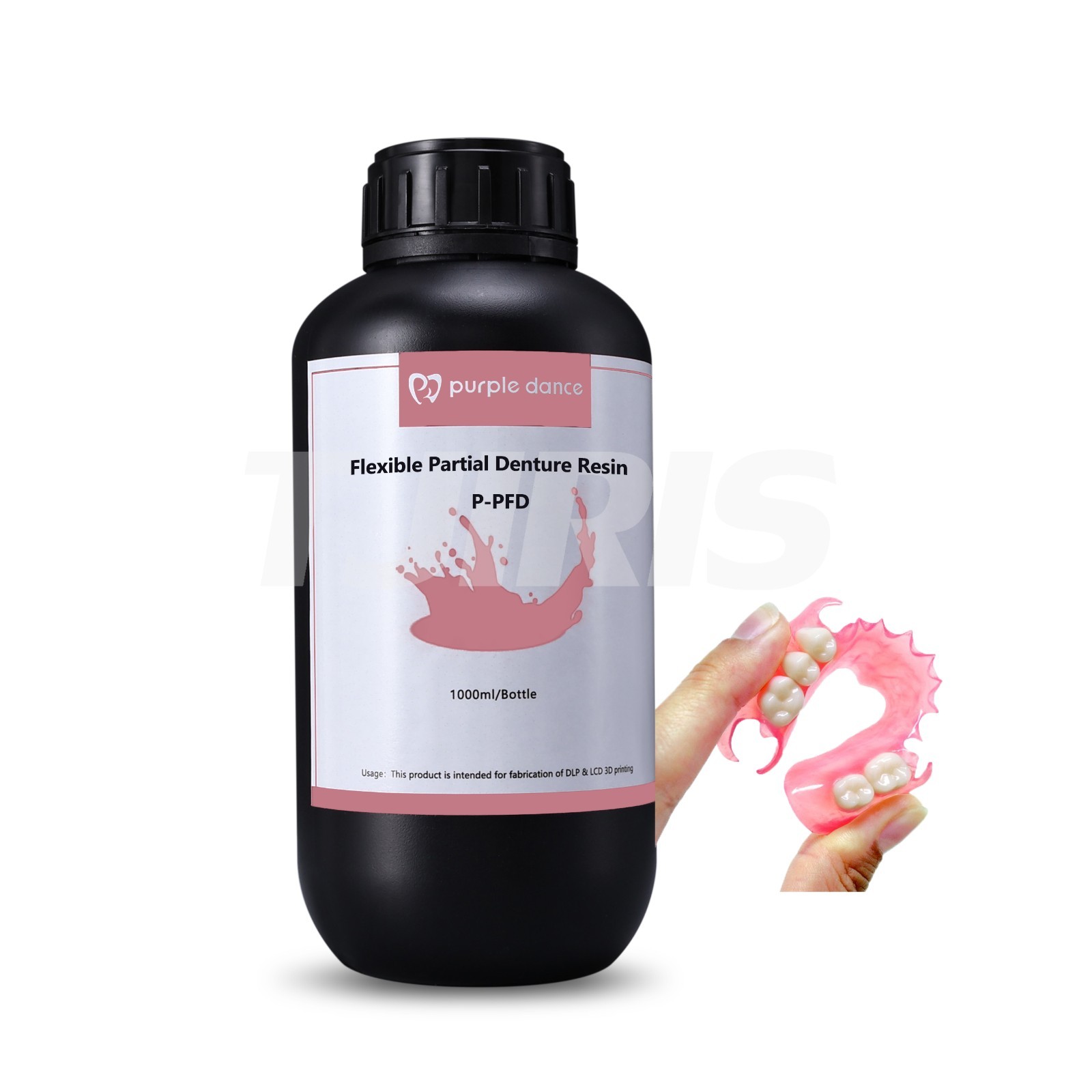

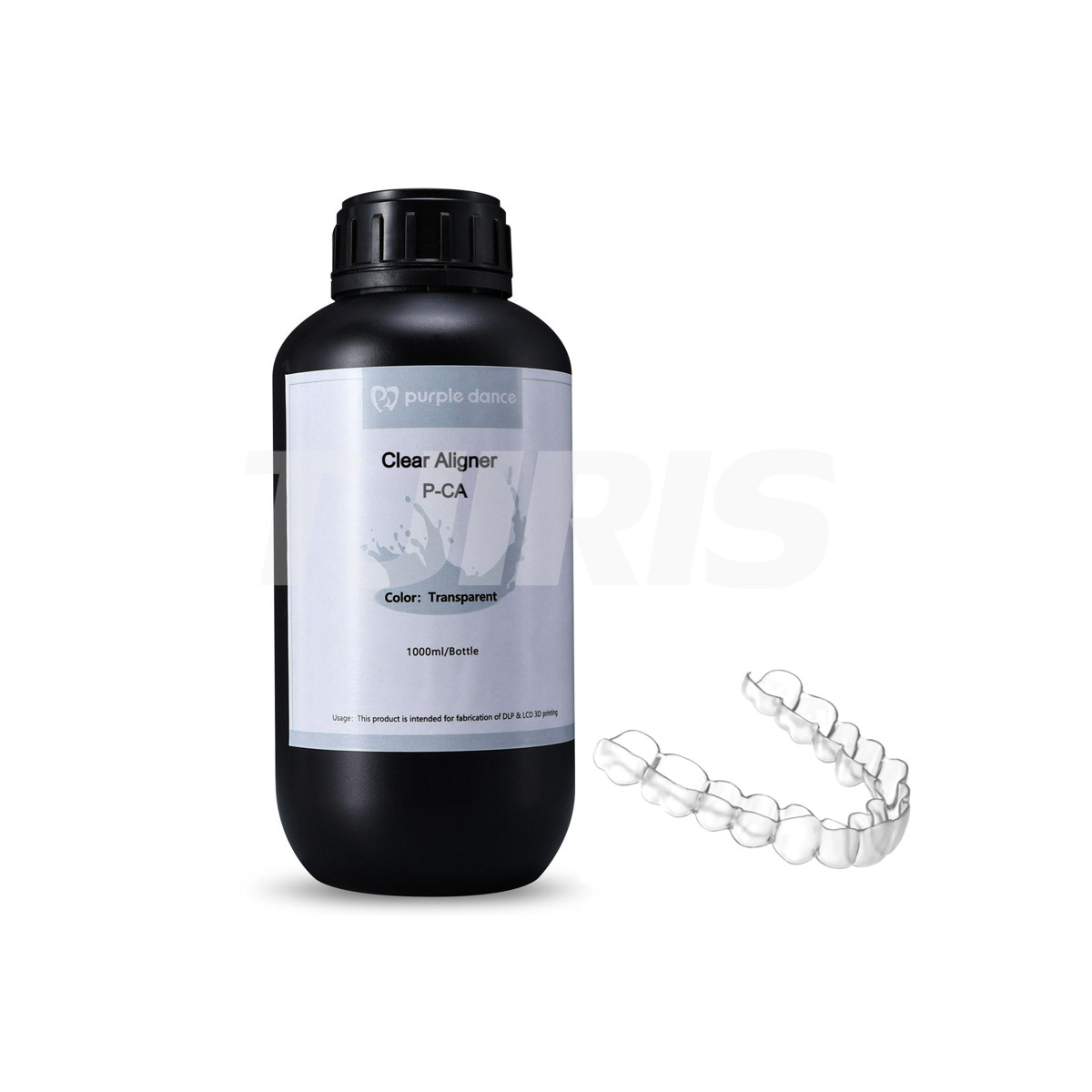
Photos from current listings. Actual item, color, and included accessories may vary.
3D Printing Resin Buying Guide
3D printing resin is a photopolymer liquid cured layer-by-layer by 385–405 nm LCD, DLP, or SLA light engines, distinct from spooled FDM filament. The core trade-off is hardness versus elongation: rigid engineering and dental resins hold tolerance and detail but crack under impact, while flexible resins absorb shock but creep and tear. Buy only resins whose wavelength band, exposure profile, and mechanical grade match your printer and load case; generic 'universal' resin is a compromise, not a shortcut.
Median $202.50
Key takeaways
- Wavelength compatibility is binary: 405 nm LCD/DLP printers need 405 nm-rated resin, while 385 nm industrial and dental units require 385 nm-sensitive formulations — mixing them undercures or overexposes.
- Mechanical grade defines service life: standard resins run high tensile strength with low elongation (brittle), tough/ABS-like grades trade peak strength for impact resistance, and flexible denture-base resins cure to Shore A hardness for snap-fit and gasket duties.
- Water-washable resins eliminate IPA washing but absorb moisture and soften over time; they suit display models and draft parts, not load-bearing or long-term functional components.
At a glance
- Category
- 3D Printing Filament & Resin
- Last updated
- Nov 29, 2026
Current offers
Highlights
- Wavelength compatibility is binary: 405 nm LCD/DLP printers need 405 nm-rated resin, while 385 nm industrial and dental units require 385 nm-sensitive formulations — mixing them undercures or overexposes.
- Mechanical grade defines service life: standard resins run high tensile strength with low elongation (brittle), tough/ABS-like grades trade peak strength for impact resistance, and flexible denture-base resins cure to Shore A hardness for snap-fit and gasket duties.
- Water-washable resins eliminate IPA washing but absorb moisture and soften over time; they suit display models and draft parts, not load-bearing or long-term functional components.
- Low-shrinkage formulations (under roughly 1–2% linear) protect dimensional accuracy on fitted parts like dental models and connectors, where standard resins can drift several tenths of a millimeter.
Best use cases
- Pick water-washable standard resin for display miniatures, prototypes, and classroom use where IPA handling is a hassle and parts face no sustained load; skip it for functional snap-fits or wet-service parts.
- Pick tough/ABS-like resin for functional brackets, jigs, and enclosures that see drops and torque; skip brittle standard resin any time the part flexes in service.
- Pick 385 nm dental-grade resin only on a compatible 385 nm printer for denture bases, crowns, and flexible partials; running it on a 405 nm LCD unit produces undercured, dimensionally wrong dental parts.
- Pick flexible resin for gaskets, grips, and denture-base analogs needing Shore A compliance; skip it for structural parts that must hold shape under constant load.
Buying tips
- Match resin to light engine first: confirm 405 nm for mainstream masked-SLA LCD/DLP printers or 385 nm for industrial/dental units, since exposure time and cure depth are calibrated to that band.
- Use mechanical datasheet values, not marketing names: compare tensile strength, elongation at break, and Shore hardness — a 'tough' label without elongation above roughly 20% is still brittle.
- For fitted or dental parts, demand low-shrinkage data (linear shrinkage near 1–2%) and post-cure instructions; curing protocol affects final dimensions as much as the resin itself.
- Budget resin volume by part envelope: a 1 kg bottle fills a mid-size vat repeatedly, but large hollow prints and support rafts consume 20–40% extra — plan refills before a multi-part run.
Specs
| Wavelength | 385 nm vs 405 nm light engine |
|---|---|
| Mechanical Grade | Standard / Tough / Flexible / Dental |
| Wash Type | IPA wash vs Water-washable |
| Shrinkage | Low-shrink (~1–2%) vs Standard |
Related searches
What to check before buying
- Confirm your printer's rated wavelength (405 nm vs 385 nm) and light source type (LCD, DLP, SLA) before choosing any resin grade.
- Check vat and build-volume capacity against the bottle size you intend to pour, plus room for resin to drain back after prints.
- Verify ventilation and wash/cure station setup: IPA wash for standard resins, water for water-washable, and a UV cure chamber matched to the resin's post-cure spec.
- For dental or medical-adjacent parts, confirm the resin's indicated application class and that your printer's resolution and exposure profile support that grade.
FAQ
Data sources: eBay / Amazon listings and product attribute feeds. Updated Nov 29, 2026.
Some links on this page are affiliate links. If you buy after clicking one, we may earn a commission at no extra cost to you. This does not change which products appear here or their order. Affiliate disclosure.